Can You Take Mounjaro and Ozempic at the Same Time?
Introduction
It is natural to feel a sense of urgency when you are working toward significant health goals. Perhaps you have seen the results others have achieved with GLP-1 medications, or maybe you are frustrated by a weight loss plateau. You might wonder if combining the strengths of two leading treatments—Mounjaro® and Ozempic®—could accelerate your progress. At TrimRx, we understand that navigating the world of modern weight loss can feel overwhelming and complex. Our mission is to provide you with the clarity and clinical context you need to make safe, informed decisions for your metabolic health. This article explores why taking these two medications simultaneously is not recommended and how a personalized, medically supervised approach is the safest path to success. Combining these powerful medications poses significant health risks and does not provide additive benefits. If you are wondering whether a prescription program is right for you, you can take the free assessment quiz to see what pathway fits your goals.
Understanding the Mechanism of Action
To understand why taking these two medications together is a bad idea, it is helpful to first look at how they work in your body. Both belong to a class of drugs that mimic natural hormones produced in your gut. These hormones communicate with your brain to signal fullness and help your pancreas manage blood sugar levels.
What is Ozempic?
Ozempic is a brand-name medication containing the active ingredient semaglutide. It is a glucagon-like peptide-1 (GLP-1) receptor agonist. In plain English, this means it mimics the GLP-1 hormone. When you take this medication, it binds to GLP-1 receptors in the body to slow down digestion, reduce appetite, and help the liver regulate glucose. It is primarily used for type 2 diabetes and related medical guidance.
What is Mounjaro?
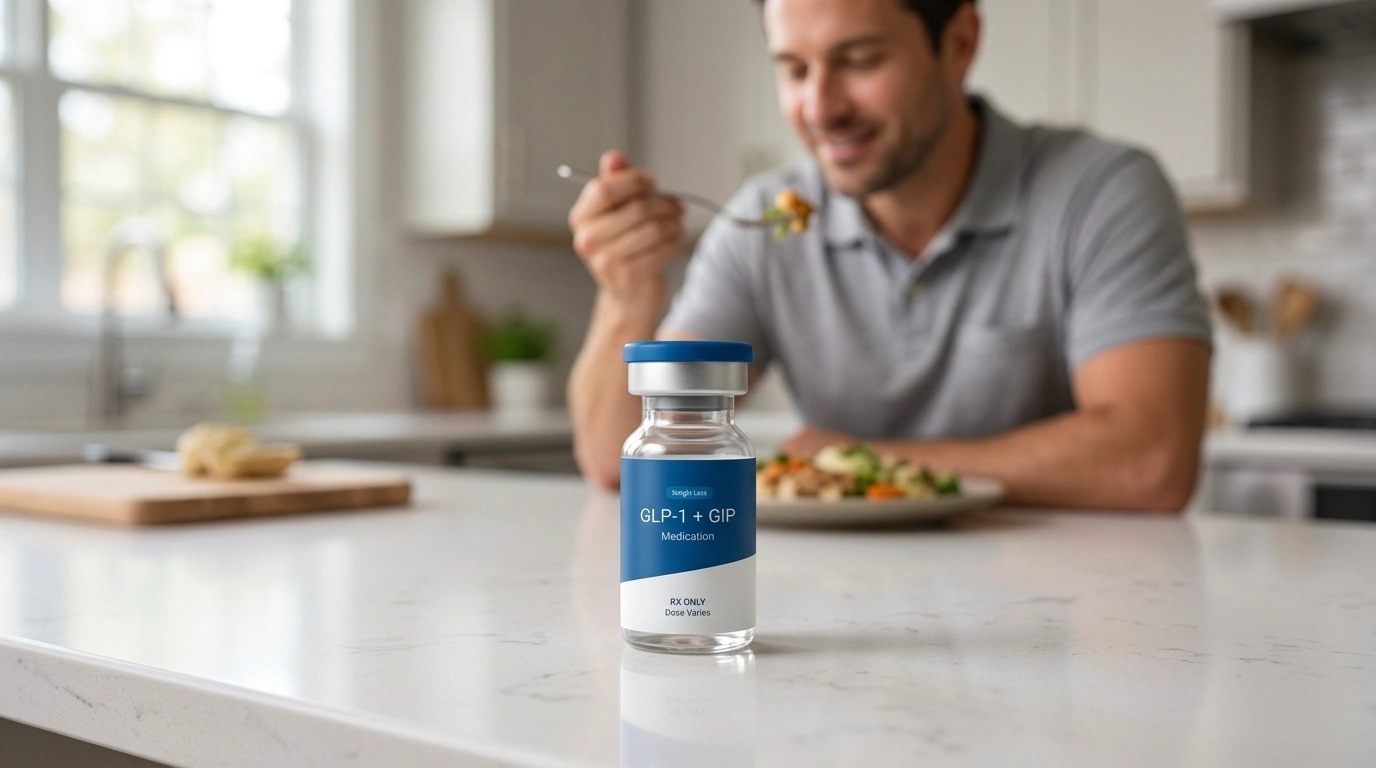
Mounjaro contains the active ingredient tirzepatide. It is slightly different because it is a dual-agonist. It mimics two hormones: GLP-1 and glucose-dependent insulinotropic polypeptide (GIP). By targeting both receptors, it provides a strong effect on the pathways that control hunger and metabolism. If you want a deeper look at how tirzepatide works, this tirzepatide guide is a helpful companion read.
The Danger of Receptor Over-Saturation
The primary reason medical providers advise against combining these treatments is receptor saturation. Your body has a limited number of GLP-1 receptors. Once these receptors are occupied by a medication, adding more of a similar drug does not make the signal stronger in a helpful way. Instead, it creates a system that is over-stimulated.
Risk of Severe Gastrointestinal Distress
Both semaglutide and tirzepatide are known for causing gastrointestinal side effects as the body adjusts. These commonly include nausea, vomiting, diarrhea, and constipation. When taken individually and titrated slowly, most people find these manageable.
However, taking them at the same time can amplify these effects. For an individual attempting to combine these treatments, the risk of ileus increases significantly. This can lead to a medical emergency requiring hospitalization. If side effects are becoming difficult to manage, it may be time to complete a free eligibility assessment and speak with a provider about a safer plan.
The Threat of Hypoglycemia
While these medications are designed to stabilize blood sugar, combining them can drive glucose levels too low, a condition called hypoglycemia. This is especially dangerous for individuals who are not diabetic but are using the medications for weight loss. Symptoms of dangerously low blood sugar include:
- Extreme dizziness or fainting
- Confusion and inability to focus
- Rapid heart rate or palpitations
- Shakiness and cold sweats
Comparing the Two Medications
Because you cannot take them together, you must work with a provider to decide which one is right for your specific health profile. While they are similar, clinical data suggests they perform differently depending on the patient’s needs. If you want to compare how the options are used in practice, this GLP-1 ordering guide explains the telehealth process in more detail.
| Feature | Ozempic (Semaglutide) | Mounjaro (Tirzepatide) |
|---|---|---|
| Receptor Targets | GLP-1 only | GLP-1 and GIP |
| FDA Status | Approved for type 2 diabetes | Approved for type 2 diabetes |
| Primary Benefit | Blood sugar support | Blood sugar and weight management support |
| Dosing Frequency | Once weekly injection | Once weekly injection |
The choice between them should be based on your medical history, not a desire to stack them for faster results. If you are comparing treatment paths, a provider can help determine which option makes the most sense for you.
Why “More” Does Not Mean “Faster”
In the world of weight loss, there is a common misconception that doubling the medication will double the speed of results. This is rarely true with hormonal treatments. The body requires time to adjust.
When you lose weight too rapidly through extreme medication over-use, you are more likely to lose significant muscle mass rather than just fat. This slows down your resting metabolic rate, making it much harder to maintain the weight loss long-term. A personalized program focuses on sustainable progress, ensuring your body stays supported throughout the journey. For a broader perspective on sustainable progress, see this weight loss journey guide.
The Role of Compounded Medications
In some cases, patients look into combining medications because of supply shortages of branded products like Ozempic® or Mounjaro®. When branded medications are unavailable, providers may turn to compounded versions.
Compounded semaglutide and compounded tirzepatide are versions of these medications prepared by licensed pharmacies. It is important to note that these specific preparations are not the same as branded products, and they still require careful supervision.
Even when using compounded versions, the rule remains the same: you should never mix semaglutide and tirzepatide. Your provider will prescribe one or the other based on your health assessment. If one is not working for you, the correct clinical path is to switch medications entirely, not to add a second one to the mix. If you want to understand how other patients evaluate their options, this TrimRx legitimacy review may help frame the bigger picture.
How to Safely Switch Between Medications
If you are currently taking Ozempic and feel that your progress has stalled, or if you are experiencing side effects that will not go away, you might be a candidate for switching to Mounjaro, or vice versa. This transition must be handled with care by a healthcare professional.
Step 1: Complete a Clinical Assessment
The first step is always a thorough medical review. We provide a free assessment quiz to help determine your eligibility and identify which pathway is safest for you. Your provider will look at your current dose, your weight loss history, and any existing health conditions.
Step 2: The Washout or Transition Period
Depending on your current dosage, a doctor may recommend a washout period where you stop taking the first medication before starting the new one. This allows the levels of the first drug to decrease in your system, reducing the risk of a combined effect when you start the new treatment.
Step 3: Starting at a Baseline Dose
Even if you were on a high dose of Ozempic, you will often start at a lower induction dose of the new medication. This allows your body to adjust to the new hormone without overwhelming your system.
Step 4: Monitoring for Side Effects
During the transition, it is vital to stay in close contact with your care team. You should monitor for any new or worsening symptoms. Maintaining proper hydration and nutrition is essential during this time to support your metabolism.
Signs You Are on Too Much Medication
If an individual were to mistakenly take both Mounjaro and Ozempic, or if their dose of a single medication is too high, the body will send clear warning signals. Recognizing these signs early can prevent a serious medical event.
- Intense Nausea: Feeling so sick that you cannot keep down water or small amounts of food.
- Severe Abdominal Pain: Sharp or cramping pain in the upper abdomen that may radiate to the back.
- Persistent Vomiting: Inability to stop vomiting, leading to rapid dehydration.
- Extreme Fatigue: Feeling so weak that daily tasks become impossible.
If you experience any of these symptoms, you should contact a healthcare provider immediately. At TrimRx, we prioritize your safety by ensuring our programs are supervised and dosages are carefully managed.
The Importance of Professional Guidance
Weight loss is a deeply personal journey, but it is also a clinical one. The medications available today are powerful tools, but like any tool, they must be used correctly. Self-prescribing or stacking medications you find through unofficial channels is dangerous.
Telehealth platforms provide a safe way to access these treatments. By working with a platform like ours, you receive a program that is tailored to your body. We handle the medical review and ongoing support, so you never have to guess whether a dosage or a combination is safe. If you are ready to see whether a supervised program is right for you, start with the free assessment quiz.
Supporting Your Journey Without Over-Medicating
If you feel like your current medication needs a boost, there are safer ways to enhance your results without adding a second prescription drug. Focusing on the pillars of metabolic health can often break a plateau more effectively than increasing a dose.
Nutritional Support
GLP-1 medications work best when paired with a high-protein, nutrient-dense diet. Because these drugs reduce your appetite, the food you do eat becomes much more important. Ensuring you get enough vitamins and minerals is key to maintaining energy levels. We offer the GLP-1 Daily Support supplement to help bridge nutritional gaps and support your routine.
Hydration and Electrolytes
Proper hydration is the most overlooked aspect of GLP-1 therapy. These medications can alter your thirst cues. Drinking plenty of water and using electrolytes can help prevent the headaches and fatigue often mistaken for medication side effects.
Strength Training
To keep your metabolism high, you must protect your muscle mass. Incorporating even light resistance training two to three times a week can significantly improve your body composition. This ensures that the weight you lose comes from fat stores rather than muscle tissue.
Managing the Emotional Side of Weight Loss
We know that the desire to take everything at once often comes from a place of frustration. Years of failed diets and yo-yo weight changes can make you feel like you need a drastic solution. However, the most successful weight loss stories are those that prioritize sustainability over speed.
Our approach at TrimRx is rooted in empathy. We know that weight loss is not just about a number on a scale; it is about how you feel in your daily life. Taking multiple medications that make you feel sick and exhausted is not a recipe for a better life. We help you find the sweet spot—the lowest effective dose that helps you reach your goals while allowing you to feel your best. For more on support-focused treatment paths, this GLP-1 support article may be useful.
Why Personalization Matters
No two bodies are exactly the same. One person may thrive on a low dose of semaglutide, while another may need the dual-action support of tirzepatide. By using a telehealth-first model, we are able to gather detailed health data to make the right recommendation for you.
Our programs include everything you need:
- Medical Consultation: A review of your history and goals by a licensed provider.
- Personalized Dosing: A plan that starts low and titrates at a pace your body can handle.
- Ongoing Specialist Access: Support to answer questions about side effects or progress.
- Convenience: Medications are shipped directly to your door from inspected pharmacies.
This structured environment removes the temptation to experiment with dangerous combinations. You can trust that your plan is backed by clinical expertise and designed for your long-term health. If you want to compare how different weight-loss paths are discussed, the tirzepatide guide is a useful next read.
Bottom line: Safety is the foundation of any successful weight loss journey. Taking Mounjaro and Ozempic together is medically unsafe and unnecessary.
Conclusion
The science of GLP-1 medications has opened new doors for thousands of people struggling with their weight. While it is tempting to think that combining two powerful drugs like Mounjaro and Ozempic would lead to even better results, the clinical reality is the opposite. Combining these treatments leads to receptor over-stimulation and a significantly higher risk of dangerous side effects.
At TrimRx, we believe in a smarter, safer way to reach your goals. Our mission is to help you navigate these options through a personalized, science-backed program that puts your well-being first. We provide the medical supervision and support necessary to ensure you are on the right medication at the right dose for your unique body. If you are ready to stop guessing and start a professional, transparent weight loss journey, your next step is simple. Take our free assessment quiz today to see which program is right for you and take the first step toward a healthier, more sustainable future.
FAQ
What happens if you accidentally take both Ozempic and Mounjaro?
If you accidentally take both medications, you should contact your healthcare provider or a local emergency room immediately. You are likely to experience severe nausea, vomiting, and a potential drop in blood sugar levels. Keep a close watch for signs of dehydration or intense abdominal pain, which could indicate a more serious complication.
Is it better to switch from Ozempic to Mounjaro if weight loss has stopped?
Switching may be an option if your weight loss has plateaued for several months or if you are not reaching your targets at the maximum dose of Ozempic. Because Mounjaro targets two receptors instead of one, some patients find it more effective for late-stage weight loss. However, this decision must be made by a licensed provider who can manage the transition safely.
Can I use a GLP-1 supplement while taking these medications?
Yes, using targeted supplements like GLP-1 Daily Support or Weight Loss Boost can be part of a supportive routine. These are designed to support your body’s natural pathways and your overall weight-loss plan. Always inform your provider of any supplements you are taking alongside your medication.
Why do doctors sometimes prescribe these medications “off-label”?
“Off-label” use means a doctor prescribes an FDA-approved drug for a purpose other than its official indication. Since Ozempic and Mounjaro are approved for diabetes but are often discussed in weight management care, providers may prescribe them for weight management if they believe it is clinically appropriate for the patient.
Disclaimer: This content is for informational purposes only and does not constitute medical advice. It is not intended to diagnose, treat, cure, or prevent any disease or condition. Individual results may vary. Always consult a qualified healthcare professional before starting any weight loss program or medication.

Transforming Lives, One Step at a Time
Keep reading

Mounjaro Alternatives: What Else to Consider
If Mounjaro isn’t the right fit, the closest alternatives are other GLP-1 medications, chiefly semaglutide (Ozempic for diabetes, Wegovy for weight), along with a…

Mounjaro vs Zepbound: Same Drug, Two Brands
Like their semaglutide counterparts, Mounjaro and Zepbound are the same medication (tirzepatide) sold under two names for two purposes: Mounjaro is approved for type…

Retatrutide vs Mounjaro: Triple Agonist vs Dual Agonist
The core difference between retatrutide and Mounjaro comes down to how many hormone targets each hits: retatrutide activates three receptors, while Mounjaro (tirzepatide) activates…


