Can You Take Wegovy If You Have Glaucoma?
Introduction
Choosing to start a weight loss journey is a significant decision, especially when you are already managing a chronic health condition like glaucoma. You may have heard about the impressive results associated with GLP-1 medications, but naturally, you want to ensure that protecting your vision remains a top priority. It is common to feel a sense of hesitation when introducing a new medication into your routine, wondering if it might interfere with your eye pressure or the treatments you already use.
At TrimRx, we believe that effective weight management should never come at the expense of your overall safety or peace of mind. If you’re thinking about prescription treatment, you can take the free assessment quiz to share your health history and help a licensed provider review your options. This article explores the relationship between Wegovy® and glaucoma, detailing what the current clinical research suggests, the potential vision-related side effects to monitor, and how a personalized approach to care can help you navigate these concerns. While having glaucoma does not automatically disqualify you from treatment, understanding the nuances of your eye health is the first step toward a successful outcome.
What is Wegovy® and How Does It Work?
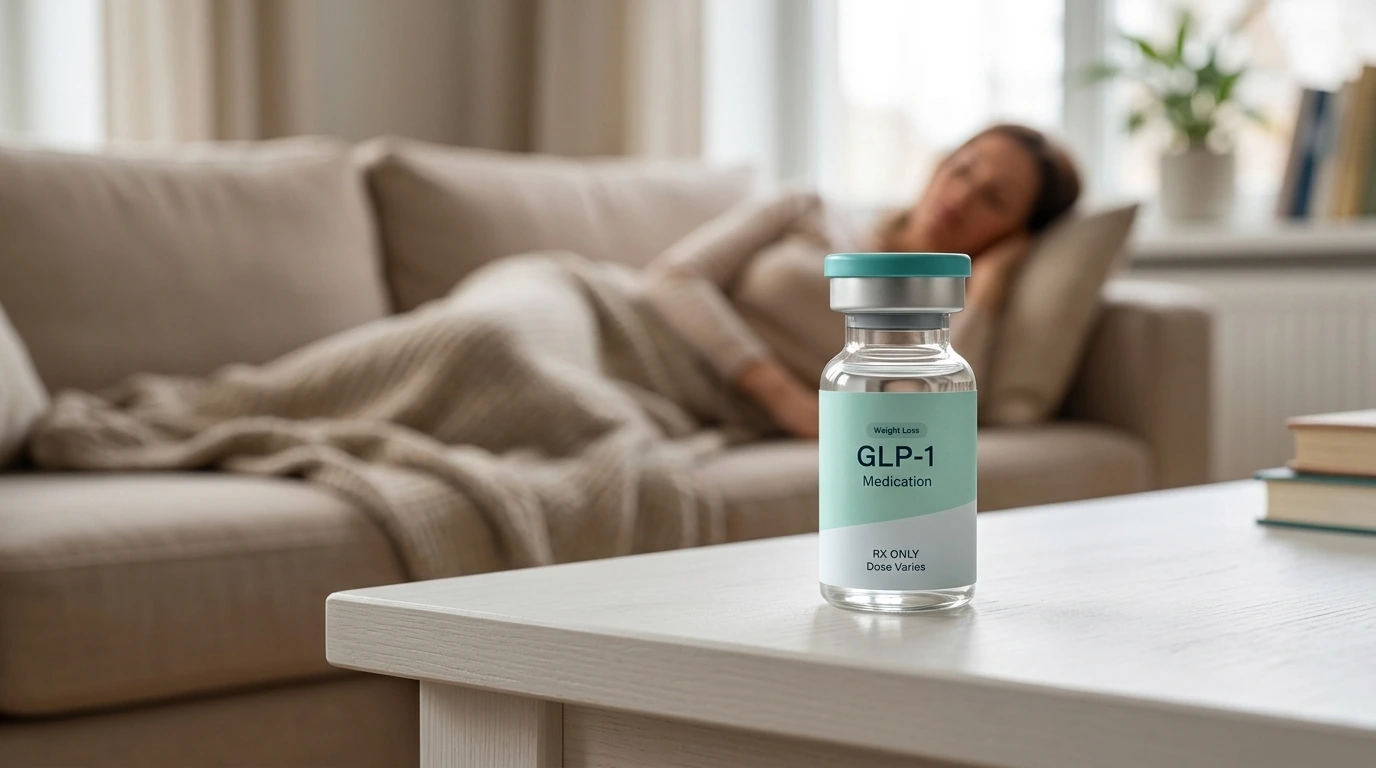
To understand how a medication might affect your eyes, it is helpful to first understand what that medication does in your body. Wegovy® is a brand-name prescription medication containing the active ingredient semaglutide. It belongs to a class of drugs known as glucagon-like peptide-1 (GLP-1) receptor agonists.
A GLP-1 receptor agonist is a medicine that mimics a hormone naturally produced in your gut. This hormone, GLP-1, plays several critical roles in weight management and metabolic health. First, it targets the areas of the brain that regulate appetite and food intake, helping you feel fuller faster and stay satisfied for longer. Second, it slows down gastric emptying, which is the process of food leaving your stomach. This physical delay in digestion reinforces the feeling of fullness.
By supporting the body’s natural GLP-1 pathways, the medication helps reduce the constant “food noise” or cravings that many individuals struggle with. If you want a broader overview of how this treatment class works, our guide to GLP-1 therapy explains the basics in more detail. While originally developed to help manage blood sugar in patients with type 2 diabetes, higher doses of semaglutide were found to be highly effective for weight loss in individuals with obesity or those who are overweight with weight-related health conditions.
The Relationship Between Glaucoma and Semaglutide
If you are living with glaucoma, your primary concern is likely intraocular pressure (IOP). Glaucoma is a group of eye conditions that damage the optic nerve, often caused by abnormally high pressure in the eye. Because this damage is typically permanent, any new medication must be scrutinized for its potential to increase that pressure or interfere with the optic nerve’s blood supply.
The current medical consensus is that glaucoma is not a contraindication for Wegovy®. A contraindication is a specific situation or condition in which a drug should not be used because it may be harmful to the person. Currently, the FDA-approved labeling for semaglutide does not list glaucoma as a reason to avoid the medication.
Quick Answer: Yes, most people with glaucoma can take Wegovy®, as it is not currently listed as a contraindication. However, because individual health profiles vary, you must consult both your prescribing provider and your ophthalmologist to ensure your eye pressure is stable before and during treatment.
Clinical data suggests that semaglutide does not have a direct mechanism that increases eye pressure. If you are exploring whether prescription GLP-1 treatment is appropriate for you, the free assessment quiz is a simple next step. In fact, some research suggests that weight loss and improved metabolic health might actually have a neutral or even slightly positive effect on intraocular pressure over time. However, because this medication is relatively new in the context of chronic weight management, researchers continue to monitor long-term data regarding ocular safety.
Understanding Potential Vision Changes
While glaucoma itself is not a primary contraindication, it is important to be aware that GLP-1 medications can sometimes cause temporary vision changes. These changes are usually not related to the progression of glaucoma, but rather to how the body adjusts to shifting blood sugar levels.
Blurred Vision and Metabolic Shifts
When you begin a medication that significantly impacts your metabolism, such as semaglutide, your blood glucose levels may stabilize or drop. This change in sugar levels can actually alter the shape of the lens in your eye. Because the lens is responsible for focusing light, a change in its shape can lead to temporary blurred vision.
This side effect is often most noticeable in the first few weeks of treatment. For most individuals, the eye adapts to the new metabolic state within three to four months, and vision returns to its baseline. However, for someone already managing glaucoma, any blurriness can be alarming. It is important to distinguish between this temporary lens adjustment and actual changes in eye pressure or optic nerve health.
The Role of Diabetic Retinopathy
It is worth noting that for individuals who have both diabetes and glaucoma, there is an additional layer of caution. In clinical trials for semaglutide, some patients with pre-existing diabetic retinopathy (damage to the blood vessels in the retina) experienced a temporary worsening of their condition.
Medical experts believe this is not caused by the drug itself, but by the rapid improvement in blood sugar control. When blood sugar levels that have been high for a long time are suddenly brought into a healthy range, it can cause a brief period of stress on the retinal blood vessels. If you have both glaucoma and diabetic retinopathy, your eye care specialist will likely want to monitor you more frequently during the initial stages of your weight loss program.
Recent Research: Wegovy® and NAION
In mid-2024, a study published in a major ophthalmology journal raised questions about a potential link between semaglutide and a rare eye condition called non-arteritic anterior ischemic optic neuropathy, or NAION.
NAION is sometimes described as a “stroke of the eye.” It occurs when blood flow to the optic nerve is reduced or blocked, leading to sudden, painless vision loss. It is the second most common cause of optic nerve blindness, trailing only glaucoma.
The study found that patients prescribed semaglutide for weight loss or diabetes appeared to have a higher risk of developing NAION compared to those on other types of medications. However, it is critical to keep the following points in mind:
- Association, not Causation: The study showed a link, but it did not prove that the medication actually caused the condition.
- Rarity: NAION remains an extremely rare condition, affecting only a tiny fraction of the population.
- Preliminary Data: Many medical organizations, including the American Academy of Ophthalmology, have stated that more research is needed before any changes to prescribing guidelines are made.
If you have a history of optic nerve issues or have previously experienced NAION in one eye, you must discuss this specifically with your healthcare team. While the risk is still being studied, your provider may choose a different path or suggest more intensive monitoring.
Why a Personalized Program Matters
Because the intersection of weight loss medication and eye health is complex, a “one-size-fits-all” approach to treatment is rarely appropriate. This is where the value of a personalized, medically supervised program becomes clear.
At TrimRx, our approach focuses on the individual rather than just the prescription. We understand that your medical history—including your glaucoma diagnosis, your current eye drop regimen, and your history of eye surgeries—must be factored into your weight loss plan. Our platform connects you with licensed providers who can review your health profile and determine if a GLP-1 medication is a safe and appropriate choice for you. If you want to see whether you may be a fit, complete the free assessment quiz and share your details with the care team.
Our mission is to provide more than just access to medication; we aim to provide a supportive environment where your concerns are heard and addressed by clinical experts. By using our free assessment quiz, you can provide the necessary details about your health history, allowing a provider to make a nuanced decision about your care. This ensures that your weight loss journey is built on a foundation of safety and clinical oversight.
Managing Your Glaucoma While on Wegovy®
If you and your doctors decide to move forward with a weight loss program, there are several practical steps you can take to protect your vision.
Maintain Your Existing Routine
It is vital that you do not change your glaucoma management plan without explicit instructions from your ophthalmologist.
- Continue your eye drops: GLP-1 medications are systemic (affecting the whole body), while glaucoma drops are typically local. There is no evidence that they interact negatively, so staying consistent with your drops is essential for keeping your IOP stable.
- Attend all appointments: Do not skip your regular eye exams. Your ophthalmologist needs to continue tracking your eye pressure and visual field to ensure that your glaucoma remains well-controlled while you lose weight.
Watch for “Red Flag” Symptoms
While temporary blurriness is common, certain symptoms require immediate medical attention. Contact your eye doctor right away if you experience:
- Sudden or severe loss of vision in one or both eyes.
- Severe eye pain or a deep ache in the eye.
- Seeing “halos” or rainbows around lights at night.
- A sudden increase in “floaters” or flashes of light.
- Sudden loss of peripheral (side) vision.
Stay Hydrated
Some patients experience gastrointestinal side effects like nausea or vomiting when starting GLP-1 medications. If these side effects lead to dehydration, it can potentially affect your overall blood pressure. Since blood flow to the optic nerve is a factor in glaucoma management, staying well-hydrated is a simple but effective way to support your ocular health.
The Benefits of Weight Loss for Eye Health
While much of the focus is on the risks, it is also important to consider the potential benefits of reaching a healthier weight. Obesity is linked to several conditions that can negatively impact the eyes, including high blood pressure and type 2 diabetes.
By losing weight and improving your metabolic health, you may reduce the systemic inflammation that contributes to various eye diseases. Some studies have even suggested that significant weight loss can lead to a modest reduction in intraocular pressure in some individuals. If you want to understand how a broader treatment plan may fit together, this overview of GLP-1 support explains how these programs are commonly structured. While weight loss is not a “cure” for glaucoma, it is a powerful tool for improving the overall vascular health that supports your vision.
Key Takeaway: The primary goal for any patient with glaucoma taking Wegovy® is stability. Ensuring your eye pressure is stable before starting and staying consistent with your eye care appointments are the most effective ways to manage potential risks.
How to Get Started Safely
If you are ready to address your weight but feel concerned about your glaucoma, the best path forward is a transparent conversation with a medical professional. You do not have to navigate these complexities alone.
Step 1: Consult your ophthalmologist. Discuss your interest in GLP-1 medications and ask if your current eye pressure and optic nerve health are stable enough for you to begin a new systemic treatment.
Step 2: Complete the free assessment quiz on our platform. Be sure to include your glaucoma diagnosis and any medications you are currently taking in your health history.
Step 3: Connect with a licensed provider through us. They will review your assessment and determine if you are a candidate for a personalized program, which may include options like Compounded Semaglutide or other metabolic supports.
Step 4: Establish a monitoring plan. Ensure that your weight loss provider and your eye doctor are “in the loop” regarding your progress and any vision changes you experience.
Comparing Your Options
For those who may not be candidates for injectable medications or who prefer a different approach, there are multiple avenues to explore. Personalized programs can be tailored to your specific needs, whether that involves different delivery methods or supportive supplements.
| Medication Type | Typical Use | Glaucoma Consideration |
|---|---|---|
| Injectable Semaglutide | Weight Management | Monitor for temporary blurred vision; not a contraindication. |
| Oral Semaglutide | Weight Management / Diabetes | Similar profile to injectables; may be preferred by those avoiding needles. |
| Compounded Tirzepatide | Weight Management | Potent GLP-1/GIP agonist; requires clinical oversight and IOP monitoring. |
| Support Supplements | Nutrient Support | Can be used alongside medications to support overall wellness. |
If you’re comparing treatment paths, our tirzepatide guide can help you understand how another GLP-1-based option fits into a broader plan. We provide access to a variety of these options, all of which are managed with the same high level of clinical oversight. Our goal is to ensure that regardless of the path you choose, you feel supported and informed every step of the way.
Conclusion
Living with glaucoma requires constant vigilance, but it shouldn’t prevent you from pursuing a healthier lifestyle and a weight that makes you feel your best. While Wegovy® and other semaglutide medications are not contraindicated for those with glaucoma, they do require a thoughtful, coordinated approach between your weight loss team and your eye specialist.
By focusing on personalized care and regular monitoring, you can balance the goal of sustainable weight loss with the necessity of preserving your vision. We are here to help you bridge that gap, providing the expertise and medical supervision needed to move forward with confidence. Our programs are designed to adapt to your unique health profile, ensuring that your journey is as safe as it is effective.
At TrimRx, we are committed to your long-term success. Whether you are just beginning to research your options or are ready to take the first step, our team of specialists is available to guide you toward a healthier, more vibrant future. We invite you to explore our personalized weight loss programs and take the free assessment quiz today to see how we can support your specific health goals.
FAQ
Is Wegovy® safe for people with narrow-angle glaucoma?
Individuals with narrow-angle or angle-closure glaucoma should exercise extra caution with any medication that could potentially affect pupil size or blood pressure. While Wegovy® is not known to directly cause angle closure, it is essential to have a detailed discussion with your ophthalmologist before starting treatment to ensure your drainage angles are stable and monitored.
Can weight loss medications increase eye pressure?
Current clinical evidence does not suggest that GLP-1 medications like Wegovy® cause a significant or sustained increase in intraocular pressure. However, because every individual reacts differently to systemic medications, regular pressure checks with your ophthalmologist are the only way to be certain of how your eyes are responding.
Should I stop taking my glaucoma drops if I start Wegovy®?
No, you should never stop or change your glaucoma medication without consulting your eye doctor. Your eye drops are essential for maintaining a safe pressure level and protecting your optic nerve; Wegovy® is a weight management tool and does not replace any part of your glaucoma treatment plan.
What should I do if my vision becomes blurry after my first dose?
Mild, temporary blurred vision is a known side effect of semaglutide as your body adjusts to new blood sugar levels. However, because you have glaucoma, you should report any vision changes to your ophthalmologist immediately. They can perform a quick check to confirm the blurriness is a temporary metabolic adjustment and not an issue with your eye pressure.
Disclaimer: This content is for informational purposes only and does not constitute medical advice. It is not intended to diagnose, treat, cure, or prevent any disease or condition. Individual results may vary. Always consult a qualified healthcare professional before starting any weight loss program or medication.

Transforming Lives, One Step at a Time
Keep reading

Wegovy Alternatives: What Else Works for Weight Loss
If Wegovy isn’t working out, the strongest alternative is tirzepatide (Zepbound), which tends to produce more weight loss, followed by other GLP-1 options and…
VK2735 vs Wegovy: Investigational Contender vs Proven Semaglutide
VK2735 and Wegovy sit at different stages of development. VK2735, an investigational drug from Viking Therapeutics, comes in both injectable and oral forms and…
Mazdutide vs Wegovy: How the Two Compare
Mazdutide and Wegovy are both injectable weight-loss drugs, but they are worlds apart on availability. Mazdutide, a dual glucagon and GLP-1 agonist, is approved…


