Navigating Your Diet: Can I Eat Fruit on Ozempic for Effective Weight Management?
Introduction
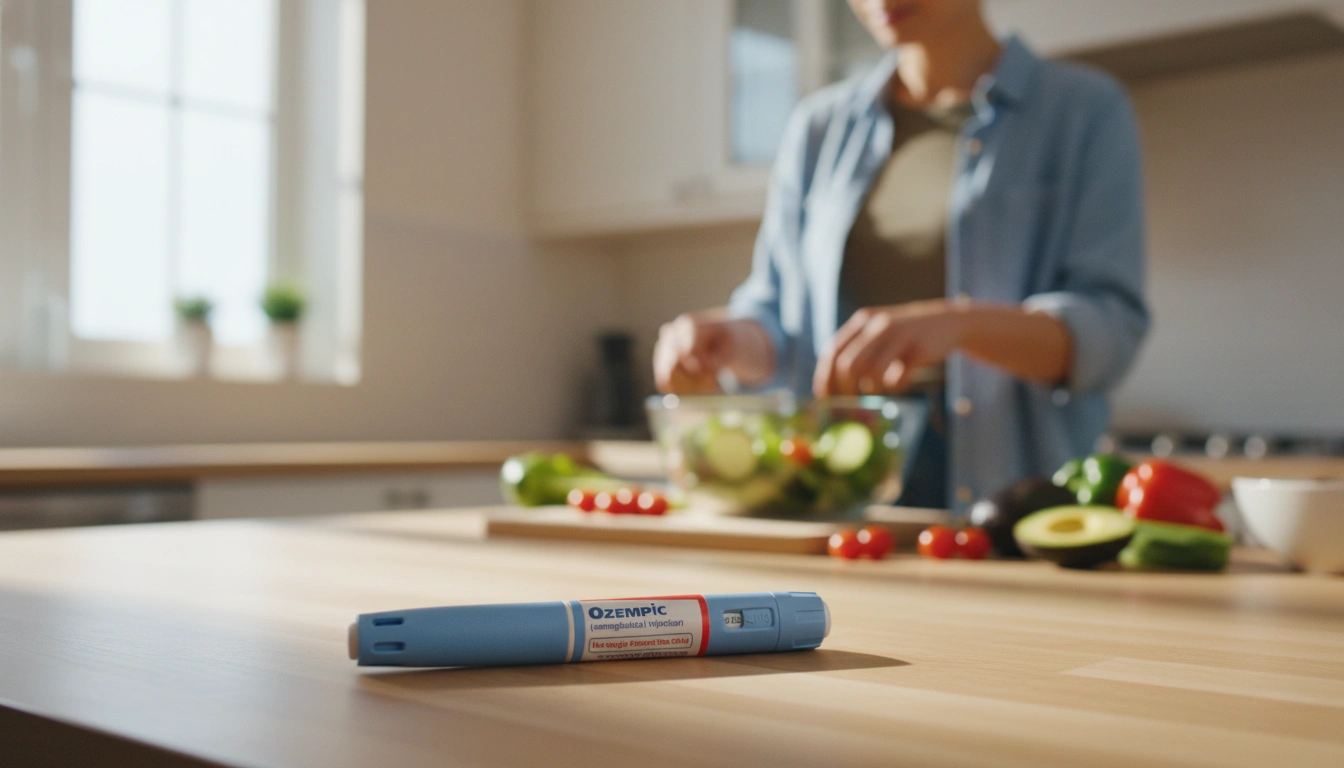
Embarking on a weight loss journey, especially with the support of advanced medications like Ozempic, often brings a cascade of questions about daily habits, particularly concerning diet. Many individuals find themselves meticulously scrutinizing every food choice, wondering how it might impact their progress and overall well-being. A common query that frequently arises is about the role of fruit – nature’s candy – in this new dietary landscape. Is fruit a friend or a foe when you’re working towards your health goals with a GLP-1 receptor agonist?
At TrimRx, our journey began with a shared vision: to help individuals embrace healthier lifestyles by merging cutting-edge telehealth innovations with effective weight loss solutions. We understand that sustainable weight loss should be achieved through science, empathy, and a transparent approach. This means providing not just medication, but also clear, supportive guidance on integrating these powerful tools into your daily life, including making informed dietary choices.
This comprehensive guide aims to illuminate the nuanced relationship between fruit consumption and medications like Ozempic (semaglutide), and other GLP-1s such as compounded semaglutide, oral semaglutide, compounded tirzepatide, oral tirzepatide, Mounjaro®, Zepbound®, and Wegovy®. We will explore how these medications work, the general dietary principles that support their effectiveness, and delve specifically into how fruit fits into a balanced eating plan while managing potential side effects. By the end, you’ll have a clearer understanding of how to make fruit a beneficial part of your personalized weight management strategy, aligning with our commitment to compassionate care and results-oriented support.
Understanding GLP-1 Medications and Their Impact on Your Body
The landscape of weight management has been significantly transformed by the advent of GLP-1 receptor agonists, a class of medications that includes Ozempic and others. These medications, which are provided through FDA-registered, inspected, and approved pharmacies as part of our comprehensive programs, offer a powerful tool in helping individuals manage their weight and blood sugar. To truly understand how dietary choices, like eating fruit, play a role, it’s essential to grasp the core mechanisms of these remarkable drugs.
How GLP-1s Work: A Multifaceted Approach
GLP-1 (Glucagon-Like Peptide-1) receptor agonists mimic a natural hormone produced in your gut. This hormone plays several crucial roles in regulating appetite and metabolism, leading to significant benefits for individuals striving for weight loss and improved metabolic health.
Regulating Blood Sugar Levels
Initially developed for type 2 diabetes, medications like Ozempic excel at helping your body manage glucose. They stimulate the pancreas to release more insulin when blood sugar levels are high, which helps move glucose from the bloodstream into your cells for energy. Concurrently, they reduce the amount of glucagon, a hormone that signals the liver to release stored sugar. This dual action helps stabilize blood sugar, preventing the spikes and crashes that can lead to cravings and energy dips.
Slowing Gastric Emptying for Extended Fullness
One of the most impactful ways GLP-1s contribute to weight loss is by slowing down the rate at which food leaves your stomach. This extended gastric emptying means food remains in your stomach for a longer period, translating into a prolonged feeling of fullness or satiety. This can naturally lead to eating less and feeling satisfied with smaller portion sizes.
Quieting “Food Noise” and Reducing Appetite
Beyond the physiological effects on digestion, GLP-1s also appear to influence appetite centers in the brain. Many individuals report a significant reduction in “food noise” – the intrusive thoughts and constant preoccupation with food that can derail weight loss efforts. This mental quietude around food makes it easier to make mindful eating choices and adhere to a healthy dietary plan. When you’re not constantly battling cravings, the path to sustainable weight loss becomes much clearer and more manageable.
Ozempic as a Tool in Your Weight Loss Toolbox
It’s vital to recognize that medications like Ozempic are a powerful tool within a broader strategy, not a standalone solution. Our philosophy at TrimRx emphasizes this holistic approach. We believe that for true, sustainable weight loss, these medications must be used in tandem with significant lifestyle modifications, including a balanced diet and regular physical activity. Our personalized weight loss programs are designed to provide this integrated support, offering doctor consultations, medication, lab work, unlimited support, and shipping with no hidden fees. We guide you through building habits that will serve your health long-term. To explore how our personalized, medically supervised care can support your unique journey, we encourage you to take our free assessment quiz.
General Dietary Principles While on Ozempic
When taking a GLP-1 medication, your dietary choices become even more critical. While there are no foods that are completely “off-limits,” adopting a nutrient-dense, balanced eating pattern is paramount. This approach supports the medication’s effectiveness, minimizes potential side effects, and ensures your body receives the vital nutrients it needs, especially when your appetite is reduced.
Prioritizing Nutrient-Dense Foods
With a reduced appetite and slower digestion, every bite counts. Focusing on foods that pack a nutritional punch is key.
The Indispensable Role of Protein
Protein is arguably the most crucial macronutrient when you’re on a weight loss medication. It helps preserve lean muscle mass, which is often at risk during periods of calorie deficit. Losing muscle can slow down your metabolism and make long-term weight maintenance more challenging. Protein also contributes significantly to satiety, helping you feel full and satisfied.
- Lean Protein Sources: Incorporate lean meats (chicken breast, turkey), fish (salmon, cod, tuna), eggs, legumes (beans, lentils), tofu, tempeh, and low-fat dairy products like Greek yogurt or cottage cheese.
- Recommendation: Aim to consume protein first at each meal. This ensures you get adequate protein even if you fill up quickly.
Embracing a Rainbow of Vegetables
Vegetables are powerhouses of vitamins, minerals, and fiber. They provide volume and nutrients with relatively few calories, making them excellent choices for filling your plate.
- Non-Starchy Varieties: Prioritize non-starchy vegetables such as leafy greens (spinach, kale, lettuce), broccoli, cauliflower, bell peppers, cucumbers, and zucchini. These have a minimal impact on blood sugar and are rich in phytonutrients.
- Diversity is Key: Vary the colors of your vegetables throughout the week to ensure a broad spectrum of nutrients.
Smart Carbohydrate Choices
While some diets demonize carbohydrates, complex carbohydrates are a vital source of energy and fiber. The key is to choose them wisely.
- Whole Grains: Opt for whole grains like brown rice, quinoa, oats, whole-wheat bread, and whole-grain pasta. These are rich in fiber, which aids digestion and helps stabilize blood sugar.
- Mindful Portions: Be aware of portion sizes, especially with starchy vegetables like potatoes, corn, and peas, treating them as a carbohydrate component rather than an unlimited vegetable.
Incorporating Healthy Fats
Healthy fats are essential for hormone production, nutrient absorption, and long-lasting satiety.
- Sources: Include healthy fats from avocados, nuts, seeds, and olive oil in moderation. These can also help balance blood sugar and support cardiovascular health.
Foods to Limit for Optimal Results and Reduced Side Effects
While no food is strictly forbidden, certain types of foods can hinder your progress or exacerbate the gastrointestinal side effects common with GLP-1 medications.
Steering Clear of Added Sugars and Refined Carbohydrates
Foods high in added sugars and refined carbohydrates can cause rapid spikes in blood sugar, undermining the glucose-regulating effects of Ozempic. They also tend to be calorie-dense and nutrient-poor, offering little satiety.
- Examples to Limit: Sugar-sweetened beverages (soda, most fruit juices, sweet tea), candies, desserts (cakes, cookies, ice cream), pastries, and white bread.
Reducing High-Fat and Greasy Foods
Given that GLP-1s slow gastric emptying, foods that are already slow to digest, like high-fat and greasy items, can linger in the stomach even longer. This can significantly increase the risk and severity of side effects such as nausea, vomiting, and abdominal discomfort.
- Examples to Limit: Fried foods, fast food, processed meats, rich sauces, and full-fat dairy products.
Moderating Alcohol and Caffeine Intake
Both alcohol and caffeine can irritate the stomach lining and potentially worsen gastrointestinal side effects. Alcohol can also impact blood sugar levels and add empty calories.
- Alcohol: If you choose to drink, do so in strict moderation and observe how your body reacts. Alcohol can lower blood sugar, which could be a concern for some.
- Coffee: While generally safe, excessive coffee consumption, especially with added sugars and creams, can contribute to stomach upset or nausea.
The Role of Hydration
Staying adequately hydrated is fundamental to overall health and can be particularly beneficial when on GLP-1 medications. It aids in digestion, helps prevent constipation (a common side effect), and can curb false hunger signals. Prioritize water, and consider herbal teas or infused water for variety.
We understand that making these dietary shifts can feel overwhelming. That’s why at TrimRx, we offer compassionate care that respects every individual’s unique journey. Our comprehensive service includes unlimited support, ensuring you have the guidance you need to make these healthy changes. For quick and easy support to enhance your nutritional intake, consider our immediate support supplements like GLP-1 Daily Support and Weight Loss Boost.
Can I Eat Fruit on Ozempic? A Deep Dive into Smart Fruit Choices
The question, “can I eat fruit on Ozempic?” is a common and valid one for individuals focused on their weight management journey. The simple answer is yes, absolutely! Fruit is a cornerstone of a healthy, balanced diet, offering a wealth of vitamins, minerals, fiber, and disease-fighting antioxidants. However, the nuances lie in which fruits you choose, how much you consume, and when you eat them, especially when taking medications that impact digestion and blood sugar.
The Benefits of Fruit in Your Diet
Fruits are natural sources of sweetness, and importantly, they come packaged with dietary fiber. This fiber is crucial because it helps slow down the absorption of fruit sugars (fructose) into your bloodstream, preventing rapid spikes that refined sugars might cause. This makes whole fruits a much better choice than fruit juices, which strip away the beneficial fiber.
- Vitamins and Minerals: Fruits provide essential micronutrients that support overall health and bodily functions.
- Antioxidants: These compounds help protect your cells from damage, contributing to long-term well-being.
- Fiber: Aids in digestion, promotes gut health, and contributes to feelings of fullness.
Navigating Fruit Choices and Portions
While fruit is beneficial, moderation and smart selection are key. The US Dietary Guidelines recommend about 1.5 to 2 cups of fruit per day for adults, a good general benchmark to consider.
Opting for Lower-Sugar Fruits
Some fruits naturally contain less sugar than others. Prioritizing these can help manage blood sugar levels more effectively.
- Excellent Choices: Berries (strawberries, blueberries, raspberries, blackberries), kiwi, grapefruit, cantaloupe, and oranges. These fruits are typically high in fiber and antioxidants.
- Moderation with Higher-Sugar Fruits: Fruits like ripe bananas, mangoes, pineapples, and grapes have a higher natural sugar content. Enjoy these in smaller portions and perhaps less frequently, treating them more as a dessert or a special treat.
Whole Fruit vs. Fruit Juice
Always choose whole, fresh fruit over fruit juice, even 100% pure juice. Juices lack the fiber found in whole fruit, meaning their sugars are absorbed much more quickly, leading to a more pronounced blood sugar response.
Considering Ripeness
The ripeness of a fruit can also affect its sugar content and glycemic impact. A very ripe banana, for example, will have more readily available sugars than a slightly green one. This is a subtle but important consideration for those closely monitoring their glucose levels.
Fruit and Managing Side Effects
GLP-1 medications can cause gastrointestinal side effects such as nausea, diarrhea, constipation, and bloating. How fruit interacts with these symptoms can vary:
- For Nausea: Bland fruits like bananas and applesauce are often recommended as they are easy to digest and can be soothing to an upset stomach. Cold fruits might also be more palatable.
- For Diarrhea/Bloating: Some fruits, particularly those high in FODMAPs (Fermentable Oligosaccharides, Disaccharides, Monosaccharides, and Polyols) like skinned apples, peaches, or pears, might exacerbate bloating or diarrhea in sensitive individuals. If you experience these symptoms, you might consider temporarily limiting these specific types of fruit or consuming them without the skin.
- For Constipation: The fiber in most fruits can be beneficial in promoting regular bowel movements. Ensuring adequate hydration alongside fiber intake is crucial.
Integrating Fruit into Your Personalized Plan
Understanding your body’s unique response to food is paramount. What works well for one individual may be different for another. Our personalized weight loss solutions at TrimRx are designed to consider these individual factors. Through our medically supervised programs, you receive tailored guidance that aligns with your specific needs and how your body responds to your medication. This might include advice on fruit choices, portion sizes, and strategies for managing potential side effects.
If you’re wondering if a personalized treatment plan, including prescription medications like Compounded Semaglutide, Oral Semaglutide, Ozempic®, Compounded Tirzepatide, Oral Tirzepatide, Mounjaro®, Zepbound®, or Wegovy®, is right for you, we encourage you to take our free assessment quiz. This is the first step toward receiving a plan uniquely designed for your health journey, supported by our empathetic, innovative, and trustworthy approach.
Beyond Fruit: Crafting a Holistic Nutrition Strategy with Ozempic
While the question of can I eat fruit on Ozempic is an important detail, it’s part of a much larger picture: developing a holistic nutrition strategy that supports your weight loss goals and overall health while using GLP-1 medications. At TrimRx, we advocate for a comprehensive approach, combining advanced medical science with modern technology to guide you toward sustainable wellness.
Building Your Foundation: The Mediterranean Diet Principles
Many healthcare professionals recommend dietary patterns that align with the Mediterranean diet principles, which emphasize whole, unprocessed foods. This approach naturally complements the effects of GLP-1 medications by promoting balanced nutrition and supporting steady blood sugar levels.
Lean Proteins: The Muscle and Satiety Builders
As previously highlighted, protein intake is non-negotiable. It’s essential for preserving muscle mass during weight loss and ensuring you feel satisfied despite reduced food intake.
- Focus On: Poultry, fish, lean cuts of red meat, eggs, beans, lentils, tofu, and tempeh.
- Practical Tip: Incorporate a source of lean protein into every meal and snack.
Non-Starchy Vegetables: Volume and Vitality
These vegetables should form the bulk of your plate. They are rich in fiber, vitamins, and minerals, providing volume without excessive calories or sugar spikes.
- Variety is Key: Broccoli, cauliflower, spinach, kale, bell peppers, asparagus, and cucumbers are excellent choices.
- Cooking Methods: Opt for grilling, steaming, roasting, or fresh consumption to retain nutrients and avoid added fats.
Whole Grains: Sustained Energy and Fiber
Whole grains offer complex carbohydrates that provide sustained energy and crucial dietary fiber, supporting digestive health and blood sugar stability.
- Healthy Options: Quinoa, brown rice, oats, whole-wheat bread and pasta.
- Portion Awareness: While healthy, be mindful of portion sizes to align with your overall calorie goals.
Healthy Fats: Essential Nutrients in Moderation
Healthy fats are vital for cell function, hormone production, and nutrient absorption. They also contribute to satiety.
- Sources: Avocados, nuts, seeds, and olive oil.
- Moderation is Prudent: Due to their calorie density and potential to exacerbate side effects with slowed digestion, consume healthy fats in measured amounts.
Navigating Beverages for Optimal Health
Your drink choices are as important as your food choices when on Ozempic.
Water: Your Best Ally
Prioritize plain water throughout the day. It’s essential for hydration, preventing constipation, and can sometimes be mistaken for hunger.
- Enhance Flavor: Add slices of fruit (lemon, lime, berries) or herbs (mint, basil) to infuse water naturally without added sugars.
Limit Sugary and Artificially Sweetened Drinks
- Sugary Drinks: Sodas, sweetened teas, and most fruit juices contribute empty calories and rapid sugar spikes.
- Diet Sodas: While calorie-free, some research suggests artificial sweeteners may influence appetite or alter gut microbiota, potentially counteracting the benefits of GLP-1s for some individuals. Observe your body’s response and limit if you notice adverse effects.
Alcohol and Caffeine: Exercise Caution
- Alcohol: Can exacerbate GLP-1 side effects like nausea and vomiting. It can also interfere with blood sugar regulation and add empty calories. If consumed, do so in very strict moderation.
- Caffeine: While generally not contraindicated, it can irritate the stomach and potentially worsen existing GI side effects. If you experience discomfort, consider reducing your intake.
Strategic Eating Patterns
How you eat can be just as important as what you eat.
Smaller, More Frequent Meals
Given the slowed gastric emptying, eating smaller portions more frequently can prevent feelings of extreme fullness, bloating, and nausea.
- Listen to Your Body: Pay attention to hunger and fullness cues. Stop eating when you feel comfortably satisfied, not stuffed.
Mindful Eating Practices
Eating slowly, chewing thoroughly, and being present during meals can improve digestion and help you recognize satiety signals more effectively. This mindful approach aligns with our belief in personalized care and understanding your body’s unique needs.
Partnering with TrimRx for Your Nutritional Journey
Developing a sustainable nutrition strategy takes guidance and support. At TrimRx, we are dedicated to safe, effective weight loss and individualized care. Our platform is a user-friendly and supportive space where individuals receive personalized, medically supervised care designed to make sustainable weight loss attainable and tailored to the individual. We offer a comprehensive service that includes doctor consultations, medication (such as Compounded Semaglutide, Oral Semaglutide, Ozempic®, Compounded Tirzepatide, Oral Tirzepatide, Mounjaro®, Zepbound®, and Wegovy® when determined eligible through our assessment), lab work, unlimited support, and shipping with no hidden fees.
Our brand is empathetic, innovative, trustworthy, supportive, results-oriented, and personalized. We combine advanced medical science with modern technology to offer compassionate care that respects every individual’s unique journey. We partner exclusively with FDA-registered and inspected pharmacies for the shipping of weight loss medications, ensuring your safety and peace of mind.
To take the first step towards a truly personalized and supported weight loss journey, we encourage you to take our free assessment quiz. This will help determine your eligibility for our prescription weight loss medications and set you on the path to a healthier lifestyle. Additionally, for immediate nutritional support, explore our GLP-1 Daily Support and Weight Loss Boost supplements, available for immediate purchase to complement your wellness goals.
Conclusion: Empowering Your Choices with TrimRx
Navigating dietary decisions while on medications like Ozempic can feel complex, but with the right information and support, it becomes a powerful part of your health journey. We’ve explored how GLP-1 receptor agonists work to reduce appetite and regulate blood sugar, setting the stage for more effective weight management. Crucially, we’ve affirmed that can I eat fruit on Ozempic is not just possible, but highly encouraged, provided you make mindful choices about variety, portion, and ripeness, always prioritizing whole fruits for their rich fiber and nutrient content.
Remember, medications like Ozempic are a sophisticated tool, but their full potential is unlocked when integrated into a lifestyle that embraces balanced nutrition, adequate hydration, and mindful eating. Limiting processed foods, excessive fats, and added sugars, while prioritizing lean protein, a diverse array of non-starchy vegetables, and whole grains, creates a synergistic effect that optimizes both your weight loss progress and overall well-being. Furthermore, understanding how specific foods might influence potential side effects allows you to tailor your diet for greater comfort and consistency.
At TrimRx, we are more than just a provider; we are your dedicated partner in health. Our journey began with a vision to merge cutting-edge telehealth innovations with effective weight loss solutions, creating a user-friendly and supportive platform for personalized, medically supervised care. We stand by our commitment to science, empathy, and transparency, ensuring that your path to sustainable weight loss is both safe and effective. Our comprehensive service includes everything from doctor consultations and medication provided through FDA-registered and inspected pharmacies, to lab work and unlimited support—all designed with your unique journey in mind.
We believe that empowering you with knowledge and compassionate care is key to long-term success. If you’re ready to take a personalized approach to your weight loss journey and explore whether prescription medications like Compounded Semaglutide, Oral Semaglutide, Ozempic®, Compounded Tirzepatide, Oral Tirzepatide, Mounjaro®, Zepbound®, or Wegovy® are suitable for you, we invite you to take our free assessment quiz. For immediate support to enhance your overall wellness, our GLP-1 Daily Support and Weight Loss Boost supplements are also available for immediate purchase. Together, we can build a healthier, more vibrant future tailored just for you.
Frequently Asked Questions
What kind of fruits are best to eat on Ozempic?
When taking Ozempic, it’s generally best to focus on whole, fresh fruits that are lower in natural sugars and higher in fiber. Excellent choices include berries (strawberries, blueberries, raspberries, blackberries), kiwi, grapefruit, cantaloupe, and oranges. These fruits provide essential vitamins, minerals, and antioxidants while having a more gradual impact on blood sugar levels. While higher-sugar fruits like ripe bananas, mangoes, and pineapples can be enjoyed, it’s advisable to consume them in moderation.
Can fruit cause side effects with Ozempic?
For most people, fruit is well-tolerated and can even help with some side effects like constipation due to its fiber content. However, like any food, individual reactions can vary. If you experience digestive side effects such as bloating or diarrhea, certain high-FODMAP fruits (e.g., skinned apples, peaches, pears) might exacerbate these symptoms for some individuals. Conversely, bland fruits like bananas or applesauce are often recommended to help alleviate nausea. Always listen to your body and adjust your fruit choices as needed.
How much fruit can I eat daily when taking Ozempic?
The general recommendation for adults, whether on Ozempic or not, is to consume about 1.5 to 2 cups of whole fruit per day. This guideline ensures you receive the vital nutrients and fiber without excessive sugar intake. When on Ozempic, it’s particularly important to be mindful of portion sizes due to the medication’s effect on satiety and gastric emptying. Our personalized weight loss programs at TrimRx can help you determine the optimal fruit intake that aligns with your specific dietary needs and weight loss goals. You can start by taking our free assessment quiz for a personalized plan.
Is a personalized diet plan important when taking Ozempic?
Yes, a personalized diet plan is incredibly important when taking Ozempic or any GLP-1 medication. While general dietary guidelines are helpful, individual needs, health conditions, food preferences, and responses to medication can vary significantly. A personalized plan considers these unique factors, helping you optimize nutrient intake, manage potential side effects, and build sustainable eating habits that support long-term weight management. At TrimRx, we offer personalized, medically supervised care that includes guidance on diet, alongside medications like Ozempic, to ensure your plan is tailored precisely to you.

Transforming Lives, One Step at a Time
Keep reading

Ozempic and Colorectal Cancer: What the New Research Shows
Colorectal cancer is the third most commonly diagnosed cancer in the United States and one of the cancers most strongly linked to obesity, metabolic…

Does Ozempic Reduce Cancer Risk: What the Research Shows
The connection between obesity and cancer has been established for decades. What’s newer, and genuinely interesting, is emerging evidence that GLP-1 medications like Ozempic…

When to Stop Ozempic Before Surgery: Aspiration Risk Explained
If you’re scheduled for surgery and you’re currently taking Ozempic or another GLP-1 medication, there’s a specific conversation you need to have with your…


