Navigating Your Diet: Can I Eat Peanut Butter on Ozempic® and Other GLP-1 Medications?
Introduction
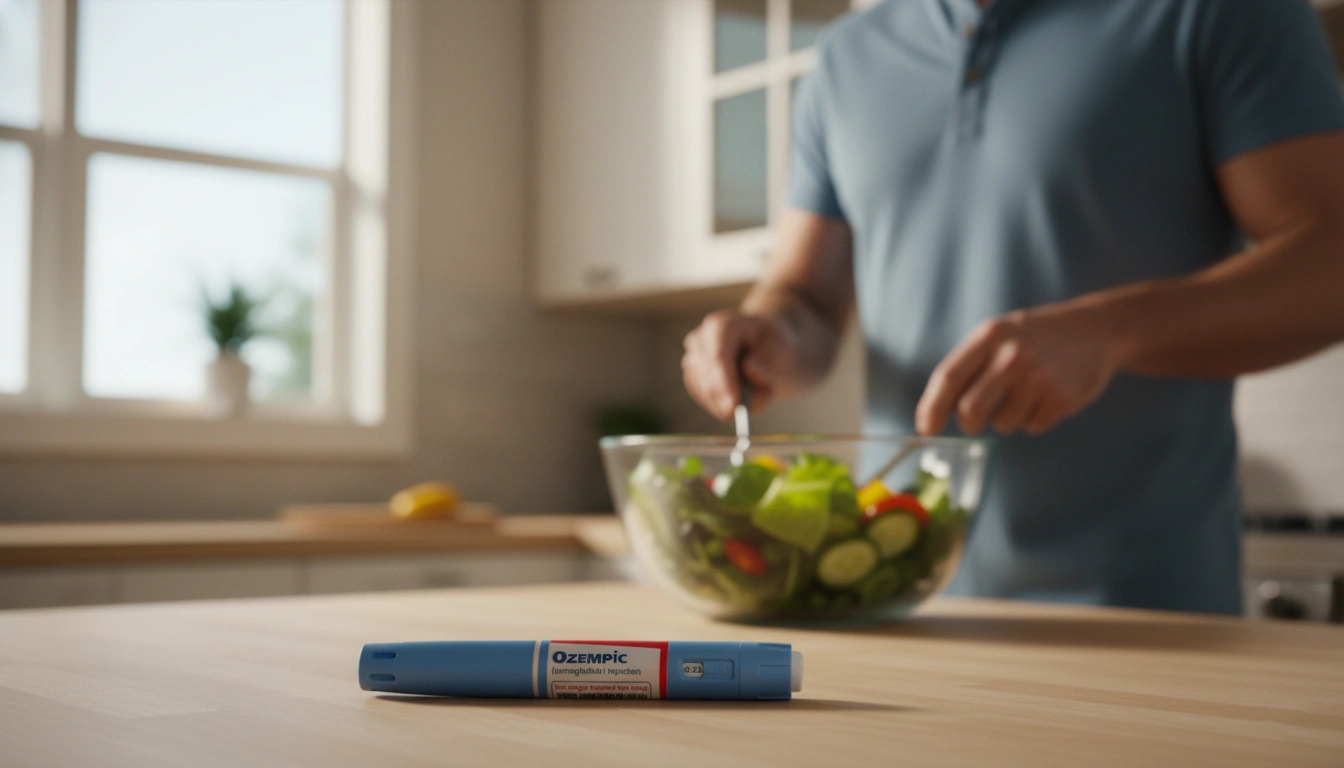
Embarking on a weight loss journey with GLP-1 medications like Ozempic® or Wegovy® marks a significant step toward a healthier lifestyle. These innovative treatments have reshaped how we approach weight management, offering profound benefits in appetite regulation and metabolic control. However, with new medications often come new questions about daily habits, especially concerning diet. What was once a staple in your pantry might now prompt a moment of hesitation, leading many to wonder about specific foods and their compatibility with these powerful agents. One common question that surfaces for many individuals involves the beloved, versatile spread: can I eat peanut butter on Ozempic®?
The integration of GLP-1 medications into a weight management plan necessitates a thoughtful reevaluation of dietary choices. These medications work by influencing your digestive system and satiety signals, which means certain foods might interact differently than before, potentially leading to discomfort or impacting the efficacy of your treatment. Understanding these interactions is not merely about avoiding adverse effects; it’s about optimizing your nutritional intake to support sustained weight loss, preserve muscle mass, and enhance overall well-being.
In this comprehensive guide, we will delve into the nuanced relationship between GLP-1 medications and your diet, moving beyond simple do’s and don’ts to provide a deeper understanding of food choices. Our purpose is to demystify dietary considerations while on medications such as Ozempic®, focusing specifically on how foods like peanut butter fit into this evolving landscape. We’ll explore the general principles for eating on GLP-1s, examine the specific characteristics of peanut butter, and offer practical, personalized advice. By the end, you’ll gain clarity on making informed food decisions, supported by the principles of science, empathy, and transparent care that guide our approach at TrimRx. Let’s embark on this journey to empower your food choices and optimize your path to sustainable health.
Understanding Ozempic® and GLP-1 Medications: A Foundation for Dietary Choices
The rise of GLP-1 receptor agonists, including medications like Ozempic®, Wegovy®, Mounjaro®, and Zepbound®, has revolutionized the landscape of weight management and type 2 diabetes treatment. For many, these medications represent a powerful tool in achieving health goals that once seemed out of reach. But to effectively navigate your diet while on these treatments, it’s essential to first understand how they work within your body and what implications this has for your food choices.
How GLP-1 Medications Work in Your Body
GLP-1 stands for Glucagon-Like Peptide-1, a natural hormone that your body releases after you eat. Medications that mimic this hormone, such as semaglutide (found in Ozempic® and Wegovy®) and tirzepatide (found in Mounjaro® and Zepbound®), leverage these natural biological processes to achieve their therapeutic effects. The primary mechanisms include:
- Slowing Gastric Emptying: One of the most significant effects of GLP-1 medications is that they slow down the rate at which food leaves your stomach. This means you feel fuller for longer periods, which can naturally reduce overall food intake and contribute to weight loss.
- Increasing Satiety: These medications act on receptors in your brain to increase feelings of fullness and reduce hunger signals. This can significantly curb cravings and “food noise,” making it easier to adhere to a calorie-reduced diet.
- Regulating Blood Sugar: For individuals with type 2 diabetes, GLP-1s also stimulate insulin release in response to high blood sugar and suppress glucagon secretion, which helps prevent blood sugar spikes after meals.
Common Side Effects and Their Dietary Link
While incredibly effective, GLP-1 medications can come with a range of gastrointestinal side effects, especially as your body adjusts to the medication or during dose increases. These commonly include:
- Nausea and Vomiting: Often due to the slowed gastric emptying, especially if large meals or certain types of foods are consumed.
- Diarrhea or Constipation: These can fluctuate and are often linked to changes in digestion and hydration.
- Abdominal Pain and Bloating: Resulting from slower movement of food through the digestive tract.
- Heartburn: Gastric acid reflux can be exacerbated by delayed emptying.
Understanding these potential side effects is crucial because your dietary choices play a pivotal role in managing or minimizing them. Eating the right foods, in appropriate portions, can make a substantial difference in your comfort and ability to continue with treatment successfully.
The Importance of a Thoughtful Dietary Approach
Given the way GLP-1 medications impact digestion and appetite, your diet becomes a powerful therapeutic partner. As experts in medically supervised weight loss, we at TrimRx emphasize that these powerful medications are most effective when paired with intentional, nutrient-dense eating patterns. This comprehensive approach is foundational to our personalized weight loss programs, ensuring that your journey is not only effective but also comfortable and sustainable. We believe that sustainable weight loss should be achieved through science, empathy, and a transparent approach, guiding you to make choices that optimize both the medication’s benefits and your overall well-being.
The Dietary Landscape on GLP-1s: General Principles
Navigating your food choices while on GLP-1 medications like Ozempic® can feel like a new frontier. With your body experiencing altered digestion and satiety signals, what you eat, how much, and even how often, can significantly impact your comfort and the effectiveness of your weight loss journey. Our goal at TrimRx is to empower you with the knowledge to make informed decisions that support your health.
Foods to Approach with Caution
Certain food categories tend to be more problematic for individuals on GLP-1 medications due to their impact on digestion and potential to exacerbate common side effects.
High-Fat and Greasy Foods
These foods are often cited as primary culprits for discomfort. The combination of Ozempic® slowing gastric emptying and fats naturally taking longer to digest creates a “double-slowing” effect. This can lead to food sitting in your stomach for an extended period, significantly increasing the likelihood of:
- Intense Nausea and Vomiting: The prolonged presence of fatty foods in the stomach can trigger severe feelings of sickness.
- Belching and Excessive Fullness: A feeling of being uncomfortably full, sometimes for hours after a meal.
- Diarrhea: In some cases, high-fat foods can lead to rapid bowel movements, often referred to as a “dumping syndrome-like response.”
Examples to limit include fried chicken, french fries, pizza, rich sauces, fatty cuts of red meat (like ribs or prime steak), and full-fat dairy products such as heavy cream or butter. While some red meat can be part of a balanced diet, highly marbled or processed varieties may prove challenging.
Sugary Foods and Sweetened Drinks
While the primary function of Ozempic® is to help regulate glucose levels, overindulging in sugary foods and drinks can counteract this benefit. These items can cause rapid blood sugar spikes, making it harder for the medication to do its work. Furthermore, they often provide empty calories, undermining your weight loss goals.
- Blood Sugar Spikes: Sodas, fruit juices, sweetened coffee drinks, candies, cakes, cookies, and pastries can quickly elevate glucose levels.
- Gastrointestinal Distress: Sweet foods, especially when consumed in large quantities, can cause stomach aches and worsen nausea.
- Lack of Nutritional Value: These foods offer minimal nutrients while being high in calories, which is counterproductive when appetite is reduced.
Spicy Foods
For individuals prone to acid reflux or heartburn, spicy foods can become particularly troublesome on GLP-1 medications. The delayed gastric emptying can mean that anything irritating to the stomach or esophagus has more time to cause discomfort.
- Heartburn and Regurgitation: Spicy ingredients can relax the lower esophageal sphincter, allowing stomach acid to flow back into the esophagus, an effect potentially amplified by slower digestion.
- Worsened Nausea: The irritation from spicy foods can exacerbate existing nausea.
If you don’t typically experience acid reflux, spicy foods might be tolerable in moderation, but it’s important to listen to your body.
Alcohol and Caffeinated Beverages
Both alcohol and caffeine require careful consideration.
- Alcohol: While there’s no direct dangerous interaction with GLP-1s, alcohol can contribute to dehydration and may increase stomach irritation. It also adds empty calories and can lower inhibitions, potentially leading to less mindful food choices, which could negate the medication’s hunger-reducing effects.
- Caffeine: Coffee itself is generally safe, but its diuretic effect can contribute to dehydration. For some, caffeine can also increase stomach acid secretion and stimulate gastrointestinal muscle contractions, potentially worsening nausea, cramping, or diarrhea. Moderation is key.
Certain High-Roughage or Gas-Forming Vegetables
While fruits and vegetables are generally beneficial, some can be problematic due to their fiber content or gas-producing nature.
- Roughage: Stringy raw fruits and vegetables like pineapple or celery, or those with tough peels (like apples with skin), can be slower to exit the stomach and cause discomfort.
- Gas-Forming: Vegetables like broccoli, cauliflower, cabbage, Brussels sprouts, onions, and asparagus can lead to excessive gas and bloating, which may be intensified by slowed digestion.
Foods to Prioritize and Embrace
While a list of foods to limit might seem restrictive, there are still plenty of delicious, nutrient-dense foods that support your health and help manage side effects while on GLP-1 medications. The focus shifts to nourishing your body optimally with smaller, more frequent meals.
Lean Proteins
Prioritizing protein intake is paramount on GLP-1 medications. Since these drugs reduce appetite, there’s a risk of not consuming enough protein, which is vital for preserving muscle mass during weight loss. Muscle loss can slow metabolism and weaken your body over time. Aim for 20-30 grams of protein per meal.
- Excellent Sources: Fish, skinless chicken and turkey, tofu, beans, lentils, leaner cuts of beef and pork, eggs, Greek yogurt, and cottage cheese.
- Benefits: Protein provides sustained satiety, supports muscle maintenance, and offers essential amino acids. Consider having protein as the first part of your meal. If appetite is particularly low, protein shakes or bars can be a helpful supplement, though whole foods are always preferred.
Non-Starchy Vegetables and Fruits
These offer a wealth of vitamins, minerals, and fiber without causing rapid blood sugar spikes. They also contribute significantly to hydration due to their high water content.
- Non-Starchy Vegetables: Leafy greens (spinach, kale), tomatoes, cucumbers, bell peppers, zucchini, green beans, asparagus (in moderation if sensitive), and cauliflower (in moderation if sensitive). These are generally easier to digest and provide essential nutrients.
- Fruits: Berries (strawberries, blueberries, raspberries), melons, peaches, and oranges are great options. While some fruits like bananas can be higher in natural sugars, their fiber content can moderate blood sugar impact for some, but listen to your body and discuss with your healthcare provider if you have concerns about specific fruits.
Whole Grains
Opt for whole grains over refined carbohydrates. They provide sustained energy, fiber, and important nutrients without the sharp blood sugar spikes associated with processed grains.
- Good Choices: Brown rice, quinoa, whole-wheat bread (in moderation, as some experience fullness from bread), oats, and barley.
- Portion Control: Even with healthy choices, mindful portioning is important due to slowed digestion.
Adequate Hydration
Staying well-hydrated is critical, as GLP-1 medications can sometimes lead to dehydration, especially if you experience nausea or vomiting.
- Fluids to Prioritize: Water is best. Herbal teas (ginger or peppermint can help with nausea), unsweetened sparkling water, and broths are also good options.
- Avoid: Sugary drinks and excessive caffeine.
Mindful Eating Practices
Beyond what you eat, how you eat also matters.
- Smaller, More Frequent Meals: This helps avoid overwhelming your digestive system and can minimize nausea.
- Eat Slowly: Savor your food and pay attention to your body’s fullness cues. Stop eating when you feel satisfied, not stuffed.
- Avoid Lying Down After Eating: This can worsen acid reflux.
- Wear Loose-Fitting Clothes: Tight clothing around the waist can add to discomfort.
At TrimRx, we understand that implementing these dietary changes requires guidance and support. Our personalized approach ensures you receive the care you need to navigate these adjustments. To learn more about how our programs can create a tailored eating plan that aligns with your GLP-1 medication, we encourage you to take our free assessment quiz. This quiz is the first step towards a personalized treatment plan, which could include Compounded Semaglutide, Oral Semaglutide, Ozempic®, Compounded Tirzepatide, Oral Tirzepatide, Mounjaro®, Zepbound®, or Wegovy®, all delivered through a comprehensive service that includes doctor consultations, medication, lab work, unlimited support, and shipping, with no hidden fees.
Peanut Butter on Ozempic®: A Deeper Dive
The question “can I eat peanut butter on Ozempic?” is a common one, reflecting a broader interest in how popular, nutrient-dense foods fit into a GLP-1-supported diet. Peanut butter, a staple in many households, offers a unique nutritional profile that presents both potential benefits and challenges for those on medications like Ozempic®.
Nutritional Profile of Peanut Butter
Peanut butter is more than just a tasty spread; it’s a calorie-dense food packed with valuable nutrients. A typical serving (about two tablespoons) contains:
- Healthy Fats: Predominantly monounsaturated and polyunsaturated fats, which are beneficial for heart health. These fats are what contribute to its high-calorie count.
- Protein: A good source of plant-based protein, essential for muscle maintenance and satiety, especially important when appetite is reduced.
- Fiber: Provides dietary fiber, aiding in digestive health and contributing to feelings of fullness.
- Vitamins and Minerals: Including Vitamin E, magnesium, potassium, and B vitamins.
Potential Benefits on GLP-1 Medications
When consumed judiciously, peanut butter can offer several advantages for individuals on Ozempic® or similar GLP-1 medications:
- Enhanced Satiety: The combination of healthy fats, protein, and fiber in peanut butter can significantly increase feelings of fullness. This extended satiety can be particularly helpful for managing reduced appetite and preventing overeating, aligning with the effects of GLP-1s.
- Stable Blood Sugar Impact: Compared to high-carbohydrate snacks, peanut butter has a low glycemic index. Its fat and protein content help slow down the absorption of sugars, leading to a more gradual and stable impact on blood glucose levels. This complements the blood sugar-regulating effects of medications like Ozempic®.
- Nutrient Density: For those who struggle to eat enough due to reduced appetite, a small serving of peanut butter can provide a significant nutritional boost, delivering essential fats, proteins, and micronutrients in a compact form.
Potential Challenges on GLP-1 Medications
Despite its nutritional merits, the characteristics of peanut butter that make it beneficial can also present challenges when combined with GLP-1 medications:
- High-Fat Content and Slowed Digestion: This is the primary concern. As discussed, GLP-1s significantly slow gastric emptying. Because fats already take longer to digest, consuming even moderate amounts of peanut butter can further delay stomach emptying. This prolonged presence of food in the stomach can lead to:
- Nausea and Vomiting: A common and often severe side effect.
- Bloating and Abdominal Discomfort: The feeling of food “sitting like a rock” in your stomach.
- Belching: Increased gas and indigestion.
- Diarrhea or Constipation: Disruptions in bowel movements.
- Calorie Density and Weight Loss Goals: While beneficial for satiety, the high-calorie density of peanut butter means it’s easy to consume too many calories quickly if not portion-controlled. This could inadvertently hinder weight loss progress.
- Added Sugars and Oils: Many commercial peanut butter brands contain added sugars, hydrogenated oils, and excessive sodium. These additions can counteract the benefits, potentially leading to blood sugar spikes and further digestive upset.
Recommendations for Consumption
So, can you eat peanut butter on Ozempic®? The answer is generally yes, but with careful consideration and moderation. Here’s how to incorporate it wisely:
- Portion Control is Paramount: Think of peanut butter as a condiment, not a main dish. A small serving, typically 1-2 tablespoons, is usually sufficient. Pre-measuring can help prevent overconsumption.
- Choose Wisely: Opt for natural, unsweetened peanut butter with minimal ingredients (ideally just peanuts and perhaps a pinch of salt). Avoid brands with added sugars, artificial sweeteners, or excessive oils.
- Listen to Your Body: This is perhaps the most crucial advice. Your individual tolerance to foods can change on GLP-1 medications. Start with a very small amount and observe how your body reacts. If you experience nausea, discomfort, or other side effects, it may be best to reduce your intake or avoid it temporarily.
- Pair Strategically: Instead of eating it plain, pair peanut butter with low-glycemic, high-fiber foods that are easy to digest. For example, a thin smear on apple slices (peeled if roughage is an issue), a few celery sticks (chewed thoroughly), or mixed into plain Greek yogurt can provide balance.
- Timing Matters: Some individuals find that consuming fattier foods earlier in the day is better, allowing more time for digestion before bedtime.
The individual response to peanut butter highlights the deeply personal nature of diet while on GLP-1 medications. This is precisely why a “one-size-fits-all” approach isn’t effective for sustainable weight loss. At TrimRx, we champion personalized care that respects every individual’s unique journey. Our commitment to transparent service and personalized solutions means we work to understand your specific needs and sensitivities. We offer comprehensive programs including Compounded Semaglutide, Oral Semaglutide, Ozempic®, Compounded Tirzepatide, Oral Tirzepatide, Mounjaro®, Zepbound®, and Wegovy®, available after you take our free assessment quiz.
Beyond Peanut Butter: Nuts and Seeds on GLP-1 Medications
Expanding beyond peanut butter, the broader category of nuts and seeds presents similar considerations for individuals on GLP-1 medications like Ozempic®. These foods are celebrated for their impressive nutritional profiles, offering a concentrated source of energy, healthy fats, proteins, fiber, vitamins, and minerals. However, their density also necessitates careful integration into your diet to avoid potential digestive discomfort.
General Benefits of Nuts and Seeds
Nuts and seeds are often regarded as powerhouses of nutrition, making them excellent components of a balanced diet when consumed in moderation:
- Heart-Healthy Fats: Rich in monounsaturated and polyunsaturated fatty acids, including omega-3s in some varieties (like walnuts and flaxseeds), which support cardiovascular health.
- Plant-Based Protein: A valuable source of protein, especially for those seeking to maintain muscle mass and enhance satiety.
- Dietary Fiber: Contributes to digestive regularity, helps stabilize blood sugar levels, and promotes fullness.
- Micronutrients: Packed with essential vitamins and minerals such as magnesium, zinc, selenium, Vitamin E, and B vitamins, vital for various bodily functions.
Similar Caveats and Considerations
Just like with peanut butter, the high fat and calorie content of nuts and seeds mean that vigilance is required when consuming them on GLP-1 medications:
- Slowed Digestion: The fat content in nuts and seeds can contribute to the prolonged gastric emptying experienced with medications like Ozempic®. This can lead to feelings of heaviness, nausea, bloating, or other gastrointestinal discomfort.
- Calorie Density: While nutrient-dense, nuts and seeds are also very calorie-dense. It’s remarkably easy to overconsume them, potentially hindering weight loss efforts if not carefully portioned.
- Listen to Your Body: Individual tolerance varies greatly. What works for one person might cause discomfort for another. It’s essential to introduce nuts and seeds slowly and pay close attention to your body’s response.
Popular Nuts and Seeds and How to Incorporate Them
Almonds
- Profile: Good source of protein, fiber, Vitamin E, and magnesium.
- Incorporation: A small handful (around 10-15 almonds) as a snack. Can be sprinkled, unsalted, onto salads or yogurt.
Walnuts
- Profile: Unique for their high omega-3 fatty acid content, also provide protein and fiber.
- Incorporation: A small portion (half a handful) added to oatmeal or a moderate-fiber smoothie.
Chia Seeds
- Profile: Excellent source of fiber, omega-3s, and protein. They absorb liquid to form a gel, which can aid satiety.
- Incorporation: Mix a tablespoon into your morning smoothie, yogurt, or use to make a chia pudding (with water or unsweetened milk) as a small, gentle snack.
Flax Seeds
- Profile: Rich in omega-3s and fiber. Best consumed ground for optimal nutrient absorption.
- Incorporation: Sprinkle a tablespoon of ground flaxseed into cereals, yogurt, or baked goods for a fiber boost.
Pistachios
- Profile: Offer protein, fiber, and healthy fats, along with antioxidants.
- Incorporation: A small, shelled portion can be a satisfying snack, and the act of shelling can encourage mindful eating and slower consumption.
Tips for Mindful Consumption
- Portion Control is Key: Always measure your servings. A small handful or 1-2 tablespoons for seeds is generally a good starting point.
- Opt for Raw or Dry-Roasted and Unsalted: Avoid nuts and seeds that are heavily processed, sugared, or coated in unhealthy oils.
- Integrate Gradually: Start with very small amounts to assess your tolerance before increasing your intake.
- Pair Wisely: Combine nuts and seeds with other nutrient-dense, easily digestible foods like plain yogurt or low-glycemic fruits (e.g., berries).
For those embarking on a weight loss journey, integrating high-quality supplements can provide additional support, ensuring you meet your nutritional needs while managing appetite and maintaining energy levels. Our GLP-1 Daily Support is designed to complement your efforts by providing key nutrients, while our Weight Loss Boost offers immediate support for overall wellness during your transformation. These quick-access supplements are available to purchase directly, without requiring a quiz, and can seamlessly integrate into your routine alongside a balanced, medication-supported diet.
The Power of Personalization in Your Weight Loss Journey
The journey with GLP-1 medications is profoundly personal. While general dietary guidelines provide a strong foundation, the reality is that each individual’s body reacts uniquely to medications and food. What causes discomfort for one person might be perfectly tolerable for another. This variability underscores the critical importance of a personalized approach to weight loss, a philosophy deeply ingrained in the very fabric of TrimRx.
Embracing Your Unique Journey
Every step of your weight loss path is an opportunity to learn about your body, its responses, and what truly works for you. This “trial and error” process, though sometimes challenging, is an invaluable part of tailoring your dietary and lifestyle choices to your specific needs while on medications like Ozempic®. It’s about developing an intuitive understanding of your body’s signals and adapting your habits accordingly.
Consider these aspects that highlight the need for personalization:
- Varying Side Effects: The intensity and type of gastrointestinal side effects can differ dramatically from person to person. One individual might struggle with nausea, while another experiences constipation, requiring different dietary adjustments.
- Food Sensitivities: Pre-existing food sensitivities or new ones that emerge on medication can dictate which foods you can comfortably consume.
- Lifestyle and Preferences: Your daily routine, cultural background, and food preferences all play a role in creating a sustainable eating plan that you can adhere to long-term.
- Overall Health Goals: Beyond weight loss, your specific health conditions or nutritional needs might require tailored dietary recommendations.
TrimRx: Your Partner in Personalized, Medically Supervised Care
At TrimRx, our journey began with a shared vision to help individuals embrace healthier lifestyles by merging cutting-edge telehealth innovations with effective weight loss solutions. We understand that sustainable weight loss should be achieved through science, empathy, and a transparent approach. This means providing care that is not just effective, but also deeply respectful of your unique circumstances.
Our platform is meticulously designed to be a user-friendly and supportive space where you receive personalized, medically supervised care. We firmly believe that combining advanced medical science with modern technology allows us to offer compassionate care that respects every individual’s unique journey. From your initial assessment to ongoing support, our team is dedicated to making sustainable weight loss attainable and tailored directly to you.
What Personalized Care Looks Like with TrimRx:
- Expert Medical Consultations: Our licensed medical providers conduct thorough consultations to understand your health history, current medications, and weight loss goals. This assessment is crucial for determining your eligibility for prescription medications and crafting a safe, effective treatment plan.
- Tailored Treatment Plans: Based on your individual assessment, you may be prescribed a GLP-1 medication such as Compounded Semaglutide, Oral Semaglutide, Ozempic®, Compounded Tirzepatide, Oral Tirzepatide, Mounjaro®, Zepbound®, or Wegovy®. Our approach ensures that your treatment is aligned with your body’s specific needs. It’s important to note that while we provide comprehensive service including consultations and medication, TrimRx partners with FDA-registered and inspected pharmacies for the shipping of weight loss medications and does not provide actual medical supervision. These pharmacies ensure the medications you receive, including compounded options, meet rigorous safety and quality standards.
- Comprehensive Service: Our commitment extends beyond medication. Your program includes doctor consultations, any necessary lab work, unlimited support from our care team, and convenient shipping of your medication—all with no hidden fees. Our approach remains consistent regardless of dosage changes, emphasizing our commitment to transparent service and safety.
- Empathetic and Trustworthy Support: Our brand personality is empathetic, innovative, trustworthy, supportive, results-oriented, and personalized. We are here to guide you through every challenge and celebrate every success, providing the tools and encouragement you need to thrive.
Taking the Next Step Towards Your Health Goals
Ready to discover a weight loss solution that’s truly designed for you? We invite you to take our free assessment quiz today. This quick, confidential quiz is the first step to determining your eligibility for our prescription weight loss medications and receiving a personalized treatment plan tailored to your body and your goals.
For immediate support on your wellness journey, explore our quick-access supplements: GLP-1 Daily Support and Weight Loss Boost. These are designed to complement your efforts and are available for direct purchase to support overall wellness.
Together, we can forge a path to a healthier, more vibrant you, supported by science, personalized care, and a deep understanding of your unique needs.
Conclusion
Embarking on a weight loss journey with GLP-1 medications like Ozempic® signifies a powerful commitment to your health. As we’ve explored, navigating your diet effectively is not merely about adherence but about optimizing your comfort, managing potential side effects, and maximizing the profound benefits these medications offer. The question “can I eat peanut butter on Ozempic?” reveals a deeper curiosity about how specific foods interact with your body on these treatments. The answer, as we’ve seen, is nuanced: yes, but with mindful consumption, careful portioning, and a keen awareness of your body’s individual response.
The core principles remain consistent: prioritize lean proteins for muscle preservation, embrace nutrient-dense fruits and non-starchy vegetables for fiber and hydration, and choose whole grains over refined carbohydrates. Approach high-fat, sugary, or overly processed foods with caution, as they are more likely to exacerbate common gastrointestinal side effects such as nausea and discomfort due to slowed digestion. Furthermore, be mindful of calorie-dense options like nuts and seeds, including peanut butter, ensuring they are consumed in controlled portions and chosen in their most natural forms.
Ultimately, your experience with GLP-1 medications is unique, emphasizing that a “one-size-fits-all” dietary approach simply isn’t sufficient. This is where the power of personalization, the cornerstone of TrimRx’s philosophy, truly shines. Our unwavering commitment to safe, effective weight loss and individualized care means we merge cutting-edge telehealth innovations with medically supervised solutions designed specifically for you. We provide a supportive, transparent platform where you receive comprehensive care, including expert consultations, access to prescription medications like Ozempic® or Wegovy® (via FDA-registered and inspected pharmacies), lab work, and unlimited support—all without hidden fees.
Remember, your weight loss journey is a marathon, not a sprint, and knowledge is your most powerful tool. By understanding how your medication works and making informed, personalized dietary choices, you are building a foundation for sustainable health and well-being. If you’re ready to take the next step toward a truly personalized weight loss plan, we encourage you to take our free assessment quiz today to see if you qualify for our prescription programs. For immediate support and to enhance your overall wellness, explore our GLP-1 Daily Support and Weight Loss Boost supplements. We are here to partner with you every step of the way, empowering you to embrace a healthier, more vibrant life.
Frequently Asked Questions
What foods should be completely avoided on Ozempic®?
While there are no foods that are universally “forbidden” on Ozempic®, it’s highly recommended to strictly limit or avoid foods known to cause significant gastrointestinal distress due to the medication’s effect of slowing gastric emptying. These typically include very greasy or fried foods, overly sweet foods and drinks (especially those with added sugars), highly processed items, and large portions of high-fat foods. Alcohol and excessive caffeine should also be consumed with caution due to their potential to exacerbate dehydration or stomach irritation. Your personal tolerance will guide your specific choices.
How can I reduce nausea while taking GLP-1 medications?
To reduce nausea, focus on eating smaller, more frequent meals throughout the day instead of large portions. Choose bland, low-fat foods like crackers, toast, rice, and lean proteins (e.g., plain chicken or fish). Stay well-hydrated with water and ginger or peppermint tea. Avoid strong-smelling foods, eating too quickly, and lying down immediately after meals. Listening to your body and making gradual dietary adjustments is key. A personalized plan from a medical professional, accessible through our free assessment quiz, can provide tailored strategies.
Are there any supplements that can help with my weight loss journey on GLP-1 medications?
Yes, certain supplements can complement your weight loss journey and support overall wellness while on GLP-1 medications. For instance, our GLP-1 Daily Support is designed to assist your body’s natural processes, while our Weight Loss Boost offers immediate support for energy and metabolism. These quick-access supplements are available directly from our website and can be a valuable addition to a balanced diet and medically supervised weight loss program.
How does TrimRx provide personalized support for diet and medication management?
TrimRx offers a comprehensive, personalized approach through our telehealth platform. After you take our free assessment quiz, our licensed medical providers conduct a thorough consultation to develop a tailored treatment plan, which may include prescription GLP-1 medications like Compounded Semaglutide or Zepbound®. Our service includes doctor consultations, lab work, unlimited support from our care team, and medication shipped from FDA-registered and inspected pharmacies. We focus on providing empathetic, trustworthy, and results-oriented care, adapting recommendations as your journey progresses to ensure safety and effectiveness without hidden fees.

Transforming Lives, One Step at a Time
Keep reading

Ozempic and Colorectal Cancer: What the New Research Shows
Colorectal cancer is the third most commonly diagnosed cancer in the United States and one of the cancers most strongly linked to obesity, metabolic…

Does Ozempic Reduce Cancer Risk: What the Research Shows
The connection between obesity and cancer has been established for decades. What’s newer, and genuinely interesting, is emerging evidence that GLP-1 medications like Ozempic…

When to Stop Ozempic Before Surgery: Aspiration Risk Explained
If you’re scheduled for surgery and you’re currently taking Ozempic or another GLP-1 medication, there’s a specific conversation you need to have with your…


