Navigating Your Diet: Can I Eat Yogurt on Ozempic and Other GLP-1 Medications for Optimal Wellness?
Introduction
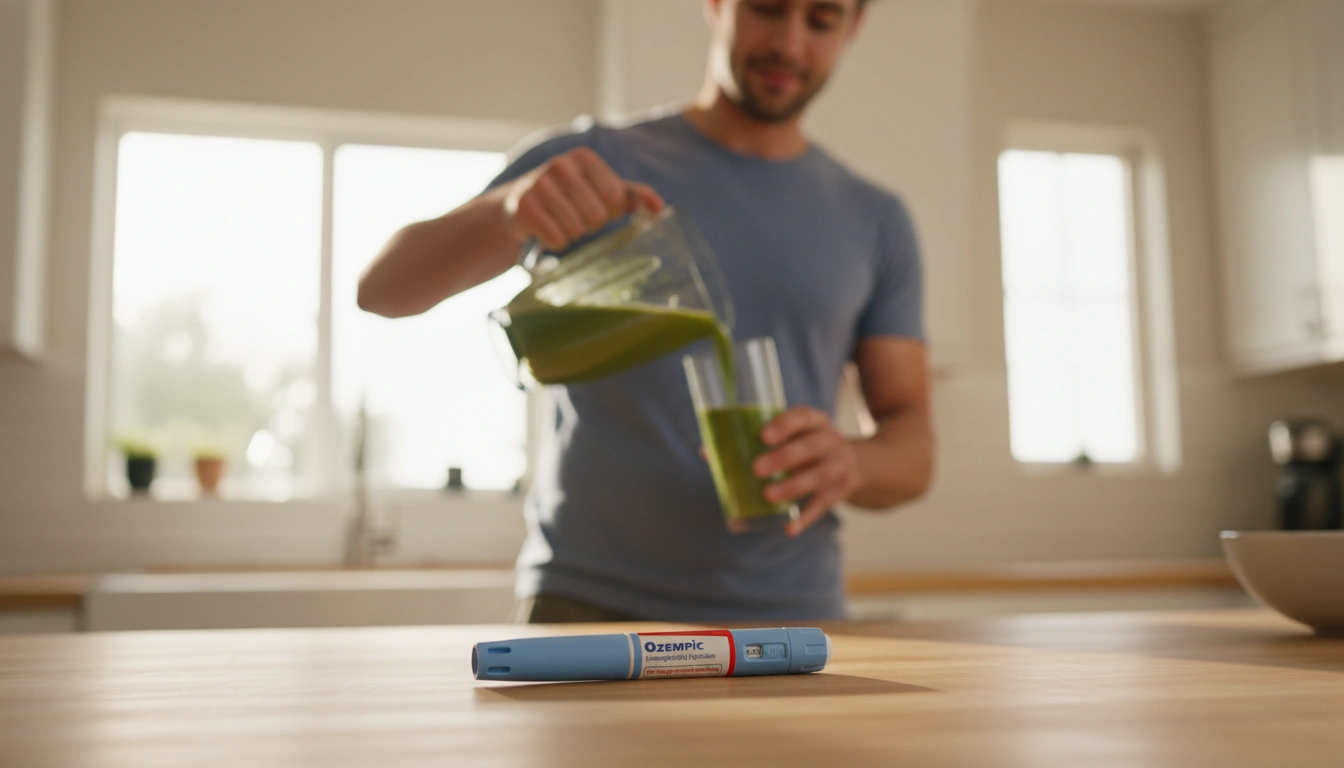
Picture this: you’ve embarked on a transformative health journey, perhaps with the support of a GLP-1 medication like Ozempic, Wegovy, Mounjaro, or Zepbound, and you’re feeling a renewed sense of hope for better blood sugar control or sustainable weight loss. Yet, as you open your refrigerator, a simple tub of yogurt can suddenly seem like a dietary enigma. “Can I eat yogurt on Ozempic?” you might wonder, or “Will this food support my progress or trigger uncomfortable side effects?” It’s a common dilemma, reflecting a broader question about how best to nourish your body while these powerful medications work their magic.
The introduction of GLP-1 receptor agonists has revolutionized the approach to managing type 2 diabetes and supporting significant weight loss for many individuals. These medications operate by mimicking a natural hormone, slowing down digestion and influencing satiety, among other complex mechanisms. While incredibly effective, this unique action means that dietary choices become more crucial than ever, directly impacting not only the efficacy of your treatment but also your comfort and overall well-being. Common gastrointestinal side effects such as nausea, constipation, or bloating often prompt a re-evaluation of eating habits, making the journey feel complex.
At TrimRx, our journey began with a shared vision: to help individuals embrace healthier lifestyles by merging cutting-edge telehealth innovations with effective weight loss solutions. We understand these dietary questions are not merely about food, but about empowerment and achieving health goals safely and effectively. This comprehensive guide aims to demystify the dietary landscape while on GLP-1 medications, focusing specifically on whether you can eat yogurt on Ozempic or similar treatments. We’ll explore which foods are your allies, which might present challenges, and how strategic meal planning can transform your experience. Our goal is to empower you with the knowledge to make informed decisions, optimize your medication benefits, and navigate your path with confidence, supported by the science-backed, empathetic, and transparent approach that defines our values at TrimRx. By the end of this article, you will have a clear understanding of how to craft a diet that complements your medication, minimizes discomfort, and supports your overall health objectives.
Understanding GLP-1 Medications and Their Impact on Your Digestive System
GLP-1 receptor agonists, which include active ingredients like semaglutide and tirzepatide found in medications such as Ozempic, Wegovy, Mounjaro, and Zepbound, represent a significant advancement in metabolic health. These medications work by mimicking the natural glucagon-like peptide-1 (GLP-1) hormone, which is naturally released by your body after eating. This mimicry triggers several crucial physiological responses that contribute to better blood sugar control and, for many, meaningful weight loss.
How GLP-1 Receptor Agonists Work
The primary mechanisms of action include:
- Slowing Gastric Emptying: One of the most impactful effects of GLP-1 medications is their ability to slow down the rate at which food leaves your stomach. This means food stays in your stomach for a longer period, contributing to increased feelings of fullness and satiety. For individuals striving for weight loss, this can naturally lead to reduced calorie intake.
- Stimulating Insulin Release: When blood sugar levels are high, these medications signal the pancreas to release more insulin. This helps move glucose from the bloodstream into cells, lowering blood sugar.
- Suppressing Glucagon Secretion: Conversely, GLP-1 agonists also reduce the release of glucagon, a hormone that instructs the liver to release stored sugar. By limiting glucagon, they prevent excessive glucose production by the liver.
- Modulating Appetite: Beyond the physical sensation of fullness from slowed digestion, these medications also interact with brain centers that control appetite, often leading to reduced food cravings and a diminished desire to eat.
The Connection Between Mechanism and Side Effects
While these mechanisms are highly beneficial for managing blood sugar and promoting weight loss, the slowed gastric emptying, in particular, can lead to noticeable gastrointestinal (GI) side effects. Common issues reported by individuals starting or adjusting to GLP-1 medications include:
- Nausea and Vomiting: Food sitting in the stomach longer can sometimes trigger feelings of queasiness, especially with certain types of foods.
- Diarrhea or Constipation: Changes in gut motility can lead to either loose stools or difficulty passing them.
- Abdominal Pain and Bloating: The extended presence of food in the digestive tract can result in discomfort, gas, and a feeling of distension.
- Indigestion and Heartburn: Slower digestion can sometimes lead to stomach acid refluxing into the esophagus.
Understanding these connections is paramount because dietary choices play a significant role in either alleviating or exacerbating these side effects. By making informed food choices, you can work to mitigate discomfort and ensure a smoother, more effective treatment journey. At TrimRx, we believe that sustainable weight loss should be achieved through science, empathy, and a transparent approach, which includes empowering you with the knowledge to navigate these aspects of your treatment with confidence. Our medically supervised programs are designed to offer personalized support every step of the way, ensuring that you’re equipped with the best strategies for success.
The Yogurt Question: Can I Eat Yogurt on Ozempic (or Other GLP-1s)?
The question of “can I eat yogurt on Ozempic?” is frequently asked by individuals seeking to maintain a balanced and comfortable diet while on GLP-1 medications. The short answer is generally yes, but with important considerations regarding type, portion, and additives. Yogurt can be a valuable part of your diet on these medications, primarily due to its nutritional profile and digestive benefits.
The Benefits of Yogurt for GLP-1 Users
When chosen wisely, yogurt offers several advantages that can complement your medication’s effects and help manage potential side effects:
- High in Lean Protein: Especially Greek yogurt, it is an excellent source of lean protein. Protein is crucial for satiety, helping you feel fuller for longer, which aligns perfectly with the appetite-suppressing effects of GLP-1 medications. Adequate protein intake also supports muscle maintenance during weight loss.
- Rich in Probiotics: Many yogurts contain live and active cultures, which are beneficial bacteria (probiotics) that support gut health. Given that GLP-1 medications can cause GI upset, enhancing your gut microbiome with probiotics can potentially help mitigate issues like constipation, diarrhea, and bloating, improving overall digestive comfort.
- Easy to Digest: Compared to some heavier or fatty foods, plain yogurt is often well-tolerated and easier on a digestive system that is already slowed by medication. Its semi-liquid consistency can be particularly helpful during periods of nausea or reduced appetite.
- Nutrient Density: Yogurt provides essential nutrients like calcium, vitamin D, and potassium, contributing to overall health and bone strength.
Key Considerations and Best Practices for Yogurt Consumption
While yogurt can be beneficial, not all yogurts are created equal. To maximize benefits and avoid potential pitfalls, consider the following:
Choosing the Right Type of Yogurt
- Opt for Plain, Unsweetened Varieties: This is perhaps the most critical advice. Flavored yogurts are often loaded with added sugars, artificial sweeteners, and sometimes unhealthy fats. These can cause unwanted blood sugar spikes, contribute to empty calories, and potentially exacerbate GI discomfort. Always check the nutrition label for added sugars.
- Prioritize Greek Yogurt: Its higher protein content offers superior satiety compared to regular yogurt.
- Consider Low-Fat or Non-Fat Options: While healthy fats are important, the slowed gastric emptying caused by GLP-1 medications means that high-fat foods can sit in your stomach longer, potentially leading to increased nausea and indigestion. Choosing lower-fat yogurt can help mitigate this.
- Explore Kefir: Similar to yogurt, kefir is a fermented dairy product rich in probiotics. Its drinkable consistency can be very soothing and easy to digest.
Portion Control and Pairing
- Moderate Portions: Even healthy foods should be consumed in moderation. A typical portion of ½ to ¾ cup of yogurt is usually appropriate.
- Strategic Pairings: Enhance your yogurt with low-glycemic, fiber-rich additions like a small handful of berries (strawberries, blueberries), a sprinkle of chia seeds, or a few chopped nuts (in moderation for fat content). This adds nutrients and fiber without excessive sugar or fat.
Common Pitfalls to Avoid
- Sugary Add-ins: Be wary of pre-mixed yogurts with fruit on the bottom or granola toppings, which often contain hidden sugars.
- Overindulging in High-Fat Yogurt: While full-fat plain yogurt can be healthy, if you’re experiencing significant GI side effects, a lower-fat option might be better tolerated.
- Ignoring Individual Tolerance: Everyone’s body responds differently. Pay attention to how you feel after eating yogurt. If it causes discomfort, try a different type or adjust your portion size.
By carefully selecting plain, low-sugar, and ideally high-protein yogurt, you can confidently integrate it into your diet while on GLP-1 medications, leveraging its benefits for satiety, gut health, and ease of digestion. This thoughtful approach to food is a cornerstone of the personalized care we advocate for at TrimRx. If you’re looking to explore more about how a personalized treatment plan, including dietary guidance, can support your weight loss journey, we encourage you to take our free assessment quiz.
Optimizing Your Diet for Success with GLP-1 Medications
Beyond the specific question of yogurt, a holistic approach to diet is crucial for maximizing the benefits of GLP-1 medications while minimizing potential side effects. The principles of balanced nutrition, mindful eating, and strategic food selection form the foundation of successful dietary management.
Recommended Foods for GLP-1 Users
To support stable blood sugar, promote satiety, and ensure digestive comfort, focus on nutrient-dense whole foods:
Lean Proteins: Your Satiety Allies
Lean proteins are essential for building and maintaining muscle mass, promoting long-lasting fullness, and providing sustained energy. They also have minimal impact on blood sugar levels, which is ideal when taking GLP-1 medications.
- Examples: Skinless chicken breast, turkey, fish (especially fatty fish like salmon for omega-3s, but in moderation for fat content), shellfish, eggs, cottage cheese, tofu, tempeh, beans, and lentils.
- Incorporation: Grill, bake, steam, or poach your proteins. Shredded chicken or fish can be easily added to salads or soups.
Non-Starchy Vegetables: Nutrient Powerhouses
These vegetables are rich in vitamins, minerals, and fiber without significantly impacting blood sugar. They should form the basis of most meals.
- Examples: Leafy greens (spinach, kale, lettuce), broccoli, cauliflower, carrots, peppers, onions, mushrooms, celery, artichokes, asparagus, and cabbage.
- Incorporation: Enjoy them steamed, roasted, sautéed with a little olive oil, or raw in salads, always ensuring thorough chewing for easier digestion. If raw vegetables cause bloating, try them cooked.
Healthy Fats: In Moderation for Balance
Healthy fats are vital for hormone production, nutrient absorption, and satiety. However, because GLP-1 medications slow digestion, higher fat foods can exacerbate GI side effects. Focus on quality and portion control.
- Examples: Avocados, nuts (almonds, walnuts, pecans), seeds (chia, flax, pumpkin), olive oil, and the fats naturally found in fatty fish.
- Incorporation: Use healthy oils sparingly for cooking, add a quarter of an avocado to a salad, or sprinkle a small amount of nuts/seeds on yogurt or oatmeal.
Low Glycemic Index (GI) Fruits: Sweetness Without the Spike
Fruits offer important vitamins, minerals, and fiber. Opt for those with a lower glycemic index to avoid rapid blood sugar spikes.
- Examples: Berries (strawberries, blueberries, raspberries), apples, pears, plums, cherries, peaches, and grapefruit.
- Incorporation: Enjoy fresh, in moderation as a snack, or paired with protein (like plain yogurt) to balance blood sugar.
Complex Carbohydrates: Fueling Your Body Wisely
Complex carbohydrates provide sustained energy and fiber. Consume them in moderation, prioritizing whole-food sources.
- Examples: Oats, quinoa, brown rice, buckwheat, amaranth, millet, and whole-grain bread.
- Incorporation: A small serving of cooked oats for breakfast, or quinoa as a side dish. Focus on whole grains over refined versions.
These dietary recommendations are fundamental to supporting your body while on GLP-1 medications. Our personalized weight loss programs at TrimRx incorporate these principles into tailored plans. To explore how our expert team can help you build a sustainable, effective nutrition strategy, we invite you to take our free assessment quiz and discover if you qualify for our prescription weight loss medications.
Foods to Limit or Strictly Avoid for Better Comfort and Efficacy
Just as important as knowing what to eat is understanding which foods can hinder your progress or worsen medication side effects. These foods can interfere with the GLP-1 mechanism, cause blood sugar dysregulation, or simply be difficult to digest.
High-Sugar Foods: The Primary Culprit
Foods rich in added sugars, high-fructose corn syrup, and refined carbohydrates can quickly spike blood sugar, counteracting the very goal of GLP-1 medications. These also tend to be calorie-dense without providing satiety, undermining weight loss efforts.
- Examples: Sweets, baked goods (cakes, cookies, pastries), sugary cereals, sodas, fruit juices, flavored yogurts, candy, ice cream, honey, agave nectar, maple syrup, jams, and fruit smoothies. Even some fresh fruits like mangoes, grapes, bananas, pineapple, and watermelon should be consumed in smaller portions due to their higher natural sugar content.
- Impact: Rapid blood sugar spikes and crashes, increased appetite and cravings, potential for nausea and digestive upset.
High-Fat, Greasy, and Fried Foods: A Recipe for Discomfort
The combination of high fat content and the slowed gastric emptying induced by GLP-1s creates a perfect storm for severe GI distress.
- Examples: Fried chicken, french fries, pizza, fatty cuts of red meat, whole milk dairy products, cream-based sauces, butter-laden dishes, and doughnuts.
- Impact: Exacerbated nausea, vomiting, indigestion, heartburn, abdominal bloating, and discomfort due to prolonged digestion.
Heavily Processed Foods: Empty Calories, Hidden Dangers
Convenience foods are often laden with hidden sugars, unhealthy fats, sodium, and chemical additives that can interfere with the medication’s effectiveness and make stable blood sugar levels challenging to maintain.
- Examples: Crisps, processed meats (sausages, deli meats), canned goods (high-sodium soups, ready meals), fast food, frozen pizza, savory snacks, and store-bought baked goods.
- Impact: Undermine blood sugar control, offer minimal nutrition, and can contribute to weight gain.
Spicy Foods: Irritation to Avoid
While some individuals tolerate spice well, others find it can irritate the stomach lining, especially when digestion is already altered by medication.
- Examples: Very hot peppers, highly spiced curries, or excessively seasoned dishes.
- Impact: Can trigger heartburn, acid reflux, and worsen nausea.
Carbonated Beverages: The Bloating Factor
The gas in carbonated drinks can exacerbate bloating and abdominal discomfort, symptoms already common with GLP-1 medications.
- Examples: Sodas (even diet), sparkling water in large quantities, energy drinks.
- Impact: Increased gas, bloating, and potential stomach upset.
Alcohol: Exercise Caution
While there’s no direct dangerous interaction with GLP-1s, alcohol can intensify GI side effects, cause dehydration, and potentially lead to hypoglycemia, particularly for those with diabetes. Both alcohol and GLP-1s affect the body similarly, creating a compounding effect.
- Impact: Increased nausea, vomiting, dehydration, fatigue, and a heightened risk of dangerously low blood sugar. It’s advisable to limit or avoid alcohol.
By being mindful of these categories of foods and drinks, you can significantly enhance your comfort, optimize your medication’s effectiveness, and accelerate your progress toward your health goals. Our compassionate care at TrimRx combines advanced medical science with modern technology, providing transparent service and supporting you through every dietary adjustment. For additional wellness support that complements your weight loss journey, consider our GLP-1 Daily Support supplement or our Weight Loss Boost supplement, both designed to be quick and easy to access.
Strategic Meal Planning and Management Techniques
Beyond choosing the right foods, how and when you eat can significantly impact your experience with GLP-1 medications. Strategic meal planning and mindful eating practices can help manage side effects, stabilize blood sugar, and foster a healthier relationship with food.
The Power of Small, Frequent Meals
One of the most effective strategies for mitigating gastrointestinal discomfort is to shift from three large meals a day to several smaller, more frequent meals.
- Rationale: With slowed gastric emptying, consuming large quantities of food at once can overwhelm your digestive system, leading to increased nausea, bloating, and indigestion. Smaller meals are easier to process, allowing the medication more time to work efficiently between eating sessions.
- Application: Aim for 5-6 small meals or “mini-meals” throughout the day, spacing them out by 3-4 hours. This keeps hunger at bay, maintains steady energy levels, and prevents overfilling the stomach.
Balancing Macronutrients at Every Meal
Each meal and snack should ideally be a balanced combination of complex carbohydrates, lean protein, and healthy fats.
- Complex Carbs: Provide sustained energy without rapid blood sugar spikes.
- Lean Protein: Essential for satiety and muscle maintenance.
- Healthy Fats: Crucial for nutrient absorption and prolonged fullness, but in controlled portions to avoid digestive upset.
- Application: For instance, a small meal might be Greek yogurt with a few berries and a sprinkle of chia seeds, or a small portion of grilled chicken with steamed non-starchy vegetables. Consistent carbohydrate amounts across meals, rather than drastic fluctuations, also helps prevent cravings and blood sugar instability.
Timing Your Meals for Optimal Comfort
- Start the Day Right: A high-protein breakfast can set the tone for stable blood sugar and sustained energy throughout the day.
- Avoid Late-Night Eating: Try to stop eating 2-3 hours before bedtime. This gives your digestive system ample time to process food before you lie down, which can improve overnight blood sugar control and reduce the likelihood of indigestion or reflux.
The Role of Meal Prepping and Healthy Snacking
Being prepared is key to making healthy choices, especially when your appetite signals might be different on GLP-1 medications.
- Meal Prepping: Dedicate time each week to prepare Ozempic-friendly options. Cook batches of lean protein, chop vegetables, and portion out whole grains. This ensures you have nutritious options readily available, reducing the temptation for less healthy, processed foods.
- Nutritious Snacks: Always have healthy snacks on hand to prevent extreme hunger that might lead to poor choices.
- Examples of Smart Snacks: A small handful of nuts, vegetable sticks with hummus, a piece of low-GI fruit, or a serving of plain Greek yogurt.
Mindful Eating Practices
Slowing down and paying attention to your body’s signals can significantly improve your digestive experience and help you reconnect with your hunger and fullness cues.
- Eat Slowly: It takes time for your brain to register fullness, especially with slowed gastric emptying. Chew your food thoroughly, savor each bite, and put down your utensils between mouthfuls.
- Listen to Your Body: Pay attention to how different foods make you feel. Keep a food diary to identify personal triggers for discomfort or foods that support your well-being. This individualized approach is invaluable.
By adopting these meal planning and management techniques, you can proactively address potential challenges, enhance your comfort, and ensure that your diet effectively supports the transformative effects of your GLP-1 medication. At TrimRx, we stand by the belief that sustainable weight loss should be achieved through science, empathy, and a transparent approach. Our comprehensive service includes doctor consultations, medication, lab work, unlimited support, and shipping, all designed to offer you a seamless and empowering journey. To discover how our personalized, medically supervised care can be tailored to your unique needs, we encourage you to take our free assessment quiz.
Hydration: An Unsung Hero in Your GLP-1 Journey
Often overlooked amidst the focus on food choices, adequate hydration is a critical, yet frequently underestimated, component of a successful journey with GLP-1 medications. Its importance extends beyond basic bodily functions, directly impacting medication efficacy and the management of common side effects.
Why Hydration is Crucial for GLP-1 Users
- Combating Constipation: GLP-1 medications, by slowing digestion, can contribute to constipation. Sufficient water intake is essential for softening stool and promoting regular bowel movements, making this common side effect more manageable. Dehydration can exacerbate the slowing of the digestive system, creating a cycle of discomfort.
- Mitigating Nausea and Dizziness: Dehydration can worsen feelings of nausea, fatigue, and dizziness, which are potential side effects of GLP-1 medications. Staying well-hydrated can help alleviate these symptoms and improve overall well-being.
- Supporting Metabolism and Satiety: Water is vital for numerous metabolic processes. Sometimes, the body can confuse thirst signals with hunger cues. Staying properly hydrated can help distinguish between true hunger and thirst, preventing unnecessary snacking and supporting weight loss efforts.
- Flushing Toxins and Supporting Kidney Function: Proper hydration helps your kidneys function optimally, which is crucial for processing medications and maintaining overall health.
Practical Hydration Strategies
Making consistent hydration a priority doesn’t have to be complicated. Here are some actionable strategies:
- Drink Water Throughout the Day: Don’t wait until you’re thirsty. Sip water regularly, aiming for at least 8 glasses (64 ounces) daily, or more if you’re active or in a warm climate. Keep a water bottle handy as a visual reminder.
- Incorporate Herbal Teas: Unsweetened herbal teas (like ginger or peppermint, which can also help with nausea) are excellent hydration options that offer variety.
- Enjoy Water-Rich Foods: Many fruits and vegetables have high water content and can contribute significantly to your daily fluid intake.
- Examples: Cucumbers, celery, watermelon, strawberries, and broth-based soups.
- Limit Dehydrating Beverages: While an occasional cup of coffee is generally safe, excessive caffeine can have a mild diuretic effect. Sugary drinks are counterproductive due to their high sugar content. Alcohol is also dehydrating and should be consumed with extreme caution or avoided.
- Electrolyte Balance: If you experience significant vomiting or diarrhea, talk to your healthcare provider about whether an electrolyte-rich beverage might be appropriate to replenish lost minerals.
Prioritizing hydration is a simple yet powerful step that can significantly enhance your comfort and the effectiveness of your GLP-1 medication journey. It reflects our holistic approach at TrimRx, where we emphasize comprehensive wellness alongside personalized treatment.
The TrimRx Difference: Your Partner in Personalized Weight Loss
Embarking on a weight loss journey, especially with the aid of powerful medications like GLP-1 receptor agonists, requires more than just a prescription. It demands a supportive environment, personalized care, and a clear understanding of how to integrate treatment into your daily life. This is precisely where TrimRx excels, embodying our core values of science, empathy, and transparency to deliver safe, effective, and individualized weight loss solutions.
Our Story and Values: A Foundation of Trust
At TrimRx, our journey began with a shared vision: to help individuals embrace healthier lifestyles by merging cutting-edge telehealth innovations with effective weight loss solutions. We recognized the need for a user-friendly and supportive platform where individuals receive personalized, medically supervised care—all designed to make sustainable weight loss attainable and tailored to the individual. We believe that true, sustainable weight loss should be achieved through science, empathy, and a transparent approach. Our commitment is to provide compassionate care that respects every individual’s unique journey, combining advanced medical science with modern technology.
Brand Personality and Messaging: Empowering Your Journey
Our brand personality is built on being empathetic, innovative, trustworthy, supportive, results-oriented, and profoundly personalized. We understand that each person’s path to wellness is unique, and our messaging reflects this by offering a guiding hand rather than a one-size-fits-all solution.
- Transparent Service: We highlight that our approach remains consistent regardless of dosage changes, with no hidden fees. Our comprehensive service includes doctor consultations, necessary medication, lab work, unlimited support from our care team, and convenient shipping.
- Unwavering Safety: Safety is paramount. We work exclusively with FDA-registered and inspected pharmacies for the shipping of weight loss medications. It’s important to clarify that while branded medications like Ozempic®, Mounjaro®, Zepbound®, and Wegovy® are FDA-approved, any compounded medications we offer are prepared by these FDA-registered and inspected pharmacies. We do not provide direct medical supervision; instead, we partner with licensed medical professionals who provide consultations and ongoing care through our platform.
Our Comprehensive Product Offerings: Tailored to Your Needs
TrimRx provides a spectrum of solutions, designed to meet you wherever you are on your health journey:
Personalized Weight Loss Program (Requiring Our Free Assessment Quiz)
For those seeking prescription-strength support, we offer a range of powerful GLP-1 medications. To ensure these treatments are right for you and to create a plan that aligns with your specific health profile, we require a comprehensive assessment.
- Compounded Semaglutide: A highly effective GLP-1 agonist for weight management.
- Oral Semaglutide: A convenient oral form of semaglutide.
- Ozempic®: An FDA-approved semaglutide for type 2 diabetes management, often prescribed off-label for weight loss.
- Compounded Tirzepatide: A dual GIP/GLP-1 agonist known for its significant impact on weight loss.
- Oral Tirzepatide: An oral version of tirzepatide for increased convenience.
- Mounjaro®: An FDA-approved tirzepatide for type 2 diabetes, also used off-label for weight loss.
- Zepbound®: An FDA-approved tirzepatide specifically for chronic weight management.
- Wegovy®: An FDA-approved semaglutide specifically for chronic weight management.
To determine your eligibility and receive a personalized treatment plan designed by medical professionals, we encourage you to take our free assessment quiz today. This is your first step towards a medically supervised and individualized approach to weight loss.
Quick-Access Supplements (No Quiz Required)
For immediate support in your wellness journey, we also offer expertly formulated supplements that do not require a prescription or assessment:
- GLP-1 Daily Support: Designed to complement the effects of GLP-1 medications or support overall metabolic health. You can learn more and purchase GLP-1 Daily Support here.
- Weight Loss Boost: A powerful supplement crafted to assist with energy, metabolism, and appetite management. Explore its benefits and get your Weight Loss Boost here.
At TrimRx, we are more than just a provider; we are your dedicated partner in achieving safe, effective, and sustainable weight loss. With our blend of innovative telehealth, personalized care, and commitment to transparency, we are here to support you in every aspect of your health transformation.
Conclusion
Navigating your diet while on GLP-1 medications like Ozempic, Wegovy, Mounjaro, or Zepbound can feel complex, but with the right knowledge and strategies, it becomes a powerful tool in your wellness journey. We’ve explored how these medications work by slowing gastric emptying, which, while beneficial for blood sugar control and satiety, necessitates thoughtful dietary choices to manage potential gastrointestinal side effects.
The answer to “can I eat yogurt on Ozempic?” is a resounding yes, provided you choose plain, unsweetened varieties, ideally Greek yogurt for its high protein and probiotic content. Yogurt, when selected carefully, can be an excellent ally for gut health and satiety. More broadly, an optimized diet emphasizes lean proteins, non-starchy vegetables, healthy fats in moderation, and low-GI fruits, while limiting high-sugar, high-fat, fried, and heavily processed foods. Strategic meal planning, including smaller, more frequent meals and mindful eating, along with consistent hydration, are pivotal for comfort and efficacy.
At TrimRx, we believe in empowering you with this kind of detailed, science-backed guidance. Our commitment is to provide a transparent, empathetic, and results-oriented path to sustainable weight loss. We understand that every individual’s journey is unique, which is why our platform offers personalized, medically supervised care through our licensed medical professionals and a range of clinically proven solutions. Whether you’re considering prescription-strength GLP-1 medications or seeking supportive supplements, TrimRx is here to partner with you.
Ready to take the next step toward a healthier, more confident you? Take our free assessment quiz today to see if you qualify for our personalized prescription weight loss programs. For immediate support for your overall wellness during your weight loss journey, explore our GLP-1 Daily Support supplement and our Weight Loss Boost supplement. Together, we can unlock your potential for lasting health and well-being.
FAQ
Q1: Are there specific fruits I should avoid while on GLP-1 medications like Ozempic?
While fruits are generally healthy, some can be high in natural sugars, potentially causing quicker blood sugar spikes than others. Fruits like mangoes, very ripe bananas, grapes, and pineapple have a higher glycemic index. It’s not usually necessary to avoid them completely, but consume them in moderation and ideally pair them with protein or healthy fats to slow sugar absorption. Berries, apples, and pears are generally safer, lower-GI options.
Q2: Can I still drink coffee while taking Ozempic or other GLP-1 medications?
Yes, you can typically drink coffee while on GLP-1 medications. There’s no known direct interaction between coffee and these medications. However, coffee (due to caffeine) can sometimes exacerbate gastrointestinal side effects like nausea or stomach upset in some individuals. If you notice increased discomfort after drinking coffee, consider reducing your intake or switching to decaffeinated options. Avoid adding excessive sugar or high-fat creamers.
Q3: How can I manage severe nausea from GLP-1 medications through diet?
To manage severe nausea, focus on bland, easy-to-digest foods. Try eating smaller, more frequent meals, and avoid fatty, spicy, or very sweet foods. Dry foods like toast, crackers, or plain rice can be helpful. Cold foods, such as non-fat yogurt or gelatin, might also be better tolerated. Ginger (in tea or small amounts) and peppermint can sometimes help alleviate nausea. Staying well-hydrated with water or clear broths is also crucial. If nausea persists or is severe, always consult with your healthcare provider.
Q4: Are eggs, cheese, or peanut butter generally safe to eat on GLP-1 medications?
Yes, eggs, cheese, and peanut butter can typically be part of a balanced diet while on GLP-1 medications, but with a few caveats. Eggs are a great source of protein and generally well-tolerated. For cheese, opt for lower-fat varieties in moderation, as high-fat cheeses can contribute to digestive discomfort due to slowed gastric emptying. Peanut butter, while rich in healthy fats and protein, should also be consumed in small portions for the same reason. Always choose natural, unsweetened peanut butter. Pay attention to your body’s individual response to these foods.

Transforming Lives, One Step at a Time
Keep reading

Ozempic and Colorectal Cancer: What the New Research Shows
Colorectal cancer is the third most commonly diagnosed cancer in the United States and one of the cancers most strongly linked to obesity, metabolic…

Does Ozempic Reduce Cancer Risk: What the Research Shows
The connection between obesity and cancer has been established for decades. What’s newer, and genuinely interesting, is emerging evidence that GLP-1 medications like Ozempic…

When to Stop Ozempic Before Surgery: Aspiration Risk Explained
If you’re scheduled for surgery and you’re currently taking Ozempic or another GLP-1 medication, there’s a specific conversation you need to have with your…


