Navigating Your Diet: Can You Eat Right After Taking Ozempic?
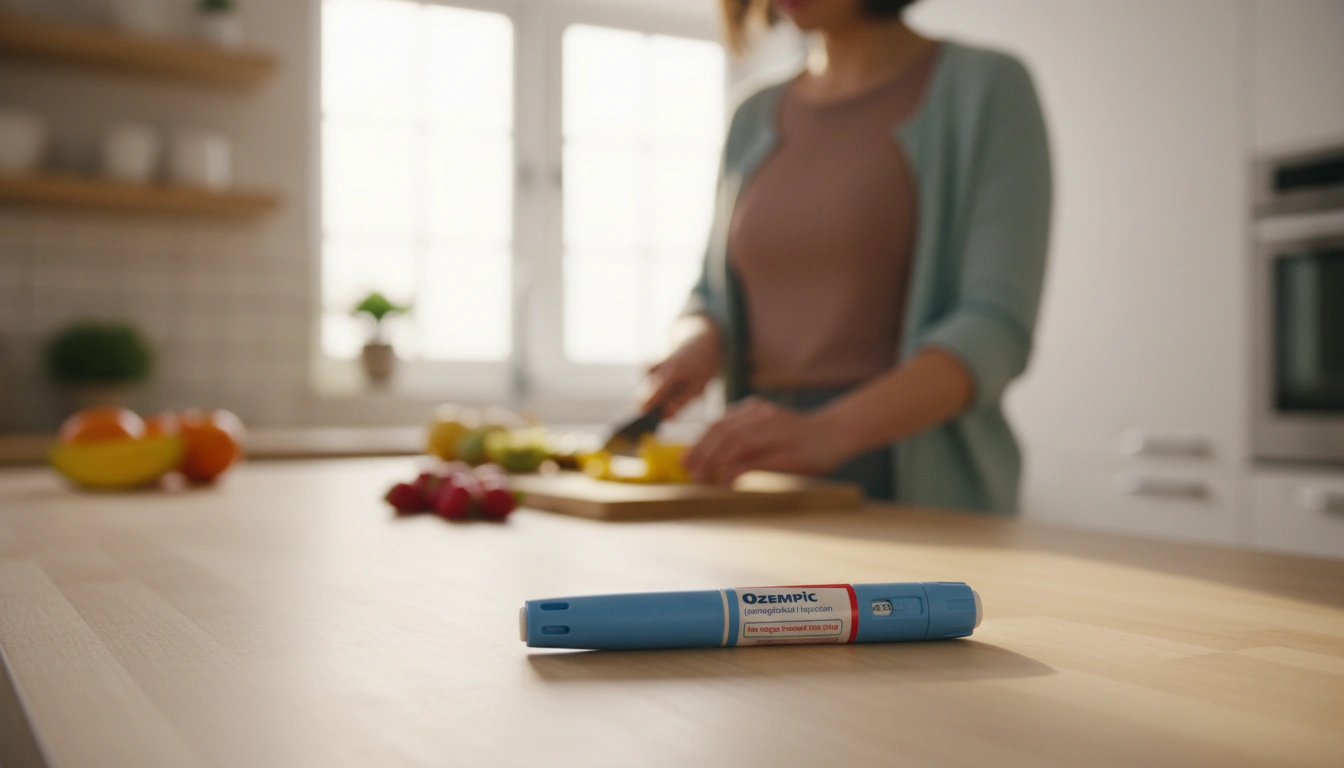
Many individuals embarking on a weight loss journey with medications like Ozempic often find themselves with practical questions about integrating these treatments into their daily lives. One common query that arises is whether there are specific timing considerations for eating right after taking Ozempic. The simple answer is nuanced, depending on the form of medication you are prescribed, but the overarching principle remains: strategic dietary choices are fundamental to maximizing the benefits of your treatment and supporting a healthier lifestyle.
At TrimRx, our journey began with a shared vision to help individuals embrace healthier lifestyles by merging cutting-edge telehealth innovations with effective weight loss solutions. We understand that effective weight management extends beyond medication; it encompasses a holistic understanding of how your body interacts with food and how to cultivate sustainable habits. This post will delve into the specifics of eating after your Ozempic dose, explore the critical role of nutrition when using GLP-1 medications, and offer actionable insights to help you align your dietary choices with your health goals. We will cover the mechanisms of action for these powerful medications, discuss foods to embrace and those to approach with caution, and underscore how our personalized, medically supervised programs are designed to support every step of your unique path to well-being. By the end, you’ll have a clearer understanding of how to optimize your diet, manage potential side effects, and make informed choices to support your weight loss success with a transparent and empathetic approach.
Understanding GLP-1 Medications and Their Impact on Digestion
To truly appreciate the considerations around eating after taking Ozempic, it’s essential to understand how these remarkable medications work within your body. Ozempic, along with other GLP-1 receptor agonists such as Wegovy®, Mounjaro®, Zepbound®, and their compounded counterparts like Compounded Semaglutide and Compounded Tirzepatide, operate by mimicking a natural hormone called Glucagon-Like Peptide-1 (GLP-1). This hormone plays a pivotal role in regulating appetite and blood sugar.
The Mechanism of Action
When you take a GLP-1 medication, it initiates several key physiological responses that contribute to weight loss and blood sugar management:
- Slowing Gastric Emptying: One of the most significant effects is the deceleration of food movement from your stomach to your small intestine. This means food stays in your stomach for a longer period, contributing to a prolonged feeling of fullness and reducing the urge to eat frequently.
- Increasing Satiety: GLP-1 receptor agonists communicate with your brain to reduce hunger signals and increase feelings of satiety. This helps you feel satisfied with smaller portions and can significantly curb cravings.
- Regulating Blood Sugar: These medications stimulate the release of insulin when blood sugar levels are high and suppress glucagon secretion, which prevents the liver from releasing too much sugar. This comprehensive approach helps maintain more stable blood glucose levels.
The combined effect of these mechanisms is a powerful tool in weight management, helping individuals consume fewer calories naturally. However, the slowed gastric emptying, while beneficial for satiety, is also a primary reason why certain dietary choices can impact your experience, potentially exacerbating gastrointestinal side effects if not managed thoughtfully.
Eating After Ozempic: Timing and Dietary Considerations
The question of whether you can eat right after taking Ozempic is a practical one that touches on both the absorption of the medication and the physiological responses it triggers. The answer depends largely on the form of the medication you are taking.
Injectable GLP-1 Medications (Ozempic, Wegovy, Mounjaro, Zepbound, Compounded Injectables)
For injectable forms of GLP-1 medications, like Ozempic (semaglutide) and Mounjaro (tirzepatide), the timing of your meal relative to your injection is generally not critical for the medication’s absorption. These medications are absorbed into your bloodstream over time and work systemically. Therefore, you can typically eat before or after your injection without impacting the medication’s effectiveness. The most crucial aspect for injectables is consistency – administering your dose on the same day each week, as prescribed by your healthcare provider.
However, while the injection time doesn’t dictate immediate meal timing, the effects of the medication will certainly influence your subsequent eating patterns. Because GLP-1s slow gastric emptying and increase satiety, you might naturally feel less hungry or full more quickly after your dose. It’s advisable to listen to your body’s signals and eat when you genuinely feel hungry, opting for smaller, more nutrient-dense meals.
Oral GLP-1 Medications (Rybelsus, Oral Semaglutide, Oral Tirzepatide)
For oral forms of GLP-1 medications, such as Rybelsus, Oral Semaglutide, and Oral Tirzepatide, the timing of food and drink is highly critical for proper absorption. These medications are typically taken on an empty stomach with a small amount of plain water (usually no more than 4 ounces) at least 30 to 60 minutes before your first food, drink, or other oral medications of the day. This strict adherence to timing ensures that the medication can be absorbed effectively into your system. Deviating from these instructions can significantly reduce the medication’s bioavailability and, consequently, its effectiveness.
Regardless of the form, the fundamental principle behind weight loss with GLP-1 medications is that they support dietary changes, they do not replace them. These medications are most effective when used in conjunction with a healthy, reduced-calorie diet and regular physical activity. Therefore, while you may not need to meticulously time your meals immediately after an Ozempic injection, the quality and quantity of your food choices throughout the day are paramount. This is why our programs at TrimRx emphasize a personalized approach, ensuring you have the guidance to make informed dietary decisions that complement your medication. To discover how our tailored plans can support your journey, consider taking our free assessment quiz.
The Cornerstone of Success: Dietary Adjustments with GLP-1 Medications
While the question of when to eat might be relatively straightforward for injectable forms of GLP-1 medications, the question of what to eat is profoundly impactful. Integrating healthy dietary changes is not just recommended; it’s a synergistic strategy that enhances the medication’s efficacy, supports sustainable weight loss, and helps mitigate potential side effects.
Embracing Nutrient-Dense Foods
The primary goal is to shift towards a balanced, nutritious diet that creates a modest calorie deficit while providing all essential nutrients. This approach helps your body work with the medication to achieve your weight loss goals.
Lean Proteins for Sustained Satiety
- Why they’re essential: Protein is known for its high satiety factor. Including lean protein in your meals can further enhance the feeling of fullness provided by GLP-1 medications, helping you eat less without feeling deprived. It also supports muscle maintenance, which is crucial during weight loss.
- Examples: Incorporate sources like chicken breast, turkey, fish (salmon, cod), eggs, lean cuts of beef or pork, legumes (beans, lentils), tofu, and Greek yogurt.
Fiber-Rich Fruits and Vegetables
- Why they’re essential: Fruits and vegetables are packed with vitamins, minerals, and dietary fiber, yet are typically low in calories. Fiber contributes to satiety and supports digestive health.
- Examples: Aim for a wide variety. Non-starchy vegetables like broccoli, spinach, bell peppers, zucchini, and leafy greens are excellent. Berries, apples, and pears offer natural sweetness and fiber. However, if you’re new to a high-fiber diet, introduce these gradually to avoid potential GI discomfort, especially with slowed digestion.
Complex Carbohydrates for Stable Energy
- Why they’re essential: Unlike simple carbohydrates that cause rapid blood sugar spikes, complex carbohydrates are digested slowly, providing a steady release of energy and helping to maintain stable blood sugar levels. They also offer valuable fiber.
- Examples: Opt for whole grains such as oats, brown rice, quinoa, and whole-wheat bread.
Healthy Fats in Moderation
- Why they’re essential: Healthy fats are crucial for hormone production, nutrient absorption, and also contribute to satiety. However, they are calorie-dense, so moderation is key.
- Examples: Include sources like avocados, nuts, seeds, olive oil, and fatty fish.
Strategic Hydration
Staying adequately hydrated is always important, but it becomes particularly vital when taking GLP-1 medications.
- Why it’s essential: GLP-1 medications can sometimes cause gastrointestinal side effects like nausea, vomiting, or diarrhea, which can lead to dehydration. Drinking enough water helps maintain bodily functions, aids digestion, and can sometimes alleviate mild nausea.
- Tips: Sip water consistently throughout the day. Clear, ice-cold beverages or small sips of ginger tea can be particularly soothing if you’re experiencing nausea. Avoid sugary drinks, excessive caffeine, and alcohol, as these can exacerbate dehydration or GI upset.
Foods to Approach with Caution or Limit
Given the slowed gastric emptying and the potential for gastrointestinal side effects, certain foods can be more challenging to digest or might worsen symptoms. While no food is strictly “forbidden,” understanding these categories can help you make more comfortable and effective choices.
High-Fat and Greasy Foods
- Why to limit: Foods high in fat, especially fried or greasy items, take longer to digest naturally. When combined with the slowed gastric emptying induced by GLP-1 medications, they can linger in the stomach for an extended period, leading to increased nausea, indigestion, bloating, and discomfort.
- Examples: Fried chicken, greasy burgers, pizza, French fries, excessively rich sauces, and heavily processed snacks high in unhealthy fats.
High-Sugar Foods and Drinks
- Why to limit: Foods and beverages high in added sugars (and often refined carbohydrates) can lead to rapid spikes in blood sugar. While GLP-1 medications help regulate glucose, consuming excessive amounts can still challenge your body’s system and potentially counteract weight loss efforts by encouraging fat storage.
- Examples: Sugary sodas, fruit juices with added sugar, candy, pastries, cakes, and highly sweetened desserts. These offer little nutritional value and can contribute to excess calorie intake.
Ultra-Processed Foods
- Why to limit: These foods are typically high in unhealthy fats, added sugars, sodium, and artificial ingredients, while being low in fiber and essential nutrients. They contribute to inflammation and generally do not support a healthy weight loss journey.
- Examples: Packaged snacks, fast food, frozen dinners with long ingredient lists, and processed meats.
Very Large Portions
- Why to limit: GLP-1 medications significantly reduce appetite and increase satiety. Eating portions larger than what your body now signals it needs can lead to uncomfortable fullness, nausea, bloating, and indigestion.
- Tips: Practice mindful eating. Start with smaller portions and eat slowly, allowing your body time to register fullness. Stop eating when you feel satisfied, not stuffed.
Spicy Foods and Caffeine
- Why to approach with caution: For some individuals, spicy foods and excessive caffeine can exacerbate heartburn or gastrointestinal discomfort, which are potential side effects of GLP-1 medications.
- Tips: If you notice these trigger symptoms, consider reducing your intake or opting for milder alternatives.
Making these dietary adjustments is a gradual process, and it’s okay if it takes time to find what works best for you. Our innovative approach at TrimRx offers compassionate care that respects every individual’s unique journey. We combine advanced medical science with modern technology to provide transparent service, emphasizing a focus on safety by working exclusively with FDA-registered and inspected pharmacies for the shipping of weight loss medications. We believe sustainable weight loss should be achieved through science, empathy, and a transparent approach.
Ready to explore a personalized weight loss plan tailored to your needs? We invite you to take our free assessment quiz to see if you qualify for our prescription weight loss medications.
Optimizing Your Experience: Beyond Food Choices
While dietary adjustments are paramount, integrating GLP-1 medications into your life involves more than just selecting the right foods. A holistic approach to your wellness journey, supported by expert guidance and a comprehensive program, can significantly enhance your outcomes.
The Role of Meal Timing and Frequency
Beyond the immediate post-injection period, considering your overall meal timing and frequency can also contribute to a smoother experience with GLP-1 medications.
Smaller, More Frequent Meals
- How it helps: Instead of three large meals, some individuals find that eating smaller, more frequent meals throughout the day helps manage satiety, prevents overeating, and reduces the risk of gastrointestinal discomfort. This can also make it easier for your slowed digestive system to process food efficiently.
- Practical application: Aim for 4-5 smaller meals or snacks, focusing on balanced macronutrients (protein, healthy fats, complex carbs) in each.
Mindful Eating Practices
- How it helps: Slowing down, chewing your food thoroughly, and paying attention to your body’s hunger and fullness cues can prevent overconsumption and improve digestion. This aligns perfectly with the effects of GLP-1 medications, which naturally enhance your ability to feel satisfied with less.
- Practical application: Put your fork down between bites, avoid distractions while eating, and consciously assess your hunger levels before and during meals.
Lifestyle Habits for Enhanced Well-being
Dietary considerations are most effective when supported by other healthy lifestyle practices. These elements together form a robust foundation for sustainable weight loss and overall health.
Regular Physical Activity
- How it helps: Exercise complements dietary changes and GLP-1 medications by burning calories, building muscle mass, improving metabolic health, and boosting mood. Even moderate activity, such as a brisk walk after meals, can aid digestion and alleviate bloating.
- TrimRx’s perspective: We emphasize the importance of incorporating movement that you enjoy into your routine, tailoring recommendations to your individual capabilities and preferences.
Adequate Sleep
- How it helps: Sufficient sleep is crucial for hormonal balance, including those that regulate appetite. Poor sleep can disrupt ghrelin (hunger hormone) and leptin (satiety hormone), potentially undermining your efforts.
- TrimRx’s perspective: We understand that weight loss is multi-faceted, and often, lifestyle factors like sleep are interconnected with successful outcomes.
Stress Management
- How it helps: Chronic stress can lead to increased cortisol levels, which can promote fat storage and cravings. Finding healthy ways to manage stress is vital for your physical and mental well-being.
- TrimRx’s perspective: Our empathetic approach acknowledges the emotional aspects of weight loss and encourages practices that support mental health alongside physical changes.
The TrimRx Difference: Personalized Support and Comprehensive Care
At TrimRx, we are committed to providing clinically proven, personalized weight loss solutions. Our approach recognizes that every individual’s journey is unique, and our comprehensive service package is designed to offer unparalleled support:
- Personalized Doctor Consultations: Our licensed medical professionals assess your health history and goals to determine eligibility and craft a tailored treatment plan, which may include options like Compounded Semaglutide, Oral Semaglutide, Ozempic®, Compounded Tirzepatide, Oral Tirzepatide, Mounjaro®, Zepbound®, or Wegovy®.
- Essential Lab Work: We include necessary lab tests to ensure your safety and monitor your progress effectively.
- Unlimited Support: Our dedicated team provides ongoing guidance and answers your questions, ensuring you never feel alone on your journey.
- Medication Delivery: We partner with FDA-registered and inspected pharmacies to ensure your prescribed medications are safely and conveniently shipped directly to you. Please note that while branded medications like Ozempic® and Zepbound® are FDA-approved, compounded medications are not FDA-approved.
- No Hidden Fees: We believe in transparent service, where all aspects of your care are clearly outlined upfront.
In addition to our prescription programs, we offer quick-access supplements to support your overall wellness. Our GLP-1 Daily Support and Weight Loss Boost are available for immediate purchase to complement your weight loss journey.
Ready to take control of your health with a supportive partner by your side? Take our free assessment quiz to begin your personalized weight loss journey today.
Navigating Potential Side Effects with Dietary Strategies
While GLP-1 medications are highly effective, some individuals may experience side effects, particularly gastrointestinal ones, due to the slowed digestive process. Proactive dietary strategies can often help manage these symptoms.
Common Side Effects and Dietary Relief
Nausea
- Strategy: If you experience nausea, especially after taking Ozempic, focus on bland, easy-to-digest foods. Eating smaller, more frequent meals can also help. Ginger, in forms like ginger tea or ginger chews, is often anecdotally reported to help alleviate nausea.
- Foods to try: Plain toast, crackers, clear broths, applesauce, bananas, rice, and lean proteins like baked chicken or fish. Avoid strong smells, very rich or spicy foods, and high-fat items when feeling nauseous.
Diarrhea
- Strategy: If diarrhea occurs, temporarily reduce your intake of high-fiber foods and focus on binding, low-fiber options. Ensure you are well-hydrated to replace lost fluids and electrolytes.
- Foods to try: White rice, plain pasta, boiled potatoes, bananas, toast, and clear liquids. Gradually reintroduce fiber as symptoms improve.
Constipation
- Strategy: If you experience constipation, increase your intake of fluids and fiber (gradually!). Ensure you’re moving regularly, as physical activity stimulates bowel movements.
- Foods to try: Whole grains, fruits, vegetables, and legumes. Consider a daily fiber supplement if diet alone isn’t enough, after discussing with your healthcare provider. Our GLP-1 Daily Support may also offer beneficial digestive support for some individuals.
Heartburn/Acid Reflux
- Strategy: Avoid trigger foods such as spicy dishes, acidic foods (citrus, tomatoes), high-fat meals, caffeine, and alcohol. Eating smaller meals and avoiding lying down immediately after eating can also help.
- Foods to try: Non-acidic fruits and vegetables, lean proteins, whole grains.
It’s important to remember that side effects are usually mild to moderate and often improve over time as your body adjusts to the medication. However, if side effects are severe or persistent, always communicate with your healthcare provider. Our unlimited support ensures you have a direct line to guidance whenever you need it.
The Power of Patience and Consistency
Weight loss is a marathon, not a sprint. The most successful journeys are built on consistency, patience, and a willingness to adapt. This means consistently making nutritious food choices, adhering to your medication schedule, and integrating sustainable lifestyle habits.
At TrimRx, we are your steadfast partners in this endeavor. Our brand is empathetic, innovative, trustworthy, supportive, results-oriented, and personalized. We offer compassionate care that respects every individual’s unique journey by combining advanced medical science with modern technology. Our commitment to transparent service—highlighting that our approach remains consistent regardless of dosage changes—and our focus on safety by working exclusively with FDA-registered and inspected pharmacies underscores our dedication to your well-being.
Whether you are looking to start a new chapter with a personalized weight loss program, or seeking complementary wellness support, we are here for you. Explore our quick-access supplements like GLP-1 Daily Support and Weight Loss Boost today, or discover your eligibility for our prescription programs by taking our comprehensive free assessment quiz.
Conclusion
Understanding how to navigate your diet, particularly around the question of can you eat right after taking Ozempic, is a crucial step in optimizing your weight loss journey with GLP-1 medications. While injectable forms like Ozempic offer flexibility in meal timing relative to injection, oral forms require strict adherence to an empty stomach. Across the board, the most impactful strategies involve embracing a balanced, nutrient-dense diet, focusing on lean proteins, fiber-rich fruits and vegetables, and complex carbohydrates, while limiting high-fat, high-sugar, and ultra-processed foods. Mindful eating, strategic hydration, and complementary lifestyle habits like regular activity and adequate sleep further amplify your success.
At TrimRx, we believe that sustainable weight loss should be achieved through science, empathy, and a transparent approach. Our medically supervised, personalized programs are designed to provide you with the tools, medication, and unwavering support needed to achieve your health goals safely and effectively. We understand the challenges and celebrate every victory alongside you. By focusing on individualized care, comprehensive support including doctor consultations, medication, lab work, unlimited support, and convenient shipping from FDA-registered and inspected pharmacies, we empower you to build lasting habits for a healthier life.
Your journey to lasting wellness starts with informed choices and dedicated support. We encourage you to explore how TrimRx can personalize your path to a healthier you. Take our free assessment quiz today to see if you qualify for our prescription weight loss medications, or consider our immediate support supplements like GLP-1 Daily Support and Weight Loss Boost to enhance your overall well-being. Let’s build your healthier future, together.
Frequently Asked Questions (FAQ)
Q1: Do I need to avoid certain foods immediately after taking an Ozempic injection?
For injectable GLP-1 medications like Ozempic, there are typically no specific foods you must avoid immediately after your injection for absorption reasons. The medication is absorbed slowly over time. However, due to the medication’s effects on slowing digestion and increasing satiety, you might naturally feel less hungry or get full more quickly. It’s advisable to listen to your body’s cues and opt for smaller, nutrient-dense meals to prevent discomfort.
Q2: How do oral GLP-1 medications like Oral Semaglutide differ in terms of eating recommendations?
Oral GLP-1 medications, such as Oral Semaglutide, have very specific eating recommendations. They must be taken on an empty stomach with a small amount of plain water (typically no more than 4 ounces) at least 30 to 60 minutes before your first food, drink, or other oral medications of the day. This strict adherence is crucial for the medication’s proper absorption and effectiveness.
Q3: What types of foods are best to eat while on GLP-1 medications to manage side effects?
To manage potential gastrointestinal side effects like nausea or bloating, focus on bland, easy-to-digest foods that are low in fat and sugar. Lean proteins, non-starchy vegetables, and complex carbohydrates are generally well-tolerated. Foods with high water content, like soups, and clear, ice-cold beverages can also be soothing. Ginger, in various forms, is often helpful for nausea.
Q4: Are there any foods I should definitely limit or avoid when taking Ozempic?
While no food is strictly forbidden, it’s highly recommended to limit or approach with caution high-fat, greasy, fried foods, and high-sugar foods and drinks. These can exacerbate side effects like nausea, bloating, and indigestion due to the slowed gastric emptying caused by GLP-1 medications. Very large portions, ultra-processed foods, excessive spice, and large amounts of caffeine or alcohol may also contribute to discomfort for some individuals.

Transforming Lives, One Step at a Time
Keep reading
Ozempic and Colorectal Cancer: What the New Research Shows
Colorectal cancer is the third most commonly diagnosed cancer in the United States and one of the cancers most strongly linked to obesity, metabolic…

Does Ozempic Reduce Cancer Risk: What the Research Shows
The connection between obesity and cancer has been established for decades. What’s newer, and genuinely interesting, is emerging evidence that GLP-1 medications like Ozempic…

When to Stop Ozempic Before Surgery: Aspiration Risk Explained
If you’re scheduled for surgery and you’re currently taking Ozempic or another GLP-1 medication, there’s a specific conversation you need to have with your…


