Can You Eat Raisins on Mounjaro? Nutrition and Side Effects
Introduction
Finding the right balance in your diet can feel like a secondary full-time job when you start a new weight loss medication. You might find yourself standing in the pantry, staring at a box of raisins, and wondering if this “healthy” snack will support your goals or trigger a wave of nausea. Because Mounjaro® changes how your body processes sugar and how quickly your stomach empties, foods that used to be staples may now require a second look. At TrimRx, we believe that understanding the “why” behind food choices is the most powerful tool you have for sustainable health.
This article explores the nutritional profile of raisins, how they interact with GLP-1 and GIP receptor agonists, and the best ways to manage your diet during treatment. We will cover the impact of dried fruit on blood sugar and provide actionable tips for making the best choices for your personalized journey. The short answer is that you can eat raisins, but there are significant reasons to be cautious about the quantity and timing.
If you are considering prescription GLP-1 treatment, you can complete a free eligibility assessment to explore whether a personalized program may be appropriate for you.
What is Mounjaro and How Does It Affect Digestion?
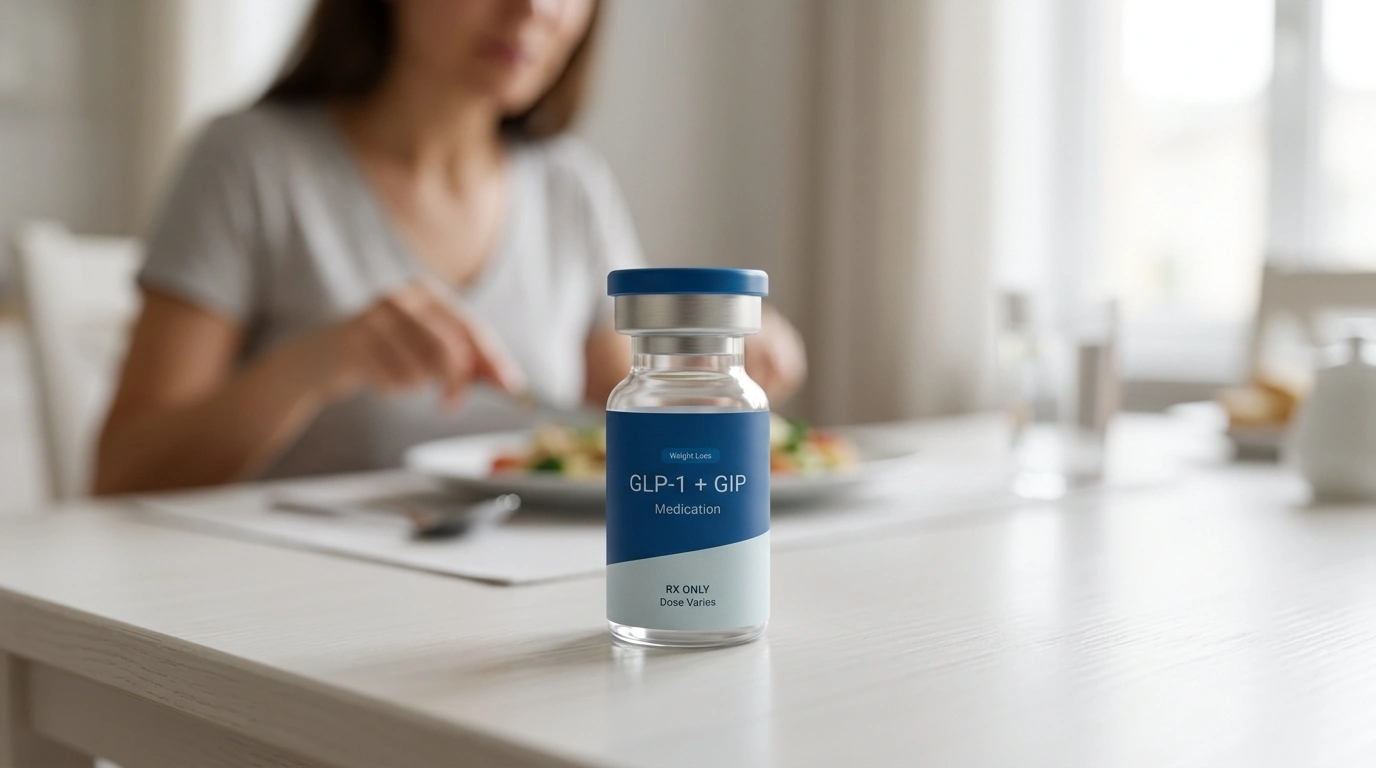
Mounjaro® is a brand-name medication containing the active ingredient tirzepatide. It is a dual-acting medication, meaning it works as a glucagon-like peptide-1 (GLP-1) and a glucose-dependent insulinotropic polypeptide (GIP) receptor agonist. In plain English, a receptor agonist is a substance that mimics the natural hormones in your body to produce a specific response.
This medication works in several key ways to support weight management and blood sugar control. First, it signals the pancreas to release more insulin when blood sugar is high. Second, it reduces the amount of sugar the liver produces. Most importantly for your daily diet, it slows down “gastric emptying.” This is the process by which food moves from your stomach into your small intestine. When this process slows, you feel full for a much longer period.
For more background, read this guide to how long it takes to digest food on Mounjaro.
Quick Answer: You can eat raisins while taking Mounjaro®, but they should be consumed in very small portions. Because raisins are high in concentrated sugar and have a higher glycemic index than fresh fruit, they may cause blood sugar spikes or worsen gastrointestinal side effects like nausea and bloating.
The Nutritional Profile of Raisins
Raisins are simply grapes that have been dried in the sun or a food dehydrator. While they are a natural food, the drying process changes their nutritional density significantly. When the water is removed, the sugar and calories become concentrated.
For every cup of fresh grapes, you get about 15 to 20 grams of sugar. When those same grapes are turned into raisins, the volume shrinks, but the sugar remains. A small box of raisins can contain nearly 25 grams of sugar. For someone using a medication designed to regulate insulin and blood sugar, this concentration of glucose and fructose is an important factor to consider.
Raisins do provide fiber, potassium, and antioxidants. However, the ratio of sugar to fiber is much higher in raisins than in non-starchy vegetables or low-glycemic fruits like berries. This makes them a “high-density” energy source, which can be counterproductive when you are trying to maximize the effects of a weight loss program.
Why Raisins Can Be Challenging on a GLP-1 Program
The primary concern with eating raisins while on a medication like tirzepatide is the glycemic index (GI). The glycemic index is a system that ranks foods on a scale from 1 to 100 based on how quickly they raise blood sugar levels.
Blood Sugar Spikes and Crashes
Raisins have a medium-to-high glycemic index. Because the medication is working to stabilize your glucose levels, consuming high-GI foods can create a “tug-of-war” in your system. When you eat a handful of raisins, your blood sugar may rise rapidly. The medication will signal for insulin to manage that spike, which can sometimes lead to a subsequent “crash.” This crash often manifests as fatigue, dizziness, or even a sudden return of “food noise”—the intrusive thoughts about eating that the medication is designed to quiet.
Gastric Emptying and Fermentation
Because tirzepatide slows down the movement of food through the stomach, the sugar in raisins stays in your digestive tract longer than it would normally. For some individuals, this can lead to a process of fermentation in the gut. When sugar sits in a warm, slow-moving environment, it can produce gas. This often results in the bloating, burping, and abdominal discomfort that are frequently reported as side effects of GLP-1 treatments.
To better understand the connection between digestion and discomfort, explore why Mounjaro can cause nausea.
Nausea Triggers
One of the most common side effects of tirzepatide is nausea, particularly in the first few days after an injection or when increasing a dose. Highly sweet or concentrated sugar sources are known triggers for nausea. Eating raisins on an empty stomach or in large quantities could potentially turn a mild feeling of queasiness into a more significant episode of vomiting or malaise.
Comparing Fruits: Fresh vs. Dried
To understand why fresh fruit is generally preferred over dried varieties like raisins, it helps to look at the numbers. Fresh fruit contains a high percentage of water, which adds volume to your stomach without adding calories.
| Fruit Type | Serving Size | Sugar Content (Approx) | Fiber Content (Approx) | Glycemic Index |
|---|---|---|---|---|
| Raisins | 1/4 Cup | 24g | 2g | 64 (Medium/High) |
| Fresh Grapes | 1 Cup | 15g | 1g | 53 (Low) |
| Raspberries | 1 Cup | 5g | 8g | 32 (Very Low) |
| Strawberries | 1 Cup | 7g | 3g | 41 (Low) |
As the table shows, raspberries or strawberries offer a much better “bang for your buck” regarding fiber and sugar. Fiber is essential during weight loss as it helps maintain bowel regularity, which can be slowed down by the medication.
Key Takeaway: Prioritize fresh, high-fiber fruits like berries and apples over dried fruits. If you do choose raisins, keep the portion size to a tablespoon and pair them with a protein source to buffer the sugar absorption.
How to Eat Raisins Safely While on Mounjaro
If you truly enjoy raisins and want to keep them in your diet, you do not have to eliminate them entirely. However, you should change how you consume them to minimize side effects and support your metabolic health.
Step 1: Control the Portion
Never eat raisins directly from a large box. It is far too easy to consume three or four servings without realizing it. Measure out one tablespoon. This provides the flavor you want without overwhelming your system with sugar.
Step 2: Use the “Protein Buffer”
Never eat raisins alone on an empty stomach. To slow down the absorption of sugar, pair the raisins with a high-quality protein or healthy fat. Adding a few raisins to a bowl of plain Greek yogurt or mixing them with a handful of raw almonds can significantly lower the glycemic impact of the snack.
Step 3: Hydrate Heavily
Dried fruits absorb water in the digestive tract. If you are not drinking enough water, raisins can contribute to constipation, which is a frequent concern for those on tirzepatide. Always follow a snack containing dried fruit with a full glass of water.
For additional guidance, review these common GLP-1 side effects and management strategies.
Step 4: Monitor Your Response
Pay close attention to how you feel 30 to 60 minutes after eating raisins. If you notice an increase in heart rate, a “shaky” feeling, or sudden nausea, your body may be sensitive to the concentrated sugar. Note these reactions so you can adjust your personalized program accordingly.
Building a Supportive Diet with TrimRx
At TrimRx, we understand that weight loss is about more than just a prescription; it is about how that medication fits into your daily life and your kitchen. Our program is designed to provide you with the tools to navigate these choices. When you access a program through our platform, you are connected with licensed healthcare providers who can help you understand these nutritional nuances.
Our approach is telehealth-first, meaning you get the clinical support you need without the inconvenience of a waiting room. This continuous access allows you to ask questions about your diet, side effects, and progress whenever they arise. Whether you are using compounded medications from an FDA-registered, inspected compounding pharmacy or looking for branded options, we focus on making the process transparent and supportive.
If you are ready to explore whether a supervised program fits your goals, take the free assessment quiz.
Common Side Effects and Raisin Consumption
Managing side effects is the key to staying consistent with your treatment. If you find that certain foods, like raisins, are making your journey more difficult, it is important to address them.
- Bloating and Gas: If raisins cause these issues, the fiber and sugar may be fermenting due to slowed gastric emptying. Switch to cooked vegetables or smaller portions of low-sugar fruit.
- Heartburn: Highly concentrated sugars can sometimes trigger acid reflux. If you experience heartburn after eating dried fruit, try sitting upright for at least an hour after consumption.
- Diarrhea: In some individuals, a sudden influx of sugar can pull water into the intestines, causing loose stools. This is another reason to keep portions small.
For those looking to optimize their metabolic health and reduce these common discomforts, we offer targeted solutions. Products like GLP-1 Daily Support are designed to provide the specific nutrients your body needs when your appetite is suppressed and your diet is changing.
The Importance of Protein and Fiber
When you are taking a medication that reduces your appetite, every bite you take counts. Because you are eating less, those bites must be nutrient-dense. Raisins, while containing some vitamins, are largely “empty” compared to lean proteins.
Lean proteins such as chicken breast, turkey, tofu, and white fish should be the foundation of your meals. Protein helps preserve muscle mass while you lose fat. When you choose a snack like raisins, you are using up your limited “appetite real estate” on sugar rather than the protein your body needs for repair and metabolism.
Similarly, fiber is your best friend when your digestion is slowed. While raisins have fiber, the high sugar content makes them a less ideal source than leafy greens, chia seeds, or broccoli.
Bottom Line: Focus on “protein first” at every meal. Use high-sugar fruits like raisins as a very occasional accent rather than a primary snack.
Myth vs. Fact: Dried Fruit and GLP-1s
Myth: Dried fruit is just as healthy as fresh fruit because it comes from the same source. Fact: The dehydration process removes water and concentrates sugar and calories. While the vitamins remain, the lack of volume makes it much easier to overconsume sugar, which can lead to blood sugar spikes and gastrointestinal distress while on Mounjaro®.
Myth: You must follow a strict, “no-sugar” diet for the medication to work. Fact: While a low-sugar diet is highly recommended for best results, no food is strictly forbidden. The medication works by helping you naturally prefer smaller portions and healthier choices, but the occasional small serving of a food you love can be part of a sustainable lifestyle.
Personalizing Your Weight Loss Journey
Every person responds to tirzepatide and other GLP-1 medications differently. Some people can eat a small amount of raisins with no ill effects, while others may find that even a few trigger intense nausea. This is why a personalized approach is so critical.
We help you move past the “one-size-fits-all” advice found in generic diet books. Through our platform, your progress is monitored, and your program can be adjusted based on your health profile and goals. If you find that your current diet isn’t yielding the results you want, or if side effects are becoming a barrier, the dedicated team of specialists accessible through our platform is there to help you pivot.
The Role of Supplements in Digestive Comfort
While adjusting your intake of foods like raisins is a great first step, some people need additional support to keep their digestive system running smoothly. When you are eating less, it can be difficult to get all the necessary micronutrients.
Our Weight Loss Boost supplement and GLP-1 Daily Support supplement are crafted to fill these gaps. They are available for immediate purchase and do not require a medical quiz. These supplements can help provide the nutritional foundation your body needs to handle the metabolic changes occurring during your program.
Final Verdict: Can You Eat Raisins on Mounjaro?
The answer is yes, but with significant caveats. Raisins should be viewed as a condiment or a minor ingredient rather than a standalone snack. Their high sugar density and glycemic index make them a potential trigger for blood sugar fluctuations and digestive discomfort.
If you are just starting your journey or are currently increasing your dose, it is best to avoid raisins and other dried fruits entirely until you know how your body reacts to the medication. Once you have stabilized, you can experiment with small, buffered portions.
Action Plan for Success:
- Swap: Replace raisins with fresh berries or a small apple.
- Pair: If eating raisins, always add a protein like Greek yogurt or a few walnuts.
- Measure: Keep the portion to one tablespoon maximum.
- Hydrate: Drink 8–12 ounces of water with any dried fruit.
- Consult: If you experience ongoing digestive issues, speak with a healthcare provider.
Conclusion
Navigating the nutritional landscape while on Mounjaro® requires a shift in perspective. It’s about moving from a mindset of “can I eat this?” to “how will this make me feel?” While raisins are a natural and traditional snack, their concentrated sugar content requires careful management when your body’s insulin and digestive pathways are being medically modified.
TrimRx is committed to providing a transparent, science-backed, and empathetic environment for your weight loss journey. We believe that with the right medical supervision and a personalized plan, you can achieve sustainable results while still enjoying a varied and satisfying diet. Whether you are just beginning to explore GLP-1 options or are looking for better support in your current program, we are here to guide you every step of the way. Your path to a healthier lifestyle starts with a single, informed decision.
To see if you are eligible for a personalized weight loss program, the best next step is to take our free assessment quiz.
FAQ
Does Mounjaro make you crave sugar or hate it?
Most people report a significant decrease in sugar cravings, a phenomenon often called “reduced food noise.” However, if you do eat high-sugar foods like raisins, you may find they taste overly sweet or cause more physical discomfort than they did before you started the medication.
What happens if I eat too many raisins while on this medication?
Consuming large amounts of raisins can lead to a sharp spike in blood sugar followed by an insulin-driven crash, causing fatigue or hunger. Additionally, the slowed digestion caused by the medication can result in the sugar fermenting in the stomach, leading to severe bloating, gas, and nausea.
For more information about managing nausea, read how to avoid nausea while taking Mounjaro.
Are there any dried fruits that are better than raisins?
Generally, all dried fruits are high in concentrated sugar. However, dried apricots or prunes may have a slightly lower glycemic impact and offer more specific fiber benefits, but the same rules of portion control and protein pairing still apply.
Can raisins cause “sulfur burps” on Mounjaro?
Sulfur burps are a common side effect caused by food sitting in the stomach for an extended period. Because raisins are high in sugar and fiber, they can contribute to the gas production that causes these unpleasant burps if they are not digested quickly.
If you are experiencing persistent symptoms or want to discuss whether a personalized program is appropriate, complete a free eligibility assessment.
Disclaimer: This content is for informational purposes only and does not constitute medical advice. It is not intended to diagnose, treat, cure, or prevent any disease or condition. Individual results may vary. Always consult a qualified healthcare professional before starting any weight loss program or medication.

Transforming Lives, One Step at a Time
Keep reading

Mounjaro Alternatives: What Else to Consider
If Mounjaro isn’t the right fit, the closest alternatives are other GLP-1 medications, chiefly semaglutide (Ozempic for diabetes, Wegovy for weight), along with a…

Mounjaro vs Zepbound: Same Drug, Two Brands
Like their semaglutide counterparts, Mounjaro and Zepbound are the same medication (tirzepatide) sold under two names for two purposes: Mounjaro is approved for type…

Retatrutide vs Mounjaro: Triple Agonist vs Dual Agonist
The core difference between retatrutide and Mounjaro comes down to how many hormone targets each hits: retatrutide activates three receptors, while Mounjaro (tirzepatide) activates…


