Navigating Your Diet on Mounjaro: What to Limit for Optimal Results
Introduction
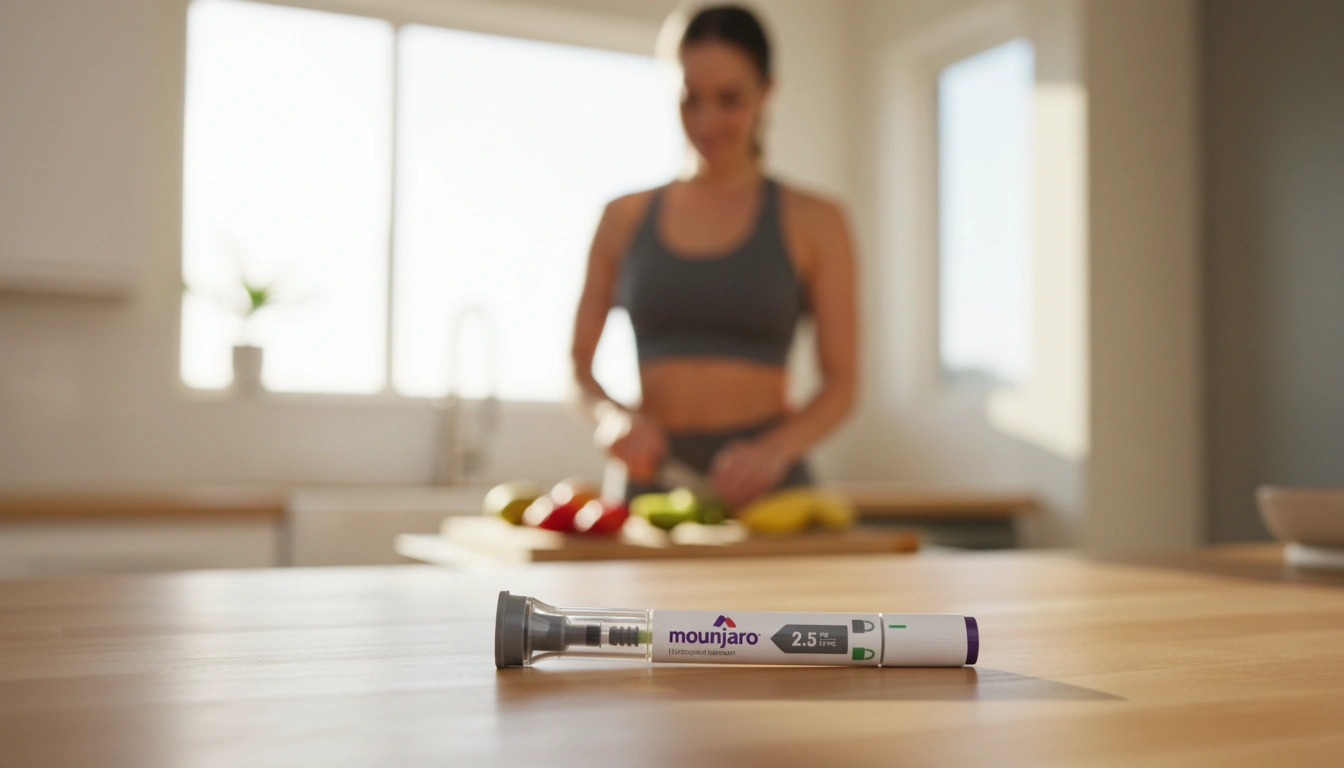
Imagine embarking on a journey to better health, armed with a powerful tool like Mounjaro, only to find yourself confused by conflicting dietary advice. It’s a common dilemma, leaving many individuals wondering how to truly maximize their progress. Mounjaro, a groundbreaking medication containing tirzepatide, has transformed the landscape of weight management and type 2 diabetes treatment for countless individuals. However, its effectiveness isn’t solely dependent on the medication itself; it’s profoundly influenced by the dietary choices made alongside it. The right nutritional strategy can significantly amplify Mounjaro’s benefits, helping to stabilize blood sugar, enhance weight loss, and mitigate potential side effects.
Our journey at TrimRx began with a shared vision: to help individuals embrace healthier lifestyles by merging cutting-edge telehealth innovations with effective weight loss solutions. We understand that sustainable weight loss should be achieved through science, empathy, and a transparent approach. This commitment extends to providing comprehensive guidance, especially when it comes to supporting your body while on medications like Mounjaro. This post is designed to be your trusted resource, offering clear, actionable insights into what you should and should not eat while taking Mounjaro.
By the end of this comprehensive guide, you will gain a deep understanding of how your dietary choices interact with Mounjaro, empowering you to make informed decisions that support your health goals. We will meticulously outline the types of foods that can hinder your progress or exacerbate side effects, alongside those that will nourish your body and optimize the medication’s therapeutic effects. Furthermore, we’ll explore how our personalized approach at TrimRx integrates seamlessly with these dietary principles, providing a holistic pathway to sustainable well-being. Are you ready to unlock the full potential of your Mounjaro journey with informed nutrition? Let’s dive in.
Understanding Mounjaro and the Power of Informed Nutrition
Embarking on a weight loss or diabetes management plan with Mounjaro is a significant step towards a healthier future. Understanding how this medication functions and why dietary considerations are paramount is the first crucial stride in this journey. At TrimRx, we believe in empowering you with knowledge, recognizing that informed decisions are the cornerstone of lasting success.
How Mounjaro Works: A Synergistic Approach
Mounjaro, with its active ingredient tirzepatide, is more than just a medication; it’s a sophisticated tool that interacts with your body’s natural systems. Tirzepatide is a dual-agonist that binds to receptors for two incretin hormones: glucagon-like peptide-1 (GLP-1) and glucose-dependent insulinotropic polypeptide (GIP). This dual action offers a multifaceted approach to health improvement.
The Dual-Action Mechanism
GLP-1 and GIP are hormones naturally released from your gut after eating. Mounjaro mimics their actions, leading to several beneficial effects:
- Blood Sugar Regulation: It stimulates insulin release from the pancreas in a glucose-dependent manner, meaning insulin is released only when blood sugar is high. This helps to lower elevated blood glucose levels.
- Improved Insulin Sensitivity: Mounjaro appears to enhance the body’s responsiveness to insulin, allowing cells to utilize glucose more effectively for energy.
- Reduced Glucagon Levels: It also decreases the secretion of glucagon, a hormone that instructs the liver to produce and release glucose. By reducing glucagon, Mounjaro helps to prevent excessive glucose production by the liver.
- Appetite and Satiety Control: Perhaps most notably for weight management, tirzepatide slows down gastric emptying—the rate at which food leaves your stomach. This leads to a prolonged feeling of fullness. Additionally, it targets specific areas in the brain that regulate hunger and appetite, contributing to reduced food intake and cravings.
It’s important to note that while Mounjaro is approved for managing type 2 diabetes, its active ingredient, tirzepatide, is also approved in another form called Zepbound specifically for chronic weight management. Both leverage the same powerful mechanisms to support metabolic health. For those exploring these options, we encourage you to take our free assessment quiz to determine your eligibility for a personalized treatment plan, which may include medications like Mounjaro®, Zepbound®, Wegovy®, Ozempic®, or compounded formulations of Semaglutide and Tirzepatide, all provided through FDA-registered and inspected pharmacies.
Why Dietary Choices Are Paramount on Mounjaro
While Mounjaro works diligently within your body, it is most effective when supported by mindful lifestyle changes. Think of Mounjaro as a powerful catalyst, and your diet as the essential fuel that determines the direction and efficiency of the reaction.
Enhancing Efficacy and Managing Side Effects
Dietary choices directly influence blood sugar levels and body weight. Prioritizing nutrient-dense, balanced meals works in concert with Mounjaro to stabilize blood sugar, reduce overall caloric intake, and promote sustainable weight loss. Conversely, poor dietary habits can undermine the medication’s effects, potentially causing blood sugar spikes, hindering weight loss, and even exacerbating common digestive side effects like nausea, vomiting, indigestion, diarrhea, or constipation.
Have you considered how your plate might be working with or against your treatment? Without adequate nutrition, individuals may not receive enough essential nutrients, leading to issues such as fatigue, hair loss, or muscle weakness. At TrimRx, we combine advanced medical science with modern technology, offering compassionate care that respects every individual’s unique journey. We provide a comprehensive service that includes doctor consultations, medication, lab work, unlimited support, and shipping, all with no hidden fees, ensuring that your dietary strategy is part of a fully supported pathway.
The Essential List: What to Limit or Avoid When Taking Mounjaro
To truly optimize your experience with Mounjaro and foster sustainable weight loss, it’s crucial to understand what should I not eat on Mounjaro. Certain foods can counteract the medication’s benefits, worsen side effects, or simply not contribute positively to your health goals. Our commitment at TrimRx is to guide you towards choices that align with your journey, emphasizing safety and effectiveness every step of the way.
Foods High in Saturated and Trans Fats
When focusing on what should I not eat on Mounjaro, foods laden with unhealthy fats top the list. These fats can hinder weight loss efforts and significantly contribute to digestive discomfort.
The Detrimental Impact of Unhealthy Fats
- High-Fat Cuts of Meat and Poultry: Examples include dark poultry meat (especially with the skin), high-fat cuts of beef, pork, and lamb. These contribute excessive calories and saturated fat without providing optimal lean protein.
- Fried Foods: Chips, French fries, fried chicken, donuts, and anything cooked in deep oil are not only calorie-dense but also difficult for the digestive system to process, particularly when on Mounjaro. The medication slows gastric emptying, and fatty foods slow it even further, potentially leading to increased nausea, indigestion, and bloating. Research indicates that trans fats present in fried foods can have an adipogenic effect, promoting the development of fat cells.
- Full-Fat Dairy Products, Butter, Palm Oil, and Coconut Oil: While some of these fats are naturally occurring, their high saturated fat content can contribute to increased cholesterol and caloric intake, working against your weight loss goals. Margarine and baked goods made with hydrogenated oils are also sources of harmful trans fats.
These foods are often calorie-dense and lack significant nutritional value, making them counterproductive for someone aiming for weight loss and better metabolic health. For individuals managing diabetes, a diet high in saturated fats can also contribute to insulin resistance.
Refined Carbohydrates and Added Sugars
This category is a major consideration for what should I not eat on Mounjaro, as these foods can cause rapid spikes in blood sugar, undermining Mounjaro’s glucose-regulating effects and contributing to weight gain.
The Pitfalls of Simple Carbs and Sugars
- Sugary Beverages: Sodas, sweetened teas, and many fruit juices are packed with added sugars. These lead to quick blood sugar spikes and provide “empty calories” with little to no nutritional benefit.
- Baked Goods and Sweets: Cakes, cookies, pastries, candy, and ice cream fall squarely into this category. They are typically high in both sugar and unhealthy fats, making them a double whammy for blood sugar control and weight management.
- Refined Grains: White bread, white pasta, white rice, and processed cereals are examples of refined carbohydrates. During processing, they lose much of their fiber and nutrients, leading to faster digestion and more abrupt rises in blood sugar compared to their whole-grain counterparts. These rapid increases can interfere with Mounjaro’s goal of maintaining stable blood glucose.
Are these hidden sugars derailing your progress? Consistently consuming these foods can create a cycle of blood sugar fluctuations, increasing cravings and making it harder to feel satisfied, which directly opposes Mounjaro’s appetite-suppressing effects.
High-Glycemic Index Fruits and Starchy Vegetables (in excess)
While fruits and vegetables are generally healthy, some varieties have a higher glycemic index (GI), meaning they can cause a quicker rise in blood sugar. While not strictly “bad,” mindful consumption is advised for what should I not eat on Mounjaro in large quantities.
Mindful Choices for Fruit and Vegetable Intake
- High-GI Fruits: Examples include ripe bananas (especially yellow), mangoes, grapes, dates, pears, oranges, pineapple, and watermelon. These contain natural sugars that can impact blood glucose more rapidly than lower-GI alternatives.
- Starchy Vegetables: Potatoes, sweetcorn, carrots, parsnips, and beetroot are starchy and can have a higher GI. For individuals managing diabetes, especially, focusing on non-starchy vegetables is often recommended.
The American Diabetes Association (ADA) notes that fresh, frozen, or canned fruits with no added sugars are generally good choices, but awareness of GI can be beneficial. It’s about balance and portion control rather than outright elimination, especially when pairing with a medication designed to manage blood sugar.
Processed Foods and Excessive Sodium
Highly processed foods often contain a troubling mix of unhealthy fats, added sugars, and excessive sodium, making them a key area for consideration regarding what should I not eat on Mounjaro.
The Hidden Dangers of Processed Items
- Ready Meals and Packaged Snacks: Microwave meals, processed meats (ham, sausages, bacon, salami), crisps, and many savory snacks are engineered for convenience and palatability, but often lack essential nutrients. They contribute to a high caloric intake without providing sustained satiety.
- High Sodium Content: Processed foods are notorious for high sodium levels, which can lead to water retention and negatively impact cardiovascular health. When combining Mounjaro with a weight loss plan, reducing sodium intake supports a healthier inflammatory response and overall well-being.
These foods contribute minimal nutritional value and can impede your progress by adding unnecessary calories and ingredients that work against your body’s metabolic efforts.
Alcohol: A Complex Relationship
When taking Mounjaro, alcohol consumption warrants careful consideration, making it a critical item for what should I not eat on Mounjaro, or more accurately, what to limit.
The Impact of Alcohol on Your Journey
- Blood Sugar Fluctuations: Alcohol can significantly impact blood sugar levels. It can initially cause a spike (especially sugary cocktails or beers), followed by a potentially dangerous drop (hypoglycemia) as the liver prioritizes processing alcohol over releasing glucose. This effect can be particularly pronounced when on medications like Mounjaro that already affect glucose regulation.
- Empty Calories and Increased Appetite: Alcoholic beverages are often high in calories but offer no nutritional value. Furthermore, alcohol can lower inhibitions, increase hunger, and lead to cravings for unhealthy foods, directly undermining your weight management efforts.
- Digestive Discomfort: Alcohol can irritate the digestive system and exacerbate common Mounjaro side effects such as nausea or indigestion.
While alcohol doesn’t typically have a direct adverse interaction with Mounjaro itself, its effects on blood sugar, calorie intake, and digestive comfort make it prudent to limit or avoid it, especially in the initial stages of treatment. Consulting your healthcare provider for personalized advice on alcohol consumption is always recommended.
Foods That May Exacerbate Digestive Side Effects
Mounjaro’s common side effects frequently involve the digestive system. Therefore, certain foods are best avoided or consumed sparingly if you experience these symptoms, further refining what should I not eat on Mounjaro based on individual tolerance.
Easing Digestive Discomfort
- Greasy, Fatty, Very Sweet, or Spicy Foods: These types of foods are notoriously difficult to digest and can worsen nausea, indigestion, or stomach upset.
- Caffeine: For some individuals, caffeine can exacerbate digestive issues like diarrhea or stomach cramps.
- High-Fiber Foods (if experiencing diarrhea): While fiber is generally beneficial, a sudden increase or very high intake might worsen diarrhea for some. It’s about finding the right balance and gradually increasing fiber.
Listening to your body is key. If you notice specific foods trigger or worsen Mounjaro’s side effects, it’s wise to temporarily reduce or eliminate them. Our empathetic approach at TrimRx means we understand these individual variations and support you in navigating your unique experience.
Fueling Your Journey: What to Prioritize on Mounjaro
While understanding what to limit is crucial, focusing on what to embrace is equally important for success on Mounjaro. A diet rich in specific nutrients will not only support the medication’s effects but also nourish your body, enhance satiety, and contribute to overall well-being. At TrimRx, we advocate for a balanced, science-backed approach to nutrition.
Lean Proteins: The Foundation of Satiety and Muscle Health
Protein is your ally when taking Mounjaro, playing a vital role in curbing hunger, preserving lean muscle mass during weight loss, and stabilizing blood sugar levels.
Embracing High-Quality Protein Sources
- Lean Meats and Poultry: Chicken breast (skinless), turkey, lean cuts of beef, and pork are excellent choices. They provide essential amino acids without excessive saturated fat.
- Fish and Seafood: Salmon, tuna, cod, shrimp, and other varieties are not only rich in lean protein but also offer beneficial omega-3 fatty acids, promoting heart health.
- Eggs: A versatile and complete protein source, eggs are easy to digest and can contribute significantly to satiety.
- Plant-Based Proteins: Tofu, tempeh, lentils, beans, chickpeas, and edamame are fantastic alternatives for vegetarians and vegans, offering both protein and fiber.
- Low-Fat Dairy/Dairy Alternatives: Greek yogurt, cottage cheese, and skim milk provide protein and calcium.
Aiming for at least 60 grams of protein daily is a common recommendation, though individual needs can vary, with some suggesting 1.0 to 1.2 grams per kilogram of body weight. Distributing protein throughout your meals can help maintain satiety throughout the day. For enhanced support on your weight loss journey, consider our GLP-1 Daily Support supplement, formulated to complement your dietary efforts.
Abundant Fruits and Non-Starchy Vegetables
These foods are cornerstones of a healthy diet, providing essential vitamins, minerals, fiber, and hydration with minimal calories. They are key components of a diet supporting Mounjaro’s efficacy.
Filling Your Plate with Nature’s Best
- Non-Starchy Vegetables: Load up on leafy greens (spinach, kale, lettuce), broccoli, cauliflower, bell peppers, asparagus, Brussels sprouts, mushrooms, tomatoes, onions, cucumbers, and zucchini. These are low in carbohydrates and calories but high in fiber, helping you feel full longer and supporting stable blood sugar. Aim to make half of your plate non-starchy vegetables.
- Low-Glycemic Fruits: Berries (strawberries, blueberries, raspberries), apples, citrus fruits (grapefruit, oranges), and green bananas are generally better choices due to their lower impact on blood sugar. Whole fruits are preferable over juices, even 100% fruit juice, as they retain all their beneficial fiber.
These vibrant foods not only support weight loss but also provide antioxidants and phytonutrients crucial for overall health and well-being.
Wholesome Whole Grains and Complex Carbohydrates
Choosing the right carbohydrates is vital. Unlike refined carbs, whole grains provide sustained energy and fiber, which is crucial for digestion and blood sugar management while on Mounjaro.
Smart Carbohydrate Choices
- Whole Grains: Opt for brown rice, quinoa, oats, whole-wheat bread and pasta, farro, bulgur, and barley. These are complex carbohydrates that are digested slowly, preventing rapid blood sugar spikes and providing a steady release of energy. The fiber content also contributes to feelings of fullness.
- Legumes: In addition to protein, beans and lentils are excellent sources of complex carbohydrates and fiber.
Replacing refined grains with these whole alternatives can significantly help in maintaining steady energy levels, reducing cravings, and supporting your weight loss journey.
Healthy Fats for Overall Well-being
Not all fats are created equal. Incorporating healthy, unsaturated fats in moderation is beneficial for heart health, satiety, and nutrient absorption.
Incorporating Beneficial Fats
- Avocados: A rich source of monounsaturated fats, fiber, and potassium.
- Nuts and Seeds: Almonds, walnuts, chia seeds, flax seeds, and pumpkin seeds offer healthy fats, protein, and fiber.
- Olive Oil: A cornerstone of the Mediterranean diet, excellent for cooking and salad dressings.
While healthy fats are crucial, they are calorie-dense, so portion control remains important. They contribute to satiety, helping you feel fuller for longer, which complements Mounjaro’s appetite-suppressing effects. Some individuals may experience more digestive side effects from fatty foods than others, so pay attention to your body’s response.
Hydration: The Unsung Hero
Often overlooked, adequate hydration is a fundamental component of any weight loss journey, and especially important when taking Mounjaro.
Prioritizing Fluid Intake
- Water: Make plain water your primary beverage. It contains no calories, is essential for metabolic processes, aids digestion, and can help manage certain Mounjaro side effects, particularly if you experience nausea or constipation.
- Herbal Teas and Infused Water: These can add flavor without sugar or calories, helping you meet your daily fluid intake goals.
Aim for at least 8-10 glasses of water per day, and even more if you are physically active or experiencing diarrhea. Proper hydration helps your body function optimally and can prevent overeating, as sometimes thirst is mistaken for hunger. For an additional boost to your wellness during this period, explore our Weight Loss Boost supplement, designed to support your overall vitality.
Our Personalized Approach to Weight Loss Support
At TrimRx, we don’t just offer products; we provide a partnership in health, guiding you with an empathetic and innovative spirit through every step of your weight loss journey. Our commitment to you is unwavering, built on a foundation of science, transparency, and individualized care.
Beyond the Plate: TrimRx’s Comprehensive Care
Our journey began with a shared vision to help individuals embrace healthier lifestyles. We recognized the power of merging cutting-edge telehealth innovations with effective, medically supervised weight loss solutions. This is why our platform is designed as a user-friendly and supportive space, where you receive personalized care tailored to your unique needs, making sustainable weight loss attainable. We stand by our belief that a successful weight loss journey should be underpinned by science, empathy, and a transparent approach.
Our brand personality shines through in everything we do: we are empathetic, understanding that every individual’s journey is unique; innovative, by combining advanced medical science with modern technology; trustworthy, through our commitment to transparent service and safety; supportive, offering unlimited guidance; results-oriented, focusing on effective and sustainable outcomes; and profoundly personalized, crafting plans that fit you.
We are dedicated to your safety, which is why we work exclusively with FDA-registered and inspected pharmacies for the shipping of any weight loss medications. It’s important to clarify that TrimRx partners with these pharmacies for medication fulfillment and does not provide actual medical supervision; instead, our comprehensive service includes vital doctor consultations to ensure appropriate care. This robust service encompasses not just medication, but also necessary lab work, unlimited support from our team, and convenient shipping, all provided with no hidden fees. Our approach remains consistent regardless of dosage changes, ensuring a seamless experience.
Our prescription weight loss programs offer a range of powerful medications, including:
- Compounded Semaglutide
- Oral Semaglutide
- Ozempic® (an FDA-approved branded Semaglutide)
- Compounded Tirzepatide
- Oral Tirzepatide
- Mounjaro® (an FDA-approved branded Tirzepatide)
- Zepbound® (an FDA-approved branded Tirzepatide)
- Wegovy® (an FDA-approved branded Semaglutide)
For these prescription medications, we require you to take our free assessment quiz to determine your eligibility and receive a personalized treatment plan. This ensures that any medication prescribed, whether it’s an FDA-approved branded option or a compounded medication provided through our FDA-registered and inspected pharmacies, is the right fit for your specific health profile.
Supporting Your Wellness: Quick-Access Solutions
We also understand that immediate support can make a significant difference in your overall wellness journey. Alongside our personalized prescription programs, we offer quick-access supplements that do not require a quiz for purchase:
- GLP-1 Daily Support: Designed to support the body’s natural GLP-1 pathways, this supplement can be a valuable addition to your regimen.
- Weight Loss Boost: This supplement provides additional support for your metabolism and overall vitality, complementing your dietary and medication efforts.
These supplements are readily available to help you bolster your health as you work towards your weight loss goals, providing an immediate pathway to support your journey.
Practical Strategies for Dietary Success on Mounjaro
Understanding what should I not eat on Mounjaro and what to prioritize is only half the battle. Implementing these principles consistently requires practical strategies and a shift in daily habits. We aim to equip you with actionable insights that empower you to take control of your diet.
Cultivating Mindful Eating Habits
Success on Mounjaro is greatly amplified by how you approach your meals, not just what’s on your plate.
- Meal Planning and Preparation: Dedicate time each week to plan your meals and prepare healthy components in advance. This proactive approach reduces the likelihood of impulsive, unhealthy food choices when hunger strikes. Knowing exactly what you will eat for each meal simplifies adherence to your personalized dietary guidelines.
- Practicing Portion Control: Even healthy foods can contribute to weight gain if consumed in excessive quantities. Use smaller plates, measure out servings, and be mindful of serving sizes, especially with calorie-dense healthy fats like nuts and avocados. Mounjaro often reduces appetite, so paying attention to appropriate portion sizes will help you avoid overeating.
- Listening to Your Body’s Cues: Mounjaro’s effects on appetite and satiety mean you might feel full faster or less hungry overall. Pay close attention to your body’s true hunger and fullness signals. Eat slowly, savor your food, and stop when you feel satisfied, not stuffed. This mindful approach can prevent discomfort and reinforce the medication’s benefits.
- The Power of Consistency: Small, consistent dietary changes accumulate into significant results over time. Rather than striving for perfection, focus on making sustainable, healthy choices most of the time.
Navigating Social Situations and Cravings
Dietary changes can be challenging in social settings or when cravings emerge. Having a plan can make all the difference.
- Eating Out Smart: When dining at restaurants, review menus online beforehand to identify healthier options. Don’t hesitate to ask for modifications, such as dressings on the side, grilled instead of fried, or extra vegetables. Practice portion control by asking for a take-home box at the start of the meal.
- Managing Temptations and Cravings: Instead of outright denial, find healthy substitutes for your favorite treats. A square of dark chocolate can satisfy a sweet tooth more healthily than a candy bar. Keep healthy snacks readily available, like a handful of nuts, a piece of fruit, or vegetable sticks with hummus, to prevent reaching for less nutritious options.
- The “One Plate” Rule: When attending buffets or family gatherings, commit to filling one plate with healthy choices and avoiding second helpings. Prioritize lean proteins and non-starchy vegetables.
The Role of a Healthcare Professional
While this guide provides valuable information, personalized advice from a healthcare professional is indispensable.
- Tailored Guidance: Your doctor or a registered dietitian can create a diet plan specifically tailored to your individual health status, dietary needs, preferences, and any co-existing conditions, such as diabetes. They can help you determine appropriate calorie and protein targets, aligning perfectly with your Mounjaro treatment.
- Monitoring and Adjustments: A healthcare provider can monitor your progress, help you navigate side effects, and make necessary adjustments to your diet or medication regimen.
- TrimRx’s Integrated Support: Our comprehensive service at TrimRx includes doctor consultations as a core component. Our trusted, empathetic approach ensures you receive expert guidance, integrating seamlessly with your Mounjaro prescription and overall health goals. We provide transparent service, ensuring you always know what to expect on your personalized weight loss journey. Remember, you can always take our free assessment quiz to connect with our clinical team and begin crafting your personalized plan.
Conclusion
Navigating your dietary choices while on Mounjaro is a pivotal step towards unlocking the full potential of your weight loss and health journey. We’ve explored in depth what should I not eat on Mounjaro, emphasizing the critical importance of limiting foods high in unhealthy fats, refined carbohydrates, added sugars, and excessive sodium. We also highlighted the need for mindful consumption of high-glycemic index fruits and starchy vegetables, and the prudent limitation of alcohol. Equally important is the understanding of which foods to embrace: lean proteins, abundant non-starchy vegetables, wholesome whole grains, healthy fats, and consistent hydration.
At TrimRx, our unwavering commitment is to provide clinically proven, personalized weight loss solutions, merging cutting-edge telehealth innovations with effective, medically supervised care. We believe that sustainable weight loss should be achieved through science, empathy, and a transparent approach, creating a user-friendly and supportive space for every individual. Our comprehensive service—encompassing doctor consultations, medication sourced from FDA-registered and inspected pharmacies, lab work, unlimited support, and shipping—is designed to make your journey attainable and tailored to you, with no hidden fees.
Remember, Mounjaro is a powerful tool, but it works best in concert with conscious, thoughtful dietary choices. By making informed decisions about your nutrition, you’re not just supporting the medication; you’re building a foundation for lasting health and well-being. Are you ready to take the next step towards a healthier, more vibrant you?
Discover how TrimRx can personalize your weight loss journey today. Take our free assessment quiz to see if you qualify for our prescription weight loss medications and receive a tailored treatment plan. For immediate support for your overall wellness, explore our GLP-1 Daily Support and Weight Loss Boost supplements.
Frequently Asked Questions (FAQ)
1. What are the key food categories I should avoid or limit while taking Mounjaro?
When taking Mounjaro, it’s generally recommended to limit or avoid foods high in saturated and trans fats (like fried foods, fatty meats, full-fat dairy), refined carbohydrates and added sugars (such as sugary drinks, white bread, pastries), and highly processed foods. Also, be mindful of high-glycemic index fruits and starchy vegetables in large quantities, and consider limiting alcohol intake. These foods can hinder Mounjaro’s effectiveness, exacerbate digestive side effects, and impede weight loss progress.
2. Can I eat carbs while using Mounjaro, and if so, what kind?
Yes, you can and should eat carbohydrates while using Mounjaro, but the focus should be on complex carbohydrates rather than refined ones. Prioritize whole grains like brown rice, quinoa, oats, and whole-wheat bread and pasta. These options provide sustained energy, fiber for digestive health, and help maintain stable blood sugar levels, complementing Mounjaro’s glucose-regulating actions. Avoid refined carbs like white bread and sugary snacks, which can cause rapid blood sugar spikes.
3. How does my diet impact Mounjaro’s potential side effects?
Mounjaro commonly causes digestive side effects such as nausea, vomiting, indigestion, diarrhea, or constipation. Your dietary choices can significantly influence these. Greasy, fatty, very sweet, or spicy foods can worsen nausea and indigestion. If experiencing diarrhea, a temporary reduction in very high-fiber foods might be helpful, though fiber is generally beneficial. Conversely, a balanced diet rich in lean protein, non-starchy vegetables, and adequate hydration can help mitigate these symptoms and improve tolerance to the medication.
4. Is consulting a dietitian or healthcare professional necessary when on Mounjaro?
Absolutely. While general guidelines are helpful, individual dietary needs can vary significantly based on your health status, existing conditions (like type 2 diabetes), lifestyle, and personal preferences. Consulting your doctor or a registered dietitian is highly recommended to create a personalized diet plan that maximizes Mounjaro’s benefits, minimizes side effects, and ensures you receive adequate nutrition. At TrimRx, our comprehensive service includes doctor consultations to provide this expert, tailored guidance as part of your personalized weight loss journey.

Transforming Lives, One Step at a Time
Keep reading

How to Choose Between Ozempic and Mounjaro
If you’ve spent any time researching GLP-1 medications for weight loss, you’ve probably landed on this question eventually. Ozempic and Mounjaro are the two…

Mounjaro Savings Card: Eli Lilly Programs Explained
Mounjaro carries a list price of over $1,000 per month without insurance. For people managing type 2 diabetes or pursuing weight loss with tirzepatide,…

Effective Strategies for Managing Your Journey: What Helps Nausea From Mounjaro and How to Stay on Track
Discover what helps nausea from Mounjaro with our expert guide. Explore dietary tips, hydration strategies, and natural remedies to manage side effects effectively.


