Navigating Your Diet on Ozempic: What Not to Eat or Drink for a Smoother Journey
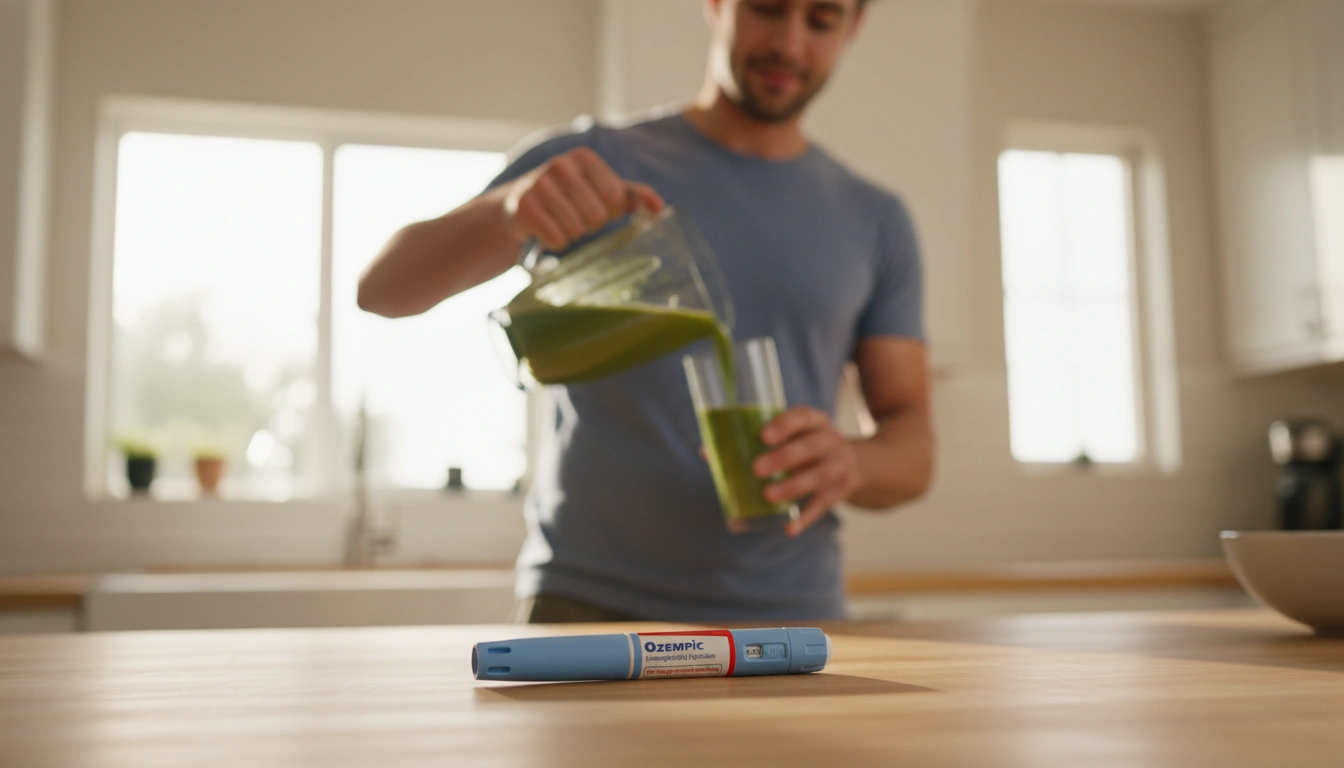
Introduction
Embarking on a weight loss journey often feels like discovering a new landscape—full of exciting possibilities, but also uncharted territories that require careful navigation. For many, the advent of innovative solutions like GLP-1 medications, including Ozempic®, has been a transformative development, offering a powerful tool to support their health goals. However, just as a finely tuned engine performs best with the right fuel, optimizing your dietary choices while on these medications is paramount for maximizing benefits and minimizing potential discomfort. It’s a journey not just of reducing numbers on a scale, but of understanding your body’s evolving needs and making informed decisions that promote overall well-being.
At TrimRx, our journey began with a shared vision to help individuals embrace healthier lifestyles by merging cutting-edge telehealth innovations with effective weight loss solutions. We understand that sustainable weight loss should be achieved through science, empathy, and a transparent approach. This blog post is crafted to be your supportive guide, delving into the crucial aspects of dietary management while taking medications like Ozempic. We aim to illuminate not just what to avoid, but why these choices are beneficial, empowering you to make adjustments that foster comfort, enhance results, and build lasting healthy habits.
We will explore the intricate ways GLP-1 medications impact digestion and appetite, setting the stage for understanding which foods and drinks might exacerbate common side effects. From high-fat indulgences to sugary temptations and even certain seemingly healthy options, we will systematically break down the categories of items to approach with caution. Beyond mere avoidance, we’ll offer insights into how these dietary modifications contribute to a more comfortable experience, improved medication efficacy, and a more sustainable path towards your weight loss aspirations. Together, we’ll navigate the culinary considerations, ensuring you’re equipped with the knowledge to thrive on your weight loss journey with greater ease and confidence.
Understanding How Ozempic Influences Digestion and Appetite
Before we dive into specific dietary recommendations, it’s essential to grasp how medications like Ozempic, which contain semaglutide, work within your body. This understanding forms the foundation for making informed food and drink choices. Semaglutide belongs to a class of drugs known as GLP-1 receptor agonists, which mimic the action of a natural hormone called glucagon-like peptide-1. This hormone plays several crucial roles in regulating blood sugar and appetite.
One of the primary mechanisms of semaglutide is its ability to slow down gastric emptying. This means that food stays in your stomach for a longer period. While this effect contributes significantly to feeling fuller for an extended duration—a key factor in appetite reduction and weight management—it also means that your digestive system is working at a reduced pace. For individuals who have struggled with persistent hunger and overeating, this extended feeling of satiety can be truly revolutionary. However, it also dictates how certain foods, particularly those that are already slow to digest, might interact with your system, potentially leading to discomfort.
Beyond slowing digestion, semaglutide also helps regulate blood sugar by stimulating insulin release in response to high glucose levels and reducing glucagon secretion. It also acts on the brain to reduce hunger signals, often diminishing what many describe as “food noise”—the constant thoughts and cravings related to eating. This multi-faceted approach makes medications like Ozempic highly effective tools for weight loss and blood sugar management for those eligible.
However, these powerful mechanisms can also contribute to side effects such as nausea, vomiting, bloating, constipation, or heartburn, especially as your body adjusts to the medication. These side effects are often temporary and can be significantly mitigated through thoughtful dietary adjustments and lifestyle changes. Our goal at TrimRx is to support you through every aspect of this journey, providing personalized guidance to help you navigate these changes effectively. For many, taking a free assessment quiz is the first step toward understanding how a personalized, medically supervised plan can align with their unique needs and help manage such considerations.
Dietary Considerations: Foods and Drinks to Approach with Caution
As your body adapts to the profound digestive shifts induced by Ozempic, certain foods and drinks may exacerbate potential side effects. The key isn’t necessarily to eliminate entire food groups forever but to understand how they interact with your slowed digestion and to make conscious choices, especially during the initial phases of treatment or if you experience discomfort. Our commitment at TrimRx is to offer compassionate care that respects every individual’s unique journey, combining advanced medical science with modern technology to guide you toward optimal well-being.
High-Fat and Greasy Foods: The “Double-Slowing” Effect
The most frequently cited culprits for increased gastrointestinal distress on Ozempic are high-fat and greasy foods. This includes items like fried chicken, hamburgers, pizza, fries, rich desserts, and even high-fat dairy products such as some cheeses, butter, and heavy cream.
Why High-Fat Foods Are Problematic
Fatty foods naturally take longer to digest than proteins or carbohydrates. When combined with the deliberate slowing of gastric emptying by Ozempic, this creates a “double-slowing” effect. Food sits in the stomach for an even more extended period, increasing the likelihood of symptoms. Our bodies process fats more slowly, and when this process is further decelerated by medication, it can lead to a feeling of prolonged fullness that can quickly turn into nausea, indigestion, and discomfort.
Common Side Effects
Patients frequently report:
- Increased Nausea and Vomiting: The prolonged presence of fatty foods in the stomach is a major trigger.
- Heartburn and Acid Reflux: Delayed digestion can lead to acid reflux, as stomach acid remains active for longer, potentially irritating the esophageal lining.
- Bloating and Abdominal Discomfort: Excess gas and a feeling of distension are common due to slowed movement through the digestive tract.
- Constipation or Diarrhea: High-fat foods can disrupt normal bowel function, which may be amplified by the medication’s effects.
For a smoother journey, consider reducing your intake of these foods significantly. Opt for lean protein sources, and cooking methods that involve baking, grilling, or steaming rather than frying. This shift not only aids in symptom management but also aligns with the broader goals of a nutritious, calorie-managed diet.
High-Sugar Foods and Drinks: Beyond Empty Calories
Sugary beverages and foods, while tempting, can present a dual challenge for individuals on Ozempic. This category includes sodas, sweetened juices, energy drinks, candies, cakes, cookies, and other processed treats.
Impact on Blood Sugar and Digestion
Firstly, sugary drinks cause rapid spikes in blood glucose levels. While Ozempic helps regulate blood sugar, a sudden influx of sugar can counteract some of its benefits and may still contribute to uncomfortable feelings for some individuals. Secondly, these items often provide “empty calories”—calories without significant nutritional value. Given that Ozempic works to reduce appetite, every calorie consumed should ideally contribute maximum nutrition to support your overall health and prevent malnutrition.
Digestive Distress
The high sugar content can also exacerbate gastrointestinal upset. Many patients report that sweet beverages and desserts can trigger or worsen nausea and contribute to bloating. Furthermore, sugary drinks may contribute to dehydration, which itself can worsen other Ozempic side effects. Hydration is crucial, and it’s best achieved with plain water or unsweetened clear beverages.
For comprehensive support throughout your weight loss journey, consider our GLP-1 Daily Support supplement, designed to aid overall wellness.
Refined Carbohydrates: Quick Energy, Quick Discomfort
Refined carbohydrates like white bread, crackers, white rice, and many packaged snacks (e.g., pretzels, pastries) offer little fiber and nutrients. While they might seem bland and therefore safe, their rapid digestion can sometimes cause issues.
Glycemic Impact and Satiety
These foods can cause quicker blood sugar spikes compared to whole grains, which work against the blood sugar stabilizing effects of Ozempic. More importantly, they offer little sustained satiety. When your stomach emptying is slowed, you want the food you do eat to keep you feeling full and nourished for as long as possible. Refined carbs often fail to do this, potentially leading to earlier hunger pangs and less satisfaction from meals. Focusing on whole, unprocessed foods and seeking personalized guidance by taking our free assessment quiz can help create a diet that truly supports your goals.
Alcohol: Compounding Effects and Risks
The relationship between alcohol and GLP-1 medications is complex. While there’s no direct dangerous interaction, both alcohol and Ozempic affect the body in similar ways, which can lead to compounding effects.
Amplified Side Effects and Dehydration
Both alcohol and Ozempic can cause nausea and gastrointestinal distress. Consuming them together can intensify these symptoms. Alcohol is also a diuretic, meaning it promotes fluid loss, which can worsen dehydration—a common concern for individuals experiencing nausea or vomiting from the medication. Dehydration can lead to fatigue and light-headedness, further impacting your well-being.
Hypoglycemia Risk
For individuals managing diabetes, alcohol can inhibit the liver’s ability to release glucose, potentially leading to dangerously low blood sugar levels (hypoglycemia), especially when combined with Ozempic, which also lowers blood glucose. Even for those without diabetes, moderate consumption can lead to unexpected dips in blood sugar.
We encourage careful consideration and moderation, and always recommend discussing alcohol consumption with your healthcare provider as part of your personalized treatment plan. Our comprehensive service includes doctor consultations, ensuring you receive medically supervised care tailored to your health needs.
Spicy Foods: Irritation and Heartburn
Many patients who previously tolerated spicy foods find that they suddenly trigger intense discomfort after starting Ozempic.
The Role of the Lower Esophageal Sphincter
Spicy ingredients can relax the lower esophageal sphincter, the valve that separates your esophagus from your stomach. When this sphincter relaxes, stomach acid can reflux back into the esophagus, leading to heartburn and a burning sensation. With slowed gastric emptying, the acid is present for longer, potentially intensifying these symptoms.
Worsened Nausea and Discomfort
The irritation caused by spicy foods can also exacerbate nausea, a common side effect of Ozempic. Opting for milder flavors can significantly improve comfort, especially during the initial adjustment period.
High-Fiber Vegetables and Starchy Foods: A Nuanced Approach
While fiber is generally beneficial for digestive health and satiety, certain high-fiber vegetables, especially starchy ones, can sometimes cause temporary discomfort when first starting Ozempic. This is not a recommendation to avoid them entirely, but rather to introduce them gradually and observe your body’s reaction.
Initial Digestive Adjustment
Some starchy vegetables, like potatoes or corn, or very high-fiber options, can increase feelings of fullness and gas in a digestive system that is already slowed. If you’re not accustomed to a high-fiber diet, a sudden increase can lead to bloating, gas, and constipation or diarrhea.
The Importance of Fiber
It’s crucial to understand that fiber, protein, and healthy fats are integral to a balanced nutritional strategy for overall health and weight loss. Restricting or eliminating these foods entirely is not recommended. Instead, our expert healthcare providers and partners prioritize closely supervising your nutritional needs to create tailored, personalized plans. Gradually increasing fiber from diverse sources like leafy greens, berries, and whole grains (in moderation) is often the best approach to ensure you receive vital nutrients without overwhelming your digestive system. Remember, a personalized approach is key, and our programs, which offer options like Compounded Semaglutide, Oral Semaglutide, Ozempic®, Compounded Tirzepatide, Oral Tirzepatide, Mounjaro®, Zepbound®, and Wegovy®, are all designed to adapt to your specific dietary requirements and sensitivities.
Optimizing Your Diet on Ozempic: What to Prioritize
While understanding what to limit or avoid is essential, focusing on what you should eat is equally, if not more, important. The goal is to nourish your body with nutrient-dense foods that support weight loss, minimize side effects, and promote overall health. Our brand is empathetic, innovative, trustworthy, supportive, results-oriented, and personalized, offering compassionate care that respects every individual’s unique journey.
Lean Proteins: The Foundation of Satiety and Muscle Preservation
Protein is arguably the most critical macronutrient when taking GLP-1 medications. It helps keep you full, stabilizes blood sugar, and, crucially, helps preserve muscle mass during weight loss. Losing muscle mass can slow metabolism and undermine long-term success.
Excellent Sources Include:
- Fish: Salmon, cod, tuna, tilapia.
- Poultry: Chicken breast, turkey.
- Plant-Based Proteins: Tofu, tempeh, lentils, beans, edamame.
- Eggs: A versatile and complete protein source.
Aim to include a lean protein source at every meal. Consider eating your protein first if you find yourself getting full quickly, to ensure you get adequate intake.
Non-Starchy Vegetables: Nutrient Powerhouses
Vegetables, especially non-starchy varieties, are packed with vitamins, minerals, and fiber, and are low in calories. They are essential for overall health and can be consumed in generous portions.
Examples:
- Leafy greens (spinach, kale, lettuce)
- Broccoli, cauliflower, Brussels sprouts
- Bell peppers, zucchini, cucumbers
- Asparagus, green beans
Varying the colors of your vegetables ensures a broad spectrum of phytonutrients. These foods contribute to satiety without the digestive burden of high-fat or sugary items.
Whole Grains and Fruits (in Moderation): Smart Choices for Fiber and Nutrients
While refined carbs and sugary fruits should be limited, whole grains and fruits with lower sugar content offer valuable fiber, vitamins, and antioxidants.
Whole Grains:
Opt for complex carbohydrates like oats, quinoa, farro, and barley in moderate portions. These digest more slowly than refined grains and provide sustained energy. Remember to introduce them gradually if you’re not used to high-fiber intake.
Fruits:
Focus on fruits that are lower in sugar and higher in fiber, such as berries (raspberries, strawberries, blackberries), kiwi, grapefruit, and oranges. Consume fruit as a snack or dessert, rather than in large quantities. The U.S. Dietary Guidelines recommend 1.5-2 cups of fruit per day for adults, providing essential fiber, vitamins, and minerals.
Hydration: Your Best Friend
Staying well-hydrated is paramount. Dehydration can worsen nausea, fatigue, and constipation, all of which are potential side effects of Ozempic.
Best Choices:
- Plain Water: The gold standard. Sip slowly throughout the day.
- Unsweetened Cold Beverages: Iced ginger tea (can help with nausea), clear broths.
- Avoid carbonated beverages and excessive caffeine, which can contribute to dehydration or heartburn.
Hydration not only aids digestion but also helps curb hunger and supports overall metabolic function. Our commitment at TrimRx extends to ensuring our comprehensive service includes unlimited support, where you can find answers to your questions and guidance on hydration strategies.
Meal Replacement and Protein Shakes: A Convenient Option
If you’re experiencing significant appetite loss or struggling to meet your nutritional needs with solid foods, meal replacement shakes or protein shakes can be a valuable tool. They are often easier to digest and can help preserve muscle mass while providing essential calories and nutrients. This is especially useful in the early stages or during dose adjustments. To explore personalized options and discover if medications like Ozempic® or our other offerings, such as Zepbound® or Wegovy®, are right for you, take our free assessment quiz.
Beyond Diet: Lifestyle Adjustments for Managing Side Effects
While dietary changes are foundational, integrating other lifestyle adjustments can significantly improve your experience on Ozempic. At TrimRx, we believe in a holistic approach, supporting you with a comprehensive service that includes doctor consultations, medication, lab work, unlimited support, and shipping with no hidden fees.
Eating Habits: Mindful Consumption
- Eat Slowly and Chew Thoroughly: This gives your digestive system more time to process food and signals your brain that you’re full, reducing the likelihood of overeating.
- Smaller, More Frequent Meals: Instead of three large meals, consider 4-6 smaller meals throughout the day. This can be gentler on your slowed digestive system and help manage portion sizes.
- Stop at the First Sign of Satisfaction: With Ozempic, you’ll likely feel full much sooner than before. Listen to your body’s cues and avoid eating to the point of discomfort.
Physical Activity: Gentle Movement
- Post-Meal Strolls: Taking a short walk after meals can aid digestion and help alleviate symptoms like bloating and nausea. It also prevents lying down immediately after eating, which can worsen heartburn.
- Regular, Moderate Exercise: Establishing a consistent exercise routine supports overall wellness, weight loss, and can help improve digestive motility.
Medication Adherence and Professional Guidance
- Follow Dosing Instructions: Always take your medication as prescribed by your healthcare provider. For oral semaglutide, for instance, it’s typically taken on an empty stomach with a few sips of plain water at least 30 minutes before eating or drinking to ensure maximal absorption. For injectable forms like Ozempic, it can be administered with or without food. Any adjustments to your dose should always be discussed with your doctor.
- Consult Your Healthcare Provider: If you’re experiencing persistent or severe side effects, it is crucial to speak with your prescribing physician. They can offer strategies, adjust your dosage, or, if necessary, explore other options within our range of medications, such as Mounjaro® or Compounded Tirzepatide, all provided through FDA-registered and inspected pharmacies. Our network of medical professionals are experts in obesity medicine, ensuring you receive the highest standard of care.
Over-the-Counter Relief
For mild symptoms like heartburn or gas, over-the-counter medications like antacids (e.g., Tums) or gas relievers (e.g., Gas-X) might offer temporary relief. Always discuss these options with your doctor to ensure they are appropriate for your individual health profile.
To support your body’s metabolic processes during your weight loss journey, you might also consider our Weight Loss Boost supplement, available for immediate purchase without the quiz.
The TrimRx Difference: Personalized, Medically Supervised Care
At TrimRx, we understand that every individual’s weight loss journey is unique. Our platform is a user-friendly and supportive space where individuals receive personalized, medically supervised care—all designed to make sustainable weight loss attainable and tailored to the individual. We believe in a transparent approach, ensuring our commitment to service consistency regardless of dosage changes, and prioritizing safety by working exclusively with FDA-registered and inspected pharmacies for the shipping of weight loss medications.
Our range of prescription weight loss solutions, including Compounded Semaglutide, Oral Semaglutide, Ozempic®, Compounded Tirzepatide, Oral Tirzepatide, Mounjaro®, Zepbound®, and Wegovy®, are accessible after completing our free assessment quiz. This quiz helps us determine your eligibility and craft a personalized treatment plan that aligns with your specific health profile and goals. For those seeking immediate support for overall wellness during their journey, our GLP-1 Daily Support and Weight Loss Boost supplements are available for quick access.
We partner with FDA-registered and inspected pharmacies for the shipping of all medications, ensuring the highest standards of safety and quality. Our comprehensive service encompasses everything from initial doctor consultations and necessary lab work to the medication itself, unlimited ongoing support, and convenient shipping—all without any hidden fees. This approach ensures that you have all the tools and guidance you need for a successful and sustainable weight loss journey.
Conclusion
Navigating the nuances of diet while taking medications like Ozempic is a significant step toward a more comfortable and effective weight loss journey. By understanding how these powerful medications influence your digestive system, you can make informed choices about what to eat and drink, minimizing discomfort and maximizing results. We’ve explored the importance of approaching high-fat, high-sugar, refined carbohydrate, spicy foods, and alcohol with caution, and prioritizing lean proteins, non-starchy vegetables, and smart hydration.
Remember, there’s no “one-size-fits-all” diet, and your body’s response is unique. This journey is about listening to your body, making gradual adjustments, and seeking professional guidance. At TrimRx, we are dedicated to being your trusted partner, providing compassionate, medically supervised care tailored to your individual needs. Our innovative platform, coupled with a commitment to science and empathy, ensures you have the support and resources to achieve sustainable weight loss.
If you’re ready to explore a personalized weight loss solution that includes expert medical guidance and effective medications, we encourage you to take our free assessment quiz today. Discover how our comprehensive programs, featuring options like Ozempic® and other GLP-1 medications provided through FDA-registered and inspected pharmacies, can help you embrace a healthier, more vibrant lifestyle. For immediate support for your overall wellness, consider our GLP-1 Daily Support and Weight Loss Boost supplements. Your path to sustainable health starts with informed choices and unwavering support, and we’re here to guide you every step of the way.
Frequently Asked Questions
Q1: Can I ever eat the “avoid” foods again once my body adjusts to Ozempic?
A1: The goal is not necessarily permanent elimination, but rather moderation and mindful consumption. As your body adjusts to Ozempic and side effects subside, you may find that you can tolerate small portions of previously problematic foods without significant discomfort. It’s crucial to reintroduce them slowly, pay close attention to your body’s reactions, and continue prioritizing nutrient-dense foods. Your healthcare provider through TrimRx can offer personalized advice on how to gradually reintroduce certain foods and help you understand your unique tolerance levels.
Q2: Is there a specific “Ozempic diet” I should follow?
A2: No, there isn’t a single “Ozempic diet.” The most effective approach involves a healthy, balanced, and reduced-calorie diet that is rich in lean proteins, non-starchy vegetables, and adequate hydration, while limiting high-fat, high-sugar, and ultra-processed foods. The key is personalization based on your body’s reactions and nutritional needs. At TrimRx, we emphasize creating tailored, medically supervised nutritional plans through doctor consultations and continuous support to ensure you get the right nutrients and manage side effects effectively. You can start this journey by taking our free assessment quiz.
Q3: What if I’m not experiencing many side effects with Ozempic? Do I still need to be careful with my diet?
A3: Even if you’re not experiencing significant side effects, making healthy dietary choices remains crucial for maximizing the benefits of Ozempic and achieving sustainable weight loss. Prioritizing nutrient-dense foods helps ensure you get adequate nutrition, prevents muscle loss, supports overall health, and reinforces healthy eating habits for the long term. A balanced diet works synergistically with the medication to regulate blood sugar and manage appetite, whether or not you feel immediate discomfort from certain foods.
Q4: How does TrimRx help me manage my diet while on Ozempic?
A4: TrimRx provides a comprehensive, medically supervised weight loss program that extends beyond just medication. Our service includes doctor consultations where healthcare providers can offer personalized dietary guidance, discuss potential food intolerances, and help you strategize meal plans that align with the effects of Ozempic. We also offer unlimited support to answer your questions and provide ongoing guidance. For those seeking additional support, our GLP-1 Daily Support and Weight Loss Boost supplements are also available to support your wellness journey.

Transforming Lives, One Step at a Time
Keep reading

What to Do If Your Ozempic Pen Malfunctions
You’ve set aside time for your weekly injection, you pick up the pen, and something isn’t right. Maybe the dose button won’t push down,…

Ozempic and Water Retention: What Patients Notice
Water retention on Ozempic sits in a confusing middle ground. Some patients notice puffiness or swelling, particularly in the hands, feet, or ankles, while…

Ozempic and Heartburn: Managing Acid Reflux on GLP-1
Heartburn on Ozempic tends to surprise people. You’re eating less, your meals are smaller, and yet you’re experiencing more acid reflux than before. It…


