Navigating Your Diet: What Can You Eat After Your Ozempic Shot?
Introduction
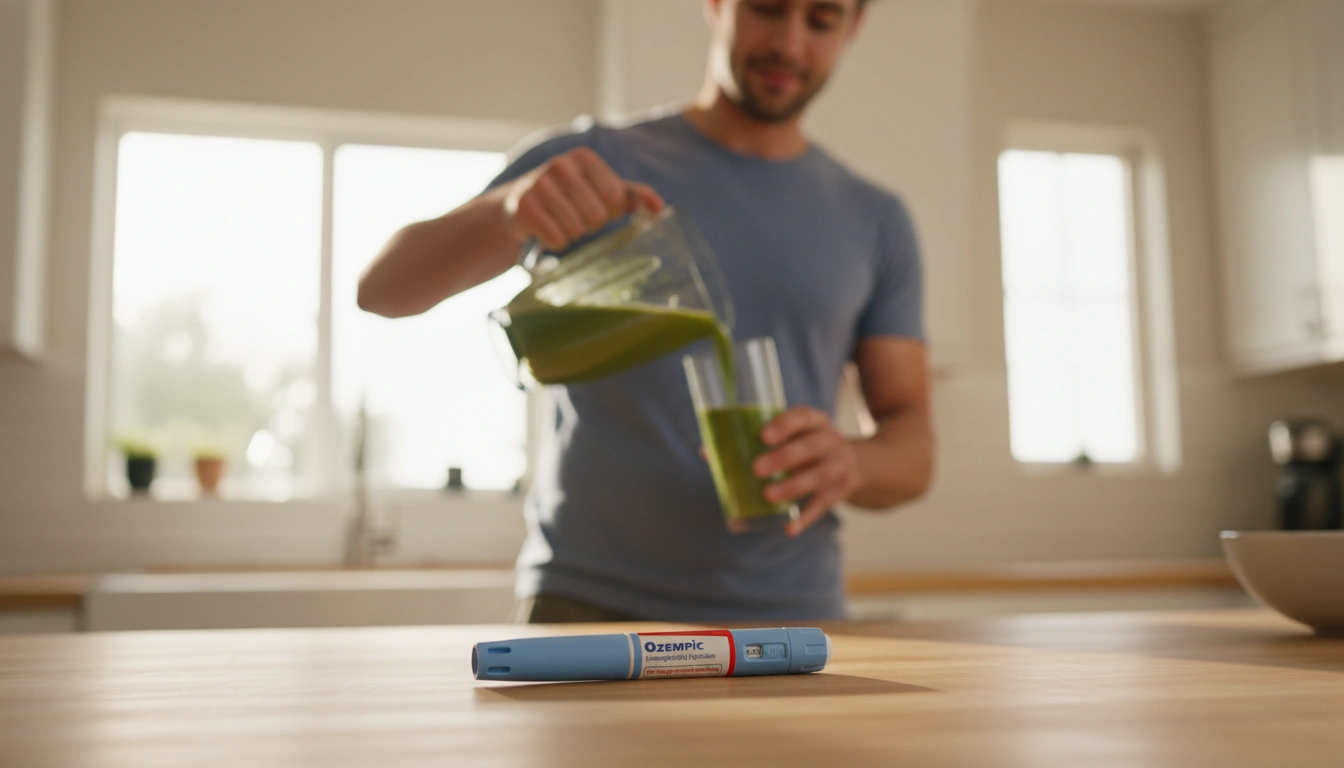
The journey toward sustainable weight loss is deeply personal and often filled with questions, especially when incorporating advanced medical support. Many individuals find themselves pondering the nuances of their diet and lifestyle as they begin a new path with medications like Ozempic, a common and effective GLP-1 medication. The prospect of significant health improvements is exciting, yet it naturally leads to inquiries about daily habits: what precisely can you eat after your Ozempic shot, and how does it truly impact your dietary choices?
In a landscape where quick fixes are often touted, understanding the synergistic relationship between medication and nutrition is paramount. Ozempic, with its active ingredient semaglutide, works by mimicking natural hormones that influence appetite and digestion. This powerful mechanism can profoundly change how your body processes food and signals hunger, but it doesn’t operate in isolation. Rather, it serves as a valuable tool, amplifying the impact of thoughtful dietary choices and healthy lifestyle practices.
This comprehensive guide aims to illuminate the path forward, demystifying the intersection of GLP-1 medications and daily eating. We will delve into the science behind how these medications work, explore specific foods that support your journey, identify those that might warrant caution, and offer practical strategies for managing potential side effects. Our goal at TrimRx is to empower you with the knowledge and support needed to not only achieve your weight loss aspirations but to cultivate lasting, healthier habits. We believe that sustainable weight loss should be achieved through science, empathy, and a transparent approach. By the end of this article, you will have a clearer understanding of how to optimize your diet, working in harmony with your medication, to achieve safe and effective results within a personalized framework. Together, we’ll explore how informed choices after your Ozempic shot can contribute significantly to your overall well-being.
Understanding GLP-1 Medications: How They Influence Your Appetite and Digestion
When discussing medications like Ozempic, we’re talking about a class of drugs known as GLP-1 receptor agonists, or in some cases, dual GIP/GLP-1 receptor agonists. These medications, which include active ingredients like semaglutide (found in Ozempic and Wegovy) and tirzepatide (found in Mounjaro and Zepbound), represent a significant advancement in the treatment of type 2 diabetes and chronic weight management. Our journey at TrimRx began with a shared vision to help individuals embrace healthier lifestyles by merging cutting-edge telehealth innovations with effective weight loss solutions, and understanding the science behind these tools is fundamental to that vision.
The Mechanism of Action: Mimicking Natural Hormones
The core principle behind GLP-1 medications lies in their ability to mimic the actions of a natural gut hormone called Glucagon-Like Peptide-1 (GLP-1). This hormone is naturally released after you eat, playing a crucial role in regulating blood sugar and appetite. When you take a GLP-1 medication, it initiates a cascade of effects within your body:
- Blood Sugar Regulation: One of the primary functions is to stimulate the pancreas to release more insulin when blood sugar levels are high. Insulin is essential for helping your body’s cells absorb glucose (sugar) from the food you eat, converting it into energy. Simultaneously, GLP-1 also reduces the amount of glucose produced by the liver, further contributing to stable blood sugar levels. This dual action is particularly beneficial for individuals managing type 2 diabetes.
- Delayed Gastric Emptying: GLP-1 medications slow down the rate at which food moves from your stomach into your small intestine. This delayed gastric emptying means food stays in your stomach longer, contributing to a prolonged feeling of fullness and satiety after meals. This is a key factor in why you might feel less hungry and eat smaller portions, directly impacting your weight management efforts.
- Appetite Suppression and “Food Noise” Reduction: Beyond physical fullness, GLP-1 receptors are also present in the brain, where they influence signals related to appetite and reward. By activating these receptors, medications like Ozempic can reduce hunger pangs, decrease cravings, and lessen what many describe as “food noise” – the constant intrusive thoughts about food. This shift in appetite regulation can make it easier to make healthier food choices and adhere to a reduced-calorie diet.
Tirzepatide, a dual GIP/GLP-1 receptor agonist, takes this a step further by mimicking both GLP-1 and Glucose-dependent Insulinotropic Polypeptide (GIP). This dual action can potentially lead to even greater effects on blood sugar control and weight loss compared to GLP-1 agonists alone.
Beyond the Medication: A Synergistic Approach
It’s crucial to understand that while these medications are powerful tools, they are not a standalone solution for weight loss. They are designed to be used in conjunction with comprehensive lifestyle modifications, particularly a healthy diet and regular physical activity. Clinical trials consistently show that the most significant and sustainable weight loss outcomes are achieved when medication is combined with a reduced-calorie diet and increased exercise. There is no evidence supporting the effectiveness of these drugs when used on their own without lifestyle adjustments.
Think of Ozempic or other GLP-1s as an invaluable partner in your journey, making it easier for you to implement and stick to the dietary changes that promote weight loss and better health. They help reset your body’s signals, providing a window of opportunity to build new, sustainable habits around food and activity that will serve you long after you achieve your initial goals.
At TrimRx, our platform is a user-friendly and supportive space where individuals receive personalized, medically supervised care—all designed to make sustainable weight loss attainable and tailored to the individual. We emphasize that these medications are provided through FDA-registered, inspected, and approved pharmacies, ensuring the highest standards of safety and quality. Whether it’s Compounded Semaglutide, Oral Semaglutide, Ozempic® (FDA approved for its indicated uses), Compounded Tirzepatide, Oral Tirzepatide, Mounjaro® (FDA approved for its indicated uses), Zepbound® (FDA approved for its indicated uses), or Wegovy® (FDA approved for its indicated uses), we ensure transparency and support every step of the way.
To truly unlock the potential of these medications and embark on a path toward lasting health, understanding your unique needs is essential. We invite you to take our free assessment quiz to see if you qualify for our personalized prescription weight loss medications and to begin crafting a treatment plan tailored just for you.
Eating After Your Ozempic Shot: General Dietary Principles
Once you begin a GLP-1 medication like Ozempic, the question of what to eat after your shot becomes central to maximizing effectiveness and minimizing potential discomfort. The overarching advice is to embrace a nutritious, reduced-calorie diet. This means focusing on whole, unprocessed foods that nourish your body while creating a sustainable calorie deficit—typically around 500-600 calories less than your daily energy expenditure—which has been shown to support gradual, healthy weight loss.
What works best for one individual might look different for another, and that’s perfectly normal. The most important aspect is ensuring you receive all essential nutrients and cultivate eating habits that are both beneficial and sustainable. At TrimRx, we stand by the principle that sustainable weight loss should be achieved through science, empathy, and a transparent approach, providing compassionate care that respects every individual’s unique journey.
Let’s delve into the key pillars of a healthy diet that harmonizes with the effects of GLP-1 medications.
Prioritizing Protein for Muscle Preservation and Satiety
Protein is your ally when you’re taking medications like Ozempic. As you lose weight, a portion of that loss can come from muscle mass, which is something we aim to minimize. Protein helps preserve lean muscle, which is metabolically active and crucial for maintaining your metabolism. Additionally, protein is incredibly satiating, helping you feel fuller for longer, which naturally aids in reducing overall calorie intake.
- Lean Meats and Poultry: Opt for chicken breast, turkey, lean cuts of beef (e.g., sirloin, round), and pork tenderloin.
- Fish and Seafood: Incorporate fatty fish like salmon, mackerel, and sardines for beneficial omega-3s, alongside leaner options like cod, tilapia, and shrimp.
- Eggs: A versatile and complete protein source, perfect for any meal.
- Legumes: Beans, lentils, chickpeas, and peas are excellent plant-based protein sources, also rich in fiber.
- Dairy and Dairy Alternatives: Greek yogurt, cottage cheese, and fortified plant-based milks can contribute to your protein intake.
- Plant-Based Proteins: Tofu, tempeh, and edamame are fantastic options for those following plant-rich diets.
Aim to include a source of lean protein with every meal and snack to support satiety and muscle maintenance.
Embracing Fiber-Rich Foods for Gut Health and Regularity
Fiber is another cornerstone of a healthy diet while on GLP-1 medications. It aids digestion, helps regulate blood sugar by slowing absorption, and contributes significantly to feelings of fullness. Given that constipation can be a common side effect of slowed gastric emptying, a sufficient intake of dietary fiber is essential to maintain regular bowel movements.
- Non-Starchy Vegetables: Load up on leafy greens (spinach, kale), broccoli, cauliflower, green beans, asparagus, zucchini, bell peppers, and cucumbers. These are nutrient-dense and low in calories.
- Fruits: Berries, apples, pears, oranges, and melons provide natural sugars along with a generous amount of fiber, vitamins, and antioxidants.
- Whole Grains: Choose brown rice, quinoa, oats, whole-wheat bread, and pasta over refined grains. These options offer sustained energy and essential nutrients.
- Nuts and Seeds: Almonds, walnuts, chia seeds, flax seeds, and hemp seeds are packed with fiber, healthy fats, and protein.
Gradually increase your fiber intake to allow your digestive system to adjust, and always pair it with adequate hydration.
Including Healthy Fats for Satiety and Nutrient Absorption
While high-fat, greasy foods should be limited (as we’ll discuss), healthy fats are an indispensable part of a balanced diet. They contribute to satiety, aid in the absorption of fat-soluble vitamins (A, D, E, K), and play a role in hormone production and overall cellular health.
- Avocado: Rich in monounsaturated fats and fiber.
- Olive Oil: A staple of the Mediterranean diet, excellent for cooking and salad dressings.
- Nuts and Seeds: As mentioned for fiber, they also provide beneficial fats.
- Fatty Fish: Salmon, tuna, and mackerel are excellent sources of omega-3 fatty acids.
Incorporate healthy fats in moderation, being mindful of their calorie density.
Hydration is Key: More Than Just Thirst Quenching
Staying well-hydrated is always important, but it becomes particularly crucial when taking GLP-1 medications. Side effects like nausea, vomiting, or diarrhea can lead to dehydration. Furthermore, adequate fluid intake supports healthy digestion and can help alleviate constipation.
- Water: The best choice. Carry a water bottle and sip throughout the day.
- Herbal Teas: Unsweetened herbal teas can be soothing, especially ginger tea for nausea.
- Infused Water: Add slices of fruit (lemon, cucumber, berries) or herbs (mint) to make water more appealing.
- Broth-Based Soups: Provide fluids and electrolytes, and are often well-tolerated when experiencing GI upset.
Avoid sugary drinks, excessive caffeine, and alcohol, as these can contribute to dehydration or worsen side effects.
Consuming Smaller, More Frequent Meals
One of the most effective strategies for eating with GLP-1 medications is to adopt a pattern of smaller, more frequent meals rather than large, heavy ones. Because these medications slow gastric emptying, consuming large portions can lead to significant discomfort, including nausea, bloating, and an uncomfortable feeling of being overly full.
- Portion Control: Pay attention to your body’s signals of fullness. Ozempic helps you feel satisfied with less food, so listen to that cue and stop eating when you feel comfortable, not stuffed.
- Regular Intervals: Spreading your meals and snacks throughout the day can help keep hunger at bay and provide a steady supply of nutrients without overwhelming your digestive system.
This approach not only minimizes side effects but also aligns with the medication’s mechanism, allowing it to work more effectively by regulating your appetite and digestion smoothly.
At TrimRx, our comprehensive service is designed to support you every step of the way, including doctor consultations, medication sourced from FDA-registered and inspected pharmacies, necessary lab work, unlimited support, and convenient shipping, all with no hidden fees. We also offer immediate support options like our GLP-1 Daily Support and Weight Loss Boost supplements, available for quick purchase to complement your overall wellness journey.
Foods to Approach with Caution or Limit While on GLP-1 Medications
While there are no strict “forbidden” foods when taking medications like Ozempic, certain dietary choices can either impede your weight loss progress or exacerbate the common gastrointestinal side effects. Our commitment to transparent service and patient safety means guiding you towards choices that support your well-being throughout your personalized weight loss program. Understanding these categories of foods can help you make informed decisions that align with your health goals.
High-Fat and Greasy Foods
Given that GLP-1 medications significantly slow gastric emptying, foods that are inherently slow to digest can become particularly problematic. High-fat and greasy foods fall squarely into this category. They already take a longer time to move through the stomach, and when combined with the effects of semaglutide or tirzepatide, they can sit in your stomach for an extended period, leading to intensified discomfort.
- Examples: Fried chicken, french fries, burgers, pizza, heavy cream sauces, high-fat dairy products (like full-fat cheese or ice cream), processed snacks (chips, pastries), and fatty cuts of red meat.
- Why to limit: These foods are typically high in calories and low in beneficial nutrients, making weight loss more challenging. More importantly, they are common culprits for triggering or worsening side effects such as nausea, vomiting, bloating, stomach pain, and heartburn. The prolonged presence of these foods in the stomach can create an uncomfortable sensation of overfullness and indigestion.
High Glycemic Index (GI) Foods and Added Sugars
Your body breaks down carbohydrates into glucose for energy. Foods with a high glycemic index (GI) cause a rapid spike in blood sugar, followed by a quick drop. Similarly, foods high in added sugars contribute to these rapid fluctuations. While GLP-1 medications help regulate blood sugar, consistently consuming high-GI foods can work against your body’s efforts and potentially hinder weight loss.
- Examples: Sugary beverages (soda, fruit juice, sweet tea), white bread, white rice, many breakfast cereals, pastries, candies, and highly refined grains (e.g., instant noodles, some crackers).
- Why to limit: When blood sugar rises too quickly, your body releases more insulin than might be necessary. Excess insulin can signal your body to store the extra sugar as fat, counteracting your weight loss efforts. Furthermore, these blood sugar spikes and crashes can leave you feeling sluggish, craving more sugar, and potentially contribute to feelings of nausea or stomach upset. Focus instead on carbohydrates from whole grains, fruits, and vegetables, which provide fiber and cause a more gradual rise in blood sugar.
Ultra-Processed Foods
Ultra-processed foods often combine high levels of unhealthy fats, added sugars, sodium, and artificial ingredients. They are typically low in fiber and essential nutrients, offering little to no satiety despite their high-calorie content.
- Examples: Fast food meals, packaged baked goods, many frozen dinners, processed meats, sugary cereals, and convenience snacks.
- Why to limit: These foods contribute to overall poor nutritional intake and can exacerbate gastrointestinal distress due to their fat and sugar content. Their lack of fiber also means they don’t support healthy digestion, which is crucial when gastric emptying is slowed. Prioritizing whole, unprocessed foods helps your body make the most of the medication’s benefits.
Alcohol
Alcohol not only adds empty calories to your diet but can also have several negative impacts when combined with GLP-1 medications.
- Examples: Wine, beer, liquor, and sugary cocktails.
- Why to limit: Alcohol can irritate the stomach lining, potentially worsening nausea, heartburn, and other GI side effects. It can also cause fluctuations in blood sugar and contribute to dehydration, further compounding discomfort. Many individuals report a reduced desire for alcohol while on GLP-1 medications, which can be an unexpected but welcome side effect that supports healthier lifestyle choices.
Very High-Fiber Foods (with caution)
While fiber is generally beneficial, some individuals might find that excessive amounts of certain high-fiber foods, especially raw or cruciferous vegetables, can cause discomfort due to the slowed digestion. The goal is to get adequate fiber, not to overdo it, especially initially.
- Examples (to consume mindfully): Large quantities of raw broccoli, cabbage, cauliflower, or certain starchy vegetables if they cause bloating or gas.
- Why to approach with caution: For some, the combination of a very high-fiber load and slowed gastric emptying can lead to increased bloating, gas, and abdominal discomfort. If you experience these symptoms, consider cooking starchy vegetables to make them easier to digest and gradually increase your fiber intake rather than making drastic changes. Listen to your body and adjust as needed.
Large Portions
This is perhaps one of the most direct implications of how GLP-1 medications work. Because they enhance feelings of fullness and slow down digestion, your body will likely feel satisfied with significantly smaller amounts of food than you were accustomed to before starting the medication.
- Why to limit: Attempting to eat the same large portions you consumed previously will almost certainly lead to extreme discomfort, nausea, bloating, and a feeling of being overly full. Eating smaller, more frequent meals (as discussed earlier) is key to preventing this and allowing the medication to work effectively in managing your appetite without causing distress.
Our compassionate care at TrimRx respects every individual’s unique journey. We combine advanced medical science with modern technology to guide you towards an approach that makes sense for your body. Our commitment to safety is paramount; we partner exclusively with FDA-registered and inspected pharmacies for the shipping of weight loss medications. To explore how our personalized approach can help you navigate these dietary considerations and achieve your goals safely, we encourage you to take our free assessment quiz.
Managing Side Effects Through Diet and Lifestyle
While GLP-1 medications offer significant benefits for weight loss and health management, some individuals may experience side effects, particularly gastrointestinal ones, due to the slowed digestion. These can include nausea, vomiting, diarrhea, constipation, heartburn, and bloating. Our supportive approach at TrimRx aims to equip you with practical strategies to manage these potential discomforts, ensuring your journey is as smooth and sustainable as possible.
Addressing Nausea and Upset Stomach
Nausea is one of the most commonly reported side effects. Fortunately, dietary adjustments can often provide relief.
- Bland Foods: Opt for foods that are gentle on the stomach. Examples include plain toast, crackers, applesauce, bananas, boiled potatoes, and clear broths. These foods are easy to digest and less likely to trigger further irritation.
- Ginger: Known for its anti-nausea properties, ginger can be consumed in various forms: ginger tea (sugar-free), ginger candies, or grated fresh ginger added to meals.
- Small, Frequent Meals: As mentioned earlier, eating smaller portions more often can prevent your stomach from becoming overly full, reducing the likelihood of nausea.
- Avoid Strong Odors: Cooking or eating foods with strong, pungent odors might worsen nausea for some. Stick to milder scents.
- Sip Fluids: Take small sips of water, clear broth, or sugar-free iced tea throughout the day to stay hydrated without overwhelming your stomach.
Combating Diarrhea
If you experience diarrhea, adjusting your fiber intake and staying hydrated are crucial.
- Lower Fiber (Temporarily): While fiber is generally good, if diarrhea is severe, temporarily reducing intake of very high-fiber foods and focusing on low-fiber options like white rice, white bread, and peeled fruits can help firm up stools.
- Fluids and Electrolytes: Diarrhea can lead to dehydration and electrolyte imbalance. Ensure you’re drinking plenty of water, clear broths, and potentially electrolyte-rich beverages (sugar-free).
- Avoid Irritants: Steer clear of spicy foods, excessive caffeine, and very greasy or fatty foods, which can further irritate the digestive tract.
Alleviating Constipation
Constipation can occur due to slowed gut motility. This is where a balanced dietary approach and lifestyle factors become particularly important.
- Increase Fiber Gradually: Reintroduce and increase your intake of fiber-rich foods like whole grains, fruits, vegetables, and legumes. Do this slowly to avoid bloating or gas.
- Hydration: Drink ample water throughout the day. Water softens stools and makes them easier to pass.
- Physical Activity: Regular, light to moderate exercise can stimulate bowel movements. Even a short walk after meals can be beneficial.
- Probiotic-Rich Foods: Incorporate fermented foods like yogurt, kefir, and sauerkraut, which can support gut health and regularity.
Minimizing Heartburn
Heartburn is another possible side effect, often exacerbated by certain foods and habits.
- Avoid Trigger Foods: Limit spicy, acidic (e.g., citrus, tomatoes), very fatty, or greasy foods, as these can relax the lower esophageal sphincter and allow stomach acid to reflux.
- Eat Slowly and Don’t Lie Down: Eating too quickly or lying down immediately after a meal can worsen heartburn. Try to remain upright for at least 2-3 hours after eating.
- Smaller Portions: Again, smaller meals are less likely to put pressure on the stomach and cause reflux.
General Lifestyle Tips for Comfort
Beyond specific food choices, certain lifestyle practices can significantly contribute to your comfort while on GLP-1 medications.
- Eat Slowly and Mindfully: Give your body time to register fullness. Chew your food thoroughly and put your fork down between bites. This also helps with digestion.
- Stay Active: Regular, gentle physical activity, such as walking, can aid digestion and alleviate many GI symptoms.
- Listen to Your Body: Pay close attention to how different foods affect you. Keep a simple food diary if necessary to identify personal triggers or comforting options. There is no one-size-fits-all diet, and your body’s responses may evolve over time.
At TrimRx, we are results-oriented and dedicated to your success. Our comprehensive service includes doctor consultations, medication, lab work, unlimited support, and shipping with no hidden fees. We partner exclusively with FDA-registered and inspected pharmacies, ensuring our prescription medications—like Compounded Semaglutide, Oral Semaglutide, Ozempic®, Compounded Tirzepatide, Oral Tirzepatide, Mounjaro®, Zepbound®, and Wegovy®—are provided safely and effectively. To receive a personalized treatment plan and ongoing support tailored to manage any potential side effects, we encourage you to take our free assessment quiz. Additionally, our GLP-1 Daily Support and Weight Loss Boost supplements are readily available to further support your digestive health and overall wellness journey.
The Power of Personalized Support in Your Weight Loss Journey
Embarking on a weight loss journey with GLP-1 medications like Ozempic is a significant step towards better health, and while the general dietary guidelines we’ve discussed are crucial, the most effective approach is always personalized. We, at TrimRx, firmly believe that true, sustainable weight loss is not about rigid rules but about understanding your unique body, lifestyle, and challenges. Our brand is empathetic, innovative, trustworthy, supportive, results-oriented, and personalized, offering compassionate care that respects every individual’s unique journey by combining advanced medical science with modern technology.
Why Personalized Care Makes a Difference
Every individual’s response to medication and dietary changes is unique. Factors such as metabolism, pre-existing health conditions, cultural food preferences, daily routines, and even the specific side effects experienced, all play a role in shaping what a successful weight loss plan looks like. A “one-size-fits-all” diet simply doesn’t account for this intricate tapestry of individual needs.
A personalized approach considers:
- Your Health Profile: Our medical professionals assess your complete health history, current medications, and any specific health concerns to ensure the chosen treatment path is safe and appropriate for you.
- Dietary Preferences and Restrictions: We work with you to integrate healthy eating habits that fit your tastes and any dietary restrictions you may have, ensuring the plan is enjoyable and sustainable.
- Side Effect Management: Should you experience any side effects, a personalized plan allows for real-time adjustments to your diet or medication protocol to mitigate discomfort and maintain progress.
- Behavioral Support: Weight loss is as much about mindset and habits as it is about food. Personalized support can help you address emotional eating, develop coping strategies, and build a positive relationship with food.
TrimRx’s Comprehensive and Individualized Approach
Our journey at TrimRx began with a shared vision to help individuals embrace healthier lifestyles by merging cutting-edge telehealth innovations with effective weight loss solutions. Our platform is meticulously designed to be a user-friendly and supportive space where individuals receive personalized, medically supervised care, ensuring sustainable weight loss is attainable and tailored to them. We believe that sustainable weight loss should be achieved through science, empathy, and a transparent approach.
Here’s how we deliver on our promise:
- Expert Medical Supervision: Our programs begin with thorough doctor consultations where licensed healthcare providers assess your eligibility, discuss your health goals, and develop a personalized treatment plan. This ensures that any prescription medication prescribed is appropriate and safe for your specific needs.
- Quality Medications from Trusted Sources: We are committed to safety by working exclusively with FDA-registered and inspected pharmacies for the shipping of weight loss medications. For those eligible through our personalized assessment, we offer a range of clinically proven options, including:
- Compounded Semaglutide
- Oral Semaglutide
- Ozempic® (FDA approved for its indicated uses)
- Compounded Tirzepatide
- Oral Tirzepatide
- Mounjaro® (FDA approved for its indicated uses)
- Zepbound® (FDA approved for its indicated uses)
- Wegovy® (FDA approved for its indicated uses) It must be clear that TrimRx partners with these pharmacies for the shipping of weight loss medications and does not provide actual medical supervision; supervision is provided by our licensed healthcare providers.
- Necessary Lab Work: To ensure your safety and monitor your progress effectively, our programs include essential lab work, providing valuable insights into your health markers.
- Unlimited Support: Your weight loss journey is ongoing, and so is our support. We provide unlimited access to our care team, ensuring you have the guidance and encouragement you need at every turn. Our commitment to transparent service highlights that our approach remains consistent regardless of dosage changes.
- Convenient Shipping: Medications are shipped directly to your door from our partner pharmacies, offering maximum convenience. There are no hidden fees—our comprehensive service covers consultations, medication, lab work, support, and shipping.
Quick-Access Supplements for Immediate Support
Beyond prescription medications, we understand that comprehensive wellness involves daily support. For those looking for immediate ways to boost their weight loss journey and overall health, we offer quick-access supplements that do not require a quiz:
- GLP-1 Daily Support: Designed to complement the natural functions of GLP-1, this supplement can assist in promoting satiety and supporting metabolic health.
- Weight Loss Boost: A carefully formulated supplement to provide additional support for your body’s fat-burning processes and energy levels.
These supplements are readily available to help you feel your best as you work towards your health goals.
The combination of cutting-edge medication, personalized dietary guidance, and unwavering support creates a powerful synergy, enhancing your ability to make healthy choices and achieve remarkable, lasting results. We encourage you to take the first step towards a healthier you by taking our free assessment quiz today. Discover if you qualify for our personalized weight loss program and embark on a journey where science, empathy, and your unique needs are at the forefront.
Conclusion
Navigating your diet when taking medications like Ozempic, or any GLP-1 medication, is a dynamic and essential part of your weight loss journey. While the medication provides a powerful biological assist by regulating appetite and slowing digestion, its true potential is unlocked when seamlessly integrated with thoughtful dietary choices and healthy lifestyle practices. We’ve explored how these medications work by mimicking natural hormones to influence satiety and blood sugar, making it easier to reduce calorie intake and achieve weight loss.
We’ve emphasized the importance of a nutritious, reduced-calorie diet, built upon the pillars of lean protein for muscle preservation, fiber-rich foods for digestive health, and healthy fats for sustained satiety. Equally important is understanding which foods to approach with caution—such as high-fat, high-sugar, ultra-processed options, and alcohol—as these can not only hinder progress but also exacerbate potential side effects. Practical strategies for managing discomforts like nausea, constipation, or heartburn through specific food choices and lifestyle adjustments underscore the adaptable nature of this journey.
Ultimately, there is no universal “Ozempic diet.” Your optimal eating plan is as unique as you are. This is where the power of personalized, medically supervised support becomes invaluable. At TrimRx, we stand by our core values of science, empathy, and transparency, offering a comprehensive platform designed to provide individualized care. Our services, including doctor consultations, medication from FDA-registered and inspected pharmacies, lab work, unlimited support, and convenient shipping, are all crafted to make your weight loss journey safe, effective, and truly sustainable.
Taking control of your health is a profound step, and you don’t have to walk it alone. We invite you to explore the possibilities of a personalized approach that aligns with your body’s needs and your life’s rhythms. Take our free assessment quiz today to see if you qualify for our prescription weight loss medications and to begin crafting a treatment plan tailored just for you. For immediate support, consider our GLP-1 Daily Support and Weight Loss Boost supplements, available to enhance your overall wellness as you transform your health. Your path to a healthier, more vibrant life is within reach.
Frequently Asked Questions
Can I eat anything I want after my Ozempic shot, as long as I feel full faster?
While Ozempic helps you feel fuller faster and reduces appetite, it’s not a license to eat anything you want. To achieve sustainable weight loss and minimize side effects, it’s crucial to pair the medication with a nutritious, reduced-calorie diet. Focusing on whole, unprocessed foods, lean proteins, fiber-rich fruits and vegetables, and healthy fats will maximize the medication’s benefits and support your overall health. Overindulging in high-fat, sugary, or ultra-processed foods can still lead to discomfort and hinder your progress.
Are there any specific foods that are strictly forbidden when taking GLP-1 medications like Ozempic?
There are no foods that are strictly “forbidden,” but certain foods should be approached with caution or limited because they can either impede weight loss or worsen gastrointestinal side effects. These include high-fat and greasy foods (e.g., fried foods, fatty meats, heavy sauces), high glycemic index foods and added sugars (e.g., sugary drinks, white bread, pastries), ultra-processed foods, and alcohol. These types of foods are harder to digest when gastric emptying is slowed and can cause nausea, bloating, or other discomforts.
How can TrimRx help me with my diet while on a personalized weight loss program?
At TrimRx, our personalized weight loss programs offer comprehensive support tailored to your needs. This includes doctor consultations to discuss your health and dietary preferences, and if eligible, prescription medication sourced from FDA-registered and inspected pharmacies. Our unlimited support ensures you have ongoing guidance for making healthy food choices, managing side effects, and building sustainable habits. We focus on empowering you with knowledge and practical strategies, alongside clinically proven medications, to help you achieve your weight loss goals effectively and safely. To learn more, take our free assessment quiz.
What if I experience side effects like nausea or constipation after my Ozempic shot? How can my diet help?
If you experience side effects like nausea or constipation, dietary adjustments can often provide relief. For nausea, try bland, easy-to-digest foods like plain toast, crackers, or ginger tea, and eat smaller, more frequent meals. For constipation, gradually increase your fiber intake with plenty of fruits, vegetables, and whole grains, and ensure you stay well-hydrated. Avoiding very high-fat, greasy, or spicy foods can also help. Our TrimRx program includes unlimited support from our care team to help you navigate and manage any side effects, providing personalized guidance every step of the way.

Transforming Lives, One Step at a Time
Keep reading

Ozempic and Colorectal Cancer: What the New Research Shows
Colorectal cancer is the third most commonly diagnosed cancer in the United States and one of the cancers most strongly linked to obesity, metabolic…

Does Ozempic Reduce Cancer Risk: What the Research Shows
The connection between obesity and cancer has been established for decades. What’s newer, and genuinely interesting, is emerging evidence that GLP-1 medications like Ozempic…

When to Stop Ozempic Before Surgery: Aspiration Risk Explained
If you’re scheduled for surgery and you’re currently taking Ozempic or another GLP-1 medication, there’s a specific conversation you need to have with your…


