Navigating Your Diet: What Do You Eat on Ozempic and Other GLP-1 Medications?
Introduction
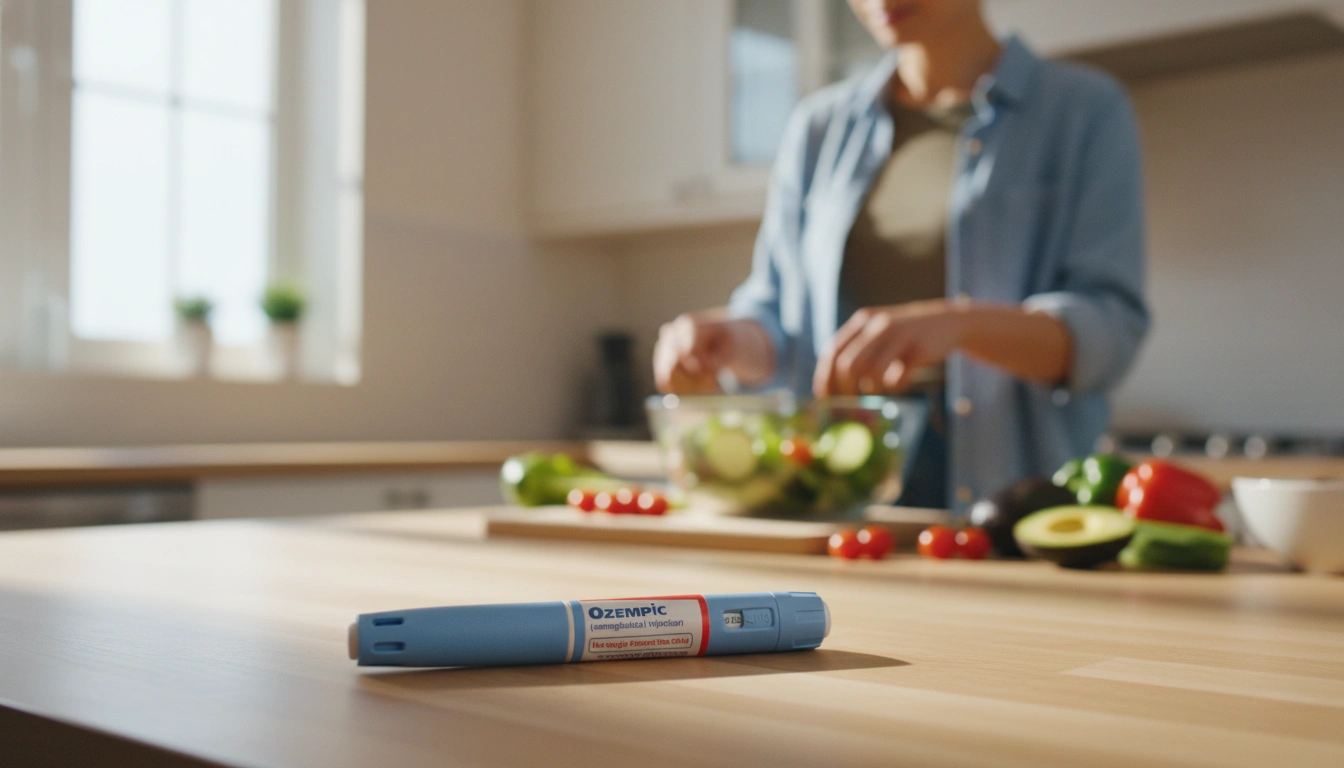
Many individuals embarking on a weight loss journey with GLP-1 receptor agonists, like Ozempic®, often find themselves at a crossroads when it comes to dietary choices. The effectiveness of these medications in managing blood sugar and supporting weight loss is well-documented, yet the journey isn’t just about the medication itself. It’s about building a harmonious relationship between cutting-edge medical support and a thoughtful, nourishing diet. The powerful appetite-suppressing and digestion-slowing effects of GLP-1s can sometimes make eating a challenge, leading to questions about what foods are best to consume to maximize benefits, mitigate potential side effects, and ensure essential nutrient intake.
This isn’t merely about cutting calories; it’s about strategic eating to fuel your body, manage energy levels, and support the profound physiological changes initiated by your medication. We understand that navigating dietary changes can feel daunting, especially when your body’s signals are shifting. Many find that the traditional concept of a “healthy diet” feels too vague, leaving them unsure how to adapt their eating habits in a way that truly complements their treatment. This comprehensive guide will illuminate the path forward, providing clear, actionable insights into dietary best practices while on GLP-1 medications.
Our purpose within this post is to demystify the dietary aspects of GLP-1 therapy, offering practical advice on what to eat on Ozempic and other similar medications, how to approach meal planning, and strategies to minimize gastrointestinal discomfort. We will explore the mechanisms of these medications, the foundational principles of a supportive diet, specific foods to prioritize and limit, and holistic strategies for maximizing your well-being. By the end of this article, you will have a clearer understanding of how to optimize your nutrition, manage side effects, and integrate a sustainable eating pattern into your new, healthier lifestyle. This unique perspective, blending scientific understanding with compassionate guidance, aims to empower you to make informed food choices that align with your health goals, ensuring your journey is as smooth and successful as possible.
Understanding GLP-1 Medications and Their Impact on Your Body
GLP-1 receptor agonists have revolutionized the landscape of weight management and type 2 diabetes treatment. Medications like Ozempic®, Wegovy® (semaglutide), Mounjaro®, and Zepbound® (tirzepatide) are part of a class of drugs that mimic the action of glucagon-like peptide-1, a natural hormone produced in your gut. At TrimRx, our journey began with a shared vision to help individuals embrace healthier lifestyles by merging cutting-edge telehealth innovations with effective weight loss solutions, and these medications are a cornerstone of many personalized plans.
How GLP-1s Work: A Multifaceted Approach to Health
These medications operate on several fronts, influencing key physiological processes to achieve their therapeutic effects:
- Insulin Regulation: They stimulate the pancreas to release more insulin when blood sugar levels are high, helping to move glucose from the bloodstream into cells for energy.
- Glucagon Suppression: GLP-1s also reduce the liver’s production of glucagon, a hormone that raises blood sugar, further contributing to blood sugar control.
- Slowing Gastric Emptying: One of the most significant effects relevant to diet is the slowing of gastric emptying. Food stays in your stomach for a longer period, which contributes to a prolonged feeling of fullness and satiety. This can naturally lead to reduced calorie intake.
- Appetite Regulation and “Food Noise” Reduction: GLP-1s act on appetite centers in the brain, reducing hunger signals and helping to quiet what many describe as “food noise”—those intrusive thoughts and cravings related to food. This makes it easier to make healthier food choices and adhere to a reduced-calorie diet.
This combined action can lead to substantial reductions in calorie intake, with research showing a decrease of 16% to 39%, paving the way for significant weight loss. For individuals living with type 2 diabetes, medications like Ozempic® are also approved to improve blood sugar control and reduce the risk of major cardiovascular events.
Navigating Potential Side Effects
While the benefits are profound, it’s important to acknowledge that the mechanisms of GLP-1s can also lead to common gastrointestinal side effects. These often include nausea, vomiting, diarrhea, and constipation. These effects underscore the importance of dietary adjustments, as certain foods can exacerbate them. Understanding that these medications slow digestion, it becomes clear why high-fat or highly processed foods, which naturally take longer to digest, might linger in the stomach even longer and cause discomfort.
At TrimRx, we believe that sustainable weight loss should be achieved through science, empathy, and a transparent approach. This means not only providing access to clinically proven medications but also offering the guidance and support needed to navigate dietary changes effectively. While we partner with FDA-registered and inspected pharmacies for the shipping of weight loss medications like Ozempic®, Wegovy®, Mounjaro®, and Zepbound® (which are FDA approved), or compounded alternatives (which are not FDA approved but provided through these same regulated pharmacies), we emphasize that these are powerful tools. Like any tool, their effectiveness is greatly enhanced when used in conjunction with a well-considered strategy—in this case, a thoughtful and personalized nutrition plan. Our platform is a user-friendly and supportive space where individuals receive personalized, medically supervised care, all designed to make sustainable weight loss attainable and tailored to the individual.
Foundational Principles of Eating While on GLP-1s
When considering what to eat on Ozempic or other GLP-1 medications, it’s crucial to understand that there isn’t a rigid, one-size-fits-all “Ozempic diet plan.” Instead, the focus is on adopting a balanced, nutrient-dense eating strategy that works synergistically with your medication. Our brand is empathetic, innovative, trustworthy, supportive, results-oriented, and personalized, and we extend this philosophy to your dietary journey. We offer compassionate care that respects every individual’s unique journey by combining advanced medical science with modern technology. This means your diet should reflect your unique needs, preferences, cultural background, and how your body responds to the medication.
The core principle is to prioritize nutrient-rich foods that support satiety, maintain muscle mass during weight loss, stabilize blood sugar, and minimize gastrointestinal discomfort. Here are the basic tenets of a healthy, nutritious eating plan while on a GLP-1:
Prioritize Protein for Satiety and Muscle Preservation
Protein is arguably the most vital nutrient when taking GLP-1 medications. As these drugs reduce your appetite and overall food intake, there’s a risk of not consuming enough protein, which can lead to muscle loss. Muscle mass is critical for metabolism and long-term weight management.
- Why it’s important: Protein helps you feel fuller for longer, reduces cravings, and is essential for maintaining muscle mass as you lose weight. Losing fat while preserving muscle is key for a healthy body composition and preventing weight regain.
- Focus on: Lean protein sources such as poultry (chicken, turkey), fish (salmon, cod, tuna), lean cuts of pork and beef, eggs, and plant-based options like tofu, tempeh, edamame, lentils, and beans. Dairy products like Greek yogurt and kefir can also be excellent sources.
- Strategy: Aim to incorporate protein with every meal and snack. If you find yourself getting full quickly, prioritize eating your protein first. We recommend individuals explore their specific protein needs, which can vary. To gain a deeper understanding of how to tailor your protein intake, we encourage you to take our free assessment quiz to determine your eligibility for a personalized treatment plan that considers your dietary requirements.
Fill Up on Fiber-Rich Foods
Fiber is a powerhouse nutrient that supports digestive health, helps regulate blood sugar, and enhances feelings of fullness. Given that constipation is a common side effect of GLP-1 medications due to slowed digestion, adequate fiber intake is crucial.
- Why it’s important: Fiber slows down digestion further, helping to stabilize blood sugar levels, and promotes regular bowel movements, counteracting constipation. It also contributes to satiety.
- Focus on: Abundant vegetables (leafy greens, broccoli, cauliflower, bell peppers, carrots, cucumbers, zucchini), fruits (berries, apples, pears), whole grains (oats, quinoa, brown rice, whole-wheat bread and pasta), nuts, and seeds (chia, flax, almonds, walnuts), and legumes (beans, lentils).
- Strategy: Gradually increase your fiber intake to allow your digestive system to adjust. Ensure you also increase your fluid intake when consuming more fiber to prevent discomfort.
Integrate Healthy Fats
While high-fat foods can be problematic due to slower digestion, incorporating healthy, unsaturated fats in moderation is beneficial for overall health and satiety.
- Why it’s important: Healthy fats provide essential fatty acids, support hormone production, aid in the absorption of fat-soluble vitamins, and contribute to satiety, helping to keep blood sugar balanced when consumed with carbohydrates.
- Focus on: Olive oil, avocados, nuts (almonds, walnuts, pistachios), seeds (chia, flax, pumpkin seeds), and fatty fish (salmon, sardines).
- Strategy: Use healthy fats in moderation, being mindful of portion sizes as they are calorie-dense.
Stay Adequately Hydrated
Hydration is fundamental for overall health and is particularly important when taking GLP-1s to manage potential side effects.
- Why it’s important: Adequate fluid intake prevents dehydration, which can worsen nausea and fatigue. It also helps soften stools, easing constipation.
- Focus on: Plain water is best. You can also include herbal teas, infused water with fruits or vegetables, and water-rich foods like watermelon, cucumbers, and lettuce.
- Strategy: Carry a water bottle with you and sip throughout the day. Listen to your body’s thirst cues, but don’t wait until you’re parched to drink.
Opt for Smaller, More Frequent Meals
The slowed gastric emptying caused by GLP-1s means that large meals can sit heavily in your stomach, potentially leading to discomfort, bloating, and nausea.
- Why it’s important: Smaller, more frequent meals are easier to digest, reduce the likelihood of feeling overly full or nauseous, and help maintain stable blood sugar levels throughout the day.
- Strategy: Instead of three large meals, consider 4-6 smaller meals or snacks distributed throughout the day. Pay attention to your body’s hunger and fullness cues. Eating slowly and mindfully can help you recognize when you’ve had enough.
Adhering to these principles will create a robust dietary foundation, enabling you to derive maximum benefit from your GLP-1 medication while promoting overall well-being. This personalized approach to nutrition, combined with the support and expertise from TrimRx, can truly transform your weight loss journey.
Foods to Embrace for Optimal Health and Well-Being
Creating a supportive eating plan while on GLP-1 medications means thoughtfully selecting foods that nourish your body, manage side effects, and align with your weight loss goals. The following categories represent the bedrock of a healthy diet, helping you achieve sustainable results.
Lean Proteins
Lean proteins are the cornerstone of an effective diet for individuals on GLP-1 medications. They are essential for preserving muscle mass, which is crucial during weight loss to maintain metabolic rate and prevent future weight regain.
- Importance: As you reduce calorie intake with GLP-1s, your body can sometimes break down muscle for energy. Adequate protein intake helps prevent this, ensuring that the weight you lose primarily comes from fat. Protein also provides prolonged satiety, helping to manage appetite.
- Excellent Sources:
- Poultry: Skinless chicken breast, turkey breast.
- Fish and Seafood: Salmon, cod, tuna, shrimp, scallops, white fish. Fatty fish like salmon also provide beneficial omega-3 fatty acids.
- Eggs: A versatile and complete protein source.
- Lean Meats: Lean cuts of beef (sirloin, round) and pork (tenderloin).
- Plant-Based Proteins: Tofu, tempeh, edamame, lentils, black beans, chickpeas, kidney beans.
- Dairy/Dairy Alternatives: Greek yogurt (plain, unsweetened), cottage cheese, kefir, fortified soy or pea protein milk.
- Practical Tips: Aim for at least 60 grams of protein daily, though individual needs can vary, sometimes requiring 1.0 to 1.2 grams per kilogram of body weight. For instance, a person weighing 185 pounds might aim for 84 to 101 grams daily. Incorporate a protein source into every meal and snack. Consider starting your meals with protein, especially if you experience early satiety. Our personalized assessment quiz can help determine if our prescription weight loss medications are right for you, and our clinicians can help guide your nutritional planning.
Fiber-Rich Fruits and Vegetables
Fruits and vegetables are packed with vitamins, minerals, antioxidants, and, crucially, fiber. They are generally low in calories and high in water content, making them ideal for satiety and hydration.
- Importance: The fiber content helps slow digestion, stabilizing blood sugar and promoting gut health. This is vital for counteracting constipation, a common GLP-1 side effect. Their high water content also aids in hydration.
- Non-Starchy Vegetables: These should make up a significant portion of your plate.
- Leafy Greens: Spinach, kale, romaine lettuce, arugula.
- Cruciferous Vegetables (cooked): Broccoli, cauliflower, Brussels sprouts (cooking can make them easier to digest for some).
- Other Examples: Bell peppers, mushrooms, tomatoes, onions, carrots, cucumbers, zucchini, asparagus, green beans, artichoke hearts.
- Fruits: While fruits contain natural sugars, they come bundled with fiber, vitamins, and antioxidants.
- Berries: Strawberries, blueberries, raspberries, blackberries (lower in sugar, high in fiber).
- Citrus Fruits: Oranges, grapefruits.
- Other Examples: Apples, pears, peaches, plums, kiwi, melon.
- Practical Tips: Aim to fill half of your plate with non-starchy vegetables at most meals. Experiment with a variety of colors to ensure a broad spectrum of nutrients. Enjoy fruits as snacks or dessert, focusing on those lower in sugar and higher in fiber. If raw vegetables cause bloating, try steaming, roasting, or grilling them.
Healthy Fats
Incorporating healthy fats into your diet can support heart health, aid nutrient absorption, and contribute to satiety without the digestive burden of unhealthy fats.
- Importance: Unsaturated fats are beneficial for cardiovascular health and help provide sustained energy. They also assist in regulating blood sugar when consumed with carbohydrates.
- Excellent Sources:
- Avocados: Rich in monounsaturated fats and fiber.
- Nuts: Almonds, walnuts, pistachios, cashews (in moderation due to calorie density).
- Seeds: Chia seeds, flax seeds, hemp seeds, pumpkin seeds (provide fiber and omega-3s).
- Oils: Olive oil, avocado oil (for cooking and dressing).
- Practical Tips: Use healthy oils for cooking or as dressings. Add a sprinkle of nuts or seeds to salads, yogurt, or oatmeal. Incorporate a quarter of an avocado into your meals. Listen to your body; some individuals on GLP-1s may find even healthy fats can slow digestion, so moderation and careful observation are key.
Whole Grains and Starchy Vegetables
These provide complex carbohydrates, offering sustained energy and essential fiber. They should be consumed in moderation, making up about a quarter of your plate.
- Importance: Unlike refined grains, whole grains are digested slowly, preventing rapid blood sugar spikes and providing a steady release of energy. They contribute to satiety and overall gut health.
- Whole Grains:
- Brown rice, quinoa, oats, farro, bulgur, whole-wheat bread and pasta.
- Starchy Vegetables:
- Sweet potatoes, potatoes, butternut squash, corn, peas.
- Practical Tips: Choose whole grains over refined grains. For instance, opt for brown rice instead of white rice, and whole-wheat bread instead of white bread. Pair starchy vegetables and whole grains with lean protein and plenty of non-starchy vegetables to create a balanced meal.
By focusing on these nutrient-dense food groups, you can effectively support your body while on GLP-1 medications, optimizing for weight loss, managing blood sugar, and minimizing uncomfortable side effects. Remember, consistency and careful listening to your body are your greatest allies in this journey. For additional support and to see if our comprehensive programs are right for you, we invite you to take our free assessment quiz.
Foods to Limit or Navigate Cautiously
While GLP-1 medications are powerful tools for weight loss and blood sugar management, certain foods can exacerbate common gastrointestinal side effects and hinder your progress. Understanding what to eat on Ozempic also means knowing which foods to approach with caution or limit altogether. Our commitment at TrimRx is to transparent service, highlighting that our approach remains consistent regardless of dosage changes, and this includes guiding you toward choices that support your comfort and health.
High-Fat and Greasy Foods
These are often the primary culprits for discomfort when taking GLP-1s due to the medication’s effect on slowing gastric emptying.
- Why to limit: Fats take a longer time to digest naturally. When combined with the slowed digestion caused by GLP-1s, high-fat foods can linger in your stomach for an extended period, leading to increased feelings of nausea, bloating, heartburn, and general gastrointestinal upset. They are also typically high in calories and low in essential nutrients, which can stall weight loss.
- Examples:
- Fried foods (fried chicken, french fries, onion rings).
- Fast food (burgers, greasy pizzas, hot dogs).
- High-fat cuts of red meat.
- Excessive amounts of butter, cream, and rich sauces.
- Processed snacks like chips and pastries.
- Practical Tips: Opt for baking, grilling, steaming, or air-frying instead of deep-frying. Choose leaner protein sources and limit added fats during cooking.
Refined Carbohydrates and Sugary Foods
These foods offer minimal nutritional value and can lead to rapid blood sugar spikes, which are counterproductive for overall health and weight management.
- Why to limit: Refined carbohydrates and sugary foods are quickly digested and absorbed, leading to a rapid rise and fall in blood sugar. While Ozempic helps regulate blood sugar, consistently consuming these foods can challenge its effectiveness. They also tend to be low in fiber, contributing little to satiety and potentially worsening constipation.
- Examples:
- White bread, white pasta, white rice.
- Baked goods (cakes, cookies, donuts, pastries).
- Candies and most desserts.
- Sugar-sweetened beverages (soda, fruit juice, sweet tea, energy drinks).
- Practical Tips: Swap refined grains for whole grains (e.g., brown rice instead of white rice). Satisfy sweet cravings with whole fruits or small portions of naturally sweetened items. Opt for water or unsweetened beverages.
Ultra-Processed Foods
These items often contain a combination of unhealthy fats, added sugars, high sodium, and artificial ingredients, providing little in the way of beneficial nutrients.
- Why to limit: Ultra-processed foods are typically calorie-dense but nutrient-poor. Their chemical composition and lack of natural fiber and whole ingredients can contribute to inflammation, poor gut health, and hinder weight loss efforts. They can also exacerbate GI symptoms.
- Examples:
- Packaged snacks (chips, crackers, pretzels).
- Frozen ready meals and convenience foods.
- Processed meats (sausages, deli meats).
- Many condiments with added sugars and unhealthy fats (BBQ sauce, sugary salad dressings).
- Practical Tips: Focus on preparing meals from whole, unprocessed ingredients. Read food labels carefully to identify hidden sugars, unhealthy fats, and artificial additives.
Alcohol
Alcohol consumption should be approached with caution when taking GLP-1 medications.
- Why to limit: Alcohol offers empty calories and can contribute to dehydration. For some individuals, it can worsen GLP-1 side effects like nausea and vomiting. There’s also a slight concern about potential hypoglycemia (low blood sugar) because alcohol can interfere with the liver’s ability to release glucose into the bloodstream. Interestingly, some studies suggest that medications like semaglutide may reduce cravings for alcohol, making it easier for some to limit intake.
- Practical Tips: If you choose to drink, do so in strict moderation (e.g., one drink per day for women, two for men) and stay well-hydrated with water. Observe how your body reacts.
Spicy Foods and Caffeine
For some, these can irritate the digestive system, especially when digestion is already slowed.
- Why to limit: Spicy foods can exacerbate heartburn and general GI distress. High caffeine intake, particularly from sweetened coffee drinks, can also contribute to stomach upset and dehydration.
- Practical Tips: If you experience heartburn or discomfort, temporarily reduce your intake of spicy foods. Enjoy plain coffee or tea, but be mindful of added sugars and creams.
Raw and Cruciferous Vegetables
While generally very healthy, certain raw vegetables, especially cruciferous ones, can cause gas and bloating for some individuals due to their high fiber content and specific compounds.
- Why to limit/adjust: For those sensitive to them, raw broccoli, cabbage, cauliflower, and similar vegetables can lead to increased gas and discomfort.
- Practical Tips: Cook these vegetables thoroughly to break down some of their tougher fibers, making them easier to digest. Observe your individual tolerance and adjust accordingly.
By being mindful of these food categories, you can significantly improve your comfort level while on GLP-1 medications and optimize your journey toward sustainable weight loss and better health. Our compassionate care respects every individual’s unique journey, providing the knowledge and support to make informed choices that work for you. To explore a personalized plan, including medication and dietary guidance, consider taking our free assessment quiz.
Strategies for Minimizing Side Effects and Maximizing Success
Beyond choosing the right foods, how you eat can significantly influence your experience with GLP-1 medications. Adopting mindful eating practices and complementary lifestyle habits can further enhance the benefits of your treatment and minimize discomfort. At TrimRx, we combine advanced medical science with modern technology to support you holistically.
Mindful Eating Practices
The slower digestion facilitated by GLP-1s provides a unique opportunity to re-engage with your body’s natural hunger and fullness cues.
- Eat Slowly and Chew Thoroughly: Since food remains in your stomach longer, eating quickly can lead to overeating before your brain registers fullness, potentially causing extreme discomfort. Slowing down allows your body to signal satiety effectively. Chew your food until it’s almost liquid before swallowing.
- Stop at Satisfaction, Not Fullness: Learn to recognize the first signs of satisfaction, rather than eating until you’re completely full or uncomfortable. This is a crucial skill to develop when your appetite is naturally reduced.
- Smaller, More Frequent Meals: As previously discussed, this strategy helps prevent an overloaded stomach, reducing nausea and bloating. It also maintains more stable energy levels throughout the day.
- Listen to Your Body: Pay close attention to how different foods make you feel. Keep a simple food diary to note what works well and what triggers discomfort. This personalized insight is invaluable.
Hydration: A Non-Negotiable Element
Staying well-hydrated is critical, particularly when managing GLP-1 side effects.
- Consistent Fluid Intake: Sip water steadily throughout the day. Don’t wait until you’re thirsty, as thirst can sometimes be mistaken for hunger, and dehydration can worsen nausea and constipation.
- Cold, Sugar-Free Beverages: Many find cold, clear liquids easier to tolerate, especially if experiencing nausea. Try iced ginger tea, infused water with lemon or cucumber, or plain sparkling water. Avoid sugary drinks and excessive caffeine.
- Water-Rich Foods: Incorporate fruits and vegetables with high water content, such as cucumbers, lettuce, melons, and berries, which contribute to your daily fluid intake.
Physical Activity: More Than Just Calorie Burn
Exercise plays a vital role in complementing GLP-1 therapy, not just for weight loss but also for digestive comfort and blood sugar regulation.
- Post-Meal Walks: Even a short 10-15 minute walk after meals can significantly aid digestion by promoting gut motility. This gentle movement can help prevent food from “sitting like a rock” in your stomach and contributes to lower post-meal blood sugar levels.
- Regular Exercise: Consistent physical activity improves insulin sensitivity, supports muscle mass, and boosts overall energy. Find an activity you enjoy, whether it’s walking, swimming, cycling, or strength training.
Medication Adherence and Professional Guidance
Following your medication instructions precisely and seeking professional advice are cornerstones of success.
- Take Medication as Directed: If you are prescribed an oral form of semaglutide, such as Rybelsus®, it’s crucial to take it on an empty stomach with a small sip of plain water at least 30 minutes before your first meal or drink. Injectable forms like Ozempic® or Wegovy® can typically be administered with or without food. Always follow your prescribing provider’s specific instructions for your medication.
- Consulting Healthcare Professionals: It’s paramount to work closely with your prescribing physician and, ideally, a specialized registered dietitian. They can help create tailored nutritional plans that suit your individual needs and preferences. If you experience persistent or severe side effects, discuss them with your doctor. Dose adjustments might be considered, as higher doses can sometimes lead to more pronounced side effects. Our comprehensive service at TrimRx includes doctor consultations, medication, lab work, unlimited support, and shipping, with no hidden fees, ensuring you have the expert guidance you need.
Over-the-Counter Remedies for Comfort
For occasional discomfort, certain over-the-counter options might offer relief, but always consult your healthcare provider first.
- Bland Foods for Nausea: If you feel nauseous, stick to bland, easy-to-digest foods like crackers, plain toast, rice, and clear broths or soups. Avoid anything spicy or heavily seasoned.
- Antacids or Anti-Gas Medications: For heartburn or bloating, your doctor might suggest over-the-counter antacids or anti-gas medications like Gas-X.
- Probiotics: Incorporating probiotic-rich foods (kefir, yogurt, kimchi, sauerkraut) or a supplement may support gut health and potentially alleviate some digestive issues.
By integrating these strategies into your daily routine, you can create a highly supportive environment for your body to thrive while on GLP-1 medications. Your journey to a healthier lifestyle is a partnership, and at TrimRx, we are here to provide the tools, support, and guidance every step of the way. To discover how a personalized plan can benefit you, we invite you to take our free assessment quiz.
The TrimRx Difference: Your Partner in Personalized Weight Loss
At TrimRx, we understand that true, sustainable weight loss is a deeply personal journey, not a one-size-fits-all solution. Our foundation is built on a shared vision to help individuals embrace healthier lifestyles by merging cutting-edge telehealth innovations with clinically proven, effective weight loss solutions. We stand as a beacon of empathy, innovation, and trustworthiness, providing a supportive space where personalized, medically supervised care is not just a promise but a reality—all designed to make sustainable weight loss genuinely attainable and tailored to you.
We firmly believe that achieving lasting weight loss should be rooted in science, guided by empathy, and delivered with absolute transparency. This philosophy permeates every aspect of our service, from the initial consultation to ongoing support. Our brand personality is defined by compassionate care that respects every individual’s unique journey, combining advanced medical science with modern technology to offer truly individualized solutions. We are results-oriented, focusing on safe and effective weight loss strategies that empower you to take control of your health.
Our Comprehensive Service: Unwavering Support, Unseen Fees
When you partner with TrimRx, you’re not just accessing medication; you’re gaining a comprehensive weight loss ecosystem. Our commitment to transparent service means you receive:
- Doctor Consultations: Personalized consultations with licensed healthcare providers who understand your unique health profile and goals.
- Medication: Access to a range of clinically proven weight loss medications, where appropriate. We work exclusively with FDA-registered and inspected pharmacies for the shipping of all weight loss medications. For branded medications like Ozempic® and Zepbound®, we ensure they are FDA-approved. For compounded medications, while they are not FDA approved, they are sourced from these same rigorously regulated pharmacies, ensuring quality and safety. It must be clear that TrimRx partners with these pharmacies for the shipping of weight loss medications and does not provide actual medical supervision; that comes from your consultation.
- Lab Work: Necessary lab tests to ensure the safest and most effective treatment plan.
- Unlimited Support: Ongoing guidance and support from our dedicated team throughout your journey.
- Shipping: Convenient and discreet delivery of your medication directly to your door.
- No Hidden Fees: Our approach remains consistent and transparent, ensuring you know exactly what to expect.
Our Personalized Weight Loss Program: Tailored to Your Needs
For individuals seeking prescription weight loss medications, our process begins with a crucial step: a personalized assessment. This allows us to understand your health history, goals, and eligibility, ensuring the treatment plan is precisely right for you.
Our prescription offerings, which require completion of our free assessment quiz, include:
- Compounded Semaglutide
- Oral Semaglutide
- Ozempic®
- Compounded Tirzepatide
- Oral Tirzepatide
- Mounjaro®
- Zepbound®
- Wegovy®
Ready to see if you qualify for a personalized treatment plan? We encourage you to take our free assessment quiz today. It’s the first step toward a healthier, more vibrant you.
Quick-Access Supplements for Holistic Support
For those seeking immediate support for their overall wellness journey, or as a complement to a prescription plan, we offer targeted supplements that do not require a quiz:
- GLP-1 Daily Support: Designed to support the body’s natural processes that complement GLP-1 pathways, aiding digestion and promoting well-being.
- Weight Loss Boost: Formulated to provide additional assistance for your weight loss efforts, supporting metabolism and energy levels.
These quick-access supplements are available for immediate purchase, offering flexible support wherever you are in your health journey. At TrimRx, we are dedicated to providing you with every tool and resource needed to achieve your goals, safely and effectively.
Conclusion
Embarking on a weight loss journey with medications like Ozempic® and other GLP-1 receptor agonists is a transformative experience, and understanding what to eat on Ozempic is central to its success. We’ve explored how these innovative medications work to regulate appetite and slow digestion, creating a unique context for dietary choices. We’ve emphasized that there’s no rigid “Ozempic diet,” but rather a set of foundational principles centered on nutrient density, satiety, and side effect management. Prioritizing lean protein, fiber-rich fruits and vegetables, healthy fats, and complex carbohydrates forms the bedrock of a supportive eating plan. Equally important is knowing which foods—high-fat, sugary, ultra-processed, and excessive alcohol—can exacerbate discomfort and hinder progress.
Beyond what you eat, how you eat plays a significant role. Mindful practices like slow eating, adequate hydration, and integrating gentle physical activity are powerful strategies for minimizing side effects and enhancing your overall well-being. This journey is about cultivating a sustainable, healthy relationship with food that complements your medication and empowers you for long-term success.
At TrimRx, our entire approach is designed to be your unwavering partner, blending cutting-edge medical science with empathetic, personalized care. We provide a supportive, transparent platform that delivers clinically proven solutions, including prescription medications like Ozempic® and compounded alternatives, all shipped from FDA-registered and inspected pharmacies. We believe that sustainable weight loss is achievable through a holistic, individualized strategy, and we’re committed to offering the guidance, resources, and support you need every step of the way.
Remember, this is your journey, and you don’t have to navigate it alone. We encourage you to take proactive steps towards a healthier future. Discover how a personalized plan can align with your unique health goals and significantly enhance your weight loss experience by taking our free assessment quiz. For immediate wellness support, explore our GLP-1 Daily Support and Weight Loss Boost supplements. Together, we can build a foundation for lasting health and vitality.
Frequently Asked Questions
What foods should I prioritize to avoid nausea on Ozempic?
To minimize nausea, focus on bland, easy-to-digest foods. These include lean proteins like chicken or fish, complex carbohydrates such as plain toast, rice, or oats, and clear broths or soups. Avoiding high-fat, greasy, spicy, and overly sweet foods is also crucial, as these can exacerbate stomach upset due to the medication’s slowed digestion. Staying well-hydrated with plain water or herbal teas throughout the day can also help.
Is there a specific “Ozempic diet plan” I need to follow?
No, there isn’t one specific “Ozempic diet plan” that applies universally. Instead, it’s recommended to adopt a balanced, nutrient-dense eating strategy that is personalized to your unique needs, preferences, and how your body responds to the medication. The general guidelines emphasize prioritizing lean proteins, fiber-rich fruits and vegetables, and healthy fats, while limiting ultra-processed foods, refined carbohydrates, and unhealthy fats. Working with a healthcare provider, such as those available through our personalized assessment quiz, can help you develop an individualized plan.
Can I still eat my favorite foods while on Ozempic?
While some foods may need to be limited or consumed in smaller portions due to potential side effects or their impact on weight loss goals, you generally don’t have to eliminate your favorite foods entirely. The key is moderation and mindful eating. You might find that your tolerance for certain foods changes, particularly high-fat or sugary items. Experiment with preparing healthier versions of your favorites or enjoying them in smaller, less frequent servings. Listening to your body’s cues and discussing any concerns with your healthcare provider are crucial for a sustainable approach.
How does TrimRx support my dietary needs while on GLP-1 medications?
TrimRx offers a comprehensive, personalized approach to weight loss that integrates medically supervised care with dietary guidance. After completing our free assessment quiz, our licensed healthcare providers can help you develop a tailored treatment plan, which often includes prescription GLP-1 medications. While we partner with FDA-registered and inspected pharmacies for medication shipping, our service includes doctor consultations, lab work, and unlimited support to help you navigate dietary adjustments, manage side effects, and optimize your nutrition for effective and sustainable weight loss. Additionally, we offer quick-access supplements like GLP-1 Daily Support and Weight Loss Boost to further aid your wellness journey.

Transforming Lives, One Step at a Time
Keep reading

Ozempic and Colorectal Cancer: What the New Research Shows
Colorectal cancer is the third most commonly diagnosed cancer in the United States and one of the cancers most strongly linked to obesity, metabolic…

Does Ozempic Reduce Cancer Risk: What the Research Shows
The connection between obesity and cancer has been established for decades. What’s newer, and genuinely interesting, is emerging evidence that GLP-1 medications like Ozempic…

When to Stop Ozempic Before Surgery: Aspiration Risk Explained
If you’re scheduled for surgery and you’re currently taking Ozempic or another GLP-1 medication, there’s a specific conversation you need to have with your…


