Navigating Your Diet: What Not to Eat or Drink While on Ozempic for a Healthier Journey
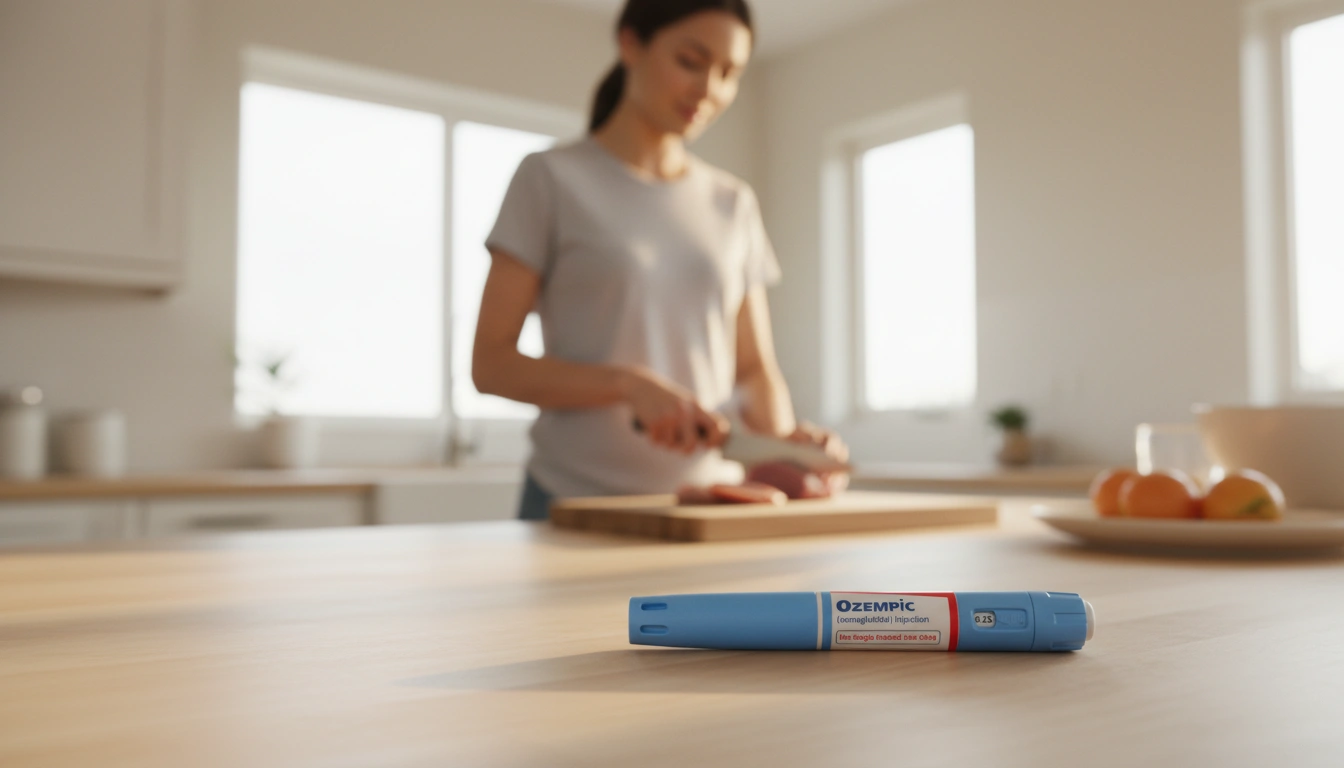
Embarking on a weight loss journey with the support of a GLP-1 receptor agonist like Ozempic® can feel like a significant step toward a healthier future. Many individuals find remarkable benefits in managing their blood sugar and achieving weight loss goals through these advanced medications. Yet, it’s not uncommon for people to wonder how their daily eating and drinking habits might need to adapt to truly maximize the medication’s effectiveness and minimize potential discomfort. This isn’t just about reducing calorie intake; it’s about understanding the synergy between your medication and the food choices you make.
In an era where medical science offers innovative solutions for health challenges, integrating these advancements with practical, sustainable lifestyle changes is paramount. Ozempic, a medication initially approved for type 2 diabetes management, is also widely recognized for its off-label use in supporting weight loss. Its active ingredient, semaglutide, works by mimicking a natural gut hormone, slowing digestion, and enhancing feelings of fullness, among other effects. This powerful mechanism means that certain foods and drinks, which might have been part of your regular diet before, could now interact differently with your body, potentially intensifying side effects or hindering your progress.
Here at TrimRx, our journey began with a shared vision to help individuals embrace healthier lifestyles by merging cutting-edge telehealth innovations with effective weight loss solutions. We understand that sustainable weight loss should be achieved through science, empathy, and a transparent approach. This comprehensive guide aims to illuminate the dietary landscape for those using Ozempic, providing clear, actionable insights into what not to eat or drink while on Ozempic, what to prioritize, and how these choices can profoundly impact your experience. By the end of this article, you will have a clearer roadmap for optimizing your diet to complement your medication, fostering a more comfortable and successful path toward your health goals. We will delve into specific food categories, explain why they might be problematic, and offer practical alternatives, ensuring you’re well-equipped to make informed decisions for your well-being.
How GLP-1 Medications Like Ozempic Influence Digestion and Appetite
To fully grasp the importance of dietary adjustments when using Ozempic, it’s essential to first understand how these medications interact with your body. Ozempic, containing the active ingredient semaglutide, belongs to a class of drugs known as GLP-1 receptor agonists. These medications work by mimicking the action of glucagon-like peptide-1, a natural hormone produced in your gut. This imitation triggers a cascade of physiological responses that are highly beneficial for managing blood sugar and promoting weight loss.
One of the primary ways Ozempic functions is by stimulating your pancreas to release more insulin when blood sugar levels are high. Insulin plays a crucial role in helping your body’s cells absorb glucose for energy, thereby lowering blood sugar. Concurrently, it reduces the amount of glucose produced by the liver. These actions contribute significantly to better glycemic control for individuals with type 2 diabetes.
Beyond blood sugar regulation, Ozempic profoundly impacts your digestive system and appetite. It slows down gastric emptying, meaning food remains in your stomach for a longer period. This extended digestion contributes to a prolonged feeling of fullness, which in turn reduces your overall appetite and the desire to eat larger quantities of food. Many individuals also report a significant reduction in “food noise”—the persistent, intrusive thoughts about food that can sabotage weight loss efforts. This combined effect on satiety and appetite suppression is key to the medication’s weight loss efficacy.
However, this slowed digestion is a double-edged sword. While beneficial for appetite control, it also means that certain foods, particularly those that are already difficult or slow to digest, can sit in your stomach even longer. This can exacerbate common gastrointestinal side effects such as nausea, vomiting, constipation, diarrhea, and heartburn. Understanding these mechanisms allows us to make more informed dietary choices, not just to support weight loss, but also to enhance comfort and adherence to the treatment plan.
The Critical Role of Diet in Your Weight Loss Journey
While medications like Ozempic offer powerful support, it’s crucial to recognize them as tools within a broader strategy for health and sustainable weight loss. They are not standalone solutions but rather catalysts that work most effectively when combined with meaningful lifestyle changes, particularly dietary modifications and regular physical activity. This synergistic approach is at the heart of what we believe at TrimRx: personalized, medically supervised care that empowers individuals to build lasting healthy habits.
Consider the analogy of building a house. Ozempic can be thought of as a state-of-the-art construction tool—it speeds up the process and makes certain tasks much easier. However, without a solid blueprint (a balanced diet) and the right building materials (nutritious foods), the structure won’t be strong or sustainable. The medication helps by reducing appetite and slowing digestion, making it easier to consume fewer calories and feel satisfied with smaller portions. This creates an invaluable window of opportunity to re-evaluate and reshape your eating patterns without the constant battle against hunger.
At TrimRx, we emphasize that true transformation extends beyond the medication. It’s about nurturing your body with the right fuel, understanding what helps it thrive, and what might cause distress. Integrating a balanced diet with your Ozempic treatment ensures that the weight you lose is primarily fat, while muscle mass is preserved, which is vital for maintaining a healthy metabolism in the long term. Moreover, developing sustainable eating habits during your treatment provides a foundation that can help you maintain your weight loss achievements long after you may transition off the medication. Our approach is holistic, combining advanced medical science with modern technology to offer compassionate care that respects every individual’s unique journey. We provide a user-friendly and supportive space where individuals receive personalized care—all designed to make sustainable weight loss attainable and tailored to the individual. To truly harness the full potential of your treatment, focusing on nutritional quality alongside medication is not merely recommended; it is essential.
Foods and Drinks to Approach with Caution on Ozempic
When you’re taking a GLP-1 medication like Ozempic, how your body processes food changes. This means certain dietary choices, while perhaps tolerable before, can now lead to increased discomfort or hinder your progress. Understanding what not to eat or drink while on Ozempic is key to a smoother journey. Our commitment at TrimRx is to offer transparent service and supportive guidance, helping you navigate these adjustments effectively.
High-Fat and Greasy Foods
High-fat and greasy foods are perhaps the most frequently cited culprits for discomfort among individuals on Ozempic. The reason is directly tied to the medication’s mechanism: GLP-1 agonists significantly slow gastric emptying. Fats, by their very nature, are the slowest macronutrients to digest, even in a normal digestive system. When you combine this inherent slowness with the medication’s intentional slowing effect, you create a digestive traffic jam.
- Why they are problematic: Foods rich in saturated and unhealthy fats take an exceptionally long time to move through the stomach. This extended dwell time can lead to prolonged feelings of nausea, indigestion, heartburn, and even vomiting. Your stomach may feel uncomfortably full, bloated, and generally distressed for hours after consumption. Furthermore, many high-fat foods are also high in calories but low in essential nutrients, providing little value to a body trying to shed weight efficiently.
- Examples to limit or avoid:
- Fried Foods: French fries, fried chicken, onion rings, donuts, tempura. These are often laden with unhealthy oils.
- Fast Food: Burgers, pizza, deep-fried items. These meals are typically high in fat, sodium, and calories.
- Fatty Cuts of Meat: Ribeye steak, bacon, sausages, processed meats like hot dogs. These can be particularly difficult to digest.
- High-Fat Dairy Products: Full-fat cheeses, heavy cream, butter, rich desserts made with a lot of dairy. While some dairy can be beneficial, the high-fat versions can be problematic.
- Side Effects: Expect heightened nausea, severe indigestion, acid reflux, abdominal pain, and an increased likelihood of vomiting.
Sugary Drinks and Foods with Added Sugars
Sugary beverages and foods packed with added sugars present a different set of challenges, impacting both blood sugar regulation and gastrointestinal comfort.
- Why they are problematic: Sugary drinks and simple carbohydrates cause rapid spikes in blood glucose levels. While Ozempic helps manage blood sugar, consistently bombarding your system with quick-release sugars can counteract its benefits, making it harder to maintain stable blood sugar and potentially hindering weight loss efforts. Moreover, many sweetened drinks offer empty calories, contributing to calorie intake without providing nutritional value. Some artificial sweeteners found in diet sodas have also been linked to increased appetite and metabolic changes, potentially undermining weight loss. Sugary foods can also exacerbate gastrointestinal upset for some individuals.
- Examples to limit or avoid:
- Sugar-Sweetened Beverages: Sodas, fruit juices (even 100% juice can be high in natural sugars without the fiber of whole fruit), sweetened teas, energy drinks, many specialty coffee drinks.
- Candies and Desserts: Chocolate bars, cakes, cookies, pastries, ice cream.
- Certain Breakfast Items: Sweetened cereals, some breakfast bars, pancakes with syrup.
- Side Effects: Can lead to blood sugar imbalances, increased GI distress, bloating, and make weight loss more challenging due to calorie density and lack of satiety.
Refined Carbohydrates
Refined carbohydrates, much like added sugars, are quickly broken down by the body and can lead to less optimal outcomes when on Ozempic.
- Why they are problematic: These carbohydrates have been stripped of most of their fiber, vitamins, and minerals during processing. They offer little sustained energy and can cause rapid blood sugar spikes followed by crashes, leading to cravings. Their lack of fiber also means they don’t contribute to gut health or help combat potential constipation, a common side effect of GLP-1 medications.
- Examples to limit or avoid:
- White bread, white pasta, white rice (in large quantities).
- Crackers, pretzels, many processed snack foods.
- Cakes, cookies, and other baked goods made with white flour.
- Side Effects: Less stable blood sugar, reduced satiety, potential for increased constipation due to low fiber content, and fewer nutrients to support overall health.
Spicy Foods
For some individuals, spicy foods can become a source of significant discomfort while on Ozempic.
- Why they are problematic: Spicy ingredients can irritate the lining of the digestive tract and may relax the lower esophageal sphincter, the muscular valve that prevents stomach acid from flowing back into the esophagus. With gastric emptying already slowed by Ozempic, any irritation or reflux is likely to be prolonged and more intense.
- Examples to limit or avoid: Hot peppers, spicy sauces, heavily spiced curries, dishes with high levels of capsaicin.
- Side Effects: Heartburn, acid reflux, stomach pain, increased nausea, and general digestive upset.
Alcohol
The relationship between alcohol consumption and Ozempic is nuanced, but caution is advisable.
- Why it is problematic: While there’s no direct dangerous interaction reported between Ozempic and alcohol, both substances can affect your body in similar ways, leading to compounding effects. Ozempic slows stomach emptying, which can mean alcohol remains in your system longer, potentially intensifying its effects. Both alcohol and Ozempic can cause nausea and dehydration. For individuals with diabetes, alcohol can also lower blood sugar, creating a risk of hypoglycemia when combined with Ozempic’s blood-sugar-lowering action. Alcohol also adds empty calories that can hinder weight loss goals.
- Examples to limit or avoid: Excessive consumption of any alcoholic beverages.
- Side Effects: Increased nausea, vomiting, dehydration, potential for dangerously low blood sugar (especially for those with diabetes), and additional empty calories. It’s best to limit intake and observe how your body reacts.
Making informed choices about what not to eat or drink while on Ozempic is a powerful step towards optimizing your treatment. By being mindful of these categories, you can significantly reduce uncomfortable side effects and enhance the overall effectiveness of your personalized weight loss program. To explore how our free assessment quiz can tailor a plan specifically for your needs, we encourage you to take the first step today.
Emphasizing Mindful Eating and Portion Control
Beyond specific food categories, the way you eat—and how much—becomes critically important when you’re on Ozempic. The medication’s primary effect of slowing gastric emptying and increasing satiety means your body will respond differently to food intake. You’ll likely feel full much faster and for longer periods, which is an intended benefit for weight loss. However, it also means that eating as you did before starting the medication, even if consuming “healthy” foods, can lead to significant discomfort.
Mindful eating involves paying close attention to your body’s hunger and fullness cues. On Ozempic, these cues are amplified and appear sooner. Eating past the point of comfortable fullness can overwhelm your already slowed digestive system, leading to uncomfortable sensations like bloating, nausea, and even vomiting. It’s a delicate balance that requires conscious effort and adjustment.
Strategies for Mindful Eating and Portion Control:
- Eat Smaller, More Frequent Meals: Instead of three large meals, consider breaking your daily intake into four to six smaller meals or snacks. This reduces the burden on your digestive system, helps maintain steady energy levels, and can prevent the intense hunger that sometimes leads to overeating.
- Listen to Your Body’s Cues: Pay attention to the first signs of satiety. When you start to feel comfortably full, stop eating. It’s a learning process to recognize these new signals from your body.
- Slow Down: Eating slowly allows your body more time to register fullness. Put your fork down between bites, savor the flavors, and truly experience your meal.
- Prioritize Nutrient Density: Since your overall food intake may decrease, make every bite count. Focus on nutrient-rich foods that provide essential vitamins, minerals, protein, and fiber without excessive calories.
- Plate Method: Visually guide your portions. Fill half your plate with non-starchy vegetables, a quarter with lean protein, and a quarter with whole grains or starchy vegetables.
At TrimRx, our medically supervised programs are designed to support you in making these fundamental shifts. We emphasize that sustainable weight loss is a journey of developing new habits and understanding your body better. This nuanced approach to eating, combined with the support of our personalized plans, creates an environment where you can truly thrive. Ready to discover a personalized path tailored to your unique needs? Take our free assessment quiz today.
Nourishing Your Body: Foods to Embrace While on Ozempic
While understanding what not to eat or drink while on Ozempic is crucial, it’s equally important to know what foods to embrace. Focusing on nutrient-dense options will not only support your weight loss goals but also help minimize side effects and ensure your body receives the vital nourishment it needs, especially when appetite is reduced. Our mission at TrimRx is to empower you with the knowledge to make these beneficial choices, aligning with our commitment to compassionate, results-oriented care.
Lean Proteins
Protein is your ally when taking GLP-1 medications. It helps you feel fuller for longer, supports muscle mass preservation during weight loss, and plays a vital role in numerous bodily functions.
- Why they are beneficial: Protein is digested more slowly than carbohydrates but typically faster than high-fat foods. This means it contributes to satiety without causing the digestive distress associated with excessive fats. Adequate protein intake is also essential to prevent muscle loss, which can otherwise slow your metabolism and make long-term weight maintenance more challenging.
- Examples to embrace:
- Poultry: Skinless chicken breast, turkey.
- Fish and Seafood: Salmon (rich in healthy omega-3s), cod, tuna, shrimp.
- Plant-Based Proteins: Tofu, tempeh, edamame, lentils, beans, chickpeas.
- Eggs: A versatile and complete protein source.
- Low-Fat Dairy: Greek yogurt, cottage cheese.
- How to incorporate: Include a lean protein source at every meal and snack. This could be a handful of almonds, a serving of Greek yogurt, or grilled chicken with vegetables.
Whole Grains
Whole grains are excellent sources of fiber and complex carbohydrates, providing sustained energy and supporting digestive health.
- Why they are beneficial: Unlike refined grains, whole grains retain their bran, germ, and endosperm, offering a wealth of fiber, B vitamins, and minerals. Fiber slows down digestion further, promoting sustained fullness and helping to regulate blood sugar levels. It also plays a critical role in preventing constipation, a common side effect of Ozempic.
- Examples to embrace:
- Oats (especially steel-cut or rolled oats).
- Quinoa, brown rice, farro, barley.
- Whole-wheat bread, whole-grain pasta (in moderation).
- Popcorn (air-popped, unsweetened) can be a good fiber-rich snack.
- How to incorporate: Start your day with oatmeal, choose whole-grain options for sandwiches, or opt for quinoa or brown rice as a side dish. Introduce fiber gradually to avoid gas and bloating.
Fruits and Vegetables
These vibrant foods are powerhouses of vitamins, minerals, fiber, and antioxidants, crucial for overall health and supporting your weight loss journey.
- Why they are beneficial: Fruits and vegetables are generally low in calories but high in volume and water content, helping you feel full without overeating. Their rich fiber content aids digestion and promotes gut health. Natural sugars in whole fruits are absorbed more slowly due to fiber, preventing rapid blood sugar spikes.
- Examples to embrace:
- Non-Starchy Vegetables: Leafy greens (spinach, kale), broccoli, cauliflower, bell peppers, zucchini, cucumber, asparagus.
- Whole Fruits: Berries (strawberries, blueberries), apples, oranges, pears, peaches, melons. Prioritize whole fruits over juices to maximize fiber intake.
- Starchy Vegetables (in moderation): Sweet potatoes, corn, peas. Treat these as your carbohydrate portion.
- How to incorporate: Aim to fill half of your plate with vegetables at every meal. Snack on fruits between meals.
Healthy Fats
While high-fat foods should be limited, incorporating healthy fats in moderation is vital for satiety, hormone function, and nutrient absorption.
- Why they are beneficial: Healthy fats provide essential fatty acids, contribute to feelings of satisfaction, and can help balance blood sugar. They are a necessary component of a balanced diet.
- Examples to embrace (in moderation):
- Avocados.
- Nuts (almonds, walnuts, pecans) and seeds (chia seeds, flaxseeds, pumpkin seeds).
- Olive oil, avocado oil (for cooking and dressings).
- Fatty fish like salmon and mackerel (also a great protein source).
- How to incorporate: A small handful of nuts as a snack, a slice of avocado on toast, or a drizzle of olive oil on your salad.
Hydration
Often overlooked, adequate hydration is fundamental, especially when taking Ozempic.
- Why it is beneficial: Drinking enough water is crucial for preventing dehydration, which can worsen common side effects like constipation and nausea. Water also aids in digestion, nutrient transport, and overall metabolic function.
- Examples to embrace:
- Plain water (the best choice!).
- Herbal teas (unsweetened).
- Infused water with fruits like lemon, cucumber, or berries.
- Broths (low-sodium).
- How to incorporate: Carry a water bottle with you throughout the day. Sip water regularly, especially before and between meals. Avoid sugary drinks and excessive caffeine, which can be dehydrating.
By consciously choosing these nourishing foods, you can work in harmony with your Ozempic treatment, fostering a healthier and more comfortable weight loss journey. Remember, our platform at TrimRx offers a user-friendly and supportive space for personalized, medically supervised care. To learn more about tailoring a diet that complements your medication and lifestyle, explore our GLP-1 Daily Support and Weight Loss Boost supplements, designed to support your wellness goals.
Managing Potential Side Effects Through Dietary Choices
One of the most valuable aspects of understanding what not to eat or drink while on Ozempic is the ability to proactively manage potential side effects through informed dietary choices. While most side effects are temporary and often diminish as your body adjusts to the medication, specific food strategies can provide significant relief and make your weight loss journey more comfortable. At TrimRx, we are committed to providing compassionate care that helps you navigate these challenges with support and clear guidance.
Nausea
Nausea is one of the most common initial side effects reported by individuals on Ozempic, often occurring during dose increases.
- Dietary Strategies:
- Bland Foods: Opt for easy-to-digest, low-fat, bland foods like toast, crackers, plain rice, applesauce, bananas, or boiled potatoes.
- Ginger: Foods or drinks containing ginger (e.g., ginger tea, ginger chews) can often help soothe an upset stomach.
- Small, Frequent Meals: Avoid large meals that can overwhelm your slowed digestive system. Eating smaller portions more often can reduce nausea.
- Avoid Strong Smells: Foods with strong odors can trigger nausea. Opt for cold or room-temperature foods, which tend to have less aroma.
- Stay Hydrated: Sip on clear fluids like water, broth, or electrolyte solutions throughout the day. Dehydration can worsen nausea.
- Limit Fatty, Spicy, and Very Sweet Foods: These are known triggers for nausea on GLP-1 medications.
Constipation
Constipation can be a frustrating side effect, often due to slowed digestion and sometimes inadequate fluid intake.
- Dietary Strategies:
- Increase Fiber Gradually: Incorporate more fiber-rich foods like whole grains, fruits with skin, vegetables, beans, and lentils. Introduce them slowly to avoid bloating and gas.
- Hydration is Key: Drink plenty of water throughout the day. Dehydration is a major contributor to constipation. Herbal teas can also contribute to fluid intake.
- Regular Physical Activity: Even light walking can help stimulate bowel movements.
Diarrhea
While less common than constipation, some individuals may experience diarrhea, especially during dose adjustments.
- Dietary Strategies:
- Stay Hydrated: Replenish fluids and electrolytes with water, clear broths, and electrolyte drinks.
- BRAT Diet (Temporary): For severe episodes, bland foods like bananas, rice, applesauce, and toast can be gentle on the digestive system.
- Limit High-Fiber Foods (Temporarily): If high fiber seems to worsen diarrhea, you may need to temporarily reduce it, but always reintroduce it gradually as symptoms improve.
- Avoid Irritants: Steer clear of spicy, greasy, very sweet, and caffeinated foods and drinks, which can irritate the gut.
Heartburn and Acid Reflux
Slowed gastric emptying can sometimes lead to food remaining in the stomach longer, potentially causing heartburn or acid reflux.
- Dietary Strategies:
- Avoid Trigger Foods: Limit fatty, spicy, acidic (e.g., citrus fruits, tomatoes for some), and caffeinated foods/drinks.
- Smaller Meals: Eating smaller portions reduces the volume of food in the stomach, lessening pressure on the esophageal sphincter.
- Don’t Lie Down Immediately After Eating: Allow at least 2-3 hours between your last meal and bedtime.
- Elevate Your Head While Sleeping: If nighttime reflux is an issue, raising the head of your bed can help.
Navigating these side effects requires patience and a willingness to experiment with your diet to see what works best for your body. Remember, our approach at TrimRx remains consistent regardless of dosage changes, focusing on your safety by working exclusively with FDA-registered and inspected pharmacies for the shipping of weight loss medications. We partner with these pharmacies to ensure you receive quality medications, such as Compounded Semaglutide, Oral Semaglutide, Ozempic®, Compounded Tirzepatide, Oral Tirzepatide, Mounjaro®, Zepbound®, and Wegovy®. For personalized guidance on managing your diet and treatment plan, we invite you to take our free assessment quiz.
The TrimRx Difference: Your Partner in Sustainable Weight Loss
At TrimRx, our core philosophy is built on the belief that safe, effective, and sustainable weight loss is not a one-size-fits-all endeavor. Our journey began with a shared vision: to help individuals embrace healthier lifestyles by merging cutting-edge telehealth innovations with effective, evidence-based weight loss solutions. We understand that navigating the complexities of weight management, especially with prescription medications like Ozempic, requires more than just a prescription; it demands a personalized, medically supervised approach infused with empathy and transparency.
We have created a platform that serves as a user-friendly and supportive space where individuals receive tailored care. Our brand personality is deeply rooted in being empathetic, innovative, trustworthy, supportive, results-oriented, and personalized. We offer compassionate care that respects every individual’s unique journey, combining advanced medical science with modern technology to deliver solutions that are both effective and convenient.
Our Comprehensive Service Includes:
- Doctor Consultations: Our programs begin with thorough doctor consultations to assess your health, discuss your goals, and determine your eligibility for specific treatments. This ensures that any plan developed is safe and appropriate for your individual needs.
- Personalized Treatment Plans: Based on your assessment, we develop a personalized treatment plan. This may include prescription medications like Compounded Semaglutide, Oral Semaglutide, Ozempic®, Compounded Tirzepatide, Oral Tirzepatide, Mounjaro®, Zepbound®, or Wegovy®. For these prescription medications, users must complete our free assessment quiz to determine eligibility. It’s important to note that while branded medications like Ozempic® and Zepbound® have FDA approval, compounded medications are provided through FDA-registered, inspected, and approved pharmacies, ensuring their quality and safety. We work exclusively with these pharmacies for the shipping of weight loss medications.
- Lab Work: Where necessary, lab work is included to provide a comprehensive understanding of your health status, further refining your personalized plan.
- Unlimited Support: We believe in continuous encouragement. Our dedicated support system is always available to answer your questions, provide guidance, and celebrate your progress, ensuring you never feel alone on your journey.
- Shipping with No Hidden Fees: Transparency is a cornerstone of our service. We ensure that your medications are shipped directly to you from our partner FDA-registered and inspected pharmacies, with all costs clearly communicated upfront.
Beyond prescription medications, we also offer quick-access supplements to support your overall wellness during the weight loss journey, which do not require a quiz for purchase:
- GLP-1 Daily Support: This supplement is formulated to complement your wellness efforts and can be purchased directly via GLP-1 Daily Support.
- Weight Loss Boost: Designed to provide additional support, this supplement is available for immediate purchase through Weight Loss Boost.
Our approach remains consistent regardless of dosage changes, emphasizing your safety and long-term success. We are dedicated to making sustainable weight loss attainable and tailored to the individual through science, empathy, and a transparent approach. Discover the TrimRx difference and start your journey towards a healthier you by taking our free assessment quiz today.
Beyond Diet: Lifestyle Factors for Success
While a well-considered diet is a cornerstone of success on Ozempic, it’s just one piece of the puzzle. Achieving and sustaining weight loss, and indeed overall metabolic health, requires a holistic approach that integrates several key lifestyle factors. At TrimRx, we champion this comprehensive view, understanding that medication acts as a powerful tool best utilized when supported by a healthy lifestyle.
The Power of Movement: Regular Exercise
Incorporating regular physical activity into your routine is critical for several reasons when on Ozempic:
- Muscle Preservation and Building: Weight loss, particularly rapid weight loss, can sometimes lead to a reduction in muscle mass alongside fat. Exercise, especially strength training, helps preserve and even build muscle, which is crucial for maintaining a healthy metabolism and preventing weight regain.
- Enhanced Digestion: Light to moderate exercise, like a post-meal walk, can aid gastric motility and alleviate common digestive side effects such as bloating and constipation.
- Improved Insulin Sensitivity: Physical activity makes your body more sensitive to insulin, further supporting blood sugar regulation and enhancing the effects of Ozempic.
- Mental Well-being: Exercise is a known mood booster, helping to manage stress and improve mental health, which are often significant factors in weight management.
Even simple changes, such as taking the stairs instead of the elevator, parking further away, or incorporating short walks throughout the day, can make a difference.
Consistent Medication Adherence
For any prescription medication to be effective, consistent adherence to your healthcare provider’s instructions is paramount. This includes taking your Ozempic dose as prescribed, at the correct frequency and timing.
- Optimizing Efficacy: Skipping doses or altering your schedule without medical advice can disrupt the steady therapeutic levels of the medication in your system, potentially reducing its effectiveness in managing blood sugar and appetite.
- Minimizing Side Effects: While dose adjustments might be necessary if side effects are severe, it’s crucial to discuss these with your TrimRx healthcare provider. Playing around with dosages independently can lead to unpredictable responses and an increase in adverse effects. Our commitment to transparent service means we’ll guide you through any necessary adjustments with care.
The Importance of Professional Guidance
You don’t have to navigate your weight loss journey alone. Seeking professional guidance is an invaluable asset:
- Personalized Dietary Advice: Registered dietitians and nutritionists can offer tailored meal plans and strategies that align with your health goals, dietary preferences, and the specific considerations of being on Ozempic. They can help you identify trigger foods, manage side effects, and ensure you’re getting adequate nutrition.
- Medical Supervision: Regular check-ins with your TrimRx healthcare provider are essential to monitor your progress, assess the medication’s effectiveness, manage any persistent side effects, and make necessary adjustments to your treatment plan. Our platform offers unlimited support, ensuring you always have access to expert advice.
- Building Sustainable Habits: Professionals can help you develop long-term healthy habits around food, exercise, and overall well-being, which are critical for maintaining weight loss beyond the immediate treatment period.
At TrimRx, we are dedicated to supporting every aspect of your weight loss journey. Our comprehensive service ensures you have access to doctor consultations, medication sourced from FDA-registered and inspected pharmacies, lab work, and unlimited support. We believe that by combining cutting-edge medical solutions with empathetic, expert guidance and your commitment to lifestyle changes, you can achieve remarkable and lasting results. To take the first step towards a healthier, more vibrant future, explore your eligibility by taking our free assessment quiz today.
Conclusion
Embarking on a weight loss journey with medications like Ozempic marks a significant step toward enhanced health and vitality. As we’ve explored, understanding what not to eat or drink while on Ozempic is a cornerstone of this journey, not just for optimizing the medication’s effects, but also for ensuring your comfort and long-term success. By making conscious choices to limit high-fat, sugary, refined, spicy, and excessive alcoholic beverages, you can significantly reduce the likelihood of uncomfortable side effects and create a more harmonious environment for your body to respond to treatment.
Equally important is the strategic embrace of nutrient-dense foods: lean proteins, whole grains, an abundance of fruits and vegetables, and healthy fats in moderation. These choices provide the essential fuel your body needs, support muscle preservation, promote satiety, and contribute to overall well-being, helping you build sustainable habits that extend far beyond the medication itself. We firmly believe that sustainable weight loss should be achieved through science, empathy, and a transparent approach.
At TrimRx, we stand as your dedicated partner in this transformative process. Our platform is designed to offer personalized, medically supervised care, integrating cutting-edge telehealth with effective weight loss solutions. From thorough doctor consultations and personalized treatment plans (including medications sourced from FDA-registered and inspected pharmacies, such as Ozempic® or compounded alternatives), to included lab work and unlimited support, our comprehensive service is crafted to make sustainable weight loss attainable and tailored precisely to your individual needs. We are here to guide you, support you, and celebrate your progress every step of the way.
Remember, your journey to a healthier lifestyle is unique, and making informed choices about what you consume is a powerful act of self-care. To discover how our personalized approach can empower your weight loss journey, we invite you to take our free assessment quiz today. Additionally, explore our GLP-1 Daily Support and Weight Loss Boost supplements for immediate support in your overall wellness goals.
Frequently Asked Questions
Can I drink coffee while taking Ozempic?
Yes, it is generally safe to drink coffee while taking Ozempic, as there are no known direct interactions between coffee and the medication. However, it’s important to be mindful of how coffee affects your body. Caffeine can sometimes cause an upset stomach or increase stomach acid production in some individuals, potentially worsening gastrointestinal side effects like nausea or indigestion that are already associated with Ozempic. Additionally, if you add a lot of sugar, cream, or other high-calorie flavorings to your coffee, these additions can counteract your weight loss efforts and potentially trigger discomfort. We recommend observing your body’s response and opting for black coffee or coffee with minimal, healthy additions to reduce potential issues.
Can I have fruit during my Ozempic treatment?
Absolutely, fruit is an important part of a balanced diet and can be enjoyed during your Ozempic treatment. Fruits are packed with essential vitamins, minerals, fiber, and antioxidants. The fiber in whole fruits helps slow down the absorption of natural sugars, preventing rapid blood sugar spikes and promoting sustained feelings of fullness. Focus on consuming whole, fresh fruits rather than fruit juices, which lack fiber and can lead to a quicker rise in blood sugar. Listen to your body’s satiety cues, as even healthy foods can cause discomfort if consumed in excessively large portions.
Can I eat cheese while using Ozempic?
Yes, you can eat cheese while using Ozempic, but moderation and choice of type are key. Many cheeses are high in fat, and as we’ve discussed, high-fat foods can exacerbate gastrointestinal side effects due to Ozempic’s effect on slowing gastric emptying. To minimize potential discomfort like nausea or indigestion, it’s often advisable to opt for lower-fat cheese varieties or consume full-fat cheeses in smaller portions. Pay attention to how your body reacts to different types and amounts of cheese, and adjust your intake accordingly to support both your weight loss goals and digestive comfort.
How often should I consult with a healthcare professional about my diet while on Ozempic?
Regular consultations with a healthcare professional, such as a TrimRx provider, are highly recommended throughout your Ozempic treatment. While there’s no fixed frequency that applies to everyone, initial consultations help establish a baseline and personalized dietary guidance. Follow-up consultations are crucial, especially when adjusting your medication dosage, experiencing new or persistent side effects, or encountering challenges with your diet. These ongoing discussions allow for personalized adjustments to your diet plan, ensuring it aligns with your evolving needs and supports your overall health goals. Our comprehensive service at TrimRx includes doctor consultations and unlimited support, making it easy to stay connected with your care team. We encourage you to utilize our free assessment quiz to begin your journey with tailored professional guidance.

Transforming Lives, One Step at a Time
Keep reading

Ozempic and Colorectal Cancer: What the New Research Shows
Colorectal cancer is the third most commonly diagnosed cancer in the United States and one of the cancers most strongly linked to obesity, metabolic…

Does Ozempic Reduce Cancer Risk: What the Research Shows
The connection between obesity and cancer has been established for decades. What’s newer, and genuinely interesting, is emerging evidence that GLP-1 medications like Ozempic…

When to Stop Ozempic Before Surgery: Aspiration Risk Explained
If you’re scheduled for surgery and you’re currently taking Ozempic or another GLP-1 medication, there’s a specific conversation you need to have with your…


