Navigating Your Health: Can You Take Gabapentin with Zepbound in Your Weight Loss Journey?
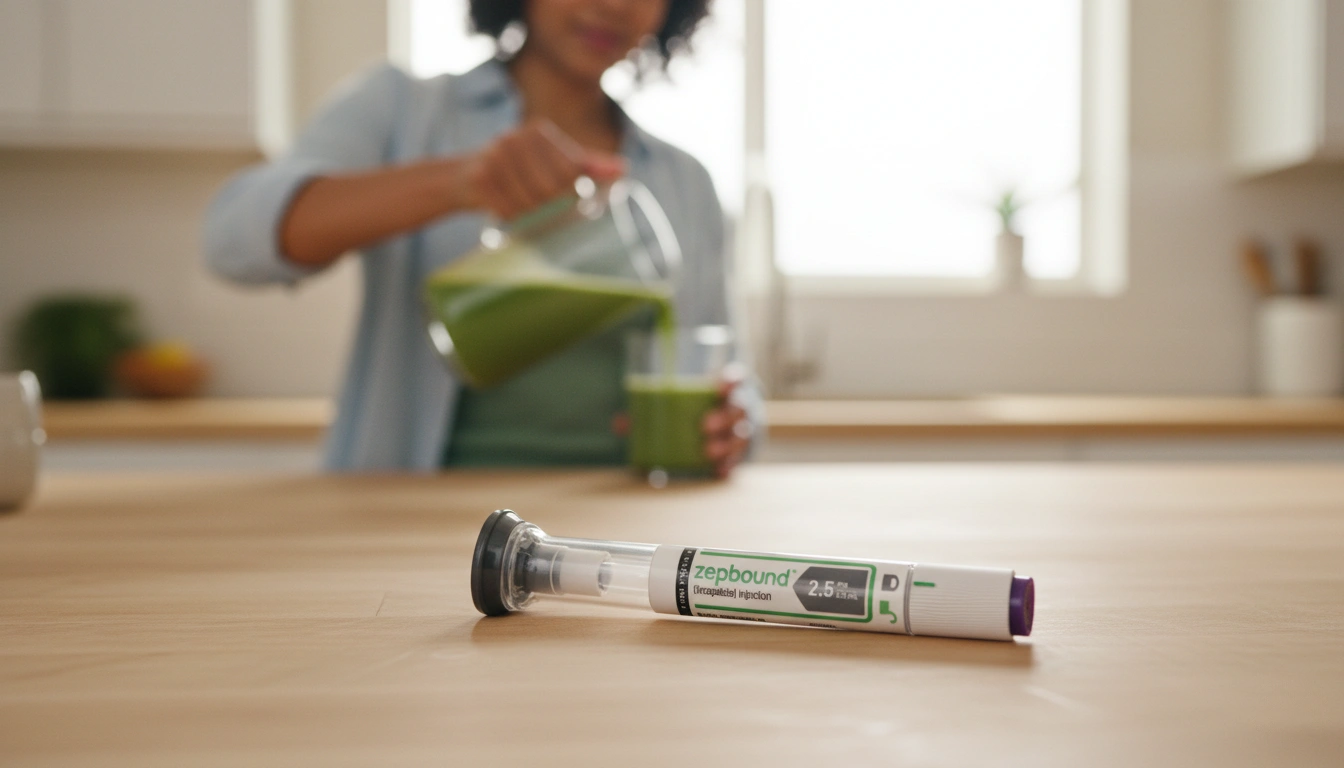
Introduction
Embarking on a weight loss journey is a deeply personal and often complex endeavor, especially when managing existing health conditions and medications. The landscape of weight management has evolved significantly, offering innovative solutions that can dramatically impact well-being. However, navigating these new treatments, such as Zepbound (tirzepatide), alongside other prescriptions like gabapentin, requires careful consideration and expert guidance. For many, the question isn’t just about finding an effective weight loss solution, but how it integrates safely and effectively with their current health regimen. This calls for a nuanced understanding of potential interactions and the importance of truly personalized care.
At TrimRx, we understand these complexities intimately. Our journey began with a shared vision to help individuals embrace healthier lifestyles by merging cutting-edge telehealth innovations with effective weight loss solutions. We believe that sustainable weight loss should be achieved through science, empathy, and a transparent approach, providing a user-friendly and supportive space where individuals receive personalized, medically supervised care. It’s a journey we approach with compassionate care that respects every individual’s unique path. This article will delve into the specifics of Zepbound and gabapentin, exploring their individual roles, potential general interactions, and the critical considerations when they are taken concurrently. Our goal is to empower you with knowledge, emphasizing why open communication with healthcare providers and a comprehensive approach to your health are paramount to a safe and successful weight management experience. By the end, you will have a clearer understanding of how to proactively manage your medications within a personalized weight loss plan.
Understanding Zepbound: A Modern Approach to Weight Management
Zepbound, a brand-name prescription medication, represents a significant advancement in the field of weight loss and weight management. It is FDA-approved for adults with obesity (a Body Mass Index, or BMI, of 30 or more) or those who are overweight (a BMI of 27 or more) and have at least one weight-related health condition, such as high blood pressure or type 2 diabetes. Its active ingredient, tirzepatide, functions as a dual agonist for both glucose-dependent insulinotropic polypeptide (GIP) and glucagon-like peptide-1 (GLP-1) receptors. This dual action helps to reduce appetite, increase feelings of fullness, and improve blood sugar control, all of which contribute to meaningful and sustained weight loss.
How Zepbound Works to Support Weight Loss
The innovative mechanism of action behind Zepbound involves mimicking the effects of natural hormones in the body that regulate appetite and metabolism. By activating both GIP and GLP-1 receptors, tirzepatide sends signals to the brain that can help an individual feel less hungry and more satisfied after eating smaller portions. It also slows down gastric emptying, meaning food stays in the stomach longer, further contributing to satiety. Additionally, for those with type 2 diabetes, it helps the pancreas release insulin more efficiently when blood sugar is high and reduces the amount of sugar produced by the liver. While Zepbound is not a quick fix, it serves as a powerful tool within a broader, personalized weight management strategy that includes dietary changes and increased physical activity.
Common Side Effects and Important Contraindications of Zepbound
Like any medication, Zepbound can cause side effects. The most commonly reported side effects typically involve the gastrointestinal system, including nausea, diarrhea, vomiting, constipation, and abdominal pain. These side effects are often mild to moderate and tend to decrease over time as the body adjusts to the medication. However, it’s crucial to discuss any persistent or severe side effects with a healthcare provider.
There are also important contraindications and warnings associated with Zepbound that individuals must be aware of:
- Medullary Thyroid Carcinoma (MTC) and Multiple Endocrine Neoplasia syndrome type 2 (MEN2): Zepbound carries a boxed warning from the FDA, its most serious warning, regarding the risk of thyroid C-cell tumors. Individuals with a personal or family history of MTC, or those with MEN2, should not use Zepbound.
- Allergic Reactions: If an individual has had a severe allergic reaction to tirzepatide or any of Zepbound’s ingredients, the medication should not be used.
- Pancreatitis: While not a contraindication, individuals with a history of pancreatitis should discuss this with their doctor, as GLP-1 receptor agonists have been associated with pancreatitis in some cases.
Before starting treatment, a thorough medical history review is essential to ensure Zepbound is a safe and appropriate option.
General Drug Interactions with Zepbound
Understanding how Zepbound interacts with other medications is critical for patient safety and treatment efficacy. While Zepbound is generally well-tolerated, it can influence the absorption and effectiveness of certain other drugs.
Oral Medications
A significant consideration is Zepbound’s potential to affect the absorption of any oral medication. Because Zepbound slows gastric emptying, it can alter how quickly and completely orally administered drugs are absorbed into the bloodstream. This means that other oral medications, whether prescription or over-the-counter, might become less effective. This risk is particularly high when starting Zepbound treatment and after dosage increases. Examples of oral medications that could potentially be affected include:
- Immunosuppressants: Such as cyclosporine, which requires precise dosing.
- Anticoagulants: Like warfarin, where even small changes in absorption can impact blood clotting.
- Common Pain Relievers: Such as ibuprofen.
- Antidepressants: Including bupropion.
- Acid Reducers: Like omeprazole.
- Antibiotics: Such as doxycycline.
- Asthma Medications: Such as theophylline.
If you are taking any oral medications, it is vital to inform your healthcare provider. They may recommend closer monitoring of the effects of these oral drugs or adjust their timing or dosage during your Zepbound treatment.
Oral Birth Control
Zepbound can decrease the effectiveness of oral birth control. This is again due to its effect on gastric emptying, which can lead to lower levels of the birth control hormones in the body. To prevent unintended pregnancy, healthcare providers often recommend using a backup method of birth control for at least four weeks after starting Zepbound and for four weeks after each dosage increase. Non-oral contraceptive options, such as an intrauterine device (IUD), may be considered.
Medications for Diabetes
For individuals with type 2 diabetes who are already taking medications to lower blood sugar, Zepbound can increase the risk of hypoglycemia (low blood sugar). This is because Zepbound itself helps to lower blood sugar. When combined with other blood sugar-lowering drugs like:
- Sulfonylureas: Such as glipizide, glyburide, or glimepiride.
- Insulin: Including insulin aspart, detemir, glargine, or lispro.
- Meglitinides: Such as repaglinide or nateglinide.
The combined effect can lead to a dangerously low blood sugar level. In such cases, your doctor will likely adjust the dosage of your other diabetes medications to minimize this risk. Close monitoring for symptoms of low blood sugar (headache, dizziness, sweating, shaking) is essential, and strategies for managing hypoglycemia, such as consuming 15 grams of carbohydrates, should be discussed.
Alcohol, Supplements, and Other Substances
There are no known direct interactions between Zepbound and alcohol, supplements (herbs or vitamins), food, vaccines, or standard lab tests. However, alcohol consumption while on Zepbound may worsen some gastrointestinal side effects like nausea or vomiting. It’s always a good practice to discuss alcohol intake, any supplements, or lifestyle choices with your healthcare provider to ensure overall safety and efficacy of your treatment plan. Similarly, while cannabis (including CBD products) has not been specifically reported to interact with Zepbound, its sedative effects could potentially affect adherence to a treatment plan, and consultation with a doctor is always advised.
Understanding Gabapentin: Managing Nerve Pain and Seizures
Gabapentin is a widely prescribed medication primarily known for its role as an anticonvulsant. Approved by the U.S. Food and Drug Administration (FDA) for the treatment of postherpetic neuralgia (nerve pain following shingles) and certain types of seizures (epilepsy), it is also commonly used off-label for other conditions such as general nerve pain (neuropathic pain), migraines, and restless leg syndrome. Available under various brand names like Neurontin, Gralise, and Horizant, gabapentin works by affecting nerve activity in the brain. Its exact mechanism isn’t fully understood, but it’s believed to modulate the release of certain neurotransmitters, thereby calming overactive nerve impulses that contribute to pain or seizures.
How Gabapentin Exerts Its Therapeutic Effects
Gabapentin is classified as a gamma-aminobutyric acid (GABA) analogue, although it does not directly bind to GABA receptors. Instead, it is thought to interact with a specific subunit of voltage-gated calcium channels in the central nervous system. This interaction reduces the excitability of nerve cells, leading to its anticonvulsant and analgesic (pain-relieving) effects. By stabilizing electrical activity in the brain, it can help prevent seizures, and by dampening abnormal nerve signals, it can alleviate neuropathic pain. The versatility of gabapentin makes it a valuable medication for a range of neurological conditions.
Common Side Effects and Important Considerations for Gabapentin
Like all medications, gabapentin has a profile of potential side effects, with dizziness and drowsiness being among the most common. Other side effects can include fatigue, ataxia (impaired coordination), and peripheral edema (swelling in the extremities). These effects can impact daily activities, and patients are often advised to exercise caution when driving or operating machinery, especially when starting the medication or after dosage adjustments.
Certain health conditions and factors may also influence the use of gabapentin:
- Kidney Disease: Gabapentin is primarily cleared by the kidneys, so individuals with impaired kidney function may require a lower dosage to prevent accumulation and reduce the risk of side effects.
- Lung Conditions: People with respiratory issues like asthma or COPD, and older adults, are at a higher risk of serious breathing problems, especially when gabapentin is combined with other central nervous system (CNS) depressants.
- Mental Health Conditions: Gabapentin can affect mood, and individuals with a history of depression or other mental health conditions should be closely monitored.
- Pregnancy and Breastfeeding: The use of gabapentin during pregnancy and breastfeeding requires careful consideration of risks versus benefits, and it should only be used under strict medical guidance.
General Drug Interactions with Gabapentin
Understanding gabapentin’s interactions is crucial, as some combinations can lead to significant side effects or reduced efficacy.
Opioid Medications
One of the most clinically significant interactions involves gabapentin and opioid medications. Both gabapentin and opioids are central nervous system (CNS) depressants, meaning they slow down brain activity. When taken together, their combined sedative effects can be intensified, leading to severe drowsiness, dizziness, and dangerously slowed breathing (respiratory depression). This interaction can be life-threatening. Examples of opioids include hydrocodone, oxycodone, and morphine. If both medications are prescribed, close monitoring by a healthcare provider is essential, and immediate medical attention should be sought if extreme sleepiness or difficulty breathing occurs.
Antacids Containing Aluminum or Magnesium Hydroxide
Certain antacids, specifically those containing aluminum hydroxide or magnesium hydroxide (e.g., Maalox, Mylanta), can reduce the absorption of gabapentin from the digestive tract. This can lead to lower levels of gabapentin in the bloodstream, rendering it less effective. To minimize this interaction, it is generally recommended to take gabapentin at least two hours after taking these types of antacids. If you rely on antacids for heartburn relief, discuss alternative options or appropriate timing with your healthcare provider.
Other Central Nervous System (CNS) Depressants
Beyond opioids, gabapentin can interact with a wide array of other CNS depressants, amplifying their effects and increasing the risk of drowsiness, dizziness, and breathing difficulties. This includes:
- Benzodiazepines: Medications like alprazolam (Xanax), lorazepam (Ativan), and clonazepam (Klonopin), used for anxiety or seizure disorders.
- Antihistamines: Such as diphenhydramine (Benadryl) or hydroxyzine (Vistaril), especially those that cause drowsiness.
- Sedatives/Hypnotics: Medications like zolpidem (Ambien) or eszopiclone (Lunesta), used for sleep disorders.
- Muscle Relaxants: Including cyclobenzaprine (Flexeril) or baclofen (Lioresal).
The FDA has issued warnings about the serious breathing problems that can occur when gabapentin is combined with other CNS depressants, particularly in older adults or those with pre-existing lung conditions.
Alcohol and Cannabis
Both alcohol and cannabis (including CBD products) are CNS depressants. Combining them with gabapentin can significantly worsen side effects such as drowsiness, dizziness, and impaired concentration. It is generally advisable to avoid or severely limit alcohol consumption and discuss cannabis use with your healthcare provider if you are taking gabapentin.
Lab Tests
Gabapentin can sometimes cause a false-positive result on certain urine protein tests, such as the Ames N-Multistix SG dipstick. If you are scheduled for such a test, it’s important to inform your healthcare provider that you are taking gabapentin.
The Intersection: Can You Take Gabapentin with Zepbound?
When considering whether you can take gabapentin with Zepbound, it’s crucial to acknowledge that, based on current widely available drug interaction databases, there are no specific, directly reported major or moderate interactions listed between Zepbound (tirzepatide) and gabapentin. This means that a direct chemical interaction that significantly alters the metabolism or effect of either drug has not been definitively established. However, the absence of a direct interaction does not equate to the absence of important considerations or the need for careful medical oversight.
This is where a nuanced understanding and a personalized approach become essential. While gabapentin and Zepbound don’t have a flagged “major interaction,” a healthcare provider will still evaluate the combination based on several factors:
Overlapping Side Effects and Overall Impact
Both gabapentin and Zepbound can cause side effects that, while different in nature, could collectively impact an individual’s well-being and daily functioning:
- Gabapentin’s Impact: Known for causing dizziness, drowsiness, and fatigue. These CNS-related side effects can affect coordination, concentration, and overall alertness.
- Zepbound’s Impact: Primarily causes gastrointestinal side effects such as nausea, vomiting, diarrhea, and abdominal discomfort.
While these are distinct side effect profiles, it’s important to consider the additive burden. For example, if an individual is already experiencing some level of fatigue or dizziness from gabapentin, adding a medication that causes nausea could further reduce their quality of life or make adherence to their weight loss plan more challenging. The overall physical and mental state should be assessed to ensure the combination does not create an undue burden.
Zepbound’s General Effect on Oral Medication Absorption
As discussed, Zepbound can slow gastric emptying, which has the potential to affect the absorption of any orally administered medication. Gabapentin is typically taken orally. While there isn’t a specific study or report highlighting reduced gabapentin efficacy due to Zepbound, it is a theoretical consideration that a knowledgeable healthcare provider would factor in.
- Potential for Reduced Efficacy: If gabapentin absorption is reduced due to slowed gastric emptying caused by Zepbound, it could lead to lower-than-expected levels of gabapentin in the body. For conditions like epilepsy or severe nerve pain, where consistent medication levels are crucial for symptom control, this could be a significant concern.
- Timing of Administration: A healthcare provider might advise on specific timing between Zepbound administration and gabapentin dosage to mitigate any potential absorption issues, although Zepbound is an injectable medication and its effects on gastric emptying are systemic and sustained.
- Close Monitoring: Any individual taking gabapentin for a critical condition would require close monitoring of their gabapentin’s effectiveness when Zepbound treatment is initiated or dosages are changed. This might involve monitoring symptom control for pain or seizures and potentially adjusting gabapentin dosages if necessary, under medical guidance.
The Paramount Importance of Medical Supervision
Given the complexities of individual health profiles and medication management, deciding whether to take gabapentin with Zepbound must be made in close consultation with a qualified healthcare provider. Self-medicating or making assumptions about drug interactions can lead to unforeseen and potentially harmful consequences.
A healthcare professional will conduct a comprehensive evaluation that includes:
- Reviewing Your Full Medical History: This includes all existing health conditions, previous drug reactions, and family medical history.
- Assessing All Medications and Supplements: This encompasses prescription drugs, over-the-counter medications, herbal supplements, vitamins, and even recreational substances. It’s crucial to provide a complete and accurate list.
- Evaluating Potential Risks and Benefits: The doctor will weigh the benefits of Zepbound for weight loss against any theoretical risks or potential additive side effects when combined with gabapentin, considering your specific circumstances.
- Personalized Guidance: Based on this assessment, they can provide tailored advice, which might include monitoring strategies, dosage adjustments for either medication, or exploring alternative treatment options if the risks outweigh the benefits.
This personalized approach is at the core of effective and safe weight management, especially when navigating complex medication regimens.
Navigating Your Weight Loss Journey with TrimRx
At TrimRx, we are deeply committed to empowering individuals on their path to healthier lifestyles through safe, effective, and personalized weight loss solutions. Our platform exemplifies innovation, trust, and unwavering support, merging cutting-edge telehealth capabilities with clinically proven strategies. We understand that every individual’s journey is unique, which is why we emphasize compassionate care and a transparent approach, ensuring that your weight loss plan is truly tailored to you.
Our comprehensive service is designed to remove barriers and provide a seamless experience. When you connect with TrimRx, you gain access to:
- Doctor Consultations: Qualified medical professionals are available to assess your health profile, discuss your goals, and determine the most appropriate treatment plan.
- Medication Management: For eligible individuals, prescription weight loss medications are provided through FDA-registered and inspected pharmacies. It’s important to us that you understand we partner with these pharmacies for the shipping of weight loss medications and do not provide actual medical supervision ourselves, but facilitate access to prescribers. Our commitment to transparent service means our approach remains consistent regardless of dosage changes, always prioritizing your safety.
- Lab Work: Necessary lab tests are integrated into the process to ensure a comprehensive understanding of your health baseline and to monitor your progress safely.
- Unlimited Support: Our dedicated team is here to provide ongoing guidance and encouragement, ensuring you feel supported at every step of your journey.
- Shipping: Your prescribed medications are shipped directly to your door, offering convenience and discretion, all with no hidden fees.
We believe that by combining advanced medical science with modern technology, we can make sustainable weight loss attainable for everyone.
Personalized Weight Loss Program: Your Path to a Healthier You
For those seeking prescription weight loss medications, our personalized program begins with a crucial first step: our free assessment quiz. This quiz is designed to gather essential information about your health, medical history, and weight loss goals to determine your eligibility and help our affiliated medical professionals craft a treatment plan that is precisely right for you.
Our personalized program includes a range of clinically proven options, carefully selected to meet diverse needs:
- Compounded Semaglutide: A customized formulation of a GLP-1 receptor agonist.
- Oral Semaglutide: An oral form of semaglutide for convenient administration.
- Ozempic®: The branded, FDA-approved injectable semaglutide.
- Compounded Tirzepatide: A customized formulation of the dual GIP/GLP-1 receptor agonist.
- Oral Tirzepatide: An oral form of tirzepatide for those preferring a non-injectable option.
- Mounjaro®: The branded, FDA-approved injectable tirzepatide, primarily for type 2 diabetes but often considered for weight management.
- Zepbound®: The branded, FDA-approved injectable tirzepatide specifically for weight loss and weight management.
- Wegovy®: The branded, FDA-approved injectable semaglutide specifically for weight loss and weight management.
Taking our free assessment quiz is the best way to determine if one of these powerful prescription medications, including Zepbound, could be a suitable part of your weight loss strategy, especially if you are taking medications like gabapentin. Our affiliated healthcare providers will review your current medications and health status to ensure the safest and most effective approach.
Quick-Access Supplements for Immediate Support
Beyond prescription medications, we also offer quick-access supplements designed to support your overall wellness journey and complement your personalized weight loss efforts. These are available for immediate purchase without the need for a quiz or consultation.
- GLP-1 Daily Support: This supplement is crafted to aid healthy metabolism and digestion, supporting the body’s natural processes that are crucial during weight management. You can explore the benefits and purchase our GLP-1 Daily Support directly.
- Weight Loss Boost: Formulated to enhance energy levels and fat metabolism, this supplement provides an extra lift as you work towards your weight loss goals. Discover more and purchase our Weight Loss Boost to kickstart your progress.
Whether you’re exploring prescription options or seeking immediate support for your wellness, TrimRx is here to provide the tools and care you need to achieve your health objectives.
Importance of Open Communication with Your Healthcare Provider
The journey to better health, particularly when it involves significant changes like starting new weight loss medications while managing existing conditions, is a collaborative effort. Your healthcare provider is your most valuable partner in this process, and open, honest communication is the cornerstone of safe and effective treatment.
Providing a Complete Medical History
When discussing your health with a medical professional, it is paramount to provide a complete and accurate picture of your medical history. This includes:
- All current and past health conditions: Even seemingly unrelated conditions can influence medication choices and potential interactions.
- A comprehensive list of all medications: This means every prescription drug, over-the-counter remedy, vitamin, mineral supplement, herbal product, and even recreational substances you use. Do not assume any item is too minor to mention.
- Any known allergies or adverse reactions: To medications, foods, or environmental factors.
- Family medical history: Particularly concerning conditions like thyroid cancer (relevant for Zepbound) or other genetic predispositions.
This detailed information allows your provider to assess your individual risk factors and make informed decisions about your treatment plan, minimizing the chances of adverse drug interactions or complications.
Discussing Concerns and Asking Questions
Never hesitate to voice your concerns or ask questions about your medications and treatment plan. If you are taking gabapentin and considering Zepbound, or any other weight loss medication, specific questions to address include:
- Are there any known interactions between Zepbound and gabapentin?
- How might Zepbound affect the absorption or effectiveness of my gabapentin?
- What are the potential combined side effects I should watch out for?
- Will my gabapentin dosage need to be adjusted if I start Zepbound?
- What symptoms should prompt me to seek immediate medical attention?
- Are there any alternative weight loss medications or strategies that might be safer for me given my current medications?
Engaging proactively in these discussions ensures that you are fully informed and confident in your treatment decisions.
Regular Monitoring and Follow-Up
Your health journey doesn’t end after your initial consultation. Regular follow-up appointments and ongoing monitoring are crucial, especially when initiating new treatments or adjusting dosages. Your healthcare provider will monitor your progress, assess the effectiveness of your medications, check for any emerging side effects, and make necessary adjustments to your treatment plan. This continuous oversight is vital for managing any potential interactions or complications that may arise over time. Remember, your TrimRx-affiliated provider will work with you to ensure safe and effective medication usage.
A Holistic Approach to Long-Term Health
At TrimRx, we recognize that sustainable weight loss is more than just medication; it’s about embracing a holistic approach to long-term health and well-being. While medications like Zepbound or compounded tirzepatide can be powerful tools, they are most effective when integrated into a broader strategy that includes nutrition, physical activity, and mental well-being.
Our commitment extends to supporting you in building these foundational habits. We aim to be a supportive partner, providing medically supervised solutions that respect your individual circumstances and foster enduring healthy changes. This comprehensive perspective is key to transforming lives and achieving lasting results. We encourage you to take that vital first step by exploring our personalized assessment, which can guide you toward a tailored weight loss plan that considers all aspects of your health. Our free assessment quiz is waiting to help you unlock your potential. And for those looking for immediate support, our GLP-1 Daily Support and Weight Loss Boost are designed to complement your journey.
Conclusion
Navigating your health while pursuing weight loss goals, especially when juggling multiple medications like gabapentin and Zepbound, demands careful attention and professional guidance. While current information suggests no direct, specific major interactions between gabapentin and Zepbound, the potential for overlapping side effects and Zepbound’s general impact on oral medication absorption necessitates a cautious and personalized approach. The critical takeaway is that your healthcare provider is your essential ally in ensuring the safety and effectiveness of your treatment plan.
At TrimRx, we are dedicated to providing a clear, supportive, and scientifically grounded path for your weight loss journey. Our commitment to transparent service, compassionate care, and access to FDA-registered and inspected pharmacies for medication shipping underscores our mission. We facilitate access to comprehensive services—including doctor consultations, necessary lab work, medication, and ongoing support—all designed to help you achieve sustainable results with no hidden fees.
Remember, every individual’s body responds differently, and a treatment plan that is precisely tailored to your unique health profile is paramount. We encourage you to take the proactive step of understanding your options. Discover if our personalized weight loss program, featuring options like compounded tirzepatide, Zepbound®, or other clinically proven medications, is right for you by taking our free assessment quiz today. For immediate support for your overall wellness during this journey, explore our GLP-1 Daily Support and Weight Loss Boost supplements. Your health and well-being are our priority, and we are here to support you every step of the way.
FAQ
Q1: Is it safe to take gabapentin and Zepbound together?
A1: Based on current available drug interaction information, there are no specific, directly reported major or moderate interactions between Zepbound (tirzepatide) and gabapentin. However, this does not mean there are no considerations. Zepbound can slow gastric emptying, which could potentially affect the absorption and effectiveness of any oral medication, including gabapentin. Additionally, both medications have their own side effects (dizziness/drowsiness for gabapentin, GI issues for Zepbound) that should be discussed with a healthcare provider to understand their combined impact on your well-being. It is crucial to always consult with your healthcare provider to review your full medical history and current medications before starting any new treatment or combining existing ones.
Q2: What should I tell my doctor if I’m taking gabapentin and considering Zepbound for weight loss?
A2: You should provide your doctor with a complete list of all medications you are currently taking, including gabapentin, other prescription drugs, over-the-counter medications, and any supplements or herbal products. Be sure to discuss all your medical conditions, especially any history of kidney problems, lung conditions, or mental health issues. Explicitly ask about potential interactions between gabapentin and Zepbound, how Zepbound might affect gabapentin’s absorption, and what side effects to watch for. This open communication is vital for your doctor to determine if Zepbound is safe and appropriate for your individual situation and to monitor your health effectively.
Q3: How does TrimRx ensure safety when individuals are on multiple medications?
A3: At TrimRx, we prioritize your safety and provide access to medically supervised care. When you enroll in our personalized weight loss program, you’ll complete a free assessment quiz that collects detailed information about your health history and current medications. Our affiliated medical professionals then review this information during your consultation to determine your eligibility for prescription medications like Zepbound, considering any potential interactions or contraindications. They will create a personalized treatment plan that takes all your existing conditions and medications into account. We partner with FDA-registered and inspected pharmacies for medication shipping, ensuring safety and quality, and our comprehensive service includes doctor consultations, lab work, and unlimited support.
Q4: Are there any specific signs or symptoms I should watch for if I take gabapentin with Zepbound?
A4: While direct interactions are not commonly reported, you should be vigilant for any changes in how you feel. For gabapentin’s effects, monitor for any changes in your pain or seizure control, or intensified dizziness, drowsiness, or coordination issues. For Zepbound’s effects, watch for severe or persistent gastrointestinal symptoms like nausea, vomiting, or diarrhea. Also, be aware of any new or worsening symptoms, especially if they are severe or concerning. Always report any unexpected or bothersome symptoms to your healthcare provider promptly. In cases of severe side effects, such as extreme difficulty breathing or loss of consciousness, seek immediate emergency medical attention.

Transforming Lives, One Step at a Time
Keep reading

How to Get Zepbound in Texas: Your Guide
Getting Zepbound in Texas is straightforward once you know your options. You can get a prescription through a telehealth provider from home, through your…

How to Get Zepbound in California: Where to Start
Zepbound (tirzepatide) is available to California residents through your primary care provider, a weight loss clinic, or a telehealth service that prescribes and delivers…
Stopping Zepbound: Managing the Transition
When you stop taking Zepbound, your appetite returns to pre-medication levels within a few weeks and most people regain a meaningful portion of their…


