Can I Take Omeprazole With Ozempic?
Introduction
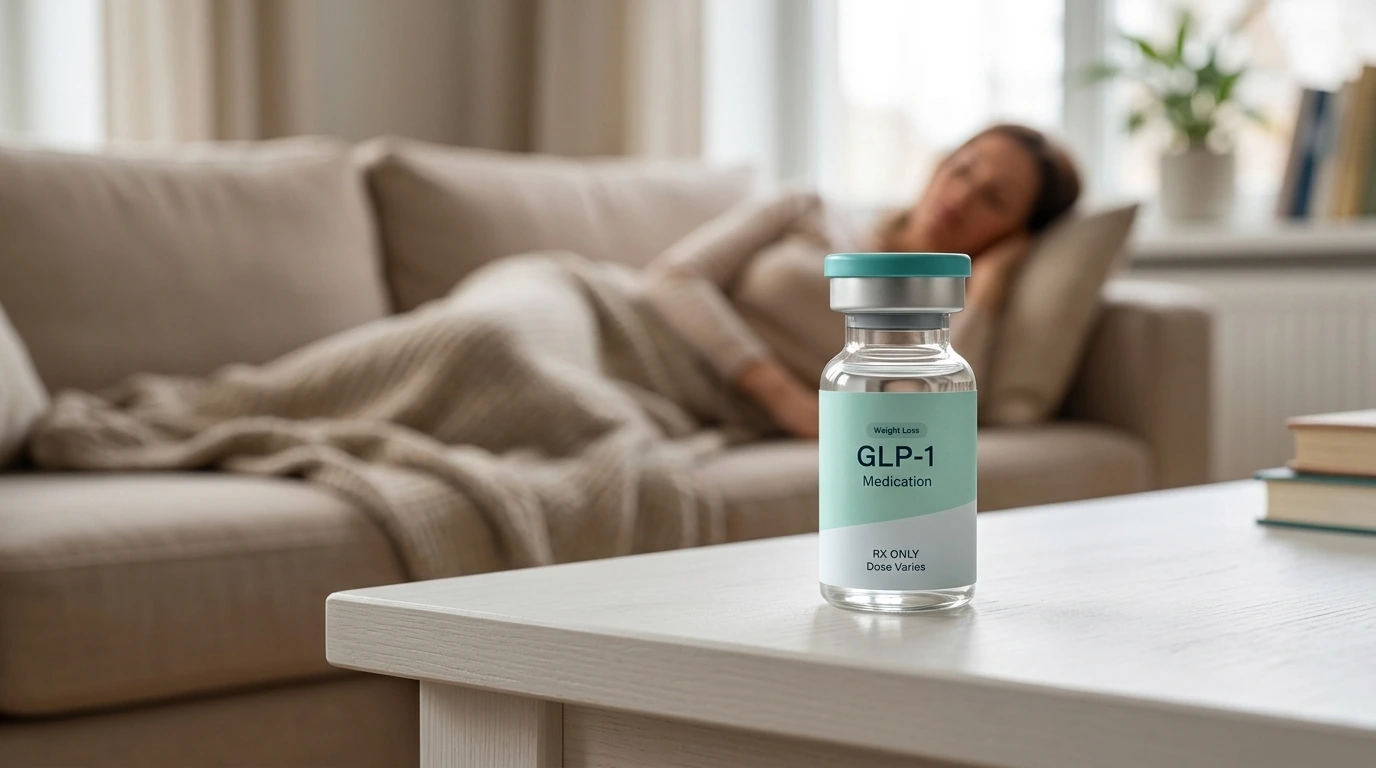
Starting a weight loss journey with a GLP-1 medication can feel like a fresh start, but for some, it comes with an unwelcome companion: persistent heartburn. If you find yourself reaching for the antacids or a prescription like omeprazole while on Ozempic®, you are certainly not alone. Many people wonder if these two medications can safely occupy the same medicine cabinet without interfering with their results. At TrimRx, we believe that understanding how your treatments interact is the key to a comfortable and successful health transformation. This post covers the safety, timing, and benefits of using these medications together to manage your metabolic health. While these drugs are generally considered safe to take in tandem, following specific guidelines ensures that both remain effective. If you want a personalized starting point, you can take the free assessment quiz. Our goal is to help you navigate these side effects so you can stay focused on your long-term wellness.
Quick Answer: There are no known direct drug interactions between omeprazole and Ozempic®. However, because Ozempic® slows down digestion, it may affect how quickly your body absorbs other oral medications. Always consult with a licensed healthcare provider before combining treatments.
Why Heartburn Happens During GLP-1 Treatment
To understand why you might need omeprazole, it helps to understand how medications like Ozempic® work. This medication is a GLP-1 receptor agonist (glucagon-like peptide-1). This means it mimics a natural hormone in your body that tells your brain you are full. It also performs a process called delayed gastric emptying.
Delayed gastric emptying means food stays in your stomach for a longer period. This is a primary reason why these medications are so effective for weight loss. You feel satisfied for longer, which naturally reduces your calorie intake. However, when food sits in the stomach for an extended time, the stomach produces more acid to break it down. If you want a broader look at the digestive effects people often notice early on, our guide to GLP-1 side effects in 2026 covers the pattern in detail.
This extra acid, combined with the pressure of a full stomach, can cause stomach contents to back up into the esophagus. This leads to the burning sensation known as acid reflux or gastroesophageal reflux disease (GERD). Other related symptoms include:
- Excessive burping or belching
- A sour or bitter taste in the mouth
- Nausea and upper abdominal discomfort
- A feeling of “fullness” that becomes uncomfortable
While these symptoms are often mild, they can be distracting or even painful for some individuals. Managing them effectively is crucial to staying consistent with your program.
Is It Safe to Take Omeprazole With Ozempic®?
Current clinical research and drug interaction databases show no direct chemical conflict between omeprazole and Ozempic®. Omeprazole belongs to a class of drugs called proton pump inhibitors (PPIs). These work by shutting down the “pumps” in your stomach lining that produce acid.
By reducing the amount of acid in your stomach, omeprazole can provide significant relief from the reflux caused by slowed digestion. Most healthcare providers consider this combination safe for patients who are struggling with gastrointestinal side effects.
Key Takeaway: Omeprazole and Ozempic® work on different systems in the body. One manages blood sugar and appetite, while the other manages stomach acid. Taking them together is a common practice to improve patient comfort during weight loss.
How Slowed Digestion Affects Absorption
Even though there is no direct “clash” between the drugs, the way Ozempic® changes your digestion is important. Because your stomach moves more slowly, any pill you swallow—including omeprazole—might take longer to reach the part of the gut where it is absorbed.
For most people, this slight delay in absorption does not make the omeprazole less effective. It simply means you might not feel relief instantly if you take it right when the heartburn starts. This is why many providers recommend taking omeprazole as a preventive measure rather than a “rescue” medication.
The Importance of Timing and Administration
If you are using the injectable form of Ozempic®, the timing of your omeprazole is usually flexible. You can typically take your daily PPI at your usual time. However, if you are using an oral version of a GLP-1 medication, timing becomes critical.
For those on oral semaglutide, the medication must be taken on an empty stomach first thing in the morning. You should take it with no more than four ounces of plain water and wait at least 30 minutes before eating, drinking anything else, or taking any other oral medications.
Taking omeprazole too close to your oral semaglutide dose could interfere with how the weight loss medication is absorbed. This could make your treatment less effective over time. If you are unsure about the best schedule for your medications, the team at TrimRx can help you understand the requirements of your specific program.
Note: If you are taking other medications for conditions like thyroid disease or blood pressure, the slowed digestion from GLP-1s makes timing even more important. Always discuss your full medication list with a healthcare professional.
Managing Reflux Through Lifestyle Changes
Medication like omeprazole is an excellent tool, but it works best when paired with lifestyle adjustments. Since the goal is sustainable health, finding ways to reduce acid reflux naturally can also support your weight loss goals.
Adjust Your Eating Habits
The way you eat can have a massive impact on how your stomach handles GLP-1 medications. Because your digestion is slower, your “old” eating habits might be too much for your system to handle.
- Eat smaller portions: A large meal will sit in the stomach longer and create more pressure. Try breaking your food into five or six small snacks rather than three large meals.
- Slow down: It takes time for your stomach to signal to your brain that it is full. Eating slowly helps you stop before you become “over-full,” which is a major trigger for reflux.
- Avoid late-night eating: Try to finish your last meal at least three hours before you go to bed. Lying down with a full stomach is a recipe for nighttime heartburn.
Identify Your Triggers
Certain foods are known to relax the esophageal sphincter or increase acid production. While on a weight loss program, you might find you are more sensitive to these than usual. Common triggers include:
- Fried, greasy, or high-fat foods
- Spicy dishes and heavy seasonings
- Carbonated beverages and caffeine
- Highly acidic foods like citrus fruits and tomatoes
Keeping a simple food diary can help you spot patterns. If you notice that your heartburn spikes after a specific meal, you can adjust your choices moving forward. For more on how this shows up specifically with semaglutide, see Ozempic and heartburn: managing acid reflux on GLP-1.
What to Do If Heartburn Persists
If you are taking omeprazole and following lifestyle tips but still feel uncomfortable, it is time to consult a professional. Chronic reflux should not be ignored, as it can lead to irritation of the esophagus over time.
A provider may suggest:
- Adjusting your dose: Sometimes a higher or lower dose of the weight loss medication can reduce side effects.
- Trying a different PPI: If omeprazole isn’t working, medications like esomeprazole (Nexium®) or lansoprazole (Prevacid®) might be suggested.
- H2 Blockers: Medications like famotidine (Pepcid®) work differently than PPIs and might be more effective for some individuals.
- Prescription Support: In some cases, a doctor might prescribe a medication that specifically helps move food through the stomach more efficiently.
At our platform, we emphasize that no one should have to “white-knuckle” through painful side effects. Our programs are designed to be managed with the help of specialists who can tweak your plan as needed. If reflux has been a recurring issue, our article on semaglutide acid reflux causes, management & prevention may help explain what’s happening.
The Role of Personalized Weight Loss Programs
One of the benefits of a telehealth-based approach is the ability to get answers quickly without a waiting room. Our mission at TrimRx is to provide a path to health that feels supportive rather than clinical. When you use our platform, you aren’t just getting a prescription; you are getting a team that understands the nuances of GLP-1 therapy.
Our personalized programs begin with a free assessment quiz. This helps our partner providers understand your medical history, including any history of GERD or acid reflux. By knowing this upfront, the clinical team can help you start on a dosage that minimizes discomfort. If you’re ready to begin, you can complete the free assessment quiz.
Supportive Supplements
In addition to prescription options, we offer quick-access supplements that can support your journey. While omeprazole handles the acid, our GLP-1 Daily Support supplement is designed to provide the essential nutrients your body needs when you are eating less. We also offer a Weight Loss Boost supplement for those looking to optimize their metabolic health alongside their primary treatment. These products do not require a prescription and can be a helpful addition to your daily routine.
Myth: You have to stop taking Ozempic® if you get bad heartburn. Fact: Most gastrointestinal side effects are manageable with dose adjustments, timing changes, and medications like omeprazole.
Choosing the Right Path for Your Health
Deciding to use a GLP-1 medication is a major step toward better metabolic health. Whether you are considering Ozempic®, Wegovy®, or a compounded alternative, being prepared for side effects makes the transition much smoother.
Compounded Semaglutide and Compounded Tirzepatide are popular options for many seeking personalized care. While these compounded versions are not FDA-approved, they are prepared by FDA-registered and inspected compounding pharmacies. This allows for a high level of customization in your treatment plan. If you choose a compounded route through our platform, our partner providers will still be there to help you manage reflux and ensure your omeprazole use is safe and effective. To see whether a personalized program fits your health profile, you can also take the free assessment quiz.
Next Steps for Your Journey
If you are ready to take control of your weight but are worried about side effects like heartburn, the best first step is information. You do not have to guess which medications are safe to mix or how to manage your symptoms alone.
- Take the Assessment: Complete our free quiz to see which program fits your health profile.
- Talk to a Provider: Discuss your history of acid reflux so they can tailor your plan.
- Prepare Your Kit: Have your omeprazole or preferred antacid ready, and focus on the lifestyle changes that support digestion.
- Monitor Your Progress: Keep track of how you feel and reach out for support whenever you need a dose adjustment.
Conclusion
Managing your health is about more than just a number on the scale; it is about feeling good in your body every day. While acid reflux can be a frustrating side effect of Ozempic®, it is rarely a reason to give up on your goals. Taking omeprazole is a safe and effective way for most people to find relief and stay on track. By focusing on proper timing, eating smaller meals, and working with a supportive team, you can successfully navigate these challenges. We are here to provide the science-backed, empathetic guidance you need to make your weight loss journey sustainable.
Key Takeaway: Success on a GLP-1 program comes down to two things: consistency and comfort. Utilizing safe medications like omeprazole ensures you don’t have to choose between your comfort and your health goals.
If you are interested in a personalized approach to weight loss that includes medical supervision and no hidden fees, we invite you to explore what we offer. Whether you are looking for prescription support or specialized supplements, our platform is built to help you succeed on your own terms. You can also begin the free assessment quiz when you’re ready.
FAQ
Does omeprazole make Ozempic® less effective?
There is no evidence that omeprazole reduces the effectiveness of Ozempic® for weight loss or blood sugar control. Because they work on different biological pathways, you can benefit from both simultaneously. However, always ensure you follow the 30-minute fasting rule if you are taking an oral version of a GLP-1 medication. For a closer look at the symptom pattern, our post on whether heartburn is a side effect of semaglutide is a useful companion read.
When is the best time to take omeprazole while on a GLP-1?
For most people, taking omeprazole in the morning, 30 to 60 minutes before breakfast, provides the best 24-hour acid protection. If you are on an injectable medication like Ozempic®, you can take it at your convenience. If you are on an oral GLP-1, ensure there is at least a 30-minute gap between the two medications.
Can I use over-the-counter antacids instead of omeprazole?
Yes, many people find relief using calcium carbonate (Tums®) or liquid antacids for occasional heartburn. While omeprazole is better for preventing frequent reflux, these “rescue” antacids are great for immediate, short-term relief. If you are still deciding whether to start a structured program, you can always take the free assessment quiz and review options with a provider.
Will the heartburn eventually go away on its own?
For many patients, gastrointestinal side effects are most prominent during the first few weeks of treatment or when the dosage is increased. As your body adjusts to the medication and the changes in your digestion, symptoms like heartburn often subside. Continuing with lifestyle changes can help speed up this adjustment period. If you want a broader explanation of these digestive effects, our guide on GLP-1 side effects in 2026 is a helpful next read.
Disclaimer: This content is for informational purposes only and does not constitute medical advice. It is not intended to diagnose, treat, cure, or prevent any disease or condition. Individual results may vary. Always consult a qualified healthcare professional before starting any weight loss program or medication.

Transforming Lives, One Step at a Time
Keep reading

Can You Take Ozempic While Recovering From Surgery?
The timing of restarting is a decision for your surgical team, and it is worth asking before you leave rather than working it out…

Best Foods to Eat on Ozempic for Steady Weight Loss
Ozempic has changed how millions of adults manage type 2 diabetes and weight, but the medication works best when paired with the right diet….
Can You Take Ozempic If You Have Food Poisoning?
Call your provider before your next scheduled dose. Food poisoning causes vomiting and diarrhea, this medication causes nausea and slows stomach emptying, and the…


