Navigating Your Hunger: Do You Still Eat on Ozempic and Other GLP-1 Medications? A Guide to Nutrition
Introduction
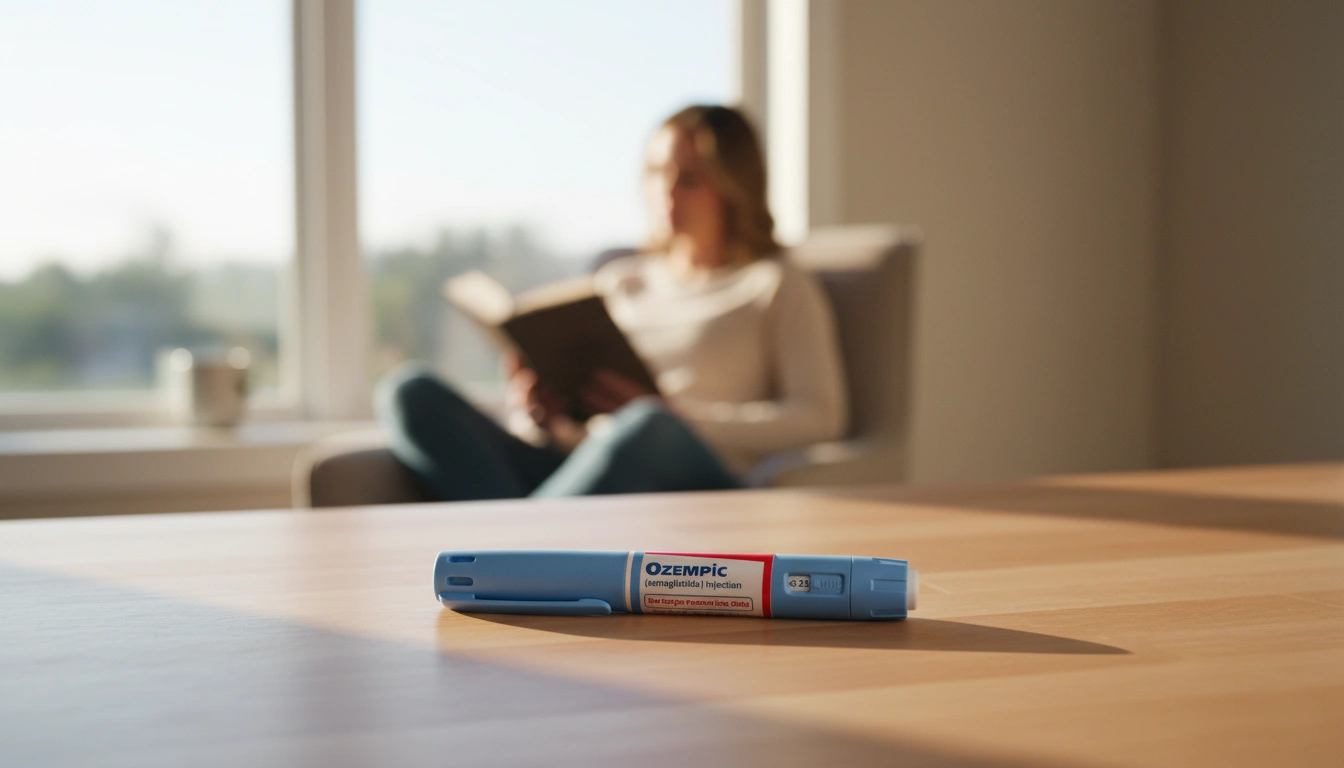
Many individuals embarking on a weight management journey with GLP-1 receptor agonist medications, such as Ozempic, often find themselves contemplating a fundamental question: do you still eat on Ozempic? The profound shifts in appetite and satiety that these medications can induce might lead some to believe that their relationship with food will drastically change, perhaps even diminishing the need for careful dietary planning. Yet, this perception, while rooted in the medications’ efficacy, overlooks a crucial aspect of sustainable health: the indispensable role of thoughtful nutrition.
Our journey at TrimRx began with a shared vision to help individuals embrace healthier lifestyles by merging cutting-edge telehealth innovations with effective weight loss solutions. We understand that navigating new medications and their impact on daily habits can feel overwhelming. This article aims to demystify the interaction between GLP-1 medications and your diet, providing a clear roadmap for nourishing your body effectively while optimizing your path to wellness. We will explore how these powerful medications work, what dietary principles to embrace, which foods to moderate, and how a personalized, medically supervised approach can make all the difference. Our commitment is to sustainable weight loss, achieved through science, empathy, and a transparent approach, guiding you through every step of this transformative process.
By the end of this comprehensive guide, you will gain a deeper understanding of how to harmonize your dietary choices with your medication regimen, ensuring you meet your nutritional needs, manage potential side effects, and foster lasting healthy habits. We believe that combining advanced medical science with modern technology and compassionate care is the key to respecting every individual’s unique journey.
Understanding How GLP-1 Medications Interact with Your Diet
The core of successfully integrating GLP-1 medications like Ozempic into your weight management strategy lies in understanding their physiological mechanisms. These medications are not simply “diet pills”; they are sophisticated tools that work with your body’s natural systems to regulate appetite and blood sugar.
The Science Behind GLP-1 Receptor Agonists
GLP-1 receptor agonists, including semaglutide (the active ingredient in Ozempic and Wegovy®) and tirzepatide (found in Mounjaro® and Zepbound®), mimic the action of a natural hormone called Glucagon-Like Peptide-1 (GLP-1) in your body. Tirzepatide goes a step further by also mimicking Glucose-dependent Insulinotropic Polypeptide (GIP), offering a dual-action approach. These hormones play a vital role in several bodily functions related to digestion and metabolism:
Regulating Blood Sugar
One primary function of GLP-1 is to stimulate the pancreas to release insulin when blood sugar levels are high. Insulin helps transport glucose from your bloodstream into your cells for energy, preventing blood sugar spikes. Simultaneously, these medications reduce the liver’s production of glucose and suppress the release of glucagon, another hormone that raises blood sugar. For individuals managing Type 2 diabetes, this translates into better blood sugar control, which is the primary FDA-approved indication for medications like Ozempic and Mounjaro®. Wegovy® and Zepbound®, on the other hand, are specifically FDA-approved for chronic weight management. We offer these branded medications, along with compounded Semaglutide and Tirzepatide, provided through FDA-registered and inspected pharmacies, ensuring quality and safety.
Slowing Gastric Emptying
A significant effect of GLP-1 medications is their ability to slow down the rate at which food leaves your stomach. This delayed gastric emptying means that food remains in your stomach for a longer period, contributing to a prolonged feeling of fullness and satiety. This mechanism is crucial for appetite reduction and helps manage portion sizes naturally.
Influencing Appetite Centers in the Brain
Beyond gut-level effects, these medications also act on specific centers in the brain responsible for appetite regulation. By influencing these neural pathways, GLP-1s can reduce “food noise” – those intrusive, persistent thoughts about food that often drive cravings and overeating. This mental quietude around food can empower individuals to make more conscious, healthier dietary choices, rather than succumbing to constant urges.
Why You Still Eat on Ozempic: Medication as a Catalyst, Not a Replacement
Given these powerful effects, it’s clear that GLP-1 medications fundamentally alter your hunger cues and satiety signals. However, they do not eliminate the need to eat or to eat well. Instead, they serve as a powerful catalyst, making it easier to adopt and adhere to healthy dietary changes that are often challenging to implement on one’s own.
The reduction in appetite and increased satiety means you’ll likely feel satisfied with smaller portions and experience fewer cravings. This is where the magic happens: the medication helps create a physiological environment conducive to reducing calorie intake naturally. However, what you choose to eat during this time is paramount. Nutrient-dense foods will provide your body with the essential vitamins, minerals, and energy it needs, while less nutritious options can still undermine your efforts or exacerbate potential side effects.
At TrimRx, we emphasize that these medications are part of a comprehensive, personalized weight loss program. Our approach recognizes that while GLP-1s are transformative tools, they are most effective when paired with intentional lifestyle modifications. We provide comprehensive service that includes doctor consultations, necessary lab work, medication, unlimited support, and convenient shipping, all designed to support you every step of the way. To discover how a personalized plan can integrate these powerful medications with your unique dietary needs, we encourage you to take our free assessment quiz.
The Essential Role of Nutrition on Your GLP-1 Journey
The question of do you still eat on Ozempic isn’t just about if, but how and what. These medications are designed to reduce your appetite, making it easier to consume fewer calories. However, simply eating less isn’t enough; the quality of your food choices becomes even more critical to ensure your body receives adequate nutrition and to mitigate potential side effects.
Prioritizing Nutrient Density Over Calorie Restriction Alone
When your overall food intake decreases, every bite counts more. Focusing on nutrient-dense foods means selecting options that provide a high amount of vitamins, minerals, fiber, and other beneficial compounds relative to their calorie content. This strategy helps prevent nutrient deficiencies that can arise from drastically reduced food intake and ensures your body has the building blocks it needs for optimal function.
Meeting Your Body’s Needs
Your body still requires essential macronutrients (protein, carbohydrates, fats) and micronutrients (vitamins, minerals) to perform daily functions, support metabolism, and maintain muscle mass. Eating a balanced diet prevents feelings of fatigue, supports your immune system, and contributes to overall well-being during your weight loss journey.
Supporting Weight Loss and Health Outcomes
The weight loss achieved with GLP-1 medications is often substantial. However, to ensure this loss is primarily from fat and not precious muscle mass, and to foster long-term health, dietary quality is non-negotiable. A diet rich in whole, unprocessed foods can improve blood sugar control, support heart health, and reduce inflammation, complementing the benefits of the medication.
Managing Appetite Changes and Side Effects with Strategic Eating
The appetite-suppressing effects of GLP-1s, while beneficial for weight loss, can sometimes lead to challenges such as nausea, constipation, or feeling uncomfortably full. Strategic dietary choices can significantly alleviate these symptoms.
Adapting to New Hunger Cues
You may find that your previous eating patterns no longer align with your body’s new signals. Learning to listen to genuine hunger and fullness cues, rather than eating out of habit or emotion, is a key part of this journey. This shift in awareness is supported by the medication’s ability to reduce “food noise,” allowing for more mindful eating.
Mitigating Gastrointestinal Discomfort
Because these medications slow gastric emptying, certain foods can exacerbate common side effects. High-fat or very spicy foods, for instance, may sit in the stomach longer and trigger nausea or discomfort. Conversely, bland, easily digestible foods can be more tolerable, especially during the initial phases or dose escalations.
Our empathetic and supportive approach at TrimRx understands these challenges. Our programs are designed to provide personalized guidance, helping you navigate these changes effectively. We combine advanced medical science with modern technology to ensure you receive compassionate care that respects your unique journey. To begin crafting your personalized dietary and treatment plan, we invite you to take our free assessment quiz.
Nourishing Your Body: Foods to Prioritize on GLP-1 Medications
When you’re asking, “do you still eat on Ozempic“, the answer is a resounding yes, but with an emphasis on quality and intention. The goal is to maximize nutrient intake while honoring your body’s new signals of satiety and managing potential side effects. Here’s a breakdown of the foods we encourage you to prioritize.
Protein: The Foundation for Muscle and Satiety
Protein is arguably the most critical macronutrient during weight loss with GLP-1 medications. It helps preserve muscle mass, which is vital for maintaining a healthy metabolism and preventing weight regain. Additionally, protein is highly satiating, helping you feel fuller for longer, which can naturally reduce your overall calorie intake without feeling deprived.
Lean Protein Sources:
- Poultry: Chicken breast, turkey (skinless)
- Fish and Seafood: Salmon, cod, tuna, shrimp, scallops
- Eggs: A versatile and complete protein source
- Lean Meats: Lean cuts of beef (e.g., sirloin), pork loin
- Plant-Based Proteins: Tofu, tempeh, edamame, lentils, beans, chickpeas, quinoa
Practical Tip: Aim to include a source of lean protein with every meal and snack. If you find your appetite significantly reduced, prioritize protein first on your plate to ensure adequate intake before you feel completely full. Studies suggest that aiming for 1.0 to 1.2 grams of protein per kilogram of body weight can be beneficial for muscle preservation during weight loss.
Fiber-Rich Foods: For Digestion and Lasting Fullness
Fiber is essential for digestive health and plays a key role in satiety and blood sugar regulation. Since GLP-1 medications can sometimes lead to constipation, incorporating plenty of fiber is particularly important to keep your digestive system running smoothly.
Diverse Fiber Sources:
- Vegetables: All non-starchy vegetables are excellent (leafy greens, broccoli, cauliflower, bell peppers, zucchini, asparagus, carrots). Aim for a wide variety of colors to maximize nutrient intake.
- Fruits: Berries, apples, pears, oranges, bananas (in moderation due to natural sugars). Fruits also provide valuable vitamins and antioxidants.
- Whole Grains: Oats, quinoa, brown rice, whole wheat bread/pasta, farro, barley. These provide sustained energy and prevent blood sugar spikes.
- Legumes: Beans, lentils, chickpeas – a dual source of fiber and plant-based protein.
- Nuts and Seeds: Almonds, walnuts, chia seeds, flax seeds, pumpkin seeds. These also offer healthy fats.
Practical Tip: Gradually increase your fiber intake to avoid gas and bloating. Spread fiber-rich foods throughout your day and ensure you’re drinking plenty of water, as fiber needs fluid to work effectively.
Healthy Fats: Essential Nutrients and Sustained Energy
While high-fat, greasy foods should be limited due to potential digestive upset, healthy fats are vital for overall health, hormone production, and nutrient absorption. They also contribute to satiety, helping to round out your meals.
Beneficial Fat Sources:
- Avocados: Rich in monounsaturated fats.
- Olive Oil: Extra virgin olive oil for cooking and dressings.
- Nuts and Seeds: Almonds, walnuts, chia seeds, flax seeds – also excellent sources of fiber and protein.
- Fatty Fish: Salmon, mackerel, sardines – rich in Omega-3 fatty acids.
Practical Tip: Incorporate healthy fats in moderation. A drizzle of olive oil, a handful of nuts, or a serving of avocado can enhance nutrient absorption and satisfaction without overwhelming your digestive system.
Hydration: Your Constant Companion
Staying well-hydrated is always crucial, but it becomes even more important when taking GLP-1 medications, especially if you experience side effects like nausea, vomiting, or diarrhea, which can lead to dehydration.
Hydration Sources:
- Water: The best choice, aim for consistent sips throughout the day.
- Herbal Teas: Caffeine-free options can be soothing.
- Infused Water: Water with slices of fruit or cucumber for flavor.
- Water-Rich Foods: Many fruits and vegetables, like cucumber, lettuce, watermelon, and oranges, contribute to your fluid intake.
Practical Tip: Keep a water bottle handy and sip regularly. If you feel nauseous, small, frequent s sips of plain water or clear broths can be more tolerable than large gulps. Avoid sugary drinks, excessive caffeine, and alcohol, as these can contribute to dehydration or worsen GI symptoms.
Smaller, More Frequent Meals: Adapting to Slower Digestion
Given that GLP-1 medications slow gastric emptying, eating large meals can lead to uncomfortable fullness, bloating, and nausea.
Eating Pattern Adjustment:
- Smaller Portions: You’ll likely feel satisfied with less food. Listen to your body’s new cues.
- Frequent Meals: Instead of three large meals, consider 4-5 smaller meals or mini-meals throughout the day. This can help prevent overfilling your stomach and maintain steady energy levels.
Practical Tip: Pay attention to how different portion sizes make you feel. It’s often better to stop eating when you feel pleasantly satisfied, not completely full.
At TrimRx, our personalized weight loss programs, including options like Compounded Semaglutide, Oral Semaglutide, Ozempic®, Compounded Tirzepatide, Oral Tirzepatide, Mounjaro®, Zepbound®, and Wegovy®, are designed to integrate these dietary principles seamlessly. Our comprehensive service includes unlimited support to help you navigate these choices. To start your journey with a plan tailored to your body’s needs and preferences, take our free assessment quiz today.
Foods to Approach with Caution (or Limit) on GLP-1 Medications
While the question do you still eat on Ozempic means you can and should eat, it also means being mindful of certain food types that might hinder your progress or exacerbate medication side effects. The aim isn’t strict deprivation, but rather informed moderation and smart substitutions.
High-Fat, Greasy, and Fried Foods: A Common Culprit
Due to the slowed gastric emptying caused by GLP-1 medications, foods that are high in fat take even longer to digest. This can lead to increased discomfort.
Why Limit Them:
- Exacerbated Side Effects: Greasy and fried foods are notorious for triggering or worsening nausea, bloating, indigestion, and heartburn when taking GLP-1s.
- Calorie Density: These foods are often high in calories but low in nutritional value, making it harder to achieve a calorie deficit for weight loss, especially when your overall food intake is reduced.
- Digestive Burden: They can sit heavily in your stomach, leading to prolonged feelings of discomfort and making it difficult to consume more nutritious foods.
Examples to Limit:
- Fast food (burgers, fries, fried chicken)
- Processed snacks (chips, many pastries)
- Deep-fried items (doughnuts, fried appetizers)
- Creamy sauces and dishes high in unhealthy fats
Instead: Opt for lean protein sources, grilled or baked dishes, and healthy fats from avocados or olive oil in moderation.
Refined Carbohydrates and Sugary Foods: Blood Sugar Rollercoasters
These foods are quickly broken down into glucose, causing rapid spikes in blood sugar. While GLP-1 medications help regulate blood sugar, consistently consuming high-GI foods can counteract their effects and potentially hinder weight loss.
Why Limit Them:
- Blood Sugar Spikes: Rapid increases in blood sugar can trigger an excess release of insulin, which, paradoxically, can signal the body to store excess sugar as fat.
- Lack of Satiety: Refined carbs and sugary foods often lack fiber and protein, leading to a quick burst of energy followed by a crash, and can leave you feeling hungry sooner.
- Nutrient-Poor: They offer little in terms of essential vitamins and minerals.
Examples to Limit:
- Sugary drinks (soda, fruit juices with added sugar, sweet tea)
- White bread, white pasta, white rice
- Pastries, cakes, cookies, candy
- Many breakfast cereals with high added sugar content
Instead: Choose whole grains, fruits, and vegetables for natural sugars and complex carbohydrates.
Ultra-Processed Foods: Hidden Hurdles
Ultra-processed foods undergo extensive manufacturing, often containing high levels of added sugars, unhealthy fats, sodium, and artificial ingredients, while being stripped of natural fiber and nutrients.
Why Limit Them:
- Low Nutritional Value: They contribute to calorie intake without providing the essential nutrients your body needs, making it challenging to maintain overall health and energy levels on a reduced diet.
- Potential for GI Upset: The various additives and high levels of unhealthy components can contribute to digestive discomfort.
- Weight Loss Stagnation: Their high calorie and low satiety profile makes it difficult to achieve and sustain a calorie deficit.
Examples to Limit:
- Many pre-packaged meals and frozen dinners
- Processed meats (sausages, hot dogs)
- Chips, crackers, and many snack bars
- Sugary cereals
Instead: Focus on whole, single-ingredient foods that you prepare yourself, giving you full control over ingredients.
Large Portions: Listen to Your Body
Even healthy foods can cause discomfort if consumed in large quantities while on GLP-1 medications.
Why Limit Them:
- Discomfort and Nausea: The slowed gastric emptying means your stomach fills up faster and stays full longer. Overeating can lead to uncomfortable fullness, bloating, and nausea.
- Against Medication’s Purpose: Part of the medication’s benefit is to help you feel satisfied with smaller amounts of food. Ignoring these cues can undermine its effectiveness.
Instead: Practice mindful eating. Eat slowly, savor your food, and stop when you feel comfortably satisfied, not stuffed. Our programs at TrimRx empower you to build lasting healthy habits around your diet.
Alcohol: An Area for Moderation
Alcohol doesn’t offer much nutritional value and adds empty calories. It can also exacerbate some GLP-1 side effects.
Why Limit It:
- Empty Calories: Alcohol adds calories without contributing to your nutritional needs, potentially hindering weight loss.
- Worsening Side Effects: For some, alcohol can worsen nausea and other gastrointestinal symptoms.
- Blood Sugar Effects: Alcohol can lower blood sugar, which could be a concern for individuals also managing diabetes.
Instead: If you choose to drink, do so in moderation, adhering to general health guidelines (up to one drink per day for women, two for men), and pay close attention to how your body reacts.
At TrimRx, our commitment to transparent service means we support you in making informed choices about all aspects of your lifestyle while on our programs. Our approach remains consistent regardless of dosage changes, focusing on your safety and well-being. We work exclusively with FDA-registered and inspected pharmacies for the shipping of weight loss medications, ensuring that quality is never compromised. Ready to make informed dietary choices with expert guidance? Take our free assessment quiz to see if you qualify for our personalized prescription weight loss medications. For immediate support, explore our GLP-1 Daily Support and Weight Loss Boost supplements.
Addressing Common Challenges & Optimizing Your Journey
Even with the powerful support of GLP-1 medications, the weight loss journey can present challenges. Understanding and proactively addressing them is key to sustained success.
Managing Side Effects with Dietary Adjustments
Experiencing side effects like nausea, constipation, or diarrhea is relatively common, especially during the initial phases of treatment or after dose increases. Your diet can be a powerful tool in managing these.
Nausea and Vomiting:
- Bland Foods: Opt for easy-to-digest, bland foods like crackers, toast, plain rice, applesauce, or clear broths.
- Ginger: Foods containing ginger (ginger ale, ginger tea, ginger candies) can help soothe an upset stomach.
- Small, Frequent Meals: Avoid large meals that can overwhelm a sensitive stomach.
- Hydration: Sip on fluids constantly, especially water or clear broths, to prevent dehydration. Avoid very cold or hot drinks, opting for lukewarm.
Constipation:
- Increased Fiber: Gradually increase your intake of fruits, vegetables, whole grains, and legumes.
- Ample Fluids: Fiber needs water to work, so ensure adequate hydration.
- Regular Physical Activity: Movement helps stimulate bowel movements.
Diarrhea:
- Lower Fiber Foods (Temporarily): If experiencing diarrhea, temporarily reduce high-fiber foods and opt for lower-fiber options like white rice, white bread, or bananas to firm up stools.
- Stay Hydrated: Replenish lost fluids with water, electrolyte drinks, or broths.
If side effects are persistent or severe, always communicate with your healthcare provider. Adjustments to your dosage or specific strategies can often provide relief.
If You’re Not Seeing Expected Results on Ozempic
It can be discouraging if you’re consistently asking do you still eat on Ozempic and making conscious choices, yet the scale isn’t moving as anticipated. Several factors can influence your progress:
Dosage and Consistency:
- Individual Response: Not everyone responds to medications at the same rate or dose. It may take time and gradual dose adjustments (under medical supervision) to find the most effective level for you.
- Adherence: Skipping doses can impact the medication’s efficacy. Consistency is vital.
Dietary Habits Beyond Calorie Count:
- Nutrient Gaps: Even if eating less, a lack of essential nutrients can impact metabolism and energy levels.
- Hidden Calories: Sugary drinks, sauces, or seemingly small snacks can add up, hindering a calorie deficit.
- Quality Over Quantity: Focusing solely on “eating less” without considering the nutritional quality of what you do eat can stall progress.
Physical Activity:
- Beyond Diet: While diet is crucial, regular exercise amplifies weight loss, preserves muscle mass, and boosts metabolism. Aim for at least 150 minutes of moderate-intensity activity per week, combining cardiovascular and strength training.
- Movement Matters: Even low-impact activities like walking are beneficial.
Body Adjustment and Plateaus:
- Normal Process: Weight loss is rarely linear. Plateaus are a natural part of the journey as your body adjusts. Patience and persistence are key.
- Metabolic Adaptation: As you lose weight, your metabolism may slow down slightly. Your healthcare team can help assess if adjustments are needed.
Underlying Health Conditions:
- Medical Influences: Conditions like Polycystic Ovary Syndrome (PCOS), thyroid disorders, or other hormonal imbalances can make weight loss more challenging. Addressing these with your healthcare provider is crucial.
- Other Medications: Certain non-GLP-1 medications can contribute to weight gain or make weight loss difficult. Discuss all your medications with your provider.
Stress and Hormonal Changes:
- Cortisol Impact: Chronic stress can elevate cortisol, a hormone that promotes fat storage.
- Hormonal Fluctuations: Hormonal shifts due to age (e.g., perimenopause, menopause) can influence metabolism and fat distribution.
Water Retention:
- Temporary Fluctuation: Fluctuations in water weight due to sodium intake, hydration levels, or hormonal changes can mask true fat loss on the scale.
At TrimRx, we are dedicated to understanding these complexities. Our platform offers a user-friendly and supportive space where individuals receive personalized, medically supervised care. Our results-oriented and personalized approach means we work with you to identify and overcome obstacles. We believe that sustainable weight loss should be achieved through science, empathy, and a transparent approach. Our comprehensive service includes doctor consultations, medication (provided through FDA-registered and inspected pharmacies), lab work, unlimited support, and shipping with no hidden fees. To understand the various factors influencing your weight loss journey and to receive a personalized treatment plan, take our free assessment quiz.
The TrimRx Difference: Your Partner in Sustainable Weight Loss
At TrimRx, we understand that true weight loss success isn’t just about a medication; it’s about a holistic, personalized approach that supports you every step of the way. Our journey began with a shared vision to help individuals embrace healthier lifestyles by merging cutting-edge telehealth innovations with effective weight loss solutions. We are dedicated to providing safe, effective weight loss and individualized care, ensuring that your path to wellness is both attainable and tailored to you.
Our Commitment to Personalized, Medically Supervised Care
We believe that sustainable weight loss should be achieved through science, empathy, and a transparent approach. Our platform is a user-friendly and supportive space where individuals receive personalized, medically supervised care, designed to make sustainable weight loss attainable. We combine advanced medical science with modern technology to offer compassionate care that respects every individual’s unique journey.
What Our Programs Include:
- Expert Doctor Consultations: Our licensed healthcare providers offer thorough evaluations to determine your eligibility and create a customized treatment plan.
- Tailored Medication Plans: Depending on your health profile and needs, our programs may include prescription GLP-1 medications such as Compounded Semaglutide, Oral Semaglutide, Ozempic® (FDA-approved for Type 2 Diabetes), Compounded Tirzepatide, Oral Tirzepatide, Mounjaro® (FDA-approved for Type 2 Diabetes), Zepbound® (FDA-approved for weight management), and Wegovy® (FDA-approved for weight management). It’s important to note that our compounded medications are provided through FDA-registered and inspected pharmacies.
- Essential Lab Work: We ensure comprehensive health assessments, including necessary lab tests, to monitor your progress and ensure safety.
- Unlimited Support: Your journey is ongoing, and so is our support. Our team is available to answer your questions and provide guidance whenever you need it.
- Convenient Shipping: Medications are shipped directly from our partnering FDA-registered and inspected pharmacies to your door, with no hidden fees.
Seamless Integration of Products for Every Need
Whether you’re exploring prescription options or seeking immediate wellness support, TrimRx has carefully curated solutions.
Personalized Weight Loss Program (Requires Quiz):
For those seeking a medically supervised approach, we offer:
- Compounded Semaglutide
- Oral Semaglutide
- Ozempic®
- Compounded Tirzepatide
- Oral Tirzepatide
- Mounjaro®
- Zepbound®
- Wegovy®
To determine your eligibility and receive a personalized treatment plan with these medications, we highly recommend taking our free assessment quiz. This is the first step towards a tailored and effective weight loss journey.
Quick-Access Supplements (No Quiz Required):
For immediate support to complement your overall wellness during your weight loss journey, we offer high-quality supplements:
- GLP-1 Daily Support: Designed to assist with maintaining healthy blood sugar levels and supporting satiety. Discover more and purchase GLP-1 Daily Support here.
- Weight Loss Boost: Formulated to enhance your body’s natural ability to burn fat and boost energy. Learn more and purchase Weight Loss Boost here.
Our brand is empathetic, innovative, trustworthy, supportive, results-oriented, and personalized. We offer compassionate care that respects every individual’s unique journey by combining advanced medical science with modern technology. We are committed to transparent service – our approach remains consistent regardless of dosage changes – and our focus on safety by working exclusively with FDA-registered and inspected pharmacies. At TrimRx, we are more than just a provider; we are your dedicated partner in achieving and sustaining your health goals.
Conclusion
The question, do you still eat on Ozempic, ultimately leads to a deeper understanding of how GLP-1 medications integrate into a comprehensive weight management strategy. The resounding answer is yes, you absolutely still eat, but your relationship with food transforms. These powerful medications serve as invaluable tools, working with your body to reduce appetite, enhance satiety, and stabilize blood sugar. However, their true potential is unlocked when combined with intentional, nutrient-dense dietary choices and a commitment to overall lifestyle wellness.
We’ve explored how prioritizing lean proteins, fiber-rich foods, healthy fats, and consistent hydration can optimize your results, support your nutritional needs, and help manage potential side effects. Simultaneously, understanding which foods to limit—such as high-fat, sugary, and ultra-processed options—is crucial for maximizing the benefits of your medication and preventing setbacks. The journey may present challenges, from managing side effects to navigating plateaus, but with a personalized approach and unwavering support, these obstacles can be overcome.
At TrimRx, we stand as your empathetic and innovative partner, committed to guiding you through every phase of your weight loss journey. We believe that combining advanced medical science with modern technology and compassionate care is the key to respecting every individual’s unique path. Our comprehensive programs offer medically supervised care, medication from FDA-registered and inspected pharmacies, essential lab work, and unlimited support, all designed to make sustainable weight loss attainable and tailored to you.
Ready to embrace a healthier lifestyle with a personalized plan that truly understands your needs? Take our free assessment quiz today to see if you qualify for our prescription weight loss medications. For immediate support and to complement your journey, explore our beneficial quick-access supplements: GLP-1 Daily Support and Weight Loss Boost. Together, we can build lasting habits for a healthier, more vibrant you.
Frequently Asked Questions
Q1: Do GLP-1 medications like Ozempic eliminate hunger entirely?
A1: No, GLP-1 medications like Ozempic do not eliminate hunger entirely, but they significantly reduce appetite and increase feelings of fullness. They work by mimicking natural hormones that influence satiety and slow gastric emptying, making it easier to consume smaller portions and feel satisfied with less food. The goal is to reduce persistent “food noise” and cravings, not to stop you from eating altogether.
Q2: What are the most important dietary changes to make when starting Ozempic?
A2: The most important dietary changes involve prioritizing nutrient-dense foods. Focus on lean proteins (chicken, fish, eggs, legumes), fiber-rich fruits, vegetables, and whole grains, and healthy fats (avocado, olive oil). These choices help preserve muscle mass, support digestion, provide essential nutrients, and enhance satiety. It’s also crucial to practice mindful eating, consume smaller portions, and stay well-hydrated.
Q3: Can certain foods worsen side effects like nausea while on GLP-1 medications?
A3: Yes, certain foods can worsen gastrointestinal side effects such as nausea, bloating, and indigestion. High-fat, greasy, or fried foods, as well as very spicy dishes, tend to sit in the stomach longer due to the delayed gastric emptying caused by the medication, which can exacerbate these symptoms. It’s often recommended to limit these foods and opt for bland, easily digestible options if you experience discomfort.
Q4: If I’m taking Ozempic, do I still need to exercise?
A4: Absolutely. While Ozempic and other GLP-1 medications are powerful tools for weight loss and blood sugar management, they are most effective when combined with a balanced diet and regular physical activity. Exercise helps preserve muscle mass, boosts metabolism, improves insulin sensitivity, and contributes to overall cardiovascular health and well-being, complementing the medication’s effects for more sustainable and comprehensive results.

Transforming Lives, One Step at a Time
Keep reading

Magnesium and Ozempic: Can It Help With Side Effects
Walk through any online GLP-1 community and you’ll find magnesium recommended for everything from constipation to muscle cramps to poor sleep on Ozempic. Some…

Ozempic and Blood Pressure Medications: What to Know
High blood pressure and obesity frequently coexist, so it’s no surprise that many people starting Ozempic are already on an antihypertensive. The practical question…

Ozempic and Levothyroxine: What Thyroid Patients Should Know
Thyroid disease and weight struggles frequently go hand in hand, which means a lot of people starting Ozempic are already taking levothyroxine. If that’s…


