Can You Take Antacids With Wegovy?
Introduction
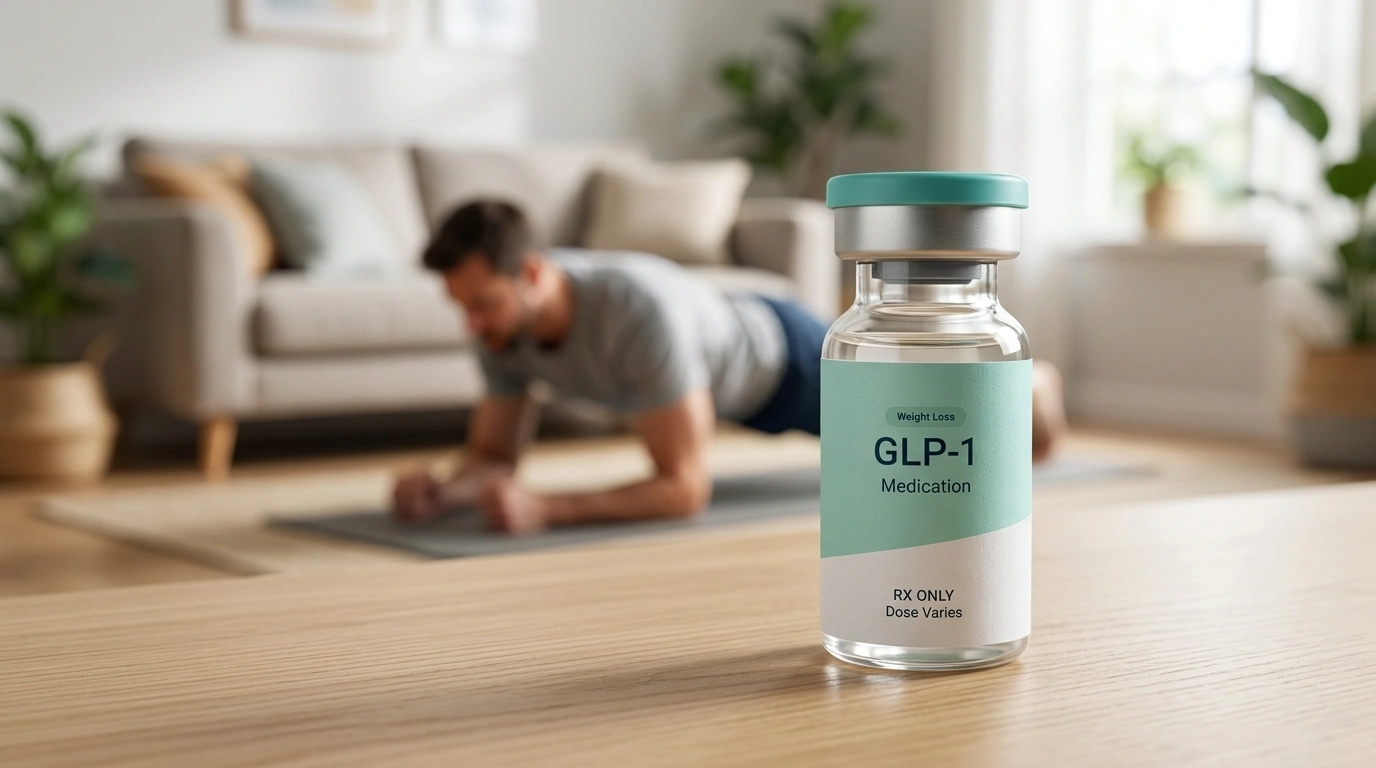
Starting a medical weight loss journey is a significant milestone, but for many, it comes with a literal “burn.” You might find yourself finally making progress toward your health goals, only to be sidelined by a stubborn, acidic sensation in your chest after meals. Heartburn and indigestion are among the most frequently reported experiences for individuals starting a GLP-1 (glucagon-like peptide-1) medication.
At TrimRx, we believe that managing your weight should not come at the expense of your daily comfort. We are here to help you understand how your body reacts to treatment and how to manage these common side effects safely. This article explores whether you can combine antacids with your program, how these medications interact, and the lifestyle shifts that can help keep your digestive system calm. Navigating these changes is much easier when you have the right information to support your sustainable health journey.
Quick Answer: Yes, you can generally take over-the-counter antacids with Wegovy®. Because Wegovy® is an injectable medication, antacids do not typically interfere with its systemic absorption, though they may change how your body processes other oral medications you take. If you are considering a GLP-1 program, you can complete a free eligibility assessment.
Why Wegovy® Causes Heartburn and Indigestion
To manage discomfort effectively, it helps to understand the biology behind the “burn.” Wegovy® is a branded version of semaglutide, which belongs to a class of medications called GLP-1 receptor agonists. These treatments work by mimicking a natural hormone in your body that regulates appetite and blood sugar. While they are highly effective for weight management, they change how your digestive system functions.
One of the primary ways these medications work is by slowing down “gastric emptying.” This is a clinical term for the speed at which food leaves your stomach and enters your small intestine. When you eat while on a GLP-1 medication, food stays in your stomach significantly longer than it used to. This is a benefit for weight loss because it helps you feel full for hours after a small meal. However, the downside is that having food sit in the stomach for an extended period can lead to increased acid production and upward pressure. For more context, read this guide to why Wegovy® may cause acid reflux.
When food stays in the stomach too long, your body may continue to produce acid to break it down. If the stomach is overly full or the digestive process is sluggish, that acid can move backward into the esophagus. This creates the classic burning sensation known as heartburn. Many patients report that these symptoms are most noticeable in the first few weeks of treatment or immediately after a dose increase as the body adjusts to the medication.
Are There Direct Interactions Between Antacids and Wegovy®?
The good news for most individuals is that there is no known direct drug-to-drug interaction between common over-the-counter (OTC) antacids and Wegovy®. This safety profile is largely due to how the medications are administered and where they work in the body.
Wegovy® is a subcutaneous injection, meaning it is delivered into the fatty tissue under the skin. From there, it enters your bloodstream directly and bypasses the digestive tract entirely. Antacids, on the other hand, work “topically” within the stomach. They are designed to neutralize the acid already present in your gut or to create a protective physical barrier.
Since the two treatments do not “meet” in the digestive system, the antacid cannot stop the injectable medication from being absorbed or working as intended. This is a distinct advantage over some oral medications, which often have strict rules about antacid use because changes in stomach pH (acidity) can stop a pill from dissolving correctly.
Key Takeaway: Because Wegovy® is injected and enters the bloodstream directly, taking a local antacid in the stomach does not reduce the effectiveness of your weight loss treatment.
Understanding Different Types of Relief Medications
If you are reaching for the medicine cabinet, you will likely encounter three main categories of relief. It is important to know which one you are using, as they work on different timelines and have different roles in your program.
Traditional Antacids
These include products like Tums (calcium carbonate), Rolaids, and Mylanta. They are designed for “rescue” relief. They work almost instantly by neutralizing the acid that is already in your stomach. While they provide quick comfort, the effects usually only last for an hour or two. These are generally safe to use as needed for occasional Wegovy®-related heartburn.
H2 Blockers
Commonly known by names like Pepcid® (famotidine), these medications reduce the production of acid. They take a bit longer to start working than a chewable antacid—usually about 30 to 60 minutes—but the relief can last for 8 to 12 hours. Many people find that taking an H2 blocker before their largest meal helps prevent the reflux that the medication might otherwise trigger.
Proton Pump Inhibitors (PPIs)
These include medications like Prilosec® (omeprazole) or Nexium®. These are generally intended for more chronic, frequent heartburn occurring two or more days a week. They work by shutting down the “pumps” in your stomach that release acid. They are not intended for immediate relief and can take several days of consistent use to reach full effect.
| Medication Type | Common Examples | How it Works | Speed of Relief |
|---|---|---|---|
| Traditional Antacid | Calcium Carbonate, Magnesium | Neutralizes existing acid | Immediate (minutes) |
| Alginates | Gaviscon | Creates a physical “raft” barrier | Fast (minutes) |
| H2 Blockers | Famotidine (Pepcid®) | Reduces acid production | 30–60 Minutes |
| PPIs | Omeprazole (Prilosec®) | Stops acid pumps | 1–3 Days |
Timing and Best Practices for Combined Use
While antacids are safe to use, the slowed digestion caused by GLP-1 medications means the timing of your oral pills matters more than it used to. Because Wegovy® slows the movement of everything in your stomach, an antacid pill or liquid might take slightly longer to reach the areas where it is needed.
For Injectable Medications: Since the injection works systemically and the antacid works locally, there is no strict timing requirement. You can take an antacid whenever you feel symptoms start. However, if you find that your symptoms are worst on your “injection day,” you might choose to take a preventative H2 blocker that morning to stay ahead of the discomfort.
For Other Oral Medications: This is where you must be more cautious. While antacids do not interfere with Wegovy®, they can interfere with other oral medications you might be taking for unrelated conditions. Common interactions include:
- Antibiotics: Some can bind to the minerals in antacids, preventing your body from absorbing the medicine.
- Thyroid Medication: Calcium-based antacids can significantly hinder the absorption of levothyroxine.
- Iron Supplements: These require an acidic environment to be absorbed properly; antacids can make them less effective.
Note: If you take other oral maintenance medications, separate them from your antacid dose by at least two hours to ensure proper absorption, especially since your digestion is already slowed by your weight loss treatment.
Lifestyle Strategies to Manage Reflux
The best way to handle side effects is to prevent them from happening in the first place. At TrimRx, we focus on sustainable lifestyle changes that support your body’s natural processes. By adjusting your habits, you may find that you need to reach for antacids much less frequently. You can also review practical ways to manage heartburn on a GLP-1 medication.
Portion Control and Meal Frequency Because your stomach empties more slowly, the “old” way of eating three large meals may no longer work for you. An overfilled stomach puts physical pressure on the valve leading to the esophagus. Try transitioning to five or six very small “mini-meals” throughout the day. This prevents the stomach from becoming overly distended, which is a major trigger for reflux.
Mindful Eating Habits
- Identify Triggers: Keep a log of what you ate before the heartburn started. High-fat, fried, or very spicy foods are the most common culprits because they take the longest to digest.
- Hydrate Between Meals: Drinking large amounts of water while eating can fill the stomach up too quickly. Try to hydrate mostly between meals instead.
- Limit “Valve Relaxers”: Caffeine, alcohol, chocolate, and peppermint can all relax the esophageal sphincter, making it easier for acid to climb up.
The Role of Gravity Gravity is a powerful tool when managing reflux. Never lie down immediately after eating. Try to remain upright for at least two to three hours after your last meal of the day. If you struggle with nighttime symptoms, consider using a wedge pillow to keep your head and chest elevated 6 to 8 inches. Research also suggests that sleeping on your left side can reduce reflux episodes due to the natural curvature of the stomach.
Bottom line: While antacids are a safe tool to use alongside your weekly injection, they work most effectively when combined with smaller meals, proper hydration, and staying upright after eating.
Step-by-Step: Managing a Reflux Flare-Up
If you are currently experiencing a wave of heartburn while on your program, follow these steps to manage the discomfort safely:
- Step 1: Identify the immediate trigger. Review your last meal. If it was high in fat or very large, you now know that a smaller portion or leaner protein is needed for your next meal.
- Step 2: Utilize posture and movement. Before reaching for a pill, try sitting completely upright or taking a very gentle walk. This helps stimulate digestion and uses gravity to keep acid down.
- Step 3: Use a fast-acting antacid for acute pain. If the burning is persistent, a chewable calcium carbonate tablet is usually the first line of defense. It works quickly and has a high safety profile for occasional use.
- Step 4: Switch to preventative care if needed. If you notice heartburn always happens after your evening meal, talk to a provider about taking an H2 blocker 30 to 60 minutes before you eat that meal.
- Step 5: Review your dosage schedule. Side effects are often most intense in the 24 to 48 hours following your weekly injection. Plan to eat “bland” or lighter meals during those specific days.
When to Contact Your Healthcare Provider
While mild indigestion is common, you should never ignore severe symptoms. Heartburn can sometimes mimic or mask more serious issues. You should reach out to a licensed healthcare professional immediately if you experience:
- Severe abdominal pain that does not go away or radiates to your back.
- Persistent vomiting or the inability to keep liquids down for more than 12 hours.
- Difficulty swallowing or a sensation that food is stuck in your throat (dysphagia).
- Dark, tarry stools or any sign of blood in your vomit.
- Chest pain that feels heavy, tight, or different from your usual reflux.
Important: If you find yourself needing an antacid every single day for more than two weeks, you should consult a licensed healthcare provider. Chronic reflux may require a different management strategy or a dose adjustment in your weight loss program. For additional guidance, read about reflux that begins after a GLP-1 dose increase.
The TrimRx Approach to Personalized Support
We understand that a weight loss journey is rarely a straight line. Every individual reacts differently to GLP-1 medications, and managing side effects is a core part of long-term success. Our platform is designed to provide a telehealth-first experience where your health profile is the priority.
Our mission at TrimRx is to merge clinical expertise with total transparency to help you achieve sustainable results. We connect you with licensed providers who can adjust your titration schedule—the process of slowly increasing your dose—to give your digestive system more time to adapt. Whether you are using Compounded Semaglutide or another treatment, having a team to monitor your progress ensures you never have to navigate the “burn” alone.
Through our platform, you can access personalized programs that include doctor consultations and medications shipped from FDA-registered, inspected compounding pharmacies. We prioritize your comfort and safety, providing a streamlined process from your initial assessment to your ongoing care.
Conclusion
Navigating the side effects of Wegovy® can be frustrating, but it does not have to stall your progress. Taking antacids for occasional heartburn is a safe and effective way to remain comfortable while your body adjusts to its new metabolic pace. By combining smart timing, lifestyle adjustments, and the right over-the-counter support, you can manage the “burn” and stay focused on your long-term goals.
- Antacids are safe with injectable GLP-1s because they work in different parts of the body.
- Smaller, frequent meals reduce the pressure that causes acid reflux.
- Staying upright after eating is one of the most effective natural ways to prevent symptoms.
- Always consult a provider for persistent symptoms or “red flag” signs like trouble swallowing.
Key Takeaway: Managing reflux is about balance—using the right tools at the right time to keep your body feeling its best during your transformation.
If you are ready to start a weight loss program that offers medical supervision and personalized care every step of the way, the first step is simple. Take the free assessment quiz to see which treatment options are right for your health profile and goals.
FAQ
Does Wegovy® make antacids less effective?
No, the medication does not make antacids less effective. Antacids work locally in the stomach to neutralize acid, while the injectable medication works systemically after being absorbed through the skin. They do not interfere with each other’s primary mechanisms of action.
Is it better to take Pepcid or Tums with Wegovy®?
It depends on the timing of your symptoms. Tums (a traditional antacid) is best for immediate, short-term relief of active heartburn. Pepcid (an H2 blocker) is better for preventing heartburn before it starts or managing symptoms that last for several hours. For a broader look at digestive reactions, see this overview of common GLP-1 side effects.
Can I take Omeprazole (Prilosec®) while on semaglutide?
Generally, yes, it is considered safe to take proton pump inhibitors (PPIs) like omeprazole alongside semaglutide. Many providers recommend a short course of a PPI for patients who experience a flare-up of reflux during the dose-increase phase to protect the esophageal lining.
Does the injection site affect how much heartburn I get?
There is no clinical evidence suggesting that the injection site (stomach, thigh, or arm) changes the severity of acid reflux. Since the medication works through the bloodstream to affect GLP-1 receptors throughout the body, the digestive effects will remain the same regardless of the location of the shot. If you are deciding whether to begin treatment, you can start the assessment process and provide your health information for review.
TrimRX does not practice medicine or prescribe medications. Compounded medications are not FDA-approved and are not evaluated by the FDA for safety or efficacy. Results vary by individual and are not guaranteed.
Disclaimer: This content is for informational purposes only and does not constitute medical advice. It is not intended to diagnose, treat, cure, or prevent any disease or condition. Individual results may vary. Always consult a qualified healthcare professional before starting any weight loss program or medication.

Transforming Lives, One Step at a Time
Keep reading
Can You Eat Meatloaf on Wegovy?
Meatloaf is classic home cooking: ground meat mixed with breadcrumbs, egg, and seasoning, baked with a sweet tomato glaze, and served with mashed potatoes…

Can You Eat Cheesecake on Wegovy?
Cheesecake is a celebration dessert for many people: birthdays, anniversaries, holidays, or a special dinner out. It is also one of the richest desserts…

Can You Eat Lentils on Wegovy?
Lentils are one of the most affordable, nutritious foods around. They are rich in plant protein, fiber, iron, and folate, cook quickly without soaking,…


