Navigating Your Journey: How Often Should You Increase Your Mounjaro Dose?
Introduction
Embarking on a weight loss journey can feel like navigating a complex maze, with countless paths and questions at every turn. Many individuals find themselves seeking clarity on how best to approach their health goals, particularly when advanced medical solutions like Mounjaro® enter the picture. The promise of innovative treatments brings both hope and a natural desire for understanding, especially concerning the intricacies of medication dosage and its progression. It’s a journey that demands not just dedication but also precise knowledge and personalized guidance.
The landscape of weight management has evolved significantly, moving beyond one-size-fits-all approaches to embrace individualized, medically supervised care. Within this evolving field, medications such as Mounjaro® (tirzepatide) have emerged as powerful tools, offering new avenues for individuals striving to achieve sustainable weight loss and better health outcomes. Yet, the question of how often should you increase your Mounjaro dose is a critical one, central to both efficacy and patient comfort.
This comprehensive guide aims to demystify the Mounjaro dosing schedule, providing a deep dive into the typical progression, the scientific rationale behind it, and the crucial role of medical supervision in tailoring treatment to your unique needs. We will explore why gradual dose escalation is not merely a recommendation but a foundational principle for safety and effectiveness, addressing potential side effects and optimizing therapeutic benefits. Our discussion will also touch upon the practical aspects of administration, what to expect as your body adapts, and how a personalized approach can truly make a difference. At TrimRx, our journey began with a shared vision to help individuals embrace healthier lifestyles by merging cutting-edge telehealth innovations with effective weight loss solutions. Our platform is a user-friendly and supportive space where individuals receive personalized, medically supervised care—all designed to make sustainable weight loss attainable and tailored to the individual. We believe that sustainable weight loss should be achieved through science, empathy, and a transparent approach. By the end of this post, you will have a clearer understanding of Mounjaro’s dosing strategy and how it integrates into a holistic weight management plan, empowering you to make informed decisions in partnership with your healthcare provider.
The Foundation of Mounjaro Dosing: A Gradual Ascent
When considering a medication like Mounjaro, understanding its prescribed dosing schedule is paramount. The journey with Mounjaro typically begins with a carefully calculated low dose, designed to introduce the medication to your system gently. This initial phase is crucial for your body to acclimate, minimizing the likelihood of discomfort as you progress toward higher, more therapeutically effective doses.
Starting Your Mounjaro Journey: The Initial Dose
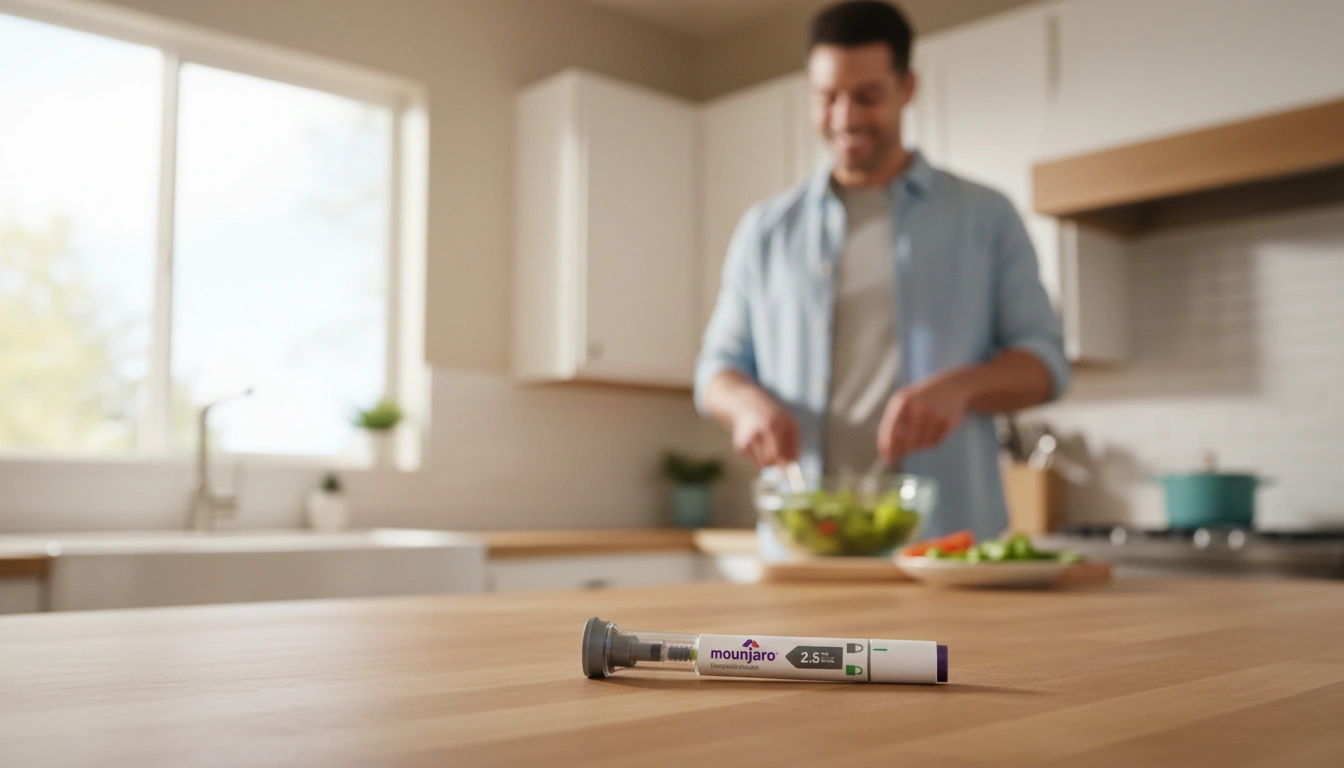
For most individuals, the starting dose of Mounjaro is 2.5 milligrams (mg) once a week. This foundational dose is maintained for the first four weeks of treatment. It’s important to recognize that this initial dosage is primarily for acclimation rather than immediate blood sugar management or significant weight loss. Its purpose is to prepare your body for the therapeutic effects that will become more pronounced with subsequent dose increases.
Typical Dose Escalation Schedule
Following the initial four-week period at 2.5 mg, your healthcare provider will typically evaluate your response and, if appropriate, increase your Mounjaro dose. The standard practice involves increasing the dose by 2.5 mg every four weeks. This structured, incremental approach allows for continuous monitoring of your body’s reaction to the medication, helping to balance efficacy with managing potential side effects.
Here’s a general overview of a typical dose progression:
- Weeks 1-4: 2.5 mg once weekly
- Weeks 5-8: 5 mg once weekly
- Weeks 9-12: 7.5 mg once weekly
- Weeks 13-16: 10 mg once weekly
- Weeks 17-20: 12.5 mg once weekly
- Weeks 21-24 and beyond: 15 mg once weekly (the maximum recommended dose)
It’s crucial to understand that this schedule is a general guideline. Your individual treatment plan, including how often should you increase your Mounjaro dose, will be determined by your healthcare provider, taking into account your specific medical history, current health status, and response to the medication. We at TrimRx emphasize the importance of this personalized approach, understanding that every individual’s journey is unique. To see if a personalized prescription plan with medications like Mounjaro might be right for you, we encourage you to take our free assessment quiz.
Reaching Your Maintenance Dose
The goal of this gradual escalation is to find the lowest effective maintenance dose that helps you achieve your health objectives, whether that’s managing blood sugar or supporting weight loss. Not everyone will need to reach the maximum dose of 15 mg. Some individuals may find significant benefit at 5 mg, 10 mg, or other intermediate doses. Your maintenance dose is the ongoing dosage that provides optimal therapeutic effects with tolerable side effects. Your healthcare provider will monitor key indicators, such as A1C levels and fasting glucose for those with type 2 diabetes, or overall weight loss progress, to determine if the current dose is working effectively.
The Rationale Behind Gradual Dose Increases: Safety and Efficacy
The deliberate, step-by-step increase in Mounjaro dosage is a cornerstone of safe and effective treatment. This methodical approach isn’t arbitrary; it’s rooted in a deep understanding of how the body interacts with tirzepatide, the active ingredient in Mounjaro.
Minimizing Gastrointestinal Side Effects
One of the primary reasons for gradual dose escalation is to mitigate gastrointestinal (GI) side effects. As a GLP-1 and GIP receptor agonist, Mounjaro influences digestive processes, which can sometimes lead to side effects such as nausea, vomiting, diarrhea, and constipation. By starting with a low dose and increasing it slowly, your body has time to adapt to the medication. This acclimatization period helps to reduce the intensity and frequency of these side effects, making the treatment more tolerable and sustainable in the long run. Many individuals find that while GI symptoms might temporarily increase with each dose escalation, they tend to subside as their body adjusts.
Optimizing Therapeutic Outcomes
Beyond managing side effects, gradual dose increases are essential for optimizing the therapeutic benefits of Mounjaro. The initial 2.5 mg dose primarily serves as a lead-in, allowing your system to get used to the drug. As the dose increases, so does the concentration of tirzepatide in your body, enhancing its effects on blood sugar regulation and appetite suppression.
For individuals managing type 2 diabetes, higher doses may be necessary to achieve target A1C and fasting glucose levels. For those utilizing Mounjaro off-label for weight management—or considering Zepbound®, which contains the same active ingredient and is FDA-approved for weight loss—the dose escalation helps to progressively decrease appetite, enhance satiety, and support meaningful weight loss. Clinical studies have demonstrated that higher doses of tirzepatide often lead to more significant weight reduction, though individual responses can vary. It’s a delicate balance: finding the dose that maximizes benefits while keeping side effects manageable. This careful titration ensures that you receive the most effective treatment for your specific health goals.
Ensuring Body Adaptation and Long-Term Adherence
Starting Mounjaro at a higher dose or skipping steps in the dosing schedule can overwhelm the body, leading to severe GI side effects and increasing the risk of discontinuing treatment prematurely. We believe that sustainable weight loss should be achieved through science, empathy, and a transparent approach. This includes ensuring patients can comfortably adhere to their treatment plan over time. The gradual increase fosters better adaptation, which in turn supports long-term adherence to the medication. This patient-centric approach is fundamental to the comprehensive care we champion at TrimRx.
The Individualized Nature of Mounjaro Dosing
While there’s a typical schedule for how often should you increase your Mounjaro dose, it’s crucial to understand that treatment is inherently personalized. Your journey with Mounjaro is unique, and your healthcare provider will tailor the dosing strategy to your specific needs and responses.
Factors Influencing Dose Adjustments
Several factors play a significant role in determining when and if your Mounjaro dose should be increased:
- Treatment Goals: Whether you are primarily aiming for blood sugar control, weight loss, or both, your specific goals will guide dose adjustments. For instance, if blood sugar levels are well-managed at a lower dose, further increases might not be necessary.
- Response to Treatment: Your body’s individual response to Mounjaro is the most critical factor. This includes how well your blood sugar is controlled (if applicable) and the extent of your weight loss progress.
- Side Effect Profile: The presence and severity of side effects are paramount. If you experience persistent or intolerable side effects at a particular dose, your doctor may recommend staying at your current dose for a longer period, slowing the escalation, or even temporarily lowering the dose. Our brand is empathetic and supportive, offering compassionate care that respects every individual’s unique journey.
- Concomitant Medications: If you are taking other medications, particularly those for diabetes, your doctor will consider potential interactions and adjust your Mounjaro dose accordingly to prevent issues like hypoglycemia (low blood sugar). For example, if insulin is part of your treatment plan, your doctor may carefully decrease its dosage when you start Mounjaro.
- Medical History and Comorbidities: Your overall health, including any pre-existing conditions, will be taken into account when planning your dosing schedule.
The Role of Your Healthcare Provider in Dose Management
Your healthcare provider is your essential partner in this journey. They are responsible for:
- Assessing Eligibility: Before starting Mounjaro, a thorough medical assessment is conducted to ensure it’s a suitable and safe option for you.
- Prescribing the Initial Dose: Starting you on the appropriate low dose.
- Monitoring Progress: Regularly evaluating your response to the medication through follow-up appointments, lab tests (like A1C), and discussions about your experience.
- Guiding Dose Escalation: Advising you on when and by how much to increase your Mounjaro dose, always adhering to the recommended 4-week increment rule, unless specific circumstances warrant a different approach.
- Managing Side Effects: Providing strategies and recommendations for managing any side effects you might experience.
- Determining Maintenance Dose: Working with you to find the ideal long-term dose that provides sustained benefits.
At TrimRx, we combine advanced medical science with modern technology to facilitate this medically supervised care. Our comprehensive service includes doctor consultations and unlimited support, ensuring you have the guidance you need throughout your treatment. We partner with FDA-registered and inspected pharmacies for the shipping of weight loss medications, underscoring our commitment to safety.
Adjusting Your Dose: When to Consult Your Doctor
It’s imperative that you never adjust your Mounjaro dose without explicit instruction from your healthcare provider. Self-adjusting can lead to ineffective treatment, increased side effects, or other health complications.
- Experiencing Severe Side Effects: If side effects are significantly impacting your daily life or are intolerable, contact your doctor immediately. They may suggest remaining at a lower dose, either temporarily or long-term, or exploring other management strategies.
- Reaching Weight Loss Goals: If you’ve achieved your desired weight loss but wish to continue with Mounjaro for weight maintenance, your doctor might consider a lower maintenance dose to prevent further unintentional weight loss.
- Considering Discontinuation: If you wish to stop treatment, your doctor will advise on the safest way to do so, which may or may not involve gradually decreasing your dose.
Our commitment to transparent service means our approach remains consistent regardless of dosage changes. We are here to support you at every step.
Practical Considerations for Mounjaro Administration
Beyond understanding how often should you increase your Mounjaro dose, there are practical aspects of administering Mounjaro that contribute to the overall success and safety of your treatment.
Administration Frequency and Timing
Mounjaro is administered once weekly via a subcutaneous injection. It is crucial to choose a specific day and time each week that you can consistently adhere to. This consistency helps maintain a steady level of the medication in your body, maximizing its effectiveness and potentially reducing side effects.
- Choosing Your Day: Select a day that fits seamlessly into your routine. Setting weekly reminders on your phone or integrating the injection into an existing routine can be helpful.
- Choosing Your Time: There is no “best” time of day to inject Mounjaro. It can be taken with or without food, in the morning or evening. The most important factor is choosing a time you can consistently remember.
- Changing Your Schedule: If you need to change your injection day, ensure there is a minimum of 3 days (72 hours) between doses. For example, if you typically inject on Monday but wish to switch to Friday, you can do so, provided at least 3 days have passed since your last Monday injection.
Injection Sites and Technique
Mounjaro comes in a pre-filled, single-dose injection pen. You can inject the solution under the skin of your abdomen or the front of your thigh. With assistance, a caregiver can also administer the injection in the back of your upper arm.
- Rotate Injection Sites: To prevent soreness, irritation, or lipodystrophy (changes in fat tissue), it’s important to rotate your injection site each week. Avoid injecting into skin that is broken, discolored, or hardened.
- Proper Technique: Your healthcare provider or pharmacist will demonstrate the correct injection technique. Always refer to the detailed instructions provided with your medication. After each use, the pen should be disposed of in a sharps disposal container.
Storing Your Mounjaro Pens
Proper storage is essential to maintain the efficacy of your Mounjaro pens:
- Refrigerated Storage: Store your Mounjaro pens in the refrigerator at temperatures between 2°C and 8°C (36°F and 46°F). Do not freeze the pens. If the medicine freezes, do not use it, even if it thaws.
- Unrefrigerated Storage: If necessary, you can store your pen unrefrigerated (not above 30°C or 86°F and away from direct sunlight) for up to 30 days. After this 30-day period, the pen must be discarded, even if it has not been used.
- Traveling: When traveling, keep your pen in its original carton to protect it from light and maintain its temperature. A cool bag or cooling medication device can be used to keep it refrigerated if needed. Always carry your medication in your hand luggage to avoid extreme temperatures in checked baggage and to have your prescription handy if required by customs.
What to Do About a Missed Dose
Missing a dose can happen, and it’s important to know how to proceed:
- If 4 Days (96 hours) or Less Have Passed: Inject the missed dose as soon as you remember. Then, resume your regular weekly dosing schedule.
- If More Than 4 Days (96 hours) Have Passed: Skip the missed dose entirely. Take your next dose on your regularly scheduled day and time.
- Never Double Dose: Do not inject a double dose to compensate for a missed one, as this can increase the risk of side effects without enhancing effectiveness. Ensure there are at least 3 days between any two Mounjaro doses.
Our comprehensive service includes unlimited support, meaning you can always reach out to us with questions about medication administration, missed doses, or any other concerns about your treatment plan.
Beyond Medication: A Holistic Approach to Weight Loss
While understanding how often should you increase your Mounjaro dose is a critical component of your treatment, it’s essential to remember that Mounjaro is most effective when integrated into a broader, holistic weight management strategy. Medications like Mounjaro, or other options such as Compounded Semaglutide, Oral Semaglutide, Ozempic®, Compounded Tirzepatide, Oral Tirzepatide, Zepbound®, and Wegovy®, are powerful tools designed to support your efforts, not replace fundamental lifestyle changes.
The Synergy of Medication, Diet, and Exercise
Sustainable weight loss and improved health outcomes are typically achieved through a synergistic approach that combines prescription medication with meaningful adjustments to diet and physical activity.
- Balanced Nutrition: Focusing on a nutrient-dense diet rich in lean proteins, fiber-filled vegetables, and whole grains can enhance Mounjaro’s effects on satiety and appetite control. Reducing processed foods, sugary drinks, and unhealthy fats is crucial for overall health and weight management.
- Regular Physical Activity: Incorporating regular exercise, including both cardiovascular activity and strength training, helps to boost metabolism, improve body composition, and enhance overall well-being. Even moderate activity can have a profound impact.
- Behavioral Support: Addressing behavioral patterns related to eating, stress management, and sleep can further support your weight loss journey. This might involve working with a dietitian, therapist, or engaging with supportive resources.
At TrimRx, we believe in supporting every aspect of your journey. Our medically supervised programs are designed to provide you with the resources and guidance to integrate these lifestyle changes effectively. Our brand is results-oriented, focusing on safe, effective weight loss through individualized care.
Enhancing Your Journey with Quick-Access Supplements
To further support your wellness and weight loss efforts, we offer quick-access supplements that do not require a personalized assessment quiz. These supplements are designed to complement your overall health strategy:
- GLP-1 Daily Support: This supplement is formulated to provide additional support for your metabolic health and digestive system, which can be beneficial alongside GLP-1 medications or as a standalone support for overall wellness.
- Weight Loss Boost: Designed to provide an extra edge in your weight management efforts, this supplement supports energy levels and metabolic function, aiding your body’s natural processes.
These supplements are readily available to provide immediate support as you navigate your path to a healthier lifestyle.
The TrimRx Difference: Personalized, Medically Supervised Care
Our commitment at TrimRx is to provide a user-friendly and supportive space where individuals receive personalized, medically supervised care. This means:
- Expert Guidance: Our comprehensive service includes doctor consultations to ensure your treatment plan, including the careful titration of your Mounjaro dose, is perfectly aligned with your health needs and goals.
- Safe and Compliant Products: We partner exclusively with FDA-registered and inspected pharmacies for the shipping of all prescription weight loss medications, including branded Mounjaro®. While compounded medications like Compounded Semaglutide and Compounded Tirzepatide are not FDA-approved, they are sourced from these highly regulated pharmacies, ensuring quality and safety.
- Unlimited Support: From questions about how often should you increase your Mounjaro dose to managing side effects or general wellness advice, our team is here to provide ongoing support without hidden fees.
- Tailored Treatment Plans: We understand that weight loss is not a linear process. Our personalized programs are designed to adapt as your needs evolve, ensuring your plan remains effective and supportive. Your journey to embracing a healthier lifestyle is our priority.
By integrating innovative telehealth solutions with empathetic, trustworthy care, TrimRx empowers you to achieve sustainable weight loss safely and effectively.
Conclusion
The journey with Mounjaro, like any significant health endeavor, is best navigated with clear understanding, consistent support, and expert guidance. The question of how often should you increase your Mounjaro dose is central to this journey, underscoring the importance of a meticulously planned and medically supervised dosing schedule. We’ve explored how starting with a low dose and gradually increasing it every four weeks by 2.5 mg increments, up to a maximum of 15 mg, is a strategic approach designed to optimize both safety and efficacy. This method allows your body to adapt, minimizes potential gastrointestinal side effects, and ensures you reach the most effective maintenance dose for your specific health goals.
Your unique response to Mounjaro, your overall health, and your treatment objectives are all critical factors that your healthcare provider will consider when tailoring your dosing schedule. It is this personalized care, coupled with consistent medical supervision, that truly underpins a successful and sustainable weight loss journey. Remember, never adjust your medication dosage without consulting your doctor, as their expertise is invaluable in managing your treatment effectively.
At TrimRx, our entire platform is built upon the values of empathy, innovation, and trust, providing a supportive environment where cutting-edge medical science meets modern technology. We are dedicated to offering compassionate, results-oriented care through personalized, medically supervised weight loss programs. Our comprehensive service, which includes doctor consultations, medication sourced from FDA-registered and inspected pharmacies, lab work, unlimited support, and transparent shipping, ensures you have all the tools and guidance needed to succeed.
Whether you’re exploring the potential of prescription medications like Mounjaro, Ozempic®, Zepbound®, or others, or seeking additional support through our quick-access supplements like GLP-1 Daily Support and Weight Loss Boost, we are here to empower you. Take the first step towards a healthier, more vibrant future by determining your eligibility for our personalized prescription programs through our free assessment quiz. Together, we can unlock your potential for lasting well-being.
FAQ
Q1: Can I start Mounjaro at a higher dose than 2.5 mg?
No, Mounjaro treatment should always begin with the lowest dose of 2.5 mg once weekly for the first four weeks. This initial phase is crucial for your body to gradually adapt to the medication and helps to minimize potential gastrointestinal side effects. Starting at a higher dose or skipping steps in the dosing schedule can increase the risk of severe side effects and is not recommended. Your healthcare provider will guide your dose increases based on your individual response and tolerability.
Q2: How do I know if I need to increase my Mounjaro dose?
Your need for a Mounjaro dose increase will be determined by your healthcare provider. They will assess your progress based on your treatment goals, such as blood sugar control (measured by A1C and fasting glucose levels) or weight loss, and your experience with any side effects. Typically, if your current dose is well-tolerated but you are not yet achieving your desired therapeutic outcomes after four weeks, your doctor may recommend increasing the dose by 2.5 mg. It’s important to have regular consultations with your provider to discuss your progress and any concerns.
Q3: What should I do if I experience side effects when increasing my Mounjaro dose?
It’s common to experience some gastrointestinal side effects, such as nausea, diarrhea, or constipation, especially during dose increases. These side effects often lessen as your body adjusts to the new dose. However, if side effects are severe, persistent, or significantly impact your daily life, you should contact your healthcare provider immediately. They may suggest strategies to manage the side effects, advise staying at your current dose for a longer period, or in some cases, consider lowering the dose temporarily. Never attempt to adjust your dose on your own.
Q4: Can I stay on a lower Mounjaro dose if it’s working for me?
Yes, it is possible to remain on a lower maintenance dose of Mounjaro if you are achieving your treatment goals and tolerating the medication well, even if it’s below the maximum dose. Not everyone requires the highest dose to experience significant benefits. Your healthcare provider will work with you to determine the optimal maintenance dose that effectively supports your blood sugar management or weight loss while minimizing side effects. Regular evaluation will ensure your current dose remains safe and effective for your long-term health.

Transforming Lives, One Step at a Time
Keep reading

How to Choose Between Ozempic and Mounjaro
If you’ve spent any time researching GLP-1 medications for weight loss, you’ve probably landed on this question eventually. Ozempic and Mounjaro are the two…

Mounjaro Savings Card: Eli Lilly Programs Explained
Mounjaro carries a list price of over $1,000 per month without insurance. For people managing type 2 diabetes or pursuing weight loss with tirzepatide,…

Effective Strategies for Managing Your Journey: What Helps Nausea From Mounjaro and How to Stay on Track
Discover what helps nausea from Mounjaro with our expert guide. Explore dietary tips, hydration strategies, and natural remedies to manage side effects effectively.


