Navigating Your Journey: Should You Take Zepbound Forever?
Introduction
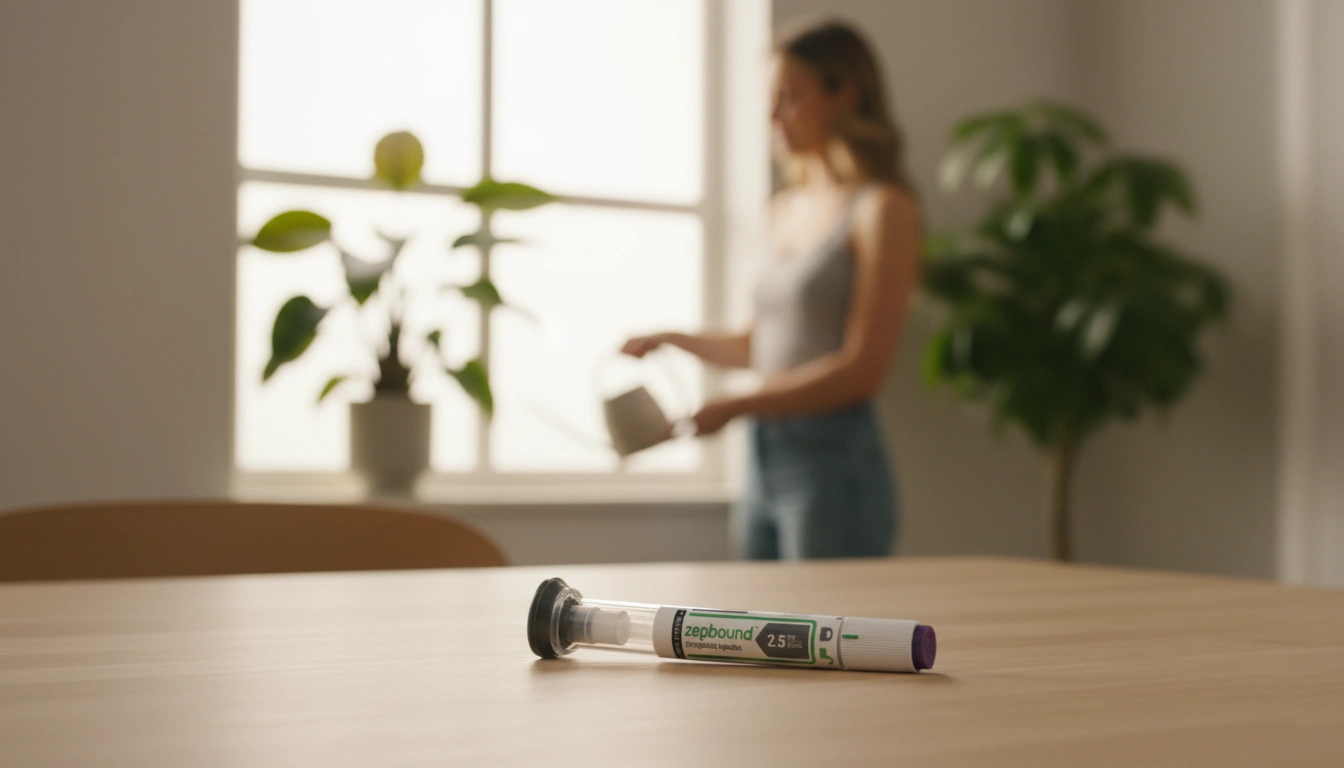
The conversation around weight management has evolved dramatically, moving beyond simplistic notions of willpower to a deeper understanding of the complex biological factors at play. For many, the persistent struggle with weight has been a source of frustration, often accompanied by a relentless internal dialogue about food – sometimes referred to as “food noise.” This constant mental engagement with eating decisions, cravings, and diet plans can be exhausting, overshadowing other aspects of life. In this evolving landscape, innovative medications like Zepbound have emerged as powerful tools, offering a new pathway to significant weight loss and improved health. However, their introduction has also raised profound questions, particularly regarding the duration of treatment.
The fundamental question, “do you take Zepbound forever,” echoes in the minds of many individuals considering or currently using these transformative medications. It’s a natural inquiry that stems from a desire for clarity and a deeper understanding of what a sustainable weight loss journey truly entails. The history of weight loss solutions is, unfortunately, littered with approaches that initially promised much but ultimately fell short in the long term, often due to a lack of understanding of the body’s intricate metabolic and hormonal responses.
Our purpose with this comprehensive blog post is to demystify the role of Zepbound and similar GLP-1 medications in long-term weight management. We aim to provide clear, evidence-based insights into the nature of obesity as a chronic disease, the mechanisms by which these medications work, and the implications of discontinuing treatment. We will explore the scientific perspectives on sustained use, the potential for weight regain, and the strategies that can support long-term success, whether on or off medication.
By the end of this article, you will gain a clearer understanding of Zepbound’s role in a holistic weight management strategy, empowering you to make informed decisions about your health journey. We will delve into the nuances of treatment duration, the importance of personalized care, and the support systems available to foster lasting health. Our commitment at TrimRx is to illuminate these pathways with transparency and empathy, guiding you through the complexities of modern weight loss science. Throughout this discussion, we will emphasize that sustainable weight loss should be achieved through science, empathy, and a transparent approach, aligning with our journey that began with a shared vision to help individuals embrace healthier lifestyles by merging cutting-edge telehealth innovations with effective weight loss solutions.
Understanding Zepbound and GLP-1 Medications
The landscape of weight loss science has seen a remarkable shift, fueled by a deeper understanding of the body’s intricate metabolic processes. At the forefront of this evolution are medications like Zepbound (tirzepatide), which represent a significant leap forward in addressing obesity, not just as a lifestyle issue, but as a complex biological disease.
The Science Behind the Shift: How Zepbound Works
Zepbound, a brand-name medication, is a dual GIP (glucose-dependent insulinotropic polypeptide) and GLP-1 (glucagon-like peptide-1) receptor agonist. To understand its profound impact, it’s essential to grasp how these natural gut hormones function. GLP-1, a hormone our bodies naturally produce, plays a crucial role in regulating appetite and metabolism. It works in several ways:
- Slowing Gastric Emptying: GLP-1 slows down how quickly food leaves the stomach, leading to a prolonged feeling of fullness and satisfaction (satiety) after meals. This can reduce overall food intake.
- Appetite Regulation: It acts on specific receptors in the brain to reduce hunger and decrease “food noise”—that constant, intrusive preoccupation with food that many individuals struggling with weight experience. This quietening of food thoughts can be profoundly liberating.
- Insulin Secretion: GLP-1 stimulates insulin release from the pancreas in response to high blood sugar, helping to lower blood glucose levels, particularly after eating.
Tirzepatide, the active ingredient in Zepbound, takes this a step further by mimicking not only GLP-1 but also GIP. GIP is another incretin hormone that complements GLP-1’s effects, enhancing insulin secretion and potentially contributing to greater weight loss outcomes compared to GLP-1 agonists alone. This dual action makes Zepbound particularly effective, helping individuals to lose significant amounts of body weight—with studies showing averages around 18% on tirzepatide.
The development of medications like Zepbound highlights a paradigm shift in obesity care. It moves away from the stigmatizing notion that weight loss is solely a matter of willpower and towards a recognition of the powerful biological underpinnings that influence hunger, satiety, and metabolism. For those considering this path, we invite you to take our free assessment quiz to see if you qualify for our personalized prescription weight loss medications, including options like Zepbound.
Obesity as a Chronic Condition: A New Perspective
For decades, obesity was often viewed simply as a consequence of poor lifestyle choices. However, a wealth of scientific research now firmly establishes obesity as a chronic, multifactorial disease, similar in nature to conditions like hypertension or type 2 diabetes. This understanding is critical because it reframes the approach to treatment, emphasizing long-term management rather than short-term fixes.
- Biological Predisposition: Our bodies are biologically wired to resist weight loss and regain lost weight. This is a survival mechanism, honed over millennia when food scarcity was common. Hormones like leptin (which suppresses hunger) and ghrelin (which stimulates hunger) play complex roles, often becoming dysregulated in individuals with obesity. When weight is lost, the body often increases ghrelin and decreases leptin, driving hunger and making weight maintenance challenging.
- Genetic and Environmental Factors: Genetics account for a significant portion of an individual’s susceptibility to obesity. Coupled with environmental factors—such as access to ultra-processed foods, sedentary lifestyles, and chronic stress—these elements create a powerful predisposition that willpower alone struggles to overcome.
- Health Implications: Obesity is linked to a host of serious health conditions, including cardiovascular disease, type 2 diabetes, certain cancers, sleep apnea, and joint problems. Effectively managing obesity is not just about aesthetics; it’s about improving overall health and extending lifespan.
Recognizing obesity as a chronic disease means accepting that, for many, ongoing treatment and support may be necessary. Just as someone with high blood pressure might take medication indefinitely to manage their condition, individuals with obesity may benefit from sustained pharmacotherapy to manage their weight and associated health risks. This perspective forms the foundation of our medically supervised approach at TrimRx, where we combine advanced medical science with modern technology to offer compassionate care that respects every individual’s unique journey.
The “Forever” Question: Is Zepbound a Lifelong Commitment?
The question of whether one should take Zepbound forever is at the heart of many individuals’ concerns. It speaks to the desire for a permanent solution and an understanding of the long-term implications of treatment. The scientific evidence, coupled with insights from leading experts, suggests a nuanced answer that often points towards ongoing management.
The Reality of Weight Regain After Stopping Zepbound
A significant body of research indicates that for many individuals, discontinuing GLP-1 medications like Zepbound can lead to substantial weight regain. A study sponsored by Eli Lilly, the manufacturer of Zepbound, followed participants who had achieved significant weight loss on tirzepatide for nine months. When half the group was switched to a placebo for an additional year, they regained, on average, 14% of the weight they had lost, while those who continued on Zepbound lost an additional 5.5% of their weight. This suggests that the weight-loss benefits are largely sustained only as long as the medication is continued.
Similarly, a 2022 study on semaglutide (the active ingredient in Ozempic® and Wegovy®) found that patients who stopped taking the drug regained two-thirds of the weight they lost after a year. While not every individual will regain all their weight, these studies underscore a common pattern. The “food noise” that had subsided often returns, and hunger levels can revert to their previous intensity, making it incredibly challenging to maintain reduced calorie intake without the pharmacological support.
This reality highlights that these medications address underlying biological drivers of obesity. When that support is removed, the body’s natural physiological mechanisms that promote weight regain often reactivate. Our platform at TrimRx is a user-friendly and supportive space where individuals receive personalized, medically supervised care, precisely designed to make sustainable weight loss attainable and tailored to the individual.
Why Does Weight Regain Occur? Decoding the Biology
Weight regain after stopping GLP-1 medications is not a sign of personal failure but rather a testament to the powerful biological forces that regulate body weight. Our bodies are incredibly adept at defending a set weight, often referred to as a “set point.” When weight is lost, the body interprets this as a threat to its energy reserves and initiates a series of compensatory mechanisms:
- Hormonal Shifts: Levels of appetite-stimulating hormones (like ghrelin) increase, while levels of appetite-suppressing hormones (like leptin and GLP-1 itself) decrease. This creates a strong biological drive to eat more.
- Metabolic Slowdown: The body’s resting metabolic rate can decrease, meaning fewer calories are burned at rest. This adaptation makes it easier to regain weight even with a seemingly moderate calorie intake.
- Increased Hunger and “Food Noise”: As noted by experts, the reduction in “food noise”—the constant preoccupation with food—is a significant benefit of these medications. When the drugs are stopped, this mental chatter often returns, making adherence to dietary changes much more difficult.
- Altered Satiety Signals: The feeling of fullness and satisfaction after eating, which is enhanced by GLP-1 medications, may diminish when treatment ceases, leading to larger portion sizes and more frequent eating.
These biological adaptations explain why maintaining weight loss after discontinuing medication can be so challenging. It’s not simply a matter of reverting to old habits; it’s the body’s deeply ingrained physiological response to perceived energy deprivation. We recognize these challenges at TrimRx and offer comprehensive services that include doctor consultations, medication, lab work, unlimited support, and shipping, all designed to support you through every phase of your weight loss journey with no hidden fees. If you’re wondering how these insights apply to your unique situation, we encourage you to take our free assessment quiz to explore personalized treatment options.
Parallels to Other Chronic Conditions
To truly understand the “forever” question regarding Zepbound, it’s helpful to draw parallels with other chronic medical conditions. Consider hypertension (high blood pressure) or type 2 diabetes. Patients with these conditions are often prescribed medications that they take indefinitely to manage their symptoms and prevent complications. If they stop their medication, their blood pressure or blood sugar levels are likely to rise again, not because they failed, but because the underlying biological condition persists and requires ongoing treatment.
Obesity, now recognized as a chronic disease, often functions similarly. The medications don’t “cure” the disease; rather, they help manage its symptoms and biological drivers. Therefore, for many individuals, sustained use of medications like Zepbound may be necessary to maintain the health benefits and weight loss achieved. This perspective helps to normalize the idea of long-term medication use for obesity, reframing it as a vital component of chronic disease management rather than a temporary fix.
Our commitment at TrimRx is to provide medically supervised care that aligns with this understanding of chronic disease management. We ensure our approach remains consistent, whether discussing initial treatment or long-term maintenance, and our focus on safety is paramount, working exclusively with FDA-registered and inspected pharmacies for the shipping of weight loss medications.
Navigating Your Journey: Considerations for Long-Term Zepbound Use
Deciding on the duration of Zepbound use is a deeply personal decision, influenced by individual health goals, physiological responses, and practical considerations. Understanding these factors is crucial for navigating a sustainable weight loss journey.
Side Effects and Tolerability: Listening to Your Body
While Zepbound can be highly effective, it’s not without potential side effects. Common gastrointestinal issues like nausea, vomiting, diarrhea, and constipation are frequently reported, especially during dose escalation. For most, these side effects are mild and temporary, resolving as the body adjusts to the medication. However, for some, they can be significant enough to impact quality of life or even lead to discontinuation. Rare but serious complications, such as stomach paralysis, pancreatitis, or bowel obstructions, have also been reported, underscoring the importance of careful medical supervision.
Our compassionate care at TrimRx respects every individual’s unique journey. We provide a comprehensive service that includes doctor consultations and unlimited support, ensuring that if you experience side effects, you have direct access to medical guidance. This careful titration and monitoring are essential to minimize discomfort and ensure the medication is tolerable for long-term use. We stress that our role is to partner with FDA-registered and inspected pharmacies for medication shipping, while dedicated healthcare providers offer continuous support and medical supervision throughout your journey.
For those seeking to support their overall wellness during their weight loss journey, even if they’re not on prescription medication, we offer quick-access supplements like GLP-1 Daily Support and Weight Loss Boost, available for immediate purchase.
Cost, Access, and the Role of Personalized Care
The financial aspect of long-term medication use is a significant consideration. Zepbound, like other branded GLP-1 medications such as Ozempic®, Mounjaro®, and Wegovy®, can be expensive. Insurance coverage varies widely, with many plans either having stringent requirements or outright excluding weight loss medications. This can create significant barriers to access for those who could benefit most.
The demand for these drugs has also led to supply shortages, further complicating access. In response, compounding pharmacies have played a role in providing generic versions when the branded drugs are on the FDA’s shortage list. At TrimRx, we understand these challenges. Our personalized weight loss program aims to make effective treatment accessible. We offer various prescription options, including compounded Semaglutide, Oral Semaglutide, and Compounded Tirzepatide, provided through FDA-registered and inspected pharmacies, alongside branded options like Ozempic®, Mounjaro®, Zepbound®, and Wegovy® when available and medically appropriate.
Our commitment to transparent service means that our approach remains consistent, regardless of dosage changes. We believe that access to personalized, medically supervised care should not be a luxury. To discover if our prescription weight loss solutions are right for you, we invite you to take our free assessment quiz.
Beyond the Scale: Broader Health Benefits
The benefits of Zepbound extend far beyond weight loss alone. Significant reductions in body weight, often 20% or more, lead to profound improvements in overall health. Studies have shown that these medications can lead to:
- Cardiovascular Health: Improved blood pressure, cholesterol levels, and a reduced risk of major cardiovascular events like heart attacks and strokes. The weight loss itself appears to drive many of these benefits.
- Metabolic Health: Better blood sugar control, often leading to remission of prediabetes and improvement in type 2 diabetes markers. Many patients can reduce or even eliminate other medications for diabetes and hypertension.
- Reduced Inflammation: Obesity is associated with chronic low-grade inflammation throughout the body. Weight loss with Zepbound can help to mitigate this, potentially impacting a range of inflammatory conditions.
- Other Potential Benefits: Early evidence suggests improvements in conditions like sleep apnea, joint pain, and even potential positive impacts on mental health by reducing “food noise” and improving self-esteem.
These “side benefits” are often the most compelling reason for long-term use. If continuing Zepbound can prevent the recurrence of these health issues and dramatically improve quality of life, then for many, it becomes a crucial component of their overall health management. The results-oriented aspect of our brand is rooted in these life-changing health improvements, demonstrating how personalized, medically supervised weight loss programs transform lives.
Strategies for Sustainable Weight Management
Whether an individual takes Zepbound indefinitely or eventually transitions off the medication, sustainable weight management requires a comprehensive and ongoing strategy. The goal is to cultivate a lifestyle that supports the body’s natural processes and helps counteract the biological drive for weight regain.
The Importance of a Comprehensive Lifestyle Plan
Medications like Zepbound are powerful tools, but they are most effective when integrated into a holistic lifestyle plan. This plan serves as the foundation for long-term success and is crucial for anyone considering modifying their treatment approach.
- Nutritional Strategy: Focus on a nutrient-dense, high-protein diet rich in fruits, vegetables, and fiber. Protein and fiber are known to enhance satiety, which can help to replace some of the fullness cues provided by GLP-1 medications. Avoiding ultra-processed foods, which are often high in calories, sugar, and unhealthy fats, is also key. The aim is not simply to “eat less,” but to “eat well” in a way that aligns with your body’s needs and promotes lasting fullness.
- Regular Physical Activity: Exercise is absolutely essential for weight maintenance. While GLP-1 drugs aid weight loss, physical activity contributes to preserving lean muscle mass during weight loss and boosts metabolism, making it easier to sustain a lower weight. Incorporating both resistance training (to build and maintain muscle) and cardiovascular exercise (for heart health and calorie expenditure) is highly recommended. Experts suggest aiming for significant, intense exercise at least six days a week for those seeking to keep weight off long-term after discontinuing medication.
- Mindset and Behavioral Support: Addressing the psychological and behavioral aspects of eating is paramount. This includes developing coping mechanisms for stress, identifying emotional triggers for eating, and cultivating a positive relationship with food and one’s body. The mental aspect, including resilience and how one handles challenges, is a significant, often underestimated, component of successful weight management.
Our innovative approach at TrimRx emphasizes this comprehensive strategy. We provide the tools and support to help you build these foundational habits, understanding that medication works best in conjunction with lifestyle changes. To explore how our personalized program can support your unique needs, we invite you to take our free assessment quiz.
Exercise, Nutrition, and Mindset: Your Pillars of Support
These three pillars—exercise, nutrition, and mindset—form the core of any successful weight management journey, whether you are on medication or working towards maintaining weight loss after stopping.
Cultivating an Active Lifestyle
Integrating regular physical activity isn’t just about burning calories; it’s about improving metabolic health, preserving muscle mass, enhancing mood, and increasing overall vitality. For individuals transitioning off GLP-1 medications, gradually increasing activity levels while still on the drugs can be a beneficial strategy to prepare the body for maintenance mode. This helps build a routine and physiological capacity that will be crucial later.
Strategic Nutritional Choices
The goal is to find a dietary pattern that promotes satiety and supports your metabolism. While specific “transition diets” are still being researched, focusing on whole, unprocessed foods, lean proteins, and ample fiber can help mitigate the return of hunger cues. This dietary discipline, coupled with portion awareness, becomes a primary strategy to manage calorie intake without the strong appetite suppression of medication.
Building Mental Resilience
The psychological shift from medication-assisted weight loss to self-sustained maintenance can be challenging. It requires developing new ways of thinking about food, hunger, and self-management. This includes:
- Challenging “Food Noise”: Learning techniques to manage intrusive food thoughts, such as mindful eating practices or distraction strategies.
- Stress Management: Identifying and addressing emotional eating triggers.
- Self-Compassion: Understanding that weight regain is a biological phenomenon, not a personal failure, and maintaining a positive outlook.
We offer quick-access supplements like GLP-1 Daily Support and Weight Loss Boost to support your body’s overall wellness as you cultivate these healthy habits.
The Role of Medical Supervision and Ongoing Support
Regardless of your long-term plan, continuous medical supervision is non-negotiable. A healthcare provider can help:
- Monitor Health Markers: Regularly assess blood pressure, cholesterol, blood sugar, and other health indicators to ensure ongoing well-being.
- Adjust Strategies: Provide guidance on dosage adjustments, particularly if a gradual tapering off medication is attempted. They can also help evaluate if adding other medications might be beneficial for long-term maintenance.
- Provide Accountability: Offer support and encouragement, helping to troubleshoot challenges and celebrate successes.
Our empathetic and supportive brand personality shines through in our commitment to providing unlimited support. We emphasize that TrimRx partners with FDA-registered and inspected pharmacies for the shipping of weight loss medications, and we do not provide actual medical supervision; however, our comprehensive service includes dedicated doctor consultations and ongoing support to ensure you are never alone on your journey. This continuous interaction helps individuals stay on track, adapt their strategies as needed, and maintain motivation.
TrimRx’s Approach to Personalized, Sustainable Weight Loss
At TrimRx, our understanding of obesity as a chronic, biologically driven disease deeply informs our approach to weight management. We recognize that there’s no single solution for everyone, and true success lies in personalized, medically supervised care designed for the long term.
Our Vision: Merging Innovation with Empathy
Our journey began with a shared vision: to help individuals embrace healthier lifestyles by merging cutting-edge telehealth innovations with effective weight loss solutions. We saw a need for a more accessible, supportive, and science-backed approach that respects the complexity of each person’s unique physiology and circumstances.
We believe that sustainable weight loss should be achieved through science, empathy, and a transparent approach. This means:
- Leveraging Advanced Medical Science: Utilizing the latest clinically proven medications like Semaglutide and Tirzepatide, delivered with precision and care.
- Empathetic Care: Understanding the struggles our members face, acknowledging the biological hurdles, and providing a non-judgmental, supportive environment. Our brand is empathetic and supportive, offering compassionate care that respects every individual’s unique journey.
- Transparent Processes: Ensuring clarity in every step of the program, from initial consultation to medication delivery and ongoing support. Our commitment to transparent service highlights that our approach remains consistent regardless of dosage changes.
Tailored Solutions for Every Individual
We understand that a personalized approach is key to long-term success. Our platform is a user-friendly and supportive space where individuals receive personalized, medically supervised care—all designed to make sustainable weight loss attainable and tailored to the individual.
Our product offerings are carefully curated to meet diverse needs:
Personalized Weight Loss Program (Requires Quiz)
For those seeking prescription medication, our free assessment quiz is the first step. It helps determine your eligibility and guides you toward a personalized treatment plan that may include:
- Compounded Semaglutide: A customized formulation of the active ingredient in Ozempic® and Wegovy®, provided through FDA-registered and inspected pharmacies.
- Oral Semaglutide: An oral form of Semaglutide, offering an alternative for those who prefer not to inject.
- Ozempic®: The branded, FDA-approved injectable semaglutide for type 2 diabetes, often prescribed off-label for weight loss under medical supervision.
- Compounded Tirzepatide: A customized formulation of the active ingredient in Mounjaro® and Zepbound®, provided through FDA-registered and inspected pharmacies.
- Oral Tirzepatide: An oral option for Tirzepatide, similar to its injectable counterpart.
- Mounjaro®: The branded, FDA-approved injectable tirzepatide for type 2 diabetes.
- Zepbound®: The branded, FDA-approved injectable tirzepatide specifically for chronic weight management.
- Wegovy®: The branded, FDA-approved injectable semaglutide specifically for chronic weight management.
We emphasize that these prescription medications are provided through FDA-registered, inspected, and approved pharmacies, ensuring the highest standards of safety and quality.
Quick-Access Supplements (No Quiz Required)
For immediate support to complement your weight loss journey and overall wellness, we offer:
- GLP-1 Daily Support: Designed to support natural GLP-1 pathways and digestive health.
- Weight Loss Boost: Formulated to aid metabolism and energy levels.
These supplements are readily available to enhance your health and well-being.
Safety, Transparency, and Comprehensive Care
Our unwavering commitment to safety and transparency defines every aspect of our service. We work exclusively with FDA-registered and inspected pharmacies, ensuring that all medications shipped are of the highest quality and meet rigorous standards. We do not provide actual medical supervision; instead, we partner with these pharmacies for the shipping of weight loss medications, and our comprehensive service includes doctor consultations, lab work, unlimited support, and shipping with no hidden fees, all overseen by licensed healthcare providers.
Our brand is innovative and trustworthy, combining advanced medical science with modern technology to deliver a seamless and secure experience. We believe in empowering you with knowledge and choice, making your weight loss journey as safe, effective, and straightforward as possible.
Conclusion: Embracing Your Path to Lasting Health
The question, “do you take Zepbound forever,” invites us to view weight management not as a temporary fix, but as an ongoing journey within the context of chronic disease. We’ve explored how Zepbound and similar GLP-1 medications are transformative tools, effectively addressing the biological drivers of obesity and leading to significant health improvements. Yet, the science is clear: discontinuing these medications often leads to weight regain due to the body’s powerful compensatory mechanisms.
This doesn’t diminish their value; rather, it reframes the conversation around obesity as a chronic condition requiring sustained management, much like hypertension or diabetes. For many, taking Zepbound or similar medications long-term may be the most effective strategy to maintain achieved weight loss and the associated profound health benefits.
Ultimately, your path to lasting health is deeply personal. It requires careful consideration of your individual biology, lifestyle, goals, and comfort with long-term medication. At TrimRx, we are dedicated to providing the resources, support, and personalized solutions to help you navigate this complex landscape. Our platform is built on the pillars of science, empathy, and transparency, offering medically supervised programs that merge cutting-edge innovations with compassionate care.
Whether you’re exploring the potential of prescription medications through our free assessment quiz, or complementing your wellness journey with our GLP-1 Daily Support and Weight Loss Boost supplements, we are here to support you. We believe in empowering you with choices and providing comprehensive care—from doctor consultations and medication to lab work, unlimited support, and shipping—all without hidden fees, and always delivered through FDA-registered and inspected pharmacies. Embrace your journey with confidence, knowing that a safe, effective, and personalized solution for sustainable weight loss is within reach.
Frequently Asked Questions
What happens if I stop taking Zepbound after losing weight?
If you stop taking Zepbound, it’s highly likely you will experience some degree of weight regain. Studies show that individuals who discontinue GLP-1 medications typically regain a significant portion of the weight they lost within a year, as the body’s natural hunger signals and metabolic adaptations return without the medication’s support. This underscores that obesity is a chronic disease requiring ongoing management.
Is Zepbound a “cure” for obesity, or is it a long-term treatment?
Zepbound is considered a long-term treatment for obesity, not a cure. It helps manage the biological factors that contribute to weight gain and make weight loss difficult, such as appetite regulation and satiety. Like medications for other chronic conditions (e.g., high blood pressure or diabetes), its benefits are generally sustained as long as the medication is taken.
Are there strategies to maintain weight loss if I eventually stop Zepbound?
While weight regain is common, strategies can help. These include adopting a comprehensive lifestyle plan focused on a high-protein, nutrient-dense diet, consistent and significant physical activity (including resistance training), and developing strong behavioral and psychological coping mechanisms. Gradual tapering under medical supervision, rather than abrupt cessation, may also be beneficial, allowing your body to adjust slowly.
How does TrimRx support individuals considering long-term use of Zepbound or other weight loss medications?
At TrimRx, we provide personalized, medically supervised weight loss solutions designed for sustainability. Our comprehensive service includes doctor consultations, medication (including Zepbound® and compounded options from FDA-registered pharmacies), lab work, and unlimited support. We emphasize safety, transparency, and an empathetic approach, ensuring you have the guidance and resources needed to make informed decisions about long-term treatment and to manage your health effectively. We encourage you to take our free assessment quiz to explore your personalized options.

Transforming Lives, One Step at a Time
Keep reading

How to Get Zepbound in Texas: Your Guide
Getting Zepbound in Texas is straightforward once you know your options. You can get a prescription through a telehealth provider from home, through your…

How to Get Zepbound in California: Where to Start
Zepbound (tirzepatide) is available to California residents through your primary care provider, a weight loss clinic, or a telehealth service that prescribes and delivers…
Stopping Zepbound: Managing the Transition
When you stop taking Zepbound, your appetite returns to pre-medication levels within a few weeks and most people regain a meaningful portion of their…


