Navigating Your Journey: Understanding What Dose Does Zepbound Come In

Embarking on a weight loss journey can feel like navigating a complex maze, with countless paths and considerations. For many, finding an effective, medically guided solution is paramount to achieving lasting change. The rise of advanced weight management medications has introduced new possibilities, offering hope and tangible results when combined with dedicated lifestyle efforts. Among these, Zepbound, with its active ingredient tirzepatide, has emerged as a significant option for adults seeking to manage their weight and improve related health conditions. But a common question that often arises is, “what dose does Zepbound come in?”—a crucial aspect of understanding how this medication works and how it might fit into a personalized treatment plan.
At TrimRx, our journey began with a shared vision: to help individuals embrace healthier lifestyles by merging cutting-edge telehealth innovations with effective, personalized weight loss solutions. We understand that sustainable weight loss should be achieved through science, empathy, and a transparent approach. Our platform is designed as a user-friendly and supportive space where individuals receive personalized, medically supervised care, making sustainable weight loss attainable and tailored to each unique individual. This article will delve deeply into Zepbound’s dosing, exploring its various strengths, typical administration schedules, and the critical factors that healthcare providers consider when prescribing it. We will also touch upon the essential safety information and how a comprehensive, medically supervised program like ours can support you every step of the way. By the end, you’ll have a clear understanding of Zepbound’s role in modern weight management and how TrimRx can empower your path to a healthier you.
Understanding Zepbound: A Modern Approach to Weight Management
Zepbound represents a significant advancement in the landscape of weight management medications. It’s not just another pill; it’s a carefully developed pharmaceutical designed to work with your body’s natural systems to facilitate weight loss and long-term weight management. This medication is prescribed for adults with a body mass index (BMI) of 30 or higher (clinically considered obesity) or a BMI of 27 or higher (clinically considered overweight) accompanied by at least one weight-related health condition such as high blood pressure, high cholesterol, type 2 diabetes, or obstructive sleep apnea (OSA).
The active ingredient in Zepbound is tirzepatide, a unique compound classified as a dual glucose-dependent insulinotropic polypeptide (GIP) receptor and glucagon-like peptide-1 (GLP-1) receptor agonist. This dual-action mechanism is what sets it apart. It mimics the effects of two natural gut hormones, GIP and GLP-1, which play pivotal roles in regulating appetite, food intake, and blood sugar. By activating both these receptors, tirzepatide can help reduce appetite, increase feelings of fullness, and slow gastric emptying, all of which contribute to a reduction in calorie intake and, consequently, weight loss.
The Science Behind Tirzepatide’s Dual Action
To truly appreciate the efficacy of Zepbound, it’s helpful to understand the intricate workings of its active ingredient, tirzepatide. Both GIP and GLP-1 are incretin hormones, released by the gut in response to food intake. They signal to the brain that the body has consumed food, promoting satiety and impacting the digestive process.
- GLP-1 Receptor Agonism: GLP-1 is well-known for its role in blood sugar regulation, stimulating insulin release in a glucose-dependent manner and suppressing glucagon secretion. For weight management, GLP-1 also delays gastric emptying and has central effects on the brain, reducing appetite and food cravings.
- GIP Receptor Agonism: GIP, while historically less explored for weight loss than GLP-1, is now recognized for its significant contributions. It also influences insulin secretion and plays a role in fat metabolism. The combined action of GIP and GLP-1 receptor agonism in tirzepatide offers a more comprehensive approach to metabolic regulation, leading to enhanced weight loss outcomes compared to GLP-1 monotherapy in clinical trials. This synergistic effect is a cornerstone of Zepbound’s efficacy.
This sophisticated mechanism underscores why Zepbound is a prescription medication requiring careful medical supervision. At TrimRx, we believe in combining advanced medical science with modern technology to offer compassionate care that respects every individual’s unique journey. Our commitment to transparent service means our approach remains consistent, regardless of specific medication dosages, always prioritizing your safety and well-being.
What Dose Does Zepbound Come In? Exploring the Strengths and Forms
When considering Zepbound as part of a weight management plan, understanding the available dosages and how it is administered is crucial. Zepbound is designed to be highly customizable, allowing healthcare providers to tailor the treatment to each individual’s needs and tolerance.
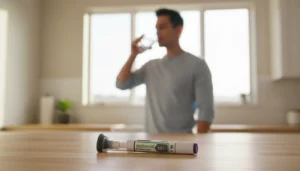
Zepbound comes as a liquid solution that is administered as a subcutaneous injection. It is available in two forms:
- Prefilled, single-dose injection pens: These are convenient and designed for self-administration at home.
- Single-dose vials: These require the use of a separate syringe and needle for administration.
Available Strengths of Zepbound
Zepbound is available in a range of strengths, allowing for a gradual increase in dosage to minimize potential side effects and optimize effectiveness. The medication comes in six distinct strengths, each delivered in 0.5 mL of solution:
- 2.5 mg/0.5 mL
- 5 mg/0.5 mL
- 7.5 mg/0.5 mL
- 10 mg/0.5 mL
- 12.5 mg/0.5 mL
- 15 mg/0.5 mL
This variety in strengths ensures that your healthcare provider can meticulously manage your treatment plan, adjusting the dosage based on your body’s response and any side effects you might experience.
The Zepbound Dosing Schedule: A Gradual Path to Success
The typical Zepbound dosing schedule is designed to be gradual, allowing your body time to adjust to the medication and reducing the likelihood of severe gastrointestinal side effects, which are common with GLP-1 and GIP receptor agonists. Here’s a general overview of how Zepbound dosing typically progresses:
Starting Dosage
Treatment with Zepbound always begins at the lowest effective dose. This initial phase is crucial for assessing tolerance.
- The typical starting dosage is 2.5 mg once per week for 4 weeks.
This introductory period allows your system to acclimate to tirzepatide before moving to higher doses.
Dose Escalation and Maintenance
Following the initial 4-week period, your healthcare provider will assess your response and how well you are tolerating the medication. If appropriate, the dose will be gradually increased.
- After the first 4 weeks, your dose will likely be increased to 5 mg once per week.
- From there, your doctor may continue to increase your weekly dose by 2.5 mg increments, approximately every 4 weeks, until you reach a dose that is effective for you with manageable side effects. This becomes your maintenance dose.
- The highest approved dosage of Zepbound is 15 mg once per week.
It’s important to note that the optimal maintenance dose varies for each individual. Some may achieve their desired results and maintain good tolerability at 5 mg, while others may require 10 mg or 15 mg. The decision to increase or maintain a dose is always made in consultation with your healthcare provider, balancing efficacy with your comfort and safety.
Dosage for Obstructive Sleep Apnea (OSA)
Zepbound is also prescribed to treat moderate to severe OSA in adults with obesity. The typical starting and maximum doses for OSA are the same as for weight loss and weight management. However, the maintenance dosage for OSA is typically 10 mg or 15 mg injected once weekly.
Long-Term Treatment with Zepbound
Zepbound is generally considered a long-term treatment. If you and your healthcare provider determine that it is safe and effective for you, you will likely continue using it over an extended period to sustain weight loss and manage related health conditions. Our personalized approach at TrimRx emphasizes sustainable weight loss solutions, and long-term adherence to a medically supervised plan is a key component of this success.
We encourage anyone interested in understanding their eligibility for Zepbound or other prescription weight loss medications to take our free assessment quiz. This is the first step toward receiving a personalized treatment plan tailored to your unique health profile.
Important Safety Considerations and Potential Side Effects
While Zepbound offers significant benefits for weight management, it’s crucial to be fully aware of its safety profile, potential side effects, and contraindications. Our commitment to your safety at TrimRx means we prioritize transparent communication and medically supervised care throughout your journey.
Boxed Warning: Risk of Thyroid C-cell Tumors
Zepbound carries a Boxed Warning regarding the risk of thyroid C-cell tumors. In rats, tirzepatide has been shown to cause dose-dependent and treatment-duration-dependent thyroid C-cell tumors at clinically relevant exposures. It is currently unknown whether Zepbound causes these tumors, including medullary thyroid carcinoma (MTC), in humans.
- Contraindications: Zepbound is contraindicated in patients with a personal or family history of MTC or in patients with Multiple Endocrine Neoplasia syndrome type 2 (MEN 2).
- Patient Counseling: Patients should be counseled about the potential risk for MTC and informed of symptoms of thyroid tumors (e.g., a mass in the neck, difficulty swallowing or breathing, persistent hoarseness). Routine monitoring of serum calcitonin or using thyroid ultrasound for early detection of MTC is of uncertain value.
Other Significant Adverse Reactions
Like all medications, Zepbound can cause side effects. Many are gastrointestinal in nature, especially during dose escalation.
Severe Gastrointestinal Adverse Reactions
The use of Zepbound can be associated with gastrointestinal adverse reactions, which can sometimes be severe. These include nausea, diarrhea, and vomiting.
- Recommendation: Zepbound has not been studied in patients with severe gastrointestinal disease, including severe gastroparesis, and is therefore not recommended in these patients.
Acute Kidney Injury
Dehydration resulting from severe gastrointestinal adverse reactions (nausea, vomiting, diarrhea) can lead to acute kidney injury.
- Monitoring: Renal function should be monitored in patients reporting adverse reactions that could lead to volume depletion.
Acute Gallbladder Disease
Treatment with Zepbound and other GLP-1 receptor agonists has been associated with an increased occurrence of acute gallbladder disease, including cholelithiasis and cholecystitis.
- Action: If cholecystitis is suspected, appropriate diagnostic studies and clinical follow-up are indicated.
Acute Pancreatitis
Acute pancreatitis, including fatal cases, has been observed in patients treated with GLP-1 receptor agonists or tirzepatide.
- Observation: Patients should be observed for signs and symptoms of pancreatitis, such as persistent severe abdominal pain, which may or may not be accompanied by vomiting. If suspected, Zepbound should be discontinued, and appropriate management initiated.
Hypersensitivity Reactions
Serious hypersensitivity reactions (e.g., anaphylaxis, angioedema) have been reported.
- Action: If these reactions occur, patients should seek medical attention promptly and discontinue Zepbound. It is contraindicated in patients with a previous serious hypersensitivity reaction to tirzepatide or its excipients.
Hypoglycemia
Zepbound lowers blood glucose and can cause hypoglycemia, particularly when used in combination with an insulin secretagogue (like sulfonylurea) or insulin.
- Monitoring: In patients with diabetes mellitus, blood glucose should be monitored. Dose adjustments of insulin or sulfonylurea may be necessary.
Diabetic Retinopathy Complications in Patients with Type 2 Diabetes Mellitus
Rapid improvement in glucose control has been associated with a temporary worsening of diabetic retinopathy. Patients with a history of diabetic retinopathy should be monitored.
Suicidal Behavior and Ideation
Suicidal behavior and ideation have been reported with other weight management products.
- Monitoring: Patients treated with Zepbound should be monitored for the emergence or worsening of depression, suicidal thoughts or behaviors, and/or any unusual changes in mood or behavior. Discontinue Zepbound in patients who experience suicidal thoughts or behaviors. Avoid in patients with a history of suicidal attempts or active suicidal ideation.
Pulmonary Aspiration During General Anesthesia or Deep Sedation
Zepbound delays gastric emptying, and there have been rare postmarketing reports of pulmonary aspiration in patients receiving GLP-1 receptor agonists undergoing procedures requiring general anesthesia or deep sedation. Patients should inform healthcare providers prior to any planned surgeries if they are taking Zepbound.
Most Common Adverse Reactions
The most common adverse reactions reported in clinical trials (occurring in ≥5% of patients) included nausea, diarrhea, vomiting, constipation, abdominal pain, dyspepsia, injection site reactions, fatigue, hypersensitivity reactions, eructation, hair loss, and gastroesophageal reflux disease.
Our medically supervised approach at TrimRx ensures that these risks are thoroughly discussed with you, and your health is continuously monitored. We work exclusively with FDA-registered and inspected pharmacies to provide our medications, including branded options like Zepbound and Wegovy®, as well as our expertly compounded Semaglutide and Tirzepatide offerings. This unwavering focus on safety and compliance gives you peace of mind on your weight loss journey.
Administering Zepbound: Practical Guidance
Knowing what dose does Zepbound come in and understanding its safety profile is important, but equally vital is knowing how to properly administer it. Zepbound is typically injected once per week, on the same day each week. This consistent schedule helps maintain steady medication levels in your body.
Injection Day and Time
- You can choose any day of the week for your injection.
- You can inject your dose at any time of day, with or without food.
- If you need to change your injection day, ensure there are at least 72 hours (3 days) between doses.
Injection Sites
Zepbound can be injected into one of three areas:
- Thigh: A common and easily accessible site.
- Belly (abdomen): Avoid injecting within 2 inches of your belly button.
- Back of your upper arm: If you choose this site, someone else may need to administer the injection for you.
It’s important to rotate your injection site each week to prevent skin irritation or discomfort. Avoid injecting into areas where the skin is tender, bruised, red, hard, or scarred.
What to Do If You Miss a Dose
Missing a dose can happen, and it’s essential to know how to proceed.
- Within 4 days (96 hours) of the missed dose: Inject the dose as soon as you remember. Then, continue with your regular weekly schedule.
- More than 4 days (96 hours) after the missed dose: Skip the missed dose. Inject your next dose on your regularly scheduled day. Do not inject two doses at once to make up for a missed dose.
- Important: Do not inject two doses within 3 days (72 hours) of each other, as this can increase your risk of side effects.
If you are ever unsure about a missed dose, always consult your healthcare provider or pharmacist. Our unlimited support at TrimRx means you always have a resource to guide you through such questions.
Avoiding Overdose
Never inject more Zepbound than your doctor prescribes. Taking more than the recommended amount can lead to harmful effects. If you suspect you have injected too much Zepbound, contact your doctor immediately or seek emergency medical attention.
For those considering prescription weight loss medications like Zepbound, our comprehensive service includes doctor consultations, medication, lab work, and unlimited support, all designed to guide you safely and effectively. To learn more and see if you qualify, please take our free assessment quiz.
Tailoring Your Weight Loss Journey: The TrimRx Approach
At TrimRx, we recognize that every individual’s weight loss journey is unique. Our brand is built on being empathetic, innovative, trustworthy, supportive, results-oriented, and personalized. We understand that finding the right medication, at the right dose, within a supportive framework, is key to achieving sustainable results.
Personalized Assessment and Treatment Plans
For prescription medications like Zepbound, our process begins with a free personalized assessment quiz. This comprehensive evaluation helps us understand your health history, current weight status, and weight-related conditions. Based on this information, our medical team can determine your eligibility for various prescription weight loss medications, including:
- Compounded Semaglutide
- Oral Semaglutide
- Ozempic®
- Compounded Tirzepatide
- Oral Tirzepatide
- Mounjaro®
- Zepbound®
- Wegovy®
If you qualify, we develop a personalized treatment plan that may include one of these medications, always emphasizing safety and efficacy. Our approach ensures that any medication prescribed, including Zepbound, is tailored to your specific needs, with careful consideration for the appropriate starting and maintenance dosages, just as we’ve discussed regarding what dose does Zepbound come in. Our commitment to transparent service means we cover all aspects of your care, from doctor consultations and lab work to medication and shipping, with no hidden fees.
The Role of Medical Supervision
Medically supervised weight loss is a cornerstone of our philosophy. This means that throughout your treatment, you’ll have access to medical professionals who can monitor your progress, adjust dosages as needed, manage side effects, and provide ongoing guidance. This continuous support is vital, especially when navigating medications with complex dosing schedules and potential side effects like Zepbound. Our platform facilitates this ongoing relationship, making medically supervised care accessible and convenient.
Quality and Safety: Our Unwavering Commitment
Your safety is our highest priority. When we promote our weight loss medications, we emphasize that they are provided through FDA-registered, inspected, and approved pharmacies. For branded medications like Ozempic®, Mounjaro®, Zepbound®, and Wegovy®, we can reference their FDA approval. For our compounded medications, we clarify that they are prepared in FDA-registered and inspected pharmacies, adhering to strict quality and safety standards. This distinction is important for transparent communication and ensuring you receive the highest quality care.
Beyond Prescription Medications: Comprehensive Support
We know that medication is just one piece of the puzzle. A holistic approach to weight loss often includes dietary guidance, increased physical activity, and supplemental support for overall wellness. To complement our prescription programs, TrimRx also offers quick-access supplements that do not require a quiz for immediate purchase:
- GLP-1 Daily Support: Designed to support your body’s natural processes during your weight loss journey.
- Weight Loss Boost: Formulated to assist your efforts in achieving your weight management goals.
These supplements offer immediate support and can be a valuable addition to your overall wellness strategy, whether or not you are on a prescription medication program.
By combining cutting-edge medical treatments with personalized support and wellness resources, TrimRx empowers you to take control of your health. We believe in providing solutions that are not only effective but also safe, accessible, and tailored to your individual needs. Your success is our mission, and we are here to support you every step of the way.
Conclusion: Your Empowered Path to a Healthier Future
Understanding the nuances of weight management medications, including details like what dose does Zepbound come in, is a crucial step in making informed decisions about your health. We’ve explored Zepbound’s innovative mechanism of action as a dual GIP and GLP-1 receptor agonist, its comprehensive range of strengths, and the careful, gradual dosing schedule designed to optimize both efficacy and tolerability. We’ve also delved into the significant safety considerations, from the Boxed Warning on thyroid C-cell tumors to common gastrointestinal side effects, underscoring the vital importance of medical supervision.
At TrimRx, we stand as your dedicated partner in this transformative journey. Our platform seamlessly merges cutting-edge telehealth with personalized, medically supervised care, ensuring that every aspect of your weight loss plan is tailored to you. We champion a transparent, empathetic, and science-backed approach, whether you’re considering prescription medications like Zepbound, compounded alternatives, or seeking immediate support through our specialized supplements. We prioritize your safety by partnering exclusively with FDA-registered and inspected pharmacies for medication delivery and provide comprehensive service that includes doctor consultations, lab work, unlimited support, and shipping without any hidden fees.
The path to sustainable weight loss is a personal one, often requiring professional guidance and the right tools. If you’re ready to explore how a personalized plan could transform your health, we invite you to take our free assessment quiz today to see if you qualify for our prescription weight loss medications. For immediate support for your wellness journey, consider our GLP-1 Daily Support or Weight Loss Boost supplements. Together, we can build a healthier, more vibrant future.
Frequently Asked Questions
Q1: What is the typical starting dose for Zepbound, and how quickly does the dosage increase?
The typical starting dose for Zepbound is 2.5 mg injected once weekly for the first 4 weeks. After this initial period, your healthcare provider will usually increase the dosage to 5 mg once weekly. Subsequent dose increases typically occur in 2.5 mg increments, approximately every 4 weeks, based on your response to the medication and how well you tolerate it. The goal is to reach an effective maintenance dose while minimizing side effects.
Q2: What are the highest doses Zepbound comes in for weight loss and obstructive sleep apnea (OSA)?
For both weight loss and the treatment of obstructive sleep apnea (OSA) in adults with obesity, the maximum approved dosage of Zepbound is 15 mg injected once per week. While the highest doses often show the greatest average weight loss in clinical trials, the most effective dose for an individual balances efficacy with tolerability and is determined through medical supervision.
Q3: What should I do if I miss a dose of Zepbound?
If you miss a dose of Zepbound, you should inject it as soon as you remember, provided it has been less than 4 days (96 hours) since your missed dose. If more than 4 days have passed, skip the missed dose and inject your next dose on your regularly scheduled day. It is crucial not to inject two doses within 72 hours (3 days) of each other, and never inject two doses at once to make up for a missed dose. Always consult your healthcare provider or pharmacist if you are unsure.
Q4: How does TrimRx ensure the safety of Zepbound and other prescription weight loss medications?
At TrimRx, your safety is our top priority. We provide prescription weight loss medications, including Zepbound, through FDA-registered and inspected pharmacies to ensure the highest quality and safety standards. Our comprehensive service includes doctor consultations, lab work, and unlimited ongoing support, allowing our medical team to monitor your health, manage potential side effects, and make dosage adjustments as needed. We are committed to a medically supervised, transparent, and empathetic approach to weight management.

Transforming Lives, One Step at a Time
Keep reading

How to Get Zepbound in Texas: Your Guide
Getting Zepbound in Texas is straightforward once you know your options. You can get a prescription through a telehealth provider from home, through your…

How to Get Zepbound in California: Where to Start
Zepbound (tirzepatide) is available to California residents through your primary care provider, a weight loss clinic, or a telehealth service that prescribes and delivers…
Stopping Zepbound: Managing the Transition
When you stop taking Zepbound, your appetite returns to pre-medication levels within a few weeks and most people regain a meaningful portion of their…


