Navigating Your Journey: What Foods to Be Mindful of While Taking Ozempic
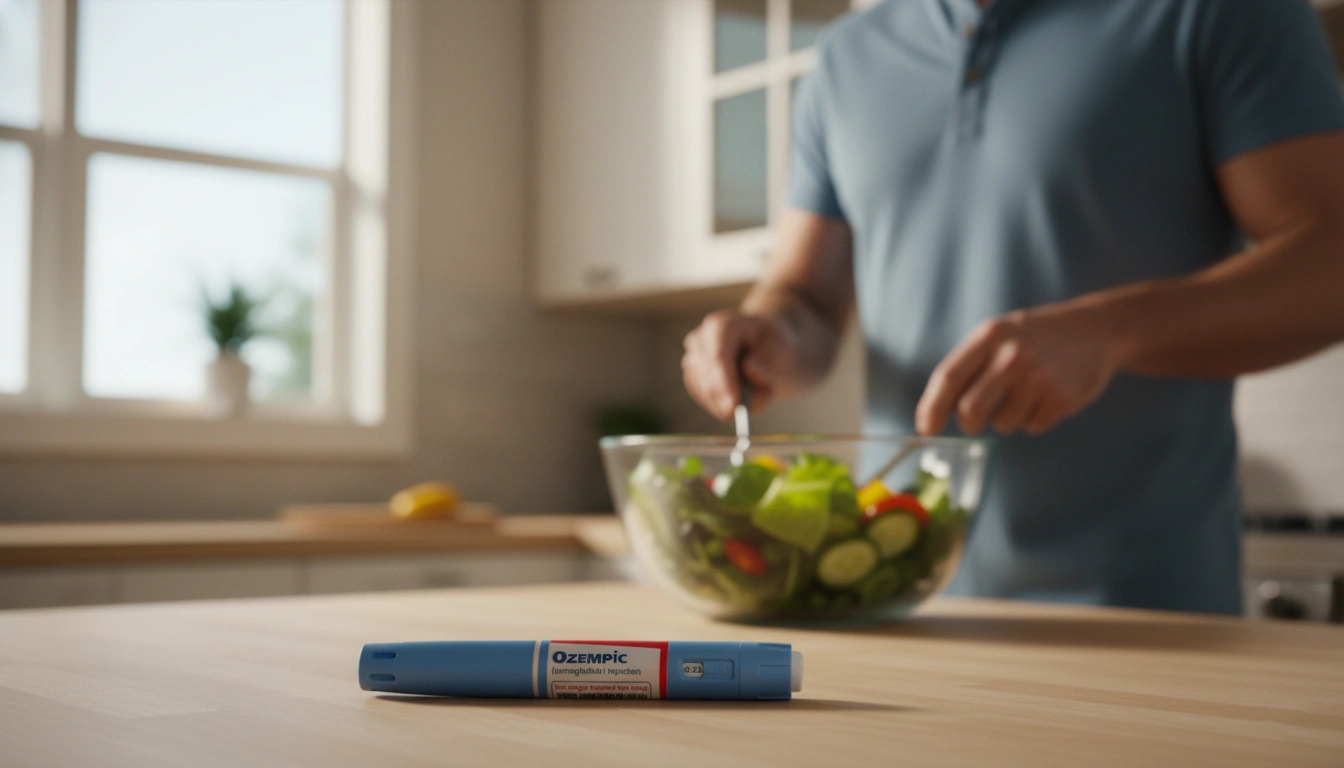
Introduction
Embarking on a weight loss journey, especially with the support of advanced medications like Ozempic, can be a transformative experience. For many, it marks a pivotal moment, offering a new pathway to improved health and well-being. However, as with any significant change, it also brings a need for mindful adjustments, particularly concerning our dietary choices. The effectiveness of medications like Ozempic, which works by mimicking GLP-1 (glucagon-like peptide-1) hormones, is rooted in its ability to slow gastric emptying, regulate blood sugar, and reduce appetite. While these mechanisms are powerful allies in weight management, they can also influence how our bodies react to certain foods, potentially leading to discomfort or exacerbating common side effects.
This journey of understanding how your body responds to medication and diet is deeply personal, and at TrimRx, we recognize the importance of providing clear, empathetic guidance. Our mission began with a shared vision: to merge cutting-edge telehealth innovations with effective weight loss solutions, creating a user-friendly and supportive platform for individuals seeking personalized, medically supervised care. We believe that sustainable weight loss is best achieved through science, empathy, and a transparent approach, tailoring solutions to each individual’s unique needs.
In this comprehensive guide, we will explore the specific types of foods that, based on clinical insights and patient experiences, may trigger or worsen gastrointestinal side effects when you’re taking Ozempic or similar GLP-1 medications. We’ll delve into why these foods pose challenges, offer practical advice on navigating your diet, and highlight the importance of personalized nutritional strategies. Our goal is to empower you with the knowledge to make informed food choices, optimize your treatment experience, and minimize potential discomfort, ensuring your path to a healthier lifestyle is as smooth and successful as possible. By understanding these dietary considerations, you can collaborate effectively with your healthcare provider and build sustainable habits that support your long-term health goals.
The Science Behind Your Satiety: How Ozempic Works
Before diving into dietary specifics, understanding how medications like Ozempic function is crucial. Ozempic, a brand name for semaglutide, belongs to a class of medications known as GLP-1 receptor agonists. These medications mimic the action of a natural hormone, GLP-1, which plays several vital roles in the body related to metabolism and digestion.
Key Mechanisms of Action
The primary ways Ozempic contributes to weight management and blood sugar regulation include:
- Slowing Gastric Emptying: One of the most significant effects is the deceleration of food movement from the stomach into the small intestine. This means food stays in your stomach for a longer period, contributing to a prolonged feeling of fullness and reduced appetite.
- Regulating Blood Sugar: Ozempic stimulates the pancreas to release more insulin when blood sugar levels are high, helping to lower glucose. It also suppresses the release of glucagon, a hormone that raises blood sugar.
- Reducing Appetite and Food Cravings: By acting on the brain’s appetite centers, Ozempic helps to curb hunger and reduce the desire to eat, often leading to a natural reduction in caloric intake.
These powerful mechanisms, while highly beneficial for weight loss and diabetes management, are also the reason certain foods can become problematic. When digestion is significantly slowed, foods that are already difficult to digest can sit in the stomach for an even longer duration, potentially leading to discomfort. At TrimRx, we emphasize that these medications are a powerful tool, but they work best when integrated into a holistic approach that includes careful dietary considerations and lifestyle adjustments.
Understanding Potential Side Effects and Their Triggers
While many individuals experience significant benefits from Ozempic, it’s not uncommon to encounter gastrointestinal side effects as your body adjusts to the medication. These can include nausea, vomiting, bloating, constipation, diarrhea, heartburn, and a general feeling of indigestion or loss of appetite. The foods we consume play a direct role in either mitigating or intensifying these symptoms.
Our commitment at TrimRx is to offer compassionate care that respects every individual’s unique journey. We understand that managing these side effects is a crucial part of a successful weight loss program. Through a personalized approach, including expert guidance and ongoing support, we help you navigate these challenges. If you’re exploring options for medically supervised weight loss, we encourage you to take our free assessment quiz to see if you qualify for our prescription weight loss medications. This is the first step toward a tailored plan designed to meet your specific needs.
Foods to Approach with Caution: What to Be Mindful Of
When taking Ozempic, certain food categories are more likely to exacerbate digestive discomfort due to their inherent properties or how they interact with the medication’s effects. While there’s no universal “Ozempic diet,” observing how your body reacts to these foods is key.
High-Fat and Greasy Foods
This category is often cited as a primary culprit for intensified side effects. Think fried chicken, greasy burgers, pizza, heavy cream sauces, and excessive butter or oil.
Why They Are Problematic
- Extended Digestion Time: Fats naturally take longer to digest than carbohydrates or proteins. When combined with the slowed gastric emptying induced by Ozempic, these foods can linger in the stomach for an exceptionally long time.
- Increased GI Distress: The prolonged presence of high-fat foods in the stomach can lead to severe nausea, vomiting, indigestion, heartburn, and bloating. For an individual who frequently experiences acid reflux, these foods can significantly worsen symptoms.
- Nutritional Value vs. Caloric Density: Many high-fat, greasy foods are also ultra-processed and calorie-dense but offer minimal nutritional value. Since Ozempic often reduces overall appetite, every calorie consumed should ideally contribute maximum nutrition to support your body’s needs.
Instead of completely eliminating healthy fats (which are vital for overall health), focus on leaner protein sources and incorporate healthy fats in moderation, such as avocado, nuts, and olive oil, ensuring they are not excessively cooked or fried.
Ultra-Processed Foods and Refined Carbohydrates
This group includes items like white bread, crackers, sugary cereals, pastries, chips, and many packaged snacks.
Why They Are Problematic
- Rapid Blood Sugar Spikes: Many refined carbohydrates and ultra-processed foods cause quick spikes in blood sugar. While Ozempic helps regulate blood sugar, consistently consuming foods that trigger rapid glucose increases can counteract some of the medication’s benefits and potentially hinder weight loss efforts.
- Empty Calories: These foods often provide “empty calories,” meaning they are high in calories but low in essential nutrients like fiber, vitamins, and minerals. This can be counterproductive when you’re aiming for a calorie deficit and nutritional balance.
- Digestive Discomfort: The additives and low fiber content in many processed foods can contribute to bloating and general gastrointestinal upset.
Prioritizing whole grains, such as oats, quinoa, and brown rice, alongside a diverse array of fruits and vegetables, can provide sustained energy, essential nutrients, and fiber to support healthy digestion.
High-Sugar Foods and Drinks
Sugary beverages (soda, sweetened juices, sports drinks, specialty coffees) and desserts (cakes, cookies, candies) fall into this category.
Why They Are Problematic
- Blood Sugar Rollercoaster: Similar to refined carbs, sugary foods and drinks can cause dramatic fluctuations in blood sugar. This not only works against Ozempic’s blood sugar stabilizing effects but can also lead to energy crashes and increased cravings.
- Exacerbated GI Issues: High sugar intake can worsen nausea and general stomach upset, especially when combined with slowed digestion.
- Dehydration Risk: Some sugary drinks can contribute to dehydration, which itself can worsen Ozempic side effects like nausea and constipation.
Opt for plain water, unsweetened teas, or sparkling water with a slice of fruit to stay hydrated. For those moments when you need a little extra support during your weight management journey, consider our GLP-1 Daily Support supplement, formulated to assist with overall wellness.
Alcohol
While there isn’t a direct dangerous interaction between Ozempic and alcohol, careful consideration is necessary.
Why It Is Problematic
- Compounding GI Distress: Both Ozempic and alcohol can cause nausea, vomiting, and other digestive issues. Consuming them together can heighten these uncomfortable symptoms.
- Dehydration: Alcohol is a diuretic and can contribute to dehydration. Combined with potential fluid loss from Ozempic side effects (like vomiting or diarrhea), this can lead to severe dehydration, fatigue, and lightheadedness.
- Blood Sugar Fluctuation: Alcohol can lower blood sugar levels, especially for individuals with diabetes, as it inhibits the liver’s ability to release glucose. This effect, combined with Ozempic’s blood sugar-lowering action, can increase the risk of hypoglycemia ( dangerously low blood sugar).
- Empty Calories: Alcohol adds calories without significant nutritional benefits, which can hinder weight loss progress.
If you choose to consume alcohol, do so in moderation, stay well-hydrated with water, and always listen to your body’s signals.
Spicy Foods
For some individuals, spicy foods, previously enjoyed without issue, can become a source of discomfort.
Why They Are Problematic
- Heartburn and Reflux: Spicy ingredients can relax the lower esophageal sphincter, allowing stomach acid to flow back into the esophagus, leading to heartburn and acid reflux. This can be intensified when digestion is already slowed by Ozempic.
- Increased Nausea: The irritant effect of spicy foods on the digestive lining can worsen existing nausea.
If you find spicy foods cause discomfort, opting for milder flavors can provide significant relief.
High-Fiber Foods (with a caveat)
This category requires nuance. Fiber is generally highly beneficial for digestive health and satiety, but for some on Ozempic, particularly when introduced rapidly or in large quantities, it can initially cause issues.
Why They Can Be Problematic (Initially)
- Bloating and Gas: For individuals not accustomed to a high-fiber diet, suddenly increasing fiber intake can lead to bloating, gas, and discomfort. This can be exacerbated by slowed digestion.
- Constipation or Diarrhea: While fiber often helps with constipation, an abrupt increase can sometimes lead to the opposite effect or even diarrhea, depending on individual sensitivity.
The key with fiber is gradual integration. Slowly increase your intake of fruits, vegetables, whole grains, and legumes. Lean proteins and diverse non-starchy vegetables are essential parts of a balanced nutritional strategy for overall health and weight loss, and restricting them is not generally recommended. A registered dietitian, often working in conjunction with your prescribing physician, can help create a personalized plan to ensure you get the nutrients you need without discomfort. At TrimRx, our personalized weight loss programs, which you can explore after taking our free assessment quiz, emphasize balanced nutrition tailored to your specific needs.
Optimizing Your Diet While on Ozempic: What to Embrace
While it’s helpful to know what foods to be cautious with, it’s equally important to focus on what you should eat to support your body, manage side effects, and maximize your weight loss success. Our approach at TrimRx is results-oriented and personalized, helping you build a sustainable, healthy lifestyle.
Lean Proteins
Protein is your ally. It helps you feel full, supports muscle mass retention during weight loss, and stabilizes blood sugar.
Embrace:
- Fish: Lean options like cod, tilapia, or salmon (which also offers healthy omega-3s).
- Chicken and Turkey: Skinless breasts are excellent choices.
- Plant-Based Proteins: Tofu, tempeh, lentils, beans, edamame, and lean cuts of lean red meat in moderation.
Aim to include a good source of lean protein with every meal, prioritizing it in smaller portions to ensure you get adequate nutrients even if your appetite is reduced.
Non-Starchy Vegetables
These are packed with vitamins, minerals, and fiber without a high caloric load, making them ideal for satiety and nutrient intake.
Embrace:
- Leafy Greens: Spinach, kale, collard greens.
- Cruciferous Vegetables: Broccoli, cauliflower, Brussels sprouts.
- Other Options: Bell peppers, cucumbers, zucchini, tomatoes, asparagus.
Focus on a diverse range of colors to ensure a broad spectrum of phytonutrients.
Whole Grains
When choosing carbohydrates, opt for whole grains that provide fiber and complex carbohydrates for sustained energy release.
Embrace:
- Oats: Excellent for breakfast.
- Quinoa, Farro, Barley: Great as a side dish or added to salads.
- Whole Wheat Bread/Pasta: In moderation.
Remember to introduce fiber gradually if your diet wasn’t previously high in it, to prevent initial digestive upset.
Fruits (in Moderation)
Fruits offer natural sugars, fiber, and essential vitamins. While beneficial, some fruits are higher in sugar, so moderation is key.
Embrace:
- Berries: Blueberries, raspberries, strawberries (lower in sugar).
- Apples, Pears, Oranges: Good sources of fiber and vitamins.
View fruit as a healthy snack or dessert, and aim for 1-2 servings per day, focusing on lower-sugar options.
Hydration
Staying well-hydrated is critical to prevent or alleviate side effects like constipation and nausea.
Embrace:
- Plain Water: Make it your primary beverage.
- Unsweetened Tea (especially ginger tea): Ginger can be particularly soothing for nausea.
- Clear Broths: Can provide electrolytes and hydration.
Sip fluids slowly throughout the day, especially if you’re experiencing nausea.
For continuous support in your weight loss journey, consider our Weight Loss Boost supplement, designed to complement your efforts.
Beyond Food Choices: Lifestyle Strategies for Managing Side Effects
While dietary adjustments are paramount, several lifestyle strategies can further enhance your comfort and success while on Ozempic. Our supportive and empathetic approach at TrimRx means we consider every aspect of your well-being.
Mindful Eating Practices
- Eat Slowly and Chew Thoroughly: This helps your digestive system process food more efficiently and allows your body to register fullness signals.
- Smaller, Frequent Meals: Instead of large meals, opt for smaller portions consumed more frequently throughout the day. This can reduce the burden on your digestive system.
- Stop When Satisfied, Not Stuffed: Ozempic enhances satiety, so learn to recognize and honor your body’s signals of fullness.
- Avoid Lying Down Immediately After Eating: Give your body time to digest in an upright position to minimize heartburn and reflux. Taking a short, post-meal stroll can be very beneficial.
Hydration as a Priority
- Consistent Fluid Intake: Dehydration can worsen nausea and constipation. Keep a water bottle handy and sip throughout the day.
- Avoid Dehydrating Beverages: Limit caffeine and alcohol, as they can contribute to fluid loss.
Movement and Physical Activity
- Post-Meal Walks: Gentle activity after eating can aid digestion and alleviate feelings of fullness or bloating.
- Regular Exercise: Beyond digestion, consistent physical activity is a cornerstone of sustainable weight loss and overall health, complementing the effects of medication.
Medication Adherence and Communication
- Follow Instructions: Always take your medication exactly as prescribed by your healthcare provider. For oral semaglutide, this often means taking it on an empty stomach with a small amount of plain water, at least 30 minutes before eating or drinking anything else, to ensure maximal absorption. Injectable forms can be taken with or without food.
- Discuss Side Effects: Maintain open communication with your prescribing physician. If side effects are severe or persistent, they may suggest dose adjustments or recommend over-the-counter remedies like antacids. At TrimRx, we ensure a transparent service, and our approach remains consistent regardless of dosage changes.
The TrimRx Difference: Personalized Support for Your Weight Loss Journey
At TrimRx, we understand that every weight loss journey is unique. Our journey began with a vision to help individuals embrace healthier lifestyles by merging cutting-edge telehealth innovations with effective weight loss solutions. We are dedicated to providing personalized, medically supervised care that is both safe and effective, ensuring sustainable weight loss is attainable and tailored to you.
When you partner with us, you’re not just getting medication; you’re gaining a comprehensive support system designed to foster long-term success. Our brand is empathetic, innovative, trustworthy, supportive, results-oriented, and personalized. We combine advanced medical science with modern technology to deliver compassionate care that respects your individual path.
Our Comprehensive Service Includes:
- Doctor Consultations: Expert medical evaluation to determine the most appropriate treatment plan for your needs.
- Medication: Access to clinically proven prescription weight loss medications such as Compounded Semaglutide, Oral Semaglutide, Ozempic®, Compounded Tirzepatide, Oral Tirzepatide, Mounjaro®, Zepbound®, and Wegovy®. We work exclusively with FDA-registered and inspected pharmacies for the shipping of these medications, ensuring safety and quality. It is important to note that while branded medications like Ozempic® and Zepbound® are FDA-approved, compounded medications are not.
- Lab Work: Essential diagnostics to monitor your health and progress.
- Unlimited Support: Ongoing guidance and answers to your questions throughout your journey.
- Shipping: Convenient delivery of your medications directly to you, with no hidden fees.
To discover if our personalized prescription weight loss solutions are right for you, we invite you to take our free assessment quiz to see if you qualify for our prescription weight loss medications. This quick assessment helps us understand your health profile and recommend a tailored program.
Complementary Support with Quick-Access Supplements
For those seeking additional support, we also offer quick-access supplements that do not require a quiz:
- GLP-1 Daily Support: Designed to support overall wellness during your weight loss journey.
- Weight Loss Boost: An immediate support supplement to complement your efforts.
We are committed to empowering you with the tools and knowledge needed to achieve your health goals safely and effectively. Remember, weight loss medications like Ozempic are powerful tools, but they are most effective when integrated into a broader strategy that includes mindful eating, regular physical activity, and consistent medical guidance.
Conclusion
Navigating your diet while taking Ozempic is a crucial aspect of a successful and comfortable weight loss journey. By understanding how this powerful medication works and how it interacts with different foods, you can make informed choices that minimize discomfort and maximize your progress. We’ve explored the types of foods that warrant caution – particularly high-fat, ultra-processed, high-sugar, and overly spicy items, along with alcohol. These can exacerbate the common gastrointestinal side effects stemming from the medication’s effect of slowing gastric emptying.
Equally important is embracing nutrient-dense foods: lean proteins, a colorful array of non-starchy vegetables, whole grains, and fruits in moderation. These choices not only provide essential nutrients but also support satiety and overall well-being. Beyond dietary adjustments, adopting mindful eating practices, prioritizing hydration, engaging in regular physical activity, and maintaining open communication with your healthcare provider are vital components of a holistic approach.
At TrimRx, we are more than just a provider of weight loss solutions; we are your partner in health. Our comprehensive, personalized, and medically supervised programs, featuring prescription medications like Ozempic (semaglutide) and Tirzepatide (Mounjaro®, Zepbound®), are designed to offer safe and effective pathways to sustainable weight loss. Our commitment is to science, empathy, and transparency, ensuring you receive the individualized care you deserve. We partner with FDA-registered and inspected pharmacies for medication shipping, and we offer a transparent service with doctor consultations, lab work, unlimited support, and no hidden fees.
As you reflect on your own journey, consider the power of personalized care. Are you ready to take the next step towards a healthier, more vibrant you? We invite you to take our free assessment quiz to see if you qualify for our prescription weight loss medications. And for immediate support in your wellness endeavors, explore our GLP-1 Daily Support and Weight Loss Boost supplements. Together, we can build a foundation for lasting health and empower you to achieve your weight loss goals with confidence and support.
FAQ
Q1: What are the main types of foods that can worsen Ozempic side effects?
A1: The primary culprits for worsening Ozempic side effects are high-fat and greasy foods (like fried items, rich sauces, fatty cuts of meat), ultra-processed foods, high-sugar foods and drinks (soda, sweetened juices, desserts), and alcohol. Spicy foods can also trigger heartburn and nausea for some individuals. These foods tend to sit longer in a stomach whose emptying is already slowed by Ozempic, increasing the likelihood of discomfort.
Q2: Is there an “Ozempic diet” I should follow?
A2: No, there isn’t a specific “Ozempic diet” prescribed universally. The best approach is to adopt a well-balanced, nutritious eating plan rich in lean proteins (fish, chicken, plant-based), non-starchy vegetables, and whole grains. The key is mindful eating, focusing on smaller portions, and listening to your body’s signals of fullness, as Ozempic reduces appetite and slows digestion. A personalized dietary strategy, often developed with a dietitian, is most effective. At TrimRx, our programs provide personalized plans to guide you.
Q3: How can TrimRx help me manage my diet while on Ozempic?
A3: At TrimRx, we offer comprehensive support for your weight loss journey, which includes guidance on dietary management. Our programs involve doctor consultations to assess your needs, and while we partner with FDA-registered and inspected pharmacies for medication shipping, we also emphasize the importance of lifestyle changes. Our expert medical team can help you understand how to integrate personalized nutritional strategies with your medication to minimize side effects and optimize results. To learn more about how we can support you, we encourage you to take our free assessment quiz to see if you qualify for our prescription weight loss medications.
Q4: Are there any immediate supplements I can take to support my weight loss journey with Ozempic?
A4: Yes, in addition to our personalized prescription medication programs, TrimRx offers quick-access supplements designed to support your overall wellness. You can explore our GLP-1 Daily Support to assist with general well-being, or our Weight Loss Boost for immediate support. These supplements are available without requiring a quiz and can complement your efforts towards a healthier lifestyle.

Transforming Lives, One Step at a Time
Keep reading

Magnesium and Ozempic: Can It Help With Side Effects
Walk through any online GLP-1 community and you’ll find magnesium recommended for everything from constipation to muscle cramps to poor sleep on Ozempic. Some…

Ozempic and Blood Pressure Medications: What to Know
High blood pressure and obesity frequently coexist, so it’s no surprise that many people starting Ozempic are already on an antihypertensive. The practical question…

Ozempic and Levothyroxine: What Thyroid Patients Should Know
Thyroid disease and weight struggles frequently go hand in hand, which means a lot of people starting Ozempic are already taking levothyroxine. If that’s…


