What Happens If You Don’t Eat on Mounjaro: Staying Healthy
Introduction
It is a common scenario for those starting their journey with Mounjaro®: you realize it is 4:00 PM and you haven’t had a single bite of food all day. For many who have spent years struggling with intense cravings and “food noise,” this sudden silence in the brain can feel like a relief. However, a total lack of appetite can quickly transition from a benefit to a health risk, especially when it starts to interfere with the nutrition your body needs to thrive. This article will explain what occurs biologically when you stop eating while on tirzepatide (the active ingredient in Mounjaro), the physical risks of severe caloric restriction, and how you can stay nourished even when hunger cues are absent. If you’re wondering whether a personalized treatment plan is the right next step, you can take the free assessment quiz to explore your options.
Understanding the Mounjaro Hunger Shift
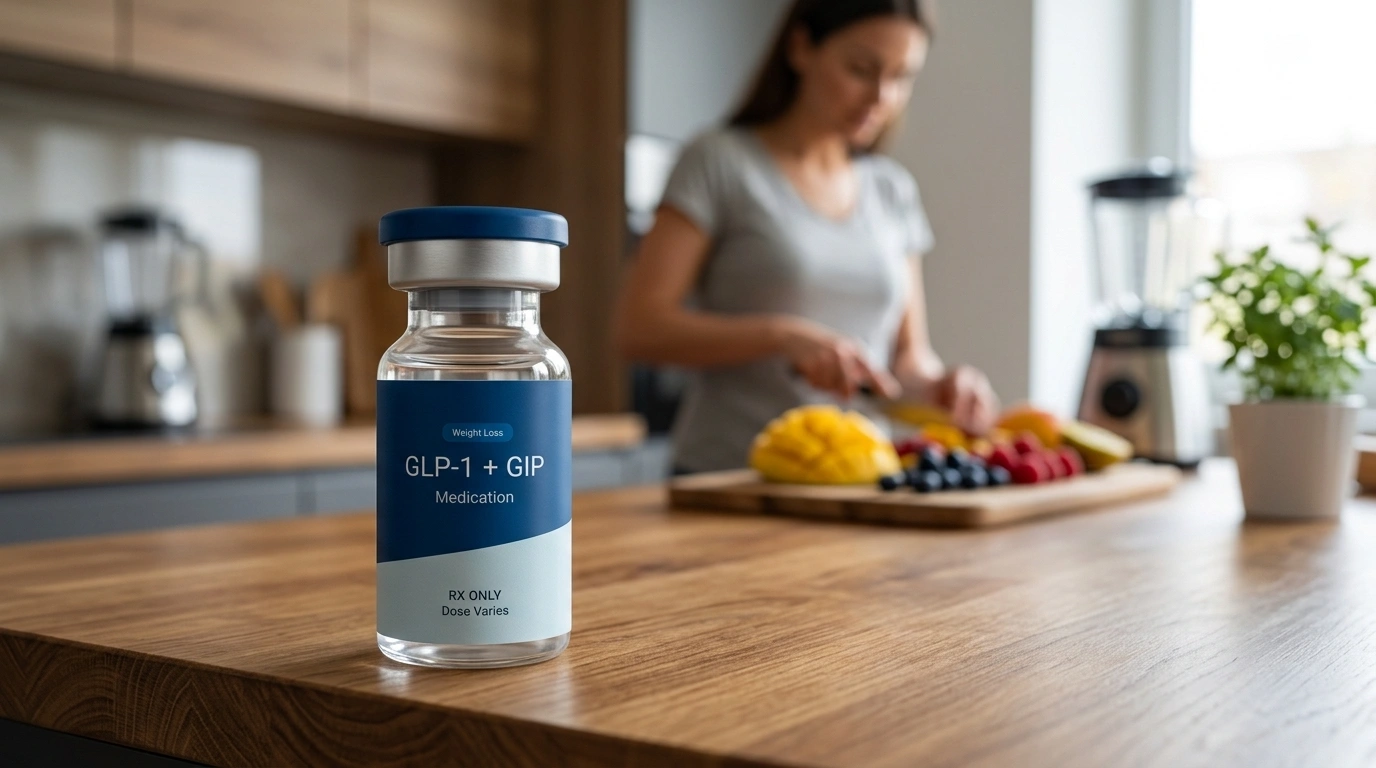
Mounjaro® is a branded medication that contains tirzepatide, a dual-acting glucose-dependent insulinotropic polypeptide (GIP) and glucagon-like peptide-1 (GLP-1) receptor agonist. These are hormones naturally found in the body that regulate how we process sugar and how full we feel. By mimicking these hormones, the medication slows down gastric emptying—the speed at which food leaves your stomach—and signals to your brain that you are satisfied.
While this mechanism is highly effective for weight management, it can sometimes work “too well” for certain individuals. When these hunger signals are almost entirely suppressed, it becomes easy to skip meals unintentionally. This shift is not just about willpower; it is a physiological change in how your brain communicates with your digestive system. For a deeper look at the biology behind that appetite shift, How Does GLP-1 Work? A 2026 Deep Dive on the Science of Weight Loss is a helpful companion piece.
Quick Answer: If you stop eating while on Mounjaro, your body may enter a “survival mode” where it breaks down muscle tissue for energy, slows your metabolism significantly, and becomes prone to nutrient deficiencies. While weight loss might accelerate initially, it is often unsustainable and can lead to serious complications like gallstones or hair loss.
The Dangers of Severe Caloric Restriction
When you consume significantly fewer calories than your body requires for basic functions—typically fewer than 1,000 to 1,200 calories per day for most adults—your system begins to prioritize survival over optimal health. This leads to several physiological consequences that can sabotage your long-term goals.
Metabolic Adaptation and Stalls
One of the most frustrating results of not eating enough is a stalled weight loss journey. When the body detects a severe lack of incoming energy, it enters a state often called metabolic adaptation. Your thyroid hormones may shift, and your resting metabolic rate (the calories you burn just by existing) can drop by 15% to 30%. This is an evolutionary defense mechanism designed to prevent starvation. If your metabolism slows too much, you may find that you stop losing weight even while eating very little, and you are much more likely to regain weight once the medication is discontinued.
The Risk of Gallstones
Rapid weight loss is one of the primary drivers of gallbladder issues. When you don’t eat, your gallbladder does not contract as often to release bile. This allows bile to sit and become concentrated, which can lead to the formation of gallstones. Research suggests that losing more than three pounds per week significantly increases this risk. Because medications like tirzepatide already carry a small risk of gallbladder inflammation, maintaining a moderate, steady pace of weight loss through consistent eating is vital for safety.
Muscle Loss and “Skinny Fat” Outcomes
The goal of any weight loss program is to lose adipose tissue (fat), not lean muscle. However, when you are in a severe calorie deficit, the body often looks to muscle tissue as an easy source of energy. This can lead to sarcopenia, or muscle wasting. Not only does this leave you feeling weak, but because muscle is metabolically active tissue, losing it further lowers your metabolism. This often results in a “skinny fat” appearance, where an individual reaches a lower weight but has a high percentage of body fat and low muscle tone.
Physical and Mental Signs of Undernourishment
It is important to recognize the warning signs that your body is not getting the fuel it needs. Because the medication may mask hunger, you must rely on other physical and mental cues to assess your nutritional status.
- Extreme Fatigue: If you feel exhausted even after a full night’s sleep, your body is likely lacking the glucose and micronutrients needed for energy production.
- Brain Fog: Your brain requires a steady supply of energy. Difficulty concentrating, forgetfulness, or feeling “spaced out” are common signs of underfueling.
- Feeling Cold: When calories are restricted, the body reduces heat production to conserve energy, often resulting in cold hands and feet.
- Hair and Nail Changes: Temporary hair loss, known as telogen effluvium, often occurs two to four months after a period of severe caloric restriction. Brittle nails that break easily are another sign of protein or mineral deficiencies.
- Dizziness and Lightheadedness: This can be caused by low blood sugar (hypoglycemia) or dehydration, both of which are risks if you are not consuming regular meals and fluids.
Key Takeaway: Weight loss should never be equated with starvation. Sustainable progress on a GLP-1 program involves eating enough to preserve your muscle mass and keep your metabolic engine running efficiently.
Why Protein Is Your Most Important Nutrient
If you can only manage small amounts of food, protein must be your priority. Protein provides the amino acids necessary for repairing tissues, producing hormones, and, most importantly, protecting your muscles during weight loss.
Clinical guidelines often suggest that individuals on GLP-1 medications should aim for 1.2 to 1.6 grams of protein per kilogram of body weight. For someone weighing 200 pounds, this might mean targeting between 110 and 145 grams of protein daily. For a more detailed breakdown of why protein matters so much during treatment, Why Protein Is Your Secret Weapon for Weight Loss covers the science in more depth.
Benefits of High Protein Intake:
- Satiety: Protein helps you feel satisfied, which can prevent the “rebound hunger” that sometimes occurs late at night.
- Muscle Preservation: It provides the building blocks to ensure that the weight you lose comes from fat stores.
- Thermic Effect: Your body burns more calories digesting protein than it does digesting fats or carbohydrates.
| Protein Source | Protein Amount (Approx.) | Why it’s good for Mounjaro users |
|---|---|---|
| Greek Yogurt (1 cup) | 20-25g | Easy to digest, contains probiotics. |
| Whey/Plant Protein Shake | 20-30g | Liquid nutrition is easier when appetite is low. |
| Chicken Breast (4 oz) | 30g | Lean and versatile for small meals. |
| Eggs (2 large) | 12g | Soft texture and contains healthy fats. |
| Cottage Cheese (1/2 cup) | 14g | High in casein for long-lasting protein. |
How to Eat When You Have Zero Appetite
When the thought of a full meal feels overwhelming, you have to change your strategy. You no longer have the luxury of waiting for “hunger” to tell you when to eat. Instead, you must treat nutrition like a scheduled part of your treatment plan.
Step 1: Prioritize Liquid Nutrition
When solid food feels “heavy” or unappealing, liquids are often much easier to tolerate. High-quality protein shakes, bone broths, or smoothies can deliver essential calories and nutrients without the physical sensation of a full stomach. We recommend looking for options that are low in added sugars to avoid blood sugar spikes.
Step 2: Eat by the Clock
Set a timer on your phone for every three to four hours. When the timer goes off, have a small “mini-meal” or snack. This prevents the energy crashes that happen when you go eight hours without food. Even a handful of almonds or a piece of cheese can keep your metabolism engaged. If you want to see whether your current symptoms and appetite changes fit a treatment plan, you can see if you qualify with the assessment quiz.
Step 3: Focus on Nutrient Density
Since your volume of food is limited, every bite needs to count. Avoid “empty” calories like sodas or processed chips. Instead, reach for nutrient-dense foods like avocados, nuts, seeds, and lean meats. These provide healthy fats and minerals in small packages.
Step 4: Manage Your Fluids
Hydration is critical, but drinking a giant glass of water right before a meal can fill up your stomach and make it impossible to eat your protein. Try to sip water throughout the day but limit large drinks 30 minutes before and after you eat to maximize your stomach’s capacity for food.
Managing Side Effects That Block Eating
Sometimes, the reason you aren’t eating isn’t just a lack of hunger; it’s the presence of side effects like nausea or acid reflux. Managing these symptoms is key to maintaining your nutritional intake.
- Nausea: Try ginger tea or small amounts of dry crackers. Often, nausea on GLP-1 medications is actually worsened by having an empty stomach. Eating a few bites of something bland can sometimes make the nausea dissipate. If appetite changes are making it hard to keep up with nutrition, What Are the Most Common Side Effects of Semaglutide offers a useful look at common digestive issues.
- Heartburn/Reflux: Since food stays in the stomach longer, lying down after eating can cause discomfort. Try to remain upright for at least two hours after your last meal and avoid spicy or highly acidic foods.
- Constipation: This is a common side effect of both the medication and a lower food intake. Ensure you are getting enough fiber through small servings of berries or legumes, and consider a magnesium supplement if your provider approves.
For many of our members, using targeted support can make a difference. If you are still deciding whether this level of support is right for you, the free assessment quiz is the simplest place to start.
When to Seek Professional Guidance
While some appetite suppression is expected, there is a point where it becomes a clinical concern. You should consult with a healthcare professional if you experience any of the following:
- Inability to consume more than 800 calories a day for several consecutive days.
- Rapid weight loss exceeding 3 to 4 pounds per week after the first month.
- Fainting, severe dizziness, or heart palpitations.
- Persistent vomiting that prevents hydration.
- Severe abdominal pain that radiates to the back (which can indicate gallbladder or pancreas issues).
A licensed provider can help determine if your dosage needs adjustment. In a telehealth-based program like ours, you have ongoing access to specialists who can fine-tune your treatment based on how your body is responding. If you want to understand how a medically supervised program is structured, What Is GLP-1 Treatment and How Can It Help You Achieve Your Weight Loss Goals? is a good next read.
Note: Always consult with a licensed healthcare provider before making significant changes to your medication dose or if you are experiencing severe side effects.
Getting Started with a Personalized Program
The journey to metabolic health is not one-size-fits-all. Some people require a higher dose to see results, while others may find that even a starting dose provides intense appetite suppression. This is why a personalized approach is essential.
At TrimRx, we focus on the whole individual. Our program doesn’t just provide access to medication; it provides a framework for success. When you join us, you begin with a free assessment quiz that helps our partner providers understand your medical history, goals, and unique health profile. From there, if eligible, you are prescribed a program that includes medications like compounded tirzepatide or compounded semaglutide, which are prepared in FDA-registered, inspected compounding pharmacies.
Our mission is to ensure you don’t just lose weight, but that you do so in a way that leaves you feeling stronger and healthier than when you started. We provide the medical supervision, lab work, and 24/7 support necessary to navigate the ups and downs of GLP-1 therapy. If you are ready to move from reading to action, take the free assessment quiz to begin.
Conclusion
What happens if you don’t eat on Mounjaro is a shift from healthy weight loss to potential physical harm. Your body needs a consistent supply of protein, healthy fats, and micronutrients to maintain its muscle mass, keep its metabolism active, and prevent side effects like hair loss or gallstones. By establishing a routine of small, nutrient-dense meals and focusing on protein, you can harness the power of your medication without sacrificing your long-term well-being.
Our goal at TrimRx is to act as your empathetic guide, combining clinical expertise with modern technology to help you achieve sustainable results. Whether you are just starting or looking to optimize your current path, we are here to support your metabolic health every step of the way. If you are ready to find out whether a personalized program is right for you, complete the free assessment quiz.
FAQ
Is it okay to skip meals while taking Mounjaro?
While you may not feel hungry, skipping meals entirely is not recommended because it can lead to muscle loss and severe fatigue. It is better to eat small, frequent “mini-meals” or snacks throughout the day to ensure your body receives the necessary nutrients for energy and metabolic health. If you want to compare your situation with a broader treatment overview, How Does GLP-1 Help You Lose Weight? is a useful companion article.
How many calories should I aim for each day?
Caloric needs vary based on your age, weight, and activity level, but most clinical guidelines suggest women should aim for 1,200 to 1,500 calories and men 1,500 to 1,800 calories daily. Consuming fewer than 1,000 calories regularly can slow your metabolism and increase the risk of side effects like gallstones.
What are the best foods to eat if I have no appetite?
Focus on high-protein, nutrient-dense foods that are easy to digest, such as Greek yogurt, protein shakes, eggs, or silken tofu. If solid food is unappealing, liquid nutrition like bone broth or smoothies can be an excellent way to maintain your intake without feeling overly full. If you want more support in building a plan around appetite changes, What Is GLP-1 Treatment and How Can It Help You Achieve Your Weight Loss Goals? explains the broader approach.
Why do I feel so tired if I’m not eating much?
Fatigue is often a direct result of underfueling; your brain and muscles require glucose and nutrients to function. When you don’t eat enough, your blood sugar may drop, and your body may slow down its processes to conserve energy, leading to that “run down” feeling.
Disclaimer: This content is for informational purposes only and does not constitute medical advice. It is not intended to diagnose, treat, cure, or prevent any disease or condition. Individual results may vary. Always consult a qualified healthcare professional before starting any weight loss program or medication.

Transforming Lives, One Step at a Time
Keep reading

Mounjaro Alternatives: What Else to Consider
If Mounjaro isn’t the right fit, the closest alternatives are other GLP-1 medications, chiefly semaglutide (Ozempic for diabetes, Wegovy for weight), along with a…

Mounjaro vs Zepbound: Same Drug, Two Brands
Like their semaglutide counterparts, Mounjaro and Zepbound are the same medication (tirzepatide) sold under two names for two purposes: Mounjaro is approved for type…

Retatrutide vs Mounjaro: Triple Agonist vs Dual Agonist
The core difference between retatrutide and Mounjaro comes down to how many hormone targets each hits: retatrutide activates three receptors, while Mounjaro (tirzepatide) activates…


