Navigating Your Journey: What is the Average Zepbound Dose for Effective Weight Management?
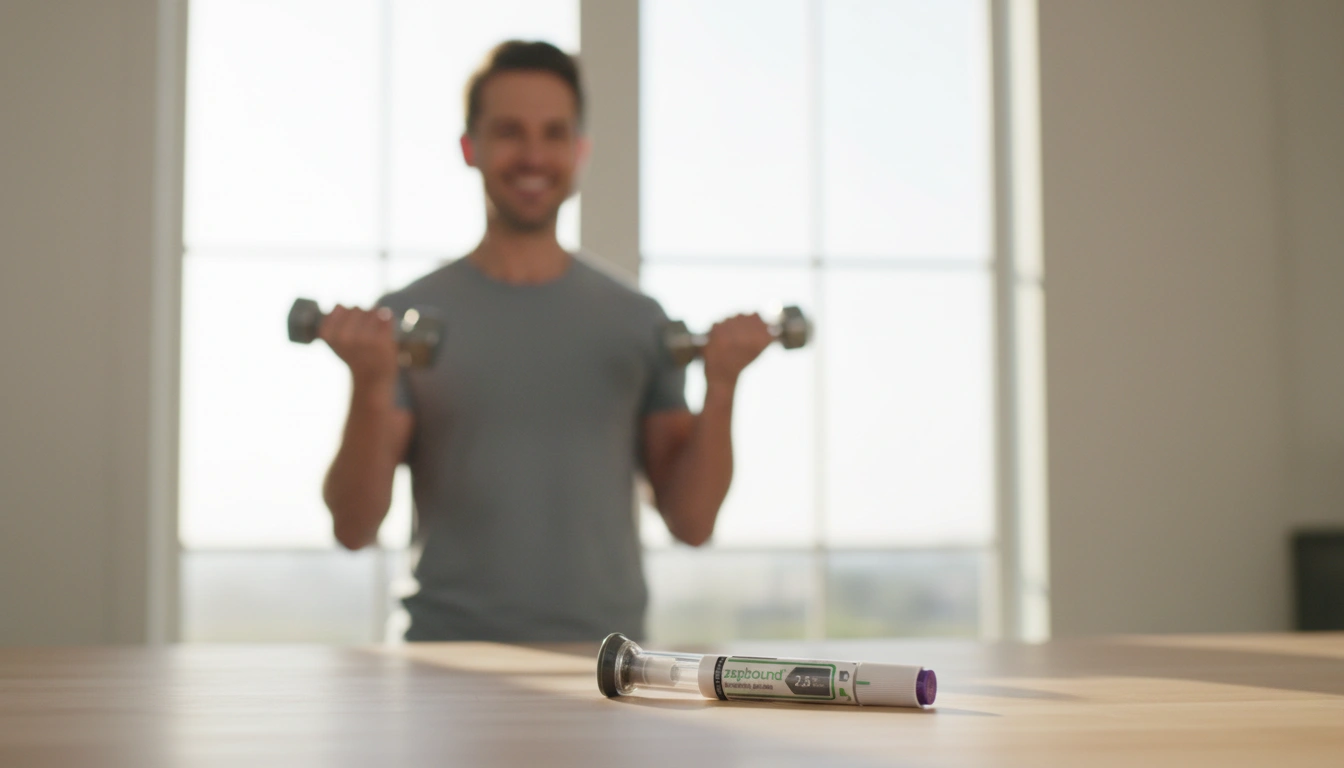
Introduction
The journey toward effective weight management often feels like a winding path, fraught with challenges and complex decisions. For many, the conventional approaches of diet and exercise, while crucial, may not be sufficient to achieve sustainable results, especially when underlying physiological factors play a significant role. This reality has driven advancements in medical science, bringing forth innovative solutions like Zepbound (tirzepatide), a medication that has garnered considerable attention for its potential in weight loss and the management of weight-related health conditions. As we stand at the cusp of new possibilities, understanding how these tools work, particularly the nuanced aspects of their dosage, becomes paramount.
The introduction of medications like Zepbound marks a significant shift in how we approach chronic weight management. It’s no longer solely about willpower but about understanding the body’s intricate systems and leveraging scientific breakthroughs to support healthier outcomes. For individuals living with obesity or who are overweight with co-occurring health conditions such as high blood pressure, type 2 diabetes, or obstructive sleep apnea, Zepbound offers a new avenue for support. However, with any powerful medical intervention, clarity around its application is essential. Many wonder, “what is the average Zepbound dose?” and how this fits into a broader, personalized health strategy.
This comprehensive guide aims to illuminate the specifics of Zepbound dosing, shedding light on the typical starting points, gradual escalation, and maintenance dosages. We will delve into the mechanism behind this medication, its approved uses, and the critical importance of a medically supervised, personalized approach to its administration. We believe that sustainable weight loss should be achieved through science, empathy, and a transparent approach, which is why we are dedicated to providing clear, authoritative information. By the end of this post, you will have a deeper understanding of Zepbound’s role in weight management and how a supportive, individualized program, like those we offer at TrimRx, can make a meaningful difference on your path to better health. We’ll explore not just the numbers, but the philosophy behind safe and effective dosage, ensuring you are equipped with the knowledge to make informed decisions about your health journey.
Understanding Zepbound: A Dual-Action Approach to Weight Management
Zepbound, with its active ingredient tirzepatide, represents a significant advancement in the landscape of weight management medications. It is not merely another tool; it’s a dual-action marvel, approved by the FDA for chronic weight management in adults living with obesity or who are overweight with at least one weight-related condition. Additionally, it has been approved to treat moderate to severe obstructive sleep apnea (OSA) in adults who also have obesity, underscoring its broad therapeutic potential.
The Science Behind Tirzepatide: GIP and GLP-1 Agonism
At its core, Zepbound is a dual glucose-dependent insulinotropic polypeptide (GIP) receptor and glucagon-like peptide-1 (GLP-1) receptor agonist. This technical description simply means it mimics the action of two natural gut hormones, GIP and GLP-1, which play crucial roles in regulating appetite, food intake, and metabolism.
- GLP-1’s Role: Glucagon-like peptide-1 is well-known for its effects on satiety, slowing gastric emptying, and stimulating insulin release in a glucose-dependent manner. By activating GLP-1 receptors, Zepbound helps individuals feel fuller for longer, reduces cravings, and supports more stable blood sugar levels.
- GIP’s Contribution: Glucose-dependent insulinotropic polypeptide further enhances the medication’s efficacy. GIP also contributes to insulin secretion and has been shown to have direct effects on fat cells and energy balance. The synergy of GIP and GLP-1 agonism in tirzepatide offers a more comprehensive approach to weight management, addressing multiple pathways involved in appetite regulation and energy expenditure.
This dual-action mechanism is what sets Zepbound apart, leading to profound effects on body weight reduction and improvements in various metabolic markers. By engaging these two critical hormonal pathways, Zepbound effectively helps the body regulate hunger and satiety signals, which are often disrupted in individuals struggling with weight. This innovative approach aligns perfectly with our vision at TrimRx, where we are committed to merging cutting-edge telehealth innovations with effective, science-backed weight loss solutions. We understand that sustainable weight loss requires a deep understanding of the body’s physiology and leveraging the most advanced treatments available.
For those considering a prescription weight loss medication, it’s vital to understand the science that underpins these treatments. We believe in empowering individuals with knowledge so they can make informed decisions about their health. Our platform is designed to be a user-friendly and supportive space where individuals receive personalized, medically supervised care, all crafted to make sustainable weight loss attainable and tailored to the individual. To explore how Zepbound or other personalized prescription options, such as [Compounded Semaglutide], [Oral Semaglutide], [Ozempic®], [Compounded Tirzepatide], [Oral Tirzepatide], [Mounjaro®], or [Wegovy®], might fit into your health plan, we encourage you to take our free assessment quiz.
What is the Average Zepbound Dose? Navigating Your Treatment Journey
Understanding the typical Zepbound dosage is crucial for anyone considering this medication for weight management or obstructive sleep apnea. It’s important to remember that while there are recommended guidelines, the right dose is always personalized, determined in close consultation with a healthcare professional who considers your individual health profile, response to treatment, and tolerability.
The Principle of Gradual Titration
A cornerstone of Zepbound therapy is gradual dose escalation, also known as titration. This approach starts with a low dose and slowly increases it over time. The primary reason for this measured increase is to allow your body to adjust to the medication, thereby minimizing potential gastrointestinal side effects like nausea, vomiting, and diarrhea. This careful process ensures that your body acclimates to the medication, making the treatment journey as comfortable and effective as possible. Our commitment at TrimRx is to provide compassionate care that respects every individual’s unique journey, combining advanced medical science with modern technology to guide you through this process.
Typical Starting and Escalation Schedule
For both weight management and obstructive sleep apnea, the journey with Zepbound begins with a consistent starting dose:
- Initial Starting Dosage: The recommended starting dosage of Zepbound for all indications is 2.5 mg injected subcutaneously once weekly for 4 weeks. This 2.5 mg dose is solely for treatment initiation and is not considered a maintenance dose. It’s designed to introduce the medication gently to your system.
Following this initial four-week period, your healthcare provider will typically guide you through a structured escalation:
- First Increase: After 4 weeks on the 2.5 mg dose, the dosage is usually increased to 5 mg injected subcutaneously once weekly.
- Further Increments: If needed, the dosage may be further increased in 2.5 mg increments, after at least 4 weeks on the current dose. This means you might progress from 5 mg to 7.5 mg, then to 10 mg, 12.5 mg, and finally 15 mg, with each step lasting at least four weeks. This allows ample time to assess your body’s response and tolerability before moving to the next level.
Recommended Maintenance and Maximum Dosages
The goal of titration is to reach an effective maintenance dose that provides the desired benefits while being well-tolerated.
- Maintenance Dosage for Weight Reduction and Long-Term Maintenance: The recommended maintenance dosage can be 5 mg, 10 mg, or 15 mg, injected subcutaneously once weekly. The specific dose will depend on your individual response and tolerability, with your doctor aiming for the smallest dosage that provides the desired effect.
- Maintenance Dosage for Obstructive Sleep Apnea (OSA): For OSA, the recommended maintenance dosage is typically 10 mg or 15 mg injected subcutaneously once weekly.
- Maximum Recommended Dosage: The maximum dosage of Zepbound for all indications (weight management and OSA) is 15 mg injected subcutaneously once weekly.
This structured approach to dosing is a testament to the meticulous research and development behind Zepbound. It underscores the fact that effective treatment is rarely a one-size-fits-all solution, but rather a carefully orchestrated plan tailored to individual physiological needs. At TrimRx, our comprehensive service includes doctor consultations, ensuring that your dosage is meticulously managed, and you receive personalized, medically supervised care throughout your weight loss journey. We stand by our commitment to transparent service, highlighting that our approach remains consistent regardless of dosage changes. If you are exploring how Zepbound’s nuanced dosing schedule could benefit you, consider taking our free assessment quiz to determine your eligibility and discuss a personalized treatment plan with our medical professionals.
Zepbound Forms and Strengths
Zepbound is available as a liquid solution, primarily in prefilled, single-dose injection pens. It also comes in single-dose vials, which would require a separate syringe and needle for administration. Both forms are designed for subcutaneous injection.
Zepbound is available in six distinct strengths, ensuring that the titration process can be precisely managed:
- 2.5 mg/0.5 mL
- 5 mg/0.5 mL
- 7.5 mg/0.5 mL
- 10 mg/0.5 mL
- 12.5 mg/0.5 mL
- 15 mg/0.5 mL
These various strengths facilitate the gradual escalation process, allowing healthcare providers to fine-tune your treatment plan to achieve optimal results while prioritizing your comfort and safety. This meticulous attention to dosage and administration exemplifies the results-oriented and personalized care that defines TrimRx.
The Importance of a Gradual Dose Escalation for Zepbound
The systematic increase in Zepbound dosage, often referred to as titration, is not merely a formality but a critical component of safe and effective treatment. This careful, stepwise approach is designed to optimize therapeutic benefits while mitigating potential challenges.
Minimizing Gastrointestinal Side Effects
One of the primary reasons for beginning Zepbound with a low dose and gradually escalating it is to reduce the incidence and severity of gastrointestinal (GI) side effects. As with many medications that affect the digestive system, Zepbound can initially cause nausea, diarrhea, vomiting, and constipation. By starting at 2.5 mg and increasing in 2.5 mg increments every four weeks, the body has an opportunity to adapt to the medication’s effects. This acclimatization period is crucial for:
- Patient Comfort: A smoother transition helps improve the overall patient experience, making the treatment more tolerable and sustainable in the long run.
- Adherence to Treatment: Patients who experience fewer severe side effects are more likely to continue their treatment as prescribed, which is essential for achieving long-term weight management goals. Studies have shown that adherence to medication is significantly impacted by the tolerability of side effects.
- Preventing Acute Reactions: Rapid increases in dosage can overwhelm the digestive system, leading to more pronounced and potentially debilitating GI symptoms, which could necessitate pausing or discontinuing treatment.
Assessing Treatment Response and Tolerability
The four-week interval at each dose level serves a vital purpose beyond just side effect management. It allows both you and your healthcare provider to:
- Evaluate Efficacy: Observe how your body responds to the medication at a specific dose. Is it contributing to reduced appetite, increased satiety, and progress toward weight loss goals? While Zepbound starts to work after the first dose, it often takes several weeks or even months to notice significant changes, as its effects accumulate over time.
- Monitor Tolerability: Continuously assess any side effects you might experience. If a particular dose is not well-tolerated, your doctor can consider a lower maintenance dosage or adjust the escalation schedule. This flexibility is key to personalization.
- Optimize the Therapeutic Window: The goal is to find the lowest effective dose that provides optimal benefits with the fewest side effects. Not everyone needs to reach the maximum 15 mg dose to achieve significant results. Some individuals may find their ideal maintenance dose at 5 mg or 10 mg.
TrimRx’s Commitment to Guided Care
At TrimRx, our medically supervised programs are designed to meticulously manage this titration process. Our comprehensive service includes doctor consultations, where our healthcare professionals provide ongoing support and guidance, ensuring a safe and effective journey. We empower you with the knowledge to understand why each step in the dosing schedule is important, fostering a sense of partnership in your health. Our platform is built on principles of empathy, innovation, and trustworthiness, ensuring that you receive personalized care tailored to your unique physiological responses. We believe that this supportive environment, coupled with expert medical supervision, is essential for navigating the nuances of Zepbound dosing and achieving successful, sustainable weight loss outcomes.
This methodical approach to dose escalation is a cornerstone of safe and effective GLP-1 and GIP receptor agonist therapy, ensuring that your body can gradually adapt, and you can achieve the best possible results with comfort and confidence. To begin your journey with a personalized approach to medication and support, we invite you to take our free assessment quiz.
Administering Zepbound: Practical Instructions and Considerations
Understanding how to properly administer Zepbound is just as important as knowing the dosage. Zepbound is designed for convenient weekly subcutaneous injection, making it manageable for at-home use with proper guidance. Our goal at TrimRx is to ensure you feel confident and supported in every aspect of your treatment.
Injection Basics: How and Where
Zepbound is administered as an injection just under the skin (subcutaneously). Your healthcare provider will provide thorough training on proper injection technique, ensuring you or a caregiver are comfortable with the process.
- Frequency: Zepbound is injected once weekly, on the same day each week. Consistency is key to maintaining stable levels of the medication in your system.
- Timing: You can inject your dose at any time of day, with or without food. Choose a time that best fits your schedule to help with adherence.
- Injection Sites: The medication can be injected into the abdomen, the thigh, or the back of the upper arm. If choosing the upper arm, another person may need to administer the injection.
- Rotation: To prevent skin irritation or discomfort, it’s crucial to rotate injection sites with each dose. Avoid injecting into areas where the skin is tender, hard, bruised, or irritated. For example, if you injected into your right thigh this week, consider your left thigh or abdomen next week.
Handling Missed Doses
Life happens, and sometimes a dose might be missed. Here’s what to do if you miss a Zepbound dose:
- Within 4 Days (96 Hours): If you remember within 4 days (96 hours) after your scheduled dose, inject it as soon as possible. Then, you can resume your regular once-weekly dosing schedule.
- More Than 4 Days: If more than 4 days have passed since the missed dose, skip that dose. Do not inject it. Instead, administer your next dose on your regularly scheduled day.
- Never Double Dose: It is critical not to inject two doses at once to make up for a missed dose. Doing so can significantly increase the risk of side effects.
- Changing Your Injection Day: If you need to change the day of your weekly administration, you can do so, provided there is at least 3 days (72 hours) between the two doses. For example, if you usually inject on Friday but want to switch to Thursday, that is permissible as long as more than 72 hours have passed since your last Friday injection.
If you are ever unsure about a missed dose or need to adjust your schedule, always consult with your doctor or pharmacist. We also encourage our patients to utilize medication reminder apps or set alarms to help maintain consistency.
Storage and Safety
Proper storage of Zepbound is essential to maintain its efficacy. Always refer to the medication guide provided with your prescription or consult your pharmacist for specific instructions on storage, expiration, and safe disposal.
At TrimRx, our commitment to safety is unwavering. We work exclusively with FDA-registered and inspected pharmacies for the shipping of all weight loss medications, including Zepbound. This partnership ensures that you receive your medication directly from trusted sources, manufactured and handled under strict quality controls. Our comprehensive service includes ensuring you have all the necessary information and support for proper administration, with no hidden fees, encompassing doctor consultations, medication, lab work, unlimited support, and shipping. We are dedicated to providing clear, precise information, empowering you to manage your treatment confidently and safely.
Beyond Medication: A Holistic Approach to Weight Management
While Zepbound offers a powerful tool for weight management, it is crucial to understand that it is most effective when integrated into a broader, holistic lifestyle strategy. Medication alone is rarely the complete answer; rather, it serves as a catalyst, supporting your body’s physiological processes as you adopt healthier habits. This comprehensive approach is at the heart of our philosophy at TrimRx, where we believe in nurturing not just weight loss, but overall well-being.
Zepbound as a Complement, Not a Standalone Solution
The FDA approval for Zepbound explicitly states its use in conjunction with a reduced-calorie diet and increased physical activity. This is not merely a recommendation but a foundational principle for achieving and sustaining significant weight loss.
- Reduced-Calorie Diet: Working with a healthcare provider or nutritionist to develop a sustainable, reduced-calorie eating plan is paramount. Zepbound helps to reduce appetite and improve satiety, making it easier to adhere to dietary changes, but it doesn’t replace the need for mindful eating and healthy food choices.
- Increased Physical Activity: Regular physical activity, appropriate for your fitness level, complements Zepbound’s effects by improving metabolism, burning calories, preserving muscle mass, and boosting overall health. It contributes significantly to both weight loss and the long-term maintenance of a healthier weight.
This synergistic combination creates an environment where Zepbound can maximize its potential. The medication can help overcome the biological hurdles that often make weight loss challenging, while diet and exercise build the foundation for lasting success.
Long-Term Treatment and Lifestyle Integration
For many, Zepbound is a long-term treatment. If you and your doctor determine that it is safe and effective for you, you will likely use it indefinitely to manage your weight and related health conditions. This means that the lifestyle changes you adopt must also be sustainable. Our goal is to equip you with the tools and knowledge to integrate these habits seamlessly into your daily life.
At TrimRx, our journey began with a shared vision to help individuals embrace healthier lifestyles by merging cutting-edge telehealth innovations with effective weight loss solutions. We understand that sustainable weight loss goes beyond a prescription; it involves education, support, and the cultivation of lasting healthy habits. Our brand is empathetic, innovative, trustworthy, supportive, results-oriented, and personalized, offering compassionate care that respects every individual’s unique journey. We combine advanced medical science with modern technology to deliver a comprehensive approach.
To further support your overall wellness during your weight loss journey, we offer a range of quick-access supplements that do not require a quiz for purchase. These are designed to complement your efforts:
- GLP-1 Daily Support: Formulated to assist with various aspects of metabolic health and digestive comfort.
- Weight Loss Boost: Designed to provide additional support for your body’s natural weight management processes.
These supplements are part of our commitment to offering a complete ecosystem of support for your health goals. We believe in providing solutions that address various facets of your well-being, enhancing your journey with Zepbound or any other personalized weight loss program you undertake with us.
Understanding Potential Side Effects and Safety Considerations with Zepbound
While Zepbound represents a significant advancement in weight management, like all medications, it comes with potential side effects and important safety considerations. A thorough understanding of these aspects, coupled with open communication with your healthcare provider, is paramount for a safe and effective treatment journey. At TrimRx, we prioritize your safety and believe in complete transparency regarding the medications we support through our platform. Our comprehensive service includes doctor consultations, ensuring that these vital considerations are discussed in detail.
Important Safety Information and Warnings
It’s crucial to be aware of the following warnings and contraindications associated with Zepbound, which are based on extensive clinical research and regulatory guidelines:
WARNING: Risk of Thyroid C-Cell Tumors
In rodent studies, tirzepatide (the active ingredient in Zepbound) caused dose-dependent and treatment-duration-dependent thyroid C-cell tumors. While it is unknown whether Zepbound causes these tumors, including medullary thyroid carcinoma (MTC), in humans, this risk warrants serious consideration. Zepbound is contraindicated (should not be used) in individuals with a personal or family history of MTC or in patients with Multiple Endocrine Neoplasia syndrome type 2 (MEN 2). It’s important to counsel patients about the potential risk for MTC and to be vigilant for symptoms such as a mass in the neck, difficulty swallowing (dysphagia), shortness of breath (dyspnea), or persistent hoarseness. Routine monitoring of serum calcitonin or using thyroid ultrasound is of uncertain value for early detection of MTC in patients treated with Zepbound and may lead to unnecessary procedures.
Contraindications and Hypersensitivity Reactions
Beyond the thyroid tumor warning, Zepbound is contraindicated in patients with a known serious hypersensitivity to tirzepatide or any of its excipients. Serious hypersensitivity reactions, including anaphylaxis and angioedema, have been reported. If such reactions occur, immediately seek medical attention and discontinue Zepbound. Caution is advised for those with a history of angioedema or anaphylaxis with other GLP-1 receptor agonists, as the risk with Zepbound is unknown.
Severe Gastrointestinal Adverse Reactions
The most common side effects of Zepbound are gastrointestinal, including nausea, diarrhea, vomiting, and constipation. While often manageable, these reactions can sometimes be severe. Zepbound has not been studied in patients with severe gastrointestinal disease, such as severe gastroparesis, and is not recommended for them. The gradual dose escalation described earlier is designed to help mitigate these common reactions.
Acute Kidney Injury
Severe gastrointestinal adverse reactions, especially vomiting and diarrhea, can lead to dehydration and, in turn, acute kidney injury. Postmarketing reports have shown instances of acute kidney injury and worsening chronic renal failure in patients on GLP-1 receptor agonists, sometimes requiring hemodialysis. Monitoring renal function is recommended for patients experiencing adverse reactions that could lead to volume depletion.
Acute Gallbladder Disease
Treatment with Zepbound and other GLP-1 receptor agonists is associated with an increased occurrence of acute gallbladder disease, including gallstones (cholelithiasis), inflammation of the gallbladder (cholecystitis), and the need for gallbladder removal (cholecystectomy). If gallbladder issues are suspected, diagnostic studies and appropriate medical follow-up are necessary.
Acute Pancreatitis
Acute pancreatitis, a serious inflammation of the pancreas, has been observed in patients treated with GLP-1 receptor agonists or tirzepatide. Symptoms include persistent severe abdominal pain, sometimes radiating to the back, which may or may not be accompanied by vomiting. If pancreatitis is suspected, Zepbound should be discontinued, and appropriate management initiated.
Hypoglycemia
Zepbound lowers blood glucose and can cause hypoglycemia (low blood sugar), particularly when used in combination with insulin or insulin secretagogues (e.g., sulfonylureas) in patients with type 2 diabetes. Inform patients of the risk of hypoglycemia and educate them on its signs and symptoms. For individuals with diabetes, blood glucose should be monitored, and doses of insulin or sulfonylurea may need to be reduced. Hypoglycemia has also been reported in adults without type 2 diabetes.
Diabetic Retinopathy Complications in Type 2 Diabetes Mellitus
Rapid improvement in glucose control, which can occur with Zepbound, has been associated with a temporary worsening of diabetic retinopathy. Patients with a history of diabetic retinopathy should be monitored for progression.
Suicidal Behavior and Ideation
Suicidal behavior and ideation have been reported in clinical trials with other weight management products. Patients treated with Zepbound should be monitored for the emergence or worsening of depression, suicidal thoughts or behaviors, and/or any unusual changes in mood or behavior. Discontinue Zepbound in patients who experience suicidal thoughts or behaviors and avoid its use in patients with a history of suicidal attempts or active suicidal ideation.
Pulmonary Aspiration During General Anesthesia or Deep Sedation
Zepbound can delay gastric emptying. Rare postmarketing reports of pulmonary aspiration have occurred in patients receiving GLP-1 receptor agonists undergoing procedures requiring general anesthesia or deep sedation who had residual gastric contents despite adhering to preoperative fasting guidelines. Patients should inform healthcare providers about Zepbound use prior to any planned surgeries or procedures.
Our Commitment to Your Well-being
These warnings highlight the critical need for a medically supervised approach to Zepbound treatment. At TrimRx, we are unwavering in our dedication to safety. Our platform connects you with qualified medical professionals who conduct thorough consultations and order necessary lab work to assess your eligibility and monitor your progress. We ensure that your weight loss medications are provided through FDA-registered, inspected, and approved pharmacies, and for branded medications like Zepbound, we reference their FDA approval. We also clarify that while we facilitate access to medication, our partners at the pharmacies are responsible for shipping, and we do not provide actual medical supervision; instead, our comprehensive service includes robust doctor consultations and unlimited support to guide you.
Your well-being is our highest priority, and we believe in an empathetic, trustworthy, and transparent approach to care. By understanding these potential risks and engaging in ongoing dialogue with your healthcare provider, you can navigate your weight loss journey with greater confidence and safety. If you are considering prescription weight loss options and want to discuss these important considerations with a qualified medical professional, we encourage you to start by taking our free assessment quiz.
TrimRx’s Personalized Approach to Your Weight Loss Journey
At TrimRx, our journey began with a shared vision: to help individuals embrace healthier lifestyles by merging cutting-edge telehealth innovations with effective weight loss solutions. We understand that each person’s path to health is unique, which is why our platform is designed to be a user-friendly and supportive space where individuals receive personalized, medically supervised care—all crafted to make sustainable weight loss attainable and tailored to the individual. We firmly believe that achieving lasting weight loss should be rooted in science, delivered with empathy, and built upon a foundation of transparent communication.
Our brand personality shines through in every interaction: we are empathetic, innovative, trustworthy, supportive, results-oriented, and deeply personalized. We offer compassionate care that respects every individual’s unique journey, seamlessly combining advanced medical science with modern technology to deliver exceptional support. Our commitment to transparent service is unwavering, meaning our approach remains consistent, regardless of potential dosage changes, and our focus on safety is paramount. We work exclusively with FDA-registered and inspected pharmacies for the shipping of all weight loss medications, ensuring that you receive high-quality, legitimate products.
Your Path to Personalized Care
We offer a comprehensive suite of product offerings designed to meet diverse needs within the weight loss spectrum:
Personalized Weight Loss Program (Requires Free Assessment Quiz)
For those seeking prescription medications, we provide access to advanced treatments through our partners at FDA-registered and inspected pharmacies. To ensure these powerful medications are right for you, and to tailor a plan specifically for your body and health goals, we require a medical evaluation:
- Compounded Semaglutide: A customized formulation of the GLP-1 agonist.
- Oral Semaglutide: A convenient oral form of Semaglutide.
- Ozempic®: An FDA-approved branded GLP-1 receptor agonist.
- Compounded Tirzepatide: A customized formulation of the dual GIP/GLP-1 receptor agonist.
- Oral Tirzepatide: A convenient oral form of Tirzepatide.
- Mounjaro®: An FDA-approved branded dual GIP/GLP-1 receptor agonist.
- Zepbound®: An FDA-approved branded dual GIP/GLP-1 receptor agonist specifically for weight management.
- Wegovy®: An FDA-approved branded GLP-1 receptor agonist specifically for weight management.
To determine your eligibility and receive a personalized treatment plan for any of these prescription medications, we invite you to take our free assessment quiz. This initial step allows our medical professionals to understand your unique health profile and guide you toward the most appropriate solution.
Quick-Access Supplements (No Quiz Required)
For individuals looking for immediate support to complement their overall wellness during their weight loss journey, we offer science-backed supplements that are available for direct purchase:
- GLP-1 Daily Support: Designed to support metabolic health and complement the body’s natural processes.
- Weight Loss Boost: Formulated to provide additional assistance for your weight management efforts.
These supplements offer a convenient way to enhance your health journey, whether you are on a prescription program or seeking standalone support.
Our Comprehensive Service: No Hidden Fees
We pride ourselves on offering a comprehensive service that includes everything you need for a successful and transparent weight loss journey:
- Doctor Consultations: Access to qualified medical professionals for assessment, prescription, and ongoing guidance.
- Medication: Seamless access to the prescribed weight loss medications from FDA-registered and inspected pharmacies.
- Lab Work: Necessary lab tests to ensure safety and monitor your progress.
- Unlimited Support: Ongoing access to our support team to answer your questions and provide encouragement.
- Shipping: Convenient and secure delivery of your medication directly to your door.
We believe in providing this complete package with no hidden fees, reinforcing our commitment to transparency and patient empowerment. Your weight loss journey is personal, and at TrimRx, we are here to support you every step of the way, providing the science, empathy, and personalized care you deserve. Take control of your health today by exploring our options and beginning your transformation.
Conclusion
Navigating the complexities of weight management requires both scientific understanding and personalized care. As we’ve explored, Zepbound (tirzepatide) represents a significant leap forward in this field, offering a dual-action mechanism to support individuals living with obesity or who are overweight with related health conditions. Understanding “what is the average Zepbound dose” is more than just knowing a number; it involves appreciating the meticulous process of gradual dose escalation, the different maintenance levels for various indications, and the critical importance of medical supervision. This structured approach is fundamental to maximizing the medication’s effectiveness while minimizing potential side effects.
We’ve delved into the specifics of Zepbound’s starting dose of 2.5 mg once weekly, its careful titration in 2.5 mg increments every four weeks, and the typical maintenance dosages ranging from 5 mg to a maximum of 15 mg once weekly. The nuances of administration, including injection sites, handling of missed doses, and the imperative of integrating Zepbound with a reduced-calorie diet and increased physical activity, collectively underscore the need for a comprehensive, guided approach. Furthermore, acknowledging the important safety considerations and potential side effects is not meant to deter, but to inform, empowering you to make decisions in partnership with trusted healthcare professionals.
At TrimRx, our entire philosophy is built around these principles. Our commitment stems from a vision to provide personalized, medically supervised weight loss solutions, merging innovative telehealth with empathetic care. We believe that your journey deserves a foundation built on science, transparency, and unwavering support. Whether you’re considering a prescription medication like Zepbound, Ozempic®, or compounded Semaglutide/Tirzepatide, or seeking supportive supplements like our GLP-1 Daily Support or Weight Loss Boost, we are here to guide you. Our comprehensive service, including doctor consultations, lab work, medication, unlimited support, and shipping—all with transparent communication and no hidden fees—is designed to make your sustainable weight loss journey achievable and empowering.
We encourage you to take the next step toward a healthier future. Explore how a personalized plan can transform your approach to weight management by taking our free assessment quiz. Let us be your partner in embracing a healthier lifestyle, armed with knowledge, supported by science, and surrounded by compassionate care. Your journey to sustainable wellness starts now.
Frequently Asked Questions (FAQs)
1. What determines the ideal Zepbound dose for an individual?
The ideal Zepbound dose is highly individualized and is determined by several factors. These include your initial health status, body mass index (BMI), presence of weight-related health conditions (like obstructive sleep apnea or high blood pressure), your body’s response to the medication, and most importantly, your tolerability to side effects. Healthcare providers start with a low dose (2.5 mg) and gradually increase it over several weeks or months to find the lowest effective dose that yields significant benefits with minimal adverse reactions. This personalized approach ensures the treatment is tailored to your unique needs and physiological responses.
2. How quickly can one expect to see results with Zepbound?
Zepbound begins to work after the first dose, initiating changes in appetite regulation and metabolism. However, visible weight loss typically takes several weeks or even months to become noticeable, as its effects accumulate over time. Significant weight reduction is usually observed over several months of consistent use, coupled with a reduced-calorie diet and increased physical activity. Your healthcare provider will monitor your progress during treatment to assess its effectiveness and adjust your plan as needed.
3. Is Zepbound a long-term treatment, and what factors influence its duration?
Yes, Zepbound is generally intended for long-term use in adults with obesity or those who are overweight with weight-related conditions. Weight management is often a chronic condition, and continued treatment can help sustain weight loss and prevent weight regain. The duration of treatment is determined by you and your doctor, based on its ongoing safety and effectiveness, your progress toward health goals, and your tolerability to the medication. As part of our comprehensive care, our programs offer ongoing support to help manage long-term treatment plans.
4. Can Zepbound be used with other weight loss medications or supplements?
Combining Zepbound with other weight loss medications, especially other GLP-1 receptor agonists or medications that impact appetite and metabolism, requires careful medical consideration. It is crucial to disclose all medications, including over-the-counter drugs and supplements, to your healthcare provider to avoid potential interactions or increased side effects. While Zepbound is a powerful tool, we offer complementary quick-access supplements like GLP-1 Daily Support and Weight Loss Boost designed to support overall wellness, which can be discussed with your doctor to ensure they align with your personalized treatment plan. Always consult with a medical professional before combining any medications or supplements.

Transforming Lives, One Step at a Time
Keep reading

How to Get Zepbound in Texas: Your Guide
Getting Zepbound in Texas is straightforward once you know your options. You can get a prescription through a telehealth provider from home, through your…

How to Get Zepbound in California: Where to Start
Zepbound (tirzepatide) is available to California residents through your primary care provider, a weight loss clinic, or a telehealth service that prescribes and delivers…
Stopping Zepbound: Managing the Transition
When you stop taking Zepbound, your appetite returns to pre-medication levels within a few weeks and most people regain a meaningful portion of their…


