Navigating Your Mounjaro Journey: Can I Reduce My Mounjaro Dose?
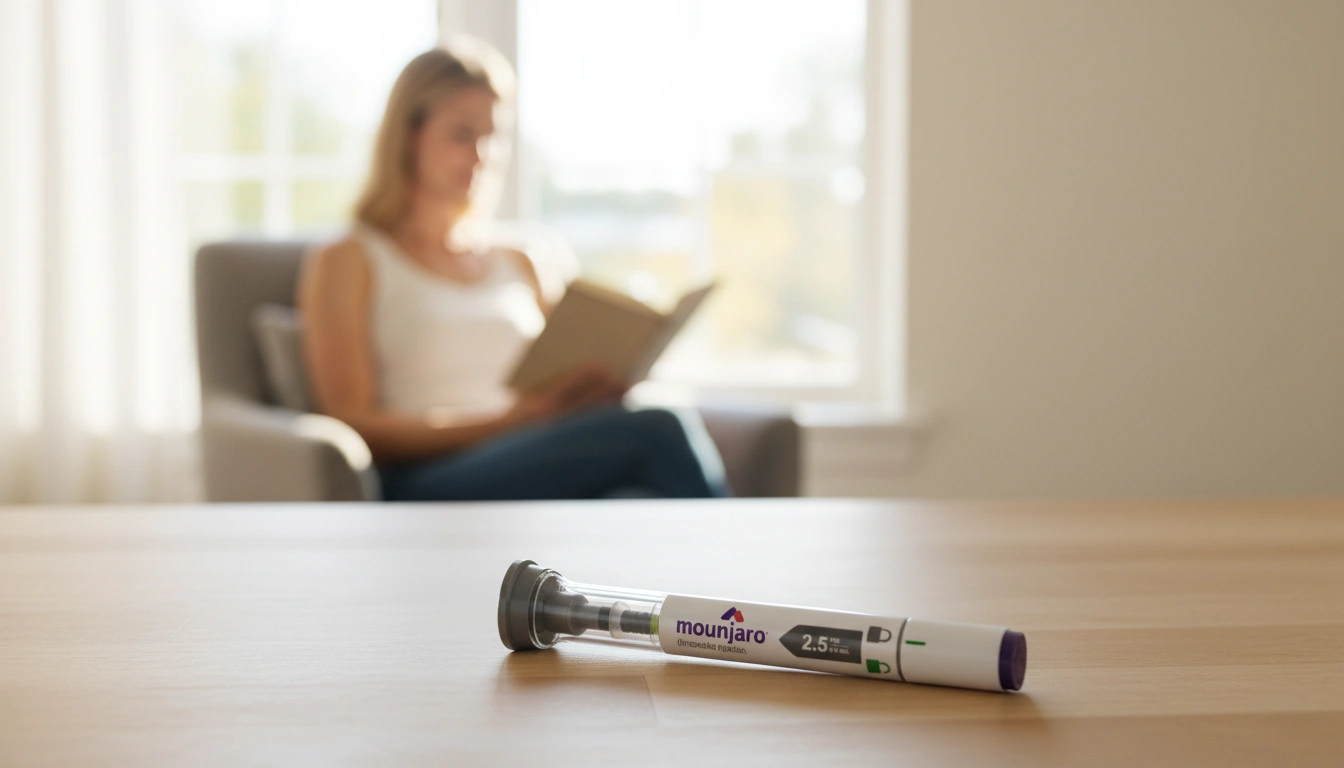
Introduction
Embarking on a weight loss journey is a profoundly personal endeavor, often marked by a mix of hope, determination, and the search for effective, sustainable solutions. For many, modern advancements in medical weight management, such as Mounjaro (tirzepatide), have opened new pathways to achieving health goals that once seemed out of reach. These powerful medications have significantly transformed how we approach weight loss, moving beyond simple diet and exercise to address the complex biological factors at play. However, as individuals progress through their treatment, a natural and important question often arises: “Can I reduce my Mounjaro dose?”
This inquiry reflects a thoughtful consideration of one’s ongoing health, a desire to fine-tune treatment, and an understanding that effective weight management is a dynamic process. Whether motivated by the successful achievement of weight loss goals, the desire to manage potential side effects, or simply to ensure long-term sustainability, exploring dose reduction is a vital part of a truly personalized approach to health.
At TrimRx, our journey began with a shared vision to help individuals embrace healthier lifestyles by merging cutting-edge telehealth innovations with effective weight loss solutions. We understand that sustainable weight loss should be achieved through science, empathy, and a transparent approach. Our brand is built on being empathetic, innovative, trustworthy, supportive, results-oriented, and personalized, offering compassionate care that respects every individual’s unique journey. We combine advanced medical science with modern technology to deliver solutions tailored to you.
In this comprehensive guide, we will delve into the nuances of Mounjaro dose reduction, exploring the safety considerations, effectiveness of lower doses, practical strategies for implementation, and the vital role of medical supervision. We will empower you with the knowledge needed to have informed discussions with your healthcare provider, ensuring that your weight loss journey remains safe, effective, and truly individualized. By the end of this article, you will have a clearer understanding of how to approach Mounjaro dose reduction and how TrimRx can support you every step of the way.
Understanding Mounjaro and Its Dosing Principles
Mounjaro, scientifically known as tirzepatide, represents a significant leap forward in the treatment of obesity and type 2 diabetes. Its unique mechanism of action sets it apart, offering profound benefits for weight management.
How Mounjaro Works
Mounjaro is a dual agonist, meaning it activates two key receptors: glucagon-like peptide-1 (GLP-1) and glucose-dependent insulinotropic polypeptide (GIP). Both are naturally occurring incretin hormones that play crucial roles in regulating metabolism and appetite.
- GLP-1 Receptor Agonism: Similar to other medications in this class, Mounjaro stimulates GLP-1 receptors. This action leads to several beneficial effects, including:
- Reduced Appetite and Increased Satiety: GLP-1 acts on the brain to decrease hunger signals and increase feelings of fullness, helping individuals consume fewer calories.
- Slowed Gastric Emptying: It slows down the rate at which food leaves the stomach, contributing to prolonged satiety and better blood sugar control after meals.
- Improved Insulin Secretion: It enhances insulin release from the pancreas in a glucose-dependent manner, meaning it only works when blood sugar is high, thereby reducing the risk of hypoglycemia.
- GIP Receptor Agonism: What makes Mounjaro distinct is its additional activation of GIP receptors. GIP contributes to:
- Enhanced Insulin Response: It further amplifies the body’s natural insulin response, leading to more effective glucose management.
- Fat Metabolism: Research suggests GIP may have a direct role in regulating fat metabolism and storage.
- Complementary Appetite Suppression: GIP can also contribute to feelings of fullness, working synergistically with GLP-1 to create a more potent effect on appetite control.
The combined action of GLP-1 and GIP agonism in Mounjaro provides a comprehensive approach to weight management and metabolic health, resulting in significant reductions in body weight and improvements in blood sugar control for many individuals.
The Standard Titration Process
When beginning treatment with Mounjaro, a healthcare provider will typically initiate a titration schedule, starting with a lower dose and gradually increasing it over time. This approach is not arbitrary; it’s a carefully considered strategy designed to optimize treatment outcomes and minimize potential side effects.
- Why Starting Low (2.5mg) is Crucial: The initial dose, typically 2.5mg once weekly, serves as a foundational step. It allows the body to acclimate to the medication’s effects, giving the digestive system and central nervous system time to adjust to the new hormonal signals. This gradual introduction significantly reduces the likelihood and severity of common gastrointestinal side effects such as nausea, vomiting, and diarrhea.
- Gradual Increases: Doses are typically increased by 2.5mg every four weeks, under the guidance of a healthcare professional. The available doses for Mounjaro include 2.5mg, 5mg, 7.5mg, 10mg, 12.5mg, and 15mg. This step-by-step approach ensures that the body can tolerate each increase before moving to the next level, maintaining a balance between efficacy and comfort.
- Maximum Dose and Intermediate Steps: While 15mg is the maximum dose, not everyone will need to reach it to achieve their weight loss goals. Many individuals find significant success at intermediate doses like 5mg or 10mg. The titration schedule is a pathway to finding the most effective yet tolerable dose for each unique individual.
- Importance of Body Adjustment: The body’s physiological response to Mounjaro is complex. Gradually increasing the dose allows the incretin systems to adapt, optimizing the medication’s therapeutic effects while mitigating adverse reactions. This controlled progression is key to a sustainable and positive treatment experience.
The Concept of an “Optimal” Dose
In the realm of weight management, the “optimal” dose of a medication like Mounjaro isn’t necessarily the highest dose. Instead, it refers to the specific dosage that provides the maximum therapeutic benefit (e.g., significant weight loss, improved metabolic markers) with the fewest and most manageable side effects for an individual.
- Defining Individual Response: Each person’s body responds uniquely to medication due to genetic factors, metabolism, existing health conditions, and lifestyle. What is highly effective and well-tolerated for one person at 5mg might be different for another, who may require 10mg or even 15mg.
- Balance Between Efficacy and Side Effects: The titration process is essentially a journey to discover this balance. A dose might be highly effective at promoting weight loss, but if it causes debilitating side effects, it’s not optimal for that individual. Conversely, a dose with minimal side effects but no weight loss progress is also not optimal. The sweet spot is where desired results are achieved with acceptable tolerability.
- How This Differs from the Highest Dose: Clinical trials have shown that while higher doses of Mounjaro generally lead to greater average weight loss, the difference might not be dramatically significant for every individual. For example, a 5mg dose has been shown to produce a substantial average body weight reduction of 15%, compared to 20.9% at 15mg over 72 weeks. For many, the moderate additional weight loss at higher doses may not justify increased side effects or other considerations. This highlights that the maximum dose is a ceiling, not a universal target, and an optimal dose can often be found at a lower or intermediate level.
Our platform at TrimRx is designed as a user-friendly and supportive space where individuals receive personalized, medically supervised care, all designed to make sustainable weight loss attainable and tailored to the individual. Through our comprehensive service, including doctor consultations and ongoing support, we help you navigate this journey to find your truly optimal dose.
When to Consider Reducing Your Mounjaro Dose
Deciding to reduce your Mounjaro dose is a significant step that should always be made in consultation with a healthcare provider. However, several common scenarios and motivations often lead individuals to consider this adjustment, all centered around enhancing the overall weight management experience.
Managing Side Effects
While Mounjaro is generally well-tolerated, some individuals may experience side effects that can impact their quality of life.
- Common Side Effects: These often include gastrointestinal issues such as nausea, vomiting, diarrhea, constipation, and abdominal pain. While these are usually more pronounced during the initial titration phases, they can persist for some at higher doses.
- When Side Effects Become Intolerable or Persistent: If side effects are severe, disruptive to daily life, or simply do not diminish over time at a particular dose, it’s a strong indicator to discuss a dose reduction. For instance, experiencing persistent nausea that affects food intake or causes significant discomfort is a valid reason to consider stepping down. A lower dose might still provide effective appetite suppression without the burdensome side effects.
- How a Lower Dose Can Improve Tolerability: Many individuals report that reducing their Mounjaro dose, especially from the highest levels, leads to a marked improvement in side effect profiles. The body may find it easier to adapt to a lower concentration of the medication, allowing the individual to continue treatment comfortably and sustainably. Online communities frequently echo these sentiments, with users sharing positive experiences of better tolerability at 5mg after reducing from higher doses.
Reaching Weight Loss Goals: Transition to Maintenance
Achieving your target weight is a monumental accomplishment, but the journey doesn’t end there. The transition to a maintenance phase is crucial for sustaining long-term results.
- The Shift from Active Weight Loss to Weight Maintenance: Once an individual reaches a healthy weight, the goal shifts from active weight loss to maintaining that new weight. Continuing at a high dose designed for rapid weight loss might not be necessary or even desirable during this phase.
- Why a Lower Dose Might Be Sufficient for Maintenance: For many, a lower Mounjaro dose can be perfectly effective for maintaining weight. It continues to provide appetite regulation and metabolic benefits without further significant weight reduction, helping to establish healthier long-term habits. This approach recognizes that the body’s needs change once a target weight is achieved.
- Distinguishing Maintenance Doses from Titration Doses: The doses of 5mg, 10mg, and 15mg are typically considered standard maintenance levels for Mounjaro, having been extensively researched for their safety and long-term effectiveness. While titration doses like 2.5mg, 7.5mg, and 12.5mg are primarily used as stepping stones, there are specific, medically supervised instances where a healthcare provider might consider prescribing 7.5mg or 12.5mg off-label for maintenance, depending on individual circumstances. Our comprehensive service ensures that you receive guidance from a doctor who will help determine the most suitable maintenance plan for you.
Exploring Long-Term Sustainability
Weight management is a marathon, not a sprint. Ensuring the long-term sustainability of treatment is paramount.
- The Role of a Lower Dose in Extended Treatment: Opting for a lower, effective dose can contribute significantly to the long-term viability of Mounjaro therapy. This can make the treatment more comfortable and manageable over extended periods, which is vital for preventing weight regain.
- Individual Preferences for a Less Intense Effect: Some individuals might prefer a more subtle effect on their appetite and satiety, even if it means a slightly slower rate of weight loss or a gentler maintenance phase. A lower dose can provide this nuanced control, integrating more seamlessly with an individual’s natural hunger cues and lifestyle.
Understanding the Effectiveness of Lower Doses
Concerns about reduced effectiveness upon lowering a dose are natural. However, clinical data and real-world experiences offer reassurance.
- Clinical Trial Data: A pivotal study published in the New England Journal of Medicine demonstrated that all Mounjaro doses produced significant body weight reduction. Specifically, after 72 weeks, the 5mg dose resulted in an average body weight reduction of 15%, compared to 19.5% for 10mg and 20.9% for 15mg. This data clearly indicates that lower doses are highly effective, with the difference between 5mg and 15mg being only 5.9 percentage points, despite a threefold increase in strength.
- Patient-Reported Experiences: Online communities are replete with anecdotal evidence supporting the continued effectiveness of lower doses. Many users who have reduced their Mounjaro dose, particularly to 5mg, report sustained appetite suppression and ongoing weight loss or successful maintenance. They often highlight that the benefits outweigh the slight reduction in the rate of weight loss, especially when considering improved tolerability.
- The Concept of Diminishing Returns with Higher Doses: For some individuals, increasing the dose beyond a certain point may yield diminishing returns in terms of additional weight loss, while simultaneously increasing the likelihood or severity of side effects. This principle underscores why an optimal dose is often found at a moderate level, balancing efficacy with overall well-being.
At TrimRx, we believe in supporting your individual journey. If you’re wondering if a personalized treatment plan with a prescription medication like Compounded Semaglutide, Oral Semaglutide, Ozempic®, Compounded Tirzepatide, Oral Tirzepatide, Mounjaro®, Zepbound®, or Wegovy® is right for you, we encourage you to take our free assessment quiz to see if you qualify.
Safely Navigating Mounjaro Dose Reduction
The decision to reduce your Mounjaro dose is a strategic move towards a more personalized and sustainable weight management plan. However, it is paramount that this decision is made with careful consideration and under strict medical supervision.
The Absolute Necessity of Medical Guidance
Any adjustment to your medication dosage should never be undertaken independently. Your prescribing clinician is your most valuable partner in this process.
- Why Consulting a Prescribing Clinician is Non-Negotiable: Your healthcare provider possesses a comprehensive understanding of your medical history, current health status, and response to treatment. They can assess the risks and benefits of dose reduction in your specific context, ensuring your safety and continued progress. Altering dosages without professional advice can lead to unpredictable outcomes, including increased side effects or a loss of therapeutic effect.
- Reviewing Health Status, Progress, and Goals with Your Doctor: Before any change, your clinician will review various factors:
- Weight Loss Trajectory: Have you reached your goal weight or is your weight loss plateauing?
- Side Effect Profile: How have you tolerated your current and previous doses?
- Overall Health Markers: Are there improvements in blood pressure, blood sugar, or cholesterol?
- Lifestyle Factors: How has your diet, exercise, and stress management evolved? Your doctor will use this information to advise on the most appropriate lower dose and reduction schedule tailored to your individual needs.
- TrimRx’s Approach: We emphasize that physician consultations are an integral part of our comprehensive service when considering prescription medications. Our platform is designed to facilitate these crucial discussions, ensuring you receive personalized, medically supervised care. To connect with a healthcare professional who can guide you through this decision, we invite you to take our free assessment quiz to see if you qualify for our prescription weight loss medications. Our commitment to transparent service means our approach remains consistent, providing you with consistent support and guidance.
Choosing the Right Reduction Approach
Once you and your healthcare provider decide to reduce your Mounjaro dose, there are generally two main approaches: gradual tapering or direct reduction. The choice depends on individual factors and medical advice.
- Gradual Tapering:
- Benefits for Body Adjustment, Minimizing Side Effects: A stepwise reduction (e.g., from 15mg to 12.5mg, then to 10mg, and so on, spending 4 weeks at each level) allows your body to slowly adjust to the decreasing levels of medication. This is often recommended to minimize the potential for increased hunger or a resurgence of side effects that can occur with abrupt changes. It mimics the initial titration process in reverse, allowing for a smooth transition.
- Considerations for Individuals on Higher Doses for Longer: Those who have been on higher doses for an extended period, or who have historically experienced significant side effects with dose changes, may benefit more from a gradual tapering approach. This ensures a gentler physiological adaptation.
- Direct Reduction:
- When It Might Be Considered: In some cases, a direct reduction (e.g., from 15mg directly to 5mg) might be suitable. This is typically considered for individuals who have tolerated previous doses exceptionally well, experienced minimal side effects throughout their treatment, or have a clear medical rationale for a more rapid reduction.
- Specific Examples: Your clinician might recommend this if, for instance, a particular higher dose is causing an acute, intolerable side effect, and they believe a lower maintenance dose would immediately resolve the issue without requiring intermediate steps. This approach is less common but may be appropriate in specific, medically supervised circumstances.
Preparing for Potential Changes
Reducing your Mounjaro dose can lead to physiological changes, primarily affecting appetite and weight patterns. Being prepared for these shifts is key to successful adaptation.
- Anticipating Appetite Shifts:
- Initial Increase in Hunger: Most individuals notice a moderate increase in hunger during the first 1-2 weeks after a dose reduction. This is a normal physiological response as the body adjusts to less potent incretin hormone stimulation. It’s crucial not to mistake this temporary increase for a failure of the lower dose.
- Stabilization of Hunger Levels: Typically, after 3-4 weeks, hunger levels tend to stabilize at a new baseline. Individual variation is significant; some experience minimal changes, while others notice more pronounced shifts.
- Strategies for Managing Increased Appetite:
- Prioritizing Protein Intake: Aim for 30-40g of protein per meal. Protein is highly satiating and crucial for maintaining muscle mass during weight management. Examples include lean meats, fish, eggs, Greek yogurt, and legumes.
- Emphasizing Fiber-Rich Foods: Incorporate plenty of vegetables, whole grains, fruits, and legumes. Fiber adds bulk to meals, promotes digestive health, and helps you feel fuller for longer.
- Structured Meal Planning: Maintain a consistent eating schedule with three balanced meals per day, and protein-rich snacks if needed. Regularity can help regulate hunger hormones and prevent extreme hunger.
- Limiting Ultra-Processed Foods: These foods are often energy-dense, low in nutrients, and can paradoxically increase hunger, even after consumption. Focusing on whole, unprocessed foods supports better satiety and overall health.
- Understanding Weight Loss Patterns:
- Temporary Plateaus: It’s common to experience a brief pause in weight loss immediately following a dose reduction as your body adjusts. This is usually temporary.
- Slower but Continued Weight Loss: Many individuals on a reduced dose continue to lose weight, albeit potentially at a slower rate than during peak treatment. The focus shifts to sustainable, gradual progress.
- Maintaining Current Weight: For those in a maintenance phase, a lower dose often helps maintain their current weight without further loss, which is precisely the goal.
- Potential for Slight Initial Regain: A small percentage of individuals might experience minor weight regain initially. This can be due to increased appetite before adaptation or changes in fluid balance. Consistent monitoring and adherence to lifestyle strategies can help mitigate this.
Monitoring Your Progress Post-Reduction
Effective monitoring is essential to gauge the success of a dose reduction and to make any further adjustments if necessary.
- Key Metrics to Track:
- Weight Changes: Consistent weekly measurements, taken at the same time of day, provide valuable data.
- Hunger Levels: Use a hunger scale (e.g., 1-10) to assess and distinguish true hunger from other eating cues.
- Energy Levels and Mood: Note any significant changes, as these can indicate how well your body is adapting.
- Side Effects: Continue to monitor for any return or worsening of side effects, or the emergence of new ones.
- Ability to Maintain Healthy Eating Habits: Are you able to stick to your dietary plan and manage cravings effectively?
- The Importance of Consistent Tracking and Communication: Regular communication with your healthcare provider is vital. Share your tracked metrics and any concerns you have. This collaborative approach ensures that your treatment plan remains optimized for your unique needs and continues to align with our commitment to personalized care.
Living Well and Sustaining Progress on a Lower Mounjaro Dose
Reducing your Mounjaro dose doesn’t mean compromising your weight management goals; rather, it often signifies a move towards a more sustainable and integrated lifestyle approach. To thrive on a lower dose, complementing medication with robust nutritional, physical, and behavioral strategies is essential.
Nutritional Foundations for Success
Nutrition plays an even more critical role when on a lower dose, as the medication’s appetite-suppressing effects may be less intense.
- Optimizing Protein Intake:
- Role in Satiety and Muscle Preservation: Protein is the most satiating macronutrient, helping you feel fuller for longer and reducing overall calorie intake. It’s also vital for preserving lean muscle mass, which is metabolically active and important for long-term weight management. Research consistently shows that higher protein diets enhance satiety and help prevent muscle loss during weight reduction.
- Practical Examples: Aim for a significant protein source at every meal. Think Greek yogurt with nuts and berries for breakfast, a chicken or fish salad for lunch, and lean beef or tofu stir-fry for dinner. Protein-rich snacks like boiled eggs, cottage cheese, or a protein smoothie can bridge meals effectively.
- Embracing Fiber and Whole Foods:
- Benefits for Digestion, Fullness, and Stable Blood Sugar: Fiber-rich foods add bulk to your diet without many calories, promoting a feeling of fullness. They also support healthy digestion and help stabilize blood sugar levels, preventing energy crashes and subsequent cravings.
- Integrating Diverse Plant-Based Foods: Focus on a variety of vegetables (leafy greens, cruciferous vegetables), whole grains (oats, quinoa, brown rice), legumes (lentils, beans), and fruits. These foods provide essential vitamins, minerals, and antioxidants.
- Strategic Meal Planning:
- Consistent Meal Times: Eating at regular intervals helps regulate hunger hormones and establishes a predictable rhythm for your body, reducing the likelihood of extreme hunger or impulsive eating.
- Hydration Between Meals: Drinking plenty of water throughout the day, especially between meals, can aid satiety and is crucial for overall metabolic health. Sometimes, thirst can be mistaken for hunger.
- Reducing Mindless Eating: Create an intentional eating environment. Minimize distractions like screens, and focus on the flavors, textures, and your body’s hunger and fullness cues. This mindful approach helps you connect with your food and avoid overconsumption.
To further support your nutritional efforts and overall metabolic health, particularly when on GLP-1 medications, consider our GLP-1 Daily Support. Additionally, our Weight Loss Boost offers a synergistic blend designed to enhance your weight management journey.
The Power of Physical Activity
Exercise is a cornerstone of sustainable weight management, playing a vital role in preserving muscle, boosting metabolism, and improving mood.
- Strength Training: Incorporate 2-3 sessions of strength training weekly. Building and maintaining muscle mass is crucial because muscle tissue burns more calories at rest than fat tissue, supporting a healthier metabolism. It also contributes to strength, bone density, and overall functional fitness.
- Daily Movement: Aim for consistent daily movement, targeting 7,000-10,000 steps or more. This could be brisk walking, cycling, or any activity that gets your heart rate up. Regular movement improves cardiovascular health, energy levels, and mood.
- Post-Meal Walks: Even short, 10-minute walks after meals can significantly reduce post-meal blood glucose spikes, contributing to better metabolic control and energy stability.
Cultivating Supportive Behavioral Strategies
Weight management is as much about mental and emotional well-being as it is about physical changes.
- Mindful Eating: Develop awareness around your hunger and fullness signals. Use a hunger scale (1-10) to distinguish between true physiological hunger and other triggers like boredom, stress, or emotional needs. Eating when genuinely hungry and stopping when comfortably full are powerful tools.
- Stress Management: Stress can significantly impact appetite and food choices, often leading to emotional eating. Develop non-food coping strategies such as meditation, deep breathing exercises, spending time in nature, or engaging in hobbies. Addressing emotional triggers directly can help prevent reliance on food for comfort.
- Sleep Hygiene: Prioritize 7-9 hours of quality sleep per night. Poor sleep disrupts hormones that regulate appetite (ghrelin and leptin), increases cortisol (a stress hormone), and impairs insulin sensitivity, all of which can hinder weight loss and promote weight gain. Establishing a consistent sleep schedule and creating a relaxing bedtime routine are crucial.
- Environmental Cues: Structure your surroundings to support your goals. Keep healthy, filling foods visible and easily accessible, while limiting access to tempting ultra-processed options. Prepare balanced meals in advance to simplify healthy eating, especially on busy days. Minimize distractions during meals to allow for mindful eating.
These integrated strategies, when combined with a medically supervised lower Mounjaro dose, create a powerful synergy that promotes not just weight loss, but holistic well-being and long-term health. We believe in providing compassionate care that respects every individual’s unique journey, merging advanced medical science with modern technology.
TrimRx’s Personalized Approach to Your Weight Loss Journey
At TrimRx, we understand that weight loss is not a one-size-fits-all endeavor. Our approach is deeply rooted in personalization, combining cutting-edge medical science with unwavering support to create sustainable, effective solutions.
Our Commitment to Individualized Care
Our journey at TrimRx began with a shared vision: to help individuals embrace healthier lifestyles by merging cutting-edge telehealth innovations with effective weight loss solutions. This vision is guided by our core values.
- Our Values: We believe that sustainable weight loss should be achieved through science, empathy, and a transparent approach. This means relying on clinically proven methods, understanding and respecting each individual’s unique challenges, and being clear about every aspect of our service.
- Personalized, Medically Supervised Care: Our platform is a user-friendly and supportive space where individuals receive personalized, medically supervised care. It’s important to note that TrimRx partners with FDA-registered and inspected pharmacies for the shipping of weight loss medications and does not provide actual medical supervision. Instead, we facilitate comprehensive doctor consultations as part of our service, ensuring you receive professional guidance tailored to your specific health profile and goals. All our programs are designed to make sustainable weight loss attainable and tailored to the individual, reflecting our brand personality as empathetic, innovative, trustworthy, supportive, results-oriented, and personalized.
How We Support Your Decisions
When it comes to medication adjustments, such as deciding if you can reduce your Mounjaro dose, our comprehensive service is designed to provide seamless support.
- Comprehensive Service: Our programs include essential components such as thorough doctor consultations, necessary lab work, unlimited support from our team, and convenient shipping of medications directly to you. We pride ourselves on having no hidden fees, ensuring a transparent and predictable experience.
- Guidance on Choosing the Right Medication and Dosage: Whether you’re considering starting a new medication, increasing your dose, or exploring a reduction, our affiliated healthcare professionals are there to guide you. They help you understand options like Compounded Semaglutide, Oral Semaglutide, Ozempic®, Compounded Tirzepatide, Oral Tirzepatide, Mounjaro®, Zepbound®, and Wegovy®. They will discuss the benefits and considerations of each, ensuring you make informed decisions about your treatment plan, including adjustments to your Mounjaro dose.
- FDA-Registered and Inspected Pharmacies: Safety is paramount. All prescription medications facilitated through TrimRx are provided through FDA-registered and inspected pharmacies. While branded medications like Ozempic®, Mounjaro®, Zepbound®, and Wegovy® are FDA-approved, it’s important to clarify that compounded medications are not FDA approved. However, they are prepared in FDA-registered and inspected pharmacies under strict quality control standards, ensuring safety and efficacy.
- For a Tailored Plan: To discover if you qualify for our personalized prescription weight loss solutions and to begin your journey with expert medical guidance, we strongly encourage you to take our free assessment quiz.
Beyond Prescription Medications
Weight loss and wellness are multifaceted. We offer additional support tools that do not require a prescription or assessment quiz, providing immediate access to enhance your journey.
- Introducing Our Quick-Access Supplements: These supplements are designed to complement your weight loss efforts and support overall wellness.
- GLP-1 Daily Support: This supplement is specifically formulated to support metabolic health and may be beneficial for individuals on GLP-1 medications or those looking to support their body’s natural processes. It’s a great way to bolster your journey, whether you’re considering or actively adjusting your Mounjaro dose.
- Weight Loss Boost: Our Weight Loss Boost provides a synergistic blend of ingredients designed to enhance your weight management efforts, support energy levels, and contribute to overall well-being. It’s an excellent addition for anyone seeking extra support in their health and weight goals.
By combining medically supervised prescription treatments with these supportive supplements and lifestyle guidance, TrimRx offers a truly holistic and personalized path to achieving and maintaining a healthier you.
Conclusion
The journey of weight management with medications like Mounjaro is dynamic, requiring adaptability and informed decision-making. The question, “can I reduce my Mounjaro dose?”, is a testament to an engaged, proactive approach to one’s health, recognizing that the optimal path is not always linear. We’ve explored that reducing your Mounjaro dose is a viable and often beneficial strategy, whether driven by the desire to manage side effects, transition to a maintenance phase, or achieve long-term sustainability. The effectiveness of lower doses is supported by both clinical research and real-world experiences, demonstrating that significant benefits can be maintained without always needing the highest dosage.
However, the cornerstone of any medication adjustment, especially a dose reduction, is the unwavering necessity of medical guidance. Collaborating closely with your healthcare provider ensures that any changes are made safely, effectively, and tailored to your unique physiological and lifestyle needs. Furthermore, integrating robust nutritional strategies, consistent physical activity, and supportive behavioral practices is crucial for sustaining progress, particularly when on a lower dose. These lifestyle pillars empower you to take an active role in your health, maximizing the benefits of your medication and fostering enduring well-being.
At TrimRx, we are deeply committed to being your trusted partner on this journey. Our platform offers a pathway to personalized, medically supervised care, where science, empathy, and transparency guide every step. From comprehensive doctor consultations and lab work to providing medication from FDA-registered and inspected pharmacies, and offering unlimited support, we strive to make sustainable weight loss attainable. We understand that your needs may evolve, and we are here to support every decision, including when and how you might consider reducing your Mounjaro dose.
Ready to explore what’s truly right for you, or to optimize your current weight management plan? We encourage you to take our free assessment quiz to see if you qualify for our prescription weight loss medications. For immediate support to complement your journey, consider our GLP-1 Daily Support or Weight Loss Boost supplements. Your path to a healthier, more vibrant life is unique, and we are here to support it with personalized care every step of the way.
Frequently Asked Questions (FAQ)
1. Can I reduce my Mounjaro dose without talking to my doctor?
No, it is strongly advised against reducing your Mounjaro dose without first consulting your prescribing clinician. Your doctor understands your medical history, current health status, and how the medication interacts with your body. Adjusting your dose independently can lead to ineffective treatment, increased side effects, or a resurgence of symptoms. Always seek medical guidance for any medication changes.
2. What are the common reasons individuals choose to reduce their Mounjaro dose?
Individuals typically consider reducing their Mounjaro dose for several key reasons: to better manage or minimize side effects (such as nausea or digestive issues) that may be more pronounced at higher doses; upon reaching their target weight and transitioning into a maintenance phase where a lower dose may be sufficient; or to enhance the long-term sustainability and comfort of their treatment plan.
3. Will reducing my Mounjaro dose cause me to regain weight?
While some individuals may experience a temporary plateau in weight loss or even a slight initial weight regain when reducing their Mounjaro dose, it does not automatically mean significant weight regain. Many continue to lose weight, albeit potentially at a slower rate, or successfully maintain their weight on a lower dose. The key is to combine dose reduction with robust lifestyle strategies, including a protein-rich, fiber-focused diet and regular physical activity, all under medical supervision.
4. How does TrimRx support individuals considering Mounjaro dose adjustments?
TrimRx supports individuals through comprehensive, personalized, and medically supervised care. This includes facilitating doctor consultations where you can discuss your progress and explore dose adjustments, such as if you can reduce your Mounjaro dose. Our service also provides necessary lab work, unlimited support, and ensures your medication is shipped from FDA-registered and inspected pharmacies. For a personalized plan and to discuss your options, we encourage you to take our free assessment quiz.

Transforming Lives, One Step at a Time
Keep reading

How to Choose Between Ozempic and Mounjaro
If you’ve spent any time researching GLP-1 medications for weight loss, you’ve probably landed on this question eventually. Ozempic and Mounjaro are the two…

Mounjaro Savings Card: Eli Lilly Programs Explained
Mounjaro carries a list price of over $1,000 per month without insurance. For people managing type 2 diabetes or pursuing weight loss with tirzepatide,…

Effective Strategies for Managing Your Journey: What Helps Nausea From Mounjaro and How to Stay on Track
Discover what helps nausea from Mounjaro with our expert guide. Explore dietary tips, hydration strategies, and natural remedies to manage side effects effectively.


