Navigating Your Mounjaro Journey: How Many Calories Should I Eat for Optimal Results?
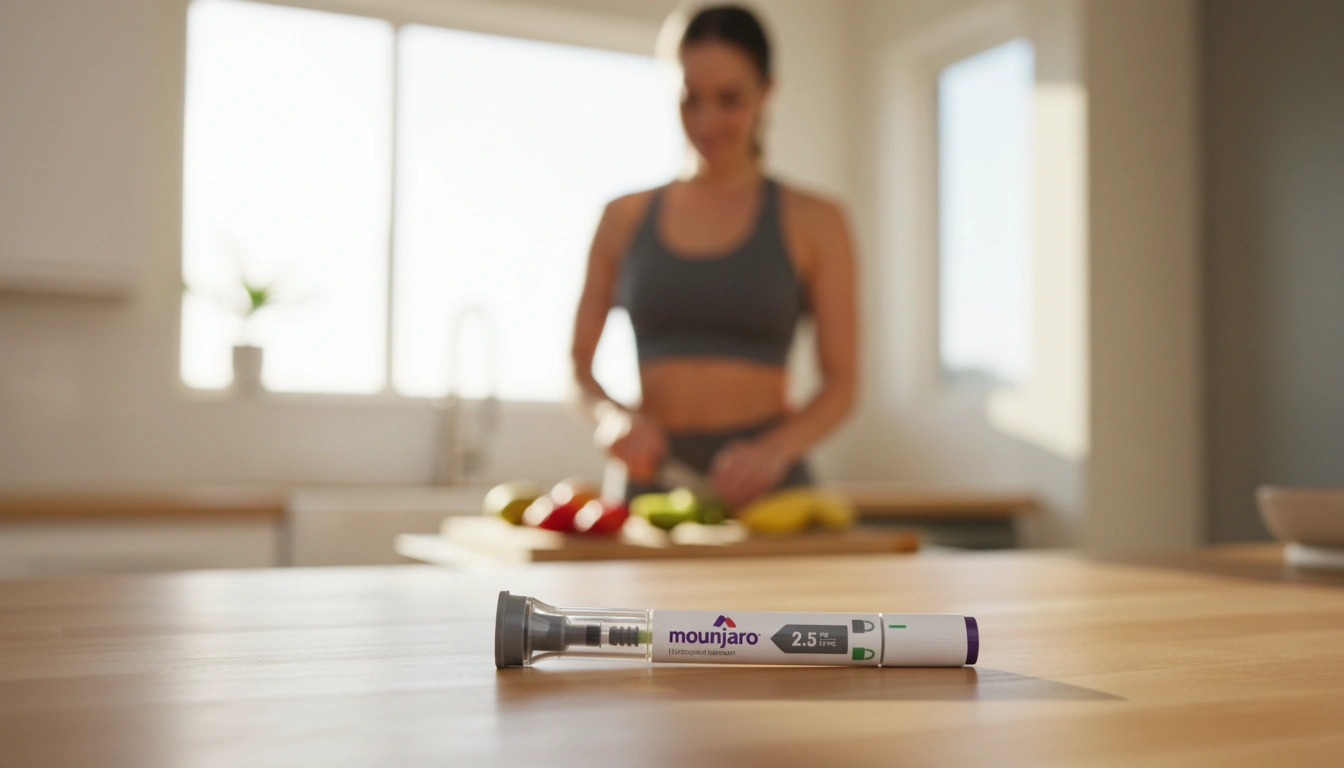
Introduction
The journey toward sustainable weight loss often feels like a complex puzzle, especially when navigating it alongside modern medical advancements. Many individuals find themselves at a pivotal moment, exploring options like Mounjaro® (tirzepatide), a powerful medication that has shown remarkable efficacy in supporting blood sugar management and weight reduction. As with any significant health endeavor, questions naturally arise, particularly concerning dietary choices and calorie intake. The internet is awash with advice, but how do we discern what truly supports our unique physiology when taking such a medication? How many calories should I eat while taking Mounjaro, and what does a truly supportive diet look like?
Here at TrimRx, our journey began with a shared vision to help individuals embrace healthier lifestyles by merging cutting-edge telehealth innovations with effective weight loss solutions. We understand that effective weight management is not a one-size-fits-all endeavor; it requires a blend of science, empathy, and a transparent approach. This post aims to demystify the dietary considerations while on Mounjaro®, offering a clear, evidence-based roadmap to optimize your journey. We will delve into how Mounjaro® works, the nuanced approach to calorie intake, and the specific foods that can either enhance its benefits or exacerbate potential side effects. You’ll learn how to build a plate that nourishes your body, supports your weight loss goals, and helps manage your overall well-being. By the end, you’ll have a deeper understanding of how to align your nutrition with your treatment, emphasizing the personalized, medically supervised care that we champion.
Understanding Mounjaro’s Mechanism and Its Impact on Your Diet
Mounjaro®, with its active ingredient tirzepatide, represents a significant leap in how we approach metabolic health and weight management. It’s a dual agonist, meaning it mimics two natural incretin hormones in your body: glucagon-like peptide-1 (GLP-1) and glucose-dependent insulinotropic polypeptide (GIP). This dual action is key to its comprehensive effects, which extend beyond simple appetite suppression.
The Science Behind Tirzepatide
When you take Mounjaro®, tirzepatide works by activating both GLP-1 and GIP receptors. This activation leads to several crucial physiological changes:
- Enhanced Insulin Release: It stimulates the pancreas to release more insulin when blood sugar levels are high, which helps regulate glucose.
- Reduced Glucagon Secretion: It decreases the production of glucagon, a hormone that signals the liver to release stored sugar, further contributing to stable blood sugar.
- Delayed Gastric Emptying: Mounjaro® slows down how quickly food leaves your stomach. This means you feel fuller for longer after meals, which naturally leads to reduced food intake.
- Appetite Regulation: By acting on areas of the brain that control hunger and satiety, tirzepatide helps curb cravings and reduces your overall appetite. Many individuals report a decreased desire for highly palatable, energy-dense foods.
These combined actions make Mounjaro® a powerful tool for blood sugar management and weight loss. However, its effects also necessitate a thoughtful approach to your diet. The slowed digestion and reduced appetite mean that the quality of the food you consume becomes even more critical for maintaining energy, ensuring adequate nutrient intake, and minimizing potential side effects.
Why Your Diet Matters More Than Ever on Mounjaro®
While Mounjaro® is highly effective, it’s designed to work in synergy with lifestyle changes, particularly dietary ones. The medication itself doesn’t dictate what you should eat, but its impact on your body fundamentally changes how your body responds to food.
- Maximizing Effectiveness: A balanced, nutrient-dense diet can amplify Mounjaro’s benefits in blood sugar control and weight reduction.
- Minimizing Side Effects: Common side effects like nausea, constipation, or indigestion can often be managed or lessened through strategic food choices. For instance, high-fat or spicy foods might exacerbate gastrointestinal discomfort due to slowed digestion.
- Preventing Nutrient Deficiencies: With a reduced appetite, there’s a risk of not consuming enough essential vitamins, minerals, and protein. Prioritizing nutrient-dense foods ensures your body receives what it needs even with smaller portions.
Our commitment at TrimRx is to provide medically supervised care that respects every individual’s unique journey. This includes guidance on how to integrate effective nutrition strategies into your life while taking medications like Mounjaro®. Our approach remains consistent, focusing on your well-being throughout your treatment.
The Calorie Question: A Personalized Perspective on “How Many Calories Should I Eat While Taking Mounjaro?”
This is perhaps the most common question for anyone embarking on a weight loss journey, especially with the added dimension of medication like Mounjaro®. The answer isn’t a simple number that applies universally, but rather a personalized strategy that considers various factors.
General Calorie Guidelines and Their Nuance
For individuals using GLP-1 or dual GIP/GLP-1 agonist drugs like Mounjaro® for weight loss, general guidelines often suggest a daily calorie intake range. Some expert recommendations propose that women might aim for approximately 1,200 to 1,500 calories per day, while men might target 1,500 to 1,800 calories each day. These figures are often presented as a starting point for discussion with a healthcare provider.
However, it’s crucial to understand that these are general guidelines. Your individual calorie needs depend on numerous factors, including:
- Basal Metabolic Rate (BMR): The calories your body burns at rest.
- Activity Level: How much physical activity you engage in daily.
- Age, Sex, and Body Composition: These all influence metabolic rate.
- Starting Weight and Weight Loss Goals: A larger deficit may be needed initially, but it must be managed safely.
- Medical Conditions: Any underlying health issues can affect calorie requirements.
The power of Mounjaro® lies in its ability to significantly reduce appetite and enhance satiety. For many, this naturally leads to a reduced caloric intake without the strenuous effort of strict calorie counting. We find that focusing exclusively on numbers can sometimes be counterproductive, leading to feelings of restriction or deprivation. Our personalized weight loss programs emphasize a more holistic approach.
Our Approach: Quality Over Strict Counting
At TrimRx, we believe that sustainable weight loss should be achieved through science, empathy, and a transparent approach. While understanding calorie ranges can be informative, our focus, particularly when taking Mounjaro®, shifts towards nutrient density and balanced eating rather than rigid calorie tracking.
With Mounjaro® reducing your hunger, it becomes paramount to ensure that every calorie you consume is packed with nutritional value. This means prioritizing whole, unprocessed foods that provide essential proteins, fibers, healthy fats, vitamins, and minerals. This approach ensures you feel satisfied, maintain muscle mass, and avoid nutrient deficiencies even with smaller overall food volumes.
Instead of meticulously counting every calorie, we guide our members to:
- Listen to Their Body’s Cues: Mounjaro® often helps re-calibrate hunger and fullness signals. Learning to identify true hunger and stopping when comfortably full is a key skill.
- Build Balanced Plates: Focus on the composition of your meals – ensuring adequate protein, ample non-starchy vegetables, and complex carbohydrates.
- Prioritize Nutrient-Dense Foods: Choose foods that offer maximum nutritional bang for your buck.
Ultimately, determining the ideal calorie intake is a discussion best had with a healthcare professional who can assess your individual needs and create a personalized treatment plan. To explore how a tailored approach can benefit you, we encourage you to take our free assessment quiz. This assessment helps us understand your unique profile and determine your eligibility for our prescription weight loss medications, including Mounjaro®, Compounded Semaglutide, Oral Semaglutide, Ozempic®, Compounded Tirzepatide, Oral Tirzepatide, Zepbound®, and Wegovy®.
Building Your Mounjaro-Friendly Plate: What to Eat
When taking Mounjaro®, your diet should be a deliberate strategy to support the medication’s effects, manage potential side effects, and ensure comprehensive nutrition. A balanced diet rich in whole foods, focused on protein, fiber, and healthy fats, is the optimal approach.
The Power of Protein
Protein should be the cornerstone of your diet while on Mounjaro®. It’s crucial for preserving muscle mass during weight loss, promotes satiety, and helps stabilize blood sugar levels.
Daily Protein Goals and Sources
Research suggests aiming for 1.2-2.0 grams of protein per kilogram of body weight daily while on Mounjaro®. For example, an individual weighing 75 kg should target approximately 90-150 grams of protein per day. We recommend spreading this intake throughout your meals, ideally consuming 25-40 grams of protein at each main meal.
- Lean Meats: Chicken breast, turkey, lean cuts of beef, and pork.
- Fish and Seafood: Oily fish like salmon (rich in omega-3s), cod, tuna, shrimp, and other seafood.
- Eggs: A versatile and complete protein source.
- Dairy: Greek yogurt, cottage cheese, and other low-fat dairy products.
- Plant-Based Proteins: Tofu, tempeh, lentils, beans, edamame, and protein powders (whey or plant-based).
Fiber-Rich Foundations: Fruits, Vegetables, and Whole Grains
Fiber is indispensable for digestive health, blood sugar regulation, and prolonged satiety. It helps counteract common side effects like constipation and ensures a steady release of energy.
Nutrient-Dense Vegetables
Prioritize non-starchy vegetables, which are low in calories but high in fiber, vitamins, and minerals. Aim to fill half your plate with these vibrant options.
- Dark Leafy Greens: Spinach, kale, collard greens.
- Cruciferous Vegetables: Broccoli, Brussels sprouts, cauliflower.
- Other Non-Starchy Options: Bell peppers, mushrooms, zucchini, asparagus, tomatoes, cucumbers.
Low-Sugar Fruits
Fruits offer natural sweetness, fiber, and antioxidants. Opt for low-glycemic index fruits to prevent rapid blood sugar spikes.
- Berries: Strawberries, blueberries, raspberries, blackberries.
- Apples and Pears: With their skins for added fiber.
- Citrus Fruits: Oranges, grapefruit.
Complex Carbohydrates and Whole Grains
These provide sustained energy and essential nutrients, unlike refined carbohydrates that can cause quick energy spikes and crashes.
- Whole Grains: Quinoa, brown rice, oats, whole-wheat bread and pasta, barley.
- Legumes: Lentils, chickpeas, black beans.
- Starchy Vegetables (in moderation): Sweet potatoes, corn (consumed mindfully due to higher carbohydrate content).
Healthy Fats for Satiety and Function
Not all fats are created equal. Healthy fats are vital for hormone production, nutrient absorption, and maintaining satiety. However, due to Mounjaro’s slowed gastric emptying, high-fat foods should be consumed in moderation to avoid gastrointestinal discomfort.
- Avocado: Rich in monounsaturated fats.
- Nuts and Seeds: Almonds, walnuts, chia seeds, flaxseeds (great for fiber too).
- Olive Oil: A heart-healthy option for cooking and dressings.
- Oily Fish: Salmon, mackerel, sardines (also excellent protein sources).
By thoughtfully constructing your meals with these components, you provide your body with the fuel and nutrients it needs to thrive while optimizing the benefits of Mounjaro®. Remember, personalized guidance is always best. Our team can help you craft a dietary strategy tailored to your specific needs after you take our free assessment quiz.
Foods to Approach with Caution (or Avoid) on Mounjaro®
While Mounjaro® can significantly reduce appetite, certain foods can still undermine your progress, exacerbate side effects, or provide minimal nutritional value. Being mindful of these choices is crucial for a comfortable and effective weight loss journey.
Ultra-Processed Foods and Sugary Drinks
These items are often high in unhealthy fats, added sugars, and sodium, offering many calories with little nutritional benefit.
- Examples: Chips, ready meals, sweets, biscuits, fast food, sugary cereals, soda, sweetened teas, fruit juices.
- Why Limit Them: They can cause rapid blood sugar spikes and crashes, increase cravings, and provide empty calories, hindering weight loss. Some artificial sweeteners can also cause digestive discomfort for some individuals.
Fatty or Fried Foods
Due to Mounjaro’s effect of slowing gastric emptying, high-fat foods can linger in the stomach longer, increasing the likelihood of nausea, indigestion, and discomfort.
- Examples: Fried chicken, french fries, fatty cuts of meat (sausages, bacon), high-fat dairy (cream, full-fat cheese), creamy sauces.
- Why Limit Them: They can trigger or worsen gastrointestinal side effects. Opt for grilling, baking, air frying, or steaming your foods instead.
Spicy and Acidic Foods
For some individuals, very spicy or acidic foods can irritate the stomach lining, potentially worsening common gastrointestinal side effects.
- Examples: Meals with high levels of chili, hot sauces, very acidic citrus juices on an empty stomach.
- Why Limit Them: Can contribute to bloating, gas, indigestion, and general stomach discomfort.
Refined Carbohydrates
These foods are quickly digested and absorbed, leading to rapid blood sugar fluctuations that can undermine Mounjaro’s stabilizing effects. They also offer less fiber and satiety compared to their whole-grain counterparts.
- Examples: White bread, white pasta, white rice, pastries, crackers made with refined flour.
- Why Limit Them: They don’t provide sustained energy or the hunger-lowering effect of high-fiber complex carbohydrates.
Alcohol
Consuming alcohol while on Mounjaro® can intensify side effects like nausea, dizziness, and fatigue. It can also interfere with your liver’s ability to process the medication effectively and adds empty calories, which can impede weight loss progress.
- Why Limit It: Exacerbates side effects, provides empty calories, and may interfere with medication efficacy.
Making conscious choices to limit or avoid these foods allows Mounjaro® to work more effectively, helps manage potential side effects, and keeps you aligned with your health and weight loss goals. We empower our members with the knowledge to make informed decisions for their unique journey, reinforcing our commitment to transparent service and effective solutions.
The Role of Hydration and Strategic Meal Timing
Beyond what you eat, when and how you eat, along with adequate hydration, play a significant role in optimizing your Mounjaro® experience. These elements can enhance the medication’s effectiveness and help manage common side effects.
Strategic Meal Timing and Patterns
Mounjaro’s effect on slowing gastric emptying makes meal timing particularly important. Establishing regular meal patterns can support stable blood sugar and hunger levels, fostering habits crucial for long-term weight management.
- Consistent Meal Times: Aim to eat breakfast, lunch, and dinner around the same time each day. This helps regulate your body’s metabolic rhythm and can prevent extreme hunger or overeating.
- Prioritize Protein at Breakfast: Starting your day with a substantial protein intake (e.g., 25-30g) is especially beneficial. It sets the tone for satiety throughout the day and helps maintain muscle mass. Examples include Greek yogurt with berries and nuts, eggs with spinach, or a protein smoothie.
- Adequate Portions: While Mounjaro® reduces appetite, extremely small portions might not provide sufficient nutrients and protein. Focus on balanced plates with enough protein, vegetables, and complex carbohydrates to meet your nutritional needs without feeling overly stuffed.
- Listen to Your Body: Mounjaro® helps restore natural hunger cues. Eat when genuinely hungry, and stop when you feel comfortably satisfied, not overly full.
The Importance of Hydration
Staying well-hydrated is always crucial for overall health, but it becomes even more vital when taking Mounjaro®, particularly for managing side effects.
- Combating Constipation: Constipation is a common side effect of GLP-1 agonists. Drinking at least 1.5-2 liters of water daily can significantly help in preventing and managing it.
- Aiding Digestion: Proper hydration supports the digestive process, especially with slowed gastric emptying.
- Distinguishing Hunger from Thirst: Sometimes, what we perceive as hunger is actually thirst. Drinking water before meals can help you assess your true hunger levels.
- Healthy Alternative: Water is calorie-free and a perfect substitute for sugary beverages.
By integrating these practical strategies into your daily routine, you can further enhance your comfort and progress while on Mounjaro®. Our supportive platform at TrimRx offers the resources and guidance to help you establish these beneficial habits, complementing your medically supervised care.
Managing Side Effects Through Dietary Strategies
While Mounjaro® offers significant benefits, some individuals may experience side effects, particularly gastrointestinal ones, as their body adjusts. Many of these can be effectively managed or alleviated through thoughtful dietary choices. Our brand is empathetic and supportive, and we prioritize your comfort throughout your journey.
Tackling Nausea
Nausea is one of the most frequently reported side effects. Here’s how diet can help:
- Smaller, More Frequent Meals: Instead of three large meals, try eating smaller portions more often throughout the day. This keeps your stomach from becoming too full, which can trigger nausea.
- Bland Foods: Opt for easily digestible, bland foods like toast, crackers, rice, and plain chicken.
- Avoid Strong Aromas: Foods with strong smells, especially when hot, can exacerbate nausea. Cold or room-temperature foods might be more tolerable.
- Ginger: Ginger tea or ginger supplements (e.g., 250mg) have shown efficacy in easing nausea.
- Stay Hydrated: Sip on clear fluids frequently to prevent dehydration, which can worsen nausea.
Addressing Constipation
Constipation is another common concern, often due to the slowed gastric emptying.
- Increase Fiber Gradually: Boost your intake of high-fiber foods such as berries, ground flaxseeds (1-2 tablespoons daily), chia seeds, and a variety of legumes. Introduce fiber slowly to avoid gas and bloating.
- Adequate Hydration: As mentioned, drinking plenty of water (minimum 1.5-2 liters daily) is crucial for keeping stools soft and promoting regular bowel movements.
- Consider Magnesium: A magnesium supplement (300-400mg daily, under medical guidance) can sometimes help with regularity.
Combating Fatigue
While Mounjaro® typically leads to increased energy as weight is lost, some initial fatigue might occur.
- Consistent Protein Intake: Ensure you’re consuming enough protein throughout the day to maintain muscle mass and provide sustained energy.
- Iron-Rich Foods: Include sources of iron like lean red meat, spinach, and lentils to prevent iron-deficiency fatigue.
- Vitamin B12 Sources: For those reducing meat intake, ensure adequate vitamin B12 through fortified foods or supplements, as it’s vital for energy metabolism.
- Balanced Meals: Maintain three balanced meals a day to stabilize energy levels and prevent dips.
Remember, while these dietary strategies can be highly effective, it’s essential to communicate any persistent or severe side effects to your healthcare provider. Our comprehensive service includes unlimited support, ensuring you have access to guidance throughout your weight loss journey.
Beyond Calories: A Holistic Approach with TrimRx
Achieving and sustaining weight loss is a multifaceted endeavor that extends far beyond simply counting calories. It involves understanding your body, making informed dietary choices, and receiving consistent support. At TrimRx, we embody this holistic perspective, offering personalized, medically supervised care that empowers you to transform your health safely and effectively.
Our Comprehensive Service: Your Partner in Health
Our platform is a user-friendly and supportive space where individuals receive personalized care designed to make sustainable weight loss attainable and tailored to the individual. We believe that true success comes from a supportive ecosystem, which is why our comprehensive service includes:
- Doctor Consultations: Every journey begins with a thorough medical evaluation by a licensed healthcare provider. This ensures that a personalized treatment plan is developed specifically for your health profile and goals.
- Medication Management: For eligible individuals, we offer access to clinically proven weight loss medications. These include Compounded Semaglutide, Oral Semaglutide, Ozempig® (FDA approved), Compounded Tirzepatide, Oral Tirzepatide, Mounjaro® (FDA approved for type 2 diabetes, often prescribed off-label for weight loss), Zepbound® (FDA approved for weight loss), and Wegovy® (FDA approved). It’s important to clarify that our medications are provided through FDA-registered, inspected, and approved pharmacies, ensuring the highest standards of safety and quality. While branded medications like Ozempic®, Mounjaro®, Zepbound®, and Wegovy® are FDA approved, compounded medications are not FDA approved.
- Lab Work: Essential lab tests are part of our process to assess your baseline health, monitor your progress, and ensure the safety and efficacy of your treatment plan.
- Unlimited Support: Your journey is dynamic, and so is our support. Our team provides ongoing guidance and answers your questions, offering the encouragement you need every step of the way. We are committed to transparent service, ensuring our approach remains consistent regardless of dosage changes.
- Convenient Shipping: Medications are discreetly shipped directly to your door from our partner FDA-registered and inspected pharmacies, adding convenience to your care.
We combine advanced medical science with modern technology to deliver compassionate care that respects every individual’s unique journey. Our brand is innovative, trustworthy, supportive, and results-oriented, always focusing on your success.
Your Personalized Path Forward
Are you ready to discover if our personalized approach is right for you? Taking the first step is easy. We invite you to take our free assessment quiz today. This quick quiz will help determine your eligibility for our prescription weight loss medications and guide you toward a tailored treatment plan designed to help you achieve your health goals safely and effectively.
Immediate Support for Your Wellness Journey
We also understand that some individuals may be looking for immediate ways to support their overall wellness during their weight loss journey, even before exploring prescription options or while waiting for a personalized plan. For this, we offer quick-access supplements developed to complement a healthy lifestyle.
- GLP-1 Daily Support: This supplement is designed to naturally support your body’s metabolic processes and overall gut health. It’s a great addition for those seeking to enhance their wellness foundation. You can learn more and purchase it directly here: GLP-1 Daily Support.
- Weight Loss Boost: Formulated to aid your body’s natural fat metabolism and energy levels, our Weight Loss Boost can be a valuable ally in your efforts. Discover its benefits and make it part of your routine: Weight Loss Boost.
These supplements do not require a quiz and are available for immediate purchase, reflecting our commitment to providing accessible tools for your health journey. Whether you’re exploring prescription options or seeking everyday wellness support, TrimRx is here for you.
Conclusion
Embarking on a weight loss journey with medications like Mounjaro® marks a significant step towards a healthier future. As we’ve explored, the question of “how many calories should I eat while taking Mounjaro” isn’t about rigid numbers alone, but about cultivating a deeper understanding of nutrition, listening to your body, and embracing a holistic approach to wellness. Prioritizing nutrient-dense foods, lean proteins, ample fiber, and healthy fats, while mindfully avoiding ultra-processed and high-fat options, forms the bedrock of a successful dietary strategy. Furthermore, paying attention to hydration and consistent meal timing can profoundly impact your comfort and progress, helping manage potential side effects and enhance the medication’s effectiveness.
At TrimRx, we stand by our commitment to safe, effective, and personalized weight loss solutions. Our medically supervised programs are designed to provide you with the tools, knowledge, and unwavering support needed to achieve sustainable results. We merge cutting-edge telehealth innovations with empathetic care, ensuring that your unique journey is respected and guided by science.
Your path to a healthier life is unique, and we are here to walk it with you. Ready to discover a truly personalized weight loss solution? We encourage you to take our free assessment quiz to see how TrimRx can tailor a plan specifically for you. For immediate support on your wellness journey, explore our quick-access supplements like GLP-1 Daily Support and Weight Loss Boost. Let us be your trusted partner in achieving your health and weight loss aspirations.
Frequently Asked Questions
Do I need to strictly count calories while taking Mounjaro?
While general calorie guidelines exist (e.g., 1,200-1,500 for women, 1,500-1,800 for men), strictly counting calories isn’t always necessary for everyone on Mounjaro®. The medication significantly reduces appetite and increases satiety, often leading to a natural reduction in food intake. Our approach at TrimRx emphasizes focusing on nutrient density, balanced meals, and listening to your body’s hunger and fullness cues, which can be a more sustainable and effective strategy for long-term success. However, your exact calorie needs should be discussed and personalized with a healthcare provider. You can begin this conversation by taking our free assessment quiz.
How much protein should I aim for daily on Mounjaro?
Protein is crucial for preserving muscle mass during weight loss and enhancing satiety. We generally recommend aiming for 1.2-2.0 grams of protein per kilogram of body weight daily. For example, an individual weighing 75 kg (about 165 lbs) might target 90-150 grams of protein per day, ideally spread across meals with 25-40 grams at each. Prioritize lean protein sources like chicken, fish, eggs, Greek yogurt, tofu, and legumes. This higher protein intake helps you feel fuller and supports your body’s metabolic health while on Mounjaro®.
What foods should I avoid or limit to manage Mounjaro side effects?
To minimize potential gastrointestinal side effects like nausea, constipation, or indigestion, it’s advisable to limit or avoid certain foods. These include ultra-processed foods (e.g., chips, sugary snacks), high-fat or fried foods (e.g., fatty meats, deep-fried items), overly spicy or acidic meals, and refined carbohydrates (e.g., white bread, sugary drinks). These foods can worsen discomfort due to Mounjaro’s slowed gastric emptying or lead to blood sugar spikes. Instead, focus on bland, nutrient-dense foods, lean proteins, fiber, and plenty of water.
Can I still drink alcohol while taking Mounjaro?
It is generally recommended to limit or avoid alcohol consumption while taking Mounjaro®. Alcohol can intensify common side effects of the medication, such as nausea, dizziness, and fatigue. Furthermore, alcohol adds empty calories that can hinder your weight loss progress and may interfere with how your body processes the medication. For personalized advice regarding alcohol consumption during your treatment, it’s best to consult with a healthcare professional as part of your medically supervised program.

Transforming Lives, One Step at a Time
Keep reading

How to Choose Between Ozempic and Mounjaro
If you’ve spent any time researching GLP-1 medications for weight loss, you’ve probably landed on this question eventually. Ozempic and Mounjaro are the two…

Mounjaro Savings Card: Eli Lilly Programs Explained
Mounjaro carries a list price of over $1,000 per month without insurance. For people managing type 2 diabetes or pursuing weight loss with tirzepatide,…

Effective Strategies for Managing Your Journey: What Helps Nausea From Mounjaro and How to Stay on Track
Discover what helps nausea from Mounjaro with our expert guide. Explore dietary tips, hydration strategies, and natural remedies to manage side effects effectively.


