Navigating Your Nutrition: Can You Eat Corn on Ozempic and Other GLP-1 Medications?
Introduction
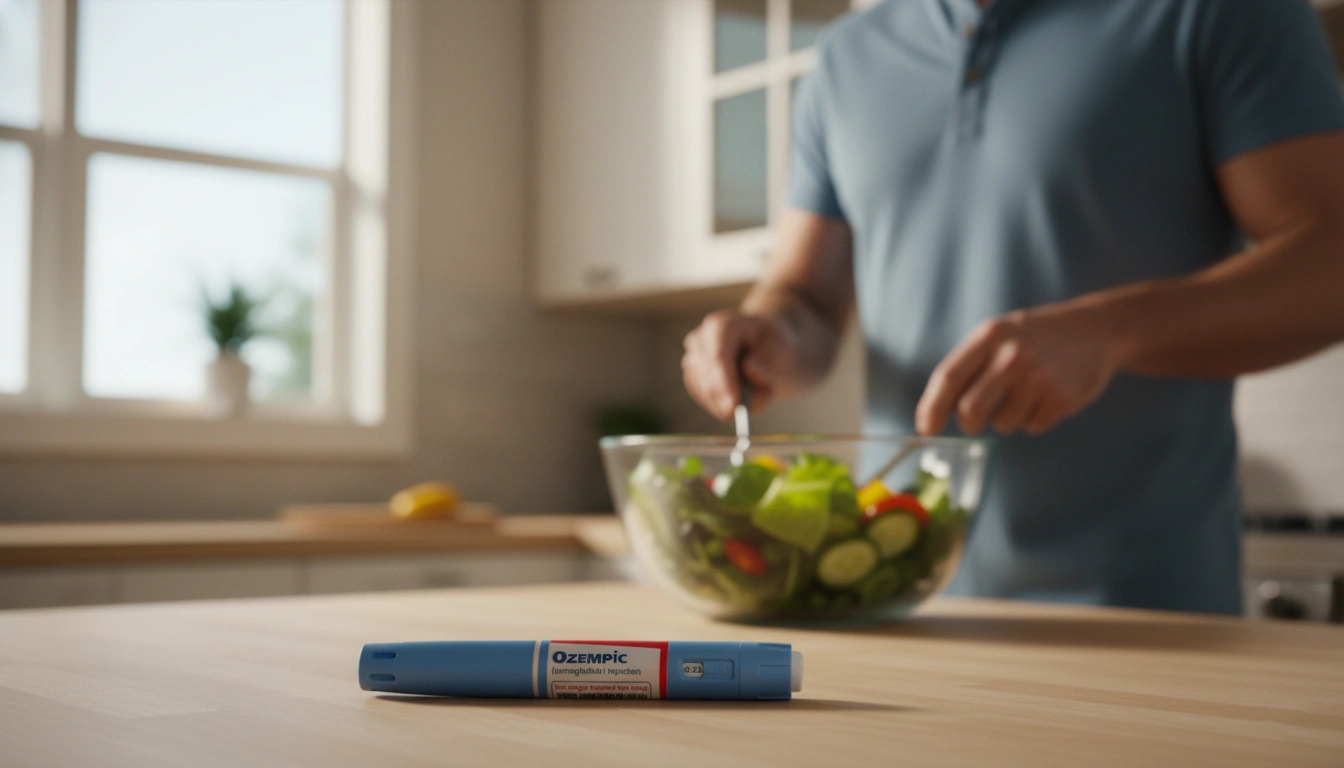
Picture this: you’ve embarked on a transformative health journey with the support of a GLP-1 medication, feeling the positive shifts in your appetite and weight. You open your fridge, eager to prepare a meal, and there it is—a vibrant ear of corn. A seemingly innocent vegetable, yet a question sparks in your mind: “Can I eat corn on Ozempic, or will it disrupt my progress?” This isn’t just about a single vegetable; it’s about understanding how your body interacts with food when supported by innovative medications.
For many, navigating dietary choices while on GLP-1 medications like Ozempic, Wegovy, or Mounjaro can feel like learning a new language. These powerful medications, including branded options and their compounded forms such as Semaglutide and Tirzepatide, are game-changers for managing blood sugar and supporting weight loss, but they also bring unique considerations for what we eat. At TrimRx, our journey began with a shared vision: to help individuals embrace healthier lifestyles by merging cutting-edge telehealth innovations with effective weight loss solutions. We understand that sustainable weight loss is achieved through science, empathy, and a transparent approach, which is why we’re dedicated to providing comprehensive insights and personalized care.
This post will serve as your comprehensive guide to understanding the interplay between GLP-1 medications and your diet, with a particular focus on starchy vegetables like corn. We will delve into the science of how these medications affect digestion and metabolism, explore general dietary principles for optimizing your results and minimizing side effects, and provide detailed insights into specific food categories—including those that require a more cautious approach. By the end, you’ll have a clearer understanding of how to make informed food choices that support your health goals and enhance your experience with GLP-1s, all within a framework of medically supervised, personalized care. We aim to equip you with the knowledge to thrive on your wellness path, empowering you to make choices that align with your body’s needs.
The Science Behind GLP-1 Medications and Your Digestion
Embarking on a weight loss journey with GLP-1 medications is a significant step, and understanding the science behind how they work is fundamental to optimizing your dietary choices. Medications like Ozempic, Wegovy, Mounjaro, and their compounded counterparts such as Semaglutide and Tirzepatide, mimic natural hormones in your body to influence appetite, digestion, and blood sugar regulation. This innovative approach offers a powerful tool for individuals seeking a path to sustainable weight management and improved metabolic health.
How GLP-1 Agonists Work in Your Body
GLP-1 stands for Glucagon-Like Peptide-1, a hormone naturally produced in your gut when you eat. Its primary role is to stimulate insulin release from the pancreas when blood sugar levels are high, helping to lower glucose. But the influence of GLP-1 extends far beyond insulin. It also suppresses glucagon secretion (a hormone that raises blood sugar), slows down gastric emptying, and acts on receptors in the brain to reduce appetite and increase feelings of fullness.
When you take a GLP-1 agonist medication, you are essentially enhancing and prolonging these natural effects. This means:
- Improved Blood Sugar Control: By encouraging insulin release and reducing glucagon, these medications help stabilize blood glucose levels, which is crucial for individuals with type 2 diabetes.
- Enhanced Satiety and Reduced Appetite: The signals sent to your brain lead to a significant decrease in “food noise” – the constant thoughts about eating – and a quicker, more sustained feeling of fullness after meals. This naturally leads to consuming fewer calories.
- Delayed Gastric Emptying: This is a particularly important mechanism when considering your diet. GLP-1 medications slow the rate at which food moves from your stomach into your small intestine. While this contributes to prolonged satiety, it also means food sits in your stomach for a longer period.
The Impact of Delayed Gastric Emptying on Dietary Choices
The slowing of gastric emptying is a key contributor to both the therapeutic benefits and potential side effects of GLP-1 medications. On one hand, it helps you feel full for longer, making it easier to manage portion sizes and reduce overall caloric intake. On the other hand, certain foods can exacerbate the effects of slowed digestion, leading to discomfort.
Consider a normal digestive process where food moves through your system at a certain pace. With GLP-1s, this process is intentionally decelerated. If you then introduce foods that are inherently slow to digest—such as those high in fat or, in some cases, certain types of fiber—they will remain in your stomach for an even longer time. This extended residence can lead to uncomfortable gastrointestinal symptoms, including:
- Nausea
- Vomiting
- Heartburn
- Bloating
- Abdominal pain
- Diarrhea or constipation
Understanding this mechanism is crucial for making informed dietary choices. It’s not about entirely eliminating food groups but rather about recognizing how certain foods might interact with your body’s altered digestive pace. Our commitment at TrimRx is to provide you with a supportive framework that balances scientific understanding with your individual experience, helping you navigate these changes effectively. To explore how our personalized, medically supervised programs can support your unique journey, we invite you to take our free assessment quiz and discover if you qualify for prescription weight loss medications.
General Dietary Principles on GLP-1 Medications
Adopting a thoughtful and balanced approach to eating is paramount when using GLP-1 medications. While these medications provide significant support for weight loss and metabolic control, they are most effective when paired with mindful dietary habits and a commitment to overall wellness. Our approach at TrimRx emphasizes that sustainable weight loss is a holistic endeavor, combining advanced medical science with compassionate care.
Building a Foundation for Success
When considering your plate on a GLP-1 medication, think of it as an opportunity to nourish your body efficiently and kindly. The goal is to maximize nutrient intake, support satiety, manage blood sugar, and minimize potential gastrointestinal discomfort.
Prioritize Lean Proteins
Protein is your ally on this journey. It’s essential for preserving muscle mass during weight loss, helps you feel full, and has a minimal impact on blood sugar levels. Aim for lean sources of protein at every meal.
- Examples: Skinless chicken breast, turkey, fish (salmon, cod, tuna), eggs, lean cuts of beef or pork, tofu, tempeh, beans, and lentils.
- Guideline: Many experts suggest aiming for at least 60 grams of protein daily, with some recommending 1.0 to 1.2 grams per kilogram of body weight for optimal muscle preservation. For a comprehensive plan, our personalized programs can help you determine your specific needs.
Embrace Non-Starchy Vegetables
These vegetables are packed with vitamins, minerals, fiber, and water, all while being low in calories and carbohydrates. They help fill your plate, contribute to feelings of fullness, and support overall health without significantly impacting blood sugar or aggravating digestion.
- Examples: Leafy greens (spinach, kale, lettuce), broccoli, cauliflower, bell peppers, zucchini, cucumbers, asparagus, mushrooms, and tomatoes.
- Tip: Try to make non-starchy vegetables the largest portion of your plate.
Choose Healthy Fats in Moderation
Fats are crucial for nutrient absorption, hormone production, and sustained energy. However, given the slowed gastric emptying effect of GLP-1s, high-fat foods can sit in the stomach longer, potentially leading to nausea or discomfort. Focus on healthy, unsaturated fats and consume them in smaller portions.
- Examples: Avocados, nuts, seeds, olive oil, and fatty fish (like salmon).
- Consideration: Pay attention to how your body responds. If you experience discomfort, you may need to further reduce your fat intake.
Integrate Whole Grains and Starchy Vegetables Thoughtfully
Whole grains and starchy vegetables offer valuable fiber and complex carbohydrates that provide sustained energy. The key here is moderation and mindful selection, as these can impact blood sugar and digestion differently than non-starchy options.
- Whole Grains: Brown rice, quinoa, oats, whole wheat bread, and pasta. Their fiber content helps slow sugar absorption.
- Starchy Vegetables: Potatoes, sweet potatoes, peas, and yes, corn. We’ll dive deeper into corn shortly. While not inherently “bad,” their higher carbohydrate content means they should be consumed in controlled portions to prevent blood sugar spikes and avoid overtaxing a slower digestive system.
Our medically supervised programs provide detailed guidance on incorporating these elements into your diet, tailored to your individual health profile and response to medication. We believe in empowering you with transparent information and unwavering support, ensuring your dietary approach is both effective and comfortable. If you’re looking for immediate nutritional assistance, consider our GLP-1 Daily Support supplement or our Weight Loss Boost supplement for immediate purchase.
Foods to Approach with Caution on GLP-1 Medications
While no food is strictly “off-limits” for everyone on GLP-1 medications, certain types of foods can be more challenging to digest or may exacerbate common side effects due to the medication’s impact on gastric emptying and metabolism. Our goal at TrimRx is to help you understand these nuances, providing you with the knowledge to make choices that support your comfort and progress.
Understanding the “Why” Behind Caution
The primary reasons to approach certain foods with caution stem from:
- Delayed Gastric Emptying: Foods that are already slow to digest (like high-fat items) will remain in your stomach even longer, increasing the likelihood of nausea, bloating, and indigestion.
- Blood Sugar Management: Foods that cause rapid spikes in blood sugar can counteract the medication’s effectiveness in stabilizing glucose levels.
- Gastrointestinal Irritation: Some foods or drinks can irritate the stomach lining or contribute to symptoms like heartburn and diarrhea, which can be amplified by GLP-1 medications.
Let’s explore specific food categories that often require a more mindful approach.
High-Fat and Greasy Foods
This category frequently tops the list for foods that can cause significant discomfort.
- Why they’re problematic: Fats naturally slow digestion. When combined with the GLP-1 medication’s effect of slowing gastric emptying, high-fat foods can lead to a “double-slowing” effect. This means they linger in your stomach for an extended period, significantly increasing the risk of severe nausea, vomiting, indigestion, and bloating.
- Examples: Fried chicken, French fries, pizza, rich sauces, creamy dishes, full-fat dairy products (like heavy cream or certain cheeses), and fatty cuts of red meat. Even seemingly healthy options like large portions of nuts or avocados might need moderation if they cause discomfort.
- Recommendation: Opt for leaner cooking methods like grilling, baking, or steaming. Choose low-fat or reduced-fat dairy options. If consuming red meat, select leaner cuts and smaller portions.
Sugary Foods and Drinks
While these might seem obvious to limit for weight loss, their impact on blood sugar and GI comfort on GLP-1s is particularly noteworthy.
- Why they’re problematic: Sugary foods and drinks cause rapid spikes in blood glucose. While GLP-1 medications help manage blood sugar, constantly challenging this system with excess sugar can undermine their benefits. Additionally, very sweet foods and drinks can sometimes trigger or worsen nausea and general gastrointestinal upset.
- Examples: Sodas, fruit juices with added sugar, sweetened coffee drinks, candy, cakes, cookies, and pastries.
- Recommendation: Focus on whole, fresh fruits for sweetness in moderation. Choose water, unsweetened tea, or naturally flavored sparkling water.
Spicy Foods
For some individuals, formerly enjoyable spicy dishes can become a source of intense discomfort.
- Why they’re problematic: Spicy ingredients can irritate the stomach lining and relax the lower esophageal sphincter, potentially leading to increased acid reflux, heartburn, and worsening existing nausea.
- Examples: Hot peppers, spicy curries, heavily spiced dishes.
- Recommendation: Introduce spicy foods cautiously and in small amounts. If you experience discomfort, it’s best to reduce or avoid them.
Alcohol
The interaction between alcohol and GLP-1 medications is multifaceted and warrants careful consideration.
- Why it’s problematic: Both alcohol and GLP-1s can affect your liver and gastrointestinal system. Alcohol irritates the stomach, and its effects can be intensified due to slowed digestion, leading to increased nausea, stomach upset, and dehydration. For individuals with diabetes, the combination of alcohol and GLP-1s can also increase the risk of hypoglycemia (dangerously low blood sugar), as both can lower glucose levels independently.
- Recommendation: Limit alcohol intake or avoid it entirely, especially during the initial phase of treatment or if you experience significant side effects. If you choose to drink, do so in very small quantities and be aware of your body’s response.
Starchy Vegetables and Fruits: The Corn Conundrum
Now, let’s directly address the question: Can you eat corn on Ozempic?
Corn, along with other starchy vegetables like potatoes, peas, and beets, and starchy fruits such as ripe bananas, pineapples, and mangoes, falls into a category that requires mindful consumption on GLP-1 medications.
- The “Why” for Corn and Other Starches:
- Glycemic Index: Starchy vegetables and fruits contain higher amounts of carbohydrates compared to their non-starchy counterparts. These carbohydrates break down into glucose, and in larger quantities, can cause more significant blood sugar spikes, potentially making the GLP-1 medication work harder to regulate glucose. While not as rapid as pure sugar, the impact is still more pronounced than with leafy greens.
- Fiber Content: While fiber is generally beneficial, some high-fiber foods, particularly if consumed in large amounts or if they are difficult to digest for an individual, can contribute to bloating and discomfort when digestion is already slowed. For corn specifically, its outer kernel (pericarp) is made of cellulose, a type of fiber that can be difficult for the human digestive system to fully break down, potentially exacerbating GI symptoms for some.
- Can You Eat Corn on Ozempic?
- Yes, but with caution and moderation. Corn is not strictly forbidden, but it’s important to understand your individual tolerance and the potential impact. Many individuals can enjoy small portions of corn or other starchy vegetables without issue.
- Portion Control is Key: Instead of making corn the main component of your meal, consider it a small side dish.
- Listen to Your Body: Pay close attention to how you feel after eating corn. If it causes bloating, nausea, or indigestion, you might need to reduce your portion size further or choose non-starchy alternatives.
- Preparation Matters: Plain, cooked corn (e.g., boiled or steamed) is generally a better choice than corn drowned in butter or cream, which adds problematic fats.
- Broader Starchy Guidance:
- Potatoes, Peas, Carrots, Beets: These also have higher carbohydrate content. Focus on moderation, especially when beginning treatment or increasing your dose.
- Bananas: Riper bananas have a higher glycemic index. If you enjoy bananas, consider less ripe ones and consume them in moderation, pairing them with protein or healthy fats to slow sugar absorption.
Our personalized programs, which you can explore by taking our free assessment quiz, include comprehensive dietary guidance tailored to your specific needs and responses, helping you navigate these choices confidently.
Other Specific Foods and Drinks
Beyond the general categories, a few specific items warrant individual discussion due to common questions from those on GLP-1 medications.
Eggs
- Recommendation: Eggs are an excellent source of lean protein. While healthy, their fat content can cause discomfort for some. Try to limit added fats like cheese or cream when preparing eggs, and observe your body’s response. Poached or boiled eggs might be better tolerated than fried.
Coffee and Caffeine
- Recommendation: There’s no known direct interaction between GLP-1s and coffee. However, caffeine and other compounds in coffee can stimulate stomach acid secretion and muscle contractions in the gastrointestinal tract, potentially exacerbating symptoms like nausea, cramping, or diarrhea for some individuals. If you experience these side effects, consider reducing your coffee intake or opting for decaffeinated versions.
Diet Soda
- Recommendation: While low in calories, diet sodas offer no nutritional value and may not fully support your weight loss goals. Some research suggests artificial sweeteners might increase appetite or affect metabolism. Additionally, carbonation can contribute to bloating and discomfort, which can be amplified by GLP-1s. Limiting or avoiding diet soda is often a wise choice.
Popcorn
- Recommendation: Plain, air-popped, unsweetened, and unbuttered popcorn can be a reasonable fiber-rich snack in moderation. However, avoid excessive butter (due to fat content) and added sugars (which can cause glucose spikes) to prevent stomach upset.
Peanut Butter
- Recommendation: In small amounts, natural peanut butter can be a good source of healthy fats and protein with minimal impact on blood sugar. However, its high-fat content can cause nausea or stomach upset if consumed in large quantities. Opt for natural varieties without added sugars and be mindful of portion sizes.
At TrimRx, our commitment to transparent service means we are here to guide you through these detailed considerations, ensuring our approach remains consistent regardless of your dosage or specific product. We believe in compassionate care that respects every individual’s unique journey.
Optimizing Your Diet for Comfort and Results
The journey with GLP-1 medications is not just about what to avoid, but more importantly, how to proactively shape your eating habits for comfort, sustained energy, and optimal results. Our philosophy at TrimRx centers on personalized, medically supervised care that empowers you to thrive. Integrating these strategies into your daily routine can significantly enhance your experience.
Practical Strategies for Everyday Eating
Embrace Smaller, More Frequent Meals
Given the delayed gastric emptying, large meals can overwhelm your digestive system and increase the likelihood of nausea and bloating.
- Actionable Tip: Instead of three large meals, consider eating 4-6 smaller meals or snacks throughout the day. This keeps your digestive system working steadily without overloading it, helping to manage hunger and satiety more effectively.
Prioritize Protein and Fiber
These two macronutrients are your best friends on GLP-1s.
- Protein First: Start your meals with protein. It’s highly satiating and crucial for maintaining muscle mass. This can help you feel full sooner and reduce the overall amount of food you consume.
- High-Fiber, Non-Starchy Vegetables: Load up on these. They add volume and nutrients without excess calories or carbohydrates, supporting gut health and prolonged fullness. When consuming starchy vegetables like corn or whole grains, ensure they are part of a balanced plate with ample protein and non-starchy vegetables, and monitor your portion sizes carefully.
Hydration is Key
GLP-1 medications can sometimes contribute to dehydration, and proper hydration is vital for overall health, digestion, and managing side effects.
- Actionable Tip: Drink plenty of water throughout the day. Keep a water bottle handy and sip regularly, especially before and between meals. Herbal teas or unflavored sparkling water can also contribute to your fluid intake.
Mindful Eating and Portion Control
The reduced appetite from GLP-1s provides a unique opportunity to reconnect with your body’s hunger and fullness cues.
- Actionable Tip: Eat slowly and pay attention to your body. Stop eating when you feel comfortably full, not stuffed. Since digestion is slower, it may take longer for your brain to register fullness. Small, controlled portions are easier for your system to process.
- Reflective Question: How do your hunger and fullness signals feel different now? What new opportunities does this create for your relationship with food?
Listen to Your Body – Your Unique Guide
Every individual’s response to GLP-1 medications and different foods is unique. What works well for one person might cause discomfort for another.
- Actionable Tip: Keep a food journal for a short period to track what you eat and how you feel afterward. This can help identify specific trigger foods or patterns that exacerbate side effects.
- Adjust as Needed: Be prepared to adjust your diet based on your body’s signals. If a particular food consistently causes discomfort, it’s wise to reduce or temporarily eliminate it. Our comprehensive service includes unlimited support, where you can discuss these personalized experiences and receive guidance.
The Role of TrimRx in Your Nutritional Journey
At TrimRx, we are committed to providing clinically proven, personalized weight loss solutions. Our platform offers a user-friendly and supportive space where individuals receive personalized, medically supervised care—all designed to make sustainable weight loss attainable and tailored to the individual.
- Personalized Treatment Plans: Our programs, including options like Compounded Semaglutide, Oral Semaglutide, Ozempic, Compounded Tirzepatide, Oral Tirzepatide, Mounjaro, Zepbound, and Wegovy, begin with a free assessment quiz to determine your eligibility and create a customized plan that includes dietary recommendations.
- Doctor Consultations and Lab Work: Our comprehensive service includes initial and ongoing doctor consultations, essential lab work, medication, and shipping. We work exclusively with FDA-registered and inspected pharmacies for the shipping of weight loss medications, ensuring the highest standards of safety and quality.
- Ongoing Support: We believe in a partnership approach to health. Our team provides continuous support, helping you navigate dietary challenges, manage side effects, and celebrate successes. Our brand is empathetic, innovative, trustworthy, supportive, results-oriented, and personalized, offering compassionate care that respects every individual’s unique journey.
We believe that combining advanced medical science with modern technology is the key to transforming lives. By focusing on your unique needs and providing transparent service, we empower you to achieve lasting wellness.
Supporting Your Journey with TrimRx Supplements
Beyond prescription medications, we understand that comprehensive support often involves a multi-faceted approach to wellness. That’s why TrimRx offers a selection of high-quality, quick-access supplements designed to complement your weight loss journey and support overall well-being. These supplements do not require a quiz and are available for immediate purchase, providing convenient support as you embrace healthier habits.
GLP-1 Daily Support
Our GLP-1 Daily Support supplement is crafted to naturally assist your body’s systems that are engaged during weight management. It’s designed to work synergistically with the physiological processes that GLP-1 medications influence, offering an additional layer of support for those striving for metabolic balance and digestive comfort. This supplement can be a valuable addition for individuals seeking to enhance their body’s natural functions.
Weight Loss Boost
For those looking for an extra edge in their weight loss efforts, our Weight Loss Boost supplement is formulated to provide additional support. It’s designed to complement a healthy diet and active lifestyle, offering ingredients that can help with energy metabolism and fat utilization. This supplement is an excellent choice for individuals who want to feel more energized and supported in reaching their weight loss goals.
These quick-access supplements are a testament to our commitment to providing a full spectrum of options to support your health journey. They are developed with the same dedication to quality and effectiveness that defines all our offerings. While prescription medications provide powerful tools for weight management, integrating targeted supplements can further empower you to optimize your results and maintain vitality. We encourage you to explore these options as part of your personalized wellness strategy.
Next Steps on Your Path to Wellness
Your journey towards a healthier lifestyle is a testament to your commitment to well-being, and at TrimRx, we are here to walk alongside you every step of the way. Understanding how foods like corn interact with GLP-1 medications is just one piece of the puzzle, but it’s a crucial one in tailoring a diet that promotes both comfort and effectiveness. We’ve explored the intricate science behind GLP-1s, the general principles of a supportive diet, and specific considerations for various food groups. The overarching message remains: personalized care, informed choices, and continuous support are the cornerstones of sustainable weight loss.
We encourage you to take this knowledge and apply it mindfully, always listening to your body’s unique signals. Your experience is central to refining your dietary approach, and our team is dedicated to providing the resources and expertise to guide you.
If you are ready to explore a personalized weight loss program that combines cutting-edge medical science with compassionate, individualized care, we invite you to take the next step. Our programs, featuring prescription medications like Compounded Semaglutide, Oral Semaglutide, Ozempic, Compounded Tirzepatide, Oral Tirzepatide, Mounjaro, Zepbound, and Wegovy, are designed to fit your unique needs. Discover if you qualify and embark on a path tailored just for you by taking our free assessment quiz today.
For immediate support on your wellness journey, our quick-access supplements offer a convenient way to enhance your efforts. Consider integrating our GLP-1 Daily Support supplement or our Weight Loss Boost supplement into your daily routine. These options are available for immediate purchase to provide an extra layer of nutritional assistance.
At TrimRx, we believe in empowering you with the tools and knowledge to achieve your health goals safely and effectively. We are proud to offer a comprehensive service that includes doctor consultations, medication sourced from FDA-registered and inspected pharmacies, lab work, unlimited support, and shipping, all designed to offer you transparent and holistic care. Your healthier, happier future begins now.
Conclusion
Navigating your dietary choices while on GLP-1 medications doesn’t have to be a maze of restrictions. Instead, it’s an opportunity to cultivate a deeper understanding of your body and nurture it with intentional, personalized care. From the nuanced question of “can you eat corn on Ozempic” to the broader principles of lean protein, healthy fats, and thoughtful carbohydrate consumption, we’ve explored how integrating these insights can optimize your journey. The slowed gastric emptying inherent in GLP-1 action dictates a mindful approach to high-fat, sugary, and overly spicy foods, emphasizing moderation and personal tolerance.
At TrimRx, our foundation is built on merging cutting-edge telehealth with effective weight loss solutions, creating a supportive space for medically supervised, individualized care. We champion a transparent approach, driven by science and empathy, to help you achieve sustainable results. Our comprehensive programs, offering various GLP-1 options and vital support, underscore our commitment to your success.
Remember, this is your unique wellness path. By focusing on whole, nutrient-dense foods, staying hydrated, and making smaller, more frequent meals your allies, you can significantly enhance your comfort and the effectiveness of your medication. We encourage you to engage with these principles actively, always observing how your body responds and making adjustments as needed. If you’re ready to personalize your weight loss journey with expert guidance and tailored solutions, we invite you to take our free assessment quiz. For immediate nutritional support, explore our GLP-1 Daily Support and Weight Loss Boost supplements. Together, let’s build a foundation for lasting health and well-being.
FAQ
Q1: Are there any foods I absolutely cannot eat while taking Ozempic or other GLP-1 medications?
A1: While no food is entirely “forbidden,” it’s generally recommended to significantly limit or avoid foods that are very high in fat (especially fried or greasy foods), excessively sugary foods and drinks, and large quantities of alcohol. These items can exacerbate common gastrointestinal side effects like nausea, vomiting, and bloating due to the medication’s effect of slowing digestion. Personal tolerance varies, so listening to your body is crucial. Our personalized programs can offer more tailored dietary guidance.
Q2: How does corn specifically affect individuals on GLP-1 medications?
A2: Corn, being a starchy vegetable, contains carbohydrates that can impact blood sugar levels more than non-starchy vegetables. Its unique fiber (cellulose) can also be challenging for some to digest, potentially contributing to bloating or discomfort, especially with the slowed gastric emptying effect of GLP-1 medications. You can typically eat corn in moderation, ideally steamed or boiled without excessive added fats, and monitor your body’s response. Portion control is key.
Q3: What are the best foods to focus on for weight loss and to minimize side effects while on GLP-1 medications?
A3: Focus on a diet rich in lean proteins (chicken, fish, tofu, eggs), non-starchy vegetables (leafy greens, broccoli, bell peppers), and healthy fats in moderation (avocado, olive oil, nuts, seeds). These foods support satiety, provide essential nutrients, help maintain muscle mass, and are generally easier to digest, which can help minimize side effects like nausea and bloating. Staying well-hydrated is also essential.
Q4: How can TrimRx help me create a personalized diet plan while taking GLP-1 medications?
A4: TrimRx offers medically supervised, personalized weight loss programs that integrate dietary guidance. After you take our free assessment quiz to determine eligibility, you’ll receive a tailored treatment plan, which includes doctor consultations and unlimited support. Our healthcare providers work with you to understand your individual needs, preferences, and how your body responds to medication, helping you craft a sustainable and effective dietary strategy. We also offer quick-access supplements like GLP-1 Daily Support and Weight Loss Boost to further support your journey.

Transforming Lives, One Step at a Time
Keep reading

Magnesium and Ozempic: Can It Help With Side Effects
Walk through any online GLP-1 community and you’ll find magnesium recommended for everything from constipation to muscle cramps to poor sleep on Ozempic. Some…

Ozempic and Blood Pressure Medications: What to Know
High blood pressure and obesity frequently coexist, so it’s no surprise that many people starting Ozempic are already on an antihypertensive. The practical question…

Ozempic and Levothyroxine: What Thyroid Patients Should Know
Thyroid disease and weight struggles frequently go hand in hand, which means a lot of people starting Ozempic are already taking levothyroxine. If that’s…


