Can You Eat Corn on Ozempic? Diet Tips for Better Results
Introduction
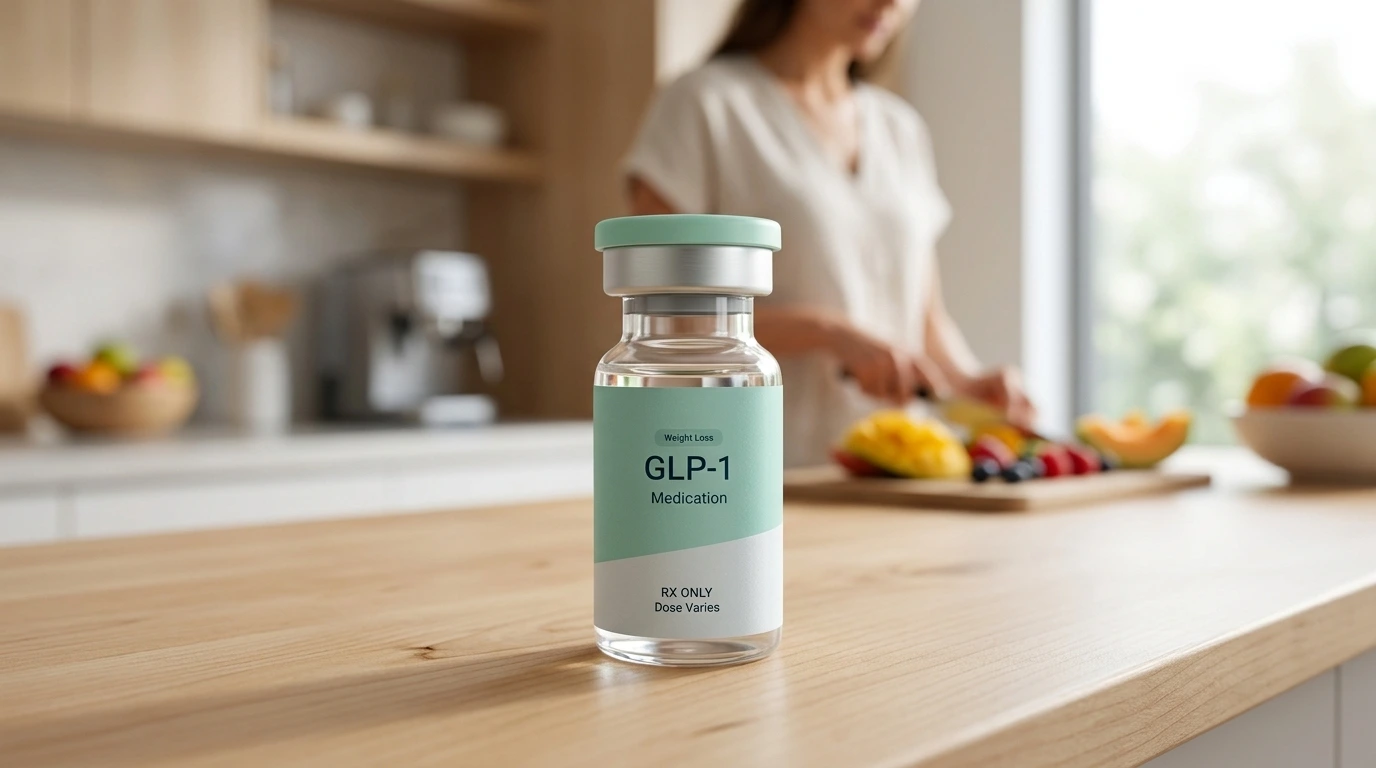
Starting a weight loss journey with medication often brings up a long list of questions about what you can and cannot eat. You might find yourself at a summer barbecue or a family dinner looking at a bowl of sweet corn and wondering if it will interfere with your progress. At TrimRx, we believe that understanding your body’s response to specific foods is the key to sustainable success, and if you’re also wondering whether prescription GLP-1 treatment is right for you, you can take the free assessment quiz to get started. While there are no “forbidden” foods when using GLP-1 medications, some choices are definitely better than others for managing side effects and hitting your goals. This article explores the nuances of including corn in your diet while on a weight loss program, how starchy vegetables impact your body, and how to optimize your nutrition for the best possible results.
Can You Eat Corn on Ozempic?
Quick Answer: Yes, you can eat corn while taking Ozempic®, but it is important to do so in moderation. Corn is a starchy vegetable that can cause blood sugar spikes and may lead to increased bloating or gas because the medication slows down your digestion.
When you begin a program involving semaglutide—the active ingredient in Ozempic® and Wegovy®—your body undergoes significant changes in how it processes food. If you want a deeper look at how this medication works, this semaglutide guide is a helpful place to start. Semaglutide is a GLP-1 (glucagon-like peptide-1) receptor agonist. In simple terms, it mimics a natural hormone that tells your brain you are full and tells your stomach to empty more slowly.
Because your stomach is emptying at a much slower rate, the types of food you put into it matter more than ever. Corn is a unique food because it is technically a grain, a fruit, and a vegetable all at once. In the context of a weight loss diet, it is categorized as a starchy vegetable. This means it contains more carbohydrates and natural sugars than “watery” vegetables like spinach or cucumbers.
Why Starchy Vegetables Require Caution
Starchy vegetables can impact your blood sugar more significantly than non-starchy options. While corn provides fiber, B vitamins, and magnesium, its high starch content means it converts to glucose (sugar) relatively quickly in the bloodstream. For individuals using a GLP-1 to manage type 2 diabetes or weight, the goal is often to keep blood sugar levels stable to avoid the “rollercoaster” of energy spikes and crashes.
Slowed gastric emptying changes how you feel after eating starch. Gastric emptying is the process of food moving from the stomach into the small intestine. Because medications like Ozempic® slow this process, heavy or starchy foods sit in the stomach for a longer duration. For some, this leads to a lingering feeling of heaviness, discomfort, or even nausea.
Fiber and starch combinations can lead to gas. Corn is high in cellulose, a type of fiber that the human body can have a hard time breaking down. When corn remains in the digestive tract longer than usual due to the medication, it has more time to ferment. If you’ve been dealing with digestive issues, common GLP-1 side effects can help explain why this happens. This can lead to the “sulfur burps” or bloating that some patients report as a side effect of their treatment.
Key Takeaway: Corn is a carbohydrate-dense vegetable that stays in the stomach longer when taking a GLP-1 medication. While it is safe to eat, it may contribute to digestive discomfort if consumed in large quantities.
Comparing Different Forms of Corn
Not all corn is created equal. The way corn is prepared and the form it takes can drastically change how your body reacts to it while on a weight loss program.
Fresh or Frozen Sweet Corn
This is the most common form of corn found on dinner plates. It is a whole food, which is a plus. However, a single ear of corn contains about 19 grams of carbohydrates. If you are aiming for a lower-carbohydrate intake to maximize weight loss, this can take up a significant portion of your daily “budget.”
Popcorn
Popcorn is often considered a “safe” snack for weight loss because it is high in fiber and low in calorie density—provided it isn’t smothered in butter. Three cups of air-popped popcorn contain about 4 grams of fiber. This fiber can help with the constipation that some people experience on GLP-1 medications. If popcorn is leaving you overly full or uncomfortable, Ozempic and bloating is worth reading. However, the high volume of popcorn can sometimes cause premature fullness or bloating.
Corn Tortillas and Polenta
Corn that has been processed into flour or meal loses some of its fiber but remains high in starch. Corn tortillas are often a better choice than flour tortillas because they are usually lower in calories and have a lower glycemic index (a measure of how quickly a food raises blood sugar).
Corn Chips and Processed Snacks
These are the items you should generally avoid or strictly limit. Corn chips are usually deep-fried and high in sodium. The combination of high fat and high salt is a recipe for gastrointestinal (GI) distress when taking a GLP-1. Fat already slows down digestion, and adding it to a medication that does the same can lead to severe nausea.
Managing GI Side Effects While Eating Starchy Foods
If you choose to include corn in your meals, there are several ways to minimize the risk of an upset stomach. Most side effects from GLP-1 medications occur because the digestive system is “backed up” or overwhelmed.
Watch Your Portions
The most important rule for eating on a weight loss program is to listen to your body’s satiety signals. Because you will feel full much sooner, a large helping of corn may be too much. Try limiting your corn intake to half a cup or half an ear. This allows you to enjoy the flavor and nutrients without overtaxing your digestive system.
Avoid Heavy Additives
Many people enjoy corn with large amounts of butter, salt, or creamy sauces (like Mexican Street Corn). These high-fat additives are the most common triggers for nausea and diarrhea in patients taking semaglutide or tirzepatide. Instead, try seasoning your corn with lime juice, cilantro, or a dash of chili powder.
Chew Thoroughly
Because corn contains tough cellulose, your digestive system has to work harder to break it down. Chewing thoroughly helps the digestion process begin in the mouth, making it easier for your stomach to handle the starch and fiber once it arrives.
Bottom line: Preparation is everything. Opt for plain, whole versions of corn and avoid fried or heavily buttered varieties to keep your digestion smooth.
Building a Balanced Plate with TrimRx
At TrimRx, we focus on a “protein-first” approach to nutrition. When you are on a personalized weight loss program, your body needs specific nutrients to maintain muscle mass while you lose fat. If you fill your plate with corn and other starches, you may not have enough room for the protein your body requires.
The Ideal Plate Composition
When planning a meal that includes corn, try to follow this structure:
- Protein (The Priority): Aim for 3–5 ounces of lean protein like grilled chicken, turkey, fish, or tofu.
- Non-Starchy Vegetables: Fill half your plate with leafy greens, broccoli, peppers, or asparagus. These provide volume and nutrients with very few calories.
- The Starch (The Side): Use corn as a small garnish or side dish, occupying no more than one-quarter of your plate.
Nutrient Support
Sometimes, even a balanced diet needs a little help. We offer supplements like GLP-1 Daily Support to help provide the essential nutrients your body might miss when you are eating smaller portions. For those looking for an extra metabolism kick, our Weight Loss Boost can be a helpful addition to a structured program. If you want to learn more about the broader treatment approach, what GLP-1 therapy is can provide useful context.
Foods to Prioritize vs. Foods to Limit
To help you navigate your grocery store, we have compiled a quick reference table for vegetable choices while on a weight loss medication.
| Vegetable Category | Examples | Recommendation |
|---|---|---|
| Non-Starchy | Spinach, Kale, Broccoli, Cauliflower, Zucchini | Prioritize: Eat freely; high in nutrients and low in calories. |
| Low-Glycemic Fruit | Berries, Green Apples, Citrus | Enjoy: Good for fiber and vitamins without massive sugar spikes. |
| Starchy Vegetables | Corn, Potatoes, Peas, Butternut Squash | Limit: Keep portions small (1/2 cup) to avoid bloating. |
| Processed/Fried | French Fries, Corn Chips, Hash Browns | Avoid: High fat and salt often trigger severe nausea. |
How the TrimRx Program Works
Navigating food choices like “can I eat corn” is much easier when you have a dedicated team and a personalized plan. Our process is designed to be telehealth-first, meaning you never have to visit a doctor’s office in person.
Step 1: Take the Free Assessment Quiz The journey begins with our online health assessment. We ask about your medical history, your weight loss goals, and your current health status. This helps our partner providers determine if a GLP-1 medication is right for you. If you’re ready to see whether you qualify, take the free assessment quiz.
Step 2: Consult with a Licensed Provider If you are eligible, you will be connected with a licensed healthcare provider who will review your information. They can prescribe medications like compounded semaglutide or compounded tirzepatide if appropriate for your health profile.
Step 3: Receive Your Medication Once prescribed, your medication is prepared by an FDA-registered, inspected compounding pharmacy. It is then shipped directly to your door with all the necessary supplies and clear instructions.
Step 4: Ongoing Support Weight loss is not just about the medication; it’s about the lifestyle. You will have 24/7 access to specialists who can answer questions about your diet, side effects, and progress. Whether you are wondering about corn or managing a dose change, we are here to guide you.
Common Misconceptions About Corn and Weight Loss
Myth: Corn is “empty calories.” Fact: Corn actually contains beneficial fiber, antioxidants like lutein (good for eye health), and essential B vitamins. It isn’t “bad” food; it is simply a “dense” food that requires portion control.
Myth: You will regain all the weight if you eat carbs like corn. Fact: Sustainable weight loss is about balance, not total deprivation. Learning how to incorporate foods like corn in moderation is what helps you maintain your weight in the long term.
The Role of Hydration
Whenever you consume starchy or high-fiber foods like corn while on a GLP-1, hydration is critical. Because your digestion is slower, water helps move fiber through your system. If you want practical advice for managing these symptoms, how to minimize GLP-1 side effects is a useful next read. Dehydration is a common cause of the constipation and headaches associated with weight loss medications. Aim for at least 64 to 80 ounces of water per day, especially if you have had a higher-fiber meal.
When to Consult Your Provider
While dietary tweaks can solve most issues with corn and other starches, some symptoms require professional guidance. If you experience the following, please reach out to a healthcare professional:
- Persistent, severe vomiting that prevents you from keeping liquids down.
- Intense abdominal pain that does not go away after a few hours.
- Complete lack of bowel movements for several days.
- Signs of an allergic reaction (hives, swelling, or difficulty breathing).
The licensed providers we partner with are experts in managing these treatments and can help adjust your program to ensure you are both safe and comfortable.
Optimizing Your Nutrition Strategy
Beyond corn, your overall strategy should focus on nutrient density. Since your appetite is suppressed, you are likely eating significantly less than you used to. This makes every bite count.
Focus on Fiber Varieties While corn has fiber, you should also look for fiber from sources that are less starchy. Raspberries, chia seeds, and leafy greens provide excellent fiber with a lower impact on blood sugar. This diversity helps maintain a healthy gut microbiome, which is essential for overall metabolic health.
Monitor “Hidden” Corn Many processed foods contain high-fructose corn syrup or corn-based thickeners. These can add up quickly and lead to the same blood sugar spikes you are trying to avoid. Reading labels is a vital skill for anyone on a weight loss journey.
Conclusion
The answer to “can you eat corn on Ozempic” is a resounding yes—but with a focus on mindfulness and moderation. Corn is a starchy vegetable that provides valuable nutrients but can also trigger digestive discomfort if you aren’t careful. By prioritizing lean proteins, focusing on non-starchy vegetables, and using corn as a small side dish rather than a main course, you can enjoy your favorite foods while continuing to see progress.
Our mission at TrimRx is to provide you with the tools, the medication, and the empathetic support needed to navigate these daily choices. We believe that science-backed weight loss should be accessible, personalized, and transparent.
Your Next Step: If you are ready to see how a personalized weight loss program can help you reach your goals, take our free health assessment today. It’s the first step toward a healthier, more confident you.
FAQ
Does corn cause more side effects than other vegetables?
Because corn is a starchy vegetable and high in cellulose, it can cause more bloating and gas than non-starchy options like spinach or peppers. The slowed digestion caused by GLP-1 medications gives starchy foods more time to sit in the stomach, which may lead to discomfort or “sulfur burps” for some people.
Can I eat popcorn as a snack while on a weight loss program?
Popcorn can be a healthy, high-fiber snack if it is air-popped and not covered in butter or sugar. The fiber in popcorn may actually help prevent constipation, a common side effect of medications like semaglutide. If you’d like a closer look at what to expect during treatment, GLP-1 side effects in 2026 is a useful companion read. However, be mindful of the portion size, as the high volume can make you feel uncomfortably full very quickly.
Are corn tortillas better than flour tortillas?
Generally, corn tortillas are a better choice for weight management because they are usually lower in calories, higher in fiber, and have a lower glycemic index than white flour tortillas. They are less likely to cause a significant blood sugar spike, making them a “GLP-1 friendly” way to enjoy tacos or wraps in moderation.
What should I do if corn makes me feel nauseous?
If you notice that corn or other starchy foods consistently cause nausea, try reducing your portion size to just a few bites or removing it from your diet temporarily. Focusing on bland, lean proteins and non-starchy vegetables can help settle your stomach. If nausea persists, it is important to consult with a licensed healthcare provider to discuss your symptoms. If you’re ready to explore whether treatment is appropriate for you, complete the free assessment quiz.
Disclaimer: This content is for informational purposes only and does not constitute medical advice. It is not intended to diagnose, treat, cure, or prevent any disease or condition. Individual results may vary. Always consult a qualified healthcare professional before starting any weight loss program or medication.

Transforming Lives, One Step at a Time
Keep reading
I Took My Ozempic Two Days in a Row by Accident
Call for guidance now rather than waiting to see how you feel. In the United States, Poison Control is available free and around the…

Why Does My Ozempic Injection Sting More Some Weeks Than Others?
Because more variables change between injections than most people realize. Temperature of the medication, which site you used, how deep the needle went, how…

How to Store Your Ozempic Pen During a Power Outage
Keep the refrigerator door closed. An unopened refrigerator holds a safe temperature for roughly four hours, and a full freezer holds for considerably longer….


