Navigating Your Ozempic Journey: Why Waiting for the Right Dose Increase Matters
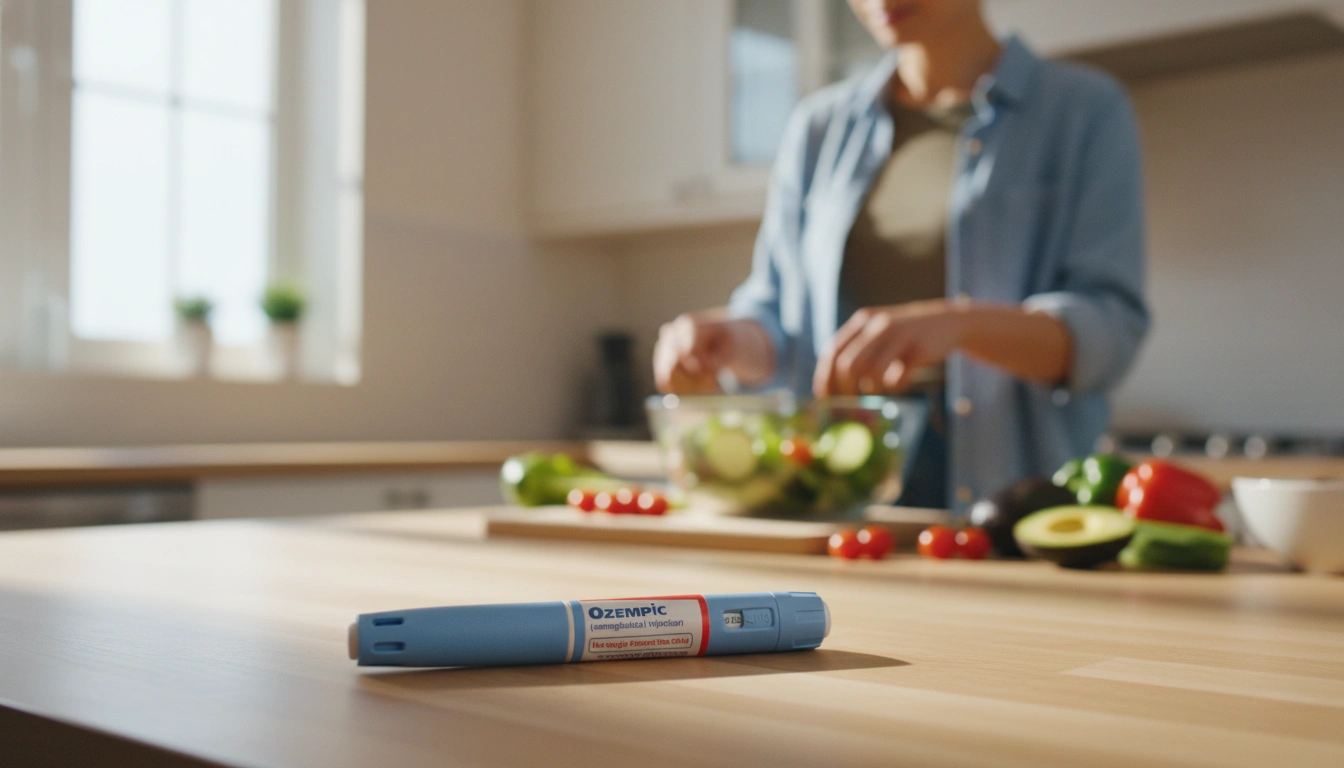
The journey toward improved health and weight management can often feel like a race, a sprint to see results as quickly as possible. When embarking on a new treatment path, especially with medications like Ozempic (semaglutide), it’s natural to feel eager to accelerate progress. Many individuals find themselves wondering if they can push the envelope, perhaps asking, “can you increase Ozempic dose after 2 weeks?” This question, born from a desire for faster outcomes, touches on a crucial aspect of medication efficacy and safety: the titration schedule.
At TrimRx, our journey began with a shared vision to help individuals embrace healthier lifestyles by merging cutting-edge telehealth innovations with effective weight loss solutions. We understand this eagerness, and our platform is a user-friendly and supportive space where individuals receive personalized, medically supervised care—all designed to make sustainable weight loss attainable and tailored to the individual. We believe that sustainable weight loss should be achieved through science, empathy, and a transparent approach. Understanding the precise guidelines for medications like Ozempic is a cornerstone of this philosophy.
This detailed guide will delve into the science behind Ozempic dosing, clarify why a gradual increase is not just recommended but essential, and explain the standard titration schedule. We’ll explore the critical role of medical supervision in personalizing your treatment, discuss common side effects and how to manage them, and highlight the importance of a holistic approach to your health. By the end, you’ll have a comprehensive understanding of how to navigate your Ozempic journey safely and effectively, empowering you to make informed decisions in partnership with your healthcare provider. We’ll also highlight how our personalized programs and supportive resources at TrimRx can be invaluable companions on this path.
The Science Behind Ozempic and Gradual Dosing
Ozempic, a brand name for semaglutide, belongs to a class of medications known as GLP-1 (glucagon-like peptide-1) receptor agonists. These medications work by mimicking the effects of a natural hormone in your body that plays a vital role in regulating blood sugar and appetite. For many individuals managing type 2 diabetes or seeking support for weight management, Ozempic has emerged as a significant tool, offering dual benefits by improving glycemic control and contributing to weight loss.
How Ozempic Works in Your Body
Semaglutide primarily works in several key ways to support your health journey:
- Stimulating Insulin Release: When blood sugar levels are high, Ozempic encourages your pancreas to release more insulin. Insulin is crucial for moving glucose from your bloodstream into your cells for energy, thereby lowering blood sugar.
- Suppressing Glucagon Secretion: It also reduces the release of glucagon, another hormone that signals the liver to produce and release sugar. By curbing glucagon, Ozempic further helps in lowering blood glucose levels.
- Slowing Gastric Emptying: Ozempic slows down how quickly food leaves your stomach. This effect contributes to feelings of fullness and satiety, which can lead to reduced food intake and, consequently, weight loss.
- Impacting Appetite Centers in the Brain: Semaglutide also acts on specific areas of the brain that regulate appetite and food intake, helping to reduce hunger and cravings.
These interconnected mechanisms contribute to the medication’s effectiveness in both blood sugar management and weight reduction.
The Importance of Gradual Dose Increases (Titration)
Given its powerful effects, the way Ozempic is introduced into your system is meticulously planned. This gradual increase, known as titration, is not arbitrary; it’s a carefully considered strategy to optimize your experience and outcomes. So, can you increase Ozempic dose after 2 weeks? The general answer is no, and here’s why the standard four-week titration schedule is critical:
- Minimizing Side Effects: The most common side effects associated with Ozempic include gastrointestinal issues such as nausea, vomiting, diarrhea, and constipation. Introducing the medication gradually allows your body time to adjust, significantly reducing the severity and frequency of these side effects. Starting with a lower dose (0.25 mg) for the initial four weeks helps your system acclimate to semaglutide’s effects.
- Achieving Steady State: Medications like Ozempic are long-acting, designed to be taken once a week. It takes time for the concentration of the drug in your body to reach a stable level, known as a “steady state.” For Ozempic, it typically takes 4 to 5 weeks of once-weekly administration to reach this steady state. Increasing the dose too quickly can disrupt this process and lead to unpredictable effects or increased side effects before your body has fully adapted to the previous dose.
- Optimizing Efficacy and Safety: While the initial low dose is primarily for adaptation, gradual increases ensure that your body can effectively process and respond to the medication at each progressive level. This measured approach ensures you receive the maximum therapeutic benefit while maintaining an acceptable safety profile. Rushing the process can overwhelm your system and compromise both effectiveness and comfort.
At TrimRx, our empathetic and trustworthy approach means we prioritize your safety and comfort above all. We champion a science-backed methodology, ensuring every step of your weight loss journey is medically sound and aligned with established guidelines.
Understanding the Standard Ozempic Titration Schedule
The typical Ozempic dosing schedule is designed for patient comfort and effectiveness, with dose increases occurring in four-week intervals. This structured approach allows your body to adapt progressively to the medication, helping to manage potential side effects and ensure optimal therapeutic benefits.
The Typical Dosing Progression
Here’s a breakdown of the standard Ozempic titration schedule:
Starting Dose: 0.25 mg Once Weekly
- Duration: Typically for the first four weeks.
- Purpose: This initial dose is primarily to help your body adjust to the medication and minimize gastrointestinal side effects. It’s not usually considered a therapeutic dose for significant blood sugar control or weight loss, but rather an introductory phase.
First Increase: 0.5 mg Once Weekly
- Timing: After completing four weeks at the 0.25 mg dose, your healthcare provider will typically increase your dose to 0.5 mg once weekly.
- Purpose: At this stage, you may begin to experience more noticeable effects on blood sugar control and appetite suppression. Your body has had a full month to acclimate to the medication, making it more prepared for a higher concentration.
Subsequent Increases: 1 mg and 2 mg Once Weekly
- Timing: If further blood sugar control or weight loss is needed, and if you are tolerating the medication well, your doctor may increase your dose to 1 mg once weekly after at least another four weeks at 0.5 mg.
- Maximum Dose: The maximum recommended dose for Ozempic is 2 mg once weekly. This increase would occur after at least another four weeks at the 1 mg dose, again, only if medically necessary and well-tolerated.
Each step in this progression is generally maintained for a minimum of four weeks before considering an increase. This meticulous schedule underscores why the answer to “can you increase Ozempic dose after 2 weeks” is consistently to follow your prescribed, gradual titration plan. Deviating from this can disrupt your body’s adaptation process and potentially lead to increased adverse effects without enhancing benefits.
Why Adherence to the Schedule is Non-Negotiable
Adhering strictly to your prescribed dosing schedule is crucial for several reasons:
- Safety First: Rapid dose escalation significantly increases the risk and severity of side effects, potentially making the medication unbearable and leading to discontinuation. Our commitment at TrimRx is to provide compassionate care that respects every individual’s unique journey, always prioritizing safety.
- Optimal Effectiveness: Allowing your body the necessary time to adjust at each dose level ensures that the medication can work most effectively. It allows for the steady state to be reached, providing consistent therapeutic effects.
- Personalized Response Assessment: The four-week intervals give your healthcare provider enough time to assess your body’s unique response to each dose. This includes monitoring blood sugar levels, weight changes, and side effect profiles, enabling informed decisions about future adjustments. This aligns perfectly with TrimRx’s results-oriented and personalized approach, ensuring your plan is continuously optimized for you.
When considering Ozempic, or any of our prescription weight loss medications, it’s essential to partner with a medical professional. To see if you qualify for a personalized treatment plan, we encourage you to take our free assessment quiz.
The Critical Role of Medical Supervision in Your Journey
Embarking on a weight management journey with prescription medication is a significant step that requires careful guidance and oversight. The decision to initiate, adjust, or discontinue medication like Ozempic should always be made in close consultation with a qualified healthcare provider. This partnership ensures that your treatment plan is not only effective but also safe and tailored to your individual health profile.
Why Professional Guidance is Indispensable
At TrimRx, we emphasize that medical supervision is paramount throughout your weight loss journey. Our comprehensive service includes doctor consultations, ensuring that every decision regarding your medication and care is guided by expert medical advice. There are several factors that underscore the necessity of this professional oversight:
- Individual Health Profile: Every person’s body is unique. Factors such as age, current weight, existing medical conditions (like kidney function), and other medications you may be taking can all influence how your body responds to Ozempic. For example, individuals with impaired kidney function may require specific dosage adjustments. A healthcare provider can assess these nuances and adjust your plan accordingly, minimizing risks and maximizing benefits.
- Monitoring Side Effects and Progress: Throughout your treatment, your doctor will monitor your progress, including changes in blood sugar levels, weight, and the presence or severity of any side effects. While mild side effects are common, a medical professional can help determine if they are manageable, or if a dose adjustment or alternative strategy is needed. They can also look out for rarer, more serious side effects, such as intestinal blockages, which have been reported with GLP-1 agonists. This continuous monitoring is a cornerstone of our supportive and results-oriented approach.
- Avoiding Complications: Self-adjusting medication, particularly increasing the dose faster than prescribed, can lead to severe gastrointestinal distress or other adverse reactions. In some cases, it could also lead to hypoglycemia (low blood sugar), especially if Ozempic is used in conjunction with other diabetes medications. Medical supervision helps to preempt and manage these potential complications.
- Personalized Treatment Plans: There is no one-size-fits-all approach to weight loss. A personalized treatment plan takes into account your specific health goals, lifestyle, and medical history. This is where TrimRx excels; our platform provides a user-friendly and supportive space for you to receive care that is truly individualized. Your doctor will work with you to find the optimal dose and strategy for your unique needs.
How TrimRx Supports Your Medically Supervised Journey
We are dedicated to safe, effective weight loss and individualized care. Our process ensures that you receive the highest standard of support:
- Free Assessment Quiz: To begin, we recommend you take our free assessment quiz. This essential step helps us understand your health profile and determine your eligibility for our prescription weight loss medications, including Ozempic, compounded Semaglutide, Oral Semaglutide, compounded Tirzepatide, Oral Tirzepatide, Mounjaro®, Zepbound®, and Wegovy®. This personalized assessment is the foundation of your tailored treatment plan.
- Expert Consultations: Once you qualify, you will have a consultation with a licensed medical professional who can review your health information, discuss your goals, and prescribe the most appropriate medication and dosage, always adhering to established titration guidelines.
- Ongoing Support: Our commitment to you doesn’t end after your prescription. We provide unlimited support to answer your questions, address concerns, and guide you through your journey. Our transparent service ensures that our approach remains consistent, providing clarity and confidence every step of the way.
- Safe Medication Sourcing: We partner exclusively with FDA-registered and inspected pharmacies for the shipping of weight loss medications. This ensures that the medications you receive meet rigorous safety and quality standards. It’s important to clarify that while branded medications like Ozempic and Zepbound are FDA-approved, compounded medications are provided through these FDA-registered, inspected, and approved pharmacies.
Your journey with Ozempic is a partnership, and having expert medical guidance is the key to achieving sustainable, healthy results.
Practical Aspects of Administering Your Ozempic Dose Safely
While the focus has been on when to increase your dose, understanding how to administer Ozempic correctly is equally vital for both safety and effectiveness. Proper injection technique and adherence to a consistent schedule are integral parts of your prescribed treatment plan.
Step-by-Step Injection Guidance
Using an Ozempic pen is designed to be straightforward, but attention to detail is crucial. While specific instructions will always come with your medication, here are general steps often outlined:
- Preparation:
- Always check the pen label to ensure it’s the correct medication and dose.
- Verify the liquid in the pen is clear and colorless. Do not use if it appears cloudy.
- Always use a new needle for each injection to reduce the risk of contamination, infection, leakage, and blocked needles. Remove the paper tab, push and twist the new needle onto the pen until it’s tight, then remove both the outer and inner needle caps.
- Flow Check (for new pens only):
- Before the first injection from a new pen, perform a flow check. This ensures the pen is working correctly and there are no blockages.
- Turn the dose selector to the flow check symbol.
- Press and hold the dose button until you see ‘0’ in the dose counter, and a drop of Ozempic appears at the needle tip. If no drop appears after up to six attempts, change the needle and try once more. Do not use the pen if no drop is detected.
- Dose Selection:
- Turn the dose selector until the prescribed dose (e.g., 0.25 mg, 0.5 mg, 1 mg, or 2 mg) appears in the dose counter. Ensure the counter aligns with the dose indicator.
- Injection Sites:
- Ozempic is injected subcutaneously (under the skin) in the abdomen, thigh, or upper arm.
- Abdomen: Often provides the fastest absorption due to rich blood supply.
- Thigh: Offers steady absorption.
- Upper Arm: Another reliable option with absorption rates similar to the thigh.
- Important: Always rotate your injection sites with each injection to prevent irritation or skin reactions. If you choose the same general area, always pick a slightly different spot within that area. Avoid injecting into moles, scars, or broken skin. Clean the skin with an alcohol swab before injecting. Never inject into a vein or muscle.
- Injection:
- Insert the needle into your skin.
- Press and hold the dose button until the dose counter shows ‘0’.
- Continue to hold the needle in the skin and count slowly to six (1-2-3-4-5-6) to ensure the full dose has been delivered.
- Carefully withdraw the needle.
- Disposal:
- Immediately dispose of the used needle in an FDA-approved sharps container or a sturdy plastic household container. Never recap the needle to avoid accidental needle sticks. Dispose of empty Ozempic pens according to local regulations, often in the same sharps container. Never share your Ozempic pen or needles with others, even if the needle is changed, due to the risk of serious infection.
Maintaining Consistency and Addressing Missed Doses
Consistency is key to getting the best results from Ozempic.
- Weekly Schedule: Choose one specific day of the week and a time that fits your routine (morning or evening) for your injection, and stick to it. Setting a weekly reminder on your phone or using a medication tracker app can be very helpful.
- Missed Dose Protocol: If you miss a dose of Ozempic, take it as soon as you remember, provided it’s within five days of your regularly scheduled dose. If more than five days have passed since the missed dose, skip it and take your next scheduled dose on your usual day. Do not take two doses at once to make up for a missed dose.
By following these practical steps, you can ensure that you are administering your Ozempic dose safely and consistently, complementing the careful titration schedule prescribed by your healthcare provider. This diligent approach is fundamental to a successful and healthy weight management journey.
Managing Potential Side Effects During Titration
The gradual increase in Ozempic dosage is primarily designed to help your body adapt and minimize side effects. However, it’s common to experience some side effects, especially during the initial weeks of treatment or after a dose increase. Being prepared for these and knowing how to manage them can significantly improve your experience and adherence to the program.
Common Side Effects and Management Strategies
The most frequently reported side effects associated with Ozempic are primarily gastrointestinal:
- Nausea: This is one of the most common side effects, often decreasing over time as your body adjusts.
- Management: Try eating smaller, more frequent meals. Avoid rich, greasy, or spicy foods. Opt for bland foods, and stay hydrated with sips of water or clear liquids. Eating slowly can also help.
- Vomiting: While less common than nausea, it can occur.
- Management: Similar strategies to nausea apply. If vomiting is persistent or severe, contact your healthcare provider.
- Diarrhea: Some individuals may experience loose stools.
- Management: Ensure you stay well-hydrated to prevent dehydration. Opt for a BRAT (bananas, rice, applesauce, toast) diet temporarily.
- Constipation: Others may find they become constipated.
- Management: Increase your intake of fiber-rich foods, drink plenty of water, and ensure you’re getting regular physical activity (as advised by your doctor). Over-the-counter stool softeners might be considered after consulting your healthcare provider.
- Abdominal Pain: Discomfort in the stomach area can also occur.
- Management: Small, frequent meals and avoiding trigger foods can help. If pain is severe or persistent, seek medical advice.
Most of these side effects are typically mild to moderate and tend to subside as your body becomes accustomed to the medication. It’s important to give your body time to adjust to each dose level, which is another reason why a four-week titration schedule is recommended before increasing the dose. If you’re experiencing severe or persistent side effects, it’s crucial to consult your healthcare provider. They may suggest additional management strategies or determine if a dosage adjustment is necessary.
When to Contact Your Healthcare Provider
While many side effects are manageable, certain symptoms warrant immediate medical attention. Always contact your doctor if you experience:
- Severe abdominal pain that doesn’t go away, with or without vomiting, as this could be a sign of pancreatitis or, more rarely, an intestinal blockage (ileus).
- Signs of an allergic reaction, such as swelling of your face, lips, tongue, or throat, difficulty breathing, or a severe rash.
- Symptoms of very low blood sugar (hypoglycemia) if you are also taking other medications for diabetes.
- Blurred vision or changes in vision.
- Unusual or severe changes that significantly impact your quality of life.
Your healthcare provider is your best resource for navigating any challenges during your Ozempic treatment. At TrimRx, we stand by our commitment to transparent service and prioritize your safety. Our comprehensive approach includes unlimited support, ensuring you have access to guidance whenever you need it. Remember, open communication with your medical team is key to a safe and successful journey.
Beyond Medication: A Holistic Approach to Weight Loss
While prescription medications like Ozempic, compounded Semaglutide, Oral Semaglutide, Ozempic®, compounded Tirzepatide, Oral Tirzepatide, Mounjaro®, Zepbound®, and Wegovy® can be powerful tools on your weight loss journey, they are most effective when integrated into a comprehensive, holistic approach to health. Sustainable weight loss is not just about what medication you take, but also about the lifestyle choices you make every day.
At TrimRx, we believe in supporting your entire well-being. Our medically supervised programs are designed to complement the pharmacological benefits with enduring lifestyle changes, fostering long-term success.
The Foundation of Sustainable Weight Loss
Medication is a facilitator, not a sole solution. For the best and most lasting results, we emphasize the importance of:
- Balanced Nutrition: Focusing on whole, unprocessed foods, lean proteins, healthy fats, and plenty of fruits and vegetables is crucial. A balanced diet not only supports weight loss but also provides essential nutrients for overall health and energy. Understanding portion control and mindful eating practices can significantly enhance the effects of your medication.
- Regular Physical Activity: Incorporating regular exercise into your routine is vital. This doesn’t necessarily mean intense workouts; even moderate activities like brisk walking, swimming, or cycling can make a significant difference. Physical activity helps burn calories, build muscle mass (which boosts metabolism), improves cardiovascular health, and elevates mood.
- Behavioral and Lifestyle Changes: Addressing underlying habits and behaviors related to eating, stress, and sleep is fundamental. Learning strategies for stress management, ensuring adequate sleep, and developing healthy coping mechanisms can prevent emotional eating and support consistent progress.
These pillars are not separate from your medication plan; they are integral components that work synergistically to create a powerful engine for change. Our brand is empathetic and supportive, and we are here to guide you through integrating these elements into your daily life, making them feel less like daunting tasks and more like natural parts of your healthier self.
Supporting Your Journey with Quick-Access Supplements
Recognizing that holistic support can come in various forms, TrimRx offers quick-access supplements designed to complement your weight loss and wellness journey. These are available for immediate purchase and do not require a personalized assessment quiz, offering convenient support for your overall well-being.
- GLP-1 Daily Support: Our GLP-1 Daily Support is formulated to work in harmony with your body’s natural processes, offering additional assistance to those on a weight management path. It’s designed to provide ongoing support for individuals looking to enhance their daily wellness regimen.
- Weight Loss Boost: For those seeking an immediate advantage in their efforts, our Weight Loss Boost offers targeted support to help invigorate your metabolism and energy levels, contributing positively to your journey towards your health goals.
These supplements are designed to integrate seamlessly into your routine, providing additional pathways for support as you navigate your path to a healthier lifestyle. We believe in providing options that cater to different needs, ensuring that every individual finds the resources that best resonate with their personal goals.
The TrimRx Difference: Our Commitment to Your Health Journey
At TrimRx, our core mission is to empower individuals to achieve sustainable weight loss and embrace healthier lifestyles through a combination of science, empathy, and transparent care. We understand that asking questions like “can you increase Ozempic dose after 2 weeks” comes from a place of seeking effective and timely solutions, and we are dedicated to providing clear, medically sound guidance every step of the way.
Our Brand Story and Values
Our journey began with a shared vision: to merge cutting-edge telehealth innovations with effective, personalized weight loss solutions. We created TrimRx as a user-friendly and supportive platform where individuals receive medically supervised care tailored to their unique needs. We firmly believe that sustainable weight loss should be achieved through science-backed methods, delivered with empathy, and maintained with a transparent approach. This philosophy guides everything we do, from our expert consultations to our continuous support.
What Defines Our Approach
Our brand personality is built on being empathetic, innovative, trustworthy, supportive, results-oriented, and personalized. We combine advanced medical science with modern technology to offer compassionate care that respects every individual’s unique journey.
- Transparent Service: We are committed to clarity in every aspect of our service. Our approach remains consistent, regardless of dosage changes, ensuring you always know what to expect.
- Focus on Safety: Your safety is our utmost priority. We work exclusively with FDA-registered and inspected pharmacies for the shipping of weight loss medications. This ensures that the medications you receive, whether branded or compounded, adhere to stringent quality and safety standards. It is important to note that TrimRx partners with these pharmacies for the shipping of weight loss medications and does not provide actual medical supervision; instead, we facilitate access to licensed medical professionals who provide oversight.
- Comprehensive Care: Our service is designed to be all-encompassing. It includes:
- Doctor Consultations: Personalized consultations with licensed medical professionals to assess your eligibility and create a tailored treatment plan.
- Medication: Access to a range of clinically proven weight loss medications, where appropriate.
- Lab Work: Necessary lab tests to monitor your health and ensure the safety and effectiveness of your treatment.
- Unlimited Support: Ongoing access to our supportive team, ready to answer your questions and provide encouragement throughout your journey.
- Shipping: Convenient and secure shipping of your medication directly from our partner pharmacies.
- No Hidden Fees: We believe in upfront transparency, with no surprises.
Our Product Offerings
We provide a diverse range of solutions to meet varied individual needs:
Personalized Weight Loss Program (Requires Quiz)
For these prescription medications, users must complete our free assessment quiz to determine their eligibility and receive a personalized treatment plan:
- Compounded Semaglutide
- Oral Semaglutide
- Ozempic®
- Compounded Tirzepatide
- Oral Tirzepatide
- Mounjaro®
- Zepbound®
- Wegovy®
Ready to discover a personalized path to a healthier you? Take our free assessment quiz today to see if you qualify for our prescription weight loss medications.
Quick-Access Supplements (No Quiz Required)
These immediate support supplements are available for direct purchase to support overall wellness during your weight loss journey:
- GLP-1 Daily Support: Designed to complement your body’s natural processes.
- Weight Loss Boost: Provides immediate support for metabolism and energy.
At TrimRx, we are more than just a provider; we are your partner in health. We are committed to guiding you through every step of your weight loss journey with expertise, care, and unwavering support.
Conclusion
The pursuit of health and well-being is a marathon, not a sprint. While the desire to see rapid results can lead to questions like “can you increase Ozempic dose after 2 weeks?”, the science and medical guidelines are clear: a gradual, medically supervised titration schedule is paramount for both your safety and the effectiveness of medications like Ozempic. Adhering to the recommended four-week intervals for dose increases allows your body to adapt, minimizes uncomfortable side effects, and ensures the medication reaches its steady state for optimal therapeutic benefit.
Your weight loss journey with Ozempic is a personalized path, demanding patience, adherence, and consistent communication with your healthcare provider. This collaborative approach ensures that your treatment plan is not only effective but also safe, taking into account your unique health profile and responses. We’ve explored the intricate mechanisms of Ozempic, the rationale behind its dosing schedule, and practical tips for its safe administration. We’ve also highlighted the importance of a holistic approach that integrates balanced nutrition, regular physical activity, and behavioral changes into your routine.
At TrimRx, we stand as your dedicated partner, committed to providing clinically proven, personalized weight loss solutions through a blend of cutting-edge telehealth and compassionate care. Our platform offers access to expert doctor consultations, necessary lab work, and a range of prescription medications like Ozempic, alongside quick-access supplements such as GLP-1 Daily Support and Weight Loss Boost. We pride ourselves on transparent service, safety through FDA-registered pharmacies, and unlimited support, ensuring you have all the tools and guidance needed for sustainable success.
Remember, your journey is unique, and we are here to support you every step of the way. If you’re ready to embark on a personalized weight loss program tailored to your needs, we invite you to take our free assessment quiz today to determine your eligibility and begin a path toward a healthier, more vibrant you.
Frequently Asked Questions (FAQ)
Q1: Can I increase my Ozempic dose before the recommended 4 weeks?
No, it is not recommended to increase your Ozempic dose before the standard four-week period for each dose level. The gradual titration schedule is crucial to allow your body to adapt to the medication, minimize potential gastrointestinal side effects like nausea and vomiting, and ensure the drug reaches a steady state in your system. Always follow your healthcare provider’s prescribed dosing schedule.
Q2: What should I do if I miss an Ozempic dose?
If you miss a dose of Ozempic, take it as soon as you remember, provided it’s within five days of your regularly scheduled dose. If more than five days have passed since the missed dose, you should skip that dose and simply take your next scheduled dose on your usual day. Do not take two doses at once to make up for a missed dose, as this can increase the risk of side effects.
Q3: How long does it typically take to see results with Ozempic for blood sugar control and weight loss?
Most individuals may begin to see improvements in blood sugar control within 1 to 2 weeks of starting the 0.5 mg dose. For noticeable weight loss, it often takes longer, typically between 8 to 12 weeks, as your body adjusts and doses are gradually increased. Significant weight loss, such as 5-15% of total body weight, is often observed after 26 weeks or more of consistent use, depending on the individual and adherence to the dosing schedule and lifestyle changes.
Q4: Why is medical supervision so important for Ozempic dosing and adjustments?
Medical supervision is vital because a healthcare provider can assess your individual health profile, including age, weight, kidney function, and other medications you are taking, which all influence your response to Ozempic. They monitor for side effects, adjust dosages safely based on your progress and tolerance, and help manage any complications. Self-adjusting medication can lead to increased side effects or other health risks, underscoring the necessity of expert guidance throughout your journey.

Transforming Lives, One Step at a Time
Keep reading

Ozempic Face: How to Prevent and Minimize Facial Changes
Ozempic face refers to the gaunt, hollowed, or aged appearance that some patients develop during rapid weight loss on semaglutide. It’s not a direct…

How to Lose Belly Fat on Ozempic: Why It Comes Off First
One of the most consistent things patients report on Ozempic is that belly fat seems to come off before fat in other areas. That’s…

How Ozempic Changes Your Body Beyond the Scale
Ozempic changes your body in ways that go well beyond what the scale shows. Within the first few weeks, appetite signaling shifts, gastric emptying…


