Can You Take Half a Dose of Ozempic?
Introduction
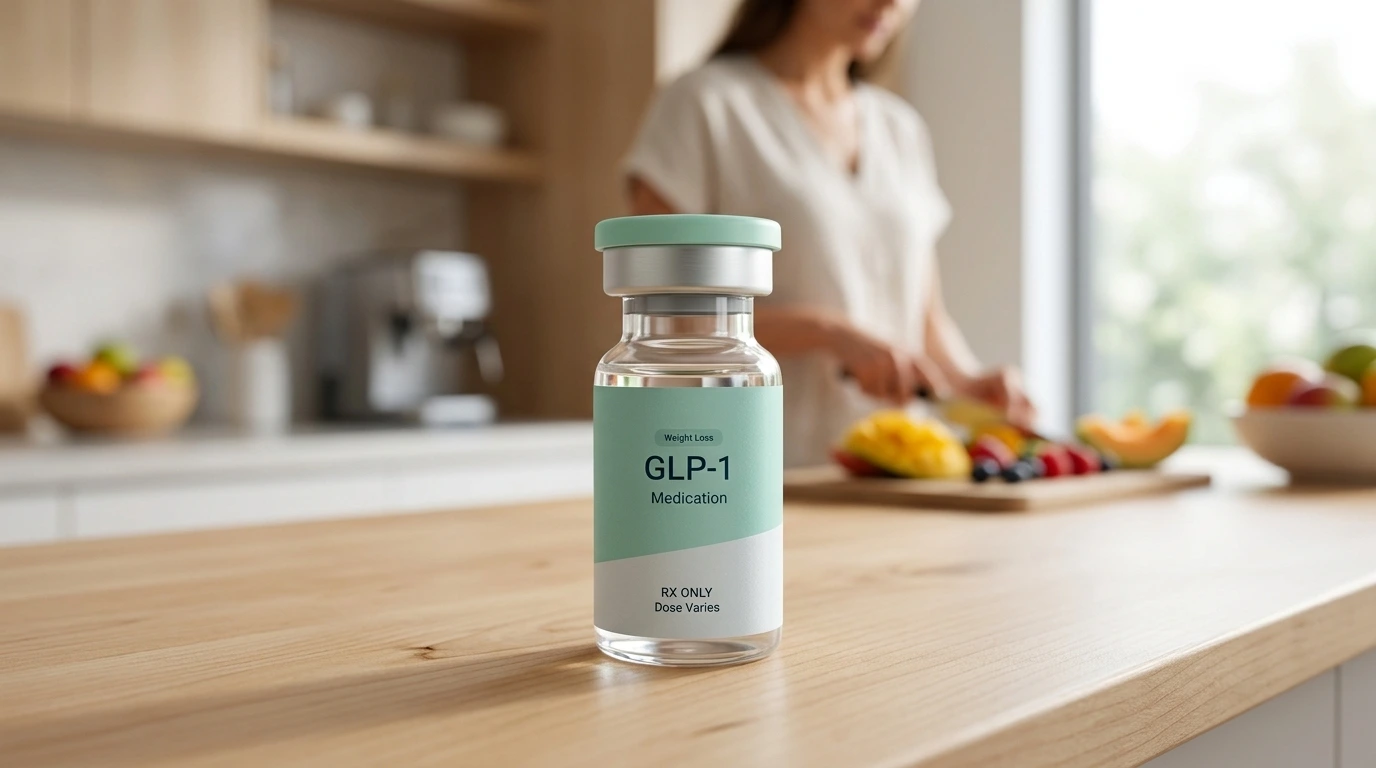
Standing in the kitchen with a prescription pen in hand, many individuals face a moment of hesitation. Perhaps the initial side effects of nausea or fatigue feel overwhelming, or there is a desire to make the medication last longer. If you have ever wondered, “Can you take half a dose of Ozempic?”, you are not alone. This question is increasingly common as more people turn to GLP-1 medications for weight management and metabolic health.
At TrimRx, we believe that understanding your treatment is the first step toward a successful health journey. Adjusting medication is a significant decision that impacts both safety and results. This post covers the clinical reasons for dose adjustments, the risks of self-modifying your regimen, and how personalized programs handle these challenges. While it may be possible to adjust your dose under strict medical supervision, doing so independently can compromise your health and your weight loss goals.
What Is Ozempic and How Does It Work?
Ozempic® is a brand-name prescription medication that contains the active ingredient semaglutide. It belongs to a class of drugs known as GLP-1 receptor agonists. GLP-1 stands for glucagon-like peptide-1, which is a hormone naturally produced in your gut. This hormone plays a vital role in how your body manages blood sugar and appetite.
When you take semaglutide, it mimics this natural hormone. It sends signals to your brain that you are full, which helps reduce cravings and overall food intake. It also slows down “gastric emptying,” which means food stays in your stomach longer. This biological process helps you feel satisfied with smaller portions.
Because these medications are powerful, they are designed to be introduced to the body slowly. This gradual process is called titration. The goal of titration is to allow your metabolic system to adapt to the hormonal changes without causing severe distress. For more on starting treatment, review this guide to your first semaglutide dose.
The Standard Dosing Schedule
To understand if taking half a dose is appropriate, it helps to look at the standard path most people follow. The manufacturer of Ozempic® and healthcare providers generally follow a specific four-week cycle for increasing the amount of medication.
- Month 1: You typically start at 0.25 mg once a week. This is considered a “starting dose” and is not usually enough to cause significant weight loss. Its primary purpose is to get your body used to the medicine.
- Month 2: The dose usually increases to 0.5 mg once a week. This is often where patients begin to see changes in appetite and blood sugar.
- Month 3 and Beyond: Depending on how you respond, a provider may increase the dose to 1 mg or 2 mg per week.
Taking a half dose usually refers to someone who has been prescribed 0.5 mg but wants to take 0.25 mg, or someone prescribed 1 mg who wants to take 0.5 mg.
Quick Answer: You should not take half a dose of Ozempic® without a direct instruction from your healthcare provider. While providers sometimes lower doses to manage side effects, self-adjusting can lead to inaccurate dosing, reduced effectiveness, and potential issues with the injection pen mechanics.
Why People Consider Taking Half a Dose
The motivation to reduce a dose usually falls into three categories: managing side effects, saving money, or “microdosing” to maintain progress.
Managing Gastrointestinal Side Effects
The most common reason for wanting a smaller dose is the presence of side effects. Because GLP-1 medications change how your digestive system moves, many people experience nausea, bloating, or even vomiting. If these symptoms are severe, the thought of taking the full prescribed amount can be daunting. This guide to managing semaglutide side effects explores how providers approach these concerns.
Cost and Supply Concerns
Medication shortages and the high cost of branded drugs lead some individuals to try and “stretch” their supply. They might think that by taking half a dose, a one-month supply will last for two months. However, Ozempic® pens are designed for a specific lifespan once opened, usually 56 days, and altering the dose can complicate this timeline.
Microdosing for Weight Maintenance
Some individuals who have reached their goal weight wonder if a “maintenance dose” or a half dose could help them stay where they are without continuing the full therapeutic amount. While weight maintenance is a valid goal, the strategy for doing so must be medically sound.
Clinical Scenarios Where a Half Dose Is Used
While you should never decide to halve your dose on your own, there are times when a licensed healthcare provider might recommend it. This is often done to create a more personalized experience. You can complete a free eligibility assessment to begin discussing whether a supervised program may be appropriate.
1. Severe Intolerance: If a patient moves from 0.25 mg to 0.5 mg and experiences debilitating nausea, a provider might suggest going back down to 0.25 mg for another two to four weeks. This gives the body more time to build tolerance.
2. Restarting Treatment: If you miss several doses of your medication, your body’s tolerance for the drug may drop. A provider might suggest “re-titrating,” which means starting back at a half dose or the original starting dose to avoid a shock to the system.
3. Personalized Titration: Some modern telehealth platforms, including our work with licensed providers at TrimRx, focus on the individual rather than a “one-size-fits-all” schedule. If a patient is seeing great results and has zero side effects on a lower dose, a provider might decide to keep them there longer rather than forcing an increase.
Key Takeaway: Lowering a dose is a legitimate clinical tool used by providers to improve patient comfort. However, the decision must be based on a professional evaluation of your health profile and weight loss progress.
The Risks of Taking Half a Dose Independently
Deciding to click your pen only halfway or “eyeballing” a dose carries several risks. These range from technical failures of the injection device to a complete stall in your health progress. For additional context, read about how Ozempic half-dose adjustments can affect treatment.
1. Reduced Therapeutic Effectiveness
GLP-1 medications are “dose-dependent.” This means that clinical trials have shown specific amounts of the drug are required to trigger the desired weight loss and blood sugar benefits. By taking only half, you may fall below the “therapeutic threshold.” This can result in your hunger returning and your weight loss plateauing.
2. Pen Mechanics and Dosing Errors
Ozempic® pens are precision-engineered medical devices. They are designed to “click” and lock into specific dosages like 0.25 mg or 0.5 mg. When you try to manually count clicks to find a “halfway” point that isn’t marked on the pen, you risk an inaccurate dose. You might take too much, which worsens side effects, or too little, which wastes the medication.
3. Loss of Cardiovascular Benefits
For many adults with type 2 diabetes or heart disease, Ozempic® provides critical cardiovascular protection. Clinical studies that proved these benefits were conducted using full, consistent doses. Reducing your dose without medical oversight could mean you are no longer receiving these protective benefits.
4. Medication Stability
Every time you use an injection pen, you introduce a small risk of contamination or air. Pens are rated to last for a specific number of days after the first use. If you take half doses to make a pen last twice as long, you might be using medication that has lost its potency or has been compromised by being open too long.
Personalized Programs and Dosing Flexibility
At TrimRx, our program is built on the idea that every body reacts differently to semaglutide. For more information about personalized semaglutide dosing, speak with a qualified provider about your specific treatment plan.
If you are struggling with side effects, you don’t have to guess about taking a half dose. You can consult with a specialist who can adjust your prescription safely. In some cases, a provider might recommend Compounded Semaglutide.
Note: Compounded medications are prepared by FDA-registered, inspected compounding pharmacies. They are not FDA-approved like branded Ozempic®, but they often offer more flexibility in dosing. Because they are often delivered in vials with syringes rather than fixed-dose pens, a provider can precisely tailor the amount of medication to your specific needs. This can be a helpful option for those who are highly sensitive to the medication and need to increase their dose more slowly than the standard branded pen allows.
How to Handle Side Effects Without Halving Your Dose
If your primary reason for wanting to take half a dose is physical discomfort, there are several evidence-based strategies to manage these symptoms while staying on your prescribed schedule. You can also review what to eat on a GLP-1 for nutrition strategies that may support a more comfortable treatment experience.
Prioritize Protein Intake
When you are on a GLP-1 medication, your appetite drops significantly. This makes it easy to under-eat, which can lead to fatigue and muscle loss. Aim for at least 90 grams of protein per day. Protein helps stabilize blood sugar and keeps you feeling energized even when your calorie intake is lower.
Stay Hydrated
Dehydration is a leading cause of the headaches and dizziness often associated with semaglutide. Aim for at least 60 ounces of water daily. If you find plain water difficult to drink, consider adding electrolytes, which can help your body retain the hydration it needs. This article explains why hydration matters during weight loss.
Use Nutrient Support
Many patients find that specific supplements can ease the transition. Options like GLP-1 Daily Support are designed to help the body manage the unique nutritional needs that arise during treatment. These can often help settle the stomach and provide the vitamins your body might be missing due to reduced food intake.
Adjust Your Injection Site
Some people report fewer gastrointestinal side effects when they inject the medication into their thigh or the back of their upper arm rather than the abdomen. While the medication still enters the bloodstream, some individuals find this “peripheral” injection site more comfortable for their digestion.
Step-by-Step: What to Do if You Want to Change Your Dose
If you feel that your current dose isn’t working for you, follow these steps to ensure you remain safe and on track.
- Step 1: Document your symptoms. / Keep a simple log of when you take your dose and exactly how you feel for the 48 hours following. Note any nausea, appetite changes, or energy dips.
- Step 2: Consult your provider. / Reach out to your medical team through the platform. Share your log and ask if a dose adjustment is appropriate for your specific health profile.
- Step 3: Follow the new plan exactly. / If your provider approves a lower dose or a slower titration schedule, follow it precisely. Do not attempt to “split” doses throughout the week unless they specifically tell you to do so.
- Step 4: Monitor and report. / After adjusting to the new dose, update your provider on whether your symptoms have improved and if your appetite suppression is still effective.
The Importance of Medical Supervision
Weight loss is not just about eating less; it is a complex metabolic shift. When you use medications like semaglutide, you are altering your body’s chemistry. This is why “DIY” dosing is discouraged in the medical community.
A licensed healthcare provider looks at more than just the number on the scale. They monitor for signs of rare but serious complications, such as pancreatitis or gallbladder issues. They also ensure that your weight loss is coming from fat, not muscle, which is essential for long-term health.
At TrimRx, we connect you with providers who understand these nuances. Our mission is to provide a transparent, science-backed environment where you can ask questions like “can I take half a dose” and get a medically sound answer tailored to you. We emphasize a telehealth-first approach, meaning you have 24/7 access to support without needing to visit an office or wait in a pharmacy line. If you want to explore whether you may qualify for a supervised prescription program, take the free assessment quiz.
Common Misconceptions About Dosing
There is a lot of misinformation circulating online regarding how to use GLP-1 medications. It is important to separate fact from fiction. For a broader overview, read this guide to taking semaglutide shots.
Myth: Taking a half dose twice a week (splitting the dose) is the same as taking a full dose once a week. Fact: While some providers do use “split dosing” to manage side effects, the medication is designed to have a long half-life. Changing the frequency of injections changes how the drug peaks in your bloodstream. This should only be done under strict medical guidance to ensure the “steady state” of the medication remains safe.
Myth: If I take a half dose, I can save the rest of the medication for later. Fact: Once an Ozempic® pen is used, the clock starts on its stability. Most pens must be discarded after 56 days. If you take half doses and the pen lasts 80 days, the medication you take in the final weeks may be ineffective or potentially contaminated.
Bottom Line on Dose Adjustments
The journey toward metabolic health is a marathon, not a sprint. While it might be tempting to reduce your dose to avoid a few days of nausea or to save on costs, the risks often outweigh the benefits. Self-adjusting can lead to dosing errors, pen malfunctions, and a loss of the very benefits you are seeking.
If you are struggling, the answer isn’t to guess—it’s to seek professional guidance. A personalized program can offer the flexibility you need, whether that means a slower titration schedule, better nutrient support, or a switch to a compounded option that allows for more precise measurements. For additional support with energy and metabolic goals during weight loss, consider the Weight Loss Boost supplement.
Conclusion
Successfully losing weight and improving your metabolic health requires a balance between medical science and personal comfort. While you may have heard of others taking half a dose of Ozempic®, this is a clinical decision that should only be made in partnership with a healthcare professional. Whether you are managing side effects or concerned about your progress, the best path forward is a personalized one.
We are dedicated to helping you navigate this process with empathy and expertise. Our programs are designed to provide the medical supervision, high-quality medication, and ongoing support necessary for sustainable results. By focusing on science-backed methods and clear communication, we help you take the guesswork out of your weight loss journey.
If you are ready to see which program and dose are right for your unique health profile, the next step is simple. Take our free assessment quiz to connect with a licensed provider and start your personalized path toward a healthier you.
FAQ
Can I count the clicks on my Ozempic pen to take a half dose?
While some people use “click counting” to estimate a smaller dose, this is not recommended by the manufacturer. The pen is only validated for the specific doses marked on the dial. Counting clicks manually can lead to inaccurate dosing, which may either worsen side effects or result in ineffective treatment.
What should I do if my current dose makes me feel too sick?
If you are experiencing severe nausea, vomiting, or stomach pain, contact your healthcare provider immediately. They may suggest a temporary dose reduction or provide tips on hydration and diet to help your body adjust. Never stop or change your medication dose without consulting a professional first.
Does a half dose of Ozempic still work for weight loss?
A lower dose may still provide some appetite suppression, but it may not be as effective as the full therapeutic dose proven in clinical trials. If your dose is too low, you may find that your cravings return, making it harder to maintain the lifestyle changes necessary for long-term weight loss.
Can taking half a dose help me save money on my prescription?
Trying to stretch your medication by taking half a dose can be risky. Ozempic® pens have an expiration date once opened (usually 56 days), and using a pen past this point can be unsafe or ineffective. It is better to discuss cost-effective treatment options, such as compounded medications, with your provider. You can find out if GLP-1 medications are right for you.
Disclaimer: This content is for informational purposes only and does not constitute medical advice. It is not intended to diagnose, treat, cure, or prevent any disease or condition. Individual results may vary. Always consult a qualified healthcare professional before starting any weight loss program or medication.

Transforming Lives, One Step at a Time
Keep reading

Playing in a Tennis League on Ozempic
Joining a tennis league is one of the best things you can do for fitness, friendship, and a bit of friendly competition. Many adults…

Sledding and Ice Skating With the Grandkids on Ozempic
Winter break with grandchildren often means sledding hills, outdoor rinks, and snowball fights in the yard. For many grandparents who have lost weight on…

Hosting a Quinceañera on Ozempic
A quinceañera is one of the biggest days in a family’s life. There is a Mass or blessing, photos, a grand entrance, the court’s…


