Navigating Your Path to Wellness: Understanding How Much is the First Dose of Ozempic and Your Journey Ahead
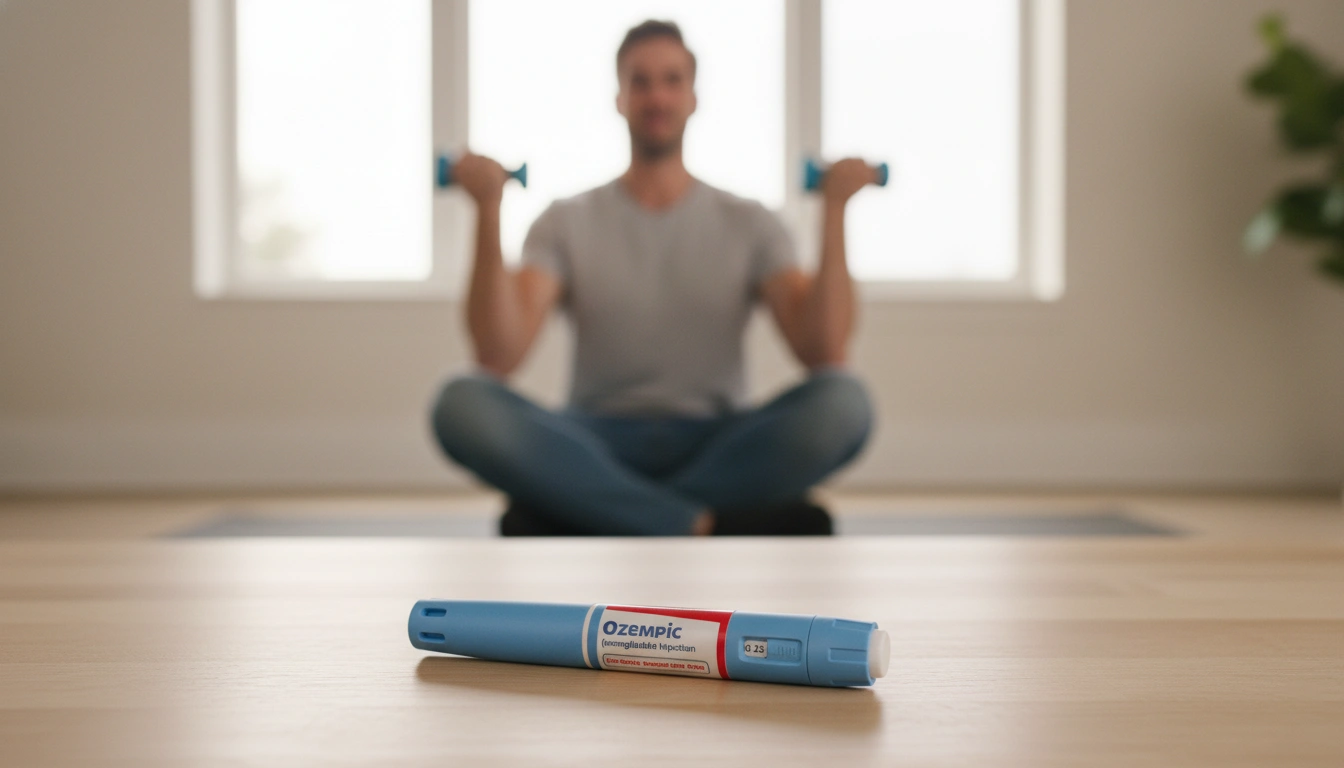
Embarking on a weight loss journey or managing type 2 diabetes can often feel like navigating a complex maze, filled with questions, uncertainties, and the desire for effective solutions. Many individuals find themselves seeking clarity on specific medications, particularly regarding their initial use and how they integrate into a broader wellness plan. One question that frequently arises is about the starting dosage for popular treatments like Ozempic, often phrased as “how much is the first dose of Ozempic?” This initial inquiry is more than just about a number; it’s about understanding the careful, measured steps involved in starting a new treatment and what to expect on the path to better health.
At TrimRx, our journey began with a shared vision to help individuals embrace healthier lifestyles by merging cutting-edge telehealth innovations with effective weight loss solutions. We understand that sustainable weight loss should be achieved through science, empathy, and a transparent approach. Our platform is a user-friendly and supportive space where individuals receive personalized, medically supervised care, all designed to make sustainable weight loss attainable and tailored to the individual.
This post will demystify the initial dosing of Ozempic, exploring not just the recommended starting amount but also the rationale behind it, the subsequent titration schedule, and practical considerations for effective administration. We will delve into how such medications work, what factors can influence your unique treatment plan, and how our comprehensive approach supports you every step of the way. By the end, you’ll have a clear understanding of the initial phase of Ozempic treatment and how we partner with you for a truly personalized and supportive health journey.
Understanding Ozempic: A Glimpse into its Mechanism
Ozempic, a brand name for the active ingredient semaglutide, belongs to a class of medications known as GLP-1 (Glucagon-Like Peptide-1) receptor agonists. These medications mimic the action of a natural hormone in your body that plays a crucial role in regulating blood sugar levels and influencing appetite. While originally developed for the management of type 2 diabetes, its profound effects on appetite regulation and subsequent weight loss have garnered significant attention, making it a valuable tool in many individuals’ health arsenals.
Semaglutide works by targeting several key areas within the body. Firstly, it stimulates the pancreas to release more insulin when blood sugar levels are high, helping to lower glucose. Secondly, it decreases the amount of glucagon released by the pancreas, which is another hormone that raises blood sugar. Thirdly, it slows down gastric emptying, meaning food stays in your stomach longer. This contributes to a feeling of fullness, reduces overall food intake, and can lead to weight loss. Finally, and perhaps most importantly for weight management, semaglutide influences brain areas that regulate appetite and food intake, helping to reduce cravings and promote satiety.
The multi-faceted action of semaglutide underscores its effectiveness for both glycemic control in type 2 diabetes and its potential for supporting weight loss. As you consider treatments like Ozempic, understanding this underlying mechanism helps appreciate why a carefully calibrated dosing schedule is so vital for optimizing results and minimizing potential side effects.
The Significance of GLP-1 Receptor Agonists in Modern Healthcare
GLP-1 receptor agonists like semaglutide represent a significant advancement in the management of chronic conditions such as type 2 diabetes and obesity. Their ability to address multiple physiological pathways offers a more holistic approach to these complex health challenges. For individuals struggling with weight-related issues, these medications offer a new avenue for support, working in conjunction with dietary and lifestyle modifications to foster sustainable change. The innovative nature of these treatments aligns perfectly with our commitment at TrimRx to merge cutting-edge telehealth innovations with effective weight loss solutions, ensuring you have access to the most advanced care available.
The Starting Point: How Much is the First Dose of Ozempic?
When you begin treatment with Ozempic, a careful and gradual approach to dosing is paramount. This method, known as titration, is designed to help your body slowly adjust to the medication, thereby reducing the likelihood and severity of potential side effects, particularly gastrointestinal issues like nausea, vomiting, and diarrhea. This measured introduction ensures a smoother transition and a more positive experience as your body adapts to semaglutide.
The typical and recommended starting dose of Ozempic is 0.25 mg, administered once a week. This initial dose is not primarily aimed at achieving immediate therapeutic effects, such as significant blood sugar control or rapid weight loss. Instead, its main purpose is to allow your system to acclimate to the presence of semaglutide. Think of it as a gentle introduction, preparing your body for the higher, more effective doses that will follow.
Many individuals naturally wonder why such a low dose is prescribed initially. The answer lies in the potent nature of GLP-1 receptor agonists. Even at 0.25 mg, the medication begins to engage with your body’s physiological processes. Starting low minimizes the shock to your system, allowing for a more comfortable adaptation period. This careful titration is a cornerstone of safe and effective medical practice, ensuring that the benefits of the medication are realized while potential discomfort is kept to a minimum.
Why a Gradual Increase is Key
After four weeks on the 0.25 mg dose, your healthcare provider will typically recommend an increase to 0.5 mg once a week. This structured increase is crucial because it allows your body more time to adjust, further reducing the risk of unwanted side effects. Trying to increase the dose sooner than four weeks can overwhelm your system and lead to more pronounced gastrointestinal discomfort. Our approach at TrimRx emphasizes this measured progression, ensuring your safety and comfort are prioritized throughout your personalized treatment plan. We believe in providing compassionate care that respects every individual’s unique journey, combining advanced medical science with modern technology.
This gradual increase is a testament to the sophisticated understanding of how medications interact with the human body, transforming a potentially challenging experience into a manageable and effective one.
The Ozempic Dosing Journey: A Detailed Titration Schedule
The journey with Ozempic involves a carefully structured dosing schedule, progressing from the initial low dose to a maintenance dose that is most effective for your individual needs. This titration process is not arbitrary; it’s a clinically determined pathway designed to maximize therapeutic benefits while ensuring patient comfort and safety.
The standard Ozempic dosing schedule unfolds over several weeks, typically increasing every four weeks until an optimal maintenance dose is achieved. Here’s a detailed look at this progression:
| Stage | Dose | Frequency | Purpose |
|---|---|---|---|
| Starting Dose | 0.25 mg | Once a week | Initiates treatment, allowing the body to adjust to semaglutide and minimize initial side effects. This dose is typically maintained for the first four weeks. |
| After 4 Weeks | 0.5 mg | Once a week | The first increase, allowing further adaptation while beginning to exert more noticeable effects on blood sugar control and appetite. This dose is typically maintained for at least four weeks before further increases, if needed. |
| Maintenance Dose | 1 mg | Once a week | For many individuals, 1 mg becomes the effective maintenance dose, offering significant benefits in blood sugar management and weight reduction. This dose is often reached after at least eight weeks of treatment (four weeks on 0.25 mg, then four weeks on 0.5 mg). |
| Maximum Dose (if needed) | 2 mg | Once a week | For individuals who may require additional glycemic control or greater weight management support, and who tolerate the lower doses well, the dose may be further increased to 2 mg. This is the maximum recommended dose and is typically reached after careful assessment of the individual’s response to the 1 mg dose. |
It’s important to understand that this schedule is a general guideline. Your healthcare provider will personalize your dosing plan based on your specific health goals, how your body responds to the medication, and any side effects you might experience. For instance, if you experience significant side effects at a particular dose, your provider might recommend staying at that dose for a longer period or exploring other options within our personalized weight loss program.
To begin your personalized weight loss journey and determine if a prescription medication like Ozempic, Compounded Semaglutide, Oral Semaglutide, Compounded Tirzepatide, Oral Tirzepatide, Mounjaro®, Zepbound®, or Wegovy® is right for you, we encourage you to take our free assessment quiz. Our comprehensive service includes doctor consultations, medication, lab work, unlimited support, and shipping with no hidden fees, all designed to make your journey seamless and effective.
The Importance of Consistency
Adhering to a consistent weekly schedule is paramount for optimizing the effectiveness of Ozempic. Semaglutide is a long-acting medication, and administering it on the same day each week ensures a stable concentration in your body. This consistency helps maintain steady blood sugar levels and consistent appetite regulation, leading to better overall results.
We recommend choosing a specific day of the week and time that best fits your routine – whether it’s Sunday morning with your coffee or Wednesday evening before bed. Setting a recurring reminder on your phone or utilizing a medication tracker app can be incredibly helpful. This habit-forming approach minimizes the chance of missed doses and helps you stay on track with your personalized treatment plan.
Administering Your Dose: Practical Guide to Ozempic Injections
Administering Ozempic is a straightforward process, but understanding the correct technique and safety precautions is essential for both effectiveness and comfort. Ozempic is given as a subcutaneous injection, meaning it’s injected just under the skin.
Preparing for Your Injection
Before each injection, always ensure you have a new needle. Sharing needles or reusing them can lead to serious infection. Check the pen’s label to confirm it’s the correct medication and inspect the liquid inside – it should be clear and colorless. If it appears cloudy or contains particles, do not use it. Our medications are provided through FDA-registered, inspected, and approved pharmacies, ensuring the highest quality and safety for your treatment.
To attach the needle, simply remove the paper tab, push it onto the pen, and twist until it’s secure. Then, remove both the outer and inner needle caps.
Performing a Flow Check
For each new Ozempic pen, you’ll need to perform a flow check to ensure the medication is flowing correctly. Turn the dose selector to the flow check symbol, then press and hold the dose button until the dose counter shows “0.” You should see a drop of Ozempic at the needle tip. If not, repeat the flow check up to six times. If a drop still doesn’t appear, change the needle and try once more. If still no drop, do not use the pen and contact your provider.
Selecting Your Dose and Injection Sites
Once the flow check is complete, turn the dose selector until your prescribed dose (e.g., 0.25 mg, 0.5 mg, 1 mg, or 2 mg) is displayed in the dose counter. If the counter stops before your prescribed dose, there isn’t enough medication in the pen, and you’ll need a new one.
The recommended injection sites for Ozempic are the abdomen, thigh, or upper arm. It’s crucial to rotate your injection site with each dose. While you can use the same general area (e.g., abdomen), choose a slightly different spot each time to prevent skin irritation, bruising, or changes in how the medication is absorbed. Avoid injecting into moles, scars, or areas with broken or tender skin. Cleaning the injection site with an alcohol swab before injecting is also recommended.
The Injection Process
Once you’ve selected your site and dose, insert the needle into the skin. Press and hold the dose button until the dose counter returns to “0.” Crucially, keep the needle in your skin and slowly count to six after the counter reaches “0” to ensure the full dose has been delivered. Then, carefully withdraw the needle.
After injection, immediately dispose of the used needle in an FDA-approved sharps container or a sturdy plastic household container. Never recap a used needle to avoid accidental needle sticks.
Navigating these steps might feel daunting at first, but with practice, it becomes a simple part of your weekly routine. Should you have any questions or concerns about the injection process, our dedicated support team is always available to assist you. Our commitment to transparent service means our approach remains consistent, highlighting our focus on safety by working exclusively with FDA-registered and inspected pharmacies for the shipping of weight loss medications.
Navigating Your Treatment: Factors, Missed Doses, and Results
Your journey with Ozempic is dynamic, influenced by various individual factors and requiring careful management. Understanding these aspects empowers you to be an active participant in your own care.
Factors That Can Affect Your Ozempic Dosage
While the titration schedule provides a general framework, your healthcare provider may adjust your Ozempic dosage based on several individual factors:
- Body Weight and Metabolism: While Ozempic has a standard titration, an individual’s body weight and metabolic rate can subtly influence how they respond to the medication. Some may require a higher dose to achieve optimal effects, while others may respond well to lower maintenance doses.
- Age and Physiological Changes: Older adults, for example, may have different metabolic profiles or kidney function, necessitating a more cautious approach to dose increases or adjustments.
- Kidney Function: Impaired kidney function can affect how the body processes and eliminates medications. If you have any degree of kidney disease, your doctor will carefully monitor your kidney function and may adjust your dose or choose a different treatment to ensure safety.
- Co-existing Medical Conditions: Other health conditions, particularly those affecting the gastrointestinal system, might influence how well you tolerate Ozempic and necessitate dosage adjustments.
- Other Medications, Supplements, or Herbs: Certain medications, supplements, or even herbal remedies can interact with Ozempic, potentially altering its effectiveness or increasing the risk of side effects. Always provide a complete list of all medications you are taking to your healthcare provider before starting or adjusting Ozempic.
- Side Effects and Tolerance: Your body’s response to the medication, especially the presence and severity of side effects like nausea, vomiting, or low blood sugar (hypoglycemia), is a primary factor. If side effects are persistent or uncomfortable, your provider may keep you at a lower dose for longer or reduce the dose.
- Blood Sugar Levels: For those managing type 2 diabetes, ongoing monitoring of blood sugar levels helps determine if the current dose is effectively managing glucose.
- Weight Loss Progress: If weight loss is a key goal, your response to a specific dose will be assessed to determine if further titration is beneficial, always within the maximum recommended dose.
At TrimRx, our personalized approach means we consider all these factors. We conduct thorough doctor consultations and lab work to create a treatment plan that is truly tailored to you, ensuring both efficacy and safety.
What to Do If You Miss a Dose
Life happens, and sometimes a weekly injection might be missed. If you forget to take your Ozempic dose, here’s what to do:
- If it’s within five days of your missed dose: Take the missed dose as soon as you remember. Then, resume your regular weekly schedule for the next dose.
- If more than five days have passed since your last dose: Skip the missed dose entirely. Do not take two doses at once to make up for a missed one, as this could lead to hypoglycemia (dangerously low blood sugar) or other severe side effects. Simply take your next scheduled dose on your usual day.
Consistency is ideal, but occasional misses, when managed correctly, typically won’t derail your progress. If you frequently miss doses, it’s worth discussing with your healthcare provider to find strategies that help you stay on track.
Common Mistakes to Avoid When Following the Ozempic Dose Schedule
To ensure you get the most out of your Ozempic treatment, be mindful of these common pitfalls:
- Skipping Doses Regularly: Consistent adherence is crucial for steady results. Frequent skipping can reduce the drug’s overall effectiveness and disrupt the stable levels in your body.
- Inconsistent Timing: While Ozempic can be taken at any time of day, sticking to the same day each week is vital. Varying the day can lead to fluctuating medication levels.
- Improper Injection Technique: Injecting into the wrong layer of the skin (e.g., too shallow or too deep into muscle) can impact absorption. Always inject into the fatty tissue just under the skin. Our providers will guide you on the correct technique.
- Increasing the Dose Too Quickly: As discussed, the gradual titration schedule is designed to minimize side effects. Do not increase your dose without consulting your healthcare provider, even if you feel you’re not seeing results fast enough.
- Ignoring Side Effects: While some mild side effects are common, persistent or severe side effects should always be reported to your doctor. They can provide guidance, suggest adjustments, or explore alternative solutions.
When to Expect Results with the Ozempic Dose Schedule
Patience is a virtue, especially when starting a new medication. The timeline for seeing results can vary based on individual physiology and treatment goals:
- Blood Sugar Control: For individuals managing type 2 diabetes, improvements in blood sugar control can often be seen within 1 to 2 weeks after starting the 0.5 mg dose. This is when the medication begins to exert its primary glucose-lowering effects.
- Weight Loss: Noticeable weight loss typically takes a bit longer. Many individuals start to see changes in body weight between 8 to 12 weeks of consistent treatment, particularly as they reach higher maintenance doses. Studies show that individuals can experience significant weight reduction, ranging from 5-15% of their total body weight, depending on the dose and individual response over 26 weeks.
It’s important to remember that Ozempic is most effective when combined with a healthy diet and regular physical activity. The medication acts as a powerful tool to support these lifestyle changes, making them more attainable and effective. Our personalized weight loss programs emphasize a holistic approach, ensuring you have the support needed for long-term success.
Beyond the Dose: The TrimRx Personalized Approach
At TrimRx, we understand that a prescription medication is just one piece of the puzzle. Our comprehensive approach ensures that you receive truly personalized, medically supervised care, integrating cutting-edge innovations with unwavering support.
Our journey began with a shared vision to help individuals embrace healthier lifestyles. We believe in providing compassionate care that respects every individual’s unique journey, combining advanced medical science with modern technology. Our platform is more than just a place to access medication; it’s a user-friendly and supportive space where sustainable weight loss is made attainable and tailored to you. We are empathetic, innovative, trustworthy, supportive, results-oriented, and profoundly personalized in our brand personality and messaging.
Your Personalized Weight Loss Program
If you’re considering prescription weight loss medications like Ozempic, we invite you to take our free assessment quiz. This quick, confidential quiz helps us determine your eligibility and connect you with a personalized treatment plan that might include:
- Compounded Semaglutide
- Oral Semaglutide
- Ozempic®
- Compounded Tirzepatide
- Oral Tirzepatide
- Mounjaro®
- Zepbound®
- Wegovy®
Our comprehensive service goes far beyond just providing medication. When you enroll in a personalized program, you receive:
- Doctor Consultations: Access to qualified medical professionals who will assess your needs, prescribe appropriate medication, and guide you through your treatment journey.
- Lab Work: Essential diagnostic tests to ensure your treatment plan is safe and effective for your unique health profile.
- Medication: Shipped directly to you from FDA-registered and inspected pharmacies, ensuring quality and convenience. While branded medications like Ozempic® and Zepbound® are FDA approved, it’s important to clarify that compounded medications are provided through these FDA-registered and inspected pharmacies, not that the compounded medications themselves are FDA approved.
- Unlimited Support: Our team is here for you every step of the way, offering guidance, answering questions, and providing encouragement. We believe in transparency, meaning our supportive approach remains consistent regardless of dosage changes.
- Shipping: Hassle-free delivery of your medication directly to your door.
- No Hidden Fees: We are committed to a transparent approach, ensuring you understand all aspects of your program upfront.
This integrated approach ensures that your journey is medically supervised, safe, and tailored to your specific needs, fostering long-term, sustainable results.
Quick-Access Support for Your Wellness Journey
We also understand that immediate support can be incredibly beneficial for overall wellness during your weight loss journey. For those looking for supplementary support without the need for a consultation or prescription, we offer quick-access supplements:
- GLP-1 Daily Support: Designed to complement your body’s natural processes and provide daily wellness support. Learn more and purchase our GLP-1 Daily Support today.
- Weight Loss Boost: A dedicated supplement formulated to provide an extra boost to your weight loss efforts, supporting your metabolism and energy. Discover the benefits and buy our Weight Loss Boost.
These supplements are available for immediate purchase, offering flexible options to support your health and wellness goals.
Storing Your Medication
Proper storage of Ozempic pens is crucial to maintain their effectiveness and safety.
- Before first use: Store new, unopened Ozempic pens in the refrigerator between 36-46°F (2-8°C). Do not freeze Ozempic, and do not use it if it has been frozen. Keep it away from the cooling element of the refrigerator to prevent accidental freezing.
- After first use: Once you start using an Ozempic pen, it can be stored either in the refrigerator (36-46°F / 2-8°C) or at room temperature (59-86°F / 15-30°C) for up to 56 days (8 weeks). Make sure to keep it protected from heat and direct light.
- Important Note: An Ozempic pen must be discarded after 8 weeks, even if there is still medication left inside. Always check the expiration date on the pen and discard it if expired.
Always keep Ozempic and all other medications out of the reach of children.
Important Considerations and Safety
While Ozempic is an effective medication, it’s important to be aware of potential side effects and when to seek medical attention. Common side effects often include gastrointestinal issues like nausea, vomiting, diarrhea, or constipation, especially during the initial titration phase. These usually lessen as your body adjusts.
More serious, though rare, side effects can occur, such as pancreatitis (inflamed pancreas) or severe allergic reactions. Symptoms of pancreatitis might include severe, persistent abdominal pain, with or without vomiting. An allergic reaction could manifest as widespread skin rash, shortness of breath, wheezing, swelling of the face, lips, or tongue, or a fast pulse. If you experience any of these severe symptoms, seek urgent medical attention immediately.
Additionally, if you are also taking other medications for diabetes, such as sulfonylureas or insulin, there is an increased risk of hypoglycemia (low blood sugar). Your doctor will guide you on how to monitor for signs of low blood sugar and adjust other medications if necessary.
Always monitor your body’s response to the medication and communicate any concerns or adverse effects to your healthcare provider promptly. Your safety and well-being are our top priorities at TrimRx, and our team is always here to provide guidance and support throughout your treatment journey.
Conclusion
Understanding how much is the first dose of Ozempic is more than just knowing a number; it’s about appreciating the careful, medically informed approach to starting a powerful new treatment. The initial 0.25 mg dose, followed by a gradual titration, is a testament to the commitment to patient safety and comfort, paving the way for effective blood sugar management and significant weight loss.
At TrimRx, we are dedicated to providing a comprehensive, personalized, and supportive pathway to better health. We believe in merging cutting-edge medical science with modern technology to deliver compassionate, results-oriented care. From your initial assessment and personalized treatment plan, including access to medications like Ozempic provided through FDA-registered and inspected pharmacies, to ongoing support and quick-access supplements, we are with you every step of the way. Our goal is to empower you with the knowledge and resources needed to achieve your wellness goals safely and effectively.
Ready to explore how a personalized weight loss solution can transform your health? We invite you to take our free assessment quiz to see if you qualify for our prescription weight loss medications. For immediate support for your overall wellness journey, consider our GLP-1 Daily Support or Weight Loss Boost supplements. Your journey to a healthier, more vibrant you starts here, and we are honored to be your partner on this path.
FAQs About Ozempic
What is the recommended starting dose of Ozempic?
The recommended starting dose for Ozempic is 0.25 mg, administered once a week for the first four weeks. This initial dose allows your body to gradually adjust to the medication, helping to minimize potential side effects before moving to higher doses.
Can I increase my Ozempic dose sooner than four weeks if I feel fine?
No, it is crucial to follow the prescribed titration schedule. The recommendation to stay on the 0.25 mg dose for four weeks, and subsequent doses for at least four weeks, is clinically determined to allow your body sufficient time to adapt. Increasing the dose too quickly can increase the risk and severity of gastrointestinal side effects. Always consult your healthcare provider before making any changes to your dosage.
What should I do if I miss my weekly Ozempic dose?
If you miss a dose, take it as soon as you remember, provided it’s within five days of your regularly scheduled dose. If more than five days have passed since the missed dose, skip it and simply take your next scheduled dose on your usual day. Do not take two doses at once to compensate for a missed dose.
Is Ozempic approved for weight loss, and how long does it take to see results?
Ozempic (semaglutide) is FDA-approved for the management of type 2 diabetes, and for reducing the risk of major cardiovascular events in adults with type 2 diabetes and established cardiovascular disease. While weight loss is a common and significant side effect, Ozempic is not specifically FDA-approved as a weight loss drug on its own. For weight loss, noticeable changes typically begin after 8 to 12 weeks of consistent treatment, and individuals can experience a 5-15% reduction in total body weight over approximately 26 weeks, combined with diet and exercise. If you are interested in a comprehensive, medically supervised weight loss program that may include such medications, we encourage you to take our free assessment quiz.

Transforming Lives, One Step at a Time
Keep reading

Ozempic Face: How to Prevent and Minimize Facial Changes
Ozempic face refers to the gaunt, hollowed, or aged appearance that some patients develop during rapid weight loss on semaglutide. It’s not a direct…
How to Lose Belly Fat on Ozempic: Why It Comes Off First
One of the most consistent things patients report on Ozempic is that belly fat seems to come off before fat in other areas. That’s…

How Ozempic Changes Your Body Beyond the Scale
Ozempic changes your body in ways that go well beyond what the scale shows. Within the first few weeks, appetite signaling shifts, gastric emptying…


