Navigating Your Plate: Can I Eat Anything on Ozempic and Other GLP-1 Medications?
Introduction
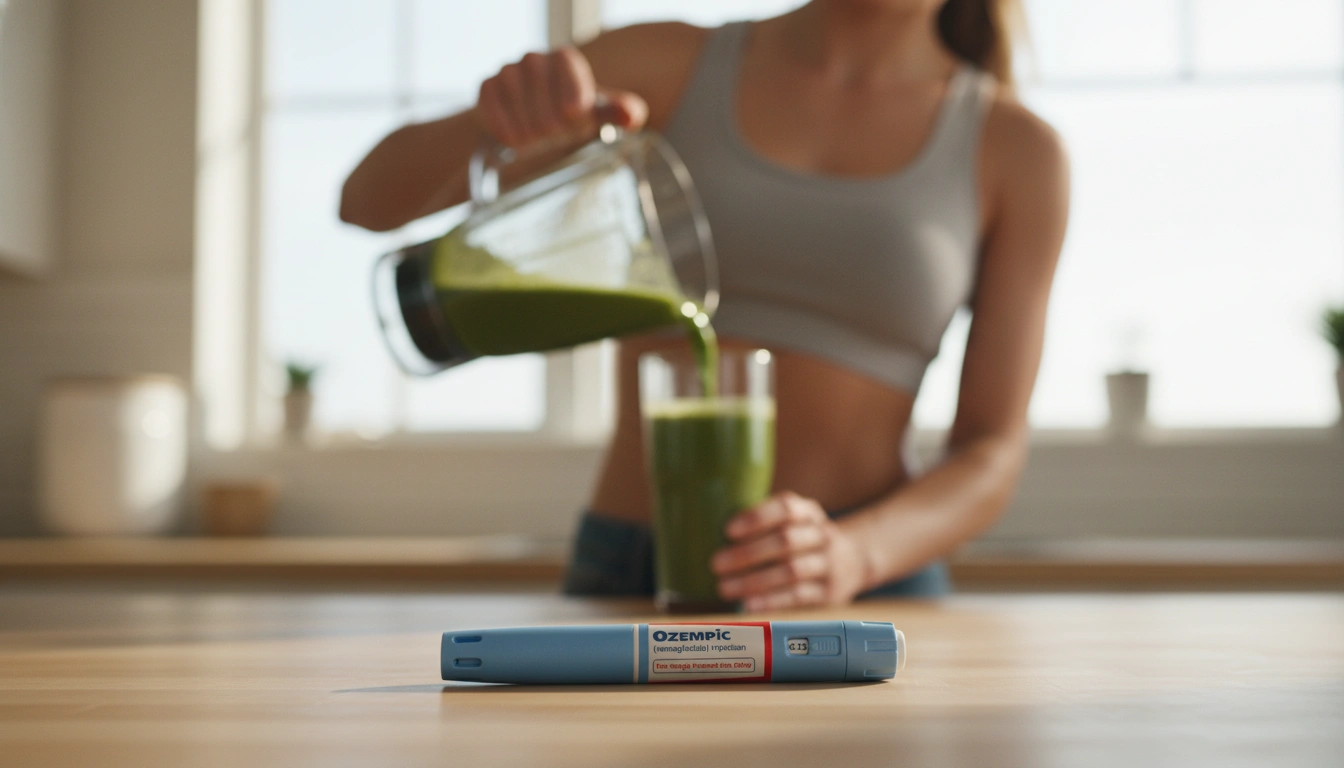
Many individuals embarking on a weight loss journey often face a common question, one that echoes with both hope and apprehension: “What can I truly eat?” This question becomes even more pronounced for those utilizing powerful new tools like Ozempic, Mounjaro, Wegovy, or Zepbound. These groundbreaking medications, often referred to as GLP-1s, have transformed the landscape of weight management and type 2 diabetes care, offering significant support in achieving health goals. However, their unique mechanisms of action, which influence appetite and digestion, naturally lead to queries about dietary adjustments. Is it a free pass to eat anything and everything, or are there strategic choices that can optimize results and minimize discomfort?
At TrimRx, our journey began with a shared vision to help individuals embrace healthier lifestyles by merging cutting-edge telehealth innovations with effective weight loss solutions. We understand that sustainable weight loss should be achieved through science, empathy, and a transparent approach. This blog post is crafted to be your supportive guide, delving into the nuanced relationship between GLP-1 medications and your diet. We’ll explore how these medications work, what foods can enhance their benefits, which ones might hinder progress or trigger side effects, and how a personalized dietary strategy is paramount for long-term success. Together, we’ll uncover the practical steps you can take to make informed food choices, optimize your well-being, and truly make the most of your weight loss journey with medically supervised support.
Understanding GLP-1 Medications and Their Impact on Your Diet
The advent of GLP-1 receptor agonists has revolutionized how we approach weight management and blood sugar control. Medications like Semaglutide (found in Ozempic and Wegovy) and Tirzepatide (found in Mounjaro and Zepbound) mimic the action of a natural hormone called glucagon-like peptide-1 (GLP-1), which our bodies produce in response to food intake. This imitation leads to a cascade of beneficial effects crucial for weight loss and metabolic health.
How GLP-1s Influence Your Body and Appetite
GLP-1s work on multiple fronts, creating an environment conducive to healthier eating habits and weight reduction:
- Appetite Suppression: Perhaps the most notable effect for weight loss, GLP-1s act on appetite centers in the brain, significantly reducing hunger and cravings. Many individuals report a decrease in “food noise”—those intrusive thoughts about food that can make weight management challenging. This reduction in appetite often leads to a natural decrease in overall calorie intake, a fundamental component of weight loss.
- Slowed Gastric Emptying: These medications slow down how quickly food leaves your stomach. This means you feel fuller for longer after meals, contributing to reduced portion sizes and fewer instances of overeating. While beneficial for satiety, this mechanism also explains why certain dietary choices can exacerbate common gastrointestinal side effects.
- Blood Sugar Regulation: For individuals managing type 2 diabetes, GLP-1s stimulate the pancreas to release more insulin when blood sugar levels are high and decrease the amount of glucagon (a hormone that raises blood sugar) produced by the liver. This dual action helps stabilize blood glucose, a key factor in preventing fat storage and improving metabolic health.
These mechanisms underscore why a thoughtful approach to diet is not just recommended but essential when taking these medications. They are powerful tools, but they work with your body, not in isolation from your lifestyle choices. Our platform at TrimRx combines the benefits of these advanced medical sciences with modern technology, providing a user-friendly and supportive space where individuals receive personalized, medically supervised care. We believe that this synergy of medication and informed lifestyle choices is what truly makes sustainable weight loss attainable and tailored to the individual. To discover if a personalized treatment plan featuring medications like Ozempic, Mounjaro, Zepbound, or Wegovy, along with compounded options such as Compounded Semaglutide or Compounded Tirzepatide, is right for you, we encourage you to take our free assessment quiz today.
The Synergy of Medication and Mindful Eating
While the question “can I eat anything on Ozempic?” might imply a desire for unrestricted indulgence, the reality is that optimal results come from a partnership between your medication and your dietary choices. These medications are not a magic bullet that negates the impact of unhealthy eating; rather, they are powerful enablers that make it easier to adopt and maintain healthier habits.
Why Diet and Exercise Remain Pillars of Weight Loss
Clinical studies consistently show that GLP-1 medications are most effective when used in conjunction with a reduced-calorie diet and regular physical activity. For example, some trials demonstrated significant weight loss in individuals who adopted a 500-600 calorie deficit per day and engaged in 150 minutes of exercise per week. The medication helps by reducing hunger and cravings, making adherence to such a diet more manageable, but the dietary changes themselves are indispensable for achieving and sustaining weight loss.
Consider this: if the medication reduces your appetite, but you consistently choose high-calorie, low-nutrient foods, you might still struggle to create the necessary calorie deficit for weight loss. Furthermore, a nutrient-poor diet can leave you feeling fatigued, compromise muscle mass, and even exacerbate side effects.
Our commitment at TrimRx is to offer compassionate care that respects every individual’s unique journey. We combine advanced medical science with modern technology to deliver solutions designed for real, lasting change. This involves not just providing access to effective medications, but also emphasizing the foundational role of healthy eating and active living. We offer comprehensive service that includes doctor consultations, medication, lab work, unlimited support, and shipping, all with no hidden fees, ensuring you have the full ecosystem to succeed.
The Role of Personalization in Your Diet Plan
There is no one-size-fits-all “Ozempic diet.” Your optimal dietary strategy will depend on your individual health profile, cultural preferences, specific side effects, and long-term health goals. This is where personalized, medically supervised care truly shines. Working with healthcare professionals, as part of a program like ours, ensures that your dietary plan is tailored to meet your nutritional needs, manage potential side effects, and support your weight loss journey effectively.
Your nutritional needs may even shift over time or with age, highlighting the importance of an adaptable and personalized approach. We encourage you to explore our various prescription options, including Oral Semaglutide and Oral Tirzepatide, by taking our free assessment quiz to determine your eligibility and receive a personalized treatment plan.
Foods to Prioritize for Optimal Results and Well-being
When taking GLP-1 medications, the goal isn’t just to eat less, but to eat better. Focusing on nutrient-dense foods will maximize your weight loss efforts, help manage side effects, and ensure your body receives the vital nutrients it needs.
High-Quality Protein: Your Ally Against Muscle Loss
Protein is arguably the most critical macronutrient when you’re losing weight. When calorie intake is reduced, the body can sometimes break down muscle mass along with fat. Adequate protein intake helps preserve lean muscle, which is essential for maintaining a healthy metabolism and preventing weight regain. Protein also promotes satiety, helping you feel fuller for longer, which complements the appetite-suppressing effects of GLP-1s.
Excellent Protein Sources:
- Lean Meats: Chicken breast, turkey, lean cuts of beef and pork.
- Fish and Seafood: Salmon, tuna, cod, shrimp, scallops. Fatty fish like salmon also provide beneficial omega-3 fatty acids.
- Eggs: A complete protein source, versatile and easy to prepare.
- Dairy: Greek yogurt, cottage cheese, kefir (opt for low-fat or fat-free versions where appropriate).
- Plant-Based Proteins: Tofu, tempeh, edamame, lentils, beans, chickpeas.
- Protein Supplements: If meeting protein goals through food is challenging, particularly if you experience reduced appetite, meal replacement shakes or protein powders can be helpful.
Aim to include a source of protein at every meal, making it the first thing you eat if you find yourself getting full quickly. For additional support, consider our Weight Loss Boost supplement, designed to complement your efforts.
Fiber-Rich Foods: Supporting Digestion and Satiety
Fiber plays a dual role: it aids digestion, helping to combat common GLP-1 side effects like constipation, and it contributes to a feeling of fullness. Foods high in fiber are often lower in calories and provide essential vitamins and minerals.
Top Fiber Choices:
- Non-Starchy Vegetables: Leafy greens (spinach, kale), broccoli, cauliflower, bell peppers, asparagus, zucchini, mushrooms, tomatoes. Aim to fill half your plate with these colorful powerhouses.
- Fruits: Berries, apples, pears, oranges, peaches. Fruits offer natural sugars alongside fiber, vitamins, and antioxidants.
- Whole Grains: Oats, quinoa, brown rice, whole-wheat bread, farro, barley. These provide sustained energy and help stabilize blood sugar.
- Legumes: Beans, lentils, chickpeas.
When increasing fiber, do so gradually to allow your digestive system to adjust and avoid potential gas or bloating. Our GLP-1 Daily Support supplement can also assist in maintaining overall gut health and nutrient balance.
Healthy Fats: Essential for Hormonal Balance and Satiety
Healthy fats are crucial for hormone production, nutrient absorption, and long-term satiety. While some individuals may experience increased sensitivity to fats while on GLP-1s, incorporating them in moderation can be beneficial.
Sources of Healthy Fats:
- Avocado: Rich in monounsaturated fats and fiber.
- Nuts and Seeds: Almonds, walnuts, chia seeds, flax seeds, hemp seeds. These provide healthy fats, protein, and fiber.
- Olive Oil: A staple of the Mediterranean diet, excellent for cooking and dressings.
- Fatty Fish: Salmon, mackerel, sardines (mentioned under protein, but also great for fats).
Hydration: A Non-Negotiable Component
Staying adequately hydrated is fundamental for overall health and is particularly important when taking GLP-1 medications. Dehydration can exacerbate side effects like constipation, nausea, and fatigue.
Hydration Tips:
- Water is King: Make plain water your primary beverage.
- Herbal Teas: A soothing, calorie-free way to stay hydrated.
- Infused Water: Add slices of fruit or cucumber for flavor without added sugar.
- Water-Rich Foods: Incorporate soups, broths, and fruits/vegetables with high water content (e.g., watermelon, cucumbers, lettuce).
We at TrimRx believe in a comprehensive approach. Our medically supervised programs are designed not just around medication, but around fostering an understanding of what truly nourishes your body and supports your journey.
Foods to Limit or Avoid: Minimizing Side Effects and Maximizing Progress
While no food is strictly “forbidden” on GLP-1 medications, certain types of foods can either worsen common side effects or hinder your weight loss progress. Being mindful of these can make your journey smoother and more effective.
High-Fat and Greasy Foods
Due to the slowed gastric emptying caused by GLP-1s, high-fat and greasy foods can sit in your stomach for even longer, leading to increased discomfort.
Foods to Limit:
- Fried Foods: French fries, fried chicken, onion rings.
- Greasy Takeaways: Pizza, burgers (especially with extra cheese and toppings).
- Rich Sauces and Dressings: Cream-based sauces, heavy gravies.
- Processed Meats: Bacon, sausages, high-fat deli meats.
Consuming these can lead to intensified nausea, vomiting, indigestion, heartburn, and bloating. Even healthy fats, if consumed in very large quantities, might cause some individuals discomfort, so listen to your body and adjust portions accordingly.
Refined Carbohydrates and Sugary Foods
These foods often have a high glycemic index, meaning they cause rapid spikes in blood sugar. While GLP-1s help regulate blood sugar, consistently consuming high amounts of refined sugars can still work against your efforts.
Foods to Limit:
- Sugary Drinks: Soda, sweetened teas, fruit juices (even 100% juice can be high in natural sugars without the fiber of whole fruit).
- Processed Baked Goods: Cakes, cookies, pastries, donuts.
- White Grains: White bread, white rice, pasta made from refined flour (in large quantities).
- Candy and Sweets: Provide empty calories and little nutritional value.
These foods contribute to increased calorie intake without promoting satiety or providing essential nutrients, making weight loss more challenging.
Ultra-Processed Foods
Generally, ultra-processed foods are high in added sugars, unhealthy fats, and sodium, while being low in fiber and essential nutrients. They are designed to be highly palatable and easy to overconsume.
Examples of Ultra-Processed Foods:
- Packaged Snacks: Chips, pretzels, most crackers.
- Ready Meals: Frozen dinners, instant noodles.
- Sugary Cereals: Many breakfast cereals.
- Fast Food Items: Beyond just the greasy aspect, many fast-food items are highly processed.
Focusing on whole, unprocessed foods aligns perfectly with the goals of a healthy lifestyle supported by GLP-1 medications.
Alcohol
Alcohol not only adds empty calories to your diet but can also exacerbate certain GLP-1 side effects like nausea and dehydration. It can also potentially lower blood sugar for some individuals. While some research suggests GLP-1s might reduce alcohol cravings, it’s wise to limit intake and consume it mindfully, if at all.
Large Portions
One of the key benefits of GLP-1 medications is their ability to make you feel satisfied with smaller amounts of food. Overriding this signal by eating large portions, even of healthy foods, can lead to uncomfortable fullness, nausea, and indigestion. Aim for smaller, more frequent meals if that helps manage satiety and prevent stomach upset.
This empathetic approach to managing your diet is a cornerstone of our brand personality at TrimRx. We understand that modifying eating habits can be a challenge, and our goal is to provide trustworthy support and personalized guidance every step of the way. If you’re ready to learn more about how our programs, which include access to Ozempic, Mounjaro, Zepbound, and Wegovy, can be tailored to you, please take our free assessment quiz today.
Practical Strategies for Dietary Success on GLP-1 Medications
Beyond knowing what to eat and what to limit, implementing practical strategies can significantly enhance your experience with GLP-1 medications, helping you manage side effects and build sustainable habits.
Embracing Mindful Eating Practices
- Eat Slowly: The slowed gastric emptying from GLP-1s means your stomach is already taking its time. Eating slowly allows your brain to catch up with your stomach’s fullness signals, preventing overeating. Chew your food thoroughly and put your fork down between bites.
- Smaller, More Frequent Meals: Instead of two or three large meals, consider five to six smaller meals throughout the day. This can help prevent the sensation of being overly full and reduce pressure on the stomach, mitigating nausea.
- Listen to Your Body: Pay close attention to how different foods make you feel. Keep a food diary to identify patterns between certain foods and side effects. This personalized feedback is invaluable for refining your dietary choices.
Strategies for Managing Common Side Effects
Many individuals experience gastrointestinal side effects like nausea, constipation, or diarrhea, especially when first starting GLP-1 medications or increasing dosages. Dietary adjustments can often provide significant relief.
Nausea and Upset Stomach:
- Bland Foods: Opt for easily digestible, bland foods such as toast, crackers, plain rice, applesauce, and broths.
- Ginger: Foods containing ginger, or ginger tea, may help soothe nausea.
- Avoid Strong Flavors: Very spicy, acidic, or overly sweet foods can sometimes trigger nausea.
- Temperature: Cold foods can sometimes be better tolerated than hot ones when feeling nauseous.
Constipation:
- Increase Fiber Gradually: Focus on high-fiber foods like fruits, vegetables, whole grains, and legumes. Introduce them slowly to prevent gas and bloating.
- Hydration: Drink plenty of water throughout the day.
- Movement: Light physical activity, like a post-meal walk, can aid digestion.
- Probiotics: Foods like kefir, yogurt, kimchi, and sauerkraut may support gut health. Our GLP-1 Daily Support supplement is formulated to help support overall wellness, which includes gut health.
Diarrhea:
- Low-Fiber Foods (Temporarily): If experiencing diarrhea, temporarily shift to lower-fiber foods like white rice, white toast, and bananas to help firm up stool.
- Stay Hydrated: Replenish fluids and electrolytes, especially with water and broths.
- Avoid Irritants: Steer clear of very spicy, greasy, or high-sugar foods which can worsen symptoms.
Our transparent service at TrimRx means our approach remains consistent regardless of dosage changes. We prioritize your safety by working exclusively with FDA-registered and inspected pharmacies for the shipping of weight loss medications. Remember, while TrimRx partners with these pharmacies and provides a comprehensive service, we do not provide actual medical supervision. Your doctor consultation, included in our program, is crucial for personalized medical advice. If side effects persist or are severe, it’s always important to discuss them with your healthcare provider.
Building Sustainable Habits for the Long Term
The ultimate goal of any weight loss journey is not just to reach a target weight, but to cultivate habits that support sustained health. GLP-1 medications are a powerful tool to kickstart this process, but the habits you build now are what will carry you forward.
- Focus on Nutrient Density: Prioritize foods that provide the most nutrition for their calorie count.
- Meal Planning: Planning your meals and snacks in advance can help you make healthier choices and avoid impulsive decisions.
- Regular Physical Activity: Alongside diet, exercise remains critical for overall health, muscle maintenance, and blood sugar control.
- Seek Support: You don’t have to navigate this journey alone. Our programs offer unlimited support, helping you stay motivated and troubleshoot challenges. We believe in a personalized journey, and to start yours, take our free assessment quiz today to see if you qualify for our personalized prescription weight loss medications, which may include options like Ozempic, Wegovy, or Zepbound.
TrimRx: Your Partner in a Personalized Weight Loss Journey
At TrimRx, our entire philosophy revolves around providing a supportive and results-oriented path to sustainable weight loss. We understand that while medications like Semaglutide and Tirzepatide are incredibly effective, they are most impactful when integrated into a holistic strategy that includes personalized dietary guidance, ongoing support, and expert medical oversight.
Our commitment to innovation means we continually seek to merge cutting-edge telehealth capabilities with the most effective weight loss solutions available. Our platform offers access to a range of clinically proven medications, including branded options like Ozempic, Wegovy, Mounjaro, and Zepbound (which are FDA-approved), as well as high-quality compounded alternatives such as Compounded Semaglutide and Compounded Tirzepatide (provided through FDA-registered and inspected pharmacies). For those preferring oral medication, we also offer Oral Semaglutide and Oral Tirzepatide. To determine your eligibility and receive a personalized treatment plan, we invite you to take our free assessment quiz.
Beyond prescription options, we recognize that support can come in many forms. Our quick-access supplements, GLP-1 Daily Support and Weight Loss Boost, are available for immediate purchase to further support your overall wellness and weight loss journey, whether or not you are on prescription medication.
We believe in a transparent approach, ensuring you understand every aspect of our service, from doctor consultations and necessary lab work to medication, unlimited support, and shipping—all included with no hidden fees. Our brand is built on trust, and we strive to be a supportive partner, guiding you with empathy and expertise towards a healthier, more vibrant life. Your unique journey is respected and celebrated here.
Conclusion
The question “can I eat anything on Ozempic?” opens the door to a crucial conversation about the power of integrating medical science with mindful lifestyle choices. While GLP-1 medications like Ozempic, Mounjaro, Wegovy, and Zepbound significantly alter your body’s response to food and appetite, they function optimally as a tool within a broader strategy. There are no strict “forbidden” foods, but making thoughtful, nutrient-dense choices is paramount for enhancing weight loss, minimizing uncomfortable side effects, and fostering long-term health.
By prioritizing lean proteins, fiber-rich fruits and vegetables, healthy fats, and consistent hydration, you can empower your body to thrive on these medications. Simultaneously, being mindful of high-fat, sugary, refined, and ultra-processed foods, and adjusting portion sizes, will help you navigate your journey with greater comfort and success. This integrated approach not only optimizes the efficacy of your medication but also helps you build sustainable habits that will continue to serve you well beyond your time on the treatment.
Your weight loss journey is uniquely yours, and at TrimRx, we are dedicated to providing the personalized care and support you need. We invite you to explore how our comprehensive, medically supervised weight loss programs can transform your life. Ready to take the next step towards a healthier you? Take our free assessment quiz today to see if you qualify for our personalized prescription solutions, or explore our immediate support options with GLP-1 Daily Support and Weight Loss Boost. Let’s embark on this journey together, with science, empathy, and transparency guiding every step.
Frequently Asked Questions
What foods should I focus on eating while taking Ozempic or similar medications?
When taking GLP-1 medications, prioritize lean proteins (chicken, fish, eggs, tofu), high-fiber foods (non-starchy vegetables, fruits, whole grains, legumes), and healthy fats (avocado, nuts, olive oil). These nutrient-dense foods help with satiety, preserve muscle mass, support digestion, and provide essential nutrients while promoting weight loss. Staying well-hydrated with water is also crucial.
Are there any specific foods I should avoid or limit to prevent side effects?
While no foods are strictly off-limits, it’s advisable to limit high-fat and greasy foods (fried foods, fatty processed meats), refined carbohydrates and sugary foods (soda, pastries, white bread), and ultra-processed snacks. These can exacerbate common gastrointestinal side effects like nausea, indigestion, and bloating due to the medication slowing down digestion. Alcohol should also be consumed in moderation, if at all, as it can worsen dehydration and other symptoms.
How can I manage nausea or other gastrointestinal side effects through my diet?
To manage nausea, opt for bland foods like crackers, toast, rice, and broth. Ginger-containing foods or ginger tea may also help. Eat smaller, more frequent meals, and eat slowly. For constipation, gradually increase fiber intake and ensure adequate hydration. For diarrhea, temporarily stick to low-fiber, bland foods. Always listen to your body and consult your healthcare provider if side effects are persistent or severe, as dose adjustments may be considered.
How does TrimRx support my dietary journey while on weight loss medication?
At TrimRx, our comprehensive programs provide personalized, medically supervised care that extends beyond just medication. We include doctor consultations, lab work, and unlimited support, ensuring you have guidance on dietary strategies tailored to your unique needs and any potential side effects. Our goal is to empower you with the knowledge and resources to make informed food choices, optimize your results, and build sustainable healthy habits, making your weight loss journey safe, effective, and personalized. You can begin by taking our free assessment quiz to explore your personalized treatment plan.

Transforming Lives, One Step at a Time
Keep reading

Ozempic and Colorectal Cancer: What the New Research Shows
Colorectal cancer is the third most commonly diagnosed cancer in the United States and one of the cancers most strongly linked to obesity, metabolic…

Does Ozempic Reduce Cancer Risk: What the Research Shows
The connection between obesity and cancer has been established for decades. What’s newer, and genuinely interesting, is emerging evidence that GLP-1 medications like Ozempic…

When to Stop Ozempic Before Surgery: Aspiration Risk Explained
If you’re scheduled for surgery and you’re currently taking Ozempic or another GLP-1 medication, there’s a specific conversation you need to have with your…


