Navigating Your Plate: Can You Eat Red Meat on Ozempic® and Other GLP-1 Medications?
Introduction
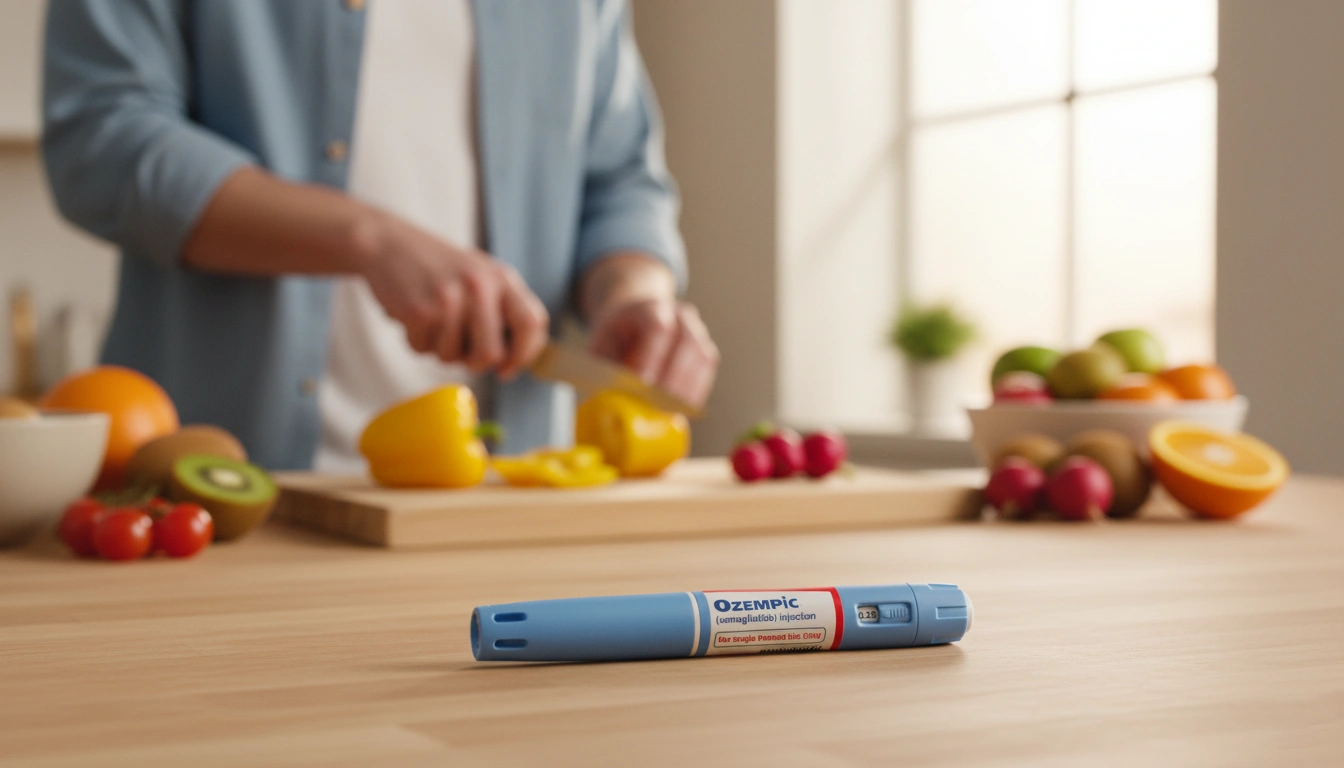
Embarking on a weight loss journey with GLP-1 medications like Ozempic® can feel like stepping into a new culinary landscape. For many, a significant part of this journey involves rethinking dietary habits, especially when it comes to familiar staples. You might be wondering about the compatibility of certain foods with your new regimen, and a common question that arises is: can you eat red meat on Ozempic and similar medications? It’s a pertinent query, as dietary choices can significantly influence both the effectiveness of your treatment and your comfort during the process.
This shift in how your body processes food, particularly due to the medication’s effect on digestion, brings diet to the forefront of successful weight management. Historically, the link between diet and health has been undeniable, and with the advent of advanced medical solutions like GLP-1s, understanding this relationship becomes even more critical. These medications work by mimicking a natural hormone, slowing gastric emptying and helping to regulate blood sugar, which in turn reduces appetite and can lead to significant weight loss. However, this physiological change means that foods once easily tolerated might now cause discomfort or hinder your progress.
At TrimRx, our journey began with a shared vision: to help individuals embrace healthier lifestyles by merging cutting-edge telehealth innovations with effective, personalized weight loss solutions. We understand that sustainable weight loss should be achieved through science, empathy, and a transparent approach. This blog post is designed to be your guide through the nuanced world of diet while on GLP-1 medications, specifically addressing the role of red meat and offering practical strategies for navigating your meals. We’ll explore why certain foods might pose challenges, what dietary adjustments can help mitigate side effects, and how you can still enjoy a balanced, nutritious diet that supports your overall well-being. By the end, you’ll have a clearer understanding of how to make informed food choices, reducing discomfort and maximizing the benefits of your treatment. We believe in providing compassionate care that respects every individual’s unique journey, combining advanced medical science with modern technology to support you every step of the way.
Understanding GLP-1 Medications and Their Impact on Digestion
GLP-1 receptor agonists, such as Semaglutide (the active ingredient in Ozempic®, Wegovy®, and our own Compounded Semaglutide and Oral Semaglutide options) and Tirzepatide (found in Mounjaro®, Zepbound®, and our Compounded Tirzepatide and Oral Tirzepatide), are transformative medications in the landscape of weight management and type 2 diabetes treatment. They mimic the natural GLP-1 hormone produced in your gut, which plays a crucial role in regulating blood sugar, signaling satiety, and, importantly, slowing down gastric emptying. This slowing of digestion is a key mechanism behind their effectiveness. When food remains in your stomach longer, you feel fuller for extended periods, leading to reduced calorie intake and, consequently, weight loss.
However, this deliberate slowing of your digestive system can also present challenges, particularly concerning certain food choices. While GLP-1 medications are incredibly beneficial for managing weight and blood sugar, they can also induce gastrointestinal (GI) side effects, especially when you first begin treatment or increase your dosage. Common side effects include nausea, vomiting, bloating, indigestion, heartburn, constipation, or diarrhea. The interaction between these medications and certain foods can either alleviate or exacerbate these symptoms. Our approach at TrimRx emphasizes not just the medication itself, but also the comprehensive support and understanding needed to make your weight loss journey as smooth and comfortable as possible.
Recognizing how your body responds to different foods while on a GLP-1 medication is vital for minimizing discomfort and optimizing your results. This isn’t about rigid restriction, but about informed choices and mindful eating. If you’re exploring how these medications could fit into your health plan, we encourage you to take our free assessment quiz to determine your eligibility for a personalized treatment plan with medications like Ozempic®, Zepbound®, or our expertly formulated compounded options.
The Role of Gastric Emptying in Side Effects
Gastric emptying is the process by which food leaves your stomach and enters your small intestine. GLP-1 medications significantly extend this process. While this helps you feel full, it means that foods, especially those that are naturally slow to digest, spend even more time in your stomach. This prolonged presence can lead to increased chances of discomfort and other GI symptoms.
For instance, foods that are high in fat inherently take longer to digest than carbohydrates or proteins. When combined with the slowed gastric emptying induced by medications like Ozempic®, the digestive burden on your system can be substantially amplified. This “double-slowing” effect is often the root cause of intensified nausea, vomiting, bloating, and indigestion reported by individuals on these medications. Understanding this physiological interaction is foundational to making informed dietary adjustments.
Red Meat and GLP-1 Medications: What You Need to Know
Now, let’s address the elephant in the room: can you eat red meat on Ozempic? Red meat, a dietary staple for many, often becomes a focal point of concern for individuals taking GLP-1 medications due to its fat content and how it interacts with the slowed digestive process.
Many types of red meat, such as fatty cuts of steak, ground beef, ribs, or lamb, are high in saturated fats. As we’ve discussed, fatty foods take longer to digest. When your stomach is already working at a slower pace due to the medication, introducing a high-fat meal can create a backlog in your digestive system, leading to a host of uncomfortable symptoms.
Why Red Meat Can Be Problematic
The primary issue with consuming red meat, particularly high-fat varieties, while on a GLP-1 medication stems from this compounded effect on gastric emptying.
The “Double-Slowing” Effect
Semaglutide and Tirzepatide slow down how quickly your stomach empties. High-fat foods, including many forms of red meat, also naturally slow digestion. When these two factors combine, food can remain in your stomach for an unusually long time. This extended gastric residence time significantly increases the likelihood and severity of digestive discomfort. Patients often report experiencing:
- Increased Nausea and Vomiting: The longer food sits in the stomach, the more opportunity there is for nausea to develop, sometimes leading to vomiting. This can be particularly intense after consuming rich, fatty red meat.
- Indigestion and Heartburn: The prolonged presence of food and digestive acids can lead to feelings of indigestion, acid reflux, and heartburn.
- Bloating and Abdominal Discomfort: A full, slowly emptying stomach can cause significant bloating and a general feeling of unease or pain in the abdomen.
- Constipation: Slower digestion can also contribute to constipation, as the overall transit time of food through the digestive tract is extended.
While red meat offers valuable nutrients like iron, zinc, and B vitamins, its potential to exacerbate GI symptoms on GLP-1s means that moderation and careful selection become key. This isn’t necessarily about eliminating red meat entirely, but rather approaching its consumption with awareness and strategy.
Navigating Red Meat Choices
So, what does this mean for your plate if you love red meat? It means being strategic.
Opt for Leaner Cuts
Not all red meat is created equal in terms of fat content. When choosing red meat, prioritize leaner cuts. Examples include:
- Sirloin, flank steak, or tenderloin over fattier cuts like ribeye.
- Extra-lean ground beef (90% lean or higher) instead of regular or chuck ground beef.
- Venison or bison as naturally leaner alternatives to traditional beef.
Trimming visible fat from any cut of red meat before cooking can also make a significant difference in its digestibility.
Portion Control is Paramount
Even with leaner cuts, portion size plays a critical role. Given that GLP-1 medications reduce appetite and promote satiety, you might find that you naturally desire smaller portions. Listen to your body’s signals and aim for modest servings. A portion equivalent to the size of a deck of cards is a good general guideline for meat. Overeating, especially fatty foods, is a surefire way to trigger discomfort.
Preparation Methods Matter
How you prepare your red meat can also impact its digestibility.
- Grilling, baking, broiling, or roasting are preferable to frying, which adds more fat and compounds the digestive challenge.
- Avoid using excessive oils, butter, or cream-based sauces when preparing red meat.
- Consider incorporating red meat into dishes with easily digestible components, such as a stir-fry with plenty of cooked vegetables or a lean beef and vegetable soup.
Reflecting on Your Choices
How often do you find yourself reaching for a hearty steak or a juicy burger? Taking a moment to reflect on your current consumption patterns of red meat, especially fatty cuts, can be an insightful first step towards making adjustments that align with your body’s needs while on GLP-1 medications. If you’re looking for personalized guidance on integrating dietary changes with your medication, remember that our comprehensive service at TrimRx includes doctor consultations and unlimited support, ensuring you have the resources you need for your journey. Take our free assessment quiz today to begin your path to personalized care.
Beyond Red Meat: Other Foods to Approach with Caution
While red meat often sparks questions, it’s part of a broader category of foods that can challenge your digestive system when on GLP-1 medications. Understanding these categories can help you make more informed decisions about your entire diet.
High-Fat Foods in General
The principle applied to red meat extends to other high-fat foods. They all contribute to slower gastric emptying, increasing the risk of GI discomfort.
- Fried Foods: French fries, fried chicken, donuts, and other deep-fried items are notoriously difficult to digest due to their high fat content. They are a common trigger for severe nausea and vomiting.
- High-Fat Dairy: Full-fat cheese, heavy cream, butter, and ice cream can also lead to prolonged digestion and symptoms like persistent nausea, indigestion, and bloating. While dairy can be a source of calcium and protein, opting for low-fat or non-fat versions can be a kinder choice for your digestive system.
- Ultra-Processed Foods: Often high in unhealthy fats, sugars, and refined carbohydrates, ultra-processed foods like pizza, chips, and many convenience meals offer minimal nutritional value and can contribute significantly to digestive upset. They also tend to undermine weight management goals by providing “empty” calories.
Sugary Beverages and Refined Carbohydrates
These items can cause rapid blood sugar spikes, which can counteract the benefits of GLP-1 medications designed to regulate blood glucose.
- Sugary Drinks: Sodas, sweetened juices, sports drinks, and sugary coffee beverages can quickly elevate blood sugar levels and may exacerbate GI discomfort. They also provide calories without much nutritional benefit. Water, unsweetened tea, or sugar-free sparkling water are much better choices.
- Refined Carbohydrates: White bread, white pasta, pastries, and other highly processed grains can lead to quick glucose spikes. While carbohydrates are essential, choosing whole grains helps maintain stable blood sugar and provides beneficial fiber.
Alcohol
The relationship between alcohol and GLP-1 medications is nuanced. While there isn’t typically a direct dangerous interaction, both substances can affect your body in similar ways, leading to compounding effects.
- Intensified Effects: GLP-1s slow stomach emptying, meaning alcohol remains in your system longer, potentially intensifying its effects.
- Increased Risk of Side Effects: Both alcohol and GLP-1s can cause nausea and dehydration. Combining them can heighten these risks.
- Hypoglycemia Risk: For individuals with diabetes, alcohol can lower blood sugar, and when combined with GLP-1s, this can lead to dangerously low blood glucose levels.
- Liver Function: Both alcohol and GLP-1s can impact the liver, making moderation crucial.
If you choose to consume alcohol, do so in very strict moderation, preferably with a meal, and pay close attention to how your body responds.
Spicy Foods
Many individuals who previously tolerated spicy foods find that they become problematic on GLP-1 medications.
- Heartburn and Reflux: Spicy ingredients can relax the lower esophageal sphincter, allowing stomach acid to flow back into the esophagus, leading to heartburn and acid reflux. This effect can be worsened by the slowed digestion from GLP-1s.
- Increased Nausea: The irritation caused by spicy foods can also trigger or intensify nausea.
High-Fiber Vegetables (with a caveat)
Fiber is generally good for you, promoting digestive health and satiety. However, for some, introducing high-fiber vegetables, especially raw or cruciferous ones (like broccoli, cabbage, cauliflower), too quickly or in large quantities can lead to increased gas, bloating, and discomfort when on GLP-1s.
- Strategy: Gradually increase fiber intake. Cooking vegetables can make them easier to digest. Listen to your body and adjust as needed.
Understanding these potential triggers is not about creating a list of forbidden foods, but about equipping you with the knowledge to make mindful choices that support your comfort and treatment success. Remember, our commitment to transparent service means we want you to feel empowered at every stage. For personalized support and answers to your specific questions, connect with our team by taking our free assessment quiz.
Crafting a GLP-1 Friendly Diet: Essential Strategies
Successfully integrating GLP-1 medications into your life involves a holistic approach, with diet playing a central role. It’s not about strict, restrictive diets, but rather about making smart, sustainable choices that complement the medication’s effects, minimize side effects, and foster overall health. We believe in providing personalized care, acknowledging that every individual’s journey is unique.
Focus on Lean Proteins
Protein is crucial for satiety, muscle maintenance (especially during weight loss), and overall health. Lean protein sources are generally easier to digest than fatty ones and can help mitigate GI discomfort.
- Poultry: Skinless chicken breast, lean turkey.
- Fish: Salmon, cod, tuna, tilapia. These often provide healthy fats without the digestive burden of red meat.
- Eggs: A versatile and complete protein.
- Legumes: Beans, lentils, chickpeas (introduce gradually to assess tolerance).
- Low-Fat Dairy: Greek yogurt, cottage cheese (can be good sources of protein and probiotics).
Aim for at least 60 grams of protein daily to help prevent muscle loss, a common concern during significant weight reduction.
Embrace a Rainbow of Non-Starchy Vegetables
Vegetables are packed with vitamins, minerals, and fiber, essential for a healthy diet. Non-starchy varieties are generally well-tolerated and provide volume without excessive calories.
- Leafy Greens: Spinach, kale, romaine lettuce.
- Cruciferous Vegetables: Broccoli, cauliflower, Brussels sprouts (consider cooking them thoroughly to ease digestion initially).
- Colorful Options: Bell peppers, zucchini, cucumbers, tomatoes, asparagus.
Cooking vegetables until they are tender can make them much easier on a sensitive digestive system, especially during the initial weeks of treatment.
Prioritize Whole Grains
While refined carbohydrates can cause blood sugar spikes and offer little nutritional value, whole grains provide sustained energy and beneficial fiber.
- Oats: A great option for breakfast, particularly if you experience morning nausea.
- Brown Rice and Quinoa: Excellent alternatives to white rice.
- Whole Wheat Bread/Pasta: Choose these over their refined counterparts.
Introduce whole grains gradually to allow your digestive system to adjust, preventing potential bloating or gas.
Incorporate Healthy Fats (in moderation)
Healthy fats are vital for nutrient absorption and overall health, but portion control is critical due to their impact on gastric emptying.
- Avocado: A source of monounsaturated fats.
- Nuts and Seeds: Almonds, walnuts, chia seeds, flax seeds (again, in small quantities).
- Olive Oil: Use sparingly for cooking or dressings.
These should be consumed in small amounts to avoid exacerbating digestive issues.
Hydration is Non-Negotiable
Dehydration can worsen many GLP-1 side effects, including nausea and fatigue.
- Water: Make plain water your primary beverage. Aim for at least 64 ounces (about 8 glasses) daily.
- Sugar-Free Drinks: Unsweetened teas, sugar-free sparkling water, or diluted fruit juice can offer variety.
- High Water Content Foods: Soups, broths, and fruits like watermelon or cucumber can contribute to your fluid intake.
Sip fluids slowly throughout the day rather than chugging large amounts at once, which can lead to bloating.
Strategic Eating Habits
Beyond what you eat, how you eat plays a huge role in your comfort and success with GLP-1 medications.
- Smaller, More Frequent Meals: Instead of two or three large meals, try eating 5-6 smaller meals or snacks throughout the day. This reduces the burden on your digestive system.
- Eat Slowly and Mindfully: Chew your food thoroughly and take your time. This gives your brain a chance to register fullness, preventing overeating and aiding digestion. Put your fork down between bites.
- Listen to Your Body: Pay close attention to satiety cues. Stop eating at the first sign of fullness, even if your plate isn’t empty. Forcing yourself to eat more can lead to significant discomfort.
- Avoid Lying Down After Meals: Stay upright for at least an hour after eating to help prevent acid reflux and indigestion.
- Post-Meal Strolls: A gentle 10-15 minute walk after eating can aid digestion and help manage blood sugar levels.
TrimRx is dedicated to making sustainable weight loss attainable and tailored to the individual. Our platform is a user-friendly and supportive space where individuals receive personalized, medically supervised care. If you’re wondering how to best integrate these dietary strategies with your personal health profile, we encourage you to take our free assessment quiz to explore how our prescription weight loss medications, provided through FDA-registered and inspected pharmacies, can be part of your plan.
The TrimRx Advantage: Personalized Support for Your Weight Loss Journey
At TrimRx, we understand that navigating dietary changes alongside a new medication can be complex. That’s why we don’t just provide access to clinically proven medications; we offer a truly comprehensive and personalized weight loss solution designed to support you every step of the way. Our commitment to your well-being is reflected in every aspect of our service, from initial consultation to ongoing support.
Personalized Treatment Plans
We believe that effective weight loss is never a one-size-fits-all endeavor. Our journey with you begins with a thorough, free assessment quiz to understand your unique health profile, goals, and eligibility for prescription weight loss medications. Based on this, our medical professionals craft a personalized treatment plan that might include options like Compounded Semaglutide, Oral Semaglutide, Ozempic® (an FDA-approved branded medication), Compounded Tirzepatide, Oral Tirzepatide, Mounjaro® (an FDA-approved branded medication), Zepbound® (an FDA-approved branded medication), or Wegovy® (an FDA-approved branded medication). It’s important to clarify that while Ozempic®, Mounjaro®, Zepbound®, and Wegovy® are FDA-approved, our compounded medications are not FDA-approved, but they are prepared in FDA-registered and inspected pharmacies.
Comprehensive Care with No Hidden Fees
Our service extends beyond just medication. When you choose TrimRx, you receive a transparent, all-inclusive package that covers:
- Doctor Consultations: Access to qualified medical professionals who can assess your needs, prescribe appropriate medications, and provide ongoing medical supervision.
- Medication: Your prescribed weight loss medication, sourced through FDA-registered and inspected pharmacies to ensure safety and quality.
- Lab Work: Essential lab tests to monitor your health and ensure the medication is working effectively and safely for you.
- Unlimited Support: Our dedicated support team is available to answer your questions, provide guidance, and offer encouragement throughout your journey. We are here to partner with you.
- Shipping: Convenient and discreet delivery of your medication directly to your door.
We pride ourselves on offering a transparent service, ensuring that our approach remains consistent regardless of dosage changes, and our focus on safety by working exclusively with FDA-registered and inspected pharmacies.
Seamless Integration of Nutrition and Lifestyle
While we provide the tools for medically supervised weight loss, we also empower you with knowledge and strategies for complementary lifestyle changes. Understanding how to adapt your diet, like navigating the question of “can you eat red meat on Ozempic,” is integral to this. Our supportive environment encourages you to learn about nutritious eating, mindful habits, and incorporating physical activity that aligns with your individual needs and capabilities.
Support for Every Step
We know that weight loss is a journey with its ups and downs. Our brand is empathetic, innovative, trustworthy, and results-oriented. We offer compassionate care that respects every individual’s unique journey, combining advanced medical science with modern technology. Our goal is to make sustainable weight loss attainable and tailored to the individual, helping you embrace healthier lifestyles that last.
Quick-Access Supplements for Holistic Well-being
Beyond prescription medications, we also offer quick-access supplements designed to support your overall wellness during your weight loss journey. These do not require a quiz and can be purchased directly:
- GLP-1 Daily Support: Formulated to complement the effects of GLP-1 medications, helping to optimize your body’s response and support digestive comfort.
- Weight Loss Boost: Designed to give your metabolism an extra nudge and support your body’s natural fat-burning processes.
These supplements are designed to be easily incorporated into your daily routine, providing an additional layer of support for your health goals. Whether through personalized medication plans or immediate support supplements, TrimRx is here to provide the tools and guidance you need for a successful and safe weight loss experience. Our approach is holistic, ensuring that you have everything you need to achieve and maintain your desired results.
Conclusion
Embarking on a weight loss journey with medications like Ozempic® or other GLP-1s marks a significant step towards a healthier lifestyle. As we’ve explored, the question of “can you eat red meat on Ozempic” is more nuanced than a simple yes or no. The core understanding lies in how these powerful medications influence your digestion by slowing gastric emptying. This mechanism, while crucial for appetite reduction and blood sugar management, necessitates a mindful approach to your dietary choices.
High-fat foods, including many forms of red meat, can exacerbate GI side effects such as nausea, vomiting, bloating, and indigestion when combined with slowed digestion. Therefore, while complete elimination isn’t usually necessary, making informed choices—like opting for leaner cuts, practicing strict portion control, and choosing healthier preparation methods—becomes paramount. Beyond red meat, it’s wise to approach other high-fat foods, sugary beverages, refined carbohydrates, excessive alcohol, and overly spicy dishes with caution, as they too can trigger discomfort or undermine your progress.
Crafting a GLP-1 friendly diet centers on prioritizing lean proteins, a variety of non-starchy vegetables, whole grains, and healthy fats in moderation. Equally important are strategic eating habits: eating smaller, more frequent meals, chewing thoroughly, staying well-hydrated, and listening intently to your body’s satiety cues. These practices, combined with your medication, create a powerful synergy for effective and comfortable weight management.
At TrimRx, our mission is to provide you with a supportive, empathetic, and scientifically-backed path to sustainable weight loss. Our personalized programs offer more than just medication; they encompass doctor consultations, necessary lab work, unlimited support, and convenient shipping, all from FDA-registered and inspected pharmacies. We believe in transparency and empowering you with the knowledge to make the best choices for your health. If you’re considering a medically supervised approach to weight loss and want to discover how a personalized plan could benefit you, we invite you to take our free assessment quiz today. For immediate support, explore our GLP-1 Daily Support and Weight Loss Boost supplements. Your journey to a healthier, more vibrant you is unique, and we are here to walk it with you, offering the tools and guidance needed for success.
FAQ
Q1: Do I need to completely avoid red meat while taking Ozempic® or similar GLP-1 medications?
A1: Not necessarily. While high-fat red meat can exacerbate digestive side effects due to the medication slowing gastric emptying, you don’t typically need to eliminate it entirely. Focus on leaner cuts of red meat, practice strict portion control, and opt for healthier cooking methods like grilling or baking instead of frying. Listen to your body’s response and adjust your consumption accordingly.
Q2: What are the most common foods to avoid or limit to prevent side effects with GLP-1 medications?
A2: To minimize gastrointestinal side effects like nausea and vomiting, it’s generally recommended to limit high-fat foods (e.g., fried foods, fatty red meat, full-fat dairy), sugary beverages (soda, sweetened juices), refined carbohydrates (white bread, pastries), and excessive alcohol. Spicy foods can also trigger discomfort for some individuals. Choosing smaller, frequent meals of lean proteins, non-starchy vegetables, and whole grains, along with ample hydration, is often more comfortable.
Q3: How can TrimRx help me manage my diet while on weight loss medication?
A3: TrimRx provides comprehensive support that includes doctor consultations where you can discuss dietary strategies with medical professionals. Our personalized approach ensures your treatment plan, which may include medications like Ozempic® or our compounded options, is tailored to your needs. We also offer unlimited support to answer your questions about diet and lifestyle. To begin, take our free assessment quiz to see if you qualify.
Q4: Are there any TrimRx supplements that can support my digestive health while on GLP-1 medications?
A4: Yes, TrimRx offers quick-access supplements designed to support overall wellness during your weight loss journey. Our GLP-1 Daily Support is formulated to complement GLP-1 medications and help optimize your body’s response, potentially aiding digestive comfort. You can also explore our Weight Loss Boost for additional metabolic support. These supplements are available for immediate purchase without needing to complete the assessment quiz.

Transforming Lives, One Step at a Time
Keep reading

Ozempic and Colorectal Cancer: What the New Research Shows
Colorectal cancer is the third most commonly diagnosed cancer in the United States and one of the cancers most strongly linked to obesity, metabolic…

Does Ozempic Reduce Cancer Risk: What the Research Shows
The connection between obesity and cancer has been established for decades. What’s newer, and genuinely interesting, is emerging evidence that GLP-1 medications like Ozempic…

When to Stop Ozempic Before Surgery: Aspiration Risk Explained
If you’re scheduled for surgery and you’re currently taking Ozempic or another GLP-1 medication, there’s a specific conversation you need to have with your…


