Navigating Your Plate: Can You Eat Steak on Ozempic for a Balanced Journey?
Introduction
Picture this: you’ve embarked on a transformative health journey, leveraging the power of a GLP-1 medication like Ozempic, feeling the positive shifts in your body and appetite. Yet, as you sit down for a meal, a common question arises—what truly constitutes a supportive diet when your digestive system is undergoing changes? With the rising popularity of medications designed to help manage blood sugar and support weight loss, understanding how different foods interact with your body’s new rhythm is more crucial than ever. Many individuals wonder about specific foods, often asking: can you eat steak on Ozempic? This isn’t just about avoiding discomfort; it’s about optimizing your experience for both comfort and results.
This comprehensive guide will delve into the intricate relationship between GLP-1 medications and dietary choices, particularly focusing on how rich foods like steak might fit into your new eating pattern. We’ll explore the science behind how these medications work, the impact on digestion, and practical strategies for navigating your daily meals to minimize potential side effects and maximize your progress. Our aim is to demystify dietary considerations, helping you make informed choices that align with your health goals. At TrimRx, our journey began with a shared vision to help individuals embrace healthier lifestyles by merging cutting-edge telehealth innovations with effective weight loss solutions. We believe that sustainable weight loss should be achieved through science, empathy, and a transparent approach, providing a user-friendly and supportive space where individuals receive personalized, medically supervised care, all designed to make sustainable weight loss attainable and tailored to the individual. By the end of this post, you’ll gain a deeper understanding of how to harmonize your diet with your medication, ensuring a smoother and more successful path forward.
Understanding GLP-1 Medications and Digestion
Beginning a journey with GLP-1 medications marks a significant step towards improved health and weight management. These medications are not just tools for weight loss; they fundamentally alter how your body processes food and regulates blood sugar. Understanding these mechanisms is the cornerstone of making informed dietary decisions, especially when considering foods like steak.
How GLP-1s Work: The Digestive Connection
GLP-1 receptor agonists, such as semaglutide (found in Ozempic® and Wegovy®) and tirzepatide (found in Mounjaro® and Zepbound®), mimic naturally occurring hormones in your body. Their primary actions include stimulating insulin release when blood sugar is high, suppressing glucagon secretion, and, critically for dietary considerations, slowing down gastric emptying. This means food stays in your stomach for a longer period than usual. This delayed digestion is a key factor in their effectiveness, as it contributes to a prolonged feeling of fullness, reduced appetite, and better blood sugar control.
However, this slowing effect also has direct implications for the types of food you consume. When your stomach empties more slowly, foods that are naturally difficult or slow to digest can linger even longer, potentially leading to discomfort. Common side effects often attributed to this mechanism include nausea, vomiting, bloating, indigestion, and acid reflux. Our medically supervised programs at TrimRx recognize these nuances, offering personalized guidance. If you’re considering these types of medications, we encourage you to take our free assessment quiz to see if you qualify for a personalized treatment plan that might include options like Compounded Semaglutide, Oral Semaglutide, Ozempic®, Compounded Tirzepatide, Oral Tirzepatide, Mounjaro®, Zepbound®, or Wegovy®.
The “Steak” Question: Red Meat and GLP-1s
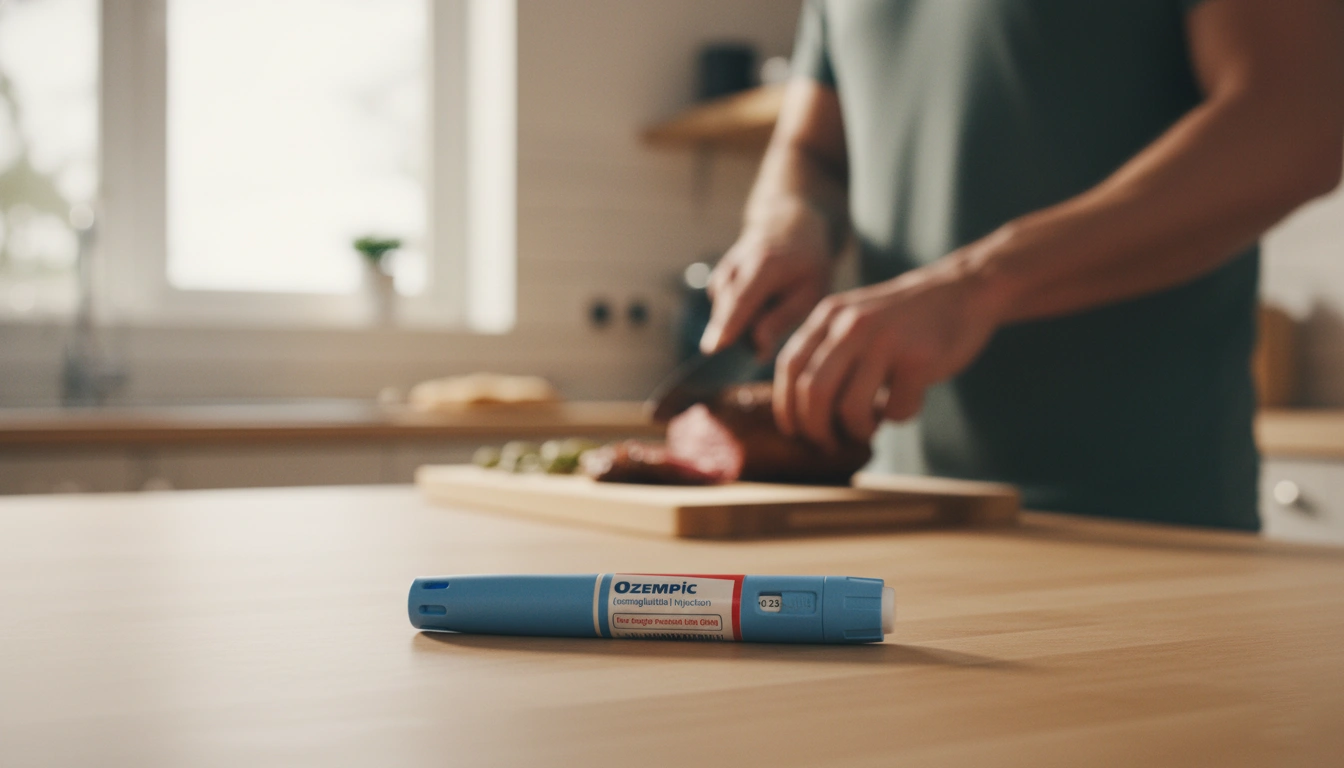
The question of whether you can eat steak on Ozempic or other GLP-1 medications is common for good reason. Steak, and red meat in general, is often a staple in many diets, celebrated for its flavor and protein content. However, its characteristics can present unique challenges when your digestive system is operating under the influence of a GLP-1 agonist.
Why Red Meat Can Be Problematic
The primary concern with red meat, particularly fattier cuts of steak, centers on its fat content and inherent density. Even without medication, high-fat foods naturally take longer to digest compared to lean proteins or carbohydrates. When you introduce a GLP-1 medication that already slows gastric emptying, this creates what can be described as a “double-slowing” effect. The food remains in your stomach for an extended duration, increasing the likelihood of uncomfortable gastrointestinal symptoms.
Many individuals on GLP-1 medications report that consuming red meat can trigger severe nausea, vomiting, intense heartburn, prolonged bloating, stomach pain, and even constipation. Studies and patient experiences suggest that approximately 20% of all GLP-1 users may experience stomach pain and discomfort, often intensifying after consuming foods high in fat like red meat. This is not to say red meat is strictly “forbidden,” but rather that its consumption requires a thoughtful and cautious approach.
Strategies for Enjoying Red Meat (If Tolerated)
Our empathetic approach at TrimRx understands that dietary preferences are deeply personal. We don’t believe in rigid, one-size-fits-all restrictions. Instead, we advocate for informed choices and personalized strategies. If you enjoy red meat and find that you can tolerate it while on a GLP-1 medication, here are some strategies to minimize potential discomfort:
Choosing Leaner Cuts
Opt for leaner cuts of steak that have less visible fat. Examples include sirloin, flank steak, tenderloin, or top round. These cuts still provide the protein you desire but with a lower fat load, making them potentially easier to digest. Avoid very fatty cuts like ribeye or prime rib, especially during the initial phases of your treatment or if you’re experiencing side effects.
Mindful Portion Sizes
One of the most impactful adjustments you can make is to reduce your portion size. Instead of a large steak, consider a smaller, palm-sized serving. This helps to prevent your digestive system from becoming overwhelmed. Remember, GLP-1 medications work to make you feel fuller faster and for longer, so smaller portions will often be more satisfying and prevent discomfort.
Preparation Methods Matter
How you prepare your steak can significantly influence its digestibility. Grilling, baking, broiling, or air-frying with minimal added fats are preferable to frying in butter or oil. Excess fats in the cooking process will only exacerbate the “double-slowing” effect. Focus on simple seasonings rather than rich, creamy sauces.
Pairing with Easily Digestible Sides
Balance your meal by pairing your lean steak with easily digestible sides. Non-starchy vegetables like steamed green beans, asparagus, or a light salad (without heavy dressing) can complement the meal without adding further digestive burden. Whole grains, in moderation, can also be a good choice. Avoid adding other high-fat components to the same meal.
Eating Slowly and Chewing Thoroughly
This seemingly simple advice is profoundly effective when on GLP-1 medications. Eating slowly allows your digestive system more time to process food and gives your brain time to register fullness signals. Chewing your food thoroughly breaks it down into smaller, more manageable pieces before it reaches your stomach, aiding digestion.
Listening to Your Body
Ultimately, the most important guide is your own body. What works for one person may not work for another. Pay close attention to how you feel after consuming red meat. If you consistently experience discomfort, it might be a signal to further reduce intake or temporarily avoid it. Your unique journey is respected and supported at TrimRx, where we combine advanced medical science with modern technology to offer compassionate care. If you’re exploring how our personalized approach can help, consider taking our free assessment quiz today.
Beyond Steak: Other Foods to Approach with Caution
While steak is a frequent point of discussion, it’s just one example within a broader category of foods that may require careful consideration when you’re on GLP-1 medications. Our goal at TrimRx is to empower you with knowledge, ensuring your weight loss journey is as comfortable and effective as possible.
High-Fat Foods
Beyond red meat, a wide array of high-fat foods can pose digestive challenges. The principle remains the same: fats naturally slow digestion, and GLP-1 medications amplify this effect.
Fried and Greasy Items
Foods like fried chicken, french fries, pizza, donuts, and other greasy fast foods are common culprits. Their combination of high fat content and often low nutritional value makes them particularly problematic. They tend to sit in the stomach for prolonged periods, leading to increased nausea, indigestion, heartburn, and abdominal discomfort. Since GLP-1s reduce appetite, every calorie consumed should ideally provide maximum nutrition to support your body’s needs.
High-Fat Dairy Products
Items such as full-fat cheese, heavy cream, and butter, while often delicious, also contribute to slowed digestion due to their fat content. Consuming these can lead to persistent nausea, increased acid reflux, bloating, and in some cases, vomiting. While complete elimination may not be necessary, understanding their impact allows for mindful consumption and portion control.
Sugary and Refined Carbohydrates
These food types present a dual challenge for individuals on GLP-1 medications: their impact on blood sugar regulation and their potential to cause gastrointestinal upset.
Sugary Drinks
Sodas, fruit juices (even “natural” ones with high sugar content), sports drinks, and sweetened coffee beverages can cause rapid spikes in blood glucose. This directly counteracts the blood sugar management benefits of GLP-1 medications. Furthermore, these drinks often provide empty calories, undermining weight loss efforts, and can exacerbate GI upset like nausea and bloating. Drinking plenty of fresh water is always a better choice.
Refined Carbohydrates
White bread, pastries, sugary cereals, and ultra-processed snacks are quickly converted to glucose in the bloodstream, leading to similar blood sugar spikes. They also offer minimal nutritional value and can contribute to feelings of bloating and discomfort with slowed digestion. Prioritizing whole grains with their inherent fiber is generally recommended.
Alcohol
The interaction between alcohol and GLP-1 medications is not straightforward, but caution is advised. While there isn’t evidence of a direct dangerous drug interaction, both substances affect your body in similar ways, creating a compounding effect.
Both alcohol and GLP-1s can cause gastrointestinal distress (nausea, vomiting), and both can lead to dehydration. The combination can intensify these effects. For individuals managing diabetes, there’s an increased risk of hypoglycemia ( dangerously low blood sugar), as alcohol inhibits the liver’s ability to release glucose, while GLP-1s are actively working to lower blood sugar levels. Patients often report feeling the effects of alcohol more strongly, necessitating significant adjustments to previous drinking habits. Limiting consumption and consuming alcohol only with a meal is generally recommended.
Spicy Foods
Some individuals who previously tolerated spicy foods find that they become a trigger for discomfort after starting GLP-1 medications. Spicy ingredients can relax the lower esophageal sphincter, allowing stomach acid to flow back into the esophagus, which is a recipe for heartburn and acid reflux, especially with slowed digestion. This can also worsen existing nausea and lead to general stomach upset.
High-Fiber Vegetables (A Nuanced Approach)
Fiber is generally a cornerstone of a healthy diet, promoting gut health and satiety. However, for some individuals on GLP-1s, very high-fiber vegetables, especially raw or cruciferous varieties like broccoli, cabbage, or cauliflower, can initially cause increased bloating, gas, or discomfort due to the slowed digestion. The key here is not avoidance but moderation and preparation. Cooking these vegetables can often make them easier to digest. It’s about finding a balance that supports your nutritional needs without triggering unpleasant side effects.
TrimRx is committed to your safety and transparency. Our medications are provided through FDA-registered, inspected, and approved pharmacies, ensuring you receive quality care. When considering these adjustments, remember that our comprehensive service includes doctor consultations, medication, lab work, unlimited support, and shipping with no hidden fees, all designed to make your journey smoother.
The Foundation of a Supportive Diet on GLP-1s
While understanding what to limit or approach with caution is vital, focusing on what to embrace forms the true foundation of a successful and comfortable weight loss journey with GLP-1 medications. A supportive diet is not about deprivation but about making smart, nutrient-dense choices that work harmoniously with your body’s new digestive rhythm. Our philosophy at TrimRx centers on empowering you with sustainable habits that extend far beyond the medication itself.
Prioritizing Nutrient-Dense Foods
When appetite is reduced, every bite counts. Focusing on foods that pack a nutritional punch ensures your body receives the essential vitamins, minerals, and macronutrients it needs to thrive.
Lean Proteins
Protein is your ally for several reasons, especially during weight loss. It helps preserve muscle mass, which is crucial for maintaining a healthy metabolism and preventing weight regain. Lean proteins are also incredibly satiating, helping you feel fuller for longer without the heavy digestive load of fatty meats.
- Examples: Skinless poultry (chicken, turkey), fish (salmon, cod, tuna), eggs, legumes (beans, lentils, chickpeas), tofu, tempeh, and low-fat dairy like Greek yogurt or cottage cheese.
- TrimRx Insight: Incorporating a good source of lean protein into each meal is a strategy we often highlight. For added support, consider our GLP-1 Daily Support supplement, which is available for immediate purchase to aid overall wellness during your weight loss journey.
Fiber-Rich Foods
Fiber plays a multifaceted role in digestion and overall health. It aids in blood sugar regulation, promotes gut health, and is crucial for preventing constipation, a common side effect of GLP-1 medications.
- Examples: Whole grains (oats, quinoa, brown rice, whole-wheat bread/pasta), fruits (berries, apples, pears), and a variety of vegetables (both cooked and raw, with attention to individual tolerance).
- Practical Tip: Gradually increase fiber intake to allow your digestive system to adjust. Cooking vegetables can make them easier to digest initially.
Healthy Fats
While high-fat foods require caution, healthy fats are essential for hormone production, nutrient absorption, and satiety. They also contribute to steady blood sugar levels.
- Examples: Avocados, olive oil, nuts (almonds, walnuts), seeds (chia, flax, hemp), and fatty fish like salmon (in moderation, considering its fat content).
- Mindful Consumption: Use healthy fats sparingly, focusing on quality over quantity.
Hydration is Key
Dehydration can exacerbate many GLP-1 side effects, including nausea and fatigue, and worsen constipation. Staying adequately hydrated is simple yet profoundly effective.
- Water: The best choice. Carry a water bottle and sip throughout the day.
- Sugar-Free Beverages: Herbal teas (especially ginger tea for nausea), infused water with fruit slices, or clear broths.
- Water-Rich Foods: Incorporate fruits and vegetables with high water content, such as watermelon, cucumbers, and lettuce.
Mindful Eating Practices
Beyond what you eat, how you eat plays a significant role in your comfort and success on GLP-1 medications.
- Smaller, More Frequent Meals: Instead of two or three large meals, try eating smaller portions more frequently throughout the day. This reduces the load on your digestive system.
- Eating Slowly and Chewing Thoroughly: Give your body time to signal fullness and aid digestion. Put down your fork between bites.
- Listening to Fullness Cues: One of the most significant benefits of GLP-1s is their ability to help reduce “food noise” and enhance satiety signals. Learn to recognize and respect these signals, stopping when you’re satisfied, not necessarily full.
- Avoiding Lying Down Immediately After Meals: Remaining upright after eating can help prevent acid reflux and aid digestion.
- Post-Meal Walks: A gentle 10-15 minute stroll after meals can assist digestion and help regulate blood sugar levels.
At TrimRx, our brand is empathetic, innovative, trustworthy, supportive, results-oriented, and personalized. We offer compassionate care that respects every individual’s unique journey by combining advanced medical science with modern technology. This holistic approach to nutrition and mindful eating practices is seamlessly integrated into the support we provide, ensuring a comprehensive path to wellness. To help support your journey, you can also explore our Weight Loss Boost supplement, another quick-access option to support your overall wellness.
Optimizing Your Journey with TrimRx
Embarking on a weight loss journey with GLP-1 medications is a significant step, and at TrimRx, we are dedicated to ensuring it is both safe and profoundly effective. Our approach is built on the pillars of personalized care, cutting-edge innovation, and unwavering support, making sustainable weight loss an achievable reality for you.
Personalized Support and Medically Supervised Care
Our journey at TrimRx began with a shared vision to help individuals embrace healthier lifestyles. We achieve this by merging cutting-edge telehealth innovations with effective weight loss solutions. We understand that every individual’s path is unique, which is why our platform is designed as a user-friendly and supportive space where you receive personalized, medically supervised care. This care is meticulously tailored to your individual needs, ensuring that your weight loss journey is not just successful but also sustainable.
Our brand personality reflects our core values: we are empathetic, innovative, trustworthy, supportive, results-oriented, and deeply personalized. We offer compassionate care that respects every individual’s unique journey, combining advanced medical science with modern technology. We are committed to transparent service, highlighting that our approach remains consistent regardless of dosage changes. Furthermore, your safety is paramount; we work exclusively with FDA-registered and inspected pharmacies for the shipping of your weight loss medications. It’s important to understand that while we partner with these pharmacies for medication delivery, TrimRx focuses on connecting you with medical professionals who provide the actual medical supervision and guidance. We provide the comprehensive support ecosystem around that supervision, including doctor consultations, necessary lab work, unlimited support throughout your program, and convenient shipping, all without any hidden fees.
Our Comprehensive Product Offerings
To cater to diverse needs and preferences, TrimRx offers a range of scientifically-backed solutions, categorized for ease of access and optimal results.
Personalized Weight Loss Program
For those seeking a comprehensive, prescription-based solution, our personalized weight loss program offers a selection of clinically proven medications. These require a careful assessment to ensure they are the right fit for your health profile and goals.
- Our Prescription Medication Options:
- Compounded Semaglutide
- Oral Semaglutide
- Ozempic® (an FDA-approved branded medication)
- Compounded Tirzepatide
- Oral Tirzepatide
- Mounjaro® (an FDA-approved branded medication)
- Zepbound® (an FDA-approved branded medication)
- Wegovy® (an FDA-approved branded medication)
To determine your eligibility and receive a personalized treatment plan from a medical professional, we encourage you to take our free assessment quiz. This crucial first step ensures that your treatment path is specifically designed for you, integrating seamlessly with your unique physiological and lifestyle needs.
Quick-Access Supplements
Beyond prescription medications, we understand the importance of supporting your overall wellness throughout your weight loss journey with readily available, high-quality supplements. These products are designed for immediate purchase and do not require a medical assessment quiz.
- GLP-1 Daily Support: This supplement is formulated to provide daily assistance for your wellness, complementing your weight loss efforts. Learn more and purchase our GLP-1 Daily Support today.
- Weight Loss Boost: Designed to give your weight loss journey an extra push, this supplement supports your body’s natural processes. Discover its benefits and get your Weight Loss Boost instantly.
These supplements are ideal for individuals looking for immediate support or those whose personalized plans may benefit from additional wellness aids.
The Importance of Professional Guidance
Navigating dietary changes, especially when combined with powerful medications like GLP-1s, is best done with expert support. While this blog post offers valuable general guidance, it is not a substitute for personalized medical advice.
Working closely with healthcare providers and registered dietitians is paramount. These professionals can help create a tailored nutritional plan that considers your specific health conditions, dietary preferences, cultural background, and individual response to medication. They can also help you track your progress, adjust your diet as needed, and manage any side effects effectively.
At TrimRx, our model is built on providing access to such professional guidance. Our platform connects you with medical professionals who can supervise your treatment and address your concerns, ensuring your journey is safe, effective, and truly personalized. This collaborative approach ensures you are never alone in your weight loss endeavors.
Conclusion
Understanding how to eat on GLP-1 medications like Ozempic, especially when considering foods such as steak, is a critical component of a successful and comfortable weight loss journey. While high-fat foods, including certain cuts of red meat, can pose digestive challenges due to the medications’ effect on gastric emptying, a nuanced approach allows for mindful inclusion. Prioritizing lean cuts, controlling portion sizes, choosing appropriate cooking methods, and practicing mindful eating can significantly mitigate potential discomfort.
Beyond steak, a thoughtful dietary strategy involves moderating other high-fat items, sugary drinks, refined carbohydrates, and alcohol, while emphasizing nutrient-dense lean proteins, fiber-rich foods, and healthy fats. Hydration and consistent, mindful eating practices are the bedrock of supporting your body through these changes. Every individual’s journey is unique, and listening to your body’s signals remains your most important guide.
At TrimRx, we are proud to offer clinically proven, personalized weight loss solutions, merging cutting-edge telehealth with effective, safe weight loss pathways. We believe in providing transparent, empathetic, and results-oriented care, supported by FDA-registered and inspected pharmacies. Our comprehensive service, which includes doctor consultations, medication, lab work, unlimited support, and shipping with no hidden fees, is designed to empower you every step of the way.
Are you ready to embrace a healthier lifestyle with a truly personalized plan? We invite you to take our free assessment quiz today to see if you qualify for our prescription weight loss medications and receive a plan tailored just for you. For immediate support, explore our GLP-1 Daily Support and Weight Loss Boost supplements, available for quick access to support your overall wellness. Your journey to sustainable health starts here, with TrimRx as your trusted partner.
FAQ
Q1: Are there any foods I absolutely must avoid while taking Ozempic?
While no food is strictly “forbidden,” it is highly recommended to avoid regular consumption of high-fat, fried, greasy, and highly sugary foods and beverages. These items can exacerbate common side effects like nausea, vomiting, and indigestion due due to the medication’s effect on slowing digestion. Alcohol should also be consumed with extreme caution and in moderation due to compounded risks of dehydration and hypoglycemia.
Q2: How can I tell if a particular food is causing side effects on Ozempic?
The best way is to keep a food diary. Note what you eat and drink, along with any symptoms you experience afterwards (e.g., nausea, bloating, heartburn). Over a few weeks, patterns will likely emerge, helping you identify specific trigger foods that you may need to reduce or temporarily avoid. Remember to eat slowly and in smaller portions to help distinguish between an unfavorable food and simply eating too much.
Q3: What kind of red meat is generally better to eat on Ozempic, if any?
If you choose to eat red meat, opting for leaner cuts is preferable. Examples include sirloin, flank steak, tenderloin, or top round. These have lower fat content compared to fattier cuts like ribeye or prime rib, making them potentially easier to digest when your gastric emptying is slowed by GLP-1 medications. Always prioritize small portion sizes and gentle cooking methods like grilling or baking.
Q4: Besides diet, what else can I do to manage side effects like nausea while on GLP-1 medications?
Several strategies can help manage nausea and other gastrointestinal side effects. These include eating smaller, more frequent meals, staying well-hydrated with plain water or clear, sugar-free liquids, eating slowly and chewing thoroughly, avoiding lying down immediately after meals, and taking a short walk after eating. Over-the-counter anti-nausea remedies or antacids can also be discussed with your healthcare provider. For personalized guidance and support, we encourage you to take our free assessment quiz to explore our comprehensive weight loss programs.

Transforming Lives, One Step at a Time
Keep reading

Magnesium and Ozempic: Can It Help With Side Effects
Walk through any online GLP-1 community and you’ll find magnesium recommended for everything from constipation to muscle cramps to poor sleep on Ozempic. Some…

Ozempic and Blood Pressure Medications: What to Know
High blood pressure and obesity frequently coexist, so it’s no surprise that many people starting Ozempic are already on an antihypertensive. The practical question…

Ozempic and Levothyroxine: What Thyroid Patients Should Know
Thyroid disease and weight struggles frequently go hand in hand, which means a lot of people starting Ozempic are already taking levothyroxine. If that’s…


