Navigating Your Plate on Ozempic: Can You Still Enjoy a Whole Hamburger?
Introduction
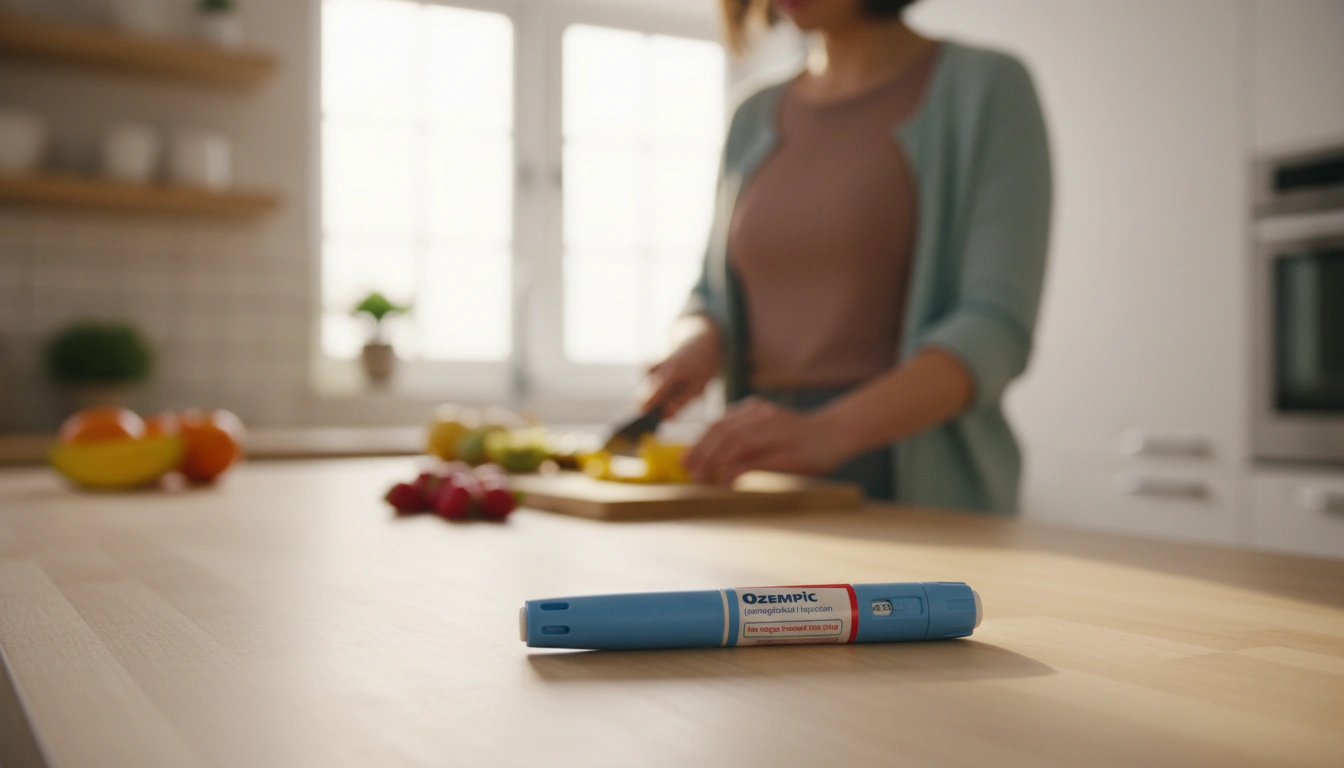
Picture this: you’ve started a promising new chapter in your health journey, perhaps with the support of a GLP-1 medication like Ozempic, and you’re already noticing positive changes. Then, the craving hits – a juicy, satisfying hamburger. A question immediately arises: when on Ozempic can you eat a whole hamburger? This isn’t just about a single food item; it encapsulates a broader, crucial discussion about dietary adjustments, managing expectations, and finding balance while utilizing powerful weight loss tools. With the increasing popularity of GLP-1 medications such as Ozempic and similar treatments like Wegovy and Zepbound, many individuals are discovering that while these medications are incredibly effective, they fundamentally change how your body processes food and signals satiety. Understanding these changes is paramount to not only optimizing your weight loss results but also ensuring a comfortable and sustainable experience.
This guide will delve into the intricate relationship between GLP-1 medications and your diet, moving beyond simple ‘yes’ or ‘no’ answers to provide a comprehensive understanding. We will explore the science behind how medications like Ozempic influence digestion and appetite, identify specific food categories that often pose challenges, and, most importantly, equip you with practical strategies for making informed dietary choices. Our aim is to demystify the dietary landscape on GLP-1s, helping you navigate your meals with confidence and comfort. We believe that sustainable weight loss should be achieved through science, empathy, and a transparent approach, and this post reflects that commitment. By the end, you’ll have a clearer picture of how to align your eating habits with your medication for optimal health and well-being, supported by the personalized care philosophy that defines our approach.
The Science Behind Your Satiety: How GLP-1 Medications Reshape Digestion
Understanding how GLP-1 medications work is the cornerstone of making informed dietary choices. These medications, including the active ingredient semaglutide found in Ozempic and Wegovy, and tirzepatide in Mounjaro and Zepbound, are game-changers in how we approach weight management and type 2 diabetes. At their core, they mimic natural hormones in your body, primarily glucagon-like peptide-1 (GLP-1), which plays a pivotal role in digestion and appetite regulation.
How Semaglutide and Tirzepatide Work
When you eat, your body naturally releases GLP-1. This hormone has several key functions:
- Slowing Gastric Emptying: One of the most significant effects of GLP-1 agonists is their ability to slow down how quickly food moves from your stomach into your small intestine. This means food stays in your stomach for a longer period, often several hours, and sometimes even days, creating a prolonged feeling of fullness and satisfaction with smaller amounts of food.
- Reducing Appetite and Cravings: By acting on receptors in the brain, GLP-1 medications help to reduce hunger signals and decrease cravings. This contributes to a natural reduction in overall food intake.
- Regulating Blood Sugar: For individuals with type 2 diabetes, GLP-1 agonists also stimulate insulin release in a glucose-dependent manner (meaning it only happens when blood sugar is high), and suppress glucagon secretion, which helps to lower blood sugar levels.
This multi-faceted action is precisely why these medications are so effective for weight management. Patients often report feeling satisfied with significantly less food, finding it easier to adhere to reduced-calorie diets without the constant battle against hunger.
The Impact on Your Body and Weight Loss Journey
The deliberate slowing of gastric emptying is a double-edged sword: it’s crucial for the medication’s efficacy in promoting satiety and weight loss, but it also means that foods that are already slow to digest can become particularly problematic. When these medications are combined with foods that naturally take a long time to break down, the effect is amplified, leading to potential discomfort.
Our journey at TrimRx began with a shared vision to help individuals embrace healthier lifestyles by merging cutting-edge telehealth innovations with effective weight loss solutions. We understand that while the science behind these medications is powerful, the individual experience can vary greatly. That’s why our platform is designed to be a user-friendly and supportive space where individuals receive personalized, medically supervised care—all designed to make sustainable weight loss attainable and tailored to the individual. We combine advanced medical science with modern technology to deliver compassionate care that respects every individual’s unique journey.
If you’re curious about how a personalized plan could align with your unique needs and goals, we encourage you to take our free assessment quiz today.
Decoding Dietary Challenges: Why Certain Foods Feel Different on Ozempic
When embarking on a weight loss journey with medications like Ozempic, you’ll likely notice a shift in your relationship with food. The intense cravings that once dictated your choices may diminish, and you might find yourself feeling full much sooner than before. However, some foods, particularly those that were once staples, can suddenly trigger unexpected and often uncomfortable side effects. This isn’t about eliminating entire food groups; rather, it’s about understanding how your body’s new digestive pace interacts with different macronutrients and making mindful adjustments.
General Principles: Moderation, Not Outright Avoidance
Many experts agree that there are no absolute “forbidden” foods when taking Ozempic or similar GLP-1 medications. Instead, the focus shifts to moderation, portion control, and learning to listen to your body’s new signals. The goal is not to feel overly restricted, as this can undermine long-term success. Our approach at TrimRx emphasizes building sustainable habits that empower you, rather than imposing rigid limitations. We believe in providing the tools and knowledge for you to make the best choices for your body.
The “Double-Slowing” Effect: High-Fat Foods and Delayed Gastric Emptying
The primary reason certain foods become problematic revolves around the “double-slowing” effect. GLP-1 medications deliberately slow gastric emptying. When you consume foods that are inherently slow to digest, such as those high in fat, this effect is significantly amplified. The food lingers in your stomach for an extended period, leading to symptoms like nausea, indigestion, bloating, and even vomiting. This principle is key to answering the question of when on Ozempic can you eat a whole hamburger – it’s not just the hamburger itself, but its fat content and how your body, with the medication, will process it.
Understanding Individual Responses: Everyone is Unique
It’s crucial to remember that everyone’s body responds differently to medication and food. While general guidelines exist, your personal tolerance for certain foods will evolve through trial and error. What causes discomfort for one individual might be tolerable for another. This highlights the importance of a personalized approach to your dietary plan, a core tenet of our philosophy at TrimRx. We encourage self-awareness and open communication with healthcare providers to tailor your diet to your specific needs and comfort levels.
For personalized guidance and to explore how our comprehensive program can support your unique journey, we invite you to take our free assessment quiz.
Beyond the Burger: Foods to Approach with Caution (and Why)
While the appeal of a classic hamburger is undeniable, its rich fat content makes it a prime example of a food that can challenge your digestive system when you’re on a GLP-1 medication. Let’s explore several food categories that commonly lead to discomfort due to the slowed gastric emptying and other effects of medications like Ozempic.
High-Fat and Greasy Foods: The Amplified Discomfort
Foods high in fat and grease are consistently reported as the biggest culprits for gastrointestinal distress among GLP-1 users. This category includes everything from fried chicken and pizza to the very subject of our inquiry: the traditional, often high-fat, hamburger.
The Mechanism of Discomfort
Even without medication, fatty foods take longer to digest. When Ozempic is at play, the stomach’s emptying process is already significantly delayed. This combination means that a greasy cheeseburger or a slice of pepperoni pizza can linger in your stomach for an uncomfortable amount of time, sometimes days. This extended presence can trigger a cascade of symptoms:
- Increased Nausea and Vomiting: Food sitting in your stomach for too long is a primary driver of nausea, and in severe cases, vomiting.
- Indigestion and Heartburn: The prolonged presence of food, especially fatty items, can lead to increased acid reflux and a burning sensation.
- Abdominal Bloating and Discomfort: Many report significant stomach distension and general unease after consuming such foods.
- Disrupted Bowel Movements: The altered digestion can lead to either constipation or diarrhea.
From our perspective at TrimRx, while occasional indulgences are part of a balanced life, making nutritious choices that align with your body’s current digestive capabilities is key to maximizing the benefits of your medication and minimizing discomfort. Think about how you feel after eating certain foods—are they helping or hindering your progress and comfort?
Red Meat: A Digestibility Dilemma
Similar to other high-fat foods, red meat often presents a challenge. Cuts like steak, ground beef (especially fattier versions found in many hamburgers), and ribs are dense in protein and fat, both of which take considerable time to digest.
GI Symptoms Linked to Red Meat
Patients frequently report intense nausea, acid reflux, prolonged bloating, and stomach pain after consuming red meat while on GLP-1s. For some, the discomfort can be severe, leading to “throwing it all back up.” If you choose to enjoy red meat, opting for leaner cuts and significantly smaller portions can help.
High-Fat Dairy Products: Creamy Complications
While not necessarily requiring complete elimination, high-fat dairy items like full-fat cheese, heavy cream, and butter can also contribute to digestive issues. Their high fat content means they naturally digest slowly, and this effect is compounded by the medication.
Side Effects from Cheese, Butter, and Cream
Commonly reported symptoms include persistent nausea, increased acid reflux, and abdominal bloating. If you enjoy dairy, consider switching to lower-fat or non-fat alternatives to lessen the burden on your digestive system.
Sugary and Carbonated Drinks: Empty Calories, Amplified Discomfort
Beyond fat, sugary and carbonated beverages can also be problematic.
Why Sugary Drinks Spike Blood Sugar and Cause GI Distress
Sweetened drinks, including sodas, fruit juices with added sugar, and sweetened coffee beverages, cause rapid spikes in blood glucose. This not only counteracts the blood sugar-regulating benefits of Ozempic but also provides empty calories that undermine weight management goals. Carbonation can further exacerbate bloating and general gastrointestinal upset when digestion is already slowed. Opting for water or unsweetened beverages is a simpler, more beneficial choice.
Alcohol: A Complex Interaction
The relationship between alcohol and GLP-1 medications is nuanced. While there’s no direct dangerous interaction, both substances affect your body in similar ways, creating compounding effects.
Risks of Nausea, Dehydration, and Hypoglycemia
- Gastrointestinal Distress: Both alcohol and Ozempic can cause nausea and digestive problems.
- Severe Dehydration: Ozempic can cause fluid loss, and alcohol is a diuretic. Together, they heighten the risk of dehydration, leading to fatigue and light-headedness.
- Hypoglycemia: Both substances can lower blood sugar levels independently. For those with diabetes, this risk is particularly concerning, as alcohol inhibits the liver’s ability to release glucose, potentially leading to dangerously low readings.
Patients on GLP-1s often report feeling alcohol’s effects more strongly, necessitating careful moderation or even avoidance.
Spicy Foods and High-Fiber Vegetables: Tread Carefully
Spicy Foods and Heartburn
Spicy foods can relax the lower esophageal sphincter, allowing stomach acid to flow back into the esophagus. This, combined with slowed digestion, can lead to intense heartburn, reflux, and worsened nausea. Formerly spice-tolerant individuals may find they become completely intolerant.
High-Fiber Vegetables: Moderation and Preparation
While fiber is crucial for overall health and digestion, some very high-fiber or starchy vegetables (e.g., potatoes, corn, beans) can, for some individuals, contribute to bloating and discomfort due to the slowed digestion. This doesn’t mean avoiding them entirely; rather, it suggests listening to your body, preparing them in easily digestible ways (e.g., steamed, pureed), and consuming them in moderation.
Navigating these food categories successfully requires a personalized approach. Our team at TrimRx provides access to specialized doctor consultations and ongoing support to help you understand your unique dietary needs while on medications such as Compounded Semaglutide, Oral Semaglutide, Ozempic®, Compounded Tirzepatide, Oral Tirzepatide, Mounjaro®, Zepbound®, and Wegovy®. To see if you qualify for a personalized treatment plan, we invite you to take our free assessment quiz. For immediate support for your overall wellness during your weight loss journey, explore our GLP-1 Daily Support and Weight Loss Boost supplements.
Cultivating a Supportive Diet: What to Embrace for Success on Ozempic
While understanding what to approach with caution is vital, focusing on what you can eat abundantly is equally empowering. A supportive diet on GLP-1 medications like Ozempic centers on nutrient density, mindful eating practices, and strategic choices that enhance comfort and optimize your weight loss journey. Our commitment at TrimRx is to empower you with the knowledge and resources to build healthy, lasting habits.
Prioritizing Nutrient-Dense Foods
When your appetite is reduced, every calorie counts. Prioritizing foods that offer maximum nutritional value for minimal caloric impact ensures you’re fueling your body efficiently and avoiding nutritional deficiencies.
Lean Proteins: The Foundation of Satiety and Muscle Maintenance
Lean proteins are your best friend on Ozempic. They are highly satisfying, help preserve lean muscle mass during weight loss, and are generally easier to digest than high-fat proteins.
- Examples: Skinless chicken breast, turkey, fish (salmon, cod, tuna), eggs, tofu, lentils, beans, and lean cuts of pork.
- Benefit: Incorporating a source of lean protein at every meal helps you feel full, supports metabolic health, and prevents the muscle loss sometimes associated with rapid weight loss.
Non-Starchy Vegetables & Fruits: Essential Vitamins, Minerals, and Fiber
These are packed with essential nutrients, antioxidants, and moderate amounts of fiber, promoting overall health without overwhelming your digestive system.
- Examples: Green beans, broccoli, spinach, kale, zucchini, cucumbers, bell peppers, tomatoes, berries, apples, oranges, and melons.
- Benefit: They contribute to satiety, provide crucial micronutrients, and can be easily incorporated into meals. If you’re sensitive to higher fiber foods, prepare vegetables steamed or cooked rather than raw, and monitor your intake of particularly fibrous options.
Whole Grains: Steady Energy and Gradual Digestion
Unlike refined grains that cause rapid blood sugar spikes, whole grains offer sustained energy and a gentler digestive experience due to their natural fiber content.
- Examples: Brown rice, quinoa, oats, whole-wheat bread (in moderation), and farro.
- Benefit: They help maintain stable blood sugar levels, provide necessary carbohydrates for energy, and support healthy bowel function. Pay attention to portion sizes, as large amounts of fiber can sometimes cause discomfort.
Healthy Fats: In Moderation for Vitality
While high-fat foods in large quantities can be problematic, healthy fats in moderation are crucial for hormone production, nutrient absorption, and satiety.
- Examples: Avocados, nuts (almonds, walnuts), seeds (chia, flax), and olive oil.
- Benefit: These fats provide concentrated energy and essential fatty acids. Portion control is key to avoid overconsumption and potential digestive upset.
Strategic Eating Habits for Comfort and Efficacy
Beyond what you eat, how you eat plays an equally significant role in your experience with GLP-1 medications.
Smaller, More Frequent Meals: Reducing the Digestive Load
Eating smaller portions more frequently throughout the day can significantly reduce the pressure on your digestive system. Since your stomach empties more slowly, large meals can easily lead to uncomfortable fullness and nausea.
- Practice: Instead of three large meals, consider 4-6 smaller meals or snacks. This helps your body process food more efficiently and prevents feelings of being overstuffed.
Mindful Eating: Slower Pace and Chewing Well
This practice encourages you to pay attention to your body’s signals of hunger and fullness.
- Practice: Eat slowly, chew your food thoroughly, and put your fork down between bites. Stop eating at the first sign of satisfaction, even if there’s still food on your plate. This aligns perfectly with how Ozempic works to increase satiety, helping you avoid overeating that could lead to discomfort.
Hydration is Key: Supporting Digestion and Preventing Side Effects
Staying well-hydrated is always important but becomes critical when on GLP-1 medications, especially if you experience nausea or vomiting. Dehydration can worsen these side effects.
- Practice: Drink plenty of plain water throughout the day. Cold, sugar-free beverages like iced herbal tea, unflavored sparkling water, or water with a squeeze of lemon are good options. Avoid sugary or carbonated drinks.
Post-Meal Movement: A Gentle Stroll
Taking a light walk after meals can aid digestion and help alleviate feelings of bloating.
- Practice: Avoid lying down immediately after eating. A gentle stroll helps move food through your system more comfortably.
Listen to Your Body: Your Personal Guide
Ultimately, your body is your best guide. Through trial and error, you will discover which foods and eating patterns work best for you. Keep a food journal if needed to track what you eat and how you feel afterward.
The Role of Comprehensive Support in Your Journey
At TrimRx, we understand that making these dietary shifts, especially alongside medication, can feel overwhelming. That’s why we offer a comprehensive service designed to support you every step of the way. Our personalized weight loss programs, featuring medications like Compounded Semaglutide, Oral Semaglutide, Ozempic®, Compounded Tirzepatide, Oral Tirzepatide, Mounjaro®, Zepbound®, and Wegovy®, are built around providing you with more than just medication. These programs include doctor consultations to assess your eligibility and create a tailored treatment plan, necessary lab work, unlimited support from our team, and convenient shipping of your medication—all with transparent service and no hidden fees. Our medications are provided through FDA-registered and inspected pharmacies, ensuring safety and quality.
To discover if a personalized weight loss program is right for you and to receive your customized treatment plan, we strongly encourage you to take our free assessment quiz. This is your first step towards a sustainable and effective weight loss journey.
For immediate support to complement your journey and enhance your overall wellness, consider our quick-access supplements. Our GLP-1 Daily Support is formulated to assist with various aspects of metabolic health, and our Weight Loss Boost offers additional aid to help you reach your goals. These supplements are available for immediate purchase, no quiz required.
TrimRx: Your Partner in Sustainable Weight Loss
Our journey at TrimRx began with a shared vision: to empower individuals to embrace healthier lifestyles by merging cutting-edge telehealth innovations with truly effective weight loss solutions. We understand that weight loss is a deeply personal and often challenging endeavor, which is why we’ve built a platform that is not just user-friendly but profoundly supportive. Here, individuals receive personalized, medically supervised care, all designed to make sustainable weight loss attainable and tailored precisely to their unique needs. We firmly believe that the path to lasting health should be paved with science, guided by empathy, and illuminated by a transparent approach.
Our Brand Personality and Messaging
At the heart of TrimRx is a brand personality that resonates with those seeking genuine support:
- Empathetic: We offer compassionate care that respects every individual’s unique journey, understanding that this path is rarely linear.
- Innovative: By combining advanced medical science with modern technology, we bring effective, convenient solutions directly to you.
- Trustworthy: Our commitment to transparent service is unwavering, ensuring you always know what to expect. Our approach remains consistent, regardless of dosage changes.
- Supportive: From your initial consultation to ongoing guidance, we are with you every step of the way, fostering a collaborative partnership in your health.
- Results-Oriented: We focus on delivering real, measurable outcomes, helping you achieve your health and weight loss goals safely and effectively.
- Personalized: There is no one-size-fits-all solution. Our programs are meticulously tailored to your individual physiology, lifestyle, and objectives.
Our Commitment to Safety and Transparency
Your safety is our paramount concern. When it comes to promoting our weight loss products, we want to be absolutely clear: our prescription medications, which include Compounded Semaglutide, Oral Semaglutide, Ozempic®, Compounded Tirzepatide, Oral Tirzepatide, Mounjaro®, Zepbound®, and Wegovy®, are provided through FDA-registered and inspected pharmacies. It’s important to understand that while branded medications like Ozempic® and Zepbound® have received FDA approval, compounded medications are not FDA-approved. However, we ensure that all our partner pharmacies adhere to the highest standards of safety and quality. TrimRx partners with these pharmacies for the shipping of weight loss medications and facilitates access to doctor consultations; it does not provide actual medical supervision.
Our comprehensive service goes far beyond simply providing medication. We ensure a seamless experience that includes:
- Doctor Consultations: To determine eligibility and customize your treatment plan.
- Medication: Shipped directly from FDA-registered and inspected pharmacies.
- Lab Work: Essential for monitoring your health and progress.
- Unlimited Support: Our dedicated team is always available to answer your questions and provide encouragement.
- Shipping: Convenient and reliable delivery right to your door.
- No Hidden Fees: Our transparent service means you can focus on your health without unexpected costs.
We are dedicated to helping you achieve sustainable weight loss through a safe, effective, and individualized approach. If you’re ready to explore a personalized path tailored to your unique needs, we invite you to take our free assessment quiz today. It’s a quick and easy way to see if you qualify for our prescription weight loss medications and begin your journey with TrimRx.
For those looking for immediate support to complement their overall wellness journey, we also offer quick-access supplements. Our GLP-1 Daily Support and Weight Loss Boost are designed to provide assistance without requiring a consultation or prescription.
Conclusion
Embarking on a weight loss journey with medications like Ozempic is a transformative step, offering powerful tools for managing weight and metabolic health. As we’ve explored, the question of when on Ozempic can you eat a whole hamburger quickly evolves into a deeper understanding of how these medications fundamentally alter your body’s digestive processes and satiety signals. The key takeaway isn’t about rigid dietary restrictions, but rather about thoughtful moderation, informed choices, and a profound awareness of your body’s unique response. High-fat, greasy foods, sugary drinks, and excessive alcohol, while not entirely “forbidden,” should be approached with caution due to their potential to exacerbate the slowed digestion and lead to discomfort.
Conversely, a diet rich in lean proteins, non-starchy vegetables, fruits, and whole grains, coupled with mindful eating practices, forms the bedrock of a successful and comfortable experience. Staying well-hydrated, opting for smaller, more frequent meals, and listening intently to your body’s signals are all strategies that will empower you to navigate your dietary choices with confidence and comfort.
At TrimRx, we are more than just a provider of weight loss solutions; we are your dedicated partner. Our foundation is built on science, empathy, and transparency, ensuring that you receive not only effective medication but also the comprehensive support needed for sustainable success. Our personalized weight loss programs offer medically supervised care, including doctor consultations, essential lab work, medication from FDA-registered and inspected pharmacies, unlimited support, and convenient shipping—all delivered with transparent service.
We believe that your weight loss journey should be empowering and tailored to you. If you’re ready to unlock your potential and find a path that integrates seamlessly with your life, we encourage you to take our free assessment quiz to see if you qualify for our personalized prescription weight loss medications. For immediate support and to enhance your overall wellness as you work towards your goals, explore our GLP-1 Daily Support and Weight Loss Boost supplements. Let us support you in building a healthier, more vibrant future.
FAQ
Q1: Is it ever okay to eat a hamburger or other high-fat foods while on Ozempic?
While there are no absolute “forbidden” foods, high-fat items like a hamburger should be consumed with caution and in moderation when you’re on Ozempic or similar GLP-1 medications. These medications significantly slow down digestion, and high-fat foods are already naturally slow to digest. This combination can lead to amplified discomfort, including nausea, bloating, and indigestion. If you choose to have one, consider a smaller portion, a leaner patty, and avoid accompanying it with other greasy sides. Listen closely to your body’s signals afterward.
Q2: What are the main types of foods I should try to limit or avoid to prevent side effects on Ozempic?
To minimize gastrointestinal side effects such as nausea, vomiting, and bloating, it’s generally recommended to limit or approach with caution: high-fat and greasy foods (e.g., fried items, fatty red meats, full-fat dairy), highly processed foods, sugary drinks, excessive alcohol, and very spicy foods. These categories tend to exacerbate the slowed digestion caused by Ozempic. Focusing on nutrient-dense, easily digestible foods can significantly improve your comfort.
Q3: How can TrimRx help me with my diet while on a weight loss medication like Ozempic?
TrimRx offers comprehensive support for your weight loss journey, which includes guidance on dietary adjustments. Our personalized programs provide access to doctor consultations where you can discuss your specific dietary needs and challenges. While TrimRx partners with pharmacies for medication shipping and access to consultations, we empower you with information and support to make informed food choices that align with your medication’s effects, helping you achieve sustainable weight loss comfortably. To learn more and see if you qualify, take our free assessment quiz.
Q4: Besides dietary changes, what other tips can help manage potential side effects of GLP-1 medications?
Beyond careful food choices, several strategies can help manage side effects. These include eating smaller, more frequent meals, chewing your food thoroughly and eating slowly, staying well-hydrated with plain water (avoiding sugary or carbonated drinks), taking a gentle walk after meals instead of lying down, and consistently listening to your body’s hunger and fullness cues. If discomfort persists, remember that our comprehensive service includes unlimited support and access to doctor consultations to adjust your plan as needed. For additional support for your overall wellness, consider our GLP-1 Daily Support and Weight Loss Boost supplements.

Transforming Lives, One Step at a Time
Keep reading

Ozempic and Colorectal Cancer: What the New Research Shows
Colorectal cancer is the third most commonly diagnosed cancer in the United States and one of the cancers most strongly linked to obesity, metabolic…

Does Ozempic Reduce Cancer Risk: What the Research Shows
The connection between obesity and cancer has been established for decades. What’s newer, and genuinely interesting, is emerging evidence that GLP-1 medications like Ozempic…

When to Stop Ozempic Before Surgery: Aspiration Risk Explained
If you’re scheduled for surgery and you’re currently taking Ozempic or another GLP-1 medication, there’s a specific conversation you need to have with your…


