Navigating Your Plate: What Foods Not to Eat While on Ozempic for a Smoother Journey
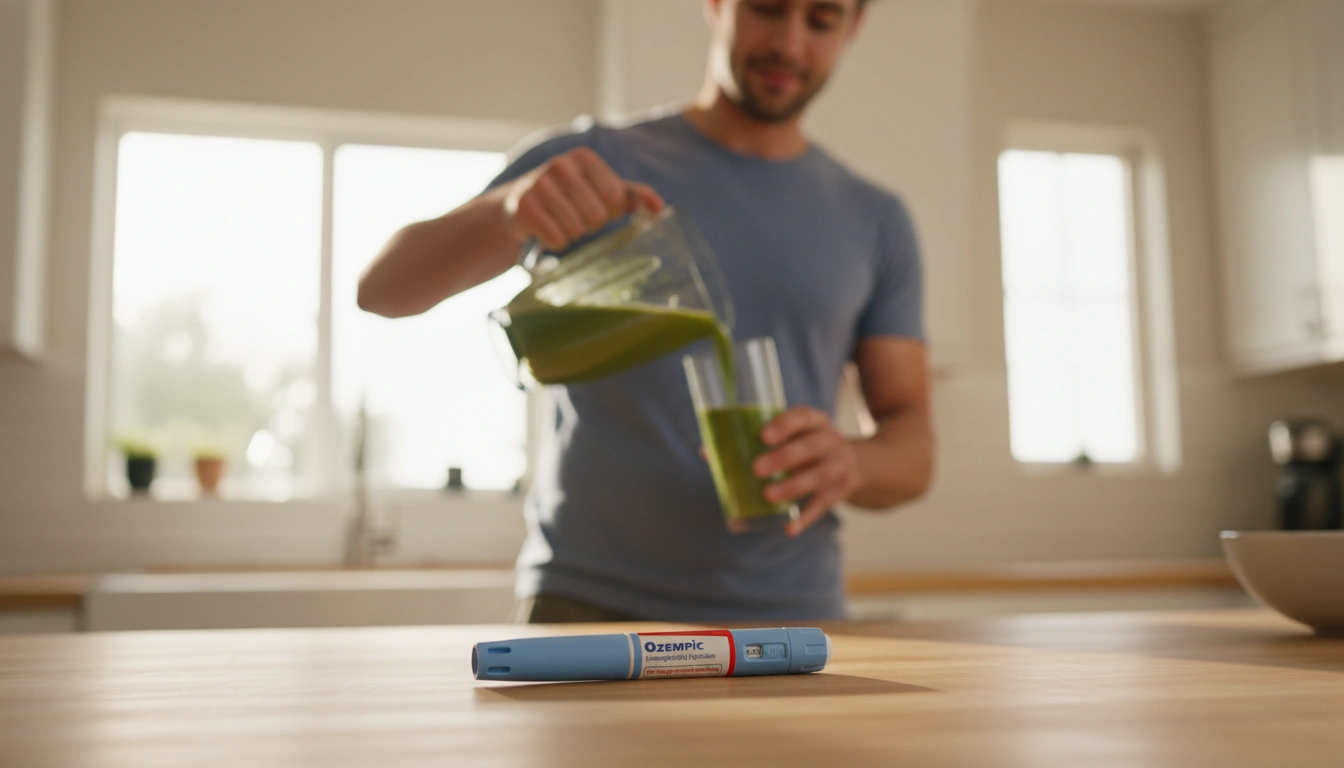
Embarking on a weight loss journey, especially with the support of modern medications, often brings about exciting changes and new considerations. Many individuals find remarkable success with GLP-1 medications like Ozempic®, a valuable tool in managing weight and supporting overall health. However, as your body adapts to these powerful medications, your digestive system undergoes subtle shifts. The foods you once enjoyed without a second thought might now present a new challenge, potentially intensifying common side effects. This isn’t about rigid restriction, but rather understanding how certain dietary choices interact with your medication to optimize your experience and well-being.
At TrimRx, our journey began with a shared vision: to help individuals embrace healthier lifestyles by merging cutting-edge telehealth innovations with effective weight loss solutions. We understand that sustainable weight loss should be achieved through science, empathy, and a transparent approach. This commitment extends to providing you with the knowledge and support you need to navigate every aspect of your treatment confidently.
This comprehensive guide will illuminate the specific foods that may exacerbate side effects when you’re taking medications like Ozempic®, helping you make informed choices that foster comfort and progress. We will delve into the science behind these interactions, offer practical advice for a more comfortable digestive experience, and outline the nutritional strategies that complement your medication. By the end of this post, you’ll have a clearer understanding of how to tailor your diet to work harmoniously with your treatment, allowing you to focus on achieving your health goals with greater ease and confidence.
Understanding How GLP-1 Medications Impact Digestion
The landscape of weight management has been significantly transformed by the advent of GLP-1 receptor agonists, a class of medications that includes treatments like Ozempic®. These medications offer a powerful ally in the pursuit of healthier living, but their efficacy comes from specific mechanisms within the body that necessitate a thoughtful approach to diet. Understanding how these drugs interact with your digestive system is the cornerstone of making informed food choices.
The Mechanism of Action
GLP-1 receptor agonists, such as Semaglutide (the active ingredient in Ozempic® and Wegovy®) and Tirzepatide (found in Mounjaro® and Zepbound®), mimic the action of a natural hormone called Glucagon-Like Peptide-1 (GLP-1) that your body produces. This hormone plays a crucial role in several physiological processes related to appetite, blood sugar regulation, and digestion.
One of the primary ways these medications work is by slowing down gastric emptying, meaning food stays in your stomach for a longer period. This extended digestion contributes to a prolonged feeling of fullness, which naturally helps reduce overall food intake and manage appetite. Additionally, GLP-1s signal the brain to reduce hunger and cravings, often referred to as “food noise,” making it easier to adhere to a calorie-reduced diet. They also stimulate insulin release in a glucose-dependent manner, helping to regulate blood sugar levels.
While these mechanisms are highly beneficial for weight loss and metabolic control, the slowed digestion can also lead to common gastrointestinal side effects. These may include nausea, vomiting, bloating, indigestion, heartburn, constipation, or diarrhea. For many, these side effects are manageable and often diminish as the body adjusts to the medication. However, certain foods can intensify these discomforts, turning a mild inconvenience into a significant challenge.
Why Dietary Choices Matter
When your stomach empties more slowly due to medication, the type of food you consume becomes incredibly important. Foods that are naturally difficult or slow to digest, when combined with the medication’s effect, can linger in your system for an even longer duration. This extended stay can amplify the likelihood and severity of digestive upset.
For example, a meal rich in fats or sugars typically takes longer for the stomach to process. Add a GLP-1 medication into the mix, and that digestion time is further extended. This can lead to persistent feelings of nausea, heartburn from acid reflux, or a heavy, uncomfortable sensation in your abdomen. Similarly, foods that contribute to gas or irritation in the gut can become particularly bothersome when trapped for longer periods.
Our personalized approach at TrimRx emphasizes not just the medication itself, but a holistic understanding of how diet, lifestyle, and individual physiology interact. We believe that by understanding these relationships, you can proactively manage potential side effects and optimize your journey towards sustainable health. Our comprehensive programs, which include doctor consultations, medication provided through FDA-registered and inspected pharmacies, lab work, unlimited support, and shipping with no hidden fees, are designed to guide you every step of the way. To explore if a personalized plan is right for you, we encourage you to take our free assessment quiz.
Key Foods to Navigate While on GLP-1 Medications
As we’ve explored, GLP-1 medications like Ozempic® fundamentally alter the pace of your digestion. This means that certain foods, which might have been perfectly fine before, could now contribute to uncomfortable side effects. It’s not about eliminating entire food groups forever, but rather understanding which categories tend to be problematic and adjusting your intake accordingly. Our aim is to empower you with knowledge so you can make choices that support your comfort and progress.
High-Fat and Greasy Foods: A Double Slow-Down
One of the most frequently cited culprits for increased gastrointestinal distress while on GLP-1 medications is high-fat and greasy food. The reason is straightforward: fats are inherently slower to digest than carbohydrates or proteins. When you combine this natural physiological reality with a medication that deliberately slows down gastric emptying, you create a “double slow-down” effect that can lead to significant discomfort.
Fried Foods and Ultra-Processed Items
Think about your favorite fried chicken, a greasy burger, a slice of pizza, or a sugary doughnut. These foods are not only rich in unhealthy fats but are often also highly processed. The combination of high fat content and processing makes them particularly challenging for a slowed digestive system. When these foods linger in the stomach for an extended period, they can trigger or worsen:
- Intense Nausea and Vomiting: Prolonged exposure of the stomach lining to difficult-to-digest fats can lead to waves of nausea, sometimes culminating in vomiting.
- Indigestion and Heartburn: Fatty foods can relax the lower esophageal sphincter, allowing stomach acid to reflux into the esophagus, an effect amplified by slower emptying.
- Abdominal Bloating and Discomfort: The extended presence of these foods can lead to uncomfortable fullness and bloating.
- Altered Bowel Movements: Some individuals may experience constipation due to the digestive slowdown, while others might encounter diarrhea as the system attempts to clear the discomfort.
Examples of foods in this category include:
- Fried foods: French fries, fried chicken, onion rings, tempura.
- Ultra-processed snacks: Chips, many crackers, pastries, fast-food items.
- Rich desserts: Cream-filled pastries, cheesecakes.
Red Meats and Rich Dairy Products
Similar to fried foods, certain cuts of red meat and high-fat dairy products can pose challenges. Red meats, especially those with higher fat content like some steaks, ground beef, or ribs, naturally take longer to break down in the digestive system. When this process is further extended by a GLP-1 medication, it can contribute to a heavy feeling, nausea, and general digestive upset.
High-fat dairy items such as full-fat cheese, butter, and heavy cream also fall into this category. While dairy can be a valuable source of nutrients, its fat content can become problematic for some individuals on these medications.
- Red meat examples: Fatty cuts of steak, hamburgers, sausages, bacon.
- High-fat dairy examples: Full-fat cheeses (especially aged varieties), heavy cream, butter in excess.
Our goal at TrimRx is to provide you with the resources to achieve not just weight loss, but holistic well-being. This often means exploring different ways to nourish your body. For sustained support that complements a thoughtful diet, consider our GLP-1 Daily Support supplement, designed to aid your journey.
Sugary Culprits and Refined Carbohydrates
While high-fat foods are often highlighted, sugary drinks and refined carbohydrates can also be problematic for individuals on GLP-1 medications like Ozempic®. Their impact extends beyond just discomfort, potentially undermining the medication’s effectiveness in regulating blood sugar.
Sweetened Beverages and Processed Snacks
Sugary drinks represent a significant challenge for several reasons. They contain large amounts of added sugars that are rapidly absorbed into the bloodstream, causing quick spikes in blood glucose. This directly counteracts one of the key benefits of GLP-1 medications, which is to help stabilize blood sugar levels. Beyond this metabolic impact, these beverages can also exacerbate gastrointestinal distress.
- Increased Nausea and Vomiting: The rapid sugar load can overwhelm a slowed digestive system, leading to nausea or vomiting.
- Bloating and Gas: Carbonated sugary drinks are particularly prone to causing bloating and gas, which are intensified when digestion is slow.
- Empty Calories: These drinks provide calories without significant nutritional value, potentially hindering weight loss goals and leading to a feeling of unfulfillment despite calorie intake.
Examples include:
- Sodas and energy drinks
- Sweetened fruit juices (even 100% juice can be high in natural sugars, so moderation is key)
- Sweetened teas and coffees (especially those with added syrups and creams)
- Processed snacks: Candies, cookies, cakes, most breakfast cereals.
The Impact of High Glycemic Index Foods
High glycemic index (GI) foods are those that cause a rapid rise in blood sugar levels after consumption. While not all high-GI foods are inherently “bad,” their rapid impact on blood sugar can be less ideal when your body is working to maintain stable glucose levels with medication. Furthermore, many high-GI foods are also refined carbohydrates, which offer less fiber and nutrients compared to their whole-grain counterparts.
When these foods are consumed, they can:
- Lead to energy crashes: A rapid blood sugar spike can be followed by a sharp drop, leaving you feeling tired and craving more sugar.
- Contribute to digestive upset: While not as directly irritating as fats, large quantities of refined carbohydrates might still contribute to a feeling of fullness that can turn into discomfort when digestion is prolonged.
Examples include:
- White bread, white rice, pasta (non-whole grain)
- Many breakfast cereals
- Potatoes (especially processed forms like mashed or fried)
- Pretzels and crackers made with refined flour
Focusing on these dietary considerations is part of creating a personalized strategy for success. For those looking for an additional edge in their weight management efforts, our Weight Loss Boost supplement offers immediate support to help optimize your journey.
Alcohol: A Complex Interaction
The relationship between alcohol consumption and GLP-1 medications is not as straightforward as direct food interactions, but it warrants careful consideration. While there isn’t evidence of a direct dangerous interaction in terms of medication effectiveness, both alcohol and GLP-1s affect the body in similar ways, creating a compounding effect that can intensify side effects and introduce new risks.
- Exacerbated Gastrointestinal Distress: Both alcohol and GLP-1 medications can cause nausea, vomiting, and general digestive upset. Consuming them together can heighten these symptoms, making you feel significantly worse than if you were to have either in isolation. The slowed gastric emptying from the medication means alcohol also remains in your system for a longer duration, potentially intensifying its effects.
- Increased Risk of Dehydration: GLP-1 medications can sometimes lead to fluid loss due to digestive issues, and alcohol is a known diuretic that promotes dehydration. The combination can lead to severe dehydration, manifesting as extreme fatigue, headaches, dizziness, and light-headedness. Staying adequately hydrated is crucial for comfort and overall health while on these medications.
- Hypoglycemia Risk (especially for those with diabetes): Both alcohol and GLP-1 medications have the potential to lower blood sugar levels independently. For individuals managing diabetes, this interaction is particularly concerning. Alcohol inhibits the liver’s ability to release stored glucose, which, when combined with a medication actively lowering blood sugar, can lead to dangerously low blood glucose levels (hypoglycemia). Symptoms can include shakiness, confusion, rapid heartbeat, and in severe cases, loss of consciousness.
Given these potential impacts, it is generally advisable to significantly limit or avoid alcohol while on GLP-1 medications. If you do choose to consume alcohol, do so in very small quantities and be acutely aware of your body’s reactions. Always discuss alcohol consumption with your healthcare provider to understand the specific risks for your individual health profile. Our comprehensive service at TrimRx ensures you have access to doctor consultations to address these important considerations, alongside your medication and ongoing support.
Spicy Foods and Gastrointestinal Irritation
For many who embark on a GLP-1 medication regimen, foods that were once a flavorful delight can become a source of immediate discomfort. Spicy foods, in particular, frequently join the list of items that may trigger or worsen gastrointestinal symptoms.
The primary issue with spicy foods, when combined with the effects of medications like Ozempic®, revolves around their impact on the digestive tract and specifically the lower esophageal sphincter (LES). Spicy ingredients, such as capsaicin found in chili peppers, can irritate the lining of the stomach and intestines. Furthermore, they can cause the LES, the muscular valve that separates your esophagus from your stomach, to relax. This relaxation allows stomach acid to more easily flow back into the esophagus, leading to:
- Intensified Heartburn and Acid Reflux: The burning sensation in the chest and throat, a hallmark of acid reflux, can become much more pronounced.
- Increased Nausea: An already sensitive stomach, experiencing slowed digestion, can react strongly to the irritation from spicy foods, leading to heightened nausea.
- General Stomach Discomfort: A feeling of unease, burning, or cramping in the stomach can become a common complaint.
- Regurgitation: In some cases, the combination can lead to food coming back up into the mouth or esophagus.
Many patients report that even moderately spicy dishes they previously tolerated without issue now cause significant distress. It’s a prime example of how the medication alters your body’s response, necessitating a re-evaluation of dietary habits. While eliminating all spices might not be necessary for everyone, a careful and gradual reintroduction, paying close attention to your body’s signals, is highly recommended. Opting for milder flavors or reducing the amount of spice used in cooking can be a helpful strategy.
Navigating High-Fiber Vegetables and Caffeine
While typically lauded for their health benefits, certain high-fiber vegetables and stimulants like caffeine also warrant a nuanced approach when you are taking GLP-1 medications. It’s not about outright avoidance, but rather understanding how they interact with a slower digestive system.
High-Fiber Vegetables
High-fiber vegetables, especially cruciferous and starchy varieties, are essential for a healthy diet. They support gut health, provide vital nutrients, and contribute to satiety. However, if your body is not accustomed to a high-fiber intake, or if consumed in large quantities while digestion is slowed, they can potentially increase side effects.
- Increased Bloating and Gas: Fiber adds bulk to stool and can ferment in the gut, producing gas. With slowed digestion, this gas can accumulate, leading to more pronounced bloating and discomfort.
- Constipation or Diarrhea: While fiber often helps prevent constipation, a sudden increase in fiber, coupled with reduced fluid intake or slowed motility, can sometimes paradoxically worsen constipation. Conversely, for some, the fermentation might lead to diarrhea.
Examples of potentially problematic high-fiber vegetables (if consumed raw or in large amounts):
- Broccoli
- Cabbage
- Cauliflower
- Beans
- Lentils
- Corn
- Peas
- Ripe bananas (starchy fruit)
The key here is moderation and preparation. Rather than eliminating these nutritious foods, consider cooking them thoroughly to soften their fibers, starting with smaller portions, and gradually increasing your intake as your body adjusts. This approach allows you to reap their benefits without overwhelming your digestive system.
Caffeine
Caffeine, primarily found in coffee, tea, and some energy drinks, can also contribute to digestive issues for some individuals on GLP-1 medications.
- Exacerbation of Heartburn: Caffeine can relax the lower esophageal sphincter, similar to spicy foods, increasing the risk of acid reflux and heartburn. With slower gastric emptying, any reflux can feel more prolonged and uncomfortable.
- Dehydration: While moderate caffeine intake is generally fine for most, excessive consumption can contribute to dehydration, which, as discussed, can worsen GLP-1 side effects like nausea and fatigue.
- Anxiety/Jitters: For some, caffeine can increase feelings of anxiety or jitters, which may feel more pronounced when combined with the new sensations of medication side effects.
If you find that caffeine exacerbates your symptoms, consider reducing your intake, switching to decaffeinated options, or opting for herbal teas. As always, listening to your body’s unique response is paramount. This personalized approach is central to TrimRx’s values, as we combine advanced medical science with modern technology to deliver truly compassionate care that respects every individual’s unique journey.
Crafting Your Personalized Nutritional Strategy
While understanding what foods to limit is crucial, the focus of a successful weight loss journey should always be on what you can eat to nourish your body and support your well-being. At TrimRx, we advocate for a personalized, balanced approach that works synergistically with your GLP-1 medication. This means prioritizing nutrient-dense foods, maintaining optimal hydration, and adopting mindful eating practices that respect your body’s new signals.
Prioritizing Nutrient-Dense Choices
With GLP-1 medications, your appetite will likely be reduced, and you may find yourself eating smaller portions. This makes every bite count. Focusing on nutrient-dense foods ensures you get essential vitamins, minerals, protein, and healthy fats without excess calories or digestive distress.
Lean Proteins for Muscle Preservation
Protein is arguably the most critical macronutrient when you’re on a weight loss journey with GLP-1 medications. As you lose weight, there’s a natural tendency to lose both fat and muscle mass. Adequate protein intake is vital for preserving muscle, which is essential for maintaining a healthy metabolism and overall strength.
- Why it’s important: Protein helps you feel full longer, stabilizes blood sugar, and provides the building blocks for muscle repair and growth.
- Sources to prioritize:
- Lean meats: Grilled or baked chicken breast, turkey, lean cuts of fish (salmon, cod, tuna).
- Plant-based proteins: Tofu, tempeh, edamame, lentils, beans, chickpeas.
- Eggs: A versatile and complete protein source.
- Low-fat dairy: Plain Greek yogurt, cottage cheese (monitor for fat content).
Tip: Aim to consume protein first at each meal. This ensures you get sufficient protein even if you feel full quickly.
Diverse Fruits and Vegetables
Fruits and vegetables are packed with vitamins, minerals, antioxidants, and fiber. They are essential for overall health and provide bulk without excessive calories.
- Why they’re important: Support digestive health, provide essential micronutrients, and contribute to satiety.
- Sources to prioritize:
- Leafy greens: Spinach, kale, romaine lettuce.
- Berries: Strawberries, blueberries, raspberries (lower in sugar).
- Non-starchy vegetables: Bell peppers, cucumbers, tomatoes, zucchini, asparagus, green beans.
- Cooked starchy vegetables: Potatoes, corn, peas (in moderation and well-cooked to aid digestion).
Tip: Focus on a variety of colors to ensure a broad spectrum of nutrients. Gradually increase fiber intake and ensure vegetables are well-cooked, especially during the initial weeks of medication.
Embracing Whole Grains and Probiotics
Whole grains provide complex carbohydrates, which are a sustained source of energy, along with fiber and various nutrients. Probiotic-rich foods support a healthy gut microbiome, which can be beneficial when your digestive system is adjusting.
- Why they’re important: Whole grains offer sustained energy and fiber. Probiotics can help mitigate potential GI upset.
- Sources to prioritize:
- Whole grains: Oats, quinoa, brown rice, farro, whole-wheat bread (in moderation, watch for bloating).
- Probiotic-rich foods: Kefir, plain yogurt with live cultures, kimchi, sauerkraut (start with small amounts to assess tolerance).
Our personalized weight loss programs, which can include medications like Compounded Semaglutide, Oral Semaglutide, Ozempic®, Compounded Tirzepatide, Oral Tirzepatide, Mounjaro®, Zepbound®, and Wegovy®, are designed to help you integrate these nutritional principles seamlessly. Take our free assessment quiz to discover a plan tailored just for you.
The Importance of Hydration
Staying well-hydrated is paramount when taking GLP-1 medications. Dehydration can exacerbate many common side effects, including nausea, constipation, and fatigue.
- Why it’s important: Adequate fluid intake aids digestion, helps prevent constipation, and supports overall bodily functions.
- Hydration tips:
- Plain water is best: Aim for at least 64 ounces (about 8 glasses) of water daily.
- Sip throughout the day: Don’t try to chug large amounts at once, which can lead to bloating.
- Cold, sugar-free beverages: Iced ginger tea or sugar-free clear beverages can be soothing, especially if you experience nausea.
- Foods with high water content: Broth-based soups, cucumbers, watermelon.
- Avoid dehydrating drinks: Limit caffeinated and alcoholic beverages, which can contribute to fluid loss.
Mindful Eating Practices
Beyond what you eat, how you eat plays a significant role in managing side effects and maximizing comfort. GLP-1 medications inherently encourage a more mindful approach, as your body sends clearer signals of fullness.
- Eat slowly and chew thoroughly: Give your slowed digestive system time to process food. Chewing thoroughly breaks down food into smaller, more manageable pieces, easing the digestive burden.
- Smaller, more frequent meals: Instead of two or three large meals, consider splitting your intake into four to six smaller, balanced meals or snacks throughout the day. This reduces the volume of food in your stomach at any one time.
- Stop at the first sign of satisfaction: Learn to recognize and respect your body’s signals of fullness. Overeating, even slightly, can lead to significant discomfort.
- Listen to your body: Pay attention to how different foods make you feel. Keep a simple food diary to identify your personal triggers and most tolerable foods. What works for one person may not work for another.
By adopting these strategies, you’re not just adhering to a diet; you’re building a sustainable foundation for long-term health and a positive relationship with food.
Minimizing Side Effects and Maximizing Well-being
Navigating a new medication regimen involves more than just dietary adjustments; it’s about integrating holistic strategies that support your body and mind. Our commitment at TrimRx is to empower you with comprehensive insights to make your weight loss journey as smooth and effective as possible.
Lifestyle Adjustments for Digestive Comfort
Beyond conscious food choices, several lifestyle habits can significantly mitigate common GLP-1 medication side effects and enhance your overall well-being.
- Move Your Body: Gentle physical activity, especially after meals, can aid digestion. A short, leisurely walk (even just 10-15 minutes) post-meal can help stimulate gut motility and alleviate feelings of fullness, bloating, or mild nausea. Avoiding lying down immediately after eating is also often recommended to prevent acid reflux.
- Prioritize Rest: Adequate sleep is crucial for your body’s recovery and regulation. When you’re well-rested, your body is better equipped to manage the physiological changes brought about by medication and to cope with any potential discomfort.
- Stress Management: High stress levels can negatively impact digestion, potentially exacerbating symptoms like nausea or stomach upset. Incorporate stress-reducing practices into your daily routine, such as deep breathing exercises, meditation, gentle yoga, or spending time in nature.
- Consistent Medication Adherence: Always take your GLP-1 medication exactly as prescribed by your healthcare provider. This ensures a steady and effective concentration in your system, which can help your body adapt more smoothly. For oral forms of semaglutide, for instance, specific instructions regarding intake on an empty stomach with a small amount of water are critical for maximal absorption.
- Consider Over-the-Counter Aids (with medical guidance): For occasional mild symptoms like heartburn or gas, over-the-counter antacids or anti-gas medications may offer relief. However, always consult with your doctor or pharmacist before introducing any new supplements or medications to your regimen, even over-the-counter options, to ensure they are safe and appropriate for you.
The Role of Professional Guidance and Support
While this guide offers extensive information, it’s important to remember that personalized medical guidance is invaluable. Your body is unique, and its response to medication and food can differ from others.
- Consult Your Prescribing Physician: If you’re experiencing persistent, severe, or worsening side effects, it’s crucial to communicate with your doctor. They can assess your symptoms, adjust your dosage if necessary, or provide additional medical strategies to manage discomfort. For instance, they might be able to prescribe anti-nausea medication if needed. Ideally, this would be a physician with expertise in obesity medicine, who can integrate your medication plan with your broader health profile.
- Partner with a Registered Dietitian: A specialized registered dietitian can be an incredible asset. They can work with you to develop a tailored nutritional plan that considers your specific dietary preferences, cultural background, health conditions, and the unique digestive impacts of your GLP-1 medication. They can help you identify trigger foods, ensure you’re meeting your nutrient needs, and offer practical strategies for meal planning and preparation.
- TrimRx’s Comprehensive Support: At TrimRx, we are dedicated to providing a user-friendly and supportive space where individuals receive personalized, medically supervised care—all designed to make sustainable weight loss attainable and tailored to the individual. Our comprehensive service includes doctor consultations, medication provided through FDA-registered and inspected pharmacies, lab work, unlimited support, and shipping with no hidden fees. We believe in transparency and empathetic care, ensuring our approach remains consistent regardless of dosage changes. Our platform connects you with the resources needed to navigate your journey safely and effectively.
To begin your journey with a team that values science, empathy, and personalized results, we invite you to take our free assessment quiz and explore how our programs can support your unique needs. Remember, you don’t have to navigate this path alone; we are here to support you every step of the way.
TrimRx’s Approach to Personalized Weight Loss
At TrimRx, our entire philosophy is built around the understanding that successful weight loss is not a one-size-fits-all endeavor. Our journey began with a shared vision to help individuals embrace healthier lifestyles by merging cutting-edge telehealth innovations with effective weight loss solutions. We have cultivated a platform that is a user-friendly and supportive space where individuals receive personalized, medically supervised care—all designed to make sustainable weight loss attainable and truly tailored to the individual.
Our Commitment to Science, Empathy, and Transparency
We firmly believe that sustainable weight loss should be achieved through science, empathy, and a transparent approach. Our brand personality is rooted in being empathetic, innovative, trustworthy, supportive, results-oriented, and profoundly personalized. We offer compassionate care that respects every individual’s unique journey by combining advanced medical science with modern technology.
Safety is paramount in everything we do. We partner exclusively with FDA-registered and inspected pharmacies for the shipping of weight loss medications, ensuring that the products you receive meet rigorous quality and safety standards. It’s important to clarify that TrimRx partners with these pharmacies for the shipping of weight loss medications and does not provide actual medical supervision ourselves, but rather facilitates access to medical professionals who provide supervision. We are committed to transparent service, highlighting that our approach remains consistent, providing comprehensive support throughout your treatment, regardless of dosage changes.
Tailored Solutions for Your Unique Journey
Understanding that each individual’s needs are distinct, our product offerings are designed to provide both personalized, medically supervised programs and convenient support supplements.
For those seeking a tailored, comprehensive treatment plan that includes prescription medications, we offer:
- Compounded Semaglutide
- Oral Semaglutide
- Ozempic® (an FDA-approved branded medication)
- Compounded Tirzepatide
- Oral Tirzepatide
- Mounjaro®
- Zepbound® (an FDA-approved branded medication)
- Wegovy®
These powerful medications are part of our personalized weight loss program. To determine your eligibility and receive a treatment plan specifically designed for your health profile, we require users to complete our free, confidential assessment. This assessment helps our affiliated medical professionals understand your health history and goals. We encourage you to take our free assessment quiz today to see if you qualify. Our comprehensive service includes doctor consultations, your prescribed medication, necessary lab work, unlimited support, and convenient shipping—all with no hidden fees, ensuring a straightforward and supportive path to your health goals.
Enhancing Your Journey with Targeted Support
In addition to our personalized prescription programs, we understand that sometimes you need immediate support to complement your weight loss efforts and bolster your overall wellness. For this reason, we offer quick-access supplements that do not require a quiz for purchase:
- GLP-1 Daily Support: This supplement is formulated to provide everyday wellness support alongside your weight loss journey. You can learn more and purchase it directly here: GLP-1 Daily Support.
- Weight Loss Boost: Designed to offer an extra edge in your weight management, this supplement can be a valuable addition to your routine. Discover its benefits and get yours here: Weight Loss Boost.
These supplements are readily available to support you in maintaining your health and energy as you progress. At TrimRx, we are committed to providing you with a complete toolkit for success, whether through a medically supervised program or supportive daily supplements.
Embracing a Sustainable Future with TrimRx
Navigating your dietary choices while on medications like Ozempic® is a dynamic process, one that requires patience, self-awareness, and the right support. As we’ve explored, understanding how GLP-1 medications interact with various foods—from high-fat culprits to sugary drinks and even certain healthy fibers—is not about rigid rules, but about making informed adjustments to optimize your comfort and progress. The goal is to minimize uncomfortable side effects while maximizing the effectiveness of your treatment and ensuring your body receives the vital nutrients it needs.
At TrimRx, we stand by you as a partner in health, providing a foundation of science, empathy, and transparency. We believe that true, sustainable weight loss is achieved through personalized care, where your unique journey is respected and supported every step of the way. Our comprehensive programs, offering medications like Ozempic® through FDA-registered and inspected pharmacies, coupled with expert consultations and unlimited support, are designed to empower you with the tools and knowledge for lasting success.
Remember, this journey is about discovery—discovering what foods nourish your body best, what habits foster well-being, and how your body responds to the support of modern medicine. By focusing on nutrient-dense foods, prioritizing hydration, adopting mindful eating practices, and leveraging professional guidance, you are setting the stage for not just weight loss, but a profound transformation towards a healthier, more vibrant you.
Are you ready to discover a personalized path that aligns with your unique health needs and goals? We invite you to take our free assessment quiz to explore how TrimRx can tailor a plan just for you. For immediate support that complements your efforts, consider our quick-access supplements like GLP-1 Daily Support or Weight Loss Boost. Together, we can build a sustainable future where you thrive.
Frequently Asked Questions
What are the main types of foods I should limit while taking Ozempic®?
The primary types of foods to limit while on Ozempic® are high-fat and greasy items (like fried foods, fatty red meats, and rich dairy), high-sugar foods and drinks (such as sodas, juices, and processed sweets), and ultra-processed foods. These can exacerbate common gastrointestinal side effects like nausea, vomiting, and bloating due to the medication’s effect of slowing digestion. Alcohol and spicy foods should also be consumed with caution or avoided, as they can worsen dehydration, blood sugar fluctuations, and heartburn.
Why do some foods cause more side effects with GLP-1 medications?
GLP-1 medications like Ozempic® work by slowing down gastric emptying, meaning food stays in your stomach for a longer period. Foods that are inherently difficult or slow to digest, such as those high in fat, already take longer to process. When combined with the medication’s effect, these foods can linger even longer, leading to increased irritation, fermentation, or a heavy sensation, which in turn amplifies side effects like nausea, indigestion, and bloating.
Are there any specific vegetables or healthy foods I should be careful with?
While generally healthy, certain high-fiber vegetables (especially cruciferous ones like broccoli, cabbage, and cauliflower, or starchy vegetables) might cause increased bloating and gas if consumed raw or in large quantities, particularly if your body isn’t accustomed to high fiber intake. It’s often advisable to cook these vegetables thoroughly and introduce them gradually to aid digestion. Similarly, while beneficial, some fruits can be high in natural sugars, so monitoring portion sizes for those with higher sugar content is wise.
How can TrimRx help me create a personalized diet plan while on weight loss medication?
TrimRx offers personalized, medically supervised weight loss programs that integrate seamlessly with your dietary needs. Our service includes doctor consultations where you can discuss specific food sensitivities and receive guidance. We encourage you to take our free assessment quiz to get started. Our comprehensive approach, which includes access to medication provided through FDA-registered and inspected pharmacies, lab work, and unlimited support, aims to help you craft a nutritional strategy that minimizes side effects and maximizes your progress, all tailored to your unique health profile. Additionally, for immediate support, our GLP-1 Daily Support and Weight Loss Boost supplements are available.

Transforming Lives, One Step at a Time
Keep reading

What to Do If Your Ozempic Pen Malfunctions
You’ve set aside time for your weekly injection, you pick up the pen, and something isn’t right. Maybe the dose button won’t push down,…

Ozempic and Water Retention: What Patients Notice
Water retention on Ozempic sits in a confusing middle ground. Some patients notice puffiness or swelling, particularly in the hands, feet, or ankles, while…
Ozempic and Heartburn: Managing Acid Reflux on GLP-1
Heartburn on Ozempic tends to surprise people. You’re eating less, your meals are smaller, and yet you’re experiencing more acid reflux than before. It…


