Navigating Your Plate: What Happens if You Eat Carbs on Ozempic and How to Thrive
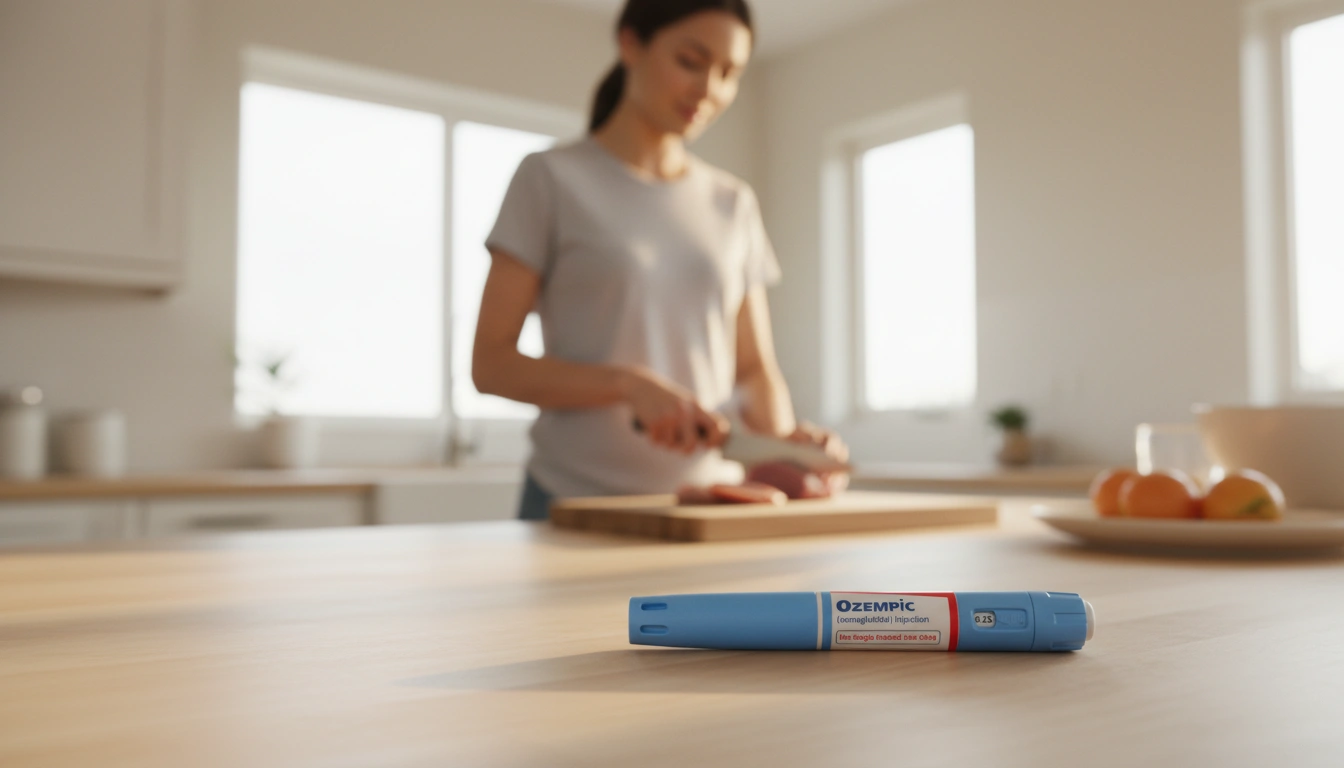
The journey to sustainable weight loss and improved health often presents a complex landscape of choices, challenges, and scientific advancements. For many individuals, the introduction of medications like Ozempic®—a leading GLP-1 receptor agonist—has been a transformative development, offering a powerful tool to support their goals. However, as with any significant change to your health regimen, understanding how these medications interact with your daily life, especially your diet, is paramount. One question we often encounter is: “what happens if you eat carbs on Ozempic?” This isn’t just about simple dietary rules; it delves into the intricate mechanisms of your body and the medication, highlighting the importance of thoughtful nutrition to maximize effectiveness and minimize discomfort.
At TrimRx, our journey began with a shared vision: to help individuals embrace healthier lifestyles by merging cutting-edge telehealth innovations with effective weight loss solutions. We understand that sustainable weight loss should be achieved through science, empathy, and a transparent approach. Our platform is designed as a user-friendly and supportive space where individuals receive personalized, medically supervised care, all crafted to make sustainable weight loss attainable and tailored to each unique individual. In this comprehensive guide, we’ll explore the science behind GLP-1 medications, the nuances of carbohydrate consumption, and how to optimize your dietary choices to not only enhance the benefits of your treatment but also to foster a healthier, more vibrant you. By the end of this article, you will have a clearer understanding of how to navigate your nutritional journey effectively while on GLP-1 therapy, armed with the knowledge to make informed decisions and supported by our commitment to your well-being.
The Science Behind GLP-1 Medications and Your Digestion
Understanding how GLP-1 medications, such as Ozempic®, interact with your body is the first step toward optimizing your diet and overall weight loss journey. These medications are not merely appetite suppressants; they work on several physiological pathways to support weight management and metabolic health.
How GLP-1s Work: Slowing Gastric Emptying
GLP-1 receptor agonists, like the active ingredient semaglutide found in Ozempic®, mimic a natural hormone called glucagon-like peptide-1 (GLP-1) that your body produces. This hormone plays a crucial role in regulating blood sugar and appetite. When you take a GLP-1 medication, several key processes occur:
Firstly, these medications stimulate your pancreas to release more insulin when blood sugar levels are high, which helps move glucose from your bloodstream into your cells for energy. This action helps to control blood sugar levels, which is particularly beneficial for individuals managing type 2 diabetes.
Secondly, GLP-1s reduce the amount of glucagon released by the pancreas. Glucagon is a hormone that signals the liver to produce and release sugar. By decreasing glucagon, GLP-1 medications help prevent excessive sugar production by the liver.
Perhaps most significantly for weight management, GLP-1s dramatically slow down the rate at which food leaves your stomach—a process known as gastric emptying. This slower digestion means food remains in your stomach for a longer period, contributing to a prolonged feeling of fullness and satiety. This effect often leads to a natural reduction in food intake, as the constant “food noise” or intrusive thoughts about eating tend to subside.
This slowed gastric emptying is a cornerstone of the medication’s effectiveness in reducing appetite and promoting weight loss. However, it also dictates many of the dietary considerations and potential side effects that individuals may experience. When food sits in the stomach for an extended time, certain types of foods can cause significant discomfort, which brings us to the importance of dietary adjustments.
The Role of Diet in GLP-1 Effectiveness
While GLP-1 medications are powerful tools, they are most effective when used as an adjunct to a healthy diet and regular exercise. They are not a standalone solution, but rather a catalyst that helps you build sustainable habits. The feeling of fullness and reduced appetite created by these medications provides a unique opportunity to re-evaluate your eating patterns and make healthier choices more easily.
A nutritious, reduced-calorie diet is crucial. Clinical studies have shown that individuals achieve significant weight loss when combining semaglutide with a caloric deficit (e.g., 500-600 calories less per day) and consistent physical activity. Without a conscious effort to consume nutrient-dense foods, you might find yourself eating less but still lacking essential vitamins, minerals, protein, and fiber, which are vital for overall health and muscle preservation during weight loss.
Moreover, certain foods can exacerbate the common gastrointestinal side effects of GLP-1 medications, such as nausea, vomiting, constipation, diarrhea, and heartburn. By making informed dietary choices, you can actively mitigate these discomforts, making your weight loss journey more manageable and pleasant. This emphasizes our belief at TrimRx that care should be compassionate and personalized, guiding you to integrate these powerful tools into your life safely and effectively.
Navigating Carbohydrates While on Ozempic and Similar Medications
The question of carbohydrate intake while on Ozempic® or similar GLP-1 medications is a frequent one, and it’s essential to approach it with nuance. It’s not about outright elimination, but rather understanding which types of carbohydrates are beneficial, which can cause issues, and how they interact with the medication’s effects.
Understanding Different Types of Carbohydrates
Carbohydrates are one of the body’s primary sources of energy, but not all carbs are created equal. They are broadly categorized into simple and complex, with varying impacts on blood sugar levels and digestion.
Refined Carbohydrates and Simple Sugars: The Impact
Refined carbohydrates and simple sugars are quickly broken down by the body into glucose, leading to rapid spikes in blood sugar. These include items like white bread, pastries, sugary cereals, candy, sodas, and many processed snacks. They often lack fiber and essential nutrients, offering “empty calories.”
When you consume these types of carbohydrates while on a GLP-1 medication like Ozempic®, several things can occur:
- Rapid Blood Sugar Spikes: Despite the medication’s blood sugar-regulating effects, a large intake of simple sugars can still lead to a quick rise in glucose. While Ozempic® helps manage this, consistently high intake can challenge its effectiveness and may work against your goals, particularly if you are also managing type 2 diabetes. The body might still release excess insulin in response to these spikes, potentially signaling it to store excess sugar as fat.
- Gastrointestinal Discomfort: Due to the slowed gastric emptying, foods that digest quickly in other circumstances can linger longer when on a GLP-1. Simple sugars, especially in liquid form (like sugary drinks), can sometimes trigger or worsen nausea, bloating, and general stomach upset. They can also contribute to the “double-slowing” effect when combined with other problematic foods like fats.
- Undermining Weight Loss Efforts: Since GLP-1s help you feel full on fewer calories, consuming refined carbohydrates that are high in calories but low in nutritional value can undermine your weight loss progress. These foods don’t contribute to sustained satiety and can leave you feeling hungry sooner, counteracting the medication’s appetite-suppressing benefits.
Therefore, while there’s no strict “off-limits” list, prioritizing the reduction or elimination of these items is often recommended to support both effective blood sugar management and comfortable digestion.
Complex Carbohydrates and Fiber: The Benefits
In contrast, complex carbohydrates, found in whole grains, fruits, and vegetables, are rich in fiber. Fiber is indigestible plant material that slows down the absorption of sugar into the bloodstream, leading to a more gradual and stable rise in blood glucose levels.
Incorporating complex carbohydrates and adequate fiber is highly beneficial for individuals on GLP-1 therapy:
- Stable Blood Sugar: The slow digestion of fiber-rich carbohydrates helps to maintain more stable blood sugar levels, complementing the action of GLP-1 medications. This can prevent energy crashes and cravings.
- Enhanced Satiety: Fiber adds bulk to your diet and contributes to a feeling of fullness, further supporting the appetite-reducing effects of GLP-1s. This means you can eat less and feel satisfied for longer.
- Digestive Health: Fiber is crucial for healthy bowel function. Given that constipation is a common side effect of GLP-1 medications, a diet rich in fiber can help mitigate this discomfort, promoting regularity and gut health. Foods like oats, quinoa, brown rice, leafy greens, berries, apples, and legumes are excellent sources.
- Nutrient Density: Whole grains, fruits, and vegetables are packed with essential vitamins, minerals, and antioxidants, providing vital nourishment that supports overall health during your weight loss journey.
Our personalized weight loss programs emphasize balanced nutrition, recognizing that every individual’s needs differ. We help you identify the right balance of complex carbohydrates, lean proteins, and healthy fats to fuel your body and achieve your health objectives.
What Happens if You Eat Carbs on Ozempic: The Specifics
When considering “what happens if you eat carbs on Ozempic,” it’s crucial to understand the direct physiological and experiential effects, particularly concerning the type and quantity of carbohydrates consumed.
Potential for Gastrointestinal Discomfort
The most immediate and noticeable effect of consuming certain carbohydrates on Ozempic® can be gastrointestinal discomfort. As discussed, GLP-1 medications significantly slow gastric emptying. When combined with foods that are either difficult to digest or quickly ferment in the stomach, this can lead to uncomfortable symptoms.
- Nausea and Vomiting: High-sugar, refined carbohydrates, especially when consumed in large portions or alongside high-fat foods, can sit in the stomach for an extended period. This prolonged presence can trigger waves of nausea and, in some cases, lead to vomiting, particularly during the initial weeks of treatment as your body adjusts to the medication.
- Bloating and Indigestion: The combination of slowed digestion and certain food types can cause increased gas production and bloating. This can manifest as an uncomfortable feeling of fullness, pressure, or a distended stomach, which is compounded by refined carbohydrates that may ferment.
- Diarrhea or Constipation: While fiber-rich complex carbohydrates generally aid regularity, a sudden increase in fiber, or the consumption of highly processed, low-fiber refined carbs, can disrupt bowel movements. Some individuals may experience diarrhea, especially if their gut isn’t accustomed to increased fiber, while inadequate fiber (often associated with refined carb-heavy diets) can worsen constipation.
These symptoms are often intensified if portions are too large, as the stomach struggles to process the volume of food efficiently.
Impact on Blood Sugar Management
For individuals using Ozempic® for type 2 diabetes management or weight loss where blood sugar control is a factor, the type of carbohydrates consumed directly impacts the medication’s efficacy.
- Exaggerated Blood Sugar Spikes: While Ozempic® helps mitigate blood sugar spikes, consuming a diet consistently high in refined sugars and simple carbohydrates can still challenge the body’s ability to maintain stable glucose levels. These rapid spikes can counteract the medication’s benefits and make it harder to achieve optimal blood sugar control.
- Reduced Insulin Sensitivity Over Time: A continuous intake of high-glycemic carbohydrates can contribute to insulin resistance over the long term, potentially making the medication’s job harder and diminishing its effectiveness in regulating blood sugar.
Challenges to Weight Loss Progress
Ultimately, the impact of carbohydrate choices extends to your weight loss journey.
- Undermining Caloric Deficit: Refined carbohydrates are often calorie-dense but nutrient-poor. If these foods comprise a significant portion of your diet, even with reduced appetite, you may struggle to maintain the necessary caloric deficit for weight loss. The empty calories provide minimal sustained energy or satiety.
- Nutrient Deficiencies: A diet dominated by refined carbs can lead to deficiencies in essential nutrients like fiber, vitamins, and minerals. When you are eating less overall due to GLP-1s, every calorie needs to count nutritionally to prevent muscle loss and support overall health.
- Sustained Cravings: While GLP-1s reduce “food noise,” consistently eating high-sugar, low-fiber carbs can still trigger cravings and make it harder to stick to healthy eating patterns in the long run.
In essence, while you can eat carbohydrates on Ozempic®, the type, quantity, and overall dietary context are critical. Our clinically proven, personalized weight loss solutions at TrimRx are designed to guide you through these dietary decisions, providing support and insights tailored to your unique body and goals. We encourage you to take our free assessment quiz to explore how a personalized plan can help you navigate these aspects effectively.
Optimizing Your Diet for Success with GLP-1 Therapy
To truly maximize the benefits of GLP-1 medications like Ozempic® and ensure a comfortable, effective weight loss journey, a thoughtful approach to your diet is essential. This involves prioritizing nutrient-dense foods that support your body, minimize side effects, and align with your health objectives.
Foods to Prioritize for Nutritional Support
When your appetite is reduced by GLP-1 therapy, every bite becomes more critical. Focusing on foods that offer maximum nutritional value for fewer calories is key.
The Power of Lean Proteins
Protein is arguably the most crucial macronutrient when undergoing weight loss with GLP-1s. It plays a vital role in:
- Muscle Preservation: When you lose weight rapidly, there’s a risk of losing muscle mass along with fat. Protein helps preserve lean muscle, which is essential for maintaining a healthy metabolism. Losing muscle can make it harder to maintain weight loss in the long term.
- Satiety and Fullness: Protein is highly satiating, meaning it keeps you feeling fuller for longer, which complements the appetite-suppressing effects of Ozempic®. This helps prevent overeating and snacking between meals.
- Blood Sugar Stability: Protein has minimal impact on blood sugar levels, contributing to greater stability, which is beneficial for overall metabolic health.
Excellent sources of lean protein include:
- Animal-based: Fish (salmon, cod, tuna), chicken breast, turkey, lean cuts of beef and pork, eggs, Greek yogurt, cottage cheese.
- Plant-based: Tofu, tempeh, lentils, beans, edamame, quinoa, and protein shakes.
Aiming for approximately 1.2 grams of protein per kilogram of body weight per day can be a good target for muscle preservation and satiety. For a 150-pound individual, this translates to roughly 82 grams of protein daily, distributed across meals and snacks.
Embracing Fiber-Rich Whole Grains, Fruits, and Vegetables
Fiber, predominantly found in complex carbohydrates, is your ally in managing GLP-1 side effects and supporting overall health.
- Digestive Harmony: As constipation is a common GLP-1 side effect, sufficient fiber intake is paramount to promoting regular bowel movements and maintaining gut health. Gradually increasing fiber is advised to prevent discomfort.
- Sustained Energy and Satiety: Fiber-rich foods digest slowly, providing a steady release of energy and helping you feel full for extended periods, reducing the urge to snack on less nutritious options.
- Nutrient Powerhouses: Fruits and vegetables are packed with vitamins, minerals, and antioxidants, vital for boosting immunity and supporting all bodily functions. Whole grains offer complex carbohydrates that fuel your body without causing rapid blood sugar spikes.
Examples of fiber-rich foods:
- Whole Grains: Oats, quinoa, brown rice, farro, barley, whole-grain bread and pasta.
- Fruits: Berries, apples, pears, oranges, bananas, leafy greens (spinach, kale), broccoli, cauliflower, carrots, bell peppers.
- Legumes: Lentils, chickpeas, black beans, kidney beans.
Healthy Fats for Satiety and Wellness
While high-fat, greasy foods should be limited due to their potential to worsen GI side effects, incorporating healthy fats in moderation is crucial. Healthy fats provide satiety, aid in nutrient absorption, and are essential for various bodily functions, including hormone production and brain health.
Sources of healthy fats:
- Avocado, olive oil, nuts (almonds, walnuts), seeds (chia, flax, hemp), fatty fish (salmon, sardines).
Remember that fats are calorie-dense, so portion control remains important even for healthy options.
Dietary Adjustments to Minimize Side Effects
Beyond choosing the right foods, how you eat can significantly impact your experience on GLP-1 medications.
Smaller, More Frequent Meals
The slowed gastric emptying means your stomach takes longer to clear its contents. Consuming large meals can overwhelm your digestive system, leading to amplified nausea, bloating, and discomfort.
- Strategy: Opt for three smaller meals and two to three healthy snacks throughout the day. This keeps your digestive system working steadily without being overloaded, allowing for smoother processing of food and reduced discomfort.
- Benefit: This approach can also help maintain stable blood sugar levels and prevent extreme hunger, which might otherwise lead to overeating.
The Importance of Hydration
Staying adequately hydrated is critical, especially since GLP-1 medications can sometimes dampen your sense of thirst, and side effects like vomiting or diarrhea can lead to fluid loss. Dehydration can exacerbate constipation and general malaise.
- Strategy: Aim for 8-10 glasses of water or sugar-free beverages daily. Keep a water bottle handy and sip throughout the day.
- Avoid: Caffeinated and alcoholic beverages can contribute to dehydration and often contain empty calories, so these should be limited or avoided. Herbal teas and infused water are excellent alternatives.
Mindful Eating Practices
Mindful eating involves paying attention to your food, recognizing hunger and fullness cues, and eating slowly.
- Eat Slowly: It takes about 20 minutes for your brain to register fullness. Eating quickly while on a GLP-1 can lead to overeating and subsequent discomfort. Savor your food, chew thoroughly, and put your fork down between bites.
- Listen to Your Body: With reduced appetite, you might feel satisfied sooner than before. Learn to recognize these cues and stop eating when comfortably full, not stuffed.
- Avoid Lying Down After Eating: Remaining upright for at least an hour or two after meals can help prevent heartburn and reflux, which can be worsened by slowed digestion.
At TrimRx, we champion a holistic approach to weight loss. Our programs provide not just access to FDA-registered and inspected pharmacies for weight loss medications like Ozempic®, but also guidance on lifestyle modifications. This comprehensive service includes doctor consultations, potential lab work, unlimited support, and shipping, all with no hidden fees, ensuring you have the resources needed to succeed. Whether you’re considering prescription medication or looking for supplemental support, we’re here to guide you.
Foods and Habits to Limit or Avoid
While GLP-1 medications help reframe your relationship with food, certain items and habits can still significantly hinder your progress and intensify uncomfortable side effects. Making conscious choices to limit or avoid these can enhance your comfort and results.
High-Fat and Greasy Foods
Among the most common culprits for exacerbating GLP-1 side effects are high-fat and greasy foods. This category includes fried items (fried chicken, french fries, doughnuts), fast food, pizza, rich desserts, high-fat red meats, and full-fat dairy products.
- Why they are problematic: Fat naturally takes longer to digest than carbohydrates or protein. When combined with the deliberate slowing of gastric emptying by GLP-1 medications, high-fat foods remain in your stomach for an even more extended period. This “double-slowing” effect creates a perfect storm for digestive distress.
- What happens: Consuming these foods frequently triggers severe nausea, vomiting, indigestion, heartburn, and abdominal bloating. Some individuals report feeling like the food just “sits like a rock” in their stomach, leading to intense discomfort. Not only do they cause physical distress, but they are also typically high in calories and low in nutritional value, working against your weight loss goals.
- Recommendation: Prioritize cooking methods like baking, grilling, steaming, or roasting. Choose leaner cuts of meat and opt for lower-fat dairy alternatives.
Excessive Sugary Drinks and Ultra-Processed Items
Sugary beverages and ultra-processed foods present a dual challenge for individuals on GLP-1 therapy.
- Sugary Drinks: This includes sodas, fruit juices with added sugar, sports drinks, and sweetened teas.
- Why they are problematic: They deliver a rapid influx of simple sugars, leading to quick blood glucose spikes that can counteract Ozempic’s blood sugar-regulating effects. Moreover, they offer empty calories, contributing to caloric excess without providing any satiety or essential nutrients. The liquid sugar can also trigger gastrointestinal upset.
- What happens: Beyond blood sugar fluctuations, sugary drinks can intensify nausea, bloating, and dehydration.
- Recommendation: Stick to water, herbal teas, and infused water. If you crave flavor, use natural sweeteners like a slice of lemon or cucumber.
- Ultra-Processed Foods: These are industrial formulations of food substances (oils, fats, sugars, starch, protein isolates) that contain little or no whole foods and typically include flavorings, colorings, and other cosmetic additives. Examples include packaged snacks (chips, pretzels), many ready meals, pastries, and candy.
- Why they are problematic: They are often high in calories, unhealthy fats, added sugars, and sodium, while being notoriously low in fiber and essential nutrients. They also tend to be engineered to be hyper-palatable, encouraging overconsumption, which directly opposes the appetite-reducing effects of GLP-1s.
- What happens: Similar to sugary drinks and high-fat foods, these items can contribute to GI distress and hinder weight loss efforts by providing poor nutrition for the calories consumed.
- Recommendation: Focus on whole, unprocessed foods. Reading labels and understanding ingredients can help you identify and reduce consumption of these items.
Spicy Foods and Alcohol: Considerations
- Spicy Foods: Many individuals find that their tolerance for spicy foods decreases significantly when on GLP-1 medications.
- Why they are problematic: Spicy ingredients can relax the lower esophageal sphincter, allowing stomach acid to reflux into the esophagus. This, combined with slowed digestion, increases the risk of heartburn, acid reflux, and general stomach discomfort.
- What happens: Intense burning sensations, increased burping, and worsened nausea are commonly reported.
- Recommendation: Temporarily reduce or eliminate spicy foods, especially during the initial weeks of treatment. Gradually reintroduce them if desired, observing your body’s reactions.
- Alcohol: The interaction between alcohol and GLP-1 medications requires careful consideration.
- Why it’s problematic: Both alcohol and Ozempic® can lower blood sugar levels. Combining them can increase the risk of hypoglycemia (dangerously low blood sugar), particularly for individuals managing diabetes. Additionally, excessive alcohol intake while on GLP-1s can heighten the risk of pancreatitis. Alcohol is also dehydrating and provides empty calories, which can undermine weight loss.
- What happens: You may feel the effects of alcohol more strongly or quickly, leading to increased gastrointestinal distress (nausea, vomiting), severe dehydration, dizziness, and the risks associated with hypoglycemia.
- Recommendation: Discuss alcohol consumption with your healthcare provider. It is generally advised to limit intake significantly, or avoid it altogether, especially during treatment. If you do consume alcohol, do so in moderation, with meals, and be vigilant for signs of low blood sugar or discomfort. Interestingly, some studies suggest GLP-1s might reduce alcohol cravings, potentially making it easier to cut back.
By consciously avoiding or limiting these problematic foods and habits, you can significantly improve your comfort, enhance the effectiveness of your GLP-1 therapy, and make steady progress toward your weight loss and health goals. Our commitment at TrimRx is to provide you with the tools and transparent guidance to make these informed choices every step of the way.
Beyond Diet: A Holistic Approach to Weight Loss with TrimRx
Achieving sustainable weight loss and improving overall health is rarely about just one factor. While dietary choices, especially “what happens if you eat carbs on Ozempic,” are crucial, they are part of a larger ecosystem of care and support. At TrimRx, we champion a holistic, personalized approach, understanding that true transformation comes from addressing multiple facets of your well-being.
The Importance of a Personalized Plan
Every individual’s body, health history, lifestyle, and weight loss journey are unique. What works for one person may not work for another, and that’s why a one-size-fits-all solution is often ineffective. Our core belief is that personalized care is the most effective path to sustainable results.
Our programs are designed to assess your individual needs comprehensively. This assessment goes beyond just your current weight; it considers your medical history, current health conditions, lifestyle factors, and specific goals. This in-depth understanding allows us to craft a treatment plan that is truly tailored to you, ensuring that the recommendations—whether related to medication, diet, or lifestyle adjustments—are appropriate and effective for your unique circumstances. We believe that with the right tools and personalized guidance, you can unlock your potential for a healthier life.
Our Comprehensive Support System
At TrimRx, our commitment extends far beyond simply providing medication. We offer a robust, comprehensive support system designed to guide you through every stage of your weight loss journey. Our brand is built on being empathetic, innovative, trustworthy, supportive, results-oriented, and personalized. We combine advanced medical science with modern technology to deliver compassionate care that respects every individual’s unique journey.
Doctor Consultations and Medication Access
Our process begins with a thorough online assessment and virtual consultation with a licensed healthcare provider. These consultations are crucial for determining your eligibility for prescription weight loss medications, discussing your health goals, and developing a safe and effective treatment plan.
We provide access to a range of clinically proven medications, including:
- Compounded Semaglutide
- Oral Semaglutide
- Ozempic® (semaglutide, an FDA-approved medication for type 2 diabetes that may be prescribed off-label for weight management where appropriate)
- Compounded Tirzepatide
- Oral Tirzepatide
- Mounjaro® (tirzepatide, an FDA-approved medication for type 2 diabetes that may be prescribed off-label for weight management where appropriate)
- Zepbound® (tirzepatide, an FDA-approved medication for chronic weight management)
- Wegovy® (semaglutide, an FDA-approved medication for chronic weight management)
It is important to clarify that while Ozempic®, Mounjaro®, Zepbound®, and Wegovy® are FDA-approved branded medications, our compounded medications (Compounded Semaglutide, Oral Semaglutide, Compounded Tirzepatide, Oral Tirzepatide) are not FDA-approved. However, all prescription medications are provided through FDA-registered and inspected pharmacies, ensuring adherence to high safety and quality standards. Our transparent service ensures that our approach remains consistent, regardless of dosage changes, with safety as our highest priority.
Lab Work and Ongoing Support
To ensure your treatment plan is not only effective but also safe, we often include necessary lab work to gain a complete picture of your health. This data helps your provider make the most informed decisions about your care.
Furthermore, we understand that successful weight loss is an ongoing process, not a quick fix. That’s why our programs include unlimited support. This means you have continuous access to resources and guidance to address any questions, concerns, or adjustments needed throughout your journey. We are with you every step of the way, cheering you on and sharing in your successes. Our comprehensive service ensures that medication, lab work, unlimited support, and shipping are included with no hidden fees, providing complete transparency and peace of mind.
Exploring Your Options: Prescription Medications and Quick-Access Supplements
Whether you’re ready for a medically supervised prescription program or seeking immediate support for your wellness goals, TrimRx has options designed for you.
Unlocking Personalized Treatment: Our Assessment Quiz
For those interested in our prescription weight loss medications, the first step is to determine eligibility and receive a personalized treatment plan. Our simple, free assessment quiz is designed to gather essential information and connect you with a healthcare provider who can evaluate your needs. This is where your personalized journey towards a healthier you truly begins. Take a moment to take our free assessment quiz today and discover if our comprehensive program is the right fit for you.
Immediate Support for Your Wellness Journey
We also offer quick-access supplements that do not require a quiz, providing immediate support for your overall wellness during the weight loss journey. These supplements are a great way to enhance your health habits and support your body’s needs.
- GLP-1 Daily Support: This supplement is formulated to complement your wellness efforts. Learn more and purchase GLP-1 Daily Support to aid your journey.
- Weight Loss Boost: Designed to provide an extra lift to your metabolism and energy, this supplement can be a valuable addition. Discover its benefits and purchase Weight Loss Boost for immediate support.
At TrimRx, we are dedicated to providing safe, effective weight loss solutions and individualized care that empower you to take control of your health. By combining cutting-edge science with compassionate support, we strive to make your weight loss journey as smooth and successful as possible.
FAQs
What type of carbohydrates should I prioritize while taking Ozempic®?
When taking Ozempic® or similar GLP-1 medications, it is best to prioritize complex carbohydrates rich in fiber. These include whole grains like oats, quinoa, brown rice, as well as plenty of fruits and vegetables. These foods promote stable blood sugar, enhance satiety, and support healthy digestion, which can help mitigate potential gastrointestinal side effects.
Are there any specific carbohydrate-rich foods I should completely avoid on Ozempic®?
While there’s no strict “off-limits” list for everyone, it is generally recommended to significantly limit or avoid refined carbohydrates and simple sugars. This includes sugary drinks (soda, fruit juice), highly processed snacks, white bread, pastries, and candy. These items can lead to rapid blood sugar spikes, offer little nutritional value, and may exacerbate gastrointestinal discomfort due to the medication’s effect on slowed gastric emptying.
Can eating carbs on Ozempic® cause weight gain?
Consuming carbohydrates, especially refined and high-sugar types, can potentially hinder your weight loss progress on Ozempic®. While the medication reduces appetite, a diet heavy in calorie-dense, low-nutrient carbohydrates can make it difficult to maintain the necessary caloric deficit for weight loss. Additionally, simple sugars can still cause blood sugar fluctuations that may work against metabolic goals, even with the medication’s assistance.
How can TrimRx help me manage my diet while on GLP-1 medication?
TrimRx offers personalized, medically supervised weight loss programs that provide comprehensive support, including guidance on dietary management. Our services include consultations with licensed healthcare providers to create a tailored plan, access to prescription medications (from FDA-registered and inspected pharmacies), and unlimited ongoing support. We help you understand how to make informed food choices, including navigating carbohydrate intake, to maximize the effectiveness of your treatment and minimize side effects. To learn more and see if you qualify, we encourage you to take our free assessment quiz. Additionally, we offer quick-access supplements like GLP-1 Daily Support and Weight Loss Boost to further support your wellness journey.
Conclusion
Understanding “what happens if you eat carbs on Ozempic” is a fundamental aspect of navigating your weight loss journey with GLP-1 medications. As we’ve explored, it’s not about strict prohibition, but rather making informed choices about the types and quantities of carbohydrates you consume. Prioritizing fiber-rich complex carbohydrates while limiting refined sugars and processed foods can significantly enhance the medication’s effectiveness, minimize uncomfortable side effects, and propel you toward your health goals.
At TrimRx, we believe that every individual deserves a personalized path to wellness. Our comprehensive approach, merging cutting-edge telehealth with empathetic, medically supervised care, is designed to empower you with the knowledge and support needed for sustainable success. We offer not just access to clinically proven medications—such as Ozempic®, Zepbound®, Mounjaro®, Wegovy®, and various compounded options provided through FDA-registered and inspected pharmacies—but also the continuous guidance of healthcare providers, essential lab work, and unlimited support, all with transparency and no hidden fees.
Your journey to a healthier lifestyle is unique, and we are here to walk alongside you. If you’re ready to explore how a personalized plan can transform your health and provide clarity on your dietary choices, we invite you to take our free assessment quiz today. For immediate support for your overall wellness, consider our GLP-1 Daily Support and Weight Loss Boost supplements. Together, we can build a foundation for lasting health and well-being, ensuring every step you take is safe, effective, and deeply personal.

Transforming Lives, One Step at a Time
Keep reading

What to Do If Your Ozempic Pen Malfunctions
You’ve set aside time for your weekly injection, you pick up the pen, and something isn’t right. Maybe the dose button won’t push down,…

Ozempic and Water Retention: What Patients Notice
Water retention on Ozempic sits in a confusing middle ground. Some patients notice puffiness or swelling, particularly in the hands, feet, or ankles, while…

Ozempic and Heartburn: Managing Acid Reflux on GLP-1
Heartburn on Ozempic tends to surprise people. You’re eating less, your meals are smaller, and yet you’re experiencing more acid reflux than before. It…


