Navigating Your Plate: What Should You Not Eat on Ozempic for Optimal Results?
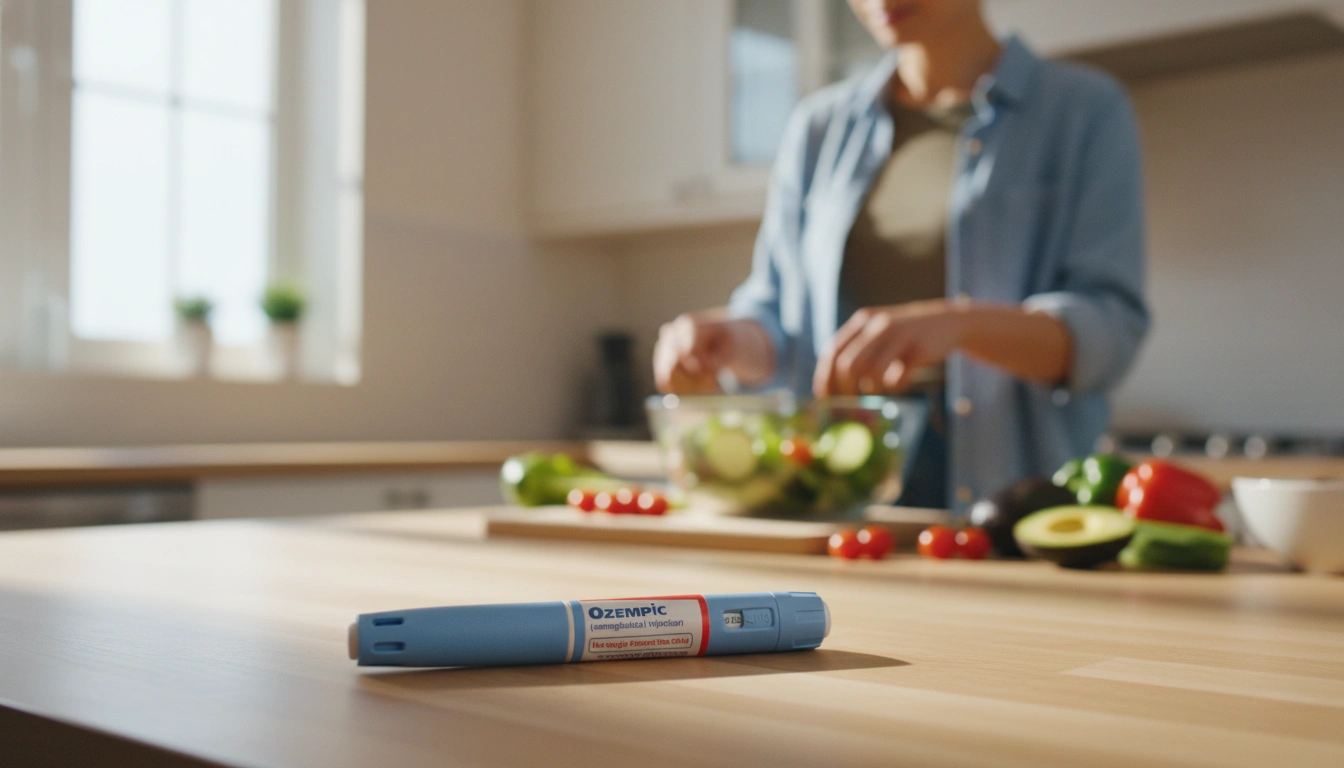
Introduction
The journey toward sustainable weight management often feels like a winding path, filled with questions about the most effective strategies and tools. For many, the advent of GLP-1 medications like Ozempic® and Wegovy® has marked a significant turning point, offering a powerful adjunct to lifestyle changes. These innovative medications work by mimicking natural hormones in the body, primarily influencing satiety, blood sugar regulation, and the rate at which food moves through your digestive system. While their efficacy in supporting weight loss and managing related health conditions is well-documented, integrating them into daily life often brings new considerations, especially regarding diet.
The unique mechanisms of these medications mean that your body processes food differently, which can sometimes lead to unexpected digestive sensations. Understanding how your dietary choices interact with GLP-1 agonists is not merely about avoiding discomfort; it’s about optimizing your experience, enhancing the medication’s benefits, and fostering long-term well-being. This understanding is a cornerstone of effective treatment, ensuring that the powerful tools at your disposal work in harmony with your body.
In this comprehensive guide, we will explore the intricate relationship between GLP-1 medications and your diet. We will delve into specific food categories that often pose challenges, explain why certain foods can exacerbate side effects, and, crucially, illuminate the best dietary practices to support your weight loss journey. Our aim is to equip you with the knowledge to make informed decisions about your food choices, transforming potential obstacles into opportunities for healthier habits. By the end of this post, you’ll have a clearer picture of what should you not eat on Ozempic, along with actionable strategies to nourish your body effectively while on medication. We believe that sustainable weight loss should be achieved through science, empathy, and a transparent approach, and this detailed exploration is designed to be a supportive step in that direction.
Understanding How GLP-1 Medications Work
To fully grasp the importance of dietary considerations while on GLP-1 medications, it’s essential to understand their underlying mechanisms. Medications like Ozempic®, Wegovy®, Mounjaro®, and Zepbound® are part of a class known as GLP-1 receptor agonists. Our journey at TrimRx began with a shared vision to help individuals embrace healthier lifestyles by merging cutting-edge telehealth innovations with effective weight loss solutions, and these medications are a testament to advanced medical science meeting modern technology.
The Role of GLP-1 in Your Body
GLP-1 (Glucagon-Like Peptide-1) is a natural hormone produced in your gut in response to food intake. Its primary functions include:
- Stimulating Insulin Release: When you eat, GLP-1 prompts your pancreas to release insulin, which helps transport glucose from your bloodstream into your cells for energy. This is particularly beneficial for individuals managing type 2 diabetes by helping regulate blood sugar levels.
- Suppressing Glucagon Secretion: GLP-1 also reduces the release of glucagon, another hormone that raises blood sugar, further contributing to glucose control.
- Slowing Gastric Emptying: This is a key mechanism for weight management. GLP-1 slows down the rate at which food leaves your stomach. This means you feel fuller for longer, helping to reduce overall food intake.
- Reducing Appetite and “Food Noise”: GLP-1 acts on receptors in the brain to decrease hunger signals and increase feelings of satiety. Many individuals report a significant reduction in constant thoughts about food, often referred to as “food noise,” which can be liberating for those who struggle with emotional or binge eating.
Connecting Mechanism to Side Effects and Dietary Needs
While these actions are highly beneficial for weight loss and blood sugar management, they can also lead to certain gastrointestinal (GI) side effects. The slowed gastric emptying, in particular, can make some foods more challenging to tolerate. When food remains in the stomach for extended periods, it can cause symptoms such as:
- Nausea
- Vomiting
- Bloating
- Heartburn
- Constipation or, less commonly, diarrhea
- General indigestion
Our approach at TrimRx emphasizes compassionate care that respects every individual’s unique journey. We understand that navigating these side effects requires careful consideration of what you eat. Medications are powerful tools, but they work most effectively when combined with supportive lifestyle changes. They are not a standalone “fix” but rather a vital component of a comprehensive strategy. This is why our platform is a user-friendly and supportive space where individuals receive personalized, medically supervised care, all designed to make sustainable weight loss attainable and tailored to the individual.
To maximize the benefits of your GLP-1 medication and minimize discomfort, understanding dietary interactions is paramount. By making thoughtful food choices, you can work with your medication to achieve your health goals, ensuring you get the essential nutrients your body needs without exacerbating side effects. To discover if a personalized weight loss program, including prescription GLP-1 medications, is right for you, we encourage you to take our free assessment quiz today.
Foods to Approach with Caution While on GLP-1 Medications
When taking GLP-1 medications like Ozempic®, the goal is to support your body in a new way of processing food. This often means adjusting your diet to harmonize with the medication’s effects, particularly its impact on gastric emptying. Identifying what should you not eat on Ozempic or other GLP-1s is crucial for minimizing side effects and enhancing your overall well-being. While there isn’t a universally “forbidden” list, experience and medical insight point to several food categories that are best consumed with caution or limited intake.
High-Fat and Greasy Foods
High-fat and greasy foods are frequently cited as the primary culprits for discomfort among individuals on GLP-1 medications. The reason is rooted in the physiological processes at play.
Why High-Fat Foods Are Problematic
GLP-1 agonists already significantly slow down gastric emptying. Fatty foods, by their very nature, also take a longer time to digest and move through the stomach, even without medication. When these two factors combine, it creates a “double-slowing” effect. The food sits in your stomach for an even longer duration, increasing the likelihood of digestive distress. This extended residence time can lead to a range of uncomfortable symptoms.
Common Examples to Limit
- Fried Foods: Deep-fried chicken, french fries, onion rings, doughnuts. These are often high in unhealthy fats and offer minimal nutritional value, making them a poor choice when appetite is already reduced.
- Red Meat: Burgers, fatty cuts of steak, ribs, and processed meats. Red meats, especially when prepared with added fats, can be particularly challenging due to their high fat content and density, leading to prolonged digestion.
- High-Fat Dairy Products: Full-fat cheese, heavy cream, butter, and rich ice creams. While some dairy can be part of a healthy diet, high-fat versions can contribute to the slowed digestion issue.
- Other Greasy Items: Pizza, pastries, and highly processed snacks. Many processed foods are laden with unhealthy fats and refined carbohydrates, making them difficult to digest and poor sources of essential nutrients.
Potential Side Effects
Consuming high-fat and greasy foods while on GLP-1 medications can frequently trigger:
- Severe Nausea and Vomiting: The most commonly reported side effect, often described as food sitting “like a brick” in the stomach.
- Intense Indigestion and Heartburn: Acid reflux can worsen as stomach contents linger and potentially back up into the esophagus.
- Abdominal Bloating and Discomfort: The extended presence of food can cause significant stomach distension and an uncomfortable feeling of fullness.
- Constipation or Diarrhea: High-fat foods can disrupt normal bowel movements, with some individuals experiencing severe constipation, while others might react with diarrhea.
Given that GLP-1 medications reduce your appetite, every calorie consumed should ideally provide maximum nutrition. High-fat, greasy foods often deliver many calories with little nutritional benefit, working against your weight loss goals and increasing discomfort.
Sugary and Ultra-Processed Foods
Beyond fats, the type of carbohydrates you consume also plays a significant role in your experience with GLP-1 medications. Sugary drinks and ultra-processed foods are another category to limit or avoid.
Why Sugary and Processed Foods Are Problematic
- Blood Sugar Spikes: GLP-1 medications help regulate blood sugar, but consuming foods high in added sugars or refined carbohydrates can counteract this benefit by causing rapid blood glucose spikes. These quick surges and subsequent crashes can leave you feeling fatigued and hungry, undermining the medication’s intended effect of stable blood sugar and reduced appetite.
- Empty Calories: Sugary beverages and ultra-processed snacks are typically dense in calories but poor in essential nutrients like fiber, vitamins, and minerals. When your appetite is suppressed, it’s crucial to prioritize nutrient-dense foods to prevent nutritional deficiencies.
- GI Upset: High sugar intake can contribute to gastrointestinal distress, including bloating, gas, and an upset stomach, which can be amplified by the slowed digestion from GLP-1 medications.
Common Examples to Limit
- Sugar-Sweetened Beverages: Sodas, fruit juices with added sugar, sports drinks, sweetened teas, and specialty coffee drinks.
- Refined Carbohydrates: White bread, white rice, crackers, pasta made from refined flour, cakes, cookies, pastries, and many breakfast cereals.
- Processed Snacks: Chips, candy, and other items with long ingredient lists often containing high fructose corn syrup and unhealthy fats.
Potential Side Effects
- Increased Nausea and Vomiting: Sweet beverages and processed foods can irritate the stomach lining and contribute to nausea.
- Exacerbated GI Upset: Bloating, gas, and stomach cramps may worsen.
- Dehydration Risks: Paradoxically, many sweetened beverages can contribute to dehydration, which itself can worsen GLP-1 side effects like nausea and fatigue.
Our commitment to transparent service at TrimRx ensures that we guide you through these dietary nuances, regardless of dosage changes. We emphasize making informed choices that align with your body’s unique response to medication.
Alcohol
While there’s no direct dangerous interaction between GLP-1 medications and alcohol, approaching alcohol consumption with caution is prudent.
How Alcohol Interacts with GLP-1 Medications
Both alcohol and GLP-1 medications can affect your body in similar ways, leading to compounding effects:
- Increased Nausea and Vomiting: Both substances can independently cause GI distress. Combining them can significantly heighten the risk and severity of nausea and vomiting.
- Dehydration: GLP-1 medications can sometimes lead to fluid loss (especially if you experience vomiting or diarrhea). Alcohol is a diuretic and further contributes to dehydration, potentially leading to extreme fatigue, headaches, and light-headedness.
- Hypoglycemia Risk: For individuals with diabetes, alcohol can lower blood sugar levels by inhibiting the liver’s ability to release glucose. When combined with GLP-1 medications, which also lower blood sugar, there’s an increased risk of hypoglycemia (dangerously low blood sugar).
- Reduced Tolerance: Many individuals report feeling the effects of alcohol more strongly after starting GLP-1 medications, often needing to consume significantly less than before.
Recommendation
It is generally advisable to limit or avoid alcohol while on GLP-1 medications, especially during the initial adjustment phase or if you are experiencing side effects. If you choose to drink, do so in moderation, remain well-hydrated with non-alcoholic beverages, and monitor your body’s response carefully.
Spicy Foods
Spicy foods, while enjoyed by many, can become problematic when on GLP-1 medications.
Why Spicy Foods Can Trigger Heartburn and Nausea
Spicy ingredients can irritate the lining of the stomach and esophagus. More significantly, certain compounds in spicy foods can relax the lower esophageal sphincter, the muscular valve that prevents stomach acid from flowing back into the esophagus. Given that GLP-1 medications slow digestion, food and acid can remain in the stomach longer, increasing the opportunity for reflux when the sphincter is relaxed.
Potential Side Effects
- Heartburn and Acid Reflux: A burning sensation in the chest and throat, often accompanied by regurgitation.
- Worsened Nausea: The irritation from spicy foods can exacerbate existing nausea.
- Stomach Discomfort: General stomach pain, cramping, or indigestion.
Recommendation
If you notice increased heartburn, nausea, or general stomach discomfort after consuming spicy foods, it’s wise to reduce your intake or avoid them altogether while on GLP-1 medications.
High-Fiber Foods (with Nuance)
Fiber is an essential component of a healthy diet, promoting digestive health and satiety. However, for individuals new to GLP-1 medications or those not accustomed to a high-fiber diet, it requires a nuanced approach.
Why Sudden High-Fiber Intake Can Be Problematic
While fiber is generally beneficial, a sudden increase in fiber intake, especially certain types of fiber, can initially exacerbate GI side effects. Since GLP-1 medications slow transit time, a large bolus of fiber can sometimes contribute to:
- Bloating and Gas: Particularly from fermentable fibers found in beans, lentils, and certain vegetables.
- Constipation: If not accompanied by adequate hydration, fiber can lead to stool hardening.
- Diarrhea: In some cases, a rapid increase can overstimulate the bowels, leading to loose stools.
Examples Requiring Gradual Introduction
- Legumes: Beans, lentils, chickpeas.
- Certain Vegetables: Broccoli, cabbage, Brussels sprouts, starchy vegetables like potatoes and corn (especially in large quantities).
- Whole Grains: Some whole-grain products can be very dense in fiber.
- Very Ripe Fruits: While generally healthy, very ripe bananas, mangoes, and pineapple can be higher in natural sugars and dense, potentially slowing digestion.
Recommendation
Do not eliminate fiber from your diet, as it is crucial for overall health, blood sugar control, and preventing muscle loss during weight loss. Instead, introduce high-fiber foods gradually, especially at the beginning of your GLP-1 treatment. Prioritize sources of lean protein, fruits, and vegetables that are easier to digest first. Ensure ample hydration when increasing fiber intake. Our expert team at TrimRx can help you craft a balanced nutritional plan that gradually incorporates fiber in a way that supports your body without causing discomfort. This personalized approach is a hallmark of our comprehensive service, which includes doctor consultations, medication, lab work, unlimited support, and shipping with no hidden fees.
Optimizing Your Diet for Comfort and Results
While understanding what should you not eat on Ozempic is a critical first step, truly optimizing your experience with GLP-1 medications extends to embracing a diet rich in supportive, nutrient-dense foods and adopting strategic eating habits. At TrimRx, we believe in a holistic approach to weight management, combining the power of advanced medical science with practical, sustainable lifestyle changes.
Embracing Nutrient-Dense Choices
When your appetite is reduced by GLP-1 medications, every bite counts. Focusing on foods that provide maximum nutritional value helps ensure you meet your body’s needs, preserve muscle mass, and feel your best.
Prioritizing Lean Proteins
Protein is paramount when you’re on a weight loss journey, especially with GLP-1 medications. It helps maintain muscle mass, promotes satiety, and stabilizes blood sugar.
- Excellent Sources: Lean poultry (chicken, turkey), fish (especially fatty fish like salmon for healthy fats), tofu, tempeh, edamame, lentils, beans, and eggs. Low-fat dairy like plain yogurt and cottage cheese can also be good options.
- Why It Matters: Protein takes longer to digest, which complements the slowed gastric emptying of GLP-1s, keeping you feeling fuller longer without excessive discomfort. Crucially, adequate protein intake helps prevent muscle loss, which can otherwise diminish your metabolism and overall strength during rapid weight loss. Aim to include a source of lean protein with every meal and snack.
Incorporating a Diverse Range of Fruits and Vegetables
Fruits and vegetables are packed with vitamins, minerals, antioxidants, and dietary fiber, all vital for overall health.
- Focus on Variety: Choose a rainbow of colors throughout the week to ensure a broad spectrum of phytonutrients. Examples include leafy greens, bell peppers, carrots, berries, apples, and citrus fruits.
- Mindful Fruit Consumption: While fruit is healthy, some can be higher in natural sugars. Aim for 1-2 servings daily, prioritizing lower-sugar options like berries, kiwi, and grapefruit. View fruit as a healthy snack or dessert.
- Preparation Matters: Steamed, baked, or lightly sautéed vegetables are often easier to digest than raw or heavily fried options. Introducing new vegetables slowly can help your system adjust.
Choosing Whole Grains
Whole grains offer complex carbohydrates and fiber, providing sustained energy and supporting digestive health.
- Good Options: Oats, quinoa, brown rice, barley, and whole-wheat bread (if tolerated).
- Gradual Introduction: As mentioned, if you’re not used to high fiber, introduce whole grains slowly to avoid bloating or gas. Pair them with plenty of water.
Healthy Fats in Moderation
While high-fat foods should be limited, incorporating small amounts of healthy fats is essential for hormone production, nutrient absorption, and satiety.
- Sources: Avocado, nuts, seeds, olive oil.
- Portion Control: Due to their calorie density and potential to slow digestion, healthy fats should be consumed in measured portions.
Strategic Eating Habits
Beyond what you eat, how you eat can significantly impact your comfort and the effectiveness of your medication.
- Smaller, More Frequent Meals: Instead of three large meals, try eating 4-6 smaller meals or snacks throughout the day. This reduces the load on your digestive system and can minimize feelings of extreme fullness, nausea, or bloating.
- Eat Slowly and Chew Thoroughly: Give your body time to register fullness. Eating quickly can lead to overeating and subsequent discomfort. Chewing food completely aids digestion.
- Prioritize Protein First: When you sit down to eat, take a few bites of your protein source first. This ensures you get essential nutrients even if you fill up quickly.
- Stay Hydrated: Dehydration can worsen nausea, constipation, and fatigue. Drink plenty of plain water throughout the day. Clear, cold, sugar-free beverages like unsweetened iced tea (ginger tea can be particularly soothing for nausea) are also excellent choices. Avoid caffeinated and alcoholic beverages, which can dehydrate you.
- Listen to Your Body’s Cues: With GLP-1 medications, your hunger and fullness signals change. Pay attention to early signs of satiety and stop eating when you feel satisfied, not stuffed.
- Avoid Eating Right Before Bed: Give your body at least 2-3 hours to digest before lying down to prevent heartburn and discomfort. A post-meal stroll can also aid digestion and reduce symptoms.
Beyond Food: Lifestyle Support
Dietary adjustments are a significant part of the puzzle, but they are just one piece of a comprehensive weight management strategy.
- Physical Activity: Regular exercise, particularly strength training, is crucial for preserving muscle mass during weight loss. Even mild activity like a short walk after meals can aid digestion and alleviate discomfort.
- Medication Adherence and Communication: Always take your medication as instructed by your healthcare provider. If you experience persistent or severe side effects, communicate openly with your TrimRx doctor. Our approach remains consistent regardless of dosage changes, and we partner with FDA-registered and inspected pharmacies for the shipping of weight loss medications to ensure your safety and treatment efficacy. While TrimRx provides access to medical supervision, it’s important to clarify that we do not provide actual medical supervision ourselves.
- Consider Over-the-Counter Relief: For mild symptoms like heartburn or gas, over-the-counter medications like antacids or gas relief chews can be helpful, but always discuss these with your TrimRx healthcare provider first.
Our personalized programs at TrimRx are designed to guide you through these lifestyle shifts, providing the support and expertise needed for lasting success. We combine advanced medical science with modern technology to ensure you have all the tools for your journey.
The TrimRx Difference: Your Partner in Personalized Weight Loss
At TrimRx, our journey began with a shared vision to help individuals embrace healthier lifestyles by merging cutting-edge telehealth innovations with effective weight loss solutions. We understand that sustainable weight loss is not a one-size-fits-all endeavor; it requires a deeply personalized approach rooted in science, empathy, and transparency. Our brand is empathetic, innovative, trustworthy, supportive, results-oriented, and personalized, and we are committed to providing compassionate care that respects every individual’s unique journey.
Our Holistic Approach to Weight Management
We offer a comprehensive service designed to make sustainable weight loss attainable and tailored to you. This means providing more than just medication; it means offering a complete ecosystem of support:
- Expert Doctor Consultations: Our licensed medical professionals assess your health history, discuss your goals, and determine your eligibility for our personalized treatment plans.
- Medication Access: We provide access to clinically proven weight loss medications, including Compounded Semaglutide, Oral Semaglutide, Ozempic®, Compounded Tirzepatide, Oral Tirzepatide, Mounjaro®, Zepbound®, and Wegovy®. It’s important to note that while branded medications like Ozempic®, Mounjaro®, Zepbound®, and Wegovy® are FDA-approved, compounded medications are provided through FDA-registered and inspected pharmacies. Our commitment to safety means we work exclusively with these trusted pharmacies for the shipping of your medications.
- Essential Lab Work: To ensure your treatment is safe and effective, we incorporate necessary lab work as part of our comprehensive program.
- Unlimited Support: Your journey is important to us. We provide ongoing support to address your questions and help you navigate challenges. Our team is dedicated to being with you every step of the way.
- Transparent Service: We believe in clarity and honesty. Our approach remains consistent, and you can trust that our comprehensive service includes shipping with no hidden fees.
Our platform is a user-friendly and supportive space where individuals receive personalized, medically supervised care. We blend advanced medical science with modern technology to deliver a seamless and effective experience.
Starting Your Personalized Journey
Understanding what should you not eat on Ozempic is just one piece of a larger, personalized puzzle. To see if our prescription weight loss medications are suitable for you, we invite you to take the first step towards a healthier future.
- Take Our Free Assessment Quiz: Our personalized assessment helps us understand your unique needs and determine your eligibility for a customized treatment plan. It’s a quick and easy way to begin your transformation. Ready to explore a personalized path to weight loss? Take our free assessment quiz now.
Immediate Support for Your Wellness
We also recognize that sometimes you need immediate support to complement your weight loss journey and overall well-being. For those looking for quick-access supplements that do not require a quiz, we offer:
- GLP-1 Daily Support: Designed to complement the body’s natural processes, this supplement can be a great addition to your wellness routine. Learn more and purchase your GLP-1 Daily Support here.
- Weight Loss Boost: This supplement is formulated to support your efforts in achieving your weight management goals. Discover the benefits and get your Weight Loss Boost today.
At TrimRx, we are committed to being your trusted partner, providing the tools, knowledge, and support you need to achieve safe, effective, and sustainable weight loss. Our empathetic approach, combined with innovative solutions and a focus on results, empowers you to embrace a healthier lifestyle.
Conclusion
Embarking on a weight loss journey with GLP-1 medications like Ozempic® and others is a powerful step towards improved health and well-being. This journey, however, is most effective when approached holistically, with a clear understanding of how your body responds to both medication and dietary choices. We’ve explored in depth what should you not eat on Ozempic, identifying high-fat, sugary, ultra-processed, alcoholic, and overly spicy foods as common culprits for discomfort and as inhibitors of optimal results. We’ve also highlighted the nuanced approach required for high-fiber foods, stressing the importance of gradual introduction and adequate hydration.
The key takeaway is clear: thoughtful dietary decisions are not just about avoiding unpleasant side effects, but about maximizing the therapeutic benefits of your medication. By prioritizing lean proteins, diverse fruits and vegetables, and whole grains, and by adopting mindful eating habits, you can work in harmony with your body and your treatment plan. This synergistic approach helps preserve muscle mass, stabilize blood sugar, enhance satiety, and significantly improve your overall experience.
At TrimRx, we stand as your dedicated partner, providing personalized, medically supervised care that integrates cutting-edge telehealth with effective weight loss solutions. Our commitment to science, empathy, and transparency underpins every aspect of our service, from expert consultations and access to FDA-registered and inspected pharmacies for medication shipping to unlimited support and no hidden fees. We believe that true success lies in empowering you with the knowledge and tools to make lasting changes.
If you’re ready to unlock the full potential of your weight loss journey with a program designed specifically for you, we encourage you to take our free assessment quiz today. For immediate support, explore our GLP-1 Daily Support and Weight Loss Boost supplements. Together, we can build a foundation for sustainable health and a more vibrant future.
Frequently Asked Questions (FAQ)
What specific types of foods are most likely to cause nausea when taking Ozempic?
High-fat and greasy foods are the most common culprits for increased nausea and vomiting when taking Ozempic. This includes items like fried chicken, burgers, pizza, and high-fat dairy. These foods naturally take longer to digest, and when combined with Ozempic’s slowed gastric emptying, they can sit in the stomach for extended periods, leading to significant discomfort.
Can I still eat healthy high-fiber foods like vegetables and whole grains while on GLP-1 medications?
Yes, absolutely, but with caution and a gradual approach. High-fiber foods are crucial for overall health and muscle preservation during weight loss. However, a sudden increase in fiber, especially at the beginning of your treatment, can sometimes cause bloating, gas, or changes in bowel movements. We recommend introducing fiber-rich foods like vegetables, fruits, and whole grains slowly and ensuring you stay well-hydrated to help your digestive system adjust. Our personalized programs can help you integrate these foods effectively.
Is alcohol completely off-limits when I’m on Ozempic or similar medications?
While there isn’t a direct dangerous interaction between GLP-1 medications and alcohol, it’s advisable to approach alcohol with caution and in moderation. Both alcohol and GLP-1s can cause dehydration and gastrointestinal upset, and their combined effect can intensify these symptoms. For individuals with diabetes, there’s also an increased risk of hypoglycemia. If you choose to drink, do so sparingly, stay hydrated with water, and pay close attention to how your body responds.
How can TrimRx help me personalize my diet while I’m on a GLP-1 medication?
At TrimRx, we offer a comprehensive, personalized program that includes expert doctor consultations and unlimited support. Our medical team assesses your individual health profile and helps you understand how to optimize your diet alongside your medication. This personalized approach ensures you receive guidance tailored to your specific needs and responses, helping you manage side effects and achieve sustainable weight loss. To get started, you can take our free assessment quiz to see if you qualify for our prescription weight loss medications and a personalized treatment plan.

Transforming Lives, One Step at a Time
Keep reading

What to Do If Your Ozempic Pen Malfunctions
You’ve set aside time for your weekly injection, you pick up the pen, and something isn’t right. Maybe the dose button won’t push down,…

Ozempic and Water Retention: What Patients Notice
Water retention on Ozempic sits in a confusing middle ground. Some patients notice puffiness or swelling, particularly in the hands, feet, or ankles, while…
Ozempic and Heartburn: Managing Acid Reflux on GLP-1
Heartburn on Ozempic tends to surprise people. You’re eating less, your meals are smaller, and yet you’re experiencing more acid reflux than before. It…


