Navigating Your Plate: What to Eat on Ozempic Shot Day and Beyond
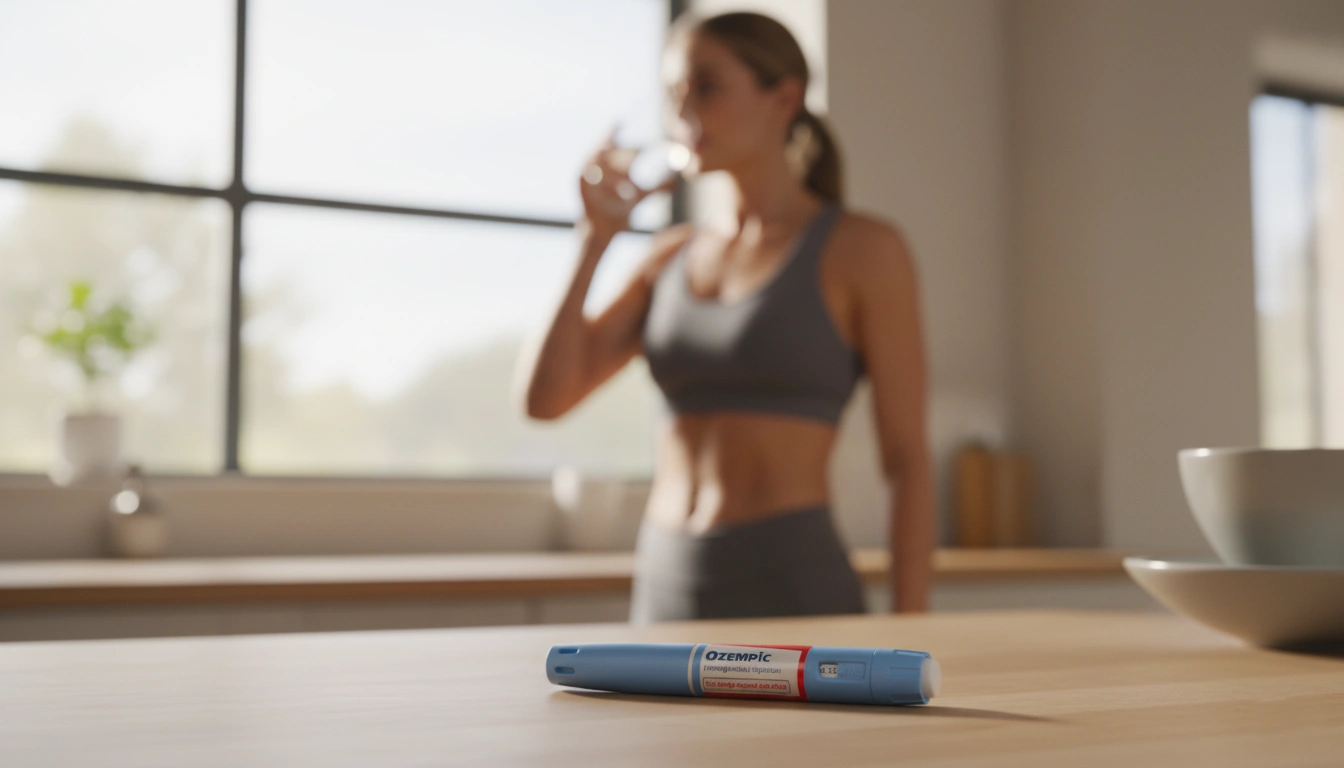
The journey toward improved health and sustainable weight management often involves powerful tools, and for many, medications like Ozempic, a semaglutide, have emerged as transformative allies. However, embarking on this path can bring new considerations, particularly regarding diet. The moment you take your weekly dose can trigger a cascade of questions: What should I eat to feel my best? How can I minimize potential side effects? And how do I ensure I’m still getting all the nutrients my body needs when my appetite might be changing?
This isn’t about rigid rules or a temporary “diet” but rather about understanding how your body interacts with these medications and making informed nutritional choices that support your goals. Semaglutide, whether in its branded forms like Ozempic or Wegovy, or as a compounded formulation, works by influencing several bodily systems, notably by slowing gastric emptying and impacting appetite signals in the brain. While these mechanisms are central to its effectiveness in regulating blood sugar and promoting weight loss, they can also lead to gastrointestinal side effects such as nausea, bloating, or changes in bowel habits.
In this comprehensive guide, we’ll delve into the science behind how these medications influence your digestive system and appetite. We’ll explore optimal dietary strategies, focusing on the kinds of foods that tend to be well-tolerated and those that might exacerbate discomfort, especially around the day you administer your shot. Beyond just what to eat on Ozempic shot day, we’ll provide practical tips for meal planning, hydration, and mindful eating that can make your entire weight loss journey smoother and more successful. Our aim at TrimRx is to empower you with the knowledge and support needed to thrive, emphasizing personalized, medically supervised care that respects your unique body and goals. By the end of this post, you’ll have a clearer roadmap for navigating your nutritional choices, helping you to feel confident and sustained as you work towards a healthier lifestyle.
Understanding GLP-1 Medications and Their Impact on Digestion
For individuals on a weight loss journey, particularly those utilizing GLP-1 receptor agonists like semaglutide (found in Ozempic and Wegovy, and also available as compounded or oral semaglutide) or dual GIP/GLP-1 receptor agonists like tirzepatide (found in Mounjaro and Zepbound, and also available as compounded or oral tirzepatide), understanding the intricate ways these medications interact with the body is paramount. At TrimRx, our journey began with a shared vision to help individuals embrace healthier lifestyles by merging cutting-edge telehealth innovations with effective weight loss solutions. This means we’re committed to providing the foundational knowledge that empowers you to make informed decisions about your health.
How GLP-1s Work: Beyond Blood Sugar Control
GLP-1 medications are a class of drugs that mimic the action of a natural hormone called glucagon-like peptide-1. This hormone plays a crucial role in regulating blood sugar by stimulating insulin release when blood sugar levels are high and inhibiting glucagon secretion. Beyond their well-known benefits for managing type 2 diabetes, these medications also have a profound impact on weight loss.
The key mechanisms at play include:
- Slowing Gastric Emptying: This means food stays in your stomach for a longer period. This contributes to a sustained feeling of fullness, which can significantly reduce overall calorie intake.
- Appetite Suppression: GLP-1s act on appetite centers in the brain, reducing hunger signals and helping to diminish what many describe as “food noise” – those intrusive thoughts about food that can undermine weight loss efforts. This makes it easier to adhere to healthier eating patterns.
- Improved Satiety: By promoting a feeling of being comfortably full, these medications help you consume smaller portions and avoid overeating, a common challenge in weight management.
When we talk about products like Ozempic®, Wegovy®, Mounjaro®, Zepbound®, or our expertly developed compounded Semaglutide and Tirzepatide formulations, we are referencing powerful tools designed to support these physiological changes. These medications, when part of a personalized plan, work in harmony with your body to foster sustainable habits. To explore if a prescription weight loss medication is right for you, we encourage you to take our free assessment quiz.
The Link Between Slowed Digestion and Side Effects
While the slowed digestion brought about by GLP-1 medications is a significant advantage for weight loss, it’s also the primary reason some individuals experience gastrointestinal side effects. When food remains in the stomach for an extended duration, it can sometimes lead to discomfort. Common side effects reported by those taking these medications include:
- Nausea and Vomiting: Often triggered by certain foods that are difficult to digest.
- Bloating and Heartburn: The prolonged presence of food in the stomach can lead to increased pressure and acid reflux.
- Constipation or Diarrhea: Changes in gut motility can affect bowel regularity.
Understanding these potential effects is not meant to be discouraging, but rather to empower you with knowledge to proactively manage your diet and lifestyle. Our empathetic and supportive approach at TrimRx means we’re here to help you navigate these nuances. We believe that with the right guidance and a personalized plan, these side effects can often be minimized, allowing you to focus on the positive transformations these medications can bring. Our commitment to transparent service means our approach remains consistent, focusing on your safety by working exclusively with FDA-registered and inspected pharmacies for the shipment of your weight loss medications.
What to Eat on Ozempic Shot Day: Navigating Your Diet with Care
The day you administer your Ozempic (semaglutide) shot, or any GLP-1 medication, can be a pivotal time for your dietary choices. While there isn’t a universally prescribed “Ozempic diet,” adopting a mindful approach to eating can significantly reduce the likelihood and severity of side effects, helping you maintain consistency and comfort throughout your weight loss journey. The goal is to nourish your body effectively while accommodating the changes in digestion and appetite that these medications bring.
Prioritizing Nutrient-Dense Foods
When your appetite is reduced, every bite counts. Focusing on nutrient-dense foods ensures your body receives essential vitamins, minerals, fiber, and protein, even when consuming fewer calories overall.
Lean Proteins
Protein is arguably the most crucial macronutrient when taking GLP-1 medications. It helps preserve muscle mass during weight loss, promotes satiety, and is vital for overall metabolic health. Aim for high-quality, lean protein sources, especially in the initial hours after your shot.
- Examples: Skinless chicken breast, turkey, fish (like salmon, cod, or tuna), eggs, Greek yogurt, cottage cheese, tofu, tempeh, lentils, beans, and edamame.
- Practical Tip: Consider starting your meals with protein to ensure you get adequate amounts before feeling too full. For instance, a small portion of grilled chicken or a hard-boiled egg can be a good choice for what to eat on Ozempic shot day.
Fruits and Non-Starchy Vegetables
These are powerhouses of fiber, vitamins, minerals, and antioxidants, all while being low in calories. They contribute to feelings of fullness and support digestive health, which is particularly important given the slowed gastric emptying.
- Non-starchy vegetables: Leafy greens (spinach, kale), broccoli, cauliflower, bell peppers, cucumbers, zucchini, asparagus, mushrooms, and tomatoes. These can be consumed liberally.
- Fruits: Berries (strawberries, raspberries), apples, oranges, and melon are excellent sources of natural sugars, fiber, and hydration.
- Fiber Considerations: While fiber is generally good, some individuals might find very high-fiber raw cruciferous vegetables (like raw broccoli or cabbage) challenging to digest on shot day or when first starting the medication. Cooking these vegetables can make them easier on your digestive system.
Healthy Fats (in moderation)
While essential for hormone production, vitamin absorption, and satiety, healthy fats should be consumed mindfully on GLP-1 medications. Fats naturally slow digestion, and combining this with the medication’s effect can sometimes lead to increased discomfort.
- Examples: Avocado, olive oil, nuts, and seeds.
- Practical Tip: Opt for small portions of healthy fats. For example, a slice of avocado with your meal or a sprinkle of chia seeds rather than a large handful of nuts. Listen to your body’s individual tolerance; some may find certain fats more problematic than others.
Whole Grains (in moderation)
Whole grains provide sustained energy and fiber, which can help regulate blood sugar and aid digestion. However, like fats, their slower digestion rate means portion control is key.
- Examples: Brown rice, quinoa, whole-wheat bread or pasta (in small amounts), oats, and farro.
- Practical Tip: Choose whole grains over refined carbohydrates. A small serving of cooked quinoa or oats can be a gentle and nourishing option.
Foods to Approach with Caution or Limit
Certain foods, due to their composition, can exacerbate the common side effects of GLP-1 medications. Limiting or avoiding these, especially around shot day, can significantly improve your comfort.
High-Fat and Greasy Foods
These are often the biggest culprits for triggering nausea, indigestion, and heartburn because they take a long time to digest.
- Examples: Fried foods (e.g., fried chicken, French fries), greasy burgers, high-fat processed meats, large amounts of cheese, butter, and excessive oils.
- Why they’re problematic: GLP-1s already slow digestion, and high-fat foods further prolong this process, leaving them in your stomach for even longer and increasing the chance of discomfort.
High-Sugar and Ultra-Processed Foods
Foods high in sugar and those that are ultra-processed offer little nutritional value and can lead to blood sugar spikes and crashes, which can make you feel tired, nauseous, or light-headed.
- Examples: Sugary drinks (soda, fruit juices, sweet tea), candy, cakes, cookies, pastries, chips, and many ready-to-eat meals.
- Why they’re problematic: Beyond their low nutritional density, these foods can disrupt stable blood sugar levels and contribute to overall gastrointestinal upset.
Refined Carbohydrates
While not always sugary, refined carbohydrates can also be heavy and difficult to digest, similar to ultra-processed foods.
- Examples: White bread, white pasta, crackers, and many breakfast cereals.
- Why they’re problematic: They lack the fiber of whole grains, leading to quicker digestion but potentially still causing discomfort due to their density when gastric emptying is slowed.
Spicy Foods
For some individuals, spicy foods can irritate the digestive tract and trigger heartburn, a common side effect of GLP-1 medications.
- Why they’re problematic: The increased acidity or irritation can be compounded by the slower movement of food through the stomach.
Caffeine and Alcohol
Both caffeine and alcohol can have varied effects on individuals taking GLP-1 medications.
- Caffeine: In large amounts, caffeine can exacerbate heartburn or cause dehydration. If you consume coffee, consider it plain and in moderation, avoiding sugary additives.
- Alcohol: Alcohol offers empty calories and can worsen side effects like nausea and vomiting. It can also interfere with blood sugar regulation and potentially lower blood sugar too much for some individuals. It’s often best to limit or avoid alcohol, especially around shot day. Research even suggests that semaglutide may be associated with reduced cravings for alcohol, making it potentially easier to cut back.
The Importance of Hydration
Staying well-hydrated is critical, regardless of your diet, but it becomes even more vital when taking GLP-1 medications. Dehydration can worsen nausea and contribute to constipation, a frequent side effect.
- Fluid Choices: Plain water is best. You can also opt for clear, ice-cold beverages, herbal teas (like ginger tea to help with nausea), or infused water.
- Water-Rich Foods: Incorporate foods with high water content, such as soups (broth-based), watermelon, oranges, strawberries, cucumbers, and lettuce, to supplement your fluid intake.
- Practical Tip: Sip fluids slowly throughout the day rather than chugging large amounts at once, which can sometimes lead to feeling overly full or bloated.
By being mindful of these dietary considerations, especially around what to eat on Ozempic shot day, you can proactively manage your comfort and support the effectiveness of your weight loss medication. Remember, personalized care is key, and at TrimRx, we are committed to helping you find what works best for your unique journey. If you’re looking for additional support to help you feel your best, our GLP-1 Daily Support supplement is available for immediate purchase.
Practical Strategies for Eating on Your Weight Loss Journey
Beyond knowing what foods to prioritize or limit, adopting certain eating habits and lifestyle adjustments can significantly enhance your experience with GLP-1 medications like Ozempic. These strategies are not just about managing side effects; they are about fostering a sustainable and healthy relationship with food that supports your long-term wellness goals.
Eating Smaller, More Frequent Meals
One of the most effective strategies for individuals on GLP-1 medications is to shift from three large meals a day to smaller, more frequent portions. The slowed gastric emptying means your stomach feels fuller for longer, and attempting to consume a large meal can easily lead to uncomfortable bloating, nausea, or indigestion.
- Why it helps: Eating smaller amounts at regular intervals allows your digestive system to process food more gently, preventing the feeling of being “too full” or nauseous. It also helps to keep your blood sugar levels more stable throughout the day.
- Practical application: Instead of a traditional breakfast, lunch, and dinner, consider splitting your daily intake into five or six mini-meals or substantial snacks. For example, a small bowl of Greek yogurt and berries for breakfast, a handful of almonds as a mid-morning snack, grilled fish with steamed vegetables for lunch, a piece of fruit in the afternoon, and a light soup for dinner.
Mindful Eating Practices
Mindful eating is a powerful tool on any weight loss journey, and its benefits are amplified when taking medications that alter appetite and digestion. It involves paying full attention to your food, your body’s signals, and the entire eating experience.
- Eat Slowly: It takes time for your brain to register fullness, especially with slower digestion. Put down your fork between bites, savor the flavors, and take your time. This can prevent overeating and reduce discomfort.
- Chew Thoroughly: Proper chewing is the first step in digestion. Breaking down food into smaller particles makes it easier for your stomach to process, reducing the load on your digestive system.
- Listen to Satiety Cues: GLP-1 medications enhance your body’s natural fullness signals. Pay attention to the first signs of satisfaction, rather than eating until you feel completely stuffed. Stopping at about 80% full is a good target. This helps you avoid the severe discomfort that can come from overeating on these medications.
The Power of Gentle Movement
Incorporating physical activity, particularly after meals, can significantly aid digestion and support overall well-being.
- Post-Meal Strolls: Taking a short, gentle walk (even 10-15 minutes) after eating can help stimulate gastric motility, assisting food in moving through your digestive system more efficiently. This can alleviate feelings of fullness, bloating, and heartburn.
- Resistance Training: To maintain muscle mass while losing weight, especially when on GLP-1 medications, integrating resistance training is crucial. Aim for a couple of sessions per week, focusing on major muscle groups. This not only supports your physical strength but also helps improve insulin sensitivity.
Adherence to Medication Instructions
While this might seem obvious, strictly following the administration instructions for your specific GLP-1 medication is fundamental to its effectiveness and to minimizing side effects.
- Injectable Semaglutide (Ozempic®, Wegovy®): These can typically be administered with or without food. The timing of your meals around the injection day is more about managing potential side effects.
- Oral Semaglutide (Rybelsus®) or Oral Tirzepatide: If you are prescribed an oral form of these medications, such as our available Oral Semaglutide or Oral Tirzepatide, it’s generally recommended to take it on an empty stomach with a few sips of plain water, at least 30 minutes before eating or drinking anything else. This ensures maximum absorption.
Our comprehensive service at TrimRx includes doctor consultations, where these specific instructions will be clearly communicated and tailored to your individual treatment plan. We emphasize a compassionate care approach that respects every individual’s unique journey, combining advanced medical science with modern technology. Our dedicated team is here to provide unlimited support and guidance throughout your weight loss transformation.
The TrimRx Difference: Personalized Support for Your Journey
At TrimRx, we understand that successful weight loss is more than just medication; it’s a holistic journey that requires science, empathy, and unwavering support. Our platform is a user-friendly and supportive space where individuals receive personalized, medically supervised care—all designed to make sustainable weight loss attainable and tailored to the individual. Our journey began with a shared vision: to help individuals embrace healthier lifestyles by merging cutting-edge telehealth innovations with effective weight loss solutions.
Our Commitment to Individualized Care
We recognize that every person’s body, lifestyle, and challenges are unique. That’s why personalization is at the heart of everything we do. Our brand personality is rooted in being empathetic, innovative, trustworthy, supportive, results-oriented, and profoundly personalized. We offer compassionate care that respects your individual journey, ensuring that your treatment plan is not a one-size-fits-all solution but precisely crafted for you. We believe that sustainable weight loss should be achieved through science, empathy, and a transparent approach.
Comprehensive Programs for Prescription Medications
For those seeking powerful prescription-strength support for weight management, TrimRx offers access to a range of clinically proven medications. Our offerings include:
- Compounded Semaglutide
- Oral Semaglutide
- Ozempic®
- Compounded Tirzepatide
- Oral Tirzepatide
- Mounjaro®
- Zepbound®
- Wegovy®
It’s important to note that while branded medications like Ozempic®, Wegovy®, Mounjaro®, and Zepbound® are FDA-approved, our compounded medications are prepared by FDA-registered and inspected pharmacies. We partner exclusively with these highly reputable pharmacies for the shipping of all weight loss medications, ensuring your safety and the quality of your treatment.
To begin your journey with these prescription medications, you’ll need to complete our free assessment quiz. This crucial step helps us determine your eligibility and allows our medical team to craft a personalized treatment plan specifically for you. Our comprehensive service goes beyond just providing medication; it includes essential components like doctor consultations, necessary lab work, unlimited support from our team, and convenient shipping—all with no hidden fees. Our commitment to transparent service means our approach remains consistent regardless of dosage changes.
Quick-Access Supplements for Holistic Well-being
We also understand that sometimes, immediate support for your overall wellness can make a significant difference in your weight loss journey. For those moments, or as an adjunct to a comprehensive plan, we offer quick-access supplements that do not require a quiz for purchase:
- GLP-1 Daily Support: Designed to complement your weight management efforts.
- Weight Loss Boost: Another option to support your body’s needs.
These supplements are available for immediate purchase, providing additional tools to help you feel your best as you pursue a healthier lifestyle.
Transparent and Safe Practices
Your safety and trust are our highest priorities. We maintain a clear focus on safety by working exclusively with FDA-registered and inspected pharmacies. These pharmacies are responsible for preparing and shipping your weight loss medications. It’s important to clarify that TrimRx partners with these pharmacies for the shipping of weight loss medications and does not provide actual medical supervision; that crucial role is fulfilled by our network of licensed medical professionals who conduct consultations and develop your personalized treatment plan. This meticulous process ensures that you receive high-quality care and medications, aligning with our values of integrity and excellence.
Beyond Diet: Lifestyle Factors for Success
While making informed dietary choices is critical, particularly around what to eat on Ozempic shot day, a truly successful and sustainable weight loss journey encompasses a broader range of lifestyle factors. These elements work in synergy with your medication and dietary adjustments to optimize your health, minimize discomfort, and enhance your overall well-being.
The Role of Exercise
Physical activity is a non-negotiable companion to any weight management program, and its importance is amplified when taking GLP-1 medications.
- Maintaining Muscle Mass: When you lose weight, there’s always a risk of losing some muscle along with fat. Incorporating resistance training—whether through bodyweight exercises, bands, or free weights—is crucial for preserving muscle mass. Muscle is metabolically active tissue, meaning it helps burn more calories even at rest. Aim for at least two to three resistance training sessions per week to support your metabolism and strength.
- Improving Digestion and Blood Sugar: Gentle aerobic activity, such as a brisk walk after meals, can significantly aid digestion by promoting gut motility. This can help alleviate feelings of bloating and discomfort. Furthermore, exercise enhances insulin sensitivity, helping your body utilize glucose more efficiently and contributing to stable blood sugar levels.
Listening to Your Body
One of the most profound lessons on a weight loss journey is the importance of tuning into your body’s unique signals. GLP-1 medications alter how your body processes and responds to food, making this self-awareness even more vital.
- Tracking Food and Symptoms: Consider keeping a simple food diary for a few weeks, noting not just what you eat but also how you feel afterward. This can help you identify specific foods or eating patterns that trigger side effects or make you feel particularly good. This personalized data is invaluable for refining your dietary approach.
- Communicating with Healthcare Providers: You are not alone on this journey. If you’re experiencing persistent or bothersome side effects, or if you have concerns about your diet, always communicate with your prescribing physician and our supportive team at TrimRx. They can offer guidance, suggest adjustments to your medication dosage if appropriate, or recommend strategies to manage symptoms. Our commitment to transparent service ensures consistent support, and our network of experts is here to provide medically supervised care. To connect with our medical team and begin your personalized plan, remember to take our free assessment quiz.
The Long-Term Perspective
Weight loss with GLP-1 medications is a powerful tool, but it’s most effective when viewed as part of a long-term commitment to a healthier lifestyle, not a temporary fix.
- Building Sustainable Habits: The goal is to cultivate eating patterns and physical activity routines that you can maintain long after your initial weight loss phase. This means focusing on balanced nutrition, mindful eating, and regular movement that feels enjoyable and sustainable.
- Embracing a Holistic View: True well-being extends beyond the scale. It includes mental health, sleep quality, stress management, and a positive self-image. TrimRx is dedicated to helping you achieve overall health, providing a platform where comprehensive care supports every aspect of your journey.
By integrating these lifestyle factors, you create a robust foundation for success. It’s about empowering yourself with knowledge, listening to your body, and leveraging the expert support available through TrimRx to achieve and maintain a healthier, happier life. For immediate support in your wellness journey, consider exploring our GLP-1 Daily Support or Weight Loss Boost supplements.
Conclusion
Embarking on a weight loss journey with medications like Ozempic, or other GLP-1 receptor agonists, marks a significant step towards a healthier future. Understanding what to eat on Ozempic shot day and consistently applying mindful dietary strategies is not just about avoiding discomfort, but about maximizing the medication’s benefits and fostering a sustainable path to well-being. By prioritizing lean proteins, nutrient-dense fruits and vegetables, and healthy fats in moderation, while cautiously approaching or limiting high-fat, high-sugar, and ultra-processed foods, you can significantly enhance your comfort and progress. Hydration, smaller frequent meals, mindful eating, and gentle exercise further solidify this foundation.
At TrimRx, we are committed to providing you with the personalized, medically supervised care that empowers such transformation. Our platform is built on science, empathy, and transparency, offering comprehensive programs that include doctor consultations, medication sourced from FDA-registered and inspected pharmacies, lab work, unlimited support, and convenient shipping—all without hidden fees. We believe that true success lies in a tailored approach that respects your unique body and lifestyle.
Whether you’re exploring our prescription weight loss medications like Compounded Semaglutide, Oral Semaglutide, Ozempic®, Compounded Tirzepatide, Oral Tirzepatide, Mounjaro®, Zepbound®, or Wegovy®—which all begin with our essential free assessment quiz—or seeking immediate wellness support through our GLP-1 Daily Support or Weight Loss Boost supplements, we are here to guide you. Together, we can build a personalized strategy that not only helps you achieve your weight loss goals but also instills lasting habits for a vibrant and healthy life. Your journey to a healthier you is our shared mission, and we are honored to be your partner every step of the way.
Frequently Asked Questions (FAQ)
Q1: Is there a specific “Ozempic diet” I should follow?
No, there isn’t one specific “Ozempic diet” that applies to everyone. The most effective approach is a personalized one, focusing on nutrient-dense foods, lean proteins, and plenty of fruits and vegetables, while being mindful of foods that can trigger side effects. Medications like Ozempic, or our other GLP-1 options such as compounded semaglutide or tirzepatide, work best when combined with healthy eating habits tailored to your individual needs and tolerance. Our medical team at TrimRx emphasizes creating a personalized plan after you complete our free assessment quiz.
Q2: What should I do if I experience side effects from certain foods?
If you experience side effects like nausea, bloating, or discomfort after eating certain foods while on Ozempic or similar medications, the best approach is to identify and limit those triggers. Common culprits include high-fat, greasy, very sugary, or ultra-processed foods. Try eating smaller, more frequent meals, chewing thoroughly, and staying well-hydrated. If symptoms persist or are severe, it’s crucial to consult with your prescribing healthcare provider. Our TrimRx support team is also available to offer guidance and help you navigate these challenges.
Q3: How important is protein intake when taking GLP-1 medications?
Protein intake is extremely important when taking GLP-1 medications. These medications, while aiding in weight loss, can sometimes lead to muscle loss if protein intake is insufficient. Protein helps preserve muscle mass, keeps you feeling fuller for longer, and supports overall metabolic health. We recommend prioritizing lean protein sources at each meal to ensure your body receives adequate nutrition while on your weight loss journey.
Q4: Can I still enjoy my favorite foods while on Ozempic?
Yes, you can still enjoy your favorite foods, but often in moderation and with mindful adjustments. The goal is not to eliminate entire food groups but to understand how certain foods affect you while on GLP-1 medications. You might find that smaller portions of previously enjoyed foods are more tolerable, or that cooking methods (e.g., baking instead of frying) can make a difference. The key is to listen to your body, make informed choices, and gradually build sustainable habits. Our personalized approach at TrimRx aims to integrate healthy eating into your lifestyle without feeling overly restrictive.

Transforming Lives, One Step at a Time
Keep reading
What to Do If Your Ozempic Pen Malfunctions
You’ve set aside time for your weekly injection, you pick up the pen, and something isn’t right. Maybe the dose button won’t push down,…

Ozempic and Water Retention: What Patients Notice
Water retention on Ozempic sits in a confusing middle ground. Some patients notice puffiness or swelling, particularly in the hands, feet, or ankles, while…
Ozempic and Heartburn: Managing Acid Reflux on GLP-1
Heartburn on Ozempic tends to surprise people. You’re eating less, your meals are smaller, and yet you’re experiencing more acid reflux than before. It…


