Navigating Your Sweet Tooth: Can I Eat Chocolate on Ozempic?
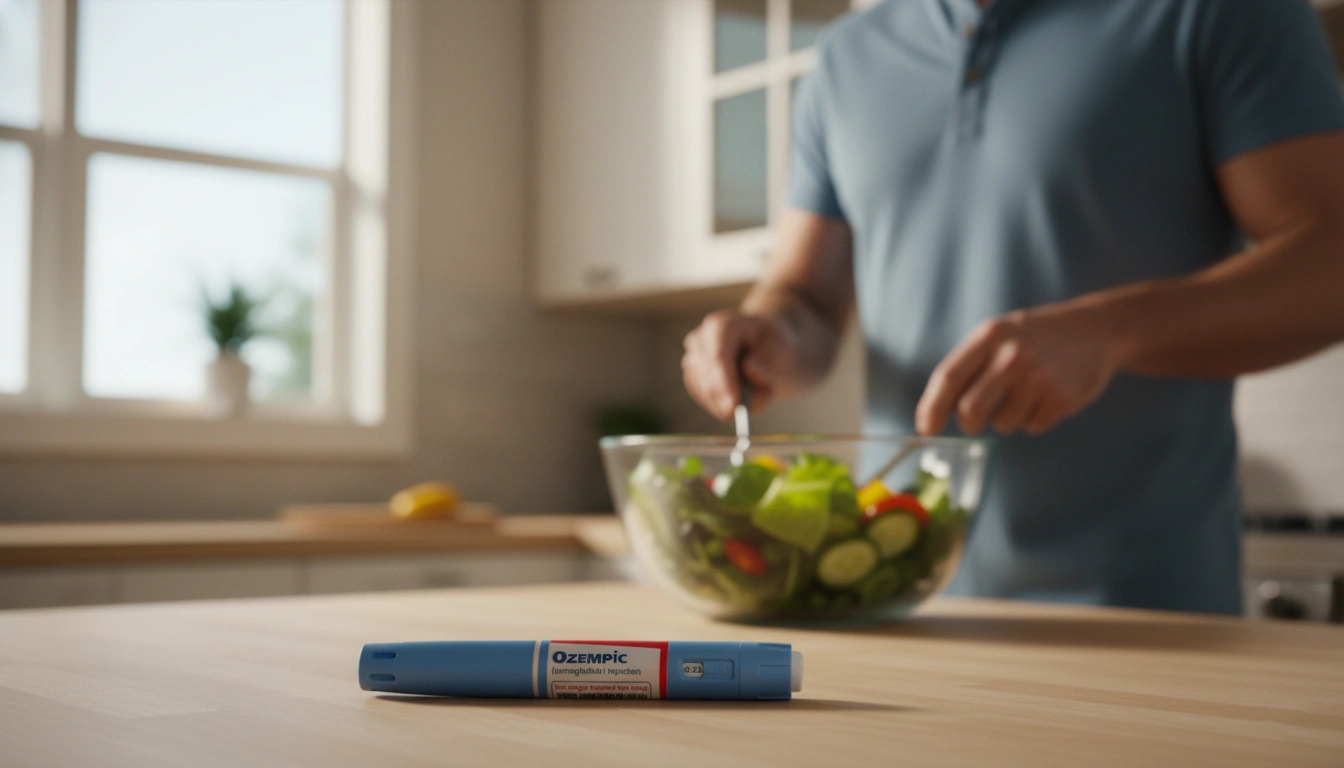
Introduction
For many of us, the aroma of melting chocolate or the comforting taste of a sweet treat holds a special place in our daily lives. It’s often more than just a food; it’s a moment of solace, a celebration, or a simple pleasure. However, for individuals embarking on a weight loss journey, particularly those utilizing innovative medical solutions like Ozempic or other GLP-1 receptor agonists, questions naturally arise about how these cherished indulgences fit into a new dietary landscape. The idea of restricting beloved foods can feel daunting, leading to uncertainty about what truly supports progress without sacrificing enjoyment entirely.
Our shared vision at TrimRx began with a commitment to helping individuals embrace healthier lifestyles through cutting-edge telehealth innovations and effective, personalized weight loss solutions. We understand that sustainable weight loss is not just about medication; it’s about a holistic approach that respects individual needs, preferences, and even their relationship with food. It’s a journey that requires careful consideration of every bite, especially when it comes to tempting items like chocolate. While these medications, which include active ingredients like semaglutide and tirzepatide, are powerful tools for managing blood sugar and supporting weight loss, their interaction with certain foods can impact their effectiveness and how you feel. Digestive discomfort is a common side effect of these medications, and some foods can exacerbate these symptoms.
This comprehensive guide aims to illuminate the intricate relationship between your dietary choices, particularly regarding sweet treats like chocolate, and your experience while on Ozempic or similar medications. We will delve into general dietary recommendations, explore specific food categories to consider limiting, and offer practical strategies for managing cravings and potential side effects. Our goal is to empower you with the knowledge to make informed decisions that align with your health objectives, emphasizing that sustainable weight loss should be achieved through science, empathy, and a transparent approach. By the end of this article, you will have a clearer understanding of how to navigate your diet effectively, potentially allowing for mindful enjoyment of treats, while maximizing the benefits of your personalized weight loss program.
Understanding Ozempic and GLP-1 Receptor Agonists
Ozempic, along with other GLP-1 receptor agonists like compounded semaglutide, oral semaglutide, compounded tirzepatide, oral tirzepatide, Mounjaro®, Zepbound®, and Wegovy®, represents a significant advancement in metabolic health and weight management. Originally approved by the FDA for the management of type 2 diabetes, these medications have shown remarkable efficacy in supporting significant weight loss for many individuals, leading to their off-label prescription for this purpose. At TrimRx, we are proud to offer access to these clinically proven options as part of our personalized weight loss programs, alongside comprehensive care designed to support your success.
How GLP-1 Medications Work
The mechanism of action for these medications is fascinating and multifaceted. They mimic a natural hormone in your body called glucagon-like peptide-1 (GLP-1), which plays a crucial role in regulating appetite and blood sugar.
Blood Sugar Regulation
For those with type 2 diabetes, GLP-1 receptor agonists help the body produce more insulin when blood sugar levels are high, and they reduce the amount of glucose released by the liver. This dual action helps to stabilize blood sugar, improving glycemic control.
Appetite Suppression and Weight Loss
Beyond blood sugar, these medications significantly impact satiety and appetite. They work by:
- Slowing Gastric Emptying: One of the most impactful effects is slowing down how quickly food leaves your stomach. This means you feel fuller for longer, which can naturally lead to eating less.
- Reducing Appetite and Cravings: GLP-1 acts on receptors in the brain to reduce hunger signals and diminish cravings, particularly for high-calorie, highly palatable foods.
- Promoting Satiety: By increasing the feeling of fullness, these medications help you consume fewer calories without feeling deprived, making it easier to adhere to a reduced-calorie diet.
These combined effects make GLP-1 medications a powerful tool in achieving sustainable weight loss. However, it’s precisely these mechanisms, especially the slowed gastric emptying, that necessitate careful dietary considerations. Eating certain foods can exacerbate common gastrointestinal side effects, such as nausea, vomiting, diarrhea, or constipation, which many individuals experience, especially during the initial phases of treatment or after a dose adjustment. Our commitment at TrimRx is to offer compassionate care that respects every individual’s unique journey, combining advanced medical science with modern technology to guide you through these changes.
The TrimRx Difference: Personalized Care and Support
At TrimRx, our journey began with a shared vision to help individuals embrace healthier lifestyles by merging cutting-edge telehealth innovations with effective weight loss solutions. We understand that a successful weight loss journey extends beyond medication alone. Our platform is designed as a user-friendly and supportive space where individuals receive personalized, medically supervised care. This care is meticulously crafted to make sustainable weight loss attainable and tailored to the individual.
We believe that true transformation happens with a comprehensive approach. When you explore our personalized weight loss program, which may include options like Ozempic, compounded semaglutide, compounded tirzepatide, or other GLP-1s, you embark on a journey that includes a doctor consultation, necessary lab work, medication provided through FDA-registered and inspected pharmacies, unlimited support, and convenient shipping—all with no hidden fees. Our physicians review your health profile to determine eligibility and craft a plan just for you. To begin this personalized journey and see if you qualify for our prescription weight loss medications, we encourage you to take our free assessment quiz.
Our brand is empathetic, innovative, trustworthy, supportive, results-oriented, and profoundly personalized. We prioritize transparent service, ensuring our approach remains consistent, regardless of dosage changes. Safety is paramount, which is why we work exclusively with FDA-registered and inspected pharmacies for the shipping of weight loss medications.
Dietary Considerations While on Ozempic: A General Overview
While there are no foods that are strictly “forbidden” when taking Ozempic or similar GLP-1 medications, understanding how different foods interact with your body while on these treatments is crucial for optimizing results and minimizing side effects. The overarching goal is to support your body’s adjustment, enhance the medication’s effectiveness, and promote overall health and wellness. This often means focusing on nutrient-dense foods that are easy to digest and provide sustained energy.
Foods to Limit or Avoid for Optimal Comfort and Results
The slower gastric emptying caused by GLP-1 medications means that foods that are typically harder to digest or can irritate the gastrointestinal tract may cause increased discomfort.
High-Fat and Greasy Foods
Fatty foods, such as fried items, processed meats, full-fat dairy, and many fast-food offerings, are notorious for slowing down digestion. When combined with the delayed gastric emptying from Ozempic, these foods can “sit like a rock” in your stomach, leading to exacerbated nausea, bloating, abdominal pain, and even vomiting. For individuals managing type 2 diabetes, limiting saturated fats is also crucial for cardiovascular health, a benefit Ozempic aims to support. Choosing lean protein sources and healthier cooking methods like grilling, baking, or steaming can make a significant difference.
Foods with Added Sugars
This category is particularly relevant to our central question: “can I eat chocolate on Ozempic?” Foods high in added sugars, including many chocolates, candies, sugary drinks, cakes, and highly processed snacks, can be problematic for several reasons.
- Blood Sugar Spikes: For individuals with type 2 diabetes, these foods can cause rapid spikes in blood sugar, undermining the medication’s ability to regulate glucose levels.
- Exacerbated Nausea: Very sweet foods are frequently cited as triggers for nausea and vomiting in people taking GLP-1 medications.
- Weight Loss Counteraction: Sugary foods contribute empty calories and can hinder weight loss efforts by adding unnecessary caloric intake.
While a small piece of dark chocolate (with lower sugar content) might be tolerated by some, it’s generally wise to approach sugary treats with caution and moderation.
Refined Carbohydrates
White bread, white rice, regular pasta, and sugary cereals are examples of refined carbohydrates. These foods are quickly broken down into glucose, leading to rapid blood sugar increases and potentially contributing to fat storage. They also often lack the fiber, vitamins, and minerals found in their whole-grain counterparts. Opting for whole grains, which are rich in fiber, can help stabilize blood sugar levels and promote a feeling of fullness, making them a more supportive choice.
High-Sodium Foods
Processed foods, canned goods, and many restaurant meals are often laden with sodium. High sodium intake can contribute to increased blood pressure and other cardiovascular issues. While Ozempic helps lower the risk of heart problems, excessive sodium can impede this benefit. Prioritizing fresh, whole foods and preparing meals at home allows for better control over sodium content.
Alcohol and Caffeine
Both alcohol and excessive caffeine can lead to dehydration and may exacerbate gastrointestinal side effects like stomach pains, nausea, and diarrhea. Alcohol can also impact blood sugar levels, potentially leading to hypoglycemia, especially when combined with GLP-1 medications. If you choose to consume alcohol, do so in very limited moderation and always with food. Limiting caffeine to a modest amount, such as one or two cups of coffee daily, and ensuring adequate hydration with water, is often recommended.
Spicy Foods and Certain Vegetables
Spicy foods can irritate the stomach lining and worsen acid reflux, which can be compounded by the slowed gastric emptying effect of GLP-1s. Similarly, some cruciferous vegetables like broccoli, Brussels sprouts, and cabbage, while healthy, can cause excessive gas and bloating in some individuals, particularly during the adjustment phase of medication. Paying attention to your body’s unique response to these foods is key.
Can I Eat Chocolate on Ozempic? A Deeper Dive
The question, “can I eat chocolate on Ozempic?” is a common one, reflecting a desire for balance between medical treatment and everyday enjoyment. The answer, in most cases, isn’t a strict “no,” but rather a nuanced “yes, with careful consideration and moderation.”
Understanding the Role of Sugar and Fat in Chocolate
Most commercially available chocolates, especially milk chocolate, contain significant amounts of added sugar and fat. As discussed, both of these components can be problematic when taking GLP-1 medications.
- Sugar Content: High sugar content can lead to blood sugar spikes, counteract the appetite-suppressing effects, and potentially trigger nausea or discomfort.
- Fat Content: The fat in chocolate can contribute to the feeling of excessive fullness and worsen gastrointestinal side effects due to delayed gastric emptying.
Dark Chocolate: A Potentially Better Option
If you’re a chocolate lover, dark chocolate (typically 70% cocoa or higher) might be a more suitable choice than milk or white chocolate.
Lower Sugar and Higher Antioxidants
Dark chocolate generally contains less added sugar than its milkier counterparts. It’s also rich in antioxidants and may offer some cardiovascular benefits. However, it still contains fat, so portion control remains essential.
Mindful Consumption is Key
When considering chocolate, adopt a strategy of mindful eating. This involves:
- Small Portions: Opt for a very small piece rather than a large bar.
- Infrequent Indulgence: Make it an occasional treat, not a daily habit.
- Listen to Your Body: Pay close attention to how you feel after consuming chocolate. If it triggers nausea or discomfort, it’s a sign to reduce or avoid it.
- Timing: Some individuals find it better to consume small amounts of chocolate alongside a meal containing protein and fiber, rather than on an empty stomach.
Remember, the aim of our personalized programs at TrimRx is to support sustainable changes. Completely depriving yourself can sometimes lead to unhealthy cravings. Learning to incorporate treats mindfully, rather than eliminating them entirely, is a valuable skill in long-term weight management.
Building a Supportive Diet While on GLP-1 Medications
Beyond knowing what to limit, it’s equally important to focus on what you should eat to support your health, manage side effects, and optimize your weight loss journey. A balanced, nutrient-dense diet is the cornerstone of success, working in synergy with your medication.
Prioritizing Protein
Protein is paramount when taking GLP-1 medications. Since these drugs can reduce overall food intake and potentially lead to muscle mass loss, adequate protein consumption is crucial for preserving lean muscle mass and maintaining satiety. Aim for 20-30 grams of protein per meal.
Excellent Protein Sources
- Lean Meats: Chicken breast, turkey, lean cuts of beef.
- Fish and Seafood: Salmon, tuna, cod, shrimp.
- Eggs: A versatile and complete protein source.
- Dairy: Greek yogurt, cottage cheese (choose low-fat options).
- Plant-Based Proteins: Beans, lentils, tofu, tempeh, edamame, nuts, and seeds.
At TrimRx, we often emphasize incorporating protein into every meal. Our programs are designed to provide the tools and support you need to make these dietary adjustments effectively.
Embracing Fiber-Rich Foods
Fiber plays a vital role in digestion, blood sugar control, and satiety. It helps counteract constipation, a common side effect of GLP-1 medications, and slows the absorption of carbohydrates, preventing sharp blood sugar spikes.
Smart Fiber Choices
- Whole Grains: Oats, quinoa, brown rice, whole-wheat bread and pasta.
- Low-Glycemic Fruits: Berries (strawberries, blueberries, raspberries), apples, pears, oranges, grapefruit. These fruits offer natural sweetness with beneficial fiber. While some fruits are higher in natural sugars, combining them with protein or choosing lower-sugar options like berries can be beneficial.
- Non-Starchy Vegetables: Broccoli, cauliflower, spinach, kale, bell peppers, cucumbers, lettuce, zucchini. These are packed with nutrients and fiber without excessive calories. While some root vegetables like potatoes and carrots are higher in glycemic index, they can be consumed in moderation as part of a balanced diet, especially when paired with protein and fiber.
When increasing fiber intake, do so gradually to allow your digestive system to adjust and avoid excess gas or bloating.
Healthy Fats in Moderation
While high-fat, greasy foods should be limited, incorporating healthy fats in moderation is important for overall health and nutrient absorption.
Beneficial Fat Sources
- Avocado: Rich in monounsaturated fats.
- Nuts and Seeds: Almonds, walnuts, chia seeds, flax seeds (good sources of healthy fats and fiber).
- Olive Oil: For cooking and dressings.
Hydration is Non-Negotiable
Dehydration can exacerbate side effects like nausea and fatigue. It’s easy to forget to drink enough when your appetite is reduced.
Hydration Strategies
- Water: Make water your primary beverage. Aim for at least 8-12 cups daily.
- Clear Broths: Can provide electrolytes and hydration, especially if experiencing nausea.
- Herbal Teas: Ginger or peppermint tea can be soothing for the stomach.
Staying well-hydrated is a simple yet profoundly effective strategy for supporting your body while on GLP-1 medications.
Practical Strategies for Managing Side Effects and Cravings
Even with a well-planned diet, managing side effects and cravings can be a challenge. Our empathetic approach at TrimRx means we’re here to offer supportive strategies to help you navigate these aspects of your journey.
Tips for Minimizing Gastrointestinal Side Effects
- Eat Smaller, More Frequent Meals: Instead of three large meals, try 5-6 smaller, nutrient-dense meals throughout the day. This reduces the burden on your digestive system.
- Eat Slowly: Savor your food. Since GLP-1 medications slow gastric emptying, eating slowly gives your body time to register fullness, preventing overeating and subsequent discomfort.
- Choose Bland Foods During Nausea: If you experience nausea, opt for plain, easy-to-digest foods like toast, crackers, rice, bananas, or applesauce. Cold foods like yogurt or gelatin can also be more tolerable.
- Avoid Strong-Smelling Foods: Certain aromas can trigger nausea. Stick to less odorous foods, especially when cooking.
- Don’t Lie Down Immediately After Eating: Give your body time to digest before reclining, as this can worsen reflux or discomfort.
- Consult Your Healthcare Provider: If side effects are persistent or severe, always communicate with your doctor. They may adjust your dosage or offer additional remedies. Our comprehensive service includes unlimited support to ensure you have guidance every step of the way.
Tackling Cravings, Including for Chocolate
Cravings don’t disappear overnight, even with medications that reduce appetite. Here’s how to manage them:
- Distraction: Sometimes, a craving is fleeting. Engage in an activity you enjoy, take a walk, or call a friend.
- Hydration: Often, thirst can be mistaken for hunger or a craving. Drink a glass of water and wait 15-20 minutes.
- Healthy Alternatives: If you’re craving something sweet, reach for a piece of fruit, a small serving of plain Greek yogurt with berries, or a handful of nuts.
- Mindful Indulgence (for Chocolate): If you decide to have chocolate, choose a small piece of high-quality dark chocolate. Savor it slowly, focusing on its taste and texture. This mindful approach can satisfy the craving without leading to overconsumption or discomfort.
- Support Supplements: To provide additional support for your metabolic health and weight loss efforts, TrimRx offers quick-access supplements that do not require a quiz. Consider exploring our GLP-1 Daily Support or Weight Loss Boost to aid your journey. These can be valuable additions to your routine, helping to support overall wellness.
Our brand is results-oriented, and we want to equip you with every tool possible to achieve your goals. This includes offering a personalized approach that addresses both the medical and lifestyle aspects of weight loss.
The TrimRx Philosophy: Science, Empathy, and Transparency
At TrimRx, we believe that sustainable weight loss should be achieved through science, empathy, and a transparent approach. Our commitment to you extends beyond providing access to effective medications; it encompasses a holistic philosophy centered on your well-being.
Merging Innovation with Individualized Care
Our platform leverages cutting-edge telehealth innovations to make medically supervised weight loss accessible and convenient. We understand that every individual’s body, lifestyle, and weight loss journey are unique. This understanding underpins our personalized approach. When you engage with TrimRx, you’re not just getting a prescription; you’re gaining a partner in your health. Our expert medical team assesses your specific health profile through a thorough consultation and necessary lab work to determine the most appropriate and effective treatment plan for you. This could involve medications like Ozempic®, Wegovy®, Zepbound®, Mounjaro®, Compounded Semaglutide, Compounded Tirzepatide, Oral Semaglutide, or Oral Tirzepatide. If you’re ready to discover your personalized path, we invite you to take our free assessment quiz.
Our Commitment to Safety and Trust
Trust is a cornerstone of our brand. We are unwavering in our commitment to safety, which is why we work exclusively with FDA-registered and inspected pharmacies for the shipping of all prescription weight loss medications. For branded medications like Ozempic®, Zepbound®, Wegovy®, and Mounjaro®, we highlight their FDA approval status. For our compounded medications, we ensure they are provided through these same high-standard pharmacies, emphasizing their rigorous oversight, although compounded medications themselves are not FDA-approved. This transparent approach ensures you receive high-quality medication with peace of mind.
Furthermore, our comprehensive service means no hidden fees. From your initial doctor consultation and lab work to the medication itself, unlimited ongoing support, and convenient shipping directly to your door, everything is included. This consistency and clarity in service, regardless of dosage changes or specific product, reflects our dedication to your success.
Beyond Prescription Medications: Holistic Support
We recognize that weight loss is a multifaceted journey. Alongside our prescription programs, we offer quick-access supplements designed to support your overall wellness. Our GLP-1 Daily Support and Weight Loss Boost are available for immediate purchase, offering additional nutritional assistance as you work towards your health goals. These supplements are carefully formulated to complement your weight loss efforts, providing extra support where needed.
Our brand personality—empathetic, innovative, trustworthy, supportive, results-oriented, and personalized—permeates every aspect of our service. We are here to offer compassionate care that respects your unique journey, combining advanced medical science with modern technology to guide you toward a healthier, more vibrant life. Your success is our success, and we are dedicated to providing you with the knowledge, tools, and support you need to thrive.
Conclusion
Embarking on a weight loss journey with medications like Ozempic, or other GLP-1 receptor agonists available through TrimRx, represents a powerful step towards improved health and well-being. While these medications are incredibly effective in managing blood sugar and supporting weight loss by reducing appetite and slowing digestion, they also necessitate a thoughtful approach to diet. The question of “can I eat chocolate on Ozempic?” is not simply about a single food item, but a gateway to understanding broader dietary principles that will enhance your comfort and results.
As we’ve explored, complete elimination of all indulgences isn’t always necessary, but moderation and mindful choices are paramount. Foods high in added sugars, saturated fats, refined carbohydrates, and sodium can exacerbate common gastrointestinal side effects and impede your progress. Conversely, prioritizing lean proteins, fiber-rich whole grains, a wide array of low-glycemic fruits and vegetables, and healthy fats will nourish your body, stabilize blood sugar, and help manage side effects. When it comes to chocolate, opting for small portions of dark chocolate and consuming it mindfully can be a strategy for some, while others may find it best to limit it entirely. Listening to your body’s unique response is the most important guide.
At TrimRx, our empathetic, innovative, and supportive approach is designed to empower you with the knowledge and tools for sustainable success. Our medically supervised, personalized weight loss programs, backed by science and delivered with transparency, are here to guide you. Whether through our range of prescription GLP-1 medications—including Ozempic®, Wegovy®, Zepbound®, Mounjaro®, Compounded Semaglutide, Compounded Tirzepatide, Oral Semaglutide, and Oral Tirzepatide—or our quick-access supplements like GLP-1 Daily Support and Weight Loss Boost, we are committed to your journey.
We encourage you to think about how these dietary insights can be integrated into your daily life. What small changes can you make today that will have a big impact tomorrow? To explore if a personalized, medically supervised weight loss program is right for you, we invite you to take our free assessment quiz. Our team is dedicated to providing you with comprehensive care, including doctor consultations, lab work, medication from FDA-registered and inspected pharmacies, unlimited support, and shipping, all designed to help you achieve your health goals with confidence and lasting results.
Frequently Asked Questions
What foods should I prioritize while taking Ozempic?
While on Ozempic or similar GLP-1 medications, it is beneficial to prioritize lean proteins (like chicken, fish, eggs, and legumes), fiber-rich whole grains (such as oats and quinoa), and a wide variety of low-glycemic fruits and non-starchy vegetables (like berries, leafy greens, and bell peppers). These foods help with satiety, provide essential nutrients, and can help mitigate gastrointestinal side effects.
Can certain foods worsen Ozempic side effects like nausea or vomiting?
Yes, certain foods are more likely to exacerbate common gastrointestinal side effects such as nausea, vomiting, diarrhea, or constipation. These typically include high-fat and greasy foods, foods with excessive added sugars, refined carbohydrates, very spicy foods, and, for some, even certain gas-producing vegetables. The slower gastric emptying caused by the medication means these foods can sit in the stomach longer, increasing discomfort.
Are there any specific types of chocolate that are better to eat on Ozempic than others?
If you choose to eat chocolate while on Ozempic, dark chocolate with a high cocoa content (70% or more) is generally a better option than milk or white chocolate. Dark chocolate typically contains less added sugar and more antioxidants. However, it still contains fat, so portion control is crucial. It’s best consumed infrequently and in very small amounts, and you should always observe how your body reacts.
How does TrimRx support individuals in making healthy dietary choices while on a weight loss program?
At TrimRx, we offer personalized, medically supervised weight loss programs that provide comprehensive support, including guidance on dietary choices. Our programs include doctor consultations, necessary lab work, and unlimited support to help you understand how to best fuel your body while on medication. We emphasize a holistic approach, guiding you on nutrient-dense food choices and strategies to manage side effects effectively. Additionally, we offer quick-access supplements like GLP-1 Daily Support and Weight Loss Boost to further assist your journey. To explore your personalized plan, we encourage you to take our free assessment quiz.

Transforming Lives, One Step at a Time
Keep reading

Ozempic and Colorectal Cancer: What the New Research Shows
Colorectal cancer is the third most commonly diagnosed cancer in the United States and one of the cancers most strongly linked to obesity, metabolic…

Does Ozempic Reduce Cancer Risk: What the Research Shows
The connection between obesity and cancer has been established for decades. What’s newer, and genuinely interesting, is emerging evidence that GLP-1 medications like Ozempic…

When to Stop Ozempic Before Surgery: Aspiration Risk Explained
If you’re scheduled for surgery and you’re currently taking Ozempic or another GLP-1 medication, there’s a specific conversation you need to have with your…


