Can You Take Omeprazole With Wegovy for Heartburn Relief?
Introduction
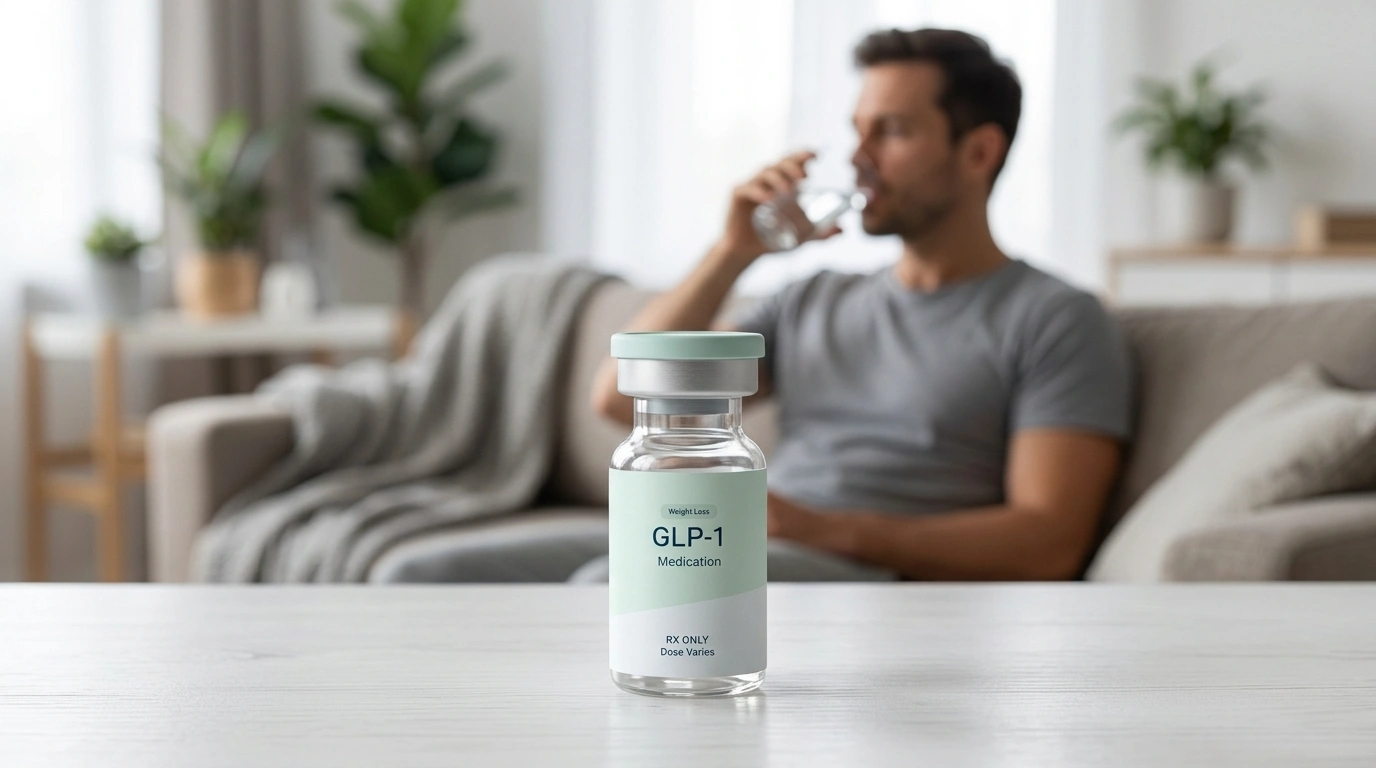
Starting a weight loss journey is an empowering step toward better health. However, many people encounter a common and frustrating obstacle during the first few weeks: acid reflux. If you have recently begun a GLP-1 program, you might find that frequent heartburn or a sour taste in your mouth is making it harder to stay consistent. It is natural to reach for a familiar remedy like omeprazole to find relief. At TrimRx, we focus on helping you navigate these physical adjustments so you can stay focused on your metabolic goals. Understanding how these medications interact is the first step toward a more comfortable experience. This article explores the safety of combining these treatments, why they are often used together, and how to manage digestive side effects effectively. Taking omeprazole with your weight loss medication is generally considered safe and can be a strategic way to support your progress.
Quick Answer: Yes, you can generally take omeprazole with Wegovy®. There are no known major drug-drug interactions between the two. Omeprazole is a proton pump inhibitor (PPI) that reduces stomach acid. It is frequently recommended by providers to manage the heartburn and reflux symptoms that often occur during GLP-1 therapy.
If you are considering a prescription weight-management program, you can complete a free eligibility assessment to share your health history and current medications with a licensed provider.
How Wegovy and Omeprazole Work in the Body
To understand why these medications are a common pair, it helps to look at their individual roles. Wegovy®, which contains the active ingredient semaglutide, belongs to a class of drugs called glucagon-like peptide-1 (GLP-1) receptor agonists. These medications mimic a natural hormone in your body that regulates appetite and slows down the speed at which your stomach empties.
Omeprazole is a different type of medication known as a proton pump inhibitor, or PPI. Its primary job is to “turn off” some of the acid-producing pumps in the lining of your stomach. People commonly use it to treat gastroesophageal reflux disease (GERD), stomach ulcers, and frequent heartburn.
Because these medications address different parts of the digestive process, they typically do not interfere with each other’s primary functions. Wegovy focuses on hormone receptors and stomach speed. Omeprazole focuses purely on the chemistry and acidity of the stomach’s environment.
For additional background, read TrimRx’s guide to how GLP-1 medications affect acid reflux.
Why Weight Loss Medications Often Cause Heartburn
Heartburn is one of the most frequently reported side effects for those starting a GLP-1 program. This occurs primarily because of a process called delayed gastric emptying. In plain English, this means the food you eat stays in your stomach for a longer period of time.
While this delay is exactly what helps you feel full and satisfied with smaller portions, it creates a unique environment in the gut. When food and stomach acid linger longer, the pressure inside the stomach increases. This pressure can push stomach contents, including acid, back up into the esophagus.
Furthermore, some research suggests that GLP-1 medications may slightly relax the lower esophageal sphincter. This is the muscular valve that acts as a gatekeeper between your throat and your stomach. When this valve is more relaxed, it is easier for acid to escape upward, causing the burning sensation we know as heartburn.
TrimRx also explains this connection in its article on whether GLP-1 medications can cause heartburn.
The Clinical Safety of Combining These Treatments
Current clinical data and drug interaction databases suggest there are no “major” interactions between omeprazole and semaglutide. This is why many healthcare providers specifically suggest a PPI like omeprazole when a patient reports persistent reflux during their first month of treatment.
Clinical trials for semaglutide, such as the STEP trials, included many participants who were already taking acid-reducing medications. These studies did not report a decrease in weight loss effectiveness for those using PPIs. This indicates that omeprazole does not “cancel out” the benefits of your weight loss program.
However, there is a minor nuance regarding absorption. Because semaglutide slows down the movement of your gut, any pill you swallow—including omeprazole—may take slightly longer to be absorbed into your system. For most people, this does not make the omeprazole less effective. It may simply mean you do not feel the relief as instantly as you might have before starting your weight loss medication.
Key Takeaway: Omeprazole is an effective tool for managing the increased stomach acidity caused by the slowed digestion of GLP-1 medications without compromising weight loss results.
Timing Your Doses for Best Results
While the medications are safe together, the way you take them can influence how well you feel throughout the day. Most licensed providers recommend a specific routine to maximize the acid-blocking power of a PPI.
Morning Dosing is Key Omeprazole works best when taken about 30 to 60 minutes before your first meal. This gives the medication time to reach the acid pumps in the stomach before they are activated by food. Since Wegovy® is typically a once-weekly injection, you do not need to worry about the time of day you take your shot interfering with your daily omeprazole dose.
Special Note for Oral Formats If you are using an oral version of a GLP-1 medication, the rules are much stricter. Oral semaglutide must be taken on a completely empty stomach with no more than four ounces of water. You must then wait at least 30 minutes before taking any other oral medications, including omeprazole. Failure to follow this gap can prevent the weight loss medication from being absorbed correctly.
The Importance of Dose Titration
Managing reflux is often a matter of finding the right dose at the right time. Most personalized programs utilize a schedule called titration. This means you start at a very low dose of medication and gradually increase it over several months.
This slow start gives your body, especially your digestive system, time to adapt to the new hormone levels. Many people find that their heartburn is most intense during the first week of a new, higher dose. If you are experiencing severe symptoms, a provider might recommend staying at a lower dose for an extra month or using omeprazole daily during these transition periods.
At TrimRx, we emphasize that managing side effects is a vital part of long-term success. Our platform connects you with specialists who can help you adjust your titration schedule or medication timing to ensure you are comfortable while still making progress toward your goals.
If reflux began after a dose increase, review TrimRx’s guidance on reflux after increasing a GLP-1 dose.
Comparing Heartburn Relief Options
Not everyone needs a strong PPI like omeprazole. Depending on the frequency and severity of your symptoms, other over-the-counter options might be appropriate.
| Medication Type | Examples | How It Works | Best For |
|---|---|---|---|
| Proton Pump Inhibitors (PPIs) | Omeprazole, Esomeprazole | Shuts down acid pumps for 24-hour relief. | Frequent, persistent heartburn or GERD. |
| H2 Blockers | Famotidine (Pepcid®) | Blocks histamine that triggers acid production. | Occasional or meal-triggered reflux. |
| Antacids | Tums®, Rolaids® | Neutralizes acid already in the stomach. | Immediate, short-term relief for mild flares. |
For many individuals on a GLP-1 program, omeprazole is the preferred choice because it provides consistent, long-acting coverage. Since the medication’s effect on stomach speed is constant, a long-acting acid reducer usually matches that need better than short-acting antacids.
Lifestyle Strategies to Pair With Omeprazole
Medication is a powerful tool, but it works even better when supported by your daily habits. Because your digestion is slower on Wegovy®, your “old” eating patterns may need to be updated to prevent reflux from starting in the first place.
Eat Smaller, More Frequent Meals Since food stays in your stomach longer, a large meal can create a “backlog” that leads to pressure and acid reflux. Try eating five small “mini-meals” throughout the day instead of three large ones. This keeps the volume in your stomach manageable.
Mind the Clock Before Bed Gravity is your best friend when managing reflux. Try to finish your last meal at least three hours before you lie down. If you go to bed with a full stomach while on a GLP-1, you are much more likely to wake up with a burning sensation in your throat.
Identify and Avoid Triggers Certain foods can relax the valve at the top of your stomach or trigger extra acid production. Common triggers include:
- Spicy foods and hot sauces
- High-fat or fried foods
- Caffeine and carbonated beverages
- Chocolate and peppermint
- Citrus fruits and tomato-based products
Stay Upright After Eating Avoid the urge to lounge on the sofa immediately after a meal. Taking a short, 10-minute walk after eating can help support digestion and keep your stomach contents moving in the right direction.
For more practical guidance, see TrimRx’s article on managing reflux that gets worse on a GLP-1.
Red Flags: When to Contact a Healthcare Provider
While mild heartburn and nausea are common, some symptoms require immediate medical evaluation. It is important to distinguish between standard side effects and serious complications.
You should contact a licensed provider immediately if you experience:
- Severe abdominal pain: Especially if the pain feels sharp or radiates to your back.
- Persistent vomiting: If you cannot keep down liquids or medications for more than 24 hours.
- Difficulty swallowing: A feeling that food is getting stuck in your throat or chest.
- Black or bloody stools: This can indicate gastrointestinal bleeding.
- Intense chest pain: Never assume chest pain is “just heartburn” without professional confirmation, as it could be heart-related.
Rare but serious risks associated with GLP-1 medications include pancreatitis and gallbladder issues. These conditions often present with severe pain and require clinical intervention. Always inform your provider about any new or worsening symptoms.
TrimRx also covers common GLP-1 side effects and when they need medical attention.
Long-Term Use of PPIs
If you find that you need omeprazole every day to manage your weight loss journey, you should discuss the long-term plan with your healthcare provider. While PPIs are generally safe for short-term use, taking them for several months or years can sometimes affect the absorption of certain nutrients.
Specifically, long-term acid suppression can make it harder for your body to absorb Vitamin B12, magnesium, and calcium. If you are on a long-term PPI, your provider may recommend regular blood work or a high-quality supplement plan to ensure your nutrient levels remain stable.
Note: For individuals using a long-term PPI, incorporating nutrient-dense foods and monitoring for signs of fatigue or muscle cramps is essential for overall wellness.
Personalized Support Through TrimRx
We believe that no two weight loss journeys are exactly the same. Your body’s digestive response to medication is unique, which is why a one-size-fits-all approach often leads to frustration. Our platform connects you with licensed providers who take the time to understand your health history, including any previous struggles with acid reflux.
When you join a program through us, you aren’t just receiving a prescription. You are gaining access to a dedicated support team that helps you manage the transition. Whether that means discussing the use of omeprazole, adjusting your dose, or incorporating supportive nutrients, we are here to guide you.
Our mission at TrimRx is to provide a transparent and empathetic environment where you can embrace a healthier lifestyle. We offer access to both branded medications and options like compounded semaglutide. These compounded medications are prepared by FDA-registered, inspected compounding pharmacies. While the compounded versions themselves are not FDA-approved, they contain the same active ingredients as the branded versions and allow for personalized dosing that may help minimize GI side effects for sensitive individuals.
How to Get Started with a Personalized Program
If you are ready to take the next step but are concerned about how your body will react, the process is simple and designed for your convenience.
Step 1: Complete the Assessment Take the free assessment quiz to share your medical history, goals, and current medications—including any acid reducers like omeprazole. This information helps our partner providers determine the best path for you.
Step 2: Provider Review A licensed healthcare professional will review your profile. They will assess your eligibility and determine if a GLP-1 medication is appropriate for your health needs.
Step 3: Receive Your Treatment If approved, your medication and all necessary supplies are shipped directly to your door. There are no waiting rooms or in-person visits required.
Step 4: Ongoing Support and Management Once you start, you have 24/7 access to our specialists. If you experience heartburn or need advice on taking omeprazole, you can reach out at any time for clinical guidance.
The Role of Targeted Supplements
In addition to prescription treatments, many people find that high-quality supplements help bridge the gap during their metabolic transition. When you are eating less, ensuring your body gets the right nutrients becomes even more critical.
We offer options like GLP-1 Daily Support and Weight Loss Boost, which are designed to support your body’s natural pathways. While these are not a replacement for medical treatment for GERD, they can be a helpful part of a broader wellness strategy. These supplements are available for immediate purchase and do not require a medical assessment quiz.
Can Weight Loss Improve Reflux in the Long Run?
There is a light at the end of the tunnel for those struggling with heartburn. For many people, chronic acid reflux is actually caused or worsened by excess weight. Extra fat around the abdomen puts physical pressure on the stomach, which forces acid into the esophagus.
As you lose weight through your personalized program, that physical pressure is reduced. Many of our members find that once they reach a healthier weight, their natural reflux symptoms improve significantly. You may find that you can eventually decrease your dose of omeprazole or stop taking it altogether. This is one of the many “non-scale victories” of a metabolic health journey—as your weight improves, other systems in your body often follow suit.
Key Takeaway: While you may need omeprazole to manage the initial side effects of your medication, the weight loss you achieve may eventually provide a long-term solution for your reflux.
Final Thoughts on Combining Omeprazole and Wegovy
Navigating the side effects of weight loss medication doesn’t have to be a solo effort. Knowing that you can safely take omeprazole provides peace of mind and a practical way to manage one of the most common physical adjustments. By understanding how semaglutide affects your digestion and making small shifts in your eating habits, you can stay comfortable and committed to your goals.
- Always consult your provider before combining medications.
- Time your omeprazole dose for the morning, 30–60 minutes before eating.
- Focus on smaller meals to reduce stomach pressure.
- Monitor for “red flag” symptoms that require urgent care.
Our goal is to help you feel supported and equipped for sustainable success. If you are ready to see how a science-backed, personalized program can change your life, the next step is available through a free assessment.
FAQ
Does omeprazole reduce the effectiveness of Wegovy for weight loss?
No, there is no evidence that omeprazole interferes with the weight loss mechanisms of semaglutide. Omeprazole works on stomach acid production, while semaglutide works on hormone receptors to regulate appetite and digestion. They target different systems in the body.
Can I take antacids like Tums if I am already taking omeprazole?
Yes, you can generally use a calcium-based antacid like Tums® for occasional “breakthrough” heartburn even if you are on a daily dose of omeprazole. However, if you find you need both regularly, you should speak with your healthcare provider to see if your primary reflux treatment needs an adjustment.
Is it safe to take omeprazole long-term while on a GLP-1?
Most people can safely use both for the duration of their weight loss journey, but it should be monitored by a professional. Long-term PPI use can sometimes affect the absorption of nutrients like B12 or magnesium, so your provider may suggest occasional blood work or specific supplements.
What should I do if my heartburn doesn’t go away with omeprazole?
If you are taking omeprazole daily and still experiencing severe burning, chest pain, or difficulty swallowing, contact your healthcare provider. It may be a sign that your medication dose needs to be adjusted or that your symptoms are caused by something other than routine acid reflux. You can also start the assessment process to discuss your treatment options with a licensed provider.
TrimRX does not practice medicine or prescribe medications. Compounded medications are not FDA-approved and are not evaluated by the FDA for safety or efficacy. Results vary by individual and are not guaranteed.
Disclaimer: This content is for informational purposes only and does not constitute medical advice. It is not intended to diagnose, treat, cure, or prevent any disease or condition. Individual results may vary. Always consult a qualified healthcare professional before starting any weight loss program or medication.

Transforming Lives, One Step at a Time
Keep reading
Can You Eat Meatloaf on Wegovy?
Meatloaf is classic home cooking: ground meat mixed with breadcrumbs, egg, and seasoning, baked with a sweet tomato glaze, and served with mashed potatoes…

Can You Eat Cheesecake on Wegovy?
Cheesecake is a celebration dessert for many people: birthdays, anniversaries, holidays, or a special dinner out. It is also one of the richest desserts…

Can You Eat Lentils on Wegovy?
Lentils are one of the most affordable, nutritious foods around. They are rich in plant protein, fiber, iron, and folate, cook quickly without soaking,…


