Navigating Your Weight Loss Journey: Does Mounjaro Stop Working Over Time?
Introduction
It’s a familiar scenario for many on a weight loss journey: initial progress brings a wave of excitement, clothes fit differently, and energy levels soar. Then, almost imperceptibly, the momentum slows. If you’re using a medication like Mounjaro (tirzepatide) to support your efforts, you might start asking yourself, “does Mounjaro stop working over time?” This question, often accompanied by a return of “food noise” or a stubborn weight plateau, can be deeply frustrating and lead to self-doubt. You are not alone in experiencing this.
The reality is, our bodies are incredibly adaptive, and any significant change—including the introduction of a medication like Mounjaro—will eventually lead to physiological adjustments. This doesn’t necessarily mean the medication has “stopped working.” Instead, it often signals a natural recalibration within your system, requiring an evolution in your strategy to continue making progress. Understanding these nuances is crucial for sustained success.
In this comprehensive guide, we will delve into the mechanisms of Mounjaro, explore why its effects might seem to diminish, and, most importantly, provide actionable strategies to navigate and overcome weight loss plateaus. We’ll examine the role of physiological adaptation, the importance of reassessing your dietary and lifestyle habits, and how personalized, medically supervised care can be your greatest asset. Our aim is to demystify this common experience, empower you with knowledge, and reaffirm that lasting weight loss is a dynamic journey, not a static destination. By the end of this post, you’ll have a clearer understanding of how to maintain momentum and embrace a healthier lifestyle with confidence, recognizing that your body’s responses are normal and manageable with the right support.
Understanding Mounjaro’s Mechanism and Initial Phases
When you begin a weight loss journey with Mounjaro, you’re tapping into an innovative approach designed to support your body’s natural hunger and satiety signals. Mounjaro, with its active ingredient tirzepatide, is a dual agonist that mimics two natural hormones: glucagon-like peptide-1 (GLP-1) and glucose-dependent insulinotropic polypeptide (GIP). These hormones play pivotal roles in how your body manages blood sugar and appetite.
The Science Behind Mounjaro’s Action
Mounjaro primarily works through several key mechanisms:
- Dual Hormone Action: By activating both GLP-1 and GIP receptors, tirzepatide enhances insulin secretion in a glucose-dependent manner, reduces glucagon secretion (which lowers blood sugar), and slows gastric emptying. This multi-faceted action contributes significantly to blood sugar control and weight reduction.
- Delayed Gastric Emptying: One of the most noticeable effects for many individuals is the slowed rate at which food leaves the stomach. This promotes a feeling of fullness for longer periods, naturally reducing overall food intake and helping to manage cravings.
- Central Effects on Appetite: Mounjaro also acts directly on specific areas of the brain that regulate hunger and satiety. This can significantly reduce “food noise”—the constant thoughts and cravings related to food—making it easier to adhere to a reduced-calorie diet.
The “Honeymoon Phase” and Early Adjustments
Many individuals describe an initial “honeymoon phase” when starting Mounjaro. During this period, often the first few weeks, appetite suppression can be profound, cravings might diminish dramatically, and food intake may drop significantly. This early success is incredibly motivating and can set a positive tone for your weight loss journey.
However, it’s also common for individuals to notice a subtle shift in the medication’s effects as the weeks progress. You might observe a predictable pattern: strong appetite suppression for the first few days post-injection, followed by a gradual return of hunger signals before your next scheduled dose. This is often referred to as the medication “wearing off” between doses.
Why the “Wearing Off” Effect is Normal in Early Treatment
This initial “wearing off” is a completely normal physiological response and does not mean Mounjaro isn’t working. It’s largely due to two factors:
Pharmacokinetics and Half-Life
Mounjaro has a half-life of approximately five days. This means that about five days after an injection, half of the active medication remains in your system. While this is a relatively long half-life compared to many other medications, it’s not quite long enough to maintain consistently high levels of the drug with weekly dosing during the initial weeks of treatment.
Think of your body like a reservoir. When you first start, the reservoir is empty. The first dose begins to fill it, but by the end of the week, the level drops significantly. With each subsequent weekly dose, the reservoir never completely empties before being refilled, gradually allowing the medication to build up in your system. This process, known as reaching a “steady state,” typically occurs within 4 to 8 weeks of consistent treatment. Until then, you might experience more pronounced fluctuations in the medication’s effects.
Starting at Lower Doses
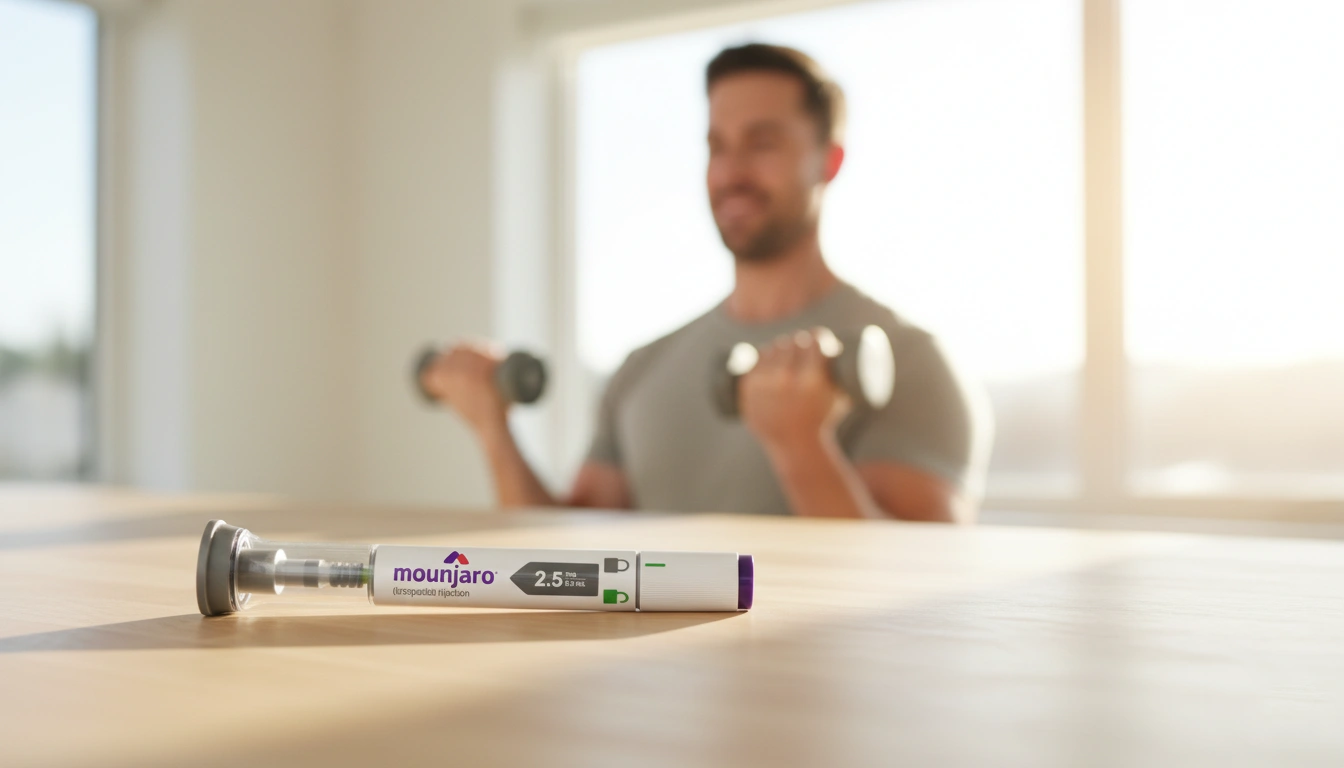
Treatment with Mounjaro typically begins with lower doses, such as 2.5 mg, which are then gradually increased. This approach is designed to help your body adapt to the medication and minimize potential side effects. However, these initial lower doses may not be sufficient to maintain consistently strong appetite suppression for the full seven days between injections. As you progress to higher, maintenance doses (e.g., 5 mg, 10 mg, 15 mg), the between-dose effects often become much more stable and consistent.
Understanding this early pattern is crucial for managing your expectations and adapting your habits effectively. At TrimRx, we believe in transparent communication, ensuring you understand these natural physiological responses. Our programs are designed to guide you through these initial phases with continuous, medically supervised care, helping you to build sustainable habits from the start. To explore how a personalized plan could work for you, we encourage you to take our free assessment quiz and see if you qualify for our prescription weight loss medications.
The Nuance of “Does Mounjaro Stop Working Over Time?”
The question “does Mounjaro stop working over time?” is a deeply important one for individuals committed to their weight loss journey. It stems from a very real experience: the initial dramatic weight loss and appetite suppression may slow or even halt, leading to the perception that the medication’s efficacy has waned. However, it’s vital to distinguish between a medication truly ceasing to work and the body’s natural, powerful ability to adapt.
Physiological Adaptation, Not Failure
Mounjaro, and other GLP-1 receptor agonists, remain active in the body, continuing to exert their metabolic effects on insulin sensitivity, blood sugar regulation, and fat oxidation even if the subjective feeling of appetite suppression isn’t as intense as in the initial “honeymoon phase.” What often occurs is a physiological adjustment, where the body’s systems become more efficient or accustomed to the medication.
This adaptation can manifest in several ways:
- Reduced Sensitivity: Over time, the GLP-1 and GIP receptors might become less sensitive to the consistent stimulation, leading to a diminished feeling of appetite control.
- Metabolic Slowdown: As you lose weight, your body naturally requires fewer calories to function. Your basal metabolic rate (BMR) decreases, meaning you burn fewer calories at rest. The same caloric intake that initially created a deficit may no longer be sufficient for continued weight loss.
- Hormonal Counter-Regulation: The body has intricate hormonal feedback loops designed to maintain homeostasis. When significant weight loss occurs, your body may increase hunger-promoting hormones (like ghrelin) and decrease satiety-signaling hormones (like leptin), attempting to regain lost weight. Mounjaro helps counteract these, but this biological pushback can still contribute to the feeling of increased hunger.
Clinical research supports the understanding that weight stabilization, or plateaus, are a normal and expected part of any significant weight loss journey, even with powerful medications like Mounjaro. An analysis from the SURMOUNT program, for instance, found that most participants experienced a period of weight stabilization after initial loss, highlighting the importance of evolving strategies over time. This underscores that plateaus are not a sign of personal failure or medication ineffectiveness, but rather a signal that your body has reached a new “set point” and may require an adjusted approach to continue progressing.
At TrimRx, our empathetic and supportive approach acknowledges these natural shifts. We understand that your journey is unique and dynamic. Our commitment is to provide you with the tools, knowledge, and personalized care needed to navigate these phases effectively. We work to ensure you feel empowered, not disheartened, by your body’s adaptations.
Identifying and Addressing Weight Loss Plateaus on Mounjaro
A weight loss plateau is defined as a period of several weeks where you stop losing weight, even if you’re consistently taking your medication and adhering to your plan. While frustrating, it’s a very common experience on any weight loss journey, including those supported by Mounjaro. Recognizing the underlying causes is the first step toward breaking through and resuming your progress.
Common Causes of Weight Loss Plateaus with Mounjaro
Understanding why your weight loss might stall is key to tailoring an effective strategy. Plateaus are rarely due to a single factor but often result from a combination of subtle changes over time.
1. Your Body Adjusts to the Medication Over Time
As discussed, your body is highly adaptive. When you first start Mounjaro, the impact on appetite and blood sugar regulation is often profound. However, with consistent use, your system can acclimate to the medication’s presence. This means the initial strong appetite suppression might feel less noticeable, and “food noise” or hunger cues may return with more intensity. This adjustment is a normal physiological response and can sometimes be mistaken for the medication “stopping working.”
2. Reassessing Your Caloric Needs
One of the most frequent reasons for a plateau is that your initial caloric intake is no longer aligned with your current, lighter body weight. As you lose weight, your body needs fewer calories to perform its basic functions. What was once a significant calorie deficit may now only be a maintenance level, preventing further weight loss. Regularly recalculating your caloric needs based on your current weight, activity level, and goals is essential for sustained progress.
3. Nutritional Imbalance: Prioritizing Protein and Balanced Nutrition
While Mounjaro aids in appetite control, it works best when paired with mindful eating and a nutrient-dense diet. If your diet lacks sufficient protein, healthy fats, or fiber-rich carbohydrates, you might experience increased hunger, muscle loss, and a slower metabolism.
- Protein’s Role: Protein is critical for preserving lean muscle mass during weight loss, supporting a healthy metabolism, and promoting satiety. Foods like lean meats, fish, eggs, tofu, Greek yogurt, and legumes have a higher thermic effect, meaning your body expends more calories digesting them.
- Balanced Plate: Beyond protein, a diet rich in fiber (from vegetables and whole grains) and healthy fats helps stabilize blood sugar, prevents energy dips, and ensures overall nutritional adequacy, all crucial for avoiding plateaus.
4. Lack of Physical Activity, Especially Strength Training
If your physical activity routine remains stagnant as you lose weight, it could contribute to a plateau. As your body size decreases, the energy required to perform the same activities also lessens.
- Strength Training: Building and maintaining lean muscle mass is vital. Muscle tissue is more metabolically active than fat tissue, meaning it burns more calories even at rest. Without resistance training, you risk losing muscle along with fat, which can slow your metabolism and make plateaus more likely.
- Non-Exercise Activity Thermogenesis (NEAT): Beyond structured workouts, the calories burned through everyday movements—walking, fidgeting, cleaning, taking the stairs—known as NEAT, significantly contribute to your total daily energy expenditure. As you lose weight, your body may naturally become more efficient, requiring a conscious effort to increase incidental movement.
5. Poor Sleep Quality
The profound impact of sleep on weight management is often underestimated. Inadequate or inconsistent sleep disrupts hormones that regulate appetite, metabolism, and fat storage.
- Hormonal Disruption: Sleep deprivation increases cortisol (a stress hormone that can promote fat retention) and ghrelin (the hunger hormone), while decreasing leptin (the hormone that signals fullness). Even with Mounjaro managing appetite, these hormonal shifts can lead to increased cravings and subtle overeating.
6. Chronic Stress and Elevated Cortisol Levels
Persistent stress can silently sabotage weight loss efforts. Chronic stress keeps cortisol levels elevated, which can encourage fat storage (especially around the abdomen), interfere with sleep, and amplify cravings for high-calorie comfort foods. While Mounjaro helps regulate hunger, high cortisol can partially override these benefits, making it harder to maintain a calorie deficit.
7. Other Medications You Take
Certain medications can impact weight or interfere with weight loss efforts. For individuals with type 2 diabetes, some diabetes medications, such as insulin, sulfonylureas, or thiazolidinediones, can lead to weight gain. If you are taking these or other medications, it’s essential to discuss their potential impact with your healthcare provider.
Recognizing these causes empowers you to take targeted action. At TrimRx, our personalized approach considers all these factors. Our experts work with you to identify the specific reasons behind your plateau and develop a dynamic plan to get you back on track. If you’re ready for a comprehensive assessment of your weight loss journey, take our free assessment quiz to see if you qualify for our personalized prescription weight loss medications.
Strategies to Break Through Plateaus and Sustain Progress
Breaking through a weight loss plateau while on Mounjaro is not about doing something drastically different, but rather about refining your approach and making strategic adjustments. It’s a testament to your body’s powerful ability to adapt, and with the right support, you can re-ignite your progress.
1. Consult Your Healthcare Provider for Dosage Adjustment
One of the most direct strategies to address a plateau, especially if you’ve been on a lower or mid-range dose for an extended period, is to discuss a potential dosage adjustment with your healthcare provider. As Dr. Pichamol Jirapinyo, co-founder of Bariendo, explains, “Over time, the body may adjust to the medication, leading to a slower metabolic rate and reduced weight loss despite continued use.”
Mounjaro is typically prescribed in gradually increasing doses, starting at 2.5 mg and potentially going up to 15 mg per week. If you’ve remained on a particular dose for a while and your progress has stalled, your provider may recommend an increase. This decision is always made in careful consideration of your current health status, individual goals, and tolerance to the medication, ensuring safety and effectiveness.
At TrimRx, our comprehensive service includes doctor consultations to ensure your treatment plan is always optimized for your unique journey. We provide medically supervised care, and our approach remains consistent regardless of dosage changes. Your weight loss medications, including options like Compounded Semaglutide, Oral Semaglutide, Ozempic®, Compounded Tirzepatide, Oral Tirzepatide, Mounjaro®, Zepbound®, and Wegovy®, are sourced exclusively from FDA-registered and inspected pharmacies to ensure the highest standards of safety and quality. We believe in transparent service, with no hidden fees for doctor consultations, medication, lab work, unlimited support, and shipping.
2. Reassess Caloric Intake and Prioritize Nutrition
As your body weight decreases, so does your basal metabolic rate (BMR), meaning you require fewer calories to maintain your new weight. What was once a calorie deficit sufficient for weight loss may now be a maintenance level.
Recalibrate Your Caloric Needs
Small, mindful adjustments to your daily caloric intake can make a significant difference. This doesn’t mean drastic cuts, but rather:
- Portion Control: Re-evaluate portion sizes, as they may need to shrink slightly to align with your new body weight.
- Limit High-Calorie Extras: Be mindful of calorie-dense additions like sauces, dressings, and sweetened beverages.
- Seek Guidance: A registered dietitian or your healthcare provider can help you accurately recalculate your individual caloric needs for continued, sustainable weight loss. General guidelines suggest women on weight-loss drugs might aim for 1,200 to 1,500 calories per day, and men 1,500 to 1,800 calories per day, but these are absolute minimums, not targets, and many individuals may need more depending on their body size, activity level, and overall health to avoid metabolic slowdown and increased hunger.
Prioritize Protein and Fiber
Protein is your ally in weight loss. It helps preserve metabolically active lean muscle mass, boosts your resting metabolic rate, and significantly increases satiety, helping to curb hunger even when medication effects might feel less potent. Aim for at least 60-75 grams of protein per day, or higher if you have a higher BMI or are very physically active, focusing on lean sources like chicken, fish, eggs, tofu, Greek yogurt, and legumes.
A balanced plate should also include plenty of fiber-rich vegetables, healthy fats (avocado, nuts, seeds, olive oil), and complex carbohydrates. This nutritional foundation supports overall health, prevents energy crashes, and optimizes Mounjaro’s effectiveness. To further support your nutritional goals and overall wellness, consider incorporating our quick-access supplements like GLP-1 Daily Support or Weight Loss Boost into your daily routine.
3. Enhance Physical Activity
If your exercise routine has become routine, it might be time for a refresh.
Add or Increase Strength Training
Building lean muscle is a game-changer for metabolism. Muscle tissue burns more calories at rest than fat tissue, effectively boosting your resting metabolic rate. Strength training helps counteract muscle loss that can occur during weight reduction, promoting continued fat loss and improving body composition. Even a few sessions of bodyweight exercises, resistance bands, or light weights each week can yield significant benefits.
Move More Throughout the Day (NEAT)
Structured workouts are important, but daily movement also plays a crucial role. Non-Exercise Activity Thermogenesis (NEAT) encompasses all the calories you burn from everyday movements: walking, stretching, standing, cleaning, gardening. As your body adapts to weight loss, your overall energy expenditure naturally decreases. Finding simple ways to increase NEAT—parking further away, taking the stairs, walking meetings, standing while working—can help offset this shift and keep your metabolism active.
4. Optimize Sleep Quality
Sleep is not a luxury; it’s a critical component of weight management. Poor or inconsistent sleep wreaks havoc on hormones that regulate appetite and metabolism. When sleep-deprived, your body produces more cortisol and ghrelin (hunger hormone), while leptin (satiety hormone) decreases. This hormonal imbalance can intensify cravings and undermine Mounjaro’s effects. Prioritize 7-9 hours of quality sleep by establishing a consistent bedtime routine, limiting screen time before bed, and creating a conducive sleep environment.
5. Implement Stress Management Techniques
Chronic stress keeps your body in a “fight or flight” mode, leading to elevated cortisol levels. High cortisol promotes fat storage, particularly around the midsection, disrupts sleep, and can increase cravings. Integrating stress-reducing practices into your daily life can be profoundly beneficial: deep breathing exercises, short walks in nature, journaling, meditation, or engaging in hobbies you enjoy. These practices help regulate your nervous system and create a more conducive environment for weight loss.
6. Track Progress and Stay Hydrated
Keeping a journal of your food intake, physical activity, and even sleep patterns can reveal hidden habits and areas for adjustment. This awareness empowers you to make informed choices. Additionally, often thirst is mistaken for hunger, so maintaining adequate hydration (around 2 liters of water daily) is a simple yet powerful strategy to support satiety and overall well-being.
7. Manage Expectations and Seek Support
Remember, weight loss is rarely a linear journey. Plateaus are normal and temporary. Focus on overall trends and non-scale victories—improved energy, better fitting clothes, enhanced mood. Celebrate these milestones!
At TrimRx, our brand is empathetic, innovative, trustworthy, supportive, results-oriented, and personalized. We offer compassionate care that respects every individual’s unique journey by combining advanced medical science with modern technology. We’re here to provide the continuous guidance and support you need to navigate these challenges successfully. We help you to cultivate sustainable habits and achieve lasting results. If you’re ready to embrace a personalized path to health and well-being, we invite you to take our free assessment quiz to see if you qualify for our prescription weight loss medications.
The Role of Personalized and Medically Supervised Care
The journey to sustainable weight loss is often compared to a marathon, not a sprint, and this analogy holds true, especially when navigating the complexities of medications like Mounjaro. As your body adapts and plateaus emerge, the value of personalized, medically supervised care becomes paramount. This is where TrimRx stands as your dedicated partner, transforming the weight loss experience from a solitary struggle into a supported and science-backed endeavor.
Our Vision: Science, Empathy, and Transparency
At TrimRx, our journey began with a shared vision: to help individuals embrace healthier lifestyles by merging cutting-edge telehealth innovations with effective weight loss solutions. We understand that each person’s path to wellness is unique, shaped by individual physiology, lifestyle, and goals. This understanding forms the bedrock of our approach. We believe that sustainable weight loss should be achieved through science, empathy, and a transparent approach.
Our platform is meticulously designed to be a user-friendly and supportive space where you receive personalized, medically supervised care. This means your treatment plan isn’t a one-size-fits-all solution; it’s meticulously tailored to you, ensuring it’s both attainable and effective for lasting results.
A Brand You Can Trust
Our brand personality is built on being empathetic, innovative, trustworthy, supportive, results-oriented, and personalized. We combine advanced medical science with modern technology to deliver compassionate care that truly respects your individual journey.
- Trust and Safety: Your well-being is our utmost priority. We are committed to transparent service, meaning you’ll always understand your treatment plan. Crucially, we work exclusively with FDA-registered and inspected pharmacies for the shipping of all weight loss medications. This commitment to safety means you can have confidence in the quality and integrity of your treatment.
- Comprehensive Service: Our personalized weight loss programs go beyond just medication. When you embark on a plan with TrimRx, you receive a comprehensive service that includes essential doctor consultations, any necessary lab work, the medication itself (such as Compounded Semaglutide, Oral Semaglutide, Ozempic®, Compounded Tirzepatide, Oral Tirzepatide, Mounjaro®, Zepbound®, or Wegovy®), unlimited support from our care team, and convenient shipping—all with no hidden fees. We ensure that branded medications like Ozempic® and Zepbound® meet their FDA-approved standards, and while compounded medications are not FDA approved, they are provided through our network of FDA-registered and inspected pharmacies.
- Ongoing Support: We know that a weight loss journey includes highs and lows, including potential plateaus. Our unlimited support ensures that you have access to guidance and encouragement whenever you need it, helping you make informed adjustments and stay motivated.
The TrimRx Difference: Personalized Pathways to Wellness
Whether you are exploring prescription weight loss medications or seeking immediate support for your wellness journey, TrimRx offers tailored solutions:
- Personalized Weight Loss Program (Requires Quiz): For those interested in prescription medications like Compounded Semaglutide, Oral Semaglutide, Ozempic®, Compounded Tirzepatide, Oral Tirzepatide, Mounjaro®, Zepbound®, or Wegovy®, the first step is to complete our free assessment quiz. This assessment helps our medical team determine your eligibility and create a personalized treatment plan specifically designed for your health profile and goals.
- Quick-Access Supplements (No Quiz Required): To support your overall wellness throughout your weight loss journey, we also offer immediate support supplements that can be purchased directly. Our GLP-1 Daily Support and Weight Loss Boost are designed to complement your efforts and enhance your well-being.
Navigating the complexities of weight loss, especially when facing plateaus or concerns like “does Mounjaro stop working over time,” requires a partner who combines medical expertise with genuine care. TrimRx is dedicated to being that partner, empowering you with clinically proven solutions and individualized support every step of the way. Discover the TrimRx difference and embark on a path to lasting health by taking our free assessment quiz today.
Conclusion
The question “does Mounjaro stop working over time?” is a natural and understandable concern for anyone committed to their weight loss journey. As we’ve explored, the answer isn’t a simple yes or no, but rather a nuanced understanding of physiological adaptation and the dynamic nature of effective weight management. Mounjaro remains a powerful tool, but your body’s incredible ability to adapt means that the initial rapid progress can naturally stabilize, leading to what many experience as a weight loss plateau. This is not a sign of failure, but rather an invitation to refine your strategy.
We’ve delved into why the initial “wearing off” occurs in early treatment, the specific causes of weight loss plateaus, and, most importantly, the actionable strategies you can employ to break through them. From consulting your healthcare provider about dosage adjustments to meticulously reassessing your caloric needs, prioritizing protein and balanced nutrition, enhancing physical activity with strength training and increased daily movement, optimizing sleep, and managing stress—each element plays a crucial role in sustaining your progress.
At TrimRx, our commitment to personalized, medically supervised care is at the heart of our mission. Our journey began with the vision to blend cutting-edge telehealth with effective weight loss solutions, creating a supportive and transparent platform for individuals like you. We understand that your path is unique, and our empathetic, results-oriented approach ensures that you receive the tailored guidance and support needed to navigate every phase of your journey, including plateaus. With doctor consultations, medication sourced from FDA-registered and inspected pharmacies, lab work, unlimited support, and transparent shipping, we provide a comprehensive service designed for your lasting success.
Remember, sustainable weight loss is a marathon of ongoing adjustments and learning. With the right information, strategies, and a dedicated partner like TrimRx, you can overcome challenges and continue making meaningful progress toward your health goals. Ready to explore a personalized plan tailored to your evolving needs? Take our free assessment quiz today to see if you qualify for our prescription weight loss medications. For immediate support for your overall wellness, consider our quick-access supplements like GLP-1 Daily Support and Weight Loss Boost. Together, we can unlock your potential for a healthier, more vibrant life.
Frequently Asked Questions
Q1: Does Mounjaro truly stop working over time, or is it something else?
Mounjaro (tirzepatide) does not “stop working” in the sense that its active mechanisms cease in your body. Instead, what individuals often experience is a physiological adaptation. Your body becomes accustomed to the medication, and its initial strong effects, particularly on appetite suppression, may feel less intense. Additionally, as you lose weight, your metabolic rate naturally decreases, meaning your body needs fewer calories, which can lead to a plateau even if the medication is still active. This is a normal part of the body’s adaptive processes, not an indication of medication failure.
Q2: What is a weight loss plateau on Mounjaro and how common is it?
A weight loss plateau on Mounjaro occurs when you stop losing weight for several weeks, despite consistently taking your medication and following your plan. These plateaus are a normal and expected part of any significant weight loss journey. Clinical research, including studies on GLP-1 receptor agonists like Mounjaro, has observed periods of weight stabilization after initial loss. This indicates that plateaus are a common occurrence, signaling that your body has reached a temporary “set point” and may require an adjustment in strategy to continue progressing.
Q3: Besides dosage adjustments, what other strategies can help overcome a plateau while on Mounjaro?
To overcome a plateau, a holistic approach is key. Beyond discussing potential dosage adjustments with your healthcare provider, consider these strategies: reassess your caloric needs based on your current weight; prioritize a balanced diet rich in protein (60-75g/day or more) and fiber to enhance satiety and preserve muscle mass; increase physical activity, especially by incorporating strength training to boost metabolism; optimize your sleep quality to regulate appetite hormones; and implement stress management techniques to reduce cortisol levels. These lifestyle adjustments work synergistically with Mounjaro to reignite progress.
Q4: How can TrimRx support my weight loss journey if I experience a plateau?
TrimRx offers comprehensive, personalized, and medically supervised care designed to help you navigate your entire weight loss journey, including plateaus. Our programs include doctor consultations, where our experts can assess your situation, discuss potential medication adjustments, and refine your treatment plan. We provide unlimited support to help you implement dietary and lifestyle strategies. Additionally, our quick-access supplements like GLP-1 Daily Support and Weight Loss Boost can complement your efforts. Our commitment is to provide compassionate, science-backed solutions and continuous guidance, ensuring you have the tools and support to overcome challenges and achieve sustainable weight loss. Start by taking our free assessment quiz to explore how we can personalize your path to health.

Transforming Lives, One Step at a Time
Keep reading

How to Choose Between Ozempic and Mounjaro
If you’ve spent any time researching GLP-1 medications for weight loss, you’ve probably landed on this question eventually. Ozempic and Mounjaro are the two…

Mounjaro Savings Card: Eli Lilly Programs Explained
Mounjaro carries a list price of over $1,000 per month without insurance. For people managing type 2 diabetes or pursuing weight loss with tirzepatide,…

Effective Strategies for Managing Your Journey: What Helps Nausea From Mounjaro and How to Stay on Track
Discover what helps nausea from Mounjaro with our expert guide. Explore dietary tips, hydration strategies, and natural remedies to manage side effects effectively.


