Can I Take Collagen While on Mounjaro?
Introduction
Watching the numbers on the scale drop can be one of the most rewarding parts of a weight loss journey, but it often comes with new questions about how your body is changing. You might notice your skin feels less firm or your hair seems thinner as you lose weight rapidly. If you are using Mounjaro® (tirzepatide), you are likely looking for ways to support your structural health while the medication handles appetite regulation. Many people wonder if adding a collagen supplement will help protect their skin and joints or if it will interfere with their treatment.
At TrimRx, we understand that sustainable weight loss is about more than just a number; it is about feeling strong and confident in your skin. Generally, it is safe to take collagen while on Mounjaro®, as there are no known direct drug-supplement interactions. This article explores how collagen works, the potential benefits of combining it with GLP-1 therapy, and how to manage your routine for the best results.
Quick Answer: Yes, you can generally take collagen while on Mounjaro®. There are no known direct interactions between collagen peptides and tirzepatide, and many find it helpful for supporting skin elasticity and joint health during rapid weight loss.
Understanding Mounjaro and Collagen
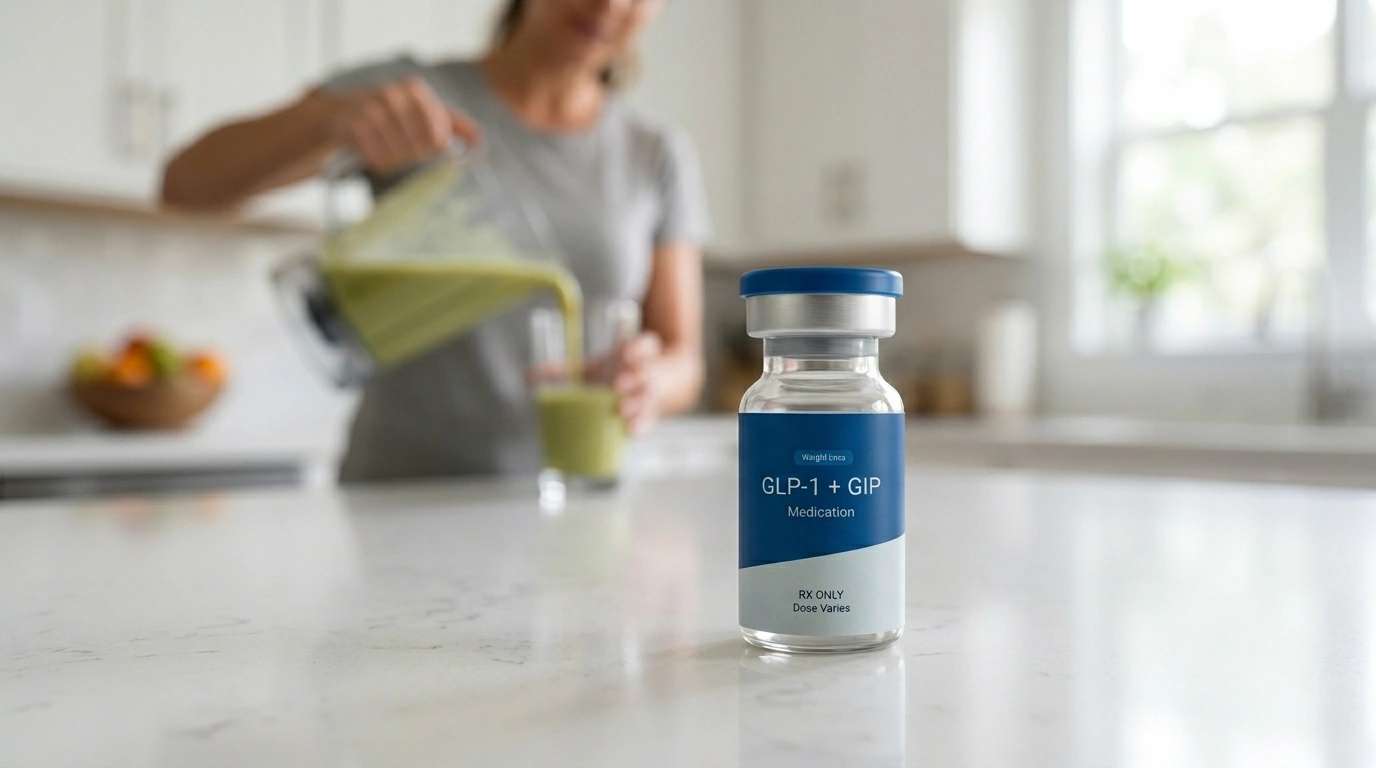
To understand how these two work together, we first need to look at what they do individually. Mounjaro® is a brand-name medication containing the active ingredient tirzepatide. It is a dual-acting medication that mimics two natural hormones: glucagon-like peptide-1 (GLP-1) and glucose-dependent insulinotropic polypeptide (GIP). These hormones help regulate blood sugar, slow down how quickly your stomach empties, and signal to your brain that you are full.
Collagen, on the other hand, is the most abundant protein in the human body. Think of it as the “scaffolding” or glue that holds everything together. It provides structure to your skin, bones, tendons, ligaments, and cartilage. As we age, our natural collagen production slows down. When you lose weight quickly, your skin may struggle to “snap back” because the underlying structural support is changing faster than the skin can adapt.
If you are still deciding whether a prescription program is the right fit, you can take the free assessment quiz to see whether a guided plan makes sense for you.
How GLP-1 Medications Affect the Body
GLP-1 receptor agonists (medications that mimic the GLP-1 hormone) are powerful tools for weight management. By slowing gastric emptying—the process by which food moves from the stomach to the small intestine—they keep you feeling satisfied longer. However, this slowed digestion also means that any supplements you take, including collagen, may stay in your stomach longer. This is an important factor to consider when timing your doses to avoid digestive discomfort. For a deeper look at this mechanism, our article on how GLP-1 works is a helpful companion read.
What is Collagen Supplementation?
Most collagen supplements on the market are “hydrolyzed,” meaning the large protein molecules have been broken down into smaller chains called collagen peptides. These smaller pieces are easier for your body to absorb. When you consume these peptides, your body breaks them down into amino acids (the building blocks of protein), which are then used to support various tissues.
Why People Combine Collagen with Mounjaro
The primary motivation for taking collagen during a weight loss program is to address the secondary effects of rapid fat loss. When the body loses weight quickly, it doesn’t just lose fat; it can also lose muscle mass and skin elasticity.
Supporting Skin Elasticity
A common concern for those on GLP-1 medications is “Ozempic face” or general skin sagging. This occurs because the fat that previously “filled out” the skin is gone, leaving the skin appearing loose or wrinkled. While no supplement can completely prevent loose skin if the weight loss is significant, collagen may support the skin’s natural repair processes. Research suggests that consistent collagen supplementation may improve skin hydration and elasticity over time. If skin changes are a major concern, our guide to how GLP-1 medications affect your skin explains what to expect.
Protecting Joint Health
As you lose weight, you may become more active. While this is excellent for your health, increased exercise can put new stress on your joints. Collagen is a major component of cartilage, the cushion between your bones. Supporting your cartilage with the right nutrients may help reduce discomfort as your body adjusts to its new weight and activity level.
Preserving Lean Muscle Mass
Weight loss often leads to the loss of both fat and muscle. Maintaining muscle is vital because muscle tissue burns more calories at rest than fat tissue. While collagen is not a “complete” protein—meaning it lacks one of the nine essential amino acids—it still contributes to your daily protein intake. When combined with a high-protein diet and resistance training, collagen can be a helpful part of a strategy to preserve lean mass.
Key Takeaway: Collagen acts as a structural support system that may help counteract skin sagging and joint stress often associated with the rapid weight loss seen with GLP-1 medications.
Is It Safe? Safety and Interactions
Currently, there is no clinical evidence suggesting that collagen peptides interact negatively with tirzepatide or other GLP-1 medications. Because collagen is a food-based protein, the body generally recognizes it as a nutrient rather than a foreign drug.
Digestive Considerations
The most common side effects of Mounjaro® involve the digestive system, such as nausea, bloating, or constipation. Collagen, particularly in high doses, can occasionally cause mild bloating or a feeling of heaviness in the stomach.
If you are already experiencing gastrointestinal (GI) symptoms from your medication, adding a large dose of collagen might temporarily worsen that feeling. This is why we often suggest starting with a smaller dose of any supplement to see how your body reacts.
Quality and Regulation
It is important to remember that supplements are not regulated by the FDA in the same way as prescription medications. When choosing a collagen product, look for brands that undergo third-party testing to ensure they are free from heavy metals and contaminants.
If digestive comfort is a concern, our GLP-1 Side Effects guide covers practical ways to manage nausea, bloating, and constipation.
Note: If you have a history of kidney stones or kidney disease, consult your doctor before significantly increasing your protein or collagen intake, as high protein levels can affect kidney function in some individuals.
How to Take Collagen Effectively While on Mounjaro
If you decide to add collagen to your routine, your approach should be deliberate. Simply tossing a scoop of powder into your coffee may work for some, but others may need to be more strategic to avoid nausea.
Step 1: Start Slowly
Begin with half the recommended dose for the first week. This allows your digestive system, which is already working differently due to the GLP-1 medication, to adapt to the additional protein.
Step 2: Time Your Intake
Because Mounjaro® slows down digestion, taking collagen at the same time as a large meal might lead to excessive fullness or bloating. Many people find success taking it in the morning with a light drink or between meals.
Step 3: Consistency is Key
Collagen is not an overnight fix. Most clinical studies showing benefits for skin and joints involve consistent use over 8 to 12 weeks. Do not expect to see changes in your skin elasticity after just a few days.
Step 4: Prioritize Vitamin C
Your body cannot effectively synthesize collagen without Vitamin C. Ensure you are eating Vitamin C-rich foods like citrus fruits, bell peppers, or strawberries, or look for a collagen supplement that includes Vitamin C in the formula.
The Different Types of Collagen
Not all collagen is created equal. There are at least 16 types of collagen in the body, but most supplements focus on Types I, II, and III.
| Collagen Type | Primary Location in Body | Main Benefit |
|---|---|---|
| Type I | Skin, bones, tendons, ligaments | Skin elasticity and bone strength |
| Type II | Cartilage | Joint health and flexibility |
| Type III | Muscles, arteries, organs | Skin firmness and cardiovascular support |
For those using Mounjaro®, a supplement containing Type I and Type III is usually the most beneficial for skin concerns. If joint pain is a primary issue, look for a product that includes Type II.
The “Food-First” Approach to Collagen
While supplements are convenient, we believe they should complement a healthy diet, not replace it. You can support your body’s collagen production naturally by focusing on specific nutrients.
- Bone Broth: Slow-cooked animal bones release natural collagen and minerals into the broth.
- Lean Proteins: Chicken, fish, and turkey provide the amino acids (proline and glycine) necessary for collagen production.
- Egg Whites: A rich source of proline, one of the primary amino acids in collagen.
- Berries and Leafy Greens: These provide the antioxidants and Vitamin C needed to protect existing collagen from breaking down.
Our programs at TrimRx emphasize a holistic view of health. Whether you are using a personalized prescription program or our quick-access supplements like Weight Loss Boost, focusing on high-quality nutrition is the foundation of your success.
Managing Potential Side Effects
If you start taking collagen and notice an increase in gas or bloating, it may be due to how your body is processing the protein while on a GLP-1.
Myth: Taking collagen will make Mounjaro® less effective. Fact: There is no evidence that protein supplements interfere with the hormone-mimicking action of GLP-1 or GIP medications.
To minimize side effects:
- Avoid taking collagen on the day of your weekly injection if you typically feel nauseous on that day.
- Hydrate well. Protein requires water for proper digestion and metabolism.
- Consider a “marine collagen” if you find bovine (cow-derived) collagen too heavy for your stomach; some people find fish-based collagen easier to digest.
If you want extra daily nutritional support while on treatment, the GLP-1 Daily Support supplement is designed for people using GLP-1 therapy.
Why Personalized Care Matters
Every person’s journey on Mounjaro® is unique. Some individuals may lose weight steadily with zero side effects, while others may struggle with fatigue or skin changes. This is why a “one-size-fits-all” approach rarely works for long-term metabolic health.
We believe in providing access to medical expertise that helps you navigate these choices. If you are concerned about hair thinning or skin laxity, these are valid medical and aesthetic concerns. A healthcare provider can help you determine if your symptoms are due to a nutrient deficiency or a standard side effect of weight loss.
If you are not yet on a program and are curious about which medications might be right for you, take the free assessment quiz. This quiz helps our partner providers understand your health history and goals to create a plan that fits your life. For those already on a journey, our GLP-1 Daily Support supplement is designed to provide specific nutrients that support the body during GLP-1 therapy.
The Importance of Total Protein Intake
While collagen is beneficial, it should not be your only source of protein. During weight loss, your body needs a wide variety of essential amino acids to maintain its organs, immune system, and muscles.
Most experts recommend that individuals on GLP-1 medications prioritize protein at every meal. Because your appetite is reduced, every bite counts. Collagen can help “top off” your protein intake, but it should be paired with complete proteins like eggs, Greek yogurt, tofu, or lean meats.
Bottom line: Collagen is a helpful “add-on” for skin and joint health, but it cannot replace the essential amino acids found in complete protein sources.
When to Consult Your Healthcare Provider
While collagen is generally considered safe, you should always keep your medical team in the loop about any new supplements. This is especially true if:
- You have a known allergy to fish, shellfish, or eggs (common sources of collagen).
- You are experiencing severe GI distress that does not improve.
- You have pre-existing kidney issues.
- You are taking other medications for blood pressure or blood sugar management.
A telehealth consultation through our platform allows you to discuss these concerns with a licensed provider from the comfort of your home. They can review your progress, adjust your program if needed, and give you personalized advice on supplementation. If you’re ready for guided support, complete the free assessment quiz to get started.
Moving Forward in Your Journey
Taking the step to manage your metabolic health with Mounjaro® is a significant commitment. Adding tools like collagen or specialized supplements can help you feel better throughout the process. At TrimRx, we are committed to being your partner in this transformation, providing the clinical oversight and personalized support you need to reach your goals safely.
Whether your goal is to fit into old clothes, move without pain, or simply feel more vibrant, we are here to help you navigate the science of weight loss with empathy and clarity.
FAQ
Does collagen cause weight gain while on Mounjaro?
No, collagen itself is very low in calories and does not contain fat or sugar. When taken as part of a balanced diet, it should not contribute to weight gain and may actually help you feel full, supporting your weight loss goals.
Can collagen help with “Ozempic face” or loose skin?
While it is not a “magic eraser” for loose skin, collagen may help by improving skin hydration and elasticity. This can make the skin appear firmer and more resilient as the underlying fat volume decreases during weight loss.
Is it better to take collagen powder or pills while on Mounjaro?
Powders are often preferred because they allow for a higher dose (usually 10-20 grams) and are easily absorbed. However, if you find the taste or texture of powder unappealing while feeling nauseous, pills may be a more convenient option, though you would need to take several to match the dose of a powder.
Can I take collagen on the same day as my Mounjaro injection?
Yes, you can, but many people prefer to skip supplements on their injection day if they experience “day-one” nausea. Spacing out your supplements can help you identify which side effects are coming from the medication versus the supplement.
Disclaimer: This content is for informational purposes only and does not constitute medical advice. It is not intended to diagnose, treat, cure, or prevent any disease or condition. Individual results may vary. Always consult a qualified healthcare professional before starting any weight loss program or medication.

Transforming Lives, One Step at a Time
Keep reading

Mounjaro Alternatives: What Else to Consider
If Mounjaro isn’t the right fit, the closest alternatives are other GLP-1 medications, chiefly semaglutide (Ozempic for diabetes, Wegovy for weight), along with a…

Mounjaro vs Zepbound: Same Drug, Two Brands
Like their semaglutide counterparts, Mounjaro and Zepbound are the same medication (tirzepatide) sold under two names for two purposes: Mounjaro is approved for type…

Retatrutide vs Mounjaro: Triple Agonist vs Dual Agonist
The core difference between retatrutide and Mounjaro comes down to how many hormone targets each hits: retatrutide activates three receptors, while Mounjaro (tirzepatide) activates…


