Can You Take Berberine and Mounjaro Together?
Introduction
When you are working toward a significant weight loss goal, it is natural to look for every possible tool to support your progress. Many people who have started a medication like Mounjaro® find themselves curious about adding natural supplements like berberine to enhance their metabolic health. At TrimRx, we believe that understanding how different substances interact in your body is the first step toward a safe and effective weight loss journey. If you are wondering whether a personalized prescription program is the right fit, the assessment process can help you get started. While berberine is often celebrated for its blood sugar benefits, combining it with a powerful GLP-1 and GIP receptor agonist requires a careful, evidence-based approach. This post covers the safety considerations, potential side effects, and clinical mechanisms you need to know when considering these two options together. Ultimately, any decision to combine prescriptions and supplements should be made in consultation with a licensed healthcare provider.
What Is Berberine?
Berberine is a bioactive compound that belongs to a class of alkaloids. It is found in several different plants, including barberry, goldenseal, and Oregon grape. For centuries, it has been used in traditional medicine, but modern research has focused on its ability to support metabolic health.
Berberine works primarily by activating an enzyme inside cells called AMP-activated protein kinase (AMPK). This enzyme is often referred to as a metabolic master switch. It plays a crucial role in regulating metabolism and energy levels. By activating AMPK, berberine can help the body improve insulin sensitivity and reduce glucose production in the liver.
In the wellness community, berberine is sometimes nicknamed “nature’s Ozempic®.” This comparison stems from its ability to support blood sugar management and weight loss. For a deeper comparison of supplements and medications, see our guide on whether berberine and GLP-1 are the same. However, it is important to note that berberine is a supplement, not a prescription medication. Its effects are generally more subtle than those of dedicated weight loss drugs.
Understanding How Mounjaro Works
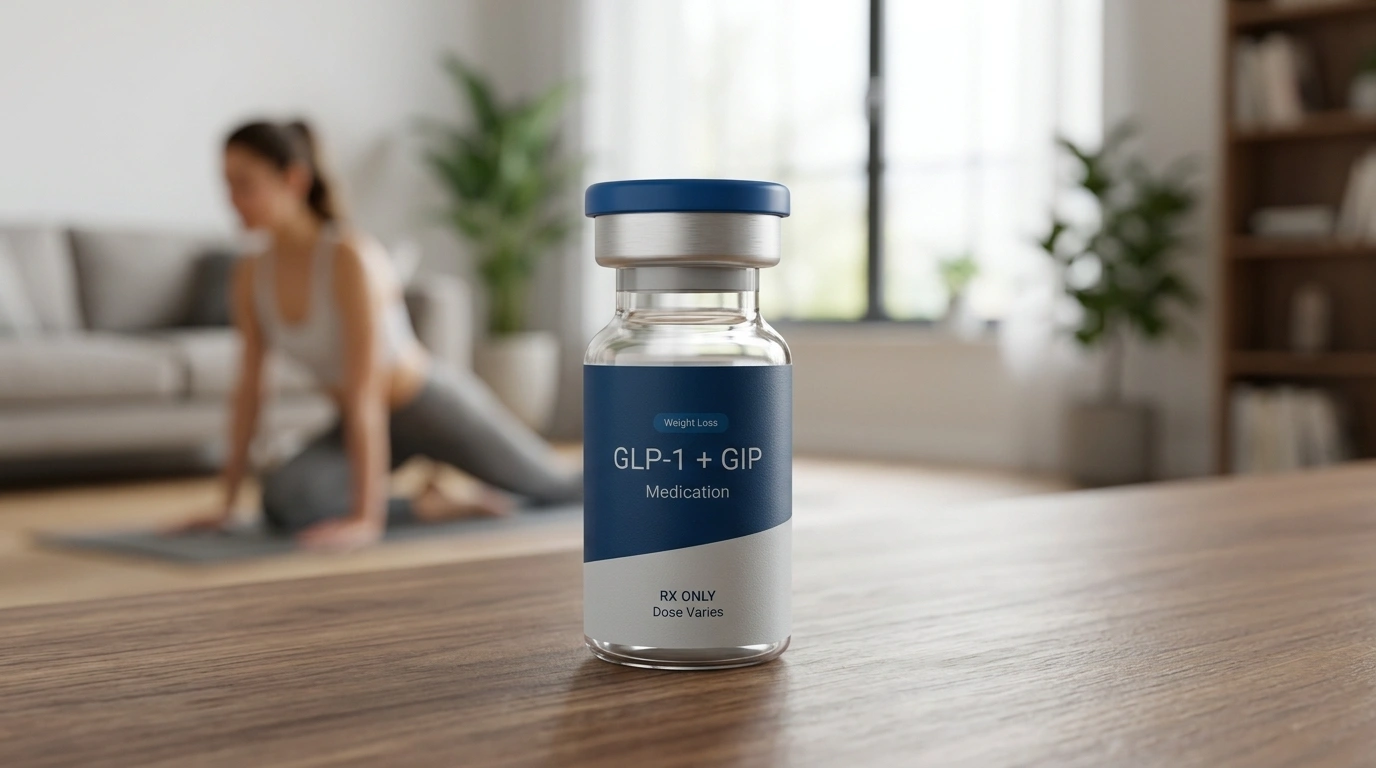
Mounjaro® is a brand-name prescription medication containing the active ingredient tirzepatide. It is the first medication in its class to act as a dual agonist. This means it targets two specific hormone receptors in the body: glucagon-like peptide-1 (GLP-1) and glucose-dependent insulinotropic polypeptide (GIP).
The GLP-1 component helps the body release insulin when blood sugar is high and slows down the speed at which the stomach empties. This helps you feel full for a longer period. The GIP component is believed to further support blood sugar regulation and may play a role in how the body breaks down fat.
Because it targets two pathways instead of just one, research suggests that tirzepatide can be highly effective for both blood sugar control and weight management. Because it is a powerful medication, it is only available through a prescription from a licensed healthcare provider who evaluates your medical history and goals. If you want to explore that path, you can take the free assessment quiz to see whether a medically supervised program may be appropriate.
Can You Take Berberine and Mounjaro Together?
The short answer is that there is no known direct drug-drug interaction that makes the combination of berberine and Mounjaro® strictly prohibited. However, “no known interaction” does not mean “no risk.” The primary concern when combining these two substances is their additive effect on your metabolic system.
Both substances are designed to lower blood sugar and improve insulin sensitivity. When you take them at the same time, they may work too well, leading to levels that are lower than intended. This is especially important for individuals who are also taking other medications for type 2 diabetes, such as insulin or sulfonylureas.
Quick Answer: While no direct clinical interaction has been identified between berberine and Mounjaro®, taking them together may increase the risk of low blood sugar (hypoglycemia) and gastrointestinal discomfort. Always consult your healthcare provider before combining supplements with prescription weight loss medications.
The Risk of Hypoglycemia
Hypoglycemia occurs when your blood sugar levels drop below the healthy range. Since both tirzepatide and berberine work to lower glucose, the combination could lead to a sudden dip. Symptoms of low blood sugar can include:
- Dizziness or lightheadedness
- Shakiness or tremors
- Sudden hunger or nausea
- Irritability or confusion
- A rapid heartbeat
- Sweating or chills
If you choose to use both, it is vital to monitor your blood sugar closely. Your provider may suggest a specific testing schedule to ensure your levels stay within a safe window.
Additive Gastrointestinal Side Effects
Both berberine and Mounjaro® are known to cause digestive changes. Mounjaro® commonly causes nausea, diarrhea, or constipation as the body adjusts to the medication. Berberine, particularly in higher doses, can also cause stomach cramps, gas, and diarrhea.
When you combine them, you may experience a “double whammy” of gastrointestinal distress. This can make the adjustment period to your weight loss program more difficult and may even lead to dehydration if diarrhea or vomiting becomes frequent. If you are interested in a more structured path, you can see if you qualify for a personalized program and discuss your medication history with a licensed provider.
Key Takeaway: The combination of berberine and tirzepatide creates a potential for increased digestive sensitivity and lower-than-normal blood sugar levels, requiring vigilant monitoring and professional medical oversight.
How Mounjaro Affects Supplement Absorption
One of the secondary effects of Mounjaro® is delayed gastric emptying. This means the medication slows down the rate at which food and oral substances leave your stomach and enter the small intestine. This is a deliberate mechanism that helps with satiety, but it also changes how your body processes other things you swallow.
When you take a supplement like berberine orally, its absorption depends on the timing of its passage through the digestive tract. Because tirzepatide slows this process, the berberine may stay in your stomach longer than usual. This could potentially delay the onset of its effects or alter how much of the compound your body actually absorbs.
There is currently limited research on exactly how delayed gastric emptying affects the bioavailability of berberine. However, for any oral medication or supplement, consistency is key. Taking your supplements at a consistent time every day can help your provider determine if the dose needs adjustment.
The Role of Personalized Weight Loss Programs
At TrimRx, we understand that weight loss is not a one-size-fits-all process. What works for one person may not be appropriate for another, especially when supplements are involved. Our platform connects you with licensed providers who can look at your full health profile to determine the best course of action.
A personalized program takes into account your BMI, your history with other weight loss attempts, and any current medications you are taking. This clinical oversight is essential when you are considering “stacking” supplements with prescriptions. For readers who want a broader overview of medical weight loss, our article on what GLP-1 is and how it works is a helpful place to start.
If you are interested in a medically supervised program, the first step is usually a free assessment quiz. This helps determine your eligibility for various treatments, including Compounded Tirzepatide or Compounded Semaglutide. These medications are prepared in FDA-registered, inspected compounding pharmacies to ensure they meet high standards of quality, even though the compounded versions themselves are not FDA-approved.
Berberine and PCOS: A Common Connection
Many individuals searching for information on berberine and Mounjaro® are also managing Polycystic Ovary Syndrome (PCOS). Berberine is a popular supplement in the PCOS community because it addresses insulin resistance, which is a core feature of the condition.
Mounjaro® and other GLP-1 medications are also being increasingly studied for their benefits in treating the metabolic symptoms of PCOS. For someone with this condition, the temptation to use both might be high. If you are comparing supplement options for metabolic health, our article on whether berberine is good for weight loss provides useful context.
Note: If you have PCOS and are considering adding berberine to a prescription GLP-1 program, it is critical to discuss this with your specialist. Managing hormonal imbalances requires a delicate touch, and adding too many glucose-lowering agents at once can complicate your treatment plan.
Side Effect Comparison Table
Understanding the overlap in side effects can help you identify which substance might be causing specific symptoms if you decide to take both.
| Potential Side Effect | Mounjaro® (Tirzepatide) | Berberine Supplement |
|---|---|---|
| Nausea | Very Common | Common |
| Diarrhea | Common | Common |
| Constipation | Common | Rare |
| Stomach Cramps | Occasional | Common |
| Hypoglycemia | Low Risk (Alone) | Low Risk (Alone) |
| Combined Risk | Increased | Increased |
Managing Your Routine While on Mounjaro
If your healthcare provider clears you to take both berberine and Mounjaro®, there are several steps you can take to manage your routine effectively.
Step 1: Start one at a time. Never start a new prescription medication and a new supplement on the same day. If you are already on Mounjaro®, wait until your side effects have stabilized before adding berberine. This allows you to know exactly how your body reacts to the medication first.
Step 2: Monitor your glucose. Keep a log of your blood sugar readings, especially in the two hours following a dose of berberine. Note any feelings of shakiness or dizziness.
Step 3: Prioritize hydration. Because both substances can affect your digestion, staying hydrated is essential. Drink plenty of water throughout the day to support your kidneys and maintain energy levels.
Step 4: Focus on protein. When your appetite is suppressed by Mounjaro®, every calorie counts. Focus on lean proteins and fiber to maintain muscle mass and support digestive regularity.
Support Supplements for GLP-1 Users
For those looking to support their journey without the specific risks of berberine, there are other options. We offer quick-access supplements like GLP-1 Daily Support and Weight Loss Boost. These are designed to provide the body with necessary nutrients that may be lacking when you are eating less during a weight loss program.
For a closer look at how support supplements fit into a broader GLP-1 routine, read our guide on what GLP-1 support can do for your weight loss journey. Unlike berberine, which acts directly on blood sugar pathways, these support supplements focus on micronutrient balance and general wellness. They do not require a prescription or a medical quiz and can be a simpler way to support your body’s natural functions while on a program.
Why Medical Supervision Matters
Self-prescribing supplements while on a powerful metabolic medication can lead to unpredictable results. A licensed healthcare provider can help you navigate these choices by:
- Checking for contraindications: Some supplements can interfere with how your liver or kidneys process medications.
- Adjusting dosages: If you are losing weight rapidly, your need for certain supplements or medication doses may change.
- Providing objective data: Regular lab work can show exactly how your body is responding to the combination.
- Managing expectations: A provider can help you understand what results are realistic and what may just be marketing hype.
Our platform is built on the idea that clinical expertise should be accessible. By using telehealth, you can have these important conversations with specialists from the comfort of your home, ensuring your plan is both safe and effective. If that approach sounds right for you, you can start with the free assessment quiz and move forward with clarity.
Common Myths About Berberine and GLP-1s
There is a lot of misinformation online regarding these two substances. It is important to separate fact from fiction.
Myth: Berberine is exactly the same as Mounjaro® but natural. Fact: While they both affect metabolic pathways, Mounjaro® is a dual-hormone receptor agonist with a much stronger and more targeted effect on the brain and gut. Berberine is a plant alkaloid with a broad, systemic effect on enzymes. They are not interchangeable.
Myth: You must take berberine to prevent “rebound” weight gain. Fact: Sustainable weight loss comes from a combination of medication, lifestyle changes, and long-term metabolic support. There is no evidence that berberine is a “magic bullet” for preventing weight regain once a medication is stopped.
Conclusion
The decision to take berberine and Mounjaro® together is one that should be handled with care. While there is no immediate “red flag” that prevents the combination, the potential for low blood sugar and increased digestive issues is real. The most successful weight loss journeys are those that prioritize safety and clinical guidance over quick fixes.
Our mission at TrimRx is to help you embrace a healthier lifestyle through science and a transparent, personalized approach. We believe in providing you with the tools and the expertise needed for sustainable metabolic health. Whether you choose a prescription program or start with targeted supplements, we are here to support your progress every step of the way.
If you are ready to see if a personalized weight loss program is right for you, the best next step is to complete our free assessment quiz. This will help our partner providers understand your needs and determine the most appropriate path forward for your health journey.
FAQ
Is berberine safe to take with tirzepatide?
There is no documented drug interaction that makes the combination unsafe for everyone, but it can increase the risk of hypoglycemia and stomach upset. Because both substances lower blood sugar, you should only combine them under the direct supervision of a healthcare provider.
Can berberine help with Mounjaro side effects?
Berberine is more likely to increase side effects like nausea and diarrhea rather than help them. If you are struggling with digestive issues on Mounjaro®, it is usually better to focus on hydration and diet adjustments rather than adding more supplements.
Does berberine work as well as Mounjaro for weight loss?
Clinical studies show that Mounjaro® (tirzepatide) generally produces more significant weight loss results than berberine. While berberine can support metabolic health, it does not have the same dual-hormone agonist mechanism that makes Mounjaro® so effective.
Should I stop taking berberine before starting a GLP-1 program?
Most providers recommend a “clean” start when beginning a medication like Mounjaro® so you can accurately monitor how your body responds. It is best to disclose all current supplements to your provider during your initial assessment to receive a personalized recommendation. If you are ready to talk through that next step, you can take the free assessment quiz.
Disclaimer: This content is for informational purposes only and does not constitute medical advice. It is not intended to diagnose, treat, cure, or prevent any disease or condition. Individual results may vary. Always consult a qualified healthcare professional before starting any weight loss program or medication.

Transforming Lives, One Step at a Time
Keep reading

Mounjaro Alternatives: What Else to Consider
If Mounjaro isn’t the right fit, the closest alternatives are other GLP-1 medications, chiefly semaglutide (Ozempic for diabetes, Wegovy for weight), along with a…

Mounjaro vs Zepbound: Same Drug, Two Brands
Like their semaglutide counterparts, Mounjaro and Zepbound are the same medication (tirzepatide) sold under two names for two purposes: Mounjaro is approved for type…

Retatrutide vs Mounjaro: Triple Agonist vs Dual Agonist
The core difference between retatrutide and Mounjaro comes down to how many hormone targets each hits: retatrutide activates three receptors, while Mounjaro (tirzepatide) activates…


