Can You Take Ibuprofen on Zepbound? Safety and Tips
Introduction
Starting a weight loss journey often comes with a few physical adjustments. As your body adapts to a new metabolic pace, you might find yourself reaching for a common pain reliever like ibuprofen to handle a tension headache or muscle soreness from a new workout routine. If you are currently using Zepbound®, a common question arises: is it safe to combine these two? At TrimRx, we believe that understanding how your medications interact is the cornerstone of a safe and successful health transformation. While there is no known direct “clash” between these two medications, the way they affect your digestive system requires a thoughtful approach. This post covers the relationship between tirzepatide—the active ingredient in Zepbound®—and non-steroidal anti-inflammatory drugs (NSAIDs), helping you manage minor pain while staying on track with your goals.
If you are considering a medically supervised weight loss program, you can complete a free eligibility assessment.
How Zepbound and Ibuprofen Move Through Your Body
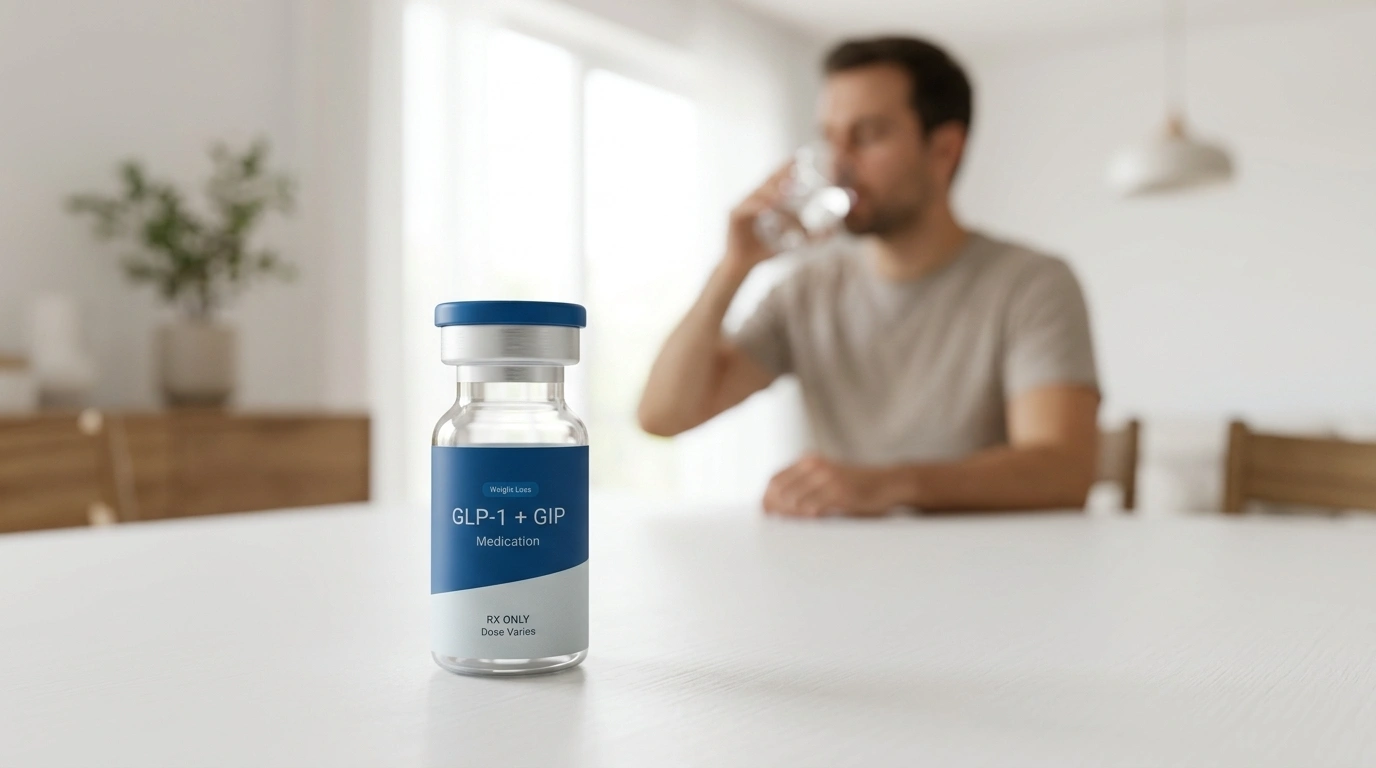
To understand if you can take ibuprofen on Zepbound®, it is helpful to look at how each medication functions within your system. Zepbound® is a tirzepatide-based medication that acts as a dual agonist for two specific hormones: glucagon-like peptide-1 (GLP-1) and glucose-dependent insulinotropic polypeptide (GIP). These hormones play a massive role in how your body handles insulin and hunger signals.
One of the primary ways these medications support weight loss is by slowing down gastric emptying. This means that food—and any oral medications you swallow—stays in your stomach for a longer period before moving into the small intestine for absorption. This delay is what helps you feel full for longer, but it also changes the “transit time” for anything else you ingest.
For additional context, read this guide to tirzepatide drug interactions.
Ibuprofen, on the other hand, is an NSAID used to reduce pain, inflammation, and fever. Unlike the once-weekly injection of Zepbound®, ibuprofen is typically taken as a pill. It relies on relatively quick absorption in the digestive tract to provide relief. When these two are in your system at the same time, the primary concern isn’t usually a chemical reaction, but rather a change in how the ibuprofen is absorbed and how your stomach lining reacts.
The Absorption Factor: Timing Your Relief
The most immediate effect of taking ibuprofen while on a GLP-1 or GIP medication is a potential delay in pain relief. Because the stomach is processing its contents more slowly, a dose of ibuprofen that used to “kick in” within thirty minutes might now take an hour or longer.
Quick Answer: Yes, you can generally take ibuprofen while using Zepbound®, but you may notice it takes longer to work. Because Zepbound® slows your digestion, oral medications stay in the stomach longer, which can delay their absorption into the bloodstream.
For an individual managing a sudden migraine or acute back pain, this delay can be frustrating. It is important not to take additional doses of ibuprofen simply because the first one has not worked yet. Doing so can lead to an accidental overdose or increased irritation of the stomach lining.
For a related breakdown, see this ibuprofen and GLP-1 pain relief guide.
Protecting Your Digestive Health
Both Zepbound® and ibuprofen can be taxing on the gastrointestinal (GI) tract, though in different ways. Zepbound® commonly causes side effects such as nausea, indigestion, or a feeling of “heaviness” in the stomach as the body adjusts to slower digestion.
You can also review this tirzepatide side effects management guide for practical information about common digestive symptoms.
Ibuprofen and other NSAIDs work by inhibiting enzymes that produce prostaglandins. While prostaglandins contribute to pain and inflammation, they also play a vital role in protecting the stomach lining from acid. By reducing these protective chemicals, ibuprofen can make the stomach more susceptible to irritation, gastritis, or even ulcers.
When you combine the slowed digestion of tirzepatide with the stomach-thinning potential of an NSAID, the risk of GI upset may increase. For someone already experiencing mild nausea from their weekly injection, adding ibuprofen on an empty stomach could lead to significant discomfort or acid reflux.
Key Takeaway: The combination of tirzepatide and ibuprofen does not create a known toxic interaction, but it can increase the risk of stomach irritation. Always take oral pain relievers with a small amount of food to protect your gastric lining.
Kidney Health and Hydration
Another critical factor to consider is the health of your kidneys. Zepbound® can sometimes lead to dehydration, especially if a patient is experiencing side effects like diarrhea or vomiting. Dehydration is a significant concern because it places extra stress on the renal system.
Ibuprofen is cleared through the kidneys. In a state of dehydration, the risk of NSAID-related kidney strain increases. If you are using a weight loss program that includes GLP-1 medications, staying hydrated is one of your most important daily tasks. If you find yourself needing ibuprofen frequently, it is essential to ensure you are drinking adequate water and electrolytes throughout the day.
For more information about nausea, hydration, and tirzepatide, read what causes nausea with tirzepatide.
Alternatives to Ibuprofen
If you are concerned about stomach sensitivity or the delayed onset of ibuprofen, you might consider other options for pain management.
- Acetaminophen: Often known by the brand name Tylenol®, this medication is generally considered gentler on the stomach lining than NSAIDs. While it is still processed through the digestive system, it does not carry the same risk of gastric ulcers.
- Topical Relievers: For muscle or joint pain, creams or patches containing menthol or lidocaine can provide relief without needing to pass through the stomach at all.
- Hydration and Electrolytes: Interestingly, many people on weight loss medications experience headaches due to dehydration or changes in blood sugar. Sometimes, a glass of water with electrolytes can resolve the issue more effectively than a pill.
At TrimRx, our clinicians often suggest looking at the root cause of the pain. If headaches are occurring specifically on the day of your injection, it may be a side effect that we can help you manage through dosage adjustments or nutritional support.
When to Consult Your Healthcare Provider
While taking an occasional ibuprofen is usually fine, there are certain situations where you should pause and speak with a professional. We recommend reaching out to a licensed healthcare provider if:
- You find yourself needing ibuprofen daily or multiple times a week.
- You experience sharp or persistent stomach pain after taking an NSAID.
- You notice dark, tarry stools, which can be a sign of GI bleeding.
- You have a history of kidney disease or stomach ulcers.
Personalized care is the hallmark of the TrimRx approach. Because everyone’s medical history is unique, a medication that is safe for one person might not be ideal for another. This is why we prioritize comprehensive medical intakes and ongoing specialist access.
If you want to find out whether a personalized prescription program may fit your needs, you can start with the free assessment quiz.
Managing Your Routine Safely
If your healthcare provider confirms that ibuprofen is safe for you, follow these steps to minimize risks while on Zepbound®:
- Step 1: Check your hydration. Ensure you have had at least 8–16 ounces of water before taking any oral medication.
- Step 2: Eat a small snack. Never take ibuprofen on a completely empty stomach, especially if you are feeling the effects of your weekly injection. A few crackers or a small piece of toast can provide a necessary buffer.
- Step 3: Be patient. Allow at least two hours for the medication to take effect before considering a second dose, keeping in mind the slowed gastric emptying.
- Step 4: Track your usage. If you are using pain relievers frequently, mention this during your next telehealth consultation so your program can be adjusted if necessary.
The Role of Professional Oversight
Navigating the world of prescription medications and over-the-counter supplements can feel overwhelming. Many people struggle with weight management for years, only to be met with confusing information about drug interactions and side effects. Our mission at TrimRx is to remove that friction.
By using our telehealth platform, you gain access to a dedicated team that understands the nuances of tirzepatide. We don’t just provide access to medication; we provide a structured environment where your health is monitored holistically. This includes helping you understand how common medications like ibuprofen fit into your new lifestyle.
Comparing Pain Relief Options on Zepbound
| Feature | Ibuprofen (NSAID) | Acetaminophen | Topical Creams |
|---|---|---|---|
| Primary Use | Inflammation & Pain | General Pain & Fever | Localized Muscle Pain |
| Stomach Impact | May cause irritation | Generally gentle | No stomach impact |
| Absorption Speed | Delayed by Zepbound® | Delayed by Zepbound® | Immediate local effect |
| Kidney Concern | High if dehydrated | Low | None |
Supporting Your Metabolic Health
Sustainable weight loss is about more than just a weekly shot; it is about supporting your body’s entire ecosystem. When the body undergoes significant weight changes, it is common to experience shifts in energy, minor aches, or digestive changes.
In addition to prescription options, some individuals find that targeted support can make the transition smoother. For example, our GLP-1 Daily Support supplement is designed to provide essential nutrients that might be lacking during a reduced-calorie diet, which can sometimes help reduce the fatigue or “brain fog” that leads people to reach for pain relievers in the first place.
Conclusion
The short answer to whether you can take ibuprofen on Zepbound® is yes, provided you do not have underlying contraindications like kidney disease or a history of ulcers. However, the “how” and “when” are just as important as the “can.” By being mindful of slowed digestion and taking steps to protect your stomach lining, you can safely manage minor pain without derailing your weight loss progress.
We are committed to helping you navigate every step of this process. Our program is built on the belief that weight loss should be evidence-based, transparent, and fully supported by clinical experts. If you are ready to start a program that prioritizes your safety and long-term success, your first step is simple.
Bottom Line: Ibuprofen is generally safe to use with Zepbound®, but it may take longer to work and could increase stomach sensitivity. Always prioritize hydration and take the medication with food to ensure the best results.
If you want to see if a personalized weight loss plan is right for you, we invite you to take our free assessment quiz. This helps our partner providers understand your health profile and determine the best path forward for your unique needs.
FAQ
Does Zepbound make ibuprofen less effective?
Zepbound® does not typically make ibuprofen less effective in terms of its final impact, but it does delay how quickly it starts working. Because tirzepatide slows down the movement of food and medicine through the stomach, it may take significantly longer for you to feel pain relief after swallowing a pill.
Can I take Advil or Motrin with tirzepatide?
Yes, Advil and Motrin are brand names for ibuprofen, so the same guidelines apply. While there is no direct drug-drug interaction, you should be cautious about potential stomach irritation and ensure you are staying well-hydrated to protect your kidneys.
Is Tylenol better than ibuprofen when taking Zepbound?
For many people, Tylenol® (acetaminophen) may be a better choice because it is less likely to irritate the stomach lining. Since Zepbound® already impacts the digestive system, using a pain reliever that is gentler on the stomach can help prevent unwanted side effects like nausea or heartburn.
What should I do if I get a headache after my Zepbound injection?
Headaches are a common side effect of GLP-1 and GIP medications, often caused by dehydration or changes in blood sugar. Before reaching for ibuprofen, try drinking a large glass of water with electrolytes; if the pain persists, you can take a pain reliever with a small snack as directed by your healthcare provider.
If medication-related symptoms are affecting your routine and you are considering treatment, see if you qualify for a personalized program.
Disclaimer: This content is for informational purposes only and does not constitute medical advice. It is not intended to diagnose, treat, cure, or prevent any disease or condition. Individual results may vary. Always consult a qualified healthcare professional before starting any weight loss program or medication.

Transforming Lives, One Step at a Time
Keep reading

Surfing on Zepbound: Paddling Strength, Cold Water, and Dawn Patrol
Surfing asks a lot of your body. Paddling out through broken waves takes shoulder, back, and core strength. Cold water drains energy. Dawn sessions…

Skydiving on Zepbound: Planning a Tandem Jump
For many people who have lost weight, a skydive is a goal they set years ago and finally feel ready for. Some dropzones have…

A Day at the Renaissance Faire on Zepbound
A Renaissance faire is a full day out: jousts, stage shows, artisan stalls, dusty lanes, and food built for spectacle, from giant turkey legs…


