Can You Take Moringa While on Ozempic?
Introduction
Finding the right balance between natural supplements and prescription medications is a common challenge for those on a weight loss journey. You might have heard about the nutrient-dense “miracle tree” moringa and wondered if its health benefits could complement your current treatment. If you are currently taking Ozempic® for weight management or blood sugar control, adding a potent herbal supplement requires careful consideration. At TrimRx, we believe that informed choices are the foundation of metabolic health. This article explores the potential interactions, benefits, and safety precautions of combining moringa with GLP-1 medications. We will look at how both substances affect your body and why a personalized approach to your health program is essential for avoiding complications like low blood sugar.
Quick Answer: While you can potentially take moringa while on Ozempic®, doing so requires medical supervision. Both substances can lower blood sugar levels, which may increase the risk of hypoglycemia (dangerously low blood sugar). Always consult your healthcare provider before combining herbal supplements with prescription GLP-1 medications.
Understanding the Role of Ozempic® in Metabolic Health
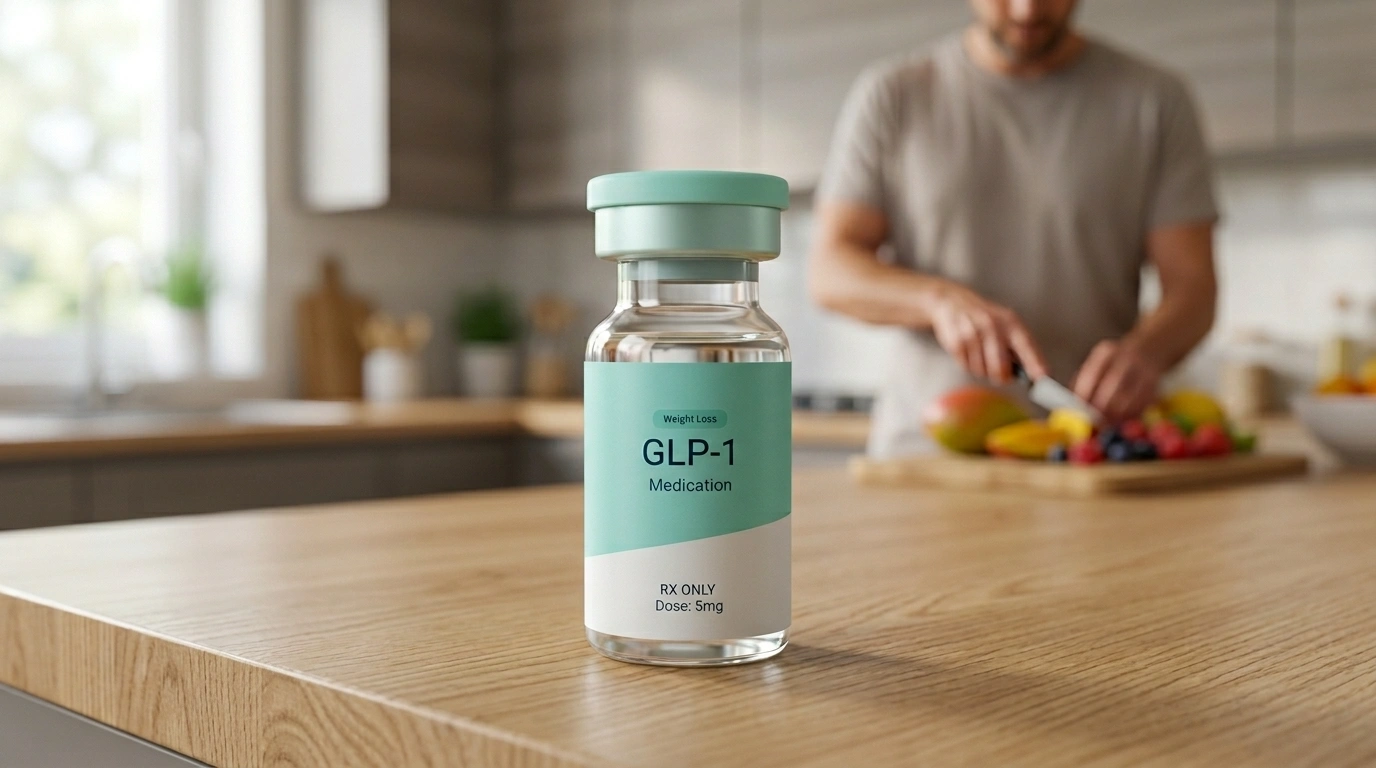
Ozempic® (semaglutide) is a branded prescription medication primarily used to manage blood sugar levels in adults with type 2 diabetes and to reduce cardiovascular risks. It belongs to a class of drugs known as glucagon-like peptide-1 (GLP-1) receptor agonists. These medications work by mimicking a natural hormone in your body that helps regulate appetite and blood sugar.
When you take a GLP-1 medication, it signals your pancreas to release more insulin when your blood sugar is high. It also tells your liver to produce less glucose (sugar) and slows down gastric emptying. This slower digestion helps you feel full for longer periods, which often leads to weight loss. Because these medications are highly effective at altering your metabolic processes, any additional supplement that also influences blood sugar—like moringa—can change how the medication performs in your system. For a broader explanation of natural supplements and clinical GLP-1 programs, review this guide to GLP-1 supplements and prescription treatments.
What is Moringa?
Moringa oleifera, often called the drumstick tree, is a plant native to parts of Asia and Africa. It has been used for centuries in traditional medicine due to its high concentration of vitamins, minerals, and antioxidants. The leaves are the most commonly used part of the plant, often dried and ground into a powder or placed into capsules.
Moringa is frequently sought out for its potential to support various health goals, including:
- Reducing inflammation through plant compounds like isothiocyanates.
- Providing a dense source of Vitamin C, Vitamin A, and iron.
- Supporting healthy blood pressure levels.
- Lowering blood sugar levels.
It is this last point—the ability to lower blood sugar—that creates the primary concern when combined with prescription treatments for diabetes or weight loss. You can also read more about moringa’s potential role in weight loss.
The Interaction: Can You Take Moringa While on Ozempic?
The central question is whether these two can coexist safely. The short answer is that they may interact in a way that amplifies the blood-sugar-lowering effect of your medication. This is known as an additive effect.
When you take Ozempic® or a similar GLP-1 medication, your body is already being prompted to lower its glucose levels. If you then introduce moringa, which also has properties that can reduce glucose absorption in the gut and improve insulin sensitivity, your blood sugar could drop lower than intended.
Key Takeaway: The main risk of taking moringa while on Ozempic® is hypoglycemia. Because both substances work to lower blood glucose, combining them can cause your blood sugar to fall to unsafe levels, especially if you are not monitoring your levels closely.
For additional context, read this overview of moringa and Ozempic interactions.
Why the Mechanism Matters
Research suggests that moringa contains compounds like chlorogenic acid and isothiocyanates. These compounds may help the body process sugar more efficiently. In some small human studies, moringa has been shown to reduce the spike in blood sugar that occurs after a meal. While this sounds beneficial, it can be unpredictable when paired with a powerful receptor agonist that is already working 24/7 to manage those same pathways.
The Risk of Hypoglycemia
Hypoglycemia occurs when your blood glucose levels drop below the normal range (typically below 70 mg/dL). For someone on a GLP-1 medication, the risk of hypoglycemia is generally low when the drug is used alone. However, the risk increases significantly when it is combined with other substances that also lower glucose.
If you decide to take moringa while on your weight loss medication, you must be able to recognize the early warning signs of low blood sugar.
Common Signs of Low Blood Sugar
- Dizziness or lightheadedness
- Jitteriness or shaking
- Sudden, intense hunger
- Sweating or chills
- Rapid heartbeat
- Confusion or difficulty concentrating
- Blurred vision
If you experience these symptoms, it is vital to check your blood sugar and seek guidance from a medical professional. A personalized program through a platform like ours ensures that your healthcare provider is aware of all the supplements you are taking so they can adjust your plan accordingly. If you are considering prescription support, you can complete a free eligibility assessment.
Potential Benefits of Moringa (With Caution)
Despite the risks of interaction, moringa is a nutritional powerhouse. For individuals who are not at high risk for hypoglycemia, moringa might offer some support during a weight loss journey, provided a doctor approves its use.
Nutrient Density Weight loss programs that involve reduced calorie intake can sometimes lead to nutrient gaps. Moringa is rich in protein, Vitamin B6, Vitamin C, Riboflavin, and Magnesium. It can act as a natural multivitamin to support overall energy levels.
Antioxidant Support The leaves are packed with antioxidants like quercetin and chlorogenic acid. These help combat oxidative stress, which is often elevated in individuals struggling with metabolic syndrome or obesity.
Digestive Health Moringa contains fiber, which is essential for gut health. Since GLP-1 medications like Wegovy® or Ozempic® slow down digestion, maintaining adequate fiber intake is important for preventing constipation, a common side effect of these treatments. For more information about supplement options, see this comparison of supplements that work like Ozempic.
Other Considerations: Blood Pressure and Thyroid Health
While blood sugar is the primary concern, moringa can affect other aspects of your health that might overlap with your prescription treatment.
Blood Pressure Moringa has been shown in some studies to help lower blood pressure. Many people taking GLP-1 medications also manage hypertension. Combining moringa with blood pressure medication and a GLP-1 drug could lead to hypotension (excessively low blood pressure), causing fainting or dizziness.
Thyroid Function Moringa might interact with thyroid medications like levothyroxine. Some evidence suggests it may support thyroid function, but for those with existing thyroid conditions, this can make medication dosing difficult to stabilize. It is important to remember that Ozempic® and Wegovy® carry a boxed warning regarding a personal or family history of medullary thyroid carcinoma (MTC). Any supplement that affects the thyroid should be discussed with a specialist.
Managing Side Effects While Taking GLP-1 Medications
Many people look to supplements like moringa because they are searching for ways to manage the side effects of their weight loss medication or to “boost” their results. Common side effects of GLP-1 treatments include nausea, vomiting, and stomach discomfort.
While moringa is generally well-tolerated, taking high doses on an empty stomach can actually cause digestive upset, which may worsen the nausea already caused by your medication. If your goal is to support your body while on a GLP-1 program, we often recommend targeted support.
For example, our GLP-1 Daily Support supplement is specifically formulated to work alongside these medications. It focuses on providing the necessary nutrients and digestive ease without the unpredictable blood-sugar-lowering intensity of raw herbal extracts like moringa. This allows you to support your body’s natural pathways safely.
How TrimRx Supports Your Journey
At TrimRx, we understand that weight loss is not a one-size-fits-all process. We provide a telehealth-first platform where you can access personalized weight loss programs from the comfort of your home. Our process is designed to be transparent and medically supervised by licensed providers who take your entire health profile into account.
When you complete our free assessment quiz, you provide vital information about your medical history, current medications, and any supplements you are using—including things like moringa. This allows the healthcare providers we partner with to determine the safest and most effective treatment plan for you.
Our programs offer access to various options, including:
- Compounded Semaglutide
- Compounded Tirzepatide
- Oral Semaglutide or Tirzepatide
- Branded options like Mounjaro® or Zepbound® (which you can fill at your local pharmacy)
All compounded medications provided through our platform are prepared and shipped by FDA-registered, inspected compounding pharmacies. This ensures that you receive high-quality medication tailored to your specific dosage needs, with no hidden fees or waiting rooms involved.
Steps to Safely Incorporating Supplements
If you are determined to try moringa while on a weight loss medication, follow these steps to ensure your safety:
- Consult Your Provider: Never start a new supplement while on a prescription GLP-1 without speaking to a healthcare professional.
- Start Low and Slow: If cleared by a doctor, start with a very small dose of moringa to see how your body reacts.
- Monitor Your Glucose: Keep a close eye on your blood sugar levels, especially in the first two weeks of combining the two.
- Take with Food: Taking moringa with a meal can help slow its absorption and reduce the risk of a sudden glucose drop.
- Watch for Side Effects: Be mindful of increased nausea or dizziness and stop use immediately if they occur.
Myth: “Natural” supplements like moringa are always safe to mix with prescriptions because they come from plants. Fact: Many plant-based supplements contain potent bioactive compounds that can interfere with how prescription drugs are metabolized or can dangerously amplify their effects.
The Importance of a Personalized Program
Using a “DIY” approach to weight loss by mixing various supplements with medications can be risky. This is why the TrimRx model focuses on personalization. Your metabolic health is a complex system of hormones and enzymes. A dose of medication that works for one person might be too high for another, especially when supplements are added to the mix.
By working with us, you get 24/7 access to a dedicated team of specialists. If you are curious about a specific supplement or are experiencing a side effect, you have a professional resource to turn to. We help you navigate the confusing world of GLP-1s and herbal support so you can focus on sustainable results.
Dietary Strategies Over Supplementation
In many cases, the benefits people seek from moringa can be achieved through a well-structured diet. If you are concerned about blood sugar spikes, focusing on a high-protein, high-fiber diet can be more predictable and safer than adding moringa powder.
- Focus on Lean Protein: This helps maintain muscle mass while you lose weight on a GLP-1 program.
- Increase Leafy Greens: Spinach and kale provide many of the same vitamins as moringa without the same level of glucose-lowering risk.
- Stay Hydrated: GLP-1 medications can sometimes lead to dehydration, which can be mistaken for hunger or fatigue.
Evaluating Moringa Quality
If your doctor does give you the green light to use moringa, quality matters. The supplement industry is not as strictly regulated as the pharmaceutical industry. Some moringa products may contain fillers or contaminants like heavy metals.
Always look for:
- Third-party testing (NSF or USP certification).
- Organic sourcing to avoid pesticides.
- Pure leaf powder rather than “extracts,” which can be much more concentrated and harder to dose.
However, for most people on a medically supervised weight loss program, sticking to approved clinical support is the most reliable path to success. For energy and metabolic support during weight loss, you can explore the Weight Loss Boost supplement.
Final Thoughts on Moringa and GLP-1s
While moringa is a remarkable plant with genuine health benefits, its ability to lower blood sugar makes it a potential “wild card” when combined with Ozempic®. The priority should always be safety and the prevention of hypoglycemia.
The journey to a healthier weight is a marathon, not a sprint. Adding too many variables at once can make it difficult to determine what is actually working and what might be causing unwanted side effects. By choosing a structured, personalized program, you take the guesswork out of your health.
TrimRx is committed to helping you navigate these choices with science-backed guidance and empathetic support. Our mission is to provide you with the tools, medications, and clinical expertise needed to achieve lasting lifestyle changes without the confusion of navigating it alone.
Bottom line: While moringa is a nutrient-dense supplement, its blood-sugar-lowering effects can interact with GLP-1 medications. You should only combine them under the direct supervision of a healthcare provider who can monitor your metabolic response.
FAQ
Does moringa affect how Ozempic® works?
Moringa does not necessarily stop Ozempic® from working, but it may amplify its blood-sugar-lowering effects. This can lead to an increased risk of hypoglycemia, where your blood sugar drops too low for safety. It is important to have your healthcare provider review all supplements to ensure your medication dose is still appropriate.
Can I take moringa tea instead of powder while on a GLP-1?
Moringa tea is generally less concentrated than powder or capsules, but it still contains bioactive compounds that can influence blood sugar and blood pressure. Even in tea form, you should consult with your licensed provider before adding it to your routine to avoid unpredictable interactions with your weight loss medication.
What are the symptoms of an interaction between moringa and Ozempic®?
The most common symptoms of an interaction would be signs of low blood sugar, such as dizziness, shakiness, sweating, or confusion. You might also experience increased digestive upset, as both the medication and the supplement can affect your stomach. If these symptoms occur, you should stop the supplement and contact your doctor.
Are there safer supplements to take for weight loss support?
Yes, many people find success using targeted supplements designed for those on GLP-1 programs. Options like GLP-1 Daily Support or Weight Loss Boost focus on providing essential nutrients and supporting metabolism without the high risk of dangerous blood sugar interactions. Always choose products that are transparent about their ingredients and intended use.
Disclaimer: This content is for informational purposes only and does not constitute medical advice. It is not intended to diagnose, treat, cure, or prevent any disease or condition. Individual results may vary. Always consult a qualified healthcare professional before starting any weight loss program or medication.

Transforming Lives, One Step at a Time
Keep reading

Why Has My Stool Changed Color on Ozempic?
Most colour changes on this medication are harmless and trace back to two things: you are eating differently, and food is moving through your…
Is It Normal to Go Days Without Feeling Hungry at All on Ozempic?
Yes, it is commonly reported, and it is worth understanding what it actually means rather than treating it as a win. Hunger is a…

Why Does My Stomach Hurt Only on the Right Side on Ozempic?
Pain confined to one side is different from the general fullness, bloating, and cramping that this medication commonly causes, and it should be assessed…


