Navigating Your Zepbound Journey: How Long Should I Take Zepbound?
Introduction
The journey toward sustainable weight management often feels like navigating a complex landscape, filled with hopes, challenges, and deeply personal questions. For many, one of the most pressing inquiries arises when considering a new, effective treatment option: “how long should I take Zepbound?” This isn’t just a clinical question; it’s a profound reflection on commitment, expectations, and the path to lasting health. It speaks to the recognition that weight management is rarely a short-term fix but often a lifelong endeavor. The recent advent of medications like Zepbound has revolutionized this landscape, offering powerful new tools, yet simultaneously introducing new considerations about their role in a long-term strategy.
At TrimRx, our journey began with a shared vision to help individuals embrace healthier lifestyles by merging cutting-edge telehealth innovations with effective weight loss solutions. We understand that confronting questions like “how long should I take Zepbound?” is part of a larger, deeply personal journey. That’s why our platform is a user-friendly and supportive space where individuals receive personalized, medically supervised care—all designed to make sustainable weight loss attainable and tailored to the individual. We believe that sustainable weight loss should be achieved through science, empathy, and a transparent approach. Our goal is not just to offer solutions but to empower you with knowledge, ensuring you feel supported and informed every step of the way.
This blog post will delve into the critical aspects of Zepbound treatment duration, shedding light on why its use is often considered long-term. We will explore the science behind its effectiveness, the importance of consistent medical guidance, and the comprehensive support systems essential for navigating this journey successfully. By the end, you’ll have a clearer understanding of Zepbound’s role in chronic weight management, informed by scientific insights and framed within our commitment to your well-being. We’ll discuss everything from its mechanism of action and dosage to potential side effects and the holistic approach required for truly sustainable results.
Understanding Zepbound: A Modern Approach to Weight Management
Weight management is a multifaceted challenge, often extending beyond simple diet and exercise. For many, it’s a chronic condition influenced by a complex interplay of genetics, hormones, metabolism, and environmental factors. Recognizing this complexity, modern medicine has developed innovative solutions, and Zepbound stands at the forefront of these advancements.
What is Zepbound?
Zepbound, known generically as tirzepatide, is a brand-name subcutaneous injection that has garnered significant attention for its efficacy in weight loss and weight management. Approved by the Food and Drug Administration (FDA) in 2023, Zepbound is prescribed for adults living with obesity, or for those who are overweight and have at least one weight-related health condition such, as high blood pressure, high cholesterol, or moderate to severe obstructive sleep apnea. It is intended to be used in combination with a reduced-calorie diet and increased physical activity.
Unlike many weight loss medications, Zepbound is unique in its classification as a dual glucose-dependent insulinotropic polypeptide (GIP) and glucagon-like peptide-1 (GLP-1) receptor agonist. This dual action is key to its effectiveness.
How Zepbound Works: The Dual Receptor Advantage
To truly grasp the answer to “how long should I take Zepbound?”, it’s essential to understand its mechanism of action. Zepbound works by mimicking the actions of two natural gut hormones: GIP and GLP-1. Both hormones play crucial roles in regulating blood sugar and appetite.
- GLP-1 (Glucagon-Like Peptide-1): This hormone primarily helps to slow gastric emptying, making you feel fuller for longer. It also signals to the brain that you are satiated, reducing appetite and cravings. Furthermore, GLP-1 stimulates insulin release when blood sugar is high and inhibits glucagon release, further aiding in blood sugar control.
- GIP (Glucose-Dependent Insulinotropic Polypeptide): While GLP-1’s effects on weight loss have been known, GIP’s role in weight management is also significant. GIP works synergistically with GLP-1, enhancing the feelings of fullness and reducing food intake. It also has direct effects on fat cells, potentially influencing fat storage and metabolism.
By activating both GIP and GLP-1 receptors, Zepbound offers a comprehensive approach to weight management that addresses several physiological pathways involved in appetite regulation, satiety, and metabolism. This dual action leads to more significant and sustained weight loss compared to medications targeting only one of these pathways. This innovative mechanism is a cornerstone of our personalized approach at TrimRx, where we combine advanced medical science with modern technology to offer compassionate care tailored to every individual’s unique journey.
To explore whether a personalized medication plan, which may include options like Zepbound, aligns with your health goals, we invite you to take our free assessment quiz.
The Long-Term Perspective: Why Zepbound is a Chronic Treatment
The most direct answer to “how long should I take Zepbound?” is that it is intended for long-term use for chronic weight management. This isn’t a temporary solution but a sustained approach, much like managing other chronic conditions such as high blood pressure or diabetes.
Obesity as a Chronic Disease
Historically, weight loss was often viewed as a matter of willpower and short-term dietary changes. However, extensive research, including insights shared by organizations like the American Medical Association, has increasingly recognized obesity as a complex, chronic disease. This understanding is crucial because it reframes the approach to treatment. When you stop treating a chronic condition, the symptoms often return.
After significant weight loss, the body often initiates physiological responses that counteract this loss. Hormonal changes lead to increased appetite and a slowed metabolism, making weight regain a common challenge. Zepbound helps to oppose these changes, supporting individuals in maintaining the weight they have lost over the long term. This is a vital part of what we emphasize at TrimRx: sustainable weight loss through science, empathy, and a transparent approach.
Evidence from Clinical Trials: The SURMOUNT-4 Study
One of the most compelling pieces of evidence supporting the long-term use of Zepbound comes from the SURMOUNT-4 study. This landmark trial highlighted the critical role of continuous treatment in maintaining weight loss.
- Study Design: Participants initiated Zepbound treatment and gradually increased their dosage over 36 weeks. Following this period, roughly half of the participants were randomized to switch to a placebo, while the others continued on Zepbound for a total of 88 weeks from the study’s inception.
- Key Findings: By week 36, participants on Zepbound achieved an average weight loss of approximately 20.9% of their starting weight. However, at the end of the full 88-week study, those who had transitioned to the placebo had regained a significant amount of their weight, ending up only about 9.9% down from their starting weight. In stark contrast, those who continued on Zepbound sustained and even slightly improved their results, achieving an average weight loss of 25.3% of their starting weight.
This study powerfully demonstrates that Zepbound helps individuals maintain their weight loss, opposing the body’s natural tendency to regain weight once treatment is discontinued. It underscores the concept that obesity requires chronic treatment, much like other chronic conditions. Our commitment at TrimRx is to provide medically supervised care that recognizes this reality, guiding you towards lasting health rather than fleeting results.
Personalized Treatment Plans and Ongoing Support
Understanding how long you should take Zepbound is a conversation you’ll have with your healthcare provider as part of a personalized treatment plan. At TrimRx, we facilitate access to this expert medical guidance. Our comprehensive service includes doctor consultations, ensuring your treatment plan is specifically tailored to your body’s changing needs, your health profile, and your response to the medication. This personalized approach is a cornerstone of our values, offering compassionate care that respects every individual’s unique journey.
Regular check-ins and ongoing support are crucial to monitor progress, manage any side effects, and adjust your dosage as needed. This continuous medical supervision, facilitated through our platform, ensures that your long-term Zepbound journey is as safe and effective as possible. Our commitment to transparent service means our approach remains consistent, providing you with unlimited support and guidance throughout your program.
For individuals exploring long-term weight management strategies, it’s beneficial to understand how our personalized programs can support you. Begin your journey today by taking our free assessment quiz.
Navigating Your Zepbound Prescription: Dosage, Administration, and Storage
Once you and your healthcare provider determine that Zepbound is an appropriate part of your weight management plan, understanding the practical aspects of its use becomes paramount. Our goal at TrimRx is to make this process as clear and supportive as possible.
Zepbound Dosage and Administration
Zepbound is administered as a subcutaneous injection, typically once per week. The dosage is carefully titrated to optimize effectiveness while minimizing potential side effects.
Gradual Dose Escalation
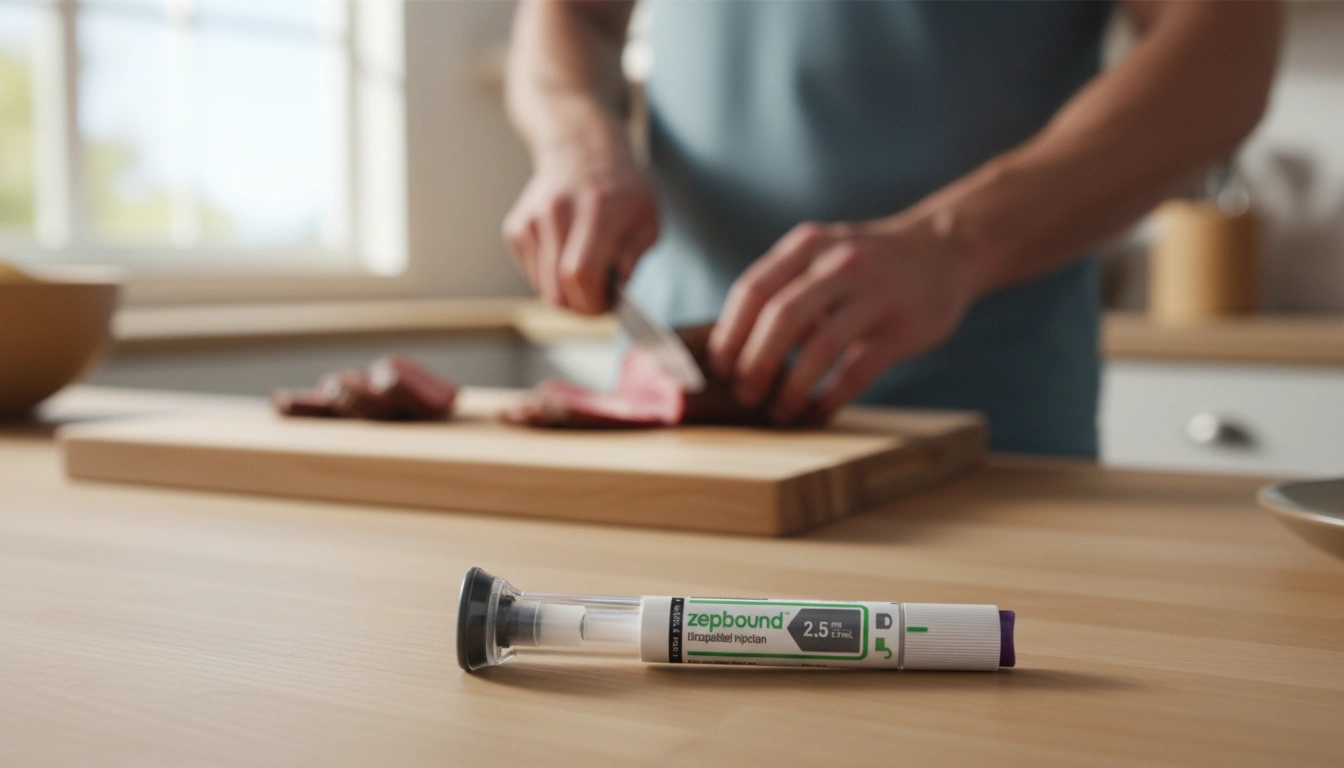
Your treatment journey with Zepbound will usually begin with a low starting dose, typically 2.5 mg once weekly for four weeks. This initial phase allows your body to gradually adjust to the medication, helping to mitigate gastrointestinal side effects.
After the initial four weeks, your doctor may increase your dosage to 5 mg once per week. Subsequent dose increases, in 2.5 mg increments, will occur at intervals of at least four weeks, until the desired therapeutic effect is achieved or the maximum recommended dosage of 15 mg once per week is reached. This stepped approach is a deliberate strategy to find the optimal dose that works best for you. Your physician, guided by your progress and tolerance, will determine the best dosage to fit your individual needs.
Injection Guidelines
Zepbound comes as a solution in a single-use prefilled pen or a single-dose vial. Your healthcare provider will instruct you on how to administer the injection under the skin of your thigh or abdomen. If another person is administering the injection, the upper arm is also an optional site. Each injection pen or vial delivers one dose, and a new one is used for each injection. For those who prefer visual guidance or detailed instructions, the drug manufacturer’s site or the instructions for use included with the medication provide comprehensive information.
Managing Your Dosing Schedule
Consistency is key for Zepbound’s effectiveness. You should inject Zepbound once per week on the same day each week to maintain a steady level of the medication in your body.
- Missed Dose: If you miss a dose, take it as soon as you remember, provided it’s within four days (96 hours) of your scheduled dosing. If more than four days have passed, skip the missed dose and resume your regular weekly schedule. It’s crucial not to take two doses of Zepbound within three days (72 hours) of each other.
- Changing Your Dosing Day: If you need to change your weekly injection day, ensure there are at least three days (72 hours) between doses. Setting a reminder on your phone can be a helpful tip to ensure you stay on track with your personalized plan.
Proper Storage and Disposal
Caring for your medication properly ensures its efficacy and safety.
Storage Instructions
Zepbound should be stored in the refrigerator between 36°F to 46°F (2°C to 8°C) in its original carton to protect it from light. If needed, each single-dose pen or vial can be stored at room temperature (up to 86°F or 30°C) for up to 21 days. Once stored at room temperature, it should not be returned to the refrigerator and must be discarded if not used within 21 days. Do not freeze Zepbound, and do not use it if it has been frozen. Handle the pen carefully, as it contains glass parts; if dropped on a hard surface, do not use it.
Safe Disposal
Proper disposal of used Zepbound pens, needles, and syringes is critical to prevent accidental needle sticks and environmental contamination. Immediately after use, place them in an FDA-cleared sharps disposal container. If you don’t have one, a heavy-duty plastic household container with a tight-fitting, puncture-resistant lid can suffice, ensuring it’s stable, leak-resistant, and properly labeled. Never throw sharps into household trash or recycling bins. Follow your local community guidelines for disposing of your sharps container. For more information, the FDA provides guidance on safe sharps disposal on its website.
At TrimRx, we prioritize your safety and convenience. We partner exclusively with FDA-registered and inspected pharmacies for the shipping of weight loss medications, ensuring that you receive high-quality products directly to your door. This comprehensive service includes doctor consultations, necessary lab work, and unlimited support, all with transparent shipping and no hidden fees.
For immediate support as you manage your wellness journey, we also offer our quick-access supplements: GLP-1 Daily Support and Weight Loss Boost.
Understanding Potential Side Effects and Safety Considerations
While Zepbound offers significant benefits for weight management, it’s essential to be aware of potential side effects and safety considerations. Our commitment at TrimRx is to ensure you have a transparent understanding of your treatment, prioritizing your well-being through every stage.
Common Mild Side Effects
Most individuals tolerate Zepbound well, but like any medication, it can cause side effects. Many mild side effects are gastrointestinal in nature and tend to be more prevalent when starting treatment or increasing the dose. They often decrease over time as your body adjusts.
Common mild side effects may include:
- Nausea
- Vomiting
- Diarrhea
- Constipation
- Abdominal pain
- Indigestion or gastroesophageal reflux disease (GERD)
- Injection site reactions (e.g., bruising, itching, pain)
- Fatigue
- Burping
- Hair loss
- Mildly increased heart rate
- Low blood pressure
- Mild allergic reaction (skin rash, itchiness, flushing)
If you experience nausea, some helpful tips include eating smaller, more frequent meals, avoiding fatty foods, and opting for bland foods like toast, crackers, or rice. If any side effects become severe or persistent, it’s crucial to discuss them with your healthcare provider. Our unlimited support ensures you have a reliable resource for such concerns.
Serious Side Effects and Important Safety Warnings
While less common, Zepbound can cause serious side effects. Prompt recognition and medical attention are vital if these occur.
Boxed Warning: Risk of Thyroid C-Cell Tumors
Zepbound carries a boxed warning, the most serious warning from the FDA, regarding the risk of thyroid C-cell tumors, including medullary thyroid carcinoma (MTC). Studies in rats showed a dose-dependent and treatment-duration-dependent increase in these tumors. It is currently unknown if Zepbound causes such tumors in humans.
It is crucial not to use Zepbound if you or any family member have a personal or family history of MTC or if you have Multiple Endocrine Neoplasia syndrome type 2 (MEN 2). You should immediately report symptoms such as a lump or swelling in your neck, hoarseness, trouble swallowing, or shortness of breath to your healthcare provider.
Other Serious Risks:
- Acute Pancreatitis: Symptoms can include severe, persistent abdominal pain, which may radiate to the back, with or without vomiting. If suspected, Zepbound should be discontinued, and medical evaluation is necessary.
- Acute Gallbladder Disease: This can manifest as gallstones or inflammation of the gallbladder (cholecystitis), with symptoms such as abdominal pain, nausea, vomiting, and fever.
- Severe Gastrointestinal Problems: While mild GI issues are common, severe and persistent nausea, vomiting, or diarrhea can lead to dehydration and acute kidney injury. It’s essential to drink adequate fluids. Zepbound has not been studied in patients with severe gastrointestinal disease, including severe gastroparesis, and is not recommended in these patients.
- Hypoglycemia (Low Blood Sugar): Zepbound can lower blood glucose. The risk is increased, particularly if you are also taking other diabetes medications like insulin or sulfonylureas. Your doctor will monitor your blood glucose levels and may adjust other medication dosages.
- Severe Allergic Reactions: While rare, severe allergic reactions (anaphylaxis, angioedema) can occur, with symptoms like swelling of the face, lips, tongue, or throat, or difficulty breathing. Seek emergency medical attention immediately if these occur.
- Diabetic Retinopathy Complications: In patients with type 2 diabetes, rapid improvement in glucose control has been associated with a temporary worsening of diabetic retinopathy. Monitoring for progression is advised.
- Suicidal Thoughts or Behaviors: While not reported in Zepbound clinical trials, this side effect has occurred with similar weight loss drugs. Monitor for mood changes, agitation, worsening anxiety, panic attacks, or depression. Discontinue Zepbound if suicidal thoughts or behaviors emerge, and avoid its use in patients with a history of suicidal attempts or active suicidal ideation.
- Pulmonary Aspiration: Zepbound delays gastric emptying. There have been rare reports of pulmonary aspiration during general anesthesia or deep sedation in patients taking GLP-1 receptor agonists. Inform your healthcare providers about Zepbound use prior to any planned surgeries or procedures.
Our proactive approach includes thorough doctor consultations and comprehensive lab work as part of your initial assessment, allowing us to screen for potential risks and ensure Zepbound is a safe option for you. We remain committed to your safety and ensure that medications like Zepbound are provided through FDA-registered, inspected, and approved pharmacies, ensuring the highest standards of quality and safety.
Remember, transparent communication with your healthcare provider about any symptoms or concerns is crucial. To assess your eligibility and discuss a personalized treatment plan, we encourage you to take our free assessment quiz.
The Holistic Approach to Sustainable Weight Loss with TrimRx
Understanding “how long should I take Zepbound” is just one piece of the puzzle. At TrimRx, we recognize that sustainable weight loss and overall well-being require a holistic and individualized approach. Our platform is designed to integrate medical treatment with comprehensive support, empowering you on your unique health journey.
Beyond Medication: A Foundation for Lasting Change
While medications like Zepbound are powerful tools, they are most effective when combined with fundamental lifestyle changes. Our personalized programs emphasize a comprehensive approach that includes:
- Nutritional Guidance: Developing a sustainable, reduced-calorie eating pattern that aligns with your individual needs and preferences. This isn’t about restrictive diets but about fostering healthier eating habits that can be maintained long-term.
- Increased Physical Activity: Incorporating regular physical activity tailored to your capabilities and goals. Exercise not only aids in weight loss but also improves cardiovascular health, mood, and overall vitality.
- Behavioral Support: Addressing the psychological and behavioral aspects of weight management. Our approach recognizes that emotional eating, stress, and habits play a significant role, and we offer support to help you navigate these challenges.
This integrated strategy ensures that you are not just losing weight, but building a foundation for a healthier lifestyle that can be sustained for years to come. This aligns perfectly with our brand values of emphasizing science, empathy, and a transparent approach, all delivered with compassionate care.
The TrimRx Difference: Personalized, Medically Supervised Care
Our platform is a user-friendly and supportive space where individuals receive personalized, medically supervised care. From your initial doctor consultation to ongoing support, we are dedicated to making sustainable weight loss attainable and tailored to you.
Comprehensive Services
When you choose TrimRx, you’re choosing a partner in your health journey. Our comprehensive service includes:
- Doctor Consultations: Access to licensed healthcare providers who assess your eligibility, discuss your health history, and develop a personalized treatment plan, including determining if medications like Zepbound are right for you.
- Medication Management: If prescribed, your medication, whether it’s Compounded Semaglutide, Oral Semaglutide, Ozempic®, Compounded Tirzepatide, Oral Tirzepatide, Mounjaro®, Zepbound®, or Wegovy®, is sourced from FDA-registered and inspected pharmacies. We facilitate this process, ensuring you receive your treatment reliably. Please note: While branded medications like Ozempic®, Zepbound®, Mounjaro®, and Wegovy® are FDA-approved, compounded medications are not FDA-approved.
- Lab Work: Necessary lab tests are included to monitor your health and ensure the safety and efficacy of your treatment plan.
- Unlimited Support: Our team provides continuous guidance, answering your questions and helping you navigate any challenges throughout your journey.
- Shipping: Convenient and discreet shipping of your medication directly to your door, with no hidden fees.
We are proud to offer a service that prioritizes your safety and provides transparent, consistent support, regardless of dosage changes. Our innovative use of telehealth makes expert medical weight loss solutions accessible and convenient.
Supporting Your Journey Every Step of the Way
Whether you’re exploring the potential of prescription medications or seeking immediate wellness support, TrimRx has options designed for you.
To see if you qualify for our personalized prescription weight loss programs, including medications like Zepbound, take our free assessment quiz. This is the first step towards a plan crafted specifically for your needs.
For those looking for immediate support to complement their overall wellness efforts, we also offer quick-access supplements that do not require a quiz:
- GLP-1 Daily Support: Designed to support metabolic health and complement your weight management efforts.
- Weight Loss Boost: Formulated to provide additional assistance for your weight loss journey.
These supplements are readily available to help you feel your best as you work towards your health goals. Our brand is empathetic, innovative, trustworthy, supportive, results-oriented, and personalized, and we are here to support you in achieving your healthier lifestyle.
Conclusion
The question “how long should I take Zepbound?” leads us to a fundamental understanding: sustainable weight management is a continuous journey, not a destination. As a dual GIP and GLP-1 receptor agonist, Zepbound offers a scientifically proven path for chronic weight management, supported by compelling clinical evidence that underscores the importance of long-term adherence for sustained results. Recognizing obesity as a chronic disease means accepting that its treatment, like many other chronic conditions, often requires ongoing support and medication.
At TrimRx, we are deeply committed to providing safe, effective, and personalized weight loss solutions. Our approach seamlessly merges cutting-edge telehealth innovations with medically supervised care, ensuring you have access to expert guidance every step of the way. From your initial doctor consultation and tailored treatment plan, which may include options like Zepbound from FDA-registered pharmacies, to ongoing lab work and unlimited support, we are here to empower your journey. We stand for science, empathy, and transparency, ensuring you are well-informed and supported as you embrace a healthier lifestyle.
Ultimately, the decision on how long to take Zepbound will be a collaborative one between you and your healthcare provider, based on your individual response, health goals, and tolerance. Our role is to facilitate access to this expert care and provide the comprehensive resources you need to succeed. We believe that with the right tools, knowledge, and support, sustainable weight loss is not just a possibility, but an attainable reality.
Ready to explore a personalized approach to your weight management? Take our free assessment quiz today to see if a prescription weight loss medication could be part of your journey. For immediate wellness support, discover our GLP-1 Daily Support and Weight Loss Boost supplements.
Frequently Asked Questions (FAQs)
What is the primary purpose of Zepbound in weight management?
Zepbound is primarily used for chronic weight management in adults with obesity or those who are overweight with at least one weight-related condition (like high blood pressure or obstructive sleep apnea). It works by mimicking natural gut hormones (GIP and GLP-1) to reduce appetite, increase feelings of fullness, and improve metabolic function, helping individuals achieve and maintain significant weight loss when used alongside a reduced-calorie diet and increased physical activity.
How does Zepbound’s dual action (GIP and GLP-1) benefit weight loss compared to other medications?
Zepbound’s unique dual action targets both GIP and GLP-1 receptors, offering a more comprehensive approach to weight management. GLP-1 primarily slows gastric emptying and reduces appetite, while GIP enhances satiety and may influence fat metabolism. This synergistic effect leads to more potent and sustained reductions in food intake and body weight compared to medications that only activate GLP-1 receptors.
Are there specific criteria to be eligible for Zepbound, and how does TrimRx assess eligibility?
Yes, Zepbound is approved for adults with a Body Mass Index (BMI) of 30 kg/m² or greater (obesity), or a BMI of 27 kg/m² or greater (overweight) with at least one weight-related health condition. At TrimRx, we assess your eligibility through a comprehensive process that begins with our free assessment quiz. If you qualify, you’ll have a doctor consultation and undergo necessary lab work to ensure Zepbound is a safe and appropriate treatment option for your specific health profile.
What should I do if I experience side effects while taking Zepbound?
If you experience mild side effects such as nausea or digestive upset, consult with your healthcare provider for management tips, such as adjusting meal sizes or food choices. For severe or persistent side effects, or any symptoms related to the serious warnings (like severe abdominal pain, signs of allergic reaction, or unusual neck swelling), contact your doctor immediately. At TrimRx, our comprehensive service includes unlimited support to help you address any concerns or side effects you may encounter during your treatment journey.

Transforming Lives, One Step at a Time
Keep reading
Navigating Your Path: How Many Doses Are In Zepbound and What It Means for Your Health Journey
Curious how many doses are in Zepbound? Discover its weekly dosing schedule, available strengths, and titration process for effective weight loss. Learn more!
Navigating Your Zepbound Journey: Understanding Dosing and Expert Guidance
Wondering how to split doses of Zepbound? Learn why it’s unsafe & not recommended. Get expert guidance on Zepbound dosing for safe, effective weight loss with TrimRx. Click to learn more!
Understanding Zepbound Dosing: What is the Lowest Dose Available for Your Weight Loss Journey?
Curious what is the lowest dose of Zepbound available? Learn about Zepbound’s 2.5mg starting dose, titration, and safe use for weight loss. Get expert guidance!


