Navigating Your Zepbound Journey: What is a Good Maintenance Dose for Sustainable Weight Loss?
Introduction
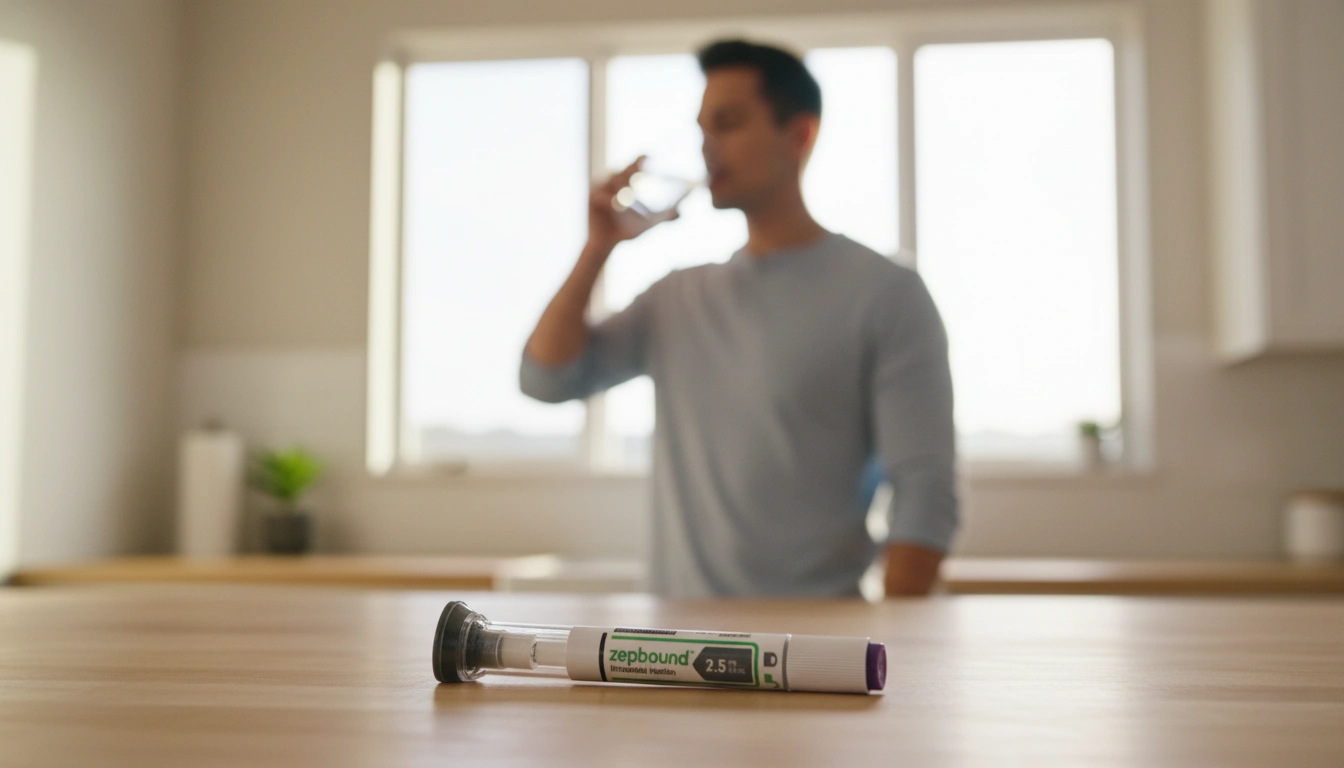
Imagine standing at the precipice of a significant health transformation, having already overcome initial challenges in your weight loss journey. You’ve embraced new habits, navigated dietary changes, and perhaps even started a medication like Zepbound, seeing progress you once only dreamed of. Now, a new question emerges: how do you maintain this momentum? The shift from active weight loss to sustainable weight management is a pivotal moment, and for those using prescription medications, understanding the appropriate maintenance dose is paramount. It’s not merely about reaching a number on the scale, but about establishing a long-term, healthy relationship with your body, supported by informed choices and personalized care.
The journey with weight loss medication, particularly a powerful tool like Zepbound (tirzepatide), is far from a one-size-fits-all experience. Its efficacy in driving significant weight reduction has been demonstrated in clinical trials, offering hope to many individuals struggling with obesity or overweight and related health conditions. However, the path to finding the “good” maintenance dose is nuanced, intertwining individual physiological responses, tolerability to side effects, and the overarching goal of sustained well-being. This article delves deeply into the intricacies of Zepbound’s dosing, exploring the science behind its mechanism, the approved titration schedule, and the crucial factors that determine an effective and safe long-term maintenance strategy.
At TrimRx, our journey began with a shared vision to help individuals embrace healthier lifestyles by merging cutting-edge telehealth innovations with effective weight loss solutions. Our platform is a user-friendly and supportive space where individuals receive personalized, medically supervised care—all designed to make sustainable weight loss attainable and tailored to the individual. We believe that sustainable weight loss should be achieved through science, empathy, and a transparent approach. Through this comprehensive guide, we aim to shed light on what a good maintenance dose for Zepbound entails, empowering you with the knowledge to work effectively with healthcare professionals, understand your treatment plan, and confidently pursue your health goals. We will cover Zepbound’s mechanism of action, the importance of dose escalation, the various maintenance dosages, and the critical safety considerations. By the end, you’ll have a clearer understanding of how to approach the maintenance phase of your weight loss journey with Zepbound, supported by the dedicated and empathetic care that TrimRx provides.
Understanding Zepbound: A Dual-Action Approach to Weight Management
Zepbound, with its active ingredient tirzepatide, represents a significant advancement in the landscape of weight management. It’s not just another medication; it’s a dual-action agonist that targets two crucial hormone receptors in the body: glucose-dependent insulinotropic polypeptide (GIP) and glucagon-like peptide-1 (GLP-1). This dual agonism is what sets tirzepatide apart and contributes to its robust efficacy in promoting weight loss and improving metabolic health.
The Science Behind Tirzepatide’s Effectiveness
Both GIP and GLP-1 are incretin hormones, naturally released by the intestine in response to food intake. They play vital roles in regulating blood sugar and appetite.
- GLP-1 Receptor Agonism: Activation of GLP-1 receptors is well-known for stimulating insulin secretion in a glucose-dependent manner, suppressing glucagon secretion, slowing gastric emptying, and enhancing satiety by acting on brain centers that control appetite. These combined effects lead to reduced food intake and, consequently, weight loss.
- GIP Receptor Agonism: While GLP-1’s mechanisms are widely recognized, GIP’s role in weight loss is increasingly understood. GIP receptor activation also contributes to glucose-dependent insulin secretion. More importantly for weight management, GIP has synergistic effects with GLP-1 in reducing appetite and food intake, and it may also directly influence fat metabolism.
By activating both GIP and GLP-1 receptors, tirzepatide leverages a more comprehensive physiological approach, leading to greater reductions in body weight compared to GLP-1-only medications. This dual action helps individuals feel fuller for longer, experience less hunger, and ultimately consume fewer calories, making sustained weight loss more achievable.
Zepbound’s Role in a Holistic Weight Loss Strategy
It is crucial to remember that Zepbound is prescribed as a component of a broader weight management strategy. It is intended for use in combination with a reduced-calorie diet and increased physical activity. This synergistic approach maximizes the benefits of the medication while fostering sustainable lifestyle changes. Zepbound is indicated for adults with obesity (Body Mass Index or BMI of 30 kg/m² or higher) or for those who are overweight (BMI of 27 kg/m² or higher) and have at least one weight-related comorbid condition, such as high blood pressure, type 2 diabetes, high cholesterol, or obstructive sleep apnea (OSA). It is not for cosmetic weight loss. We at TrimRx emphasize this holistic perspective, integrating medication with comprehensive support to empower individuals on their health journey.
The Journey to Maintenance: Gradual Dose Escalation
Starting any new medication requires careful consideration, and Zepbound is no exception. The treatment initiation phase is characterized by a gradual dose escalation, a critical strategy designed to minimize potential gastrointestinal side effects and allow the body to adapt to the medication. This thoughtful approach underscores our commitment to a safe and comfortable experience for every individual.
Why Gradual Titration is Essential
Rapidly increasing the dose of medications like tirzepatide can lead to a higher incidence and severity of gastrointestinal adverse reactions, such as nausea, vomiting, and diarrhea. These side effects, while often temporary, can be uncomfortable and may lead to treatment discontinuation if not managed properly. By starting with a low dose and incrementally increasing it, healthcare providers aim to:
- Improve Tolerability: Allow the body to gradually adjust to the medication, reducing the likelihood of severe side effects.
- Optimize Efficacy: Find the lowest effective dose that delivers desired weight loss with minimal discomfort.
- Enhance Adherence: Patients are more likely to adhere to treatment when side effects are manageable, leading to better long-term outcomes.
The Recommended Zepbound Dosing Schedule
The journey with Zepbound typically begins at a conservative starting dose and progresses through a structured titration schedule. Our medically supervised programs are designed to guide you through this process with expert support.
- Initiation Dose: Treatment with Zepbound begins with 2.5 mg injected subcutaneously once weekly for the first four weeks. This initial dosage is solely for treatment initiation and is not approved as a maintenance dosage.
- First Increase: After four weeks on the 2.5 mg dose, the dosage is typically increased to 5 mg once weekly.
- Subsequent Increases: The dosage may be further increased in 2.5 mg increments, but only after at least four weeks on the current dose. This means an individual might progress from 5 mg to 7.5 mg, then to 10 mg, 12.5 mg, and finally to the maximum dose of 15 mg, with each step lasting at least four weeks.
This systematic approach ensures that your body has ample time to adjust at each level, making the transition as smooth as possible. Throughout this process, your response to treatment and any side effects you experience are closely monitored by your healthcare provider. This personalized attention is a cornerstone of our philosophy at TrimRx, ensuring that your treatment plan is always tailored to your unique needs. We understand that finding the right rhythm for your medication is a personal journey, and our goal is to provide the transparent service and dedicated support you need every step of the way. If you are curious about starting a personalized treatment plan, we encourage you to take our free assessment quiz to see if you qualify for our prescription weight loss medications.
What is a Good Maintenance Dose for Zepbound?
The concept of a “good” maintenance dose for Zepbound is highly individualized, balancing the medication’s effectiveness in sustaining weight loss with a patient’s tolerability to any side effects. While clinical trials provide valuable insights into average responses, the optimal dose for one person may differ significantly from another.
Approved Maintenance Dosages and Clinical Evidence
According to the prescribing information, the recommended maintenance dosages of tirzepatide for adults are 5 mg, 10 mg, or 15 mg injected subcutaneously once weekly. These are the doses at which patients in clinical trials demonstrated sustained weight reduction over the long term.
In the landmark SURMOUNT clinical trials, which evaluated Zepbound’s impact on weight loss over 72 weeks, different doses yielded varying average weight loss outcomes:
- 5 mg dose: Patients on the 5 mg dose achieved an average weight loss of approximately 15% of their body weight.
- 10 mg dose: The 10 mg dose led to an average body weight reduction of about 20%.
- 15 mg dose: The highest dose, 15 mg, achieved the greatest loss, up to approximately 21-22.5%, making it the most effective dose overall in terms of average total weight lost.
These findings suggest a dose-dependent relationship between tirzepatide and weight loss, meaning higher doses generally correlate with greater average weight reduction. However, it’s vital to interpret these averages with a focus on individual patient response.
Why 7.5 mg and 12.5 mg are Not Considered “Maintenance Doses”
It’s worth noting that while Zepbound is available in strengths of 7.5 mg and 12.5 mg, these specific dosages were not formally studied as “maintenance doses” in Lilly’s clinical trials. Instead, they serve as crucial incremental steps during the dose escalation phase, allowing for fine-tuning before reaching one of the three established maintenance doses (5 mg, 10 mg, or 15 mg). This does not mean these doses are ineffective; rather, they are part of the careful titration process to help individuals find their most suitable long-term dosage. We understand that navigating these distinctions can be complex, and our team provides compassionate care and clear explanations every step of the way.
Factors Influencing Maintenance Dose Selection
Determining the ideal maintenance dose involves a careful assessment of several factors by your healthcare provider:
- Treatment Response: How effectively is the current dose contributing to sustained weight loss and maintenance of healthy weight? Is the individual continuing to meet their weight management goals?
- Tolerability and Side Effects: Are the side effects, particularly gastrointestinal issues like nausea, diarrhea, and vomiting, manageable at the current dose? Higher doses, while potentially more effective for weight loss, can also be associated with a greater incidence and severity of side effects. If a patient experiences bothersome side effects, a lower maintenance dosage may be considered to improve comfort and adherence.
- Overall Health and Comorbidities: The presence of weight-related health conditions (e.g., type 2 diabetes, obstructive sleep apnea) and how they respond to treatment may also influence dose selection. For instance, for obstructive sleep apnea (OSA), the typical maintenance dosage is 10 mg or 15 mg once weekly.
- Long-Term Sustainability: The ultimate goal is sustainable weight management. A dose that an individual can tolerate and that effectively maintains their weight loss over a long period is considered a “good” maintenance dose. It is a collaborative decision between you and your healthcare provider, reflecting an empathetic and personalized approach.
Many patients find significant benefit and better tolerability with intermediate doses, and some may successfully maintain their weight loss at lower doses like 5 mg if it is effective and well-tolerated. This underscores the personalized nature of Zepbound treatment, a core principle at TrimRx. Your doctor will determine the best dosage to fit your needs, striving for the smallest dosage that provides the desired effect. For those seeking personalized guidance, remember to take our free assessment quiz to explore your eligibility for a tailored treatment plan with prescription medications like Zepbound.
Important Safety Information and Considerations with Zepbound
While Zepbound offers significant benefits for weight management, it is crucial to be fully aware of the associated safety information and potential risks. Our commitment to transparent service means we want to ensure you are well-informed about every aspect of your treatment.
Boxed Warning: Risk of Thyroid C-Cell Tumors
Zepbound carries a BOXED WARNING regarding the risk of thyroid C-cell tumors. In studies involving rats, tirzepatide caused dose-dependent and treatment-duration-dependent thyroid C-cell tumors at clinically relevant exposures. It is not yet known whether Zepbound causes thyroid C-cell tumors, including medullary thyroid carcinoma (MTC), in humans, as the human relevance of tirzepatide-induced rodent thyroid C-cell tumors has not been definitively determined.
- Contraindications: Zepbound is contraindicated in patients with a personal or family history of MTC or in patients with Multiple Endocrine Neoplasia syndrome type 2 (MEN 2).
- Patient Counseling: Patients should be counseled regarding the potential risk for MTC with Zepbound and informed of symptoms of thyroid tumors (e.g., a mass in the neck, difficulty swallowing or dysphagia, difficulty breathing or dyspnea, persistent hoarseness).
- Monitoring: Routine monitoring of serum calcitonin or using thyroid ultrasound is of uncertain value for early detection of MTC in patients treated with Zepbound. Such monitoring may increase the risk of unnecessary procedures due to low test specificity. If significantly elevated serum calcitonin values are found, or if thyroid nodules are noted, further evaluation is indicated.
Other Serious Adverse Reactions and Considerations
Beyond the boxed warning, there are several other important safety considerations associated with Zepbound:
Gastrointestinal Adverse Reactions
Severe gastrointestinal adverse reactions, including nausea, vomiting, and diarrhea, have been reported more frequently with Zepbound than with placebo in clinical trials. Zepbound has not been studied in patients with severe gastrointestinal disease, including severe gastroparesis, and is therefore not recommended for these individuals.
Acute Kidney Injury
Use of Zepbound has been associated with acute kidney injury, which can result from dehydration due to severe gastrointestinal adverse reactions. Patients should monitor for and report symptoms that could lead to volume depletion, and renal function may be monitored.
Acute Gallbladder Disease
Treatment with Zepbound and GLP-1 receptor agonists is associated with an increased occurrence of acute gallbladder disease, including cholelithiasis (gallstones) and cholecystitis (gallbladder inflammation). If gallbladder disease is suspected, diagnostic studies and appropriate follow-up are necessary.
Acute Pancreatitis
Acute pancreatitis, including fatal and non-fatal hemorrhagic or necrotizing pancreatitis, has been observed with GLP-1 receptor agonists and tirzepatide. Patients should be observed for signs and symptoms such as persistent severe abdominal pain, which may radiate to the back and may or may not be accompanied by vomiting. If pancreatitis is suspected, Zepbound should be discontinued.
Hypersensitivity Reactions
Serious hypersensitivity reactions (e.g., anaphylaxis, angioedema) have been reported. If such reactions occur, patients should seek immediate medical attention and discontinue Zepbound. It is contraindicated in patients with a previous serious hypersensitivity reaction to tirzepatide or any of its excipients.
Hypoglycemia
Zepbound lowers blood glucose and can cause hypoglycemia (low blood sugar), especially when used in combination with an insulin secretagogue (like sulfonylurea) or insulin. Patients with diabetes should monitor blood glucose levels, and doses of concomitant medications may need adjustment.
Diabetic Retinopathy Complications
Rapid improvement in glucose control has been associated with a temporary worsening of diabetic retinopathy. Patients with a history of diabetic retinopathy should be monitored for progression.
Suicidal Behavior and Ideation
Suicidal behavior and ideation have been reported in clinical trials with other weight management products. Patients treated with Zepbound should be monitored for the emergence or worsening of depression, suicidal thoughts or behaviors, and/or any unusual changes in mood or behavior. Discontinue Zepbound if suicidal thoughts or behaviors occur. Avoid Zepbound in patients with a history of suicidal attempts or active suicidal ideation.
Pulmonary Aspiration During General Anesthesia or Deep Sedation
Zepbound delays gastric emptying. Rare postmarketing reports of pulmonary aspiration have occurred in patients receiving GLP-1 receptor agonists undergoing procedures requiring general anesthesia or deep sedation, despite adherence to preoperative fasting. Patients should inform healthcare providers about Zepbound use prior to any planned surgeries or procedures.
Partnering for Your Safety
At TrimRx, patient safety is paramount. We work exclusively with FDA-registered and inspected pharmacies for the shipping of weight loss medications. While we do not provide actual medical supervision ourselves, our comprehensive service includes doctor consultations, lab work, and unlimited support, all designed to ensure you receive medically supervised care. It is crucial to have ongoing communication with your healthcare provider about any side effects or concerns. This open dialogue ensures that your treatment plan remains safe, effective, and tailored to your evolving needs.
The Long-Term Commitment to Weight Management
Weight management, particularly for individuals struggling with obesity, is a chronic condition that often requires long-term strategies. Zepbound is typically a long-term treatment, designed to support sustained weight loss and maintenance over an extended period. This commitment requires more than just medication; it demands a comprehensive approach to health and well-being.
Sustaining Progress Beyond Initial Weight Loss
Achieving initial weight loss is a significant accomplishment, but the real challenge often lies in maintaining that loss over years. This is where Zepbound, when prescribed as part of a personalized plan, can play a vital role. The medication helps by continuing to regulate appetite and metabolism, making it easier to adhere to reduced-calorie diets and increased physical activity.
Studies, such as the SURMOUNT-4 trial, have shown that continued treatment with tirzepatide for maintenance of weight reduction in adults with obesity yields superior results compared to switching to placebo. This highlights the chronic nature of obesity and the ongoing need for therapeutic support for many individuals. It’s a journey that requires consistent effort, and having a supportive framework can make all the difference.
The TrimRx Approach to Continuous Support
Our philosophy at TrimRx is rooted in providing continuous, empathetic, and results-oriented support throughout your entire weight loss journey, including the crucial maintenance phase. We understand that needs can change, and our commitment to transparent service means our approach remains consistent, regardless of dosage adjustments.
Our comprehensive service includes:
- Ongoing Doctor Consultations: Regular check-ins with healthcare providers to monitor progress, assess tolerability, and make any necessary adjustments to your treatment plan. This ensures your Zepbound maintenance dose remains optimal for your needs.
- Medication Management: Access to prescription medications like Compounded Semaglutide, Oral Semaglutide, Ozempic®, Compounded Tirzepatide, Oral Tirzepatide, Mounjaro®, Zepbound®, and Wegovy® through FDA-registered and inspected pharmacies. We facilitate the entire process, from prescription to shipping. It is important to remember that while branded medications like Ozempic®, Mounjaro®, Zepbound®, and Wegovy® are FDA-approved, compounded medications are not FDA-approved.
- Lab Work: Essential for monitoring your health parameters and ensuring the safety and effectiveness of your treatment.
- Unlimited Support: Our team is here to answer your questions, provide guidance, and offer encouragement whenever you need it. This could involve discussing dietary strategies, exercise routines, or simply being a sounding board for your experiences.
- Shipping: Convenient and discreet delivery of your medication directly to your door, with no hidden fees.
We believe that sustainable weight loss should be achieved through science, empathy, and a transparent approach. This holistic support system is designed to empower you to not only reach your weight loss goals but also to maintain them, fostering a healthier, more vibrant lifestyle for the long term.
Complementary Support for Your Journey
Beyond prescription medications, we also offer quick-access supplements that do not require a quiz and can provide additional support for your overall wellness during the weight loss journey:
- GLP-1 Daily Support: This supplement is formulated to complement your weight management efforts, available for immediate purchase to support overall wellness. Explore its benefits and make a purchase by visiting our page on GLP-1 Daily Support.
- Weight Loss Boost: Designed to provide an extra push for your weight loss journey, this supplement is also available for immediate purchase. Find out more and add it to your regimen at our Weight Loss Boost page.
These supplements offer another layer of care, aligning with our commitment to providing a comprehensive toolkit for healthier living. Your path to sustainable weight management is unique, and we are dedicated to offering diverse solutions to support you every step of the way.
Conclusion
The journey with Zepbound towards sustainable weight management is a testament to the power of personalized care, scientific innovation, and unwavering support. Understanding what constitutes a “good” maintenance dose for Zepbound is not a simple matter of choosing the highest dose; rather, it’s a dynamic process of balancing efficacy, tolerability, and your individual health profile under expert medical supervision. We’ve explored how Zepbound’s dual GIP/GLP-1 agonism offers a powerful mechanism for weight reduction, the critical importance of gradual dose escalation to mitigate side effects, and the clinical evidence supporting the approved maintenance dosages of 5 mg, 10 mg, and 15 mg. Crucially, we’ve highlighted that doses like 7.5 mg and 12.5 mg serve as important titration steps within this personalized journey, even if not formally classified as standalone maintenance doses in clinical trials.
However, any discussion of medication must include a transparent review of safety. The BOXED WARNING regarding thyroid C-cell tumors, alongside other potential adverse reactions such as severe gastrointestinal issues, acute kidney injury, gallbladder disease, pancreatitis, and the risk of hypoglycemia, underscores the need for diligent monitoring and continuous communication with your healthcare provider. Your safety and well-being are paramount, and at TrimRx, we are dedicated to ensuring you receive medically supervised care through our network of healthcare professionals and by partnering exclusively with FDA-registered and inspected pharmacies for medication fulfillment.
Our mission at TrimRx is to provide a user-friendly and supportive space where individuals receive personalized, medically supervised care designed to make sustainable weight loss attainable. We stand by our belief that sustainable weight loss should be achieved through science, empathy, and a transparent approach. Whether you are contemplating starting a prescription weight loss medication or are already on your journey, our comprehensive service—including doctor consultations, medication, lab work, unlimited support, and shipping—is designed to empower you.
As you reflect on your own path to healthier living, consider the proactive steps you can take. To explore if a personalized treatment plan with prescription medications like Compounded Semaglutide, Oral Semaglutide, Ozempic®, Compounded Tirzepatide, Oral Tirzepatide, Mounjaro®, Zepbound®, or Wegovy® is right for you, we invite you to take our free assessment quiz. For immediate support to enhance your overall wellness, you can also explore our quick-access supplements like GLP-1 Daily Support and Weight Loss Boost.
Your weight loss journey is yours alone, but you don’t have to embark on it by yourself. Together, we can work towards a healthier, more confident you, supported by innovative solutions and compassionate care.
FAQ
What are the approved maintenance doses for Zepbound?
The approved maintenance dosages for Zepbound (tirzepatide) in adults are 5 mg, 10 mg, or 15 mg injected subcutaneously once weekly. These doses have been shown in clinical trials to effectively support sustained weight reduction. Your healthcare provider will work with you to determine the most suitable maintenance dose based on your response to treatment and tolerability.
Why is gradual dose escalation important when starting Zepbound?
Gradual dose escalation is crucial to minimize the risk and severity of gastrointestinal side effects such as nausea, vomiting, and diarrhea. By starting with a low dose (2.5 mg for the first four weeks) and slowly increasing it in 2.5 mg increments every four weeks, your body has time to adjust, improving tolerability and adherence to treatment. This methodical approach ensures a smoother and more comfortable experience.
Can I stay on a lower dose of Zepbound for maintenance if I’m losing weight?
Yes, it is possible to maintain your weight loss at a lower dose of Zepbound, such as 5 mg, if it is effective and well-tolerated. The “best” dose is highly individualized, focusing on the balance between efficacy and tolerability. Your healthcare provider will consider your individual response, side effect profile, and overall weight management goals when determining your optimal long-term maintenance dose.
What should I do if I experience side effects on Zepbound?
If you experience any side effects while taking Zepbound, it is important to communicate promptly with your healthcare provider. Common side effects often include gastrointestinal issues like nausea, diarrhea, vomiting, or constipation. Your provider can offer strategies for managing these side effects, adjust your dose if necessary, or discuss alternative approaches to ensure your comfort and safety. Never adjust your dose without medical advice.

Transforming Lives, One Step at a Time
Keep reading

How to Get Zepbound in Texas: Your Guide
Getting Zepbound in Texas is straightforward once you know your options. You can get a prescription through a telehealth provider from home, through your…

How to Get Zepbound in California: Where to Start
Zepbound (tirzepatide) is available to California residents through your primary care provider, a weight loss clinic, or a telehealth service that prescribes and delivers…
Stopping Zepbound: Managing the Transition
When you stop taking Zepbound, your appetite returns to pre-medication levels within a few weeks and most people regain a meaningful portion of their…


