Navigating Your Zepbound Journey: When to Consider a Dose Increase
Introduction
The journey toward sustainable weight management is deeply personal, often marked by significant lifestyle shifts and, for many, the support of advanced medical treatments. Few developments have garnered as much attention in recent years as medications like Zepbound, which represent a new frontier in helping individuals achieve their health goals. Yet, embarking on such a regimen often raises important questions, especially regarding how these powerful tools are managed over time. One such crucial query that resonates with many is: how do you know when to increase dose of Zepbound to maintain momentum and optimize outcomes?
Understanding the nuances of medication dosing is not just about adhering to a schedule; it’s about engaging thoughtfully with your treatment plan and recognizing the subtle signals your body sends. For a medication like Zepbound, which acts as a dual GLP-1 and GIP receptor agonist, the path to its full therapeutic potential often involves a carefully orchestrated dose escalation. This approach is designed to balance efficacy with tolerability, ensuring that you achieve optimal results while minimizing potential side effects.
At TrimRx, our journey began with a shared vision to help individuals embrace healthier lifestyles by merging cutting-edge telehealth innovations with effective weight loss solutions. We understand that sustainable weight loss should be achieved through science, empathy, and a transparent approach. This commitment extends to providing comprehensive guidance on medications like Zepbound, ensuring our members are well-informed partners in their care.
This detailed guide will illuminate the principles behind Zepbound dosing, delve into the specific indicators that suggest a dose increase might be appropriate, and outline the meticulous, medically supervised process that ensures safety and effectiveness. We will explore the critical role of personalized care, emphasizing how TrimRx’s empathetic and results-oriented approach supports every individual’s unique path. By the end of this post, you will have a clearer understanding of how dose adjustments are managed, empowering you to discuss your progress confidently with your healthcare provider and continue moving forward in your weight management journey.
Understanding Zepbound and Its Role in Personalized Weight Management
Zepbound, with its active ingredient tirzepatide, represents a significant advancement in the landscape of weight management. Approved by the Food and Drug Administration (FDA) to assist with weight management in adults who have obesity or are overweight with at least one weight-related condition—such as high blood pressure, type 2 diabetes, or moderate to severe obstructive sleep apnea—Zepbound offers a powerful tool when combined with exercise and dietary changes. Its mechanism of action is unique, targeting two incretin hormones, glucagon-like peptide-1 (GLP-1) and glucose-dependent insulinotropic polypeptide (GIP). This dual action contributes to its effectiveness in regulating appetite, promoting satiety, and improving metabolic markers.
The journey with Zepbound is typically a long-term one, designed to support sustained weight loss and help individuals maintain a healthier body weight over time. This long-term commitment underscores the importance of a meticulously managed treatment plan, where dosage adjustments play a pivotal role in optimizing efficacy and ensuring safety throughout the duration of therapy. Our commitment at TrimRx is to provide a user-friendly and supportive space where individuals receive personalized, medically supervised care, all designed to make sustainable weight loss attainable and tailored to the individual. We believe in harnessing advanced medical science with modern technology to deliver compassionate care that respects every individual’s unique journey.
The Science Behind Tirzepatide: A Dual-Action Approach
Tirzepatide, the active compound in Zepbound, distinguishes itself by activating both GLP-1 and GIP receptors. GLP-1 receptor agonists have been recognized for their ability to slow gastric emptying, increase feelings of fullness, and reduce food intake. GIP receptor activation further enhances these effects, contributing to improved glucose metabolism and potentially greater weight loss. This synergistic action means that Zepbound addresses multiple physiological pathways involved in weight regulation, offering a more comprehensive approach compared to single-receptor agonists.
Research, including the landmark SURMOUNT clinical trials, has consistently demonstrated the significant weight loss potential of tirzepatide. These studies have shown that individuals can achieve substantial reductions in body weight, alongside improvements in various health parameters, when utilizing Zepbound as part of a structured weight management program. The efficacy observed in these trials reinforces the scientific foundation of our approach at TrimRx, where we integrate such proven solutions into our personalized plans.
FDA Approval and Indications for Zepbound
Zepbound’s FDA approval specifically targets adults with a body mass index (BMI) of 30 kg/m² or greater (obesity), or a BMI of 27 kg/m² or greater (overweight) with at least one weight-related comorbidity. These comorbidities can include:
- High blood pressure
- Type 2 diabetes
- High cholesterol
- Obstructive sleep apnea
The approval reflects extensive clinical data supporting its safety and efficacy for these indications. It’s crucial to remember that Zepbound is not a standalone solution but rather a component of a holistic strategy that includes dietary modifications and increased physical activity. Our programs at TrimRx are built on this understanding, offering comprehensive support that goes beyond medication alone to foster lasting health changes.
The Foundational Principles of Zepbound Dosing and Titration
Starting Zepbound, or any powerful medication, involves a carefully structured dosing schedule. This isn’t just a recommendation; it’s a critical strategy to help your body adapt to the medication and minimize the likelihood of common gastrointestinal side effects such as nausea, vomiting, diarrhea, or constipation. This methodical approach is known as titration, and it’s a cornerstone of safe and effective Zepbound treatment.
The Initial Phase: Starting Low and Slow
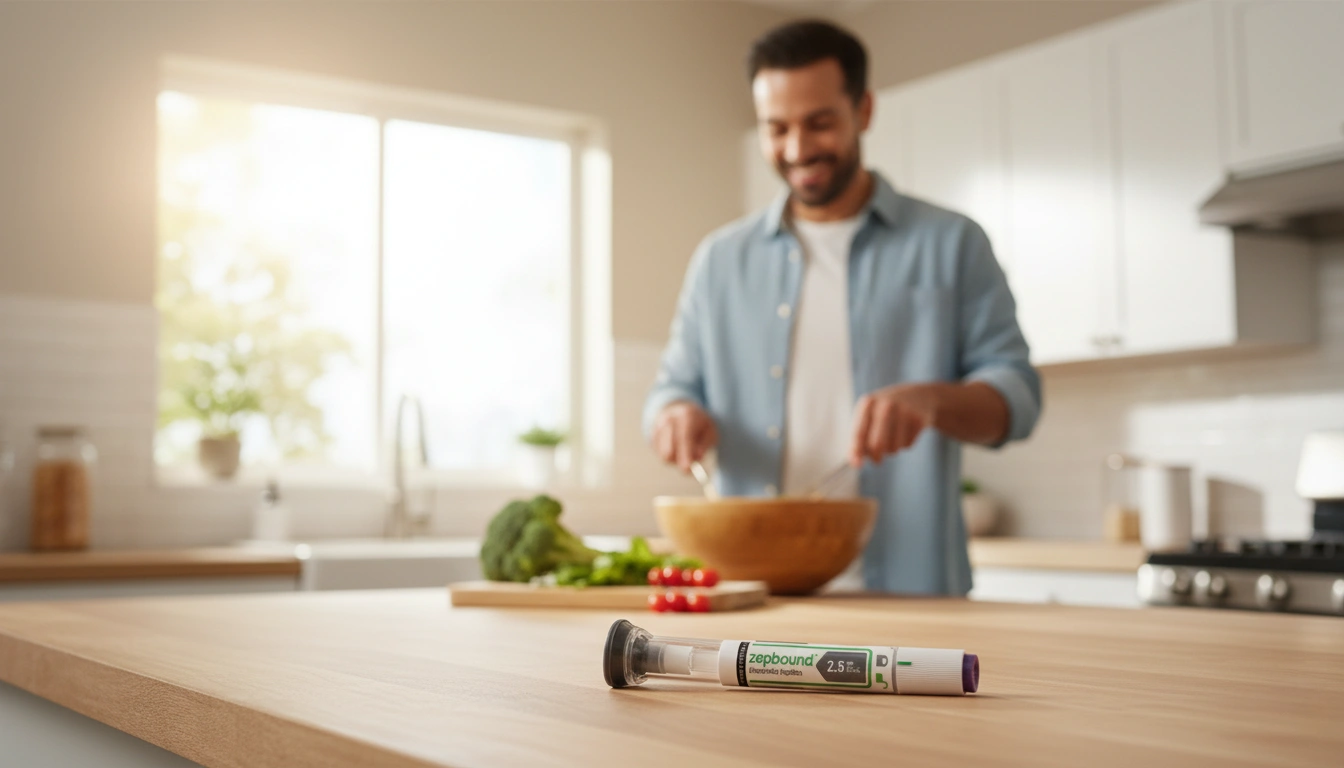
Every individual embarking on Zepbound therapy begins at the lowest possible dose: 2.5 milligrams (mg) once per week. This initial dosage is typically maintained for the first four weeks. The primary goal during this phase is not necessarily rapid weight loss, but rather to allow your system to gradually acclimate to the presence of tirzepatide. By introducing the medication slowly, we aim to reduce the intensity of potential side effects, making the transition into treatment as comfortable as possible. This careful start exemplifies our empathetic approach at TrimRx, prioritizing your comfort and well-being alongside your progress.
Understanding the Dose Escalation Schedule
Following the initial four-week period at 2.5 mg, your healthcare provider will typically consider increasing your dose. The standard protocol involves increasing the dose by 2.5 mg increments, approximately every four weeks. This means that after the initial 2.5 mg, you might move to 5 mg, then 7.5 mg, 10 mg, 12.5 mg, and finally, the maximum recommended dose of 15 mg once per week.
This gradual dose escalation is not a rigid, one-size-fits-all pathway. It is a flexible framework that your healthcare provider will adapt based on your individual response and tolerance. Some individuals may find significant success and adequate weight loss at lower or intermediate doses, experiencing fewer side effects and feeling comfortable remaining at that level for longer than four weeks. Conversely, others may progress through the doses more consistently to reach higher efficacy levels. Our personalized programs at TrimRx are designed to honor these individual variations, ensuring your treatment plan is genuinely tailored to you.
The available strengths of Zepbound for subcutaneous injection are:
- 2.5 mg/0.5 mL
- 5 mg/0.5 mL
- 7.5 mg/0.5 mL
- 10 mg/0.5 mL
- 12.5 mg/0.5 mL
- 15 mg/0.5 mL
The Concept of a Maintenance Dose
The “maintenance dose” refers to the specific Zepbound strength that your healthcare provider determines is most effective for you, balancing significant weight loss with tolerable side effects. For many, this could be 5 mg, 10 mg, or 15 mg once per week. Once this optimal dose is found, you typically continue on it for the duration of your long-term treatment. The objective is to achieve and sustain the desired effects on appetite, satiety, and weight management without compromising your quality of life due to adverse reactions. Our comprehensive service ensures that during this process, you receive continuous support, doctor consultations, and lab work to inform these crucial decisions, all facilitated by medication provided through FDA-registered and inspected pharmacies.
Clinical Efficacy Across Zepbound Dosages: What the Studies Show
When considering how do you know when to increase dose of Zepbound, it’s helpful to understand the general efficacy patterns observed in clinical trials. These studies provide a broad perspective on how different dosages correlate with weight loss outcomes, though individual results will always vary.
Weight Loss Trajectories at Different Dose Levels
The SURMOUNT clinical trials, which evaluated tirzepatide’s impact on weight loss over 72 weeks, offered valuable insights into the dose-response relationship. While participants typically started at 2.5 mg for acclimation, the more substantial weight loss was observed as doses increased:
- 5 mg Dose: In these trials, individuals receiving the 5 mg once-weekly dose demonstrated an average body weight reduction of approximately 15%. This significant initial response indicates that even at a relatively moderate dose, Zepbound can be highly effective for many.
- 10 mg Dose: Moving to the 10 mg dose, participants experienced an average weight loss of around 20% of their body weight over the 72-week period. This incremental increase in efficacy highlights the benefit of dose escalation for those who tolerate it well and require further support in their weight loss journey.
- 15 mg Dose: The highest approved dose, 15 mg once weekly, yielded the greatest average weight loss, reaching up to approximately 21% body weight reduction. This suggests that for individuals who can comfortably tolerate the maximum dose, it may offer the most profound impact on weight management.
It’s important to remember that these are average results from large clinical populations. Your personal experience may differ, and factors such as adherence to dietary changes and exercise, individual metabolism, and presence of comorbidities will influence your specific outcomes. The data, however, provides a strong basis for understanding the potential benefits of dose adjustments under medical supervision.
Balancing Efficacy with Tolerability
While higher doses generally correlate with greater average weight loss, they can also be associated with an increased incidence of gastrointestinal side effects, such as nausea, diarrhea, and vomiting. This is a critical consideration for your healthcare provider when determining how do you know when to increase dose of Zepbound. The “best dose” for any individual is not simply the highest dose, but rather the dose that provides the optimal balance between achieving significant weight loss and maintaining good tolerability.
Many individuals find substantial benefit and improved quality of life with intermediate doses (e.g., 5 mg or 7.5 mg), experiencing fewer side effects while still achieving meaningful weight reduction. The decision to increase a dose is always a shared one between you and your healthcare provider, taking into account your progress, your comfort level, and any adverse reactions you might be experiencing. This personalized approach is central to TrimRx’s philosophy, ensuring that your treatment plan is optimized for both results and well-being.
Recognizing the Need for a Zepbound Dose Increase: Key Indicators
Determining how do you know when to increase dose of Zepbound is a dynamic process that involves careful observation and regular communication with your healthcare provider. There are several key indicators that might suggest a dose adjustment is warranted to continue your progress effectively and safely.
Plateaued Weight Loss Despite Adherence
One of the most common reasons to consider increasing your Zepbound dose is a plateau in weight loss. Initially, many individuals experience consistent progress, but over time, their body may adapt to the current dosage, and weight loss might slow down or even stop, despite continued adherence to dietary and exercise recommendations.
If you find that your weight has remained stable for several weeks, or if the rate of loss has significantly diminished, it could be a sign that your body requires a higher concentration of tirzepatide to maintain its metabolic effects. Your healthcare provider will evaluate your progress, considering the duration of the plateau and your overall weight loss trajectory, before recommending an increase. This is a common and expected part of long-term weight management with these types of medications.
Diminished Satiety and Appetite Control
Zepbound works primarily by influencing hormones that regulate hunger and fullness. When your current dose is effective, you should experience reduced appetite, feel fuller sooner, and remain satisfied for longer periods, which naturally leads to decreased calorie intake.
If you notice that these effects are starting to wane—perhaps you feel hungrier more often, cravings are returning with greater intensity, or the sensation of fullness after meals is not as pronounced as it once was—this could indicate that your current Zepbound dose is no longer providing optimal appetite suppression. This is a clear signal to discuss a potential dose increase with your provider. Our dedicated support through TrimRx ensures you have unlimited access to your care team to discuss these subtle but important changes.
Minimal to No Side Effects at Current Dose
The dose escalation schedule for Zepbound is designed to mitigate side effects. If you have progressed through several dose increments and are currently experiencing minimal to no adverse effects, such as nausea, vomiting, or diarrhea, this can also be an indicator that your body is tolerating the medication well and may be ready for a higher dose.
A comfortable tolerance suggests that there is room to increase the medication’s therapeutic effect without unduly disrupting your daily life. Your healthcare provider will weigh your tolerability against your weight loss progress and appetite control before making a decision. Our commitment to transparent service means that our approach remains consistent regardless of dosage changes, always prioritizing your safety and well-being.
Overall Treatment Goals and Health Improvements
Your personalized weight loss journey includes specific health goals beyond just the number on the scale. These might include improving blood pressure, blood sugar levels, or addressing conditions like obstructive sleep apnea. If you’ve achieved some improvements but still have significant progress to make towards your health objectives, your provider might suggest a dose increase to further support these goals.
Regular lab work, included in our comprehensive TrimRx service, provides objective data that helps your provider assess your metabolic health and inform dose adjustment decisions. We focus on results-oriented care, ensuring that your treatment plan evolves with your needs and goals.
The Interplay of Lifestyle Factors
It’s vital to remember that Zepbound is most effective when used in conjunction with a reduced-calorie diet and increased physical activity. If you’ve been diligently adhering to these lifestyle modifications but are still encountering a plateau or diminished effects from your current dose, it further strengthens the case for a potential dose increase. However, if adherence to diet and exercise has been inconsistent, your provider might first encourage a renewed focus on these areas before adjusting your medication dose. This holistic perspective is foundational to our medically supervised care at TrimRx.
The Crucial Role of Personalized Care in Zepbound Dose Adjustment
The decision to adjust your Zepbound dose is a medical one that demands careful consideration, expertise, and a truly personalized approach. It’s never a decision to be made unilaterally by the individual taking the medication. At TrimRx, we stand firmly by the principle that sustainable weight loss is best achieved through science, empathy, and a transparent, individualized strategy.
Why Individualized Assessment is Paramount
Every individual’s body responds to medication uniquely. Factors such as genetics, metabolism, existing health conditions (comorbidities), and concurrent medications can all influence how Zepbound is processed, its efficacy, and the severity of potential side effects. What might be an effective and well-tolerated dose for one person could be too high or too low for another.
For instance, an individual with a history of certain gastrointestinal sensitivities may require a slower titration schedule, or might find an intermediate dose to be their optimal maintenance level, even if clinical trials suggest higher doses for maximum weight loss. This is why our brand personality is deeply empathetic and supportive; we respect every individual’s unique journey, understanding that there is no single “right” path for everyone.
Factors Your Healthcare Provider Considers for Dose Increases
When determining how do you know when to increase dose of Zepbound, your TrimRx healthcare provider conducts a thorough evaluation, taking into account several critical factors:
- Clinical Response and Weight Loss Progress: The most direct indicator is your actual weight loss trajectory. Is it consistent? Has it plateaued? Are you meeting your set goals within a reasonable timeframe?
- Side Effect Profile and Tolerability: This is paramount. If you are experiencing persistent or severe side effects at your current dose, your provider may opt to hold the dose, or even temporarily decrease it, rather than increase. If side effects are minimal, it often signals readiness for an increase.
- Overall Health Status and Comorbidities: Your general health, including kidney and liver function, cardiovascular health, and the presence of conditions like type 2 diabetes or obstructive sleep apnea, are continuously monitored. These factors can influence how your body processes tirzepatide and may necessitate a more cautious approach to dose escalation.
- Patient Feedback and Lifestyle Adherence: Your subjective experience, including changes in appetite, satiety, energy levels, and adherence to dietary and exercise plans, provides invaluable input for your provider.
- Lab Work and Biomarker Tracking: Through our comprehensive service, regular lab work helps your provider track key metabolic markers, ensuring the medication is not only aiding weight loss but also positively impacting your overall health.
TrimRx’s Personalized, Medically Supervised Care Model
At TrimRx, our platform is a user-friendly and supportive space where individuals receive personalized, medically supervised care. Our journey began with a shared vision to merge cutting-edge telehealth innovations with effective weight loss solutions, making sustainable weight loss attainable and tailored to the individual.
This commitment is reflected in every aspect of our service:
- Expert Consultations: Our licensed healthcare providers conduct thorough initial assessments and ongoing consultations, leveraging telehealth to make expert medical advice accessible from anywhere.
- Tailored Treatment Plans: Your plan is developed specifically for you, taking into account your medical history, current health, and personal goals. This includes careful consideration of medications like Zepbound. To see if you qualify for a personalized treatment plan, we encourage you to take our free assessment quiz. This quiz is the first step towards determining your eligibility for prescription weight loss medications such as Compounded Semaglutide, Oral Semaglutide, Ozempic®, Compounded Tirzepatide, Oral Tirzepatide, Mounjaro®, Zepbound®, and Wegovy®.
- Continuous Monitoring and Support: We offer unlimited support throughout your journey, ensuring you can always reach out with questions or concerns. Regular check-ins help us monitor your progress and make timely, informed adjustments to your Zepbound dose or overall plan.
- Safety and Transparency: We are committed to transparent service, highlighting that our approach remains consistent regardless of dosage changes. For your safety, we work exclusively with FDA-registered and inspected pharmacies for the shipping of weight loss medications. It must be clear that TrimRx partners with these pharmacies for the shipping of weight loss medications and does not provide actual medical supervision; our licensed healthcare providers offer the consultations and prescriptions. Our comprehensive service includes doctor consultations, medication, lab work, unlimited support, and shipping with no hidden fees, providing complete peace of mind.
By partnering with TrimRx, you gain access to a compassionate care team that combines advanced medical science with modern technology, empowering you to navigate your Zepbound journey confidently and effectively.
Navigating Potential Side Effects During Dose Escalation
While the gradual dose escalation of Zepbound is designed to minimize adverse reactions, it’s important to be aware of potential side effects, especially as you increase your dosage. Being informed allows you to manage these effects effectively and communicate clearly with your healthcare provider.
Common Gastrointestinal Side Effects
The most frequently reported side effects associated with Zepbound, particularly during dose increases, are gastrointestinal in nature. These include:
- Nausea: This can range from mild discomfort to more pronounced feelings of sickness.
- Diarrhea or Constipation: Changes in bowel habits are common, with some individuals experiencing one or the other.
- Vomiting: While less common than nausea, vomiting can occur, especially if doses are increased too rapidly or if your body is particularly sensitive.
- Abdominal Pain: Some individuals may experience stomach discomfort or pain.
These symptoms are generally transient and tend to improve as your body adjusts to each new dose. Your TrimRx healthcare provider can offer strategies to help manage these side effects, such as adjusting meal timing, consuming bland foods, or recommending over-the-counter remedies. It’s crucial to report any persistent or severe side effects promptly, as they may necessitate pausing a dose increase or even a temporary dose reduction.
Serious Considerations and Warnings
While less common, Zepbound and other GLP-1 receptor agonists carry important warnings that you should discuss with your healthcare provider. These include:
- Risk of Thyroid C-Cell Tumors: Studies in rats have shown that tirzepatide can cause dose-dependent thyroid C-cell tumors. It is unknown whether Zepbound causes these tumors, including medullary thyroid carcinoma (MTC), in humans. Zepbound is contraindicated in patients with a personal or family history of MTC or in patients with Multiple Endocrine Neoplasia syndrome type 2 (MEN 2). Your provider will counsel you on this potential risk.
- Pancreatitis: Acute pancreatitis, a serious inflammation of the pancreas, has been reported in patients taking GLP-1 receptor agonists. Be alert for symptoms such as persistent, severe abdominal pain that may radiate to the back, with or without vomiting. If suspected, Zepbound should be discontinued immediately, and medical attention sought.
- Gallbladder Disease: Treatment with Zepbound can be associated with an increased risk of acute gallbladder disease, including gallstones and inflammation of the gallbladder.
- Acute Kidney Injury: Severe gastrointestinal side effects like vomiting and diarrhea can lead to dehydration, which may, in turn, cause acute kidney injury. Monitoring renal function is important, especially if you experience significant volume depletion.
- Hypoglycemia: While Zepbound is not indicated for diabetes, it can lower blood glucose levels. If you are also taking other medications for type 2 diabetes, such as insulin or sulfonylureas, the risk of hypoglycemia (low blood sugar) increases. Your provider will monitor your blood glucose and may adjust concomitant medications.
- Hypersensitivity Reactions: Serious allergic reactions, including anaphylaxis and angioedema, have been reported. Seek immediate medical attention if you experience symptoms like swelling of the face, lips, tongue, or throat; severe rash; or difficulty breathing.
- Suicidal Behavior and Ideation: Monitor for any new or worsening depression, suicidal thoughts, or unusual changes in mood or behavior. Discontinue Zepbound if you experience suicidal thoughts or behaviors.
- Pulmonary Aspiration: Zepbound delays gastric emptying, which could increase the risk of pulmonary aspiration during general anesthesia or deep sedation. Always inform healthcare providers about your Zepbound use before any planned surgeries or procedures.
Our TrimRx care team emphasizes safety above all else. During your consultations, your provider will thoroughly discuss these risks and ensure you understand what symptoms to monitor for. Our comprehensive service, including doctor consultations and unlimited support, ensures you have the guidance needed to navigate these considerations safely and effectively.
Beyond Prescription: Supporting Your Journey with Quick-Access Supplements
While prescription medications like Zepbound can be transformative for weight management, we understand that a holistic approach often includes complementary support. At TrimRx, we offer quick-access supplements designed to support your overall wellness journey, whether you’re on a prescription plan or simply looking for additional support. These supplements do not require you to take our assessment quiz and are available for immediate purchase.
GLP-1 Daily Support
Our GLP-1 Daily Support supplement is formulated to complement the body’s natural processes, providing a foundation for digestive health and metabolic balance. Designed to support overall well-being, it can be a valuable addition for individuals seeking to enhance their health efforts. It represents our innovative spirit at TrimRx, offering cutting-edge solutions to support diverse health needs.
Weight Loss Boost
For those seeking an additional edge in their weight management efforts, our Weight Loss Boost supplement is available. This supplement is crafted to provide additional support for your body’s metabolism and energy levels. It aligns with our results-oriented brand personality, offering a tangible way to potentially enhance your efforts alongside a healthy diet and active lifestyle.
These quick-access supplements embody our commitment to providing diverse options that cater to various aspects of your health journey. They are developed with our values of science and transparency in mind, offering a supportive resource that integrates seamlessly into a broader wellness strategy. Remember, while these supplements offer valuable support, they are not substitutes for prescription medications or a medically supervised weight loss plan. They are designed to work synergistically with your overall health regimen.
Conclusion
Navigating the path of weight management with a medication like Zepbound is a significant step toward a healthier future. Understanding how do you know when to increase dose of Zepbound is not merely about achieving a higher number on the scale, but about optimizing your treatment for sustained success, balancing efficacy with your well-being. This journey is characterized by careful titration, continuous monitoring, and the personalized guidance of experienced healthcare professionals.
We’ve explored the foundational principles of Zepbound dosing, the clinical evidence supporting dose escalation, and crucial indicators like plateaued weight loss or diminished appetite control that signal a potential need for adjustment. Importantly, we’ve emphasized that every dose adjustment is a medical decision, deeply rooted in individualized assessment and a holistic view of your health.
At TrimRx, we are dedicated to safe, effective weight loss and individualized care. Our platform stands as a beacon of support, merging innovative telehealth with medically supervised solutions. We provide a comprehensive service that includes doctor consultations, necessary lab work, medication shipped from FDA-registered and inspected pharmacies, and unlimited support—all with no hidden fees. Our empathetic, innovative, and trustworthy approach ensures that your journey with medications like Zepbound is managed with the utmost care and transparency.
Whether you’re just starting to consider medical weight loss or are looking to optimize your current plan, remember that collaboration with your healthcare provider is key. If you’re wondering if Zepbound or other prescription weight loss medications are right for you, we invite you to take our free assessment quiz today. This is the first step towards receiving a personalized treatment plan tailored to your unique needs and goals.
Furthermore, to support your journey with immediate access to wellness tools, explore our GLP-1 Daily Support and Weight Loss Boost supplements. These quick-access options are designed to complement your efforts, providing additional support as you build a healthier, more vibrant life. Your path to sustainable health is a partnership, and we are here to support you every step of the way with science, empathy, and unwavering commitment.
FAQ
When is the first dose increase typically considered for Zepbound?
The first dose increase for Zepbound is typically considered after the initial four-week period at the starting dose of 2.5 mg once weekly. This initial phase allows your body to acclimate to the medication and helps minimize potential side effects. Following this, your healthcare provider may recommend increasing your dose by 2.5 mg increments, approximately every four weeks, based on your tolerance and progress.
Can I increase my Zepbound dose on my own if I’m not seeing results?
No, you should never increase your Zepbound dose on your own. All adjustments to your medication regimen, including dose increases, must be made under the direct supervision of a licensed healthcare provider. Self-adjusting your dose can lead to increased side effects, potential safety risks, or suboptimal treatment outcomes. Your TrimRx provider will carefully evaluate your progress, tolerability, and overall health before recommending any dose changes.
What kind of support does TrimRx offer during Zepbound dose adjustments?
TrimRx provides comprehensive support throughout your Zepbound journey, including during dose adjustments. Our service includes ongoing doctor consultations, where your healthcare provider monitors your progress, assesses side effects, and makes informed decisions about dose changes. We also offer unlimited support, ensuring you can communicate any questions or concerns to your care team. This medically supervised approach, combined with regular lab work and medication shipped from FDA-registered and inspected pharmacies, ensures a safe, effective, and personalized experience. To learn more and see if you qualify, consider taking our free assessment quiz.
Are the quick-access supplements a substitute for prescription medication like Zepbound?
No, our quick-access supplements like GLP-1 Daily Support and Weight Loss Boost are not substitutes for prescription medications such as Zepbound. These supplements are designed to offer complementary support for overall wellness and to aid aspects of your weight loss journey. They can be purchased directly without a quiz and are intended to be used alongside, not in place of, a medically supervised weight loss program that may include prescription medications. Always consult with your healthcare provider to determine the most appropriate and comprehensive treatment plan for your individual needs.

Transforming Lives, One Step at a Time
Keep reading

Navigating Your Path: How Many Doses Are In Zepbound and What It Means for Your Health Journey
Curious how many doses are in Zepbound? Discover its weekly dosing schedule, available strengths, and titration process for effective weight loss. Learn more!

Navigating Your Zepbound Journey: Understanding Dosing and Expert Guidance
Wondering how to split doses of Zepbound? Learn why it’s unsafe & not recommended. Get expert guidance on Zepbound dosing for safe, effective weight loss with TrimRx. Click to learn more!
Understanding Zepbound Dosing: What is the Lowest Dose Available for Your Weight Loss Journey?
Curious what is the lowest dose of Zepbound available? Learn about Zepbound’s 2.5mg starting dose, titration, and safe use for weight loss. Get expert guidance!


