Can You Take Zepbound Shot a Day Early? Safety and Timing Rules
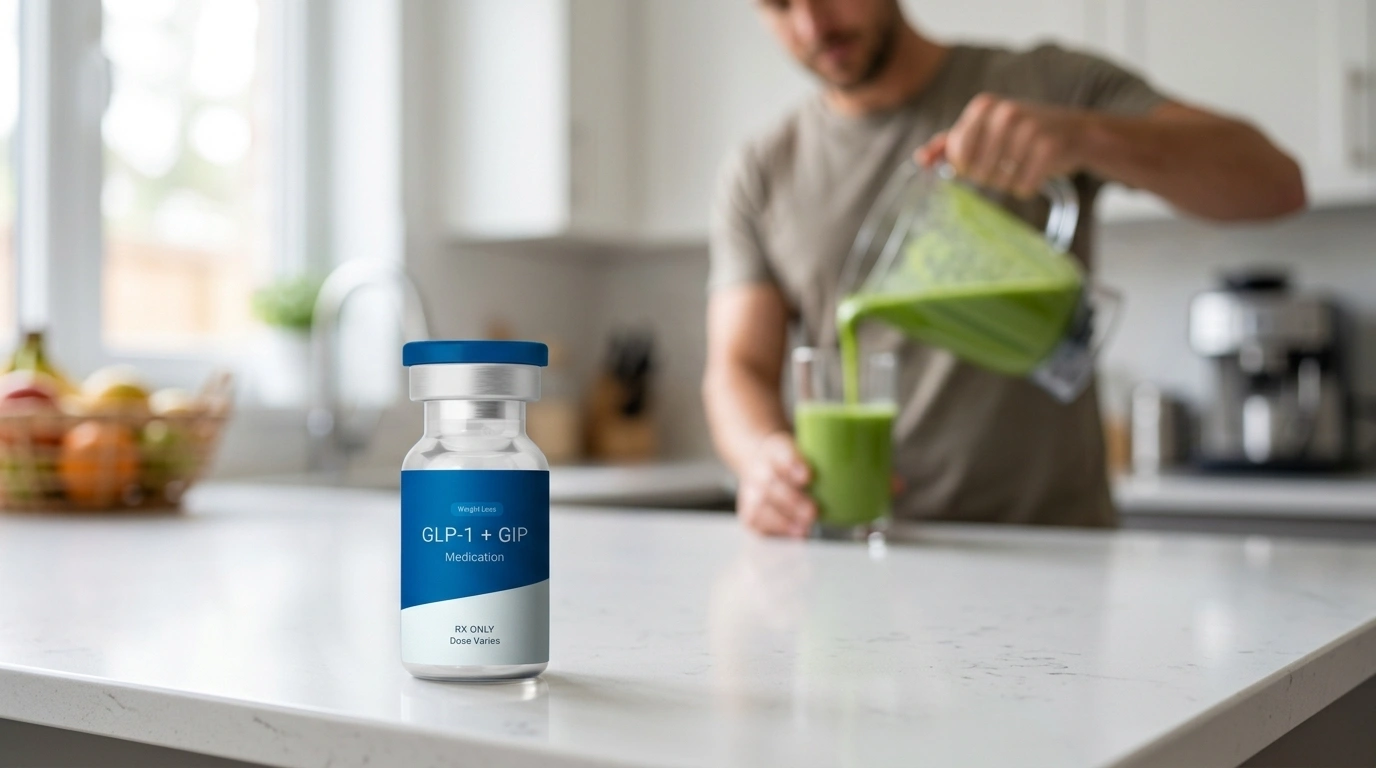
Introduction
Managing a weekly injection schedule for weight loss can feel like a balancing act. Life is often unpredictable. You might have a vacation coming up, a shift in your work schedule, or simply a desire to move your injection to a more convenient day of the week. If you are currently using Zepbound®, a tirzepatide-based medication, you may find yourself asking: can you take Zepbound shot a day early?
At TrimRx, we believe that understanding the science behind your medication is the best way to stay consistent and safe. While these medications are designed for a specific seven-day cycle, there is flexibility built into the protocol. This article will explain the safety guidelines for changing your injection day, the physiological effects of early dosing, and how to manage potential side effects. We provide the tools and medical connections needed for a personalized approach to your health journey. If you are exploring whether a supervised prescription program may be appropriate, you can complete a free eligibility assessment.
Quick Answer: Yes, you can generally take your Zepbound injection one day early. The clinical guideline provided by the manufacturer is that there must be at least 72 hours (three days) between doses. However, taking it early may temporarily increase the intensity of side effects like nausea or indigestion.
The Science of Zepbound Dosing and Timing
To understand if you can take your injection early, it is helpful to know how the medication behaves once it enters your system. Zepbound is a brand-name medication containing tirzepatide. Tirzepatide is a dual agonist. This means it mimics two hormones in your body: glucagon-like peptide-1 (GLP-1) and glucose-dependent insulinotropic polypeptide (GIP).
These hormones work together to help you feel full longer and regulate how your body processes sugar. Because the medication is designed to be long-acting, it stays in your bloodstream for a significant amount of time. This is why you only need to inject it once every seven days. For more background, read this guide to taking a tirzepatide shot early.
Understanding the Half-Life of Tirzepatide
The “half-life” of a medication is the amount of time it takes for the concentration of the drug in your body to reduce by half. For tirzepatide, the half-life is approximately five days.
When you take a dose every seven days, you are building a steady level of the medication in your blood. By Day 7, about half of the previous dose is still circulating. If you take your next shot on Day 6 instead of Day 7, you are simply introducing the new dose while the previous levels are slightly higher than they would be on Day 7.
Why the Seven-Day Cycle Is Standard
The one-week interval was chosen during clinical trials to maximize weight loss results while minimizing side effects. It provides a consistent “wave” of medication. The levels peak shortly after your injection and then slowly taper off. This cycle ensures that you maintain appetite suppression throughout the entire week without reaching toxic levels of the drug.
Guidelines for Taking Your Injection Early
The official guidance for Zepbound states that you can change the day of your weekly injection as long as the time between two doses is at least 72 hours. This 72-hour rule is the most important safety marker to remember. If you have questions about whether prescription treatment is appropriate for you, you can see if you qualify for a personalized program.
If your usual injection day is Sunday morning and you want to move it to Saturday morning, you have waited six full days (144 hours). This is well beyond the 72-hour minimum requirement. In this scenario, it is clinically safe to take the shot a day early.
The 72-Hour Rule Explained
The 72-hour buffer exists to prevent an accidental overdose or an extreme spike in medication levels. If you were to take two doses too close together, the concentration of tirzepatide in your blood could rise to a level that your body cannot easily process. This could lead to severe gastrointestinal distress or other complications.
Key Takeaway: You can safely shift your injection day forward or backward by 24 hours. The only absolute requirement is that at least three days have passed since your last dose.
Common Reasons to Adjust Your Schedule
There are many practical reasons why an individual might need to move their injection day. Most people find that a 24-hour shift does not disrupt their long-term progress.
Travel and Holidays
If you are going on a trip and do not want to travel with your medication pens, you might take your dose a day early before you head to the airport. Since Zepbound pens generally require refrigeration, taking the shot early can save you the hassle of carrying a cold pack or worrying about temperature stability during a long flight. For more information, review these Zepbound storage and travel guidelines.
Side Effect Management
Many people experience the most significant side effects, such as nausea or fatigue, about 24 to 48 hours after their injection. If your current schedule means you feel unwell during important work meetings or family events, you might decide to move your injection day. Shifting your dose to a Friday or Saturday can allow you to recover over the weekend when your schedule is more flexible. You can also read about why tirzepatide can cause nausea.
Pharmacy and Supply Logistics
Occasional delays in shipping or pharmacy processing can happen. If you receive your next box of medication a day earlier than expected, you may want to get back on track immediately. As long as you follow the 72-hour rule, this is perfectly acceptable. At TrimRx, we work with FDA-registered compounding pharmacies to help ensure a consistent supply of medication for our program participants.
Potential Side Effects of Early Dosing
While it is safe to take your dose early, it may not be entirely side-effect-free. Because the concentration of the medication in your body will be slightly higher when you dose early, your body may react more strongly.
Increased Nausea and Vomiting
Nausea is the most common side effect of GLP-1 and GIP medications. It usually happens as the medication reaches its peak concentration in your blood. If you take your shot a day early, that peak happens while more of the previous dose is still active. This can make nausea feel more intense for a day or two.
Slower Gastric Emptying
Tirzepatide works by slowing down how fast food leaves your stomach. Taking a dose early may slow this process even further. You might experience:
- A feeling of being “overly full”
- Indigestion or heartburn
- Bloating
- Mild abdominal cramping
For additional guidance, read how long tirzepatide side effects can take to start.
Managing Side Effects
If you decide to take your injection early, you can take steps to minimize discomfort. Focus on hydration and eat very small, bland meals for the first 24 hours after the shot. Avoiding high-fat or fried foods during this window is also helpful, as these foods take longer to digest and can worsen nausea.
Note: If you already have severe side effects from your current dose, it is usually better to wait until your scheduled day—or even a day later—rather than taking it early. Adding more medication to an already struggling digestive system can increase your discomfort.
How to Safely Change Your Injection Day Permanently
If you want to move your “anchor day” (your regular weekly day) from Sunday to Saturday, you can do this in one of two ways.
The Immediate Shift
The easiest way is to simply take your next dose on Saturday. From that point on, Saturday becomes your new regular injection day. As long as you were already on a stable Sunday schedule, this one-day jump is safe and follows the 72-hour rule.
The Incremental Shift
If you are sensitive to the medication, you might prefer a more gradual approach. You can move your injection time by a few hours each week until you reach your goal day. However, for most patients, a 24-hour shift is manageable without needing an incremental approach.
Step-by-Step Guide to Shifting Your Day
Step 1: Check the calendar. Confirm that at least 72 hours have passed since your last injection. Step 2: Evaluate your symptoms. If you are feeling well and not experiencing significant nausea, proceed with the injection. Step 3: Administer the dose. Use your standard injection site and technique. Step 4: Update your reminder. Set a new alarm or calendar notification for your new weekly day to ensure you don’t forget the following week.
What to Do if You Miss a Dose
Sometimes the question isn’t about taking a shot early, but rather how to catch up after a delay. If you miss your dose of Zepbound, the manufacturer recommends taking it as soon as possible within four days (96 hours) of your scheduled time. This guide to missed Zepbound injections explains the timing window in more detail.
If more than four days have passed, you should skip the missed dose and wait until your next regularly scheduled day. Never take two doses at the same time to make up for a missed one. Taking doses too close together significantly increases the risk of severe side effects and does not “boost” your weight loss.
The Importance of Medical Supervision
Adjusting medication timing is a standard part of many weight loss journeys, but it should always be done with the awareness of a healthcare professional. A telehealth-based platform like ours connects you with licensed providers who can offer specific guidance based on your medical history.
A personalized program is about more than just a prescription. It involves monitoring your response to the medication, adjusting your dosage when necessary, and ensuring that your weight loss is happening in a healthy, sustainable way. If you are experiencing persistent side effects or are unsure about your dosing schedule, reaching out to your clinical team is the best next step.
Maximizing Your Results on Zepbound
Consistency is the most important factor in the success of GLP-1 and GIP treatments. While moving a dose by 24 hours is safe, your primary goal should be to maintain a steady weekly routine.
Supplementing Your Journey
Some individuals find that certain supplements can help support their bodies while on these medications. Our GLP-1 Daily Support is designed to provide nutrient support that may be helpful during a weight loss program. These products are available for immediate purchase and do not require a medical consultation.
For broader nutritional guidance, review this supplement guide for people taking GLP-1 medications. If you are looking for additional metabolic support during weight loss, explore the Weight Loss Boost supplement.
Lifestyle Integration
Medication is a powerful tool, but it works best when paired with lifestyle changes. Focus on:
- Protein Intake: Higher protein helps preserve muscle mass during weight loss.
- Hydration: Water is essential for managing the digestive side effects of tirzepatide.
- Movement: Regular physical activity supports metabolic health and long-term weight maintenance.
Bottom line: While you can take Zepbound a day early, the key to long-term success is returning to a consistent weekly schedule once your timing has been adjusted.
Compounded Tirzepatide and Dosing Flexibility
For many patients, access to branded medications like Zepbound® or Mounjaro® can be limited by supply chain issues or insurance coverage. In these cases, we may connect patients with licensed providers who can prescribe compounded tirzepatide.
Compounded medications are prepared by FDA-registered and inspected compounding pharmacies. While these compounded versions are not FDA-approved, they contain the same active ingredient as the branded versions. The dosing rules—including the 72-hour gap—remain the same for compounded tirzepatide. If you are using a compounded version, you will likely be using a vial and syringe rather than a pre-filled pen, which allows for precise dosing under the guidance of your healthcare provider.
When to Contact a Healthcare Provider Immediately
While taking a shot a day early is generally safe, you should always monitor your body for “red flag” symptoms. Contact a healthcare professional or seek emergency care if you experience:
- Severe, persistent abdominal pain that may radiate to your back (a potential sign of pancreatitis)
- Frequent vomiting that prevents you from keeping liquids down
- Signs of a serious allergic reaction, such as swelling of the face, tongue, or throat
- Changes in vision or severe dizziness
For most people, the side effects of shifting a dose are mild and temporary. However, your safety is the priority. Always err on the side of caution and consult with a professional if you feel something is not right.
Conclusion
The journey toward better metabolic health is a marathon, not a sprint. Knowing that you can take your Zepbound shot a day early offers the flexibility needed to fit this treatment into a busy, modern life. As long as you respect the 72-hour safety window and monitor how your body responds, shifting your injection day is a manageable adjustment.
Our mission is to help you navigate these choices with confidence. We combine clinical expertise with a personalized approach to ensure you have the support you need at every step. Whether you are adjusting your schedule for travel or looking to optimize your weight loss results, we are here to provide a transparent and supportive environment.
If you are ready to explore a medically supervised weight loss program tailored to your unique health profile, the first step is simple. You can complete a free assessment quiz to explore your options.
FAQ
Can I take Zepbound two days early?
Yes, you can take Zepbound up to four days early if necessary, as long as there are at least 72 hours (three days) since your last dose. The manufacturer allows for this flexibility when you need to change your weekly injection day permanently or temporarily for travel.
What happens if I take my Zepbound shot early and get sick?
If you experience increased nausea or vomiting after an early dose, focus on hydration and bland foods. These symptoms usually subside within 24 to 48 hours as your body adjusts to the peak medication levels. If symptoms are severe or persistent, contact your healthcare provider. For more information, review these tirzepatide nausea management tips.
Does taking Zepbound early make it work faster?
No, taking the medication early does not significantly speed up weight loss. It may slightly increase the concentration of the drug in your system, but the weight loss benefits are the result of long-term, consistent use rather than the timing of a single dose.
Can I change my Zepbound injection day every week?
It is best to establish a consistent “anchor day” and stick to it whenever possible. While you can technically change the day frequently as long as you follow the 72-hour rule, a consistent schedule helps maintain steady levels of the medication and makes it easier to track your progress and side effects.
Disclaimer: This content is for informational purposes only and does not constitute medical advice. It is not intended to diagnose, treat, cure, or prevent any disease or condition. Individual results may vary. Always consult a qualified healthcare professional before starting any weight loss program or medication.

Transforming Lives, One Step at a Time
Keep reading
Surfing on Zepbound: Paddling Strength, Cold Water, and Dawn Patrol
Surfing asks a lot of your body. Paddling out through broken waves takes shoulder, back, and core strength. Cold water drains energy. Dawn sessions…

Skydiving on Zepbound: Planning a Tandem Jump
For many people who have lost weight, a skydive is a goal they set years ago and finally feel ready for. Some dropzones have…
A Day at the Renaissance Faire on Zepbound
A Renaissance faire is a full day out: jousts, stage shows, artisan stalls, dusty lanes, and food built for spectacle, from giant turkey legs…


