Can You Take Zepbound Without a Gallbladder?
Introduction
Finding a sustainable path to weight loss often feels like navigating a maze, especially when you have a history of surgery or specific health conditions. If you have had your gallbladder removed—a procedure known as a cholecystectomy—you may wonder if modern weight loss medications like Zepbound® are still a safe or effective option for you. It is a valid concern, as the gallbladder plays a vital role in how your body processes fats and manages digestion.
At TrimRx, we believe that your medical history should inform your weight loss journey, not stand in its way. This article examines the safety, considerations, and practical tips for using Zepbound or its active ingredient, tirzepatide, after gallbladder removal. You can also review this guide to taking Zepbound with no gallbladder for additional context. We will cover how the medication interacts with your digestive system, how to manage potential side effects, and how a personalized telehealth program can support your goals. Ultimately, having no gallbladder typically does not prevent you from using these treatments, provided you have professional medical guidance.
What Is Zepbound?
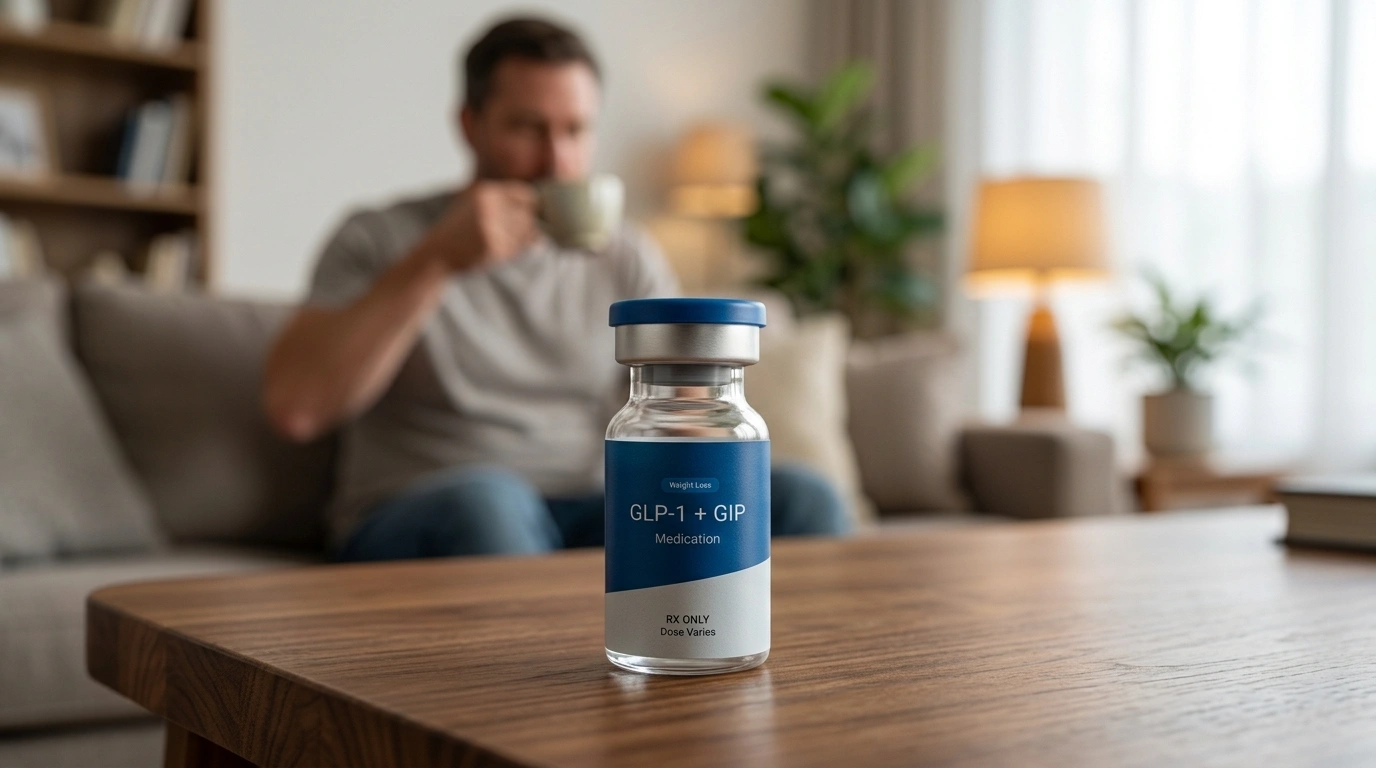
Zepbound is a brand-name prescription medication containing the active ingredient tirzepatide. It belongs to a class of drugs known as dual GLP-1 and GIP receptor agonists.
To understand how it works, we must look at two natural hormones in your body:
- GLP-1 (Glucagon-like peptide-1): This hormone helps regulate blood sugar and slows down how quickly your stomach empties.
- GIP (Glucose-dependent insulinotropic polypeptide): This hormone works alongside GLP-1 to improve how your body breaks down sugar and fat.
By mimicking these hormones, tirzepatide helps you feel full longer and reduces overall hunger signals in the brain. This “dual-action” approach is what makes it distinct from older medications that only target the GLP-1 receptor. For a deeper explanation, read this overview of how tirzepatide works. When combined with a balanced diet and regular physical activity, it can be a highly effective tool for chronic weight management.
The Role of the Gallbladder in Digestion
The gallbladder is a small, pear-shaped organ located just beneath your liver. Its primary job is to store and concentrate bile, a fluid produced by the liver that helps your body digest fats. When you eat a meal containing fat, the gallbladder contracts, squeezing bile into the small intestine to break those fats down.
Life After Gallbladder Removal
When the gallbladder is removed, your liver continues to produce bile, but there is no longer a storage tank for it. Instead of being released in a concentrated burst during a meal, bile drips continuously into the small intestine. For many people, this change goes unnoticed. However, some individuals experience “dumping” symptoms or digestive sensitivity, especially when eating high-fat foods. This shift in digestive mechanics is the primary reason why people are cautious about starting a medication that also affects the gastrointestinal system.
Can You Take Zepbound Without a Gallbladder?
Quick Answer: Yes, most individuals can safely take Zepbound after their gallbladder has been removed. There is no biological requirement for a gallbladder to process tirzepatide. However, because both the surgery and the medication can affect digestion, careful monitoring by a healthcare provider is essential.
Clinical studies for tirzepatide generally show that the medication remains effective regardless of whether a patient has a gallbladder. In fact, many people who are candidates for weight loss medications have already had a cholecystectomy, as obesity is a significant risk factor for gallstones. If you are considering prescription treatment, you can complete a free eligibility assessment.
Why the Concern Exists
The primary reason for caution is that GLP-1 medications are known to potentially slow down the movement of the gallbladder or change the composition of bile. In people who still have their gallbladder, this can occasionally lead to the formation of gallstones. If you no longer have a gallbladder, you are actually at a lower risk for certain specific complications, such as cholecystitis (gallbladder inflammation). However, you still have bile ducts, and managing the flow of bile remains important for your overall digestive comfort.
For more background, review this guide to Zepbound and gallbladder risks.
Overlapping Digestive Side Effects
One of the challenges of taking Zepbound without a gallbladder is distinguishing between surgery-related symptoms and medication side effects. Both can cause similar issues.
Common Side Effects of Zepbound
- Nausea and vomiting
- Diarrhea
- Constipation
- Indigestion or “sulfur burps”
- Abdominal pain
Common Post-Cholecystectomy Symptoms
- Frequent, loose stools (especially after fatty meals)
- Gas and bloating
- Cramping
Because these symptoms overlap, it is important to work with a clinical team that understands your history. If you experience increased diarrhea, it could be a reaction to a recent meal that was too high in fat, or it could be your body adjusting to a new dose of tirzepatide.
Key Takeaway: While you can take Zepbound without a gallbladder, you may be more sensitive to digestive changes. A slow and steady approach to dosing, managed by a licensed provider, is the best way to minimize discomfort.
Managing Your Weight Loss Journey Post-Surgery
If you have already had your gallbladder removed, your focus should be on optimizing your digestion to support the medication’s effectiveness. Personalized programs like those offered through TrimRx are designed to account for these specific needs.
1. Focus on Healthy Fats
Without a gallbladder to provide a concentrated dose of bile, large amounts of fat can be difficult to process. When taking Zepbound, your stomach already empties more slowly. Adding heavy, fried, or greasy foods can lead to significant nausea or diarrhea. Focus on small portions of healthy fats, such as avocado or olive oil, spread throughout the day.
2. Prioritize Lean Protein
Protein is essential for maintaining muscle mass during weight loss. Since tirzepatide reduces your appetite, you must ensure the food you do eat is nutrient-dense. Lean proteins like chicken, fish, tofu, and beans are generally easier on the digestive system than fatty meats. For additional meal ideas, explore this GLP-1 nutrition guide.
3. Stay Hydrated
Both GLP-1 medications and the absence of a gallbladder can affect your fluid balance. Diarrhea, a potential side effect for both, can lead to dehydration. Drinking plenty of water and including electrolytes can help keep your energy levels stable. Some people also explore metabolic support during weight loss alongside their broader nutrition plan.
4. Monitor Bile Duct Health
Even without a gallbladder, stones can occasionally form in the common bile duct. While rare, it is important to report any severe, sharp pain in the upper right abdomen or yellowing of the skin or eyes (jaundice) to a healthcare professional immediately.
Timing Zepbound Around Gallbladder Surgery
If you are currently taking Zepbound and are scheduled for gallbladder surgery, or if you are recovering from surgery and want to start the medication, timing is everything.
Before Surgery
Recent clinical guidelines suggest that patients taking GLP-1 receptor agonists may need to pause their medication before undergoing anesthesia. Because these drugs slow gastric emptying, there is a small risk of food remaining in the stomach during surgery, which can lead to complications. Always inform your surgeon and anesthesiologist if you are using Zepbound or any compounded tirzepatide.
After Surgery
Most providers recommend waiting until your digestive system has stabilized after surgery before starting or resuming Zepbound. This usually means waiting until you are back on a regular diet and any post-operative diarrhea or nausea has subsided. Starting too soon may make it difficult for your doctor to know if you are recovering well from the procedure.
The TrimRx Approach to Personalized Care
We understand that every body is different. A “one-size-fits-all” approach to weight loss often ignores the nuances of surgical history and metabolic health. Our platform connects you with licensed healthcare providers who take the time to understand your unique profile, including whether you have had your gallbladder removed.
Benefits of a Personalized Program
- Medical Supervision: Your treatment is overseen by professionals who can adjust your dosage based on how your digestive system responds.
- Telehealth Convenience: Skip the waiting rooms and consult with specialists from the comfort of home.
- High-Quality Options: We facilitate access to medications shipped from FDA-registered, inspected compounding pharmacies, ensuring you receive the care you need.
- Comprehensive Support: From initial lab work to ongoing specialist access, we provide the tools for sustainable change.
If you are ready to see if you qualify for a program, the first step is our free assessment quiz. This helps us understand your health history and goals so we can tailor a plan specifically for you.
Weight Loss, Gallstones, and Prevention
It is a common misconception that weight loss medications “cause” gallbladder issues. In reality, the act of losing weight quickly—by any means—increases the risk of gallstones. When you lose weight rapidly, your liver secretes more cholesterol into the bile, and the gallbladder may not empty as frequently, leading to stone formation.
For those who still have their gallbladder, we often recommend a gradual weight loss pace. For those who have already had their gallbladder removed, this specific risk is eliminated, but the focus remains on protecting the rest of the digestive tract and ensuring the liver remains healthy.
Myth: You cannot lose weight effectively without a gallbladder. Fact: Your liver still produces the bile necessary for fat digestion. While you may need to adjust your fat intake to avoid discomfort, your ability to lose weight is not hindered by the absence of the gallbladder.
Dietary Strategies for Zepbound Users Without a Gallbladder
Success on a GLP-1 or GIP medication often comes down to what you put on your plate. If you are navigating life without a gallbladder, consider these steps:
Step 1: Eat Smaller, More Frequent Meals
Instead of three large meals, aim for five or six small snacks. This prevents your digestive system from being overwhelmed by a “dump” of bile or a heavy load of food that tirzepatide is already processing slowly.
Step 2: Increase Fiber Gradually
Fiber helps regulate digestion and can improve the consistency of your stools. However, adding too much fiber too fast while on Zepbound can lead to bloating. Increase your intake of vegetables and whole grains slowly over several weeks.
Step 3: Keep a Food Journal
Track what you eat and how you feel. You might find that certain fats (like dairy) cause more issues than others (like nuts). Sharing this journal with your provider can help them fine-tune your program.
Step 4: Supplement Wisely
Some individuals find that digestive enzymes or specific supplements support their journey. Always consult your healthcare provider before adding supplements to your routine, especially when taking prescription medications.
Bottom line: Taking Zepbound without a gallbladder requires a focus on digestive comfort and mindful eating, but it is a widely accepted and safe practice under medical supervision.
Summary of Clinical Considerations
| Consideration | Impact Without a Gallbladder |
|---|---|
| Safety | Generally considered safe; no contraindication for cholecystectomy. |
| Effectiveness | Tirzepatide remains highly effective for weight loss and blood sugar. |
| Side Effects | Potential for increased sensitivity to diarrhea or gas. |
| Dosing | May require a slower titration (increase) to monitor tolerance. |
| Risk of Gallstones | Eliminated (though bile duct stones remain a very rare possibility). |
Taking the Next Step
Whether you are just starting to research weight loss options or you are ready to begin a formal program, understanding your body’s unique needs is the key to success. Gallbladder removal is a common procedure, and it does not have to be a barrier to achieving a healthier weight.
At TrimRx, our mission is to help you embrace a healthier lifestyle through science and empathy. We provide a transparent, personalized approach to sustainable weight loss, ensuring you have the medical support you need every step of the way. By merging clinical expertise with the convenience of telehealth, we make it easier than ever to access the latest advancements in metabolic health.
If you are curious about Zepbound, compounded tirzepatide, or other GLP-1 options, we encourage you to take our free assessment quiz to explore your eligibility for a personalized treatment plan.
FAQ
Does Zepbound cause more side effects if I don’t have a gallbladder?
While Zepbound does not necessarily cause more side effects without a gallbladder, the side effects it does cause—like diarrhea—may feel more intense. This is because your body already processes fats differently after gallbladder removal. Working closely with a provider to manage your dose can help mitigate this.
Can I start Zepbound immediately after my gallbladder surgery?
It is usually best to wait until you have fully recovered and your digestion has returned to a “new normal.” Most healthcare providers suggest waiting several weeks to ensure you aren’t confusing surgical recovery symptoms with medication side effects. Always follow the specific timeline provided by your surgeon.
Is tirzepatide better than semaglutide for people without a gallbladder?
Both medications are generally safe for those without a gallbladder. Tirzepatide’s dual-action (GLP-1 and GIP) may offer different weight loss results for some, but neither medication requires a gallbladder to function. Your provider will help you choose the option that best fits your health profile and goals. For more information, read this semaglutide and tirzepatide comparison.
Are there specific foods I should avoid while taking Zepbound without a gallbladder?
You should generally avoid high-fat, fried, and greasy foods. These are harder to digest without a gallbladder and can worsen the nausea or diarrhea often associated with Zepbound. Focusing on lean proteins, complex carbohydrates, and healthy fats in moderation is the best strategy for success.
Disclaimer: This content is for informational purposes only and does not constitute medical advice. It is not intended to diagnose, treat, cure, or prevent any disease or condition. Individual results may vary. Always consult a qualified healthcare professional before starting any weight loss program or medication.

Transforming Lives, One Step at a Time
Keep reading
Surfing on Zepbound: Paddling Strength, Cold Water, and Dawn Patrol
Surfing asks a lot of your body. Paddling out through broken waves takes shoulder, back, and core strength. Cold water drains energy. Dawn sessions…

Skydiving on Zepbound: Planning a Tandem Jump
For many people who have lost weight, a skydive is a goal they set years ago and finally feel ready for. Some dropzones have…
A Day at the Renaissance Faire on Zepbound
A Renaissance faire is a full day out: jousts, stage shows, artisan stalls, dusty lanes, and food built for spectacle, from giant turkey legs…


