Navigating Zepbound and GERD: What You Need to Know for Your Weight Loss Journey
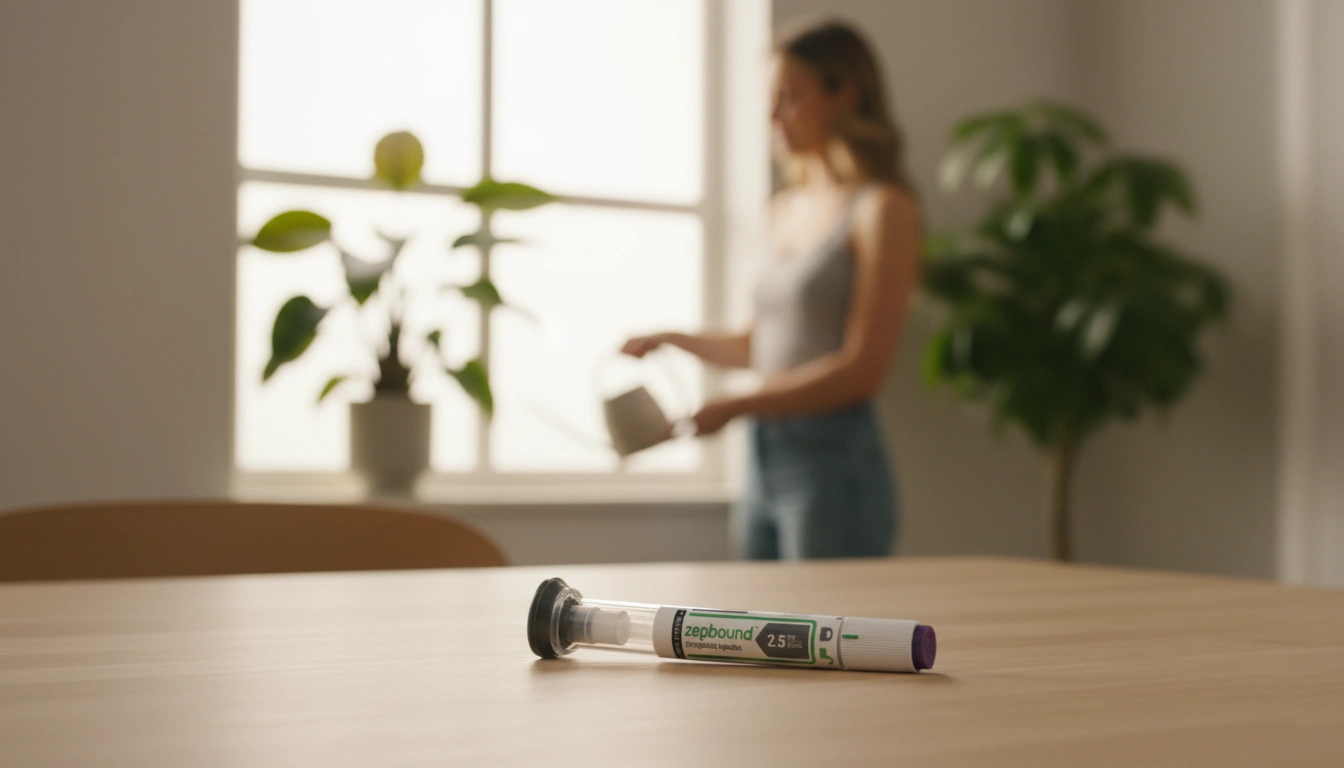
The persistent discomfort of acid reflux, the burning sensation, or the unwelcome taste of stomach acid can be a daily battle for millions. This condition, known as gastroesophageal reflux disease (GERD), often finds a complex relationship with weight, with excess body weight frequently exacerbating its symptoms due to increased abdominal pressure. As individuals explore effective weight loss solutions, including advanced medications like Zepbound, a critical question arises: [can you take zepbound if you have gerd]? This inquiry delves into the intricate interplay between managing a chronic digestive condition and leveraging innovative pharmacological tools for healthier living.
Introduction
Many individuals seeking to improve their health through weight loss often discover that their journey intersects with pre-existing conditions. For those living with GERD, the path to weight management can present unique considerations. It’s a reality that while losing weight is frequently recommended as a primary strategy to alleviate GERD symptoms, the very medications designed to aid in this process can sometimes introduce new digestive challenges or interact with existing ones. Zepbound, a powerful prescription medication for weight management, offers a promising avenue for significant weight reduction, but its effects on the gastrointestinal system warrant careful attention, especially for those with a history of acid reflux.
This blog post aims to provide a thorough and insightful exploration into the relationship between Zepbound and GERD. We will delve into what Zepbound is, how it functions, and the current understanding of its use in individuals with GERD, drawing from available clinical data and expert insights. Our goal is to equip you with a comprehensive understanding of potential side effects, practical management strategies, and the importance of personalized medical supervision. We believe that empowering you with knowledge is the first step toward making informed decisions about your health. As we navigate these complexities, we’ll highlight how our empathetic, innovative, and results-oriented approach at TrimRx can support you on a personalized path, ensuring safety and effectiveness are at the forefront of your weight loss transformation. This article is structured to guide you from foundational knowledge of GERD and Zepbound through specific considerations and management tips, culminating in how our comprehensive programs can offer tailored support.
Understanding GERD and Its Connection to Weight
Gastroesophageal Reflux Disease (GERD) is a chronic digestive disorder characterized by the recurrent backward flow of stomach acid, bile, and other stomach contents into the esophagus. This reflux occurs when the lower esophageal sphincter (LES), a ring of muscle that acts as a valve between the esophagus and stomach, weakens or relaxes inappropriately. The lining of the esophagus is not designed to withstand stomach acid, leading to a range of uncomfortable symptoms.
Common Symptoms of GERD
The symptoms of GERD can vary in intensity and type, but the most prevalent include:
- Heartburn: A burning sensation in the chest, often rising from the stomach towards the neck, typically after eating or lying down.
- Acid regurgitation: A sour or bitter taste in the mouth or throat, often accompanied by the sensation of fluid coming up.
- Dysphagia: Difficulty swallowing.
- Chest pain: Non-cardiac chest pain that can mimic heart attack symptoms.
- Chronic cough, hoarseness, or sore throat: These can be caused by acid irritating the vocal cords and throat.
- Nausea: A feeling of sickness with an urge to vomit.
The Link Between Weight and GERD
The connection between excess weight or obesity and GERD is well-established. Numerous studies have demonstrated that as body mass index (BMI) increases, so does the prevalence and severity of GERD symptoms. There are several physiological reasons for this association:
- Increased Intra-abdominal Pressure: Excess fat around the abdomen exerts upward pressure on the stomach, forcing stomach contents against the LES. This increased pressure makes it easier for acid to push through the sphincter and into the esophagus.
- Hiatal Hernia: Obesity can contribute to the development or worsening of a hiatal hernia, a condition where part of the stomach pushes up through the diaphragm. Hiatal hernias further compromise the LES function, allowing acid reflux to occur more readily.
- Changes in Esophageal Motility: Obesity can also influence the normal muscle contractions of the esophagus, potentially leading to less efficient clearance of acid from the esophagus.
- Hormonal and Inflammatory Factors: Adipose tissue (body fat) is metabolically active and can release hormones and inflammatory cytokines that may impact gut function and sensitivity, potentially exacerbating GERD.
Given this strong link, weight loss is often the first-line recommendation for individuals with overweight or obesity who are struggling with GERD. Even modest weight reduction can significantly reduce intra-abdominal pressure and improve LES function, leading to a notable decrease in symptoms for many. This makes weight management medications, when medically appropriate, a relevant consideration for those seeking to alleviate both their weight and GERD challenges.
Zepbound: A Closer Look at its Role in Weight Management
In the landscape of modern weight loss solutions, Zepbound (tirzepatide) has emerged as a significant advancement, offering a powerful tool for individuals struggling with obesity or overweight alongside weight-related health conditions. Understanding how this medication works is crucial for anyone considering it, especially if they have co-existing conditions like GERD.
What is Zepbound and How Does it Work?
Zepbound is a glucagon-like peptide-1 (GLP-1) receptor agonist and a glucose-dependent insulinotropic polypeptide (GIP) receptor agonist. This dual-agonist mechanism sets it apart from other medications in its class. These are natural hormones in the body that play a vital role in regulating blood sugar and appetite.
When administered, tirzepatide mimics the action of these natural hormones, leading to several key effects that contribute to weight loss:
- Appetite Regulation: Zepbound acts on receptors in the brain to reduce appetite and increase feelings of fullness and satiety. This helps individuals eat less and feel satisfied with smaller portions.
- Delayed Gastric Emptying: The medication slows down the movement of food from the stomach into the small intestine. This means food stays in the stomach longer, contributing to prolonged feelings of fullness and reducing overall food intake.
- Blood Sugar Control: While primarily approved for weight management, tirzepatide also helps regulate blood sugar levels, making it particularly beneficial for individuals with type 2 diabetes who also need to lose weight.
Zepbound is a branded medication that has received FDA approval for chronic weight management in adults with obesity (BMI ≥ 30 kg/m²) or who are overweight (BMI ≥ 27 kg/m²) with at least one weight-related comorbidity such as hypertension, dyslipidemia, type 2 diabetes mellitus, or obstructive sleep apnea. It is prescribed as a once-weekly subcutaneous injection, with dosages gradually increased by a healthcare provider to minimize side effects and optimize effectiveness.
At TrimRx, our journey began with a shared vision to help individuals embrace healthier lifestyles by merging cutting-edge telehealth innovations with effective weight loss solutions. We understand that exploring options like Zepbound requires careful consideration, and we are here to support you. Our platform is a user-friendly and supportive space where individuals receive personalized, medically supervised care, all designed to make sustainable weight loss attainable and tailored to the individual. We believe that sustainable weight loss should be achieved through science, empathy, and a transparent approach. If you’re wondering whether Zepbound or similar options might be right for you, we encourage you to take our free assessment quiz to determine your eligibility and receive a personalized treatment plan from one of our healthcare providers.
Zepbound and GERD: Navigating the Intersection
For individuals with GERD considering Zepbound for weight management, the intersection of these two conditions presents a crucial area of discussion with a healthcare provider. While Zepbound offers significant benefits for weight loss, its mechanism of action and reported side effects can have implications for those managing acid reflux.
Clinical Trial Insights
The prescribing information for Zepbound provides valuable context regarding its use in patients with GERD. It’s important to note some key findings from the clinical trials:
- No Specific Exclusion for Preexisting GERD: A preexisting condition of gastroesophageal reflux disease (GERD) was not a specific exclusion criterion for enrollment in the Zepbound (SURMOUNT) clinical trials for adults with obesity or overweight. This indicates that participants with GERD were part of the study population, though no specific subgroup analysis was performed to evaluate Zepbound’s effects solely on this group.
- GERD as a Reported Side Effect: In pooled data from two placebo-controlled trials for weight reduction (SURMOUNT-1 and SURMOUNT-2), GERD was reported as an adverse reaction. Specifically, 4% of participants treated with tirzepatide 5 mg, 4% with tirzepatide 10 mg, and 5% with tirzepatide 15 mg reported GERD, compared to 2% of participants treated with placebo. This suggests that while not a widespread issue, Zepbound can be associated with new or worsened GERD symptoms for a small percentage of users.
- Exclusion for Severe GI Disease: Importantly, tirzepatide has not been studied in patients with severe gastrointestinal disease, including severe gastroparesis (extremely slow digestion), and is therefore not recommended in these patients. Clinical trials for weight management also excluded participants with known clinically significant gastric emptying abnormalities or those chronically taking drugs that directly affect gastrointestinal motility. This highlights the importance of a thorough medical history review before initiating treatment.
Ultimately, Eli Lilly and Company, the manufacturer, cannot provide specific clinical recommendations on the use of tirzepatide in patients with GERD due to the lack of dedicated subgroup analysis. The decision rests with the treating physician, who must consider the information provided, the patient’s prior medical history, concomitant medications, and other individual factors. This involves a careful assessment of potential risks and benefits, along with appropriate monitoring.
Potential for Worsening or Causing GERD Symptoms
While weight loss itself is often beneficial for GERD, Zepbound’s mechanism of action, particularly its effect on delayed gastric emptying, can paradoxically contribute to or exacerbate acid reflux symptoms in some individuals.
- Delayed Gastric Emptying: By slowing down the digestive process, food and stomach acid remain in the stomach for a longer duration. For some, this prolonged presence can increase the likelihood of acid reflux, especially if the LES is already compromised. The stomach may feel fuller, leading to increased pressure and a greater chance for contents to push back up into the esophagus.
- Common Gastrointestinal Side Effects: Zepbound is associated with a range of common gastrointestinal side effects, including nausea, vomiting, diarrhea, constipation, indigestion, abdominal pain, and burping. These symptoms, even if not directly classified as GERD, can create discomfort and mimic or worsen the sensation of acid reflux. For example, increased burping can bring stomach acid into the esophagus, and indigestion can lead to a burning sensation.
It’s a nuanced situation where the overall weight loss achieved with Zepbound can be a positive for GERD in the long term, but the immediate effects of the medication on the digestive system may necessitate careful management of GERD symptoms. This underscores the critical need for open communication with your healthcare provider throughout your treatment journey.
Strategies for Managing GERD Symptoms While on Zepbound
For individuals embarking on a weight loss journey with Zepbound while also managing GERD, proactive strategies are key to minimizing discomfort and ensuring a successful experience. Our approach at TrimRx emphasizes compassionate care that respects every individual’s unique journey, combining advanced medical science with modern technology. This means supporting you with practical advice and personalized guidance.
Lifestyle and Dietary Adjustments
Many effective strategies for managing GERD symptoms are rooted in simple yet powerful lifestyle and dietary modifications. These can be particularly beneficial when you’re also taking a medication like Zepbound that affects your digestive system.
Identifying and Avoiding Trigger Foods
A crucial first step is to become a detective of your own diet. Keep a food diary to pinpoint specific foods that seem to worsen your reflux. Common culprits include:
- Spicy foods
- Fatty or fried foods
- Caffeine (coffee, tea, some sodas)
- Citrus fruits and juices
- Chocolate
- Carbonated beverages
- Onions and garlic
- Alcohol
- Mint
Reducing or eliminating these from your diet can significantly alleviate symptoms.
Eating Habits for Digestive Comfort
- Smaller, More Frequent Meals: Zepbound often reduces appetite and helps you feel full faster. Capitalize on this by consuming smaller portions throughout the day rather than large, heavy meals. Overeating can distend the stomach and put extra pressure on the LES.
- Time Your Meals Thoughtfully: Aim to have your last substantial meal of the day several hours before bedtime, ideally 2-3 hours. Lying down directly after eating allows stomach acid to more easily flow back into the esophagus.
- Stay Upright After Eating: After any meal, especially larger ones, remain upright for at least two to three hours. Gravity is your ally in keeping stomach contents where they belong.
- Wear Comfortable Clothing: Avoid tight-fitting clothes, especially around the abdomen. Such attire can increase abdominal pressure, much like excess weight, and push stomach acid upwards.
Optimizing Sleep and Posture
- Elevate Your Upper Body While Sleeping: Raising the head of your bed by 6-8 inches (using risers under the bedposts or a wedge pillow) can help prevent nighttime reflux by allowing gravity to work even while you sleep. Simply adding more pillows under your head isn’t usually effective, as it only elevates your head, not your entire upper torso.
Communication with Your Healthcare Provider
While lifestyle adjustments are foundational, they may not always be sufficient, especially when introducing a new medication like Zepbound. Open and honest communication with your healthcare provider is paramount.
Disclosing Your Medical History
Before starting Zepbound, it’s vital to thoroughly discuss your history of GERD, its severity, and any treatments you’ve tried. Our healthcare providers at TrimRx conduct comprehensive consultations to understand your full medical background, ensuring that we consider all aspects of your health when developing a personalized treatment plan. This diligent review helps us determine if a particular medication is suitable for you or if alternative approaches are more appropriate.
Discussing Persistent or Worsening Symptoms
If you experience new or worsening GERD symptoms after starting Zepbound, do not hesitate to reach out to your healthcare provider. Symptoms like persistent heartburn, regurgitation, unusual chest pain, or difficulty swallowing warrant immediate attention. Your provider can assess whether these symptoms are related to the medication, potentially adjust your dosage, or recommend additional management strategies.
Considering Medications for GERD
Your healthcare provider may suggest over-the-counter or prescription medications specifically for GERD, such as:
- Antacids: (e.g., calcium carbonate) for immediate, temporary relief of mild symptoms.
- H2 Blockers: (e.g., famotidine) which reduce acid production in the stomach for longer-lasting relief.
- Proton Pump Inhibitors (PPIs): (e.g., omeprazole) which are stronger acid reducers and can help heal the esophageal lining.
It’s crucial to use these under medical guidance, as some medications can interact with Zepbound or have their own long-term considerations.
At TrimRx, our comprehensive service is designed to provide you with continuous, unlimited support. This includes doctor consultations, medication, lab work, and shipping—all with no hidden fees. We partner with FDA-registered and inspected pharmacies for the shipping of weight loss medications, ensuring your safety and peace of mind. While we facilitate access to care, it is important to understand that TrimRx partners with these pharmacies for the shipping of weight loss medications and does not provide actual medical supervision. Our dedicated team of healthcare professionals is committed to guiding you through your journey, offering transparent service and compassionate care. To see if our personalized, medically supervised care, including options like Zepbound, is right for you, we encourage you to take our free assessment quiz today.
Comprehensive Support: TrimRx’s Personalized Approach to Weight Loss
Embarking on a weight loss journey can be transformative, but it’s rarely a one-size-fits-all experience. At TrimRx, our foundation is built on the understanding that true, sustainable weight loss requires a deeply personalized and supportive approach. Our journey began with a shared vision to help individuals embrace healthier lifestyles by merging cutting-edge telehealth innovations with effective weight loss solutions. We recognized the need for a platform that simplifies access to expert medical guidance and clinically proven treatments, all from the comfort and privacy of one’s home.
Our brand personality is empathetic, innovative, trustworthy, supportive, results-oriented, and profoundly personalized. We offer compassionate care that respects every individual’s unique journey by combining advanced medical science with modern technology. We prioritize a transparent approach, highlighting that our commitment to your well-being remains consistent regardless of dosage changes. Safety is paramount, which is why we work exclusively with FDA-registered and inspected pharmacies for the shipping of weight loss medications, though TrimRx does not provide actual medical supervision itself. We believe that sustainable weight loss should be achieved through science, empathy, and a transparent process, creating a user-friendly and supportive space where individuals receive personalized, medically supervised care tailored to their specific needs and health goals.
Our Personalized Weight Loss Program (Requires Quiz)
For those who qualify, our personalized weight loss program offers access to a range of prescription medications that have been clinically proven to aid in weight management. These medications are a cornerstone of modern weight loss science, and we ensure they are prescribed and monitored by qualified healthcare professionals.
Our offerings include:
- Compounded Semaglutide: A GLP-1 receptor agonist, similar to active ingredients in branded medications, provided through FDA-registered, inspected, and approved pharmacies.
- Oral Semaglutide: An oral form of semaglutide, offering an alternative for those who prefer not to inject.
- Ozempic®: An FDA-approved branded medication containing semaglutide, known for its effectiveness in blood sugar control and weight reduction.
- Compounded Tirzepatide: A dual GLP-1 and GIP receptor agonist, similar to the active ingredient in branded medications, sourced from FDA-registered, inspected, and approved pharmacies.
- Oral Tirzepatide: An oral option for tirzepatide, providing flexibility in administration.
- Mounjaro®: An FDA-approved branded medication containing tirzepatide, used for type 2 diabetes and recognized for its weight loss benefits.
- Zepbound®: An FDA-approved branded medication containing tirzepatide, specifically approved for chronic weight management in adults.
- Wegovy®: An FDA-approved branded medication containing semaglutide, approved for chronic weight management.
It is important to understand that while branded medications like Ozempic®, Mounjaro®, Zepbound®, and Wegovy® are FDA-approved, compounded medications are provided through FDA-registered, inspected, and approved pharmacies but are not themselves FDA-approved. Our comprehensive service includes a thorough doctor consultation, the prescribed medication, necessary lab work, unlimited support from our team, and convenient shipping—all without any hidden fees.
To determine your eligibility and receive a personalized treatment plan from a healthcare provider who can prescribe these powerful tools, we invite you to take our free assessment quiz. This crucial first step ensures that your weight loss journey is safe, effective, and perfectly aligned with your health needs and medical history.
Quick-Access Supplements for Holistic Well-being (No Quiz)
Beyond prescription medications, we recognize that supporting overall wellness is integral to a successful weight loss journey. For those seeking immediate support or complementary solutions, we offer quick-access supplements that do not require a prior assessment quiz. These products are designed to bolster your health and enhance your journey towards a healthier lifestyle.
Our quick-access supplements include:
- GLP-1 Daily Support: This supplement is formulated to provide daily support for metabolic health, complementing the effects of GLP-1 medications or aiding those managing their weight through diet and exercise. You can explore its benefits and purchase it directly through our site: GLP-1 Daily Support.
- Weight Loss Boost: Designed to provide an extra push for your weight loss efforts, this supplement supports your body’s natural processes. Learn more and make a purchase here: Weight Loss Boost.
These quick-access supplements are available for immediate purchase to support overall wellness during the weight loss journey, offering convenience and targeted support for various aspects of metabolic health and weight management. Whether you’re exploring prescription options or enhancing your current regimen, TrimRx is dedicated to providing you with a full spectrum of scientifically-backed solutions.
Beyond GERD: Other Important Zepbound Considerations
While the focus on [can you take zepbound if you have gerd] is vital, it’s equally important for individuals considering Zepbound to be aware of its broader profile, including other potential side effects, contraindications, and precautions. This holistic understanding ensures that you are fully informed and prepared for a medically supervised weight loss journey.
Gastrointestinal Side Effects (General)
As a medication that impacts the digestive system, Zepbound can cause a range of gastrointestinal (GI) side effects, most of which are mild to moderate and tend to improve over time as the body adjusts to the medication. These are distinct from GERD but can contribute to overall GI discomfort.
Common GI side effects include:
- Nausea and Vomiting: Often reported, especially when starting treatment or increasing the dose.
- Diarrhea and Constipation: Both can occur, affecting bowel regularity.
- Abdominal Pain: Discomfort or cramping in the stomach area.
- Burping and Indigestion (Dyspepsia): Sensations of fullness, bloating, or acid reflux, which can be linked to slowed digestion.
Management Strategies: Many of these can be managed with dietary adjustments (smaller, blander meals, avoiding fatty/spicy foods), adequate hydration, and over-the-counter remedies as advised by a healthcare provider. Gradual dose escalation, as practiced in our personalized programs, is key to minimizing these effects and allowing your body to adapt.
Serious Side Effects
While less common, Zepbound can also cause serious side effects that require immediate medical attention. Awareness of these is crucial:
- Boxed Warning: Risk of Thyroid C-Cell Tumors: Zepbound carries a boxed warning, the most serious warning from the FDA, for the risk of thyroid C-cell tumors. In animal studies, tirzepatide caused these tumors, including medullary thyroid carcinoma (MTC). It is unknown whether Zepbound causes such tumors in humans, but due to this potential risk, it is contraindicated in patients with a personal or family history of MTC or in those with Multiple Endocrine Neoplasia syndrome type 2 (MEN 2).
- Pancreatitis: Zepbound can cause inflammation of the pancreas (pancreatitis), characterized by severe stomach pain that may radiate to the back, often accompanied by vomiting.
- Gallbladder Problems: Acute gallbladder disease, including cholecystitis (gallbladder inflammation) or gallstones, can occur. Symptoms may include pain in the upper right abdomen, fever, jaundice (yellowing of skin/eyes), or clay-colored stools.
- Hypoglycemia (Low Blood Sugar): While Zepbound itself can lower blood sugar, the risk of hypoglycemia significantly increases when used with insulin or other medications that stimulate insulin release (like sulfonylureas). Symptoms include shakiness, sweating, confusion, blurred vision, and dizziness.
- Kidney Damage: Severe vomiting and diarrhea can lead to dehydration, potentially causing acute kidney injury.
- Severe Allergic Reactions: Though rare, serious allergic reactions (anaphylaxis) can occur, with symptoms like swelling of the face, lips, tongue, or throat, difficulty breathing, or severe rash.
- Vision Changes: For individuals with diabetic retinopathy, Zepbound may temporarily worsen this condition, particularly when starting treatment or increasing dosage.
- Suicidal Thoughts or Behaviors: While not directly reported in Zepbound’s clinical trials, this risk has been reported with other medications used for long-term weight management. It’s an important consideration for the entire class of medications.
Contraindications and Precautions
A thorough review of your medical history is paramount before initiating Zepbound treatment. Several conditions and circumstances warrant caution or outright contraindicate its use:
- History of Medullary Thyroid Carcinoma (MTC) or MEN 2: Due to the boxed warning, Zepbound is not recommended if you or a family member has a history of MTC or MEN 2.
- Severe Gastroparesis or Severe Gastrointestinal Disease: As mentioned, Zepbound has not been studied in these populations and is not recommended.
- Pregnancy and Breastfeeding: Weight loss is generally not recommended during pregnancy, and it is unknown if Zepbound can harm an unborn baby or pass into breast milk. Zepbound may also reduce the effectiveness of some oral birth control pills, requiring alternative contraceptive methods.
- Planned Surgery: Zepbound slows gastric emptying, which can increase the risk of aspiration (food or liquid entering the lungs) during procedures requiring anesthesia or deep sedation. Patients are typically advised to stop Zepbound before planned surgeries.
- Other Medical Conditions: Caution is advised for individuals with a history of pancreatitis, kidney problems, or diabetic retinopathy.
At TrimRx, our healthcare providers thoroughly review your medical history during your consultation to ensure the safest and most effective treatment plan for you. We provide personalized, medically supervised care, guiding you through every step and closely monitoring your progress and any potential concerns. Your safety and well-being are our highest priorities. To explore how our dedicated team can support your unique weight loss journey and to determine if medications like Zepbound are suitable for your health profile, start your journey by taking our free assessment quiz today.
Conclusion
The decision to embark on a weight loss journey, particularly with the aid of advanced medications like Zepbound, is a significant step towards improved health. For individuals navigating this path while also managing a condition like GERD, a nuanced understanding and proactive approach are absolutely essential. We’ve explored how Zepbound, a powerful GLP-1 and GIP receptor agonist, offers substantial benefits for weight management but also carries the potential for gastrointestinal side effects, including the worsening or induction of GERD symptoms in some cases. Clinical trials have shown that while preexisting GERD was not an exclusion criterion, a small percentage of Zepbound users did report GERD as a side effect.
The key takeaway is that while weight loss can often alleviate GERD symptoms in the long run, the short-term effects of Zepbound’s mechanism of action—specifically delayed gastric emptying—and its general GI side effect profile require careful consideration. By implementing strategic lifestyle and dietary adjustments, maintaining open communication with your healthcare provider, and exploring targeted GERD medications when necessary, many individuals can successfully manage these challenges.
At TrimRx, we are steadfast in our commitment to supporting you through every phase of your personalized weight loss journey. Our comprehensive platform combines cutting-edge telehealth with medically supervised care, ensuring that your treatment plan is tailored to your unique health profile, including any pre-existing conditions. We stand for science, empathy, and transparency, offering robust support that includes expert consultations, access to prescription medications from FDA-registered and inspected pharmacies, necessary lab work, and unlimited guidance—all designed to empower you towards safe and sustainable weight loss.
If you’re ready to explore a personalized, evidence-based approach to weight loss that prioritizes your safety and addresses your individual health needs, we invite you to take the next step. Discover if our personalized weight loss program, including options like Zepbound, is right for you by completing our free assessment quiz. For immediate support to enhance your overall wellness, consider our GLP-1 Daily Support or Weight Loss Boost supplements. Your journey to a healthier, more vibrant life begins with informed choices and compassionate support, and we are here to guide you every step of the way.
Frequently Asked Questions (FAQ)
1. Is Zepbound contraindicated for individuals with GERD?
A pre-existing condition of GERD was not a specific exclusion criterion for enrollment in Zepbound’s clinical trials. However, Zepbound is not recommended for patients with severe gastrointestinal diseases, including severe gastroparesis. While GERD itself is not an outright contraindication, it’s crucial to discuss your full medical history with your healthcare provider. They will assess your individual situation, considering the severity of your GERD and other health factors, to determine if Zepbound is a safe and appropriate option for you.
2. Can Zepbound cause or worsen GERD symptoms?
Yes, Zepbound can potentially cause or worsen GERD symptoms in some individuals. Clinical trials reported GERD as a side effect in 4-5% of participants taking Zepbound, compared to 2% in the placebo group. This is partly due to Zepbound’s mechanism of slowing gastric emptying, which can increase pressure on the lower esophageal sphincter. Additionally, other common gastrointestinal side effects like indigestion, nausea, and burping can contribute to or mimic acid reflux sensations.
3. What steps can I take to manage GERD symptoms while on Zepbound?
Managing GERD symptoms while on Zepbound often involves a combination of lifestyle and dietary adjustments. These include eating smaller, more frequent meals, avoiding trigger foods (like spicy or fatty foods, caffeine, alcohol), not lying down immediately after eating, elevating the head of your bed, and wearing loose-fitting clothing. If these strategies are insufficient, your healthcare provider may recommend over-the-counter antacids, H2 blockers, or proton pump inhibitors (PPIs) to help manage symptoms. Open communication with your provider is key for personalized guidance.
4. How does TrimRx support individuals with GERD considering Zepbound for weight loss?
At TrimRx, we prioritize personalized, medically supervised care. Our process begins with a comprehensive free assessment quiz and consultation with a healthcare provider who will thoroughly review your medical history, including your GERD status. This allows us to create a tailored treatment plan that considers all your health needs. We offer ongoing support, medication access through FDA-registered and inspected pharmacies, and monitoring, ensuring a safe and effective weight loss journey while addressing any potential GERD-related concerns.

Transforming Lives, One Step at a Time
Keep reading

How to Get Zepbound in Texas: Your Guide
Getting Zepbound in Texas is straightforward once you know your options. You can get a prescription through a telehealth provider from home, through your…

How to Get Zepbound in California: Where to Start
Zepbound (tirzepatide) is available to California residents through your primary care provider, a weight loss clinic, or a telehealth service that prescribes and delivers…

Stopping Zepbound: Managing the Transition
When you stop taking Zepbound, your appetite returns to pre-medication levels within a few weeks and most people regain a meaningful portion of their…


